
2026 Yunokawa Onsen Guide: A Hidden Seaside Hot Spring Town, One of Hokkaido’s Three Great Onsen Areas

Yunokawa Onsen, a century-old hot spring town in eastern Hakodate, is the closest and most convenient onsen to the airport, with unbeatable views of the Tsugaru Strait while you soak. This article treats Yunokawa Onsen as a destination in its own right, covering access, highlights and itinerary planning. It suits a final night’s stay for a Hakodate day trip or a longer trip.
Yunokawa Onsen: A Century-Old Seaside Hidden Hot Spring Closest to the Airport
Yunokawa Onsen is counted together with Hokkaido’s Jozankei Onsen and Noboribetsu Onsen as one of the “Three Great Onsen Areas of Hokkaido.” Being right next to Hakodate Airport and Hakodate Port, it is the top choice for many travelers who want to soak in a hot spring on their last night before arriving in or leaving Hokkaido. Most hotels and inns have sea-facing large and open-air baths, and on clear days you can even see Aomori Prefecture across the Tsugaru Strait.
Yunokawa Onsen’s biggest draw is soaking with a sea view. At night, the scattered lights of squid fishing boats on the water create a romantic scene. For a quiet soak, seafood or a relaxing stay, it is a must on a Hakodate trip.

Red-Water Springs and Tsugaru Strait Views: Unique Water Quality and Spectacular Scenery
The water at Yunokawa Onsen is an iron-containing chloride spring, and at some sources the oxidized iron gives it the distinctive color of “Akayu” (赤湯, red hot spring). It is said to help ease nerve pain, sore muscles and sensitivity to cold, which is one of the reasons many seasoned onsen fans make the trip here specially. The large baths at most hotels face the Tsugaru Strait directly, offering wide views on clear days, which makes this one of Hokkaido’s rare onsen areas where “open the window and there’s the sea.”
Thanks to abundant flow, many inns advertise “genzen kakenagashi” (源泉かけ流し). The spring water flows straight into the bath without recirculation, so it stays very fresh. Locals often recommend this type first, and KKR Hakodate is known for it.

Discovery of the Hot Spring: The Matsumae Lord and Three Hundred Years of Legend
Tradition says the discovery of Yunokawa Onsen goes back more than three hundred years, to the Edo period. Local legend holds that a lord of the Matsumae domain, suffering from illness, came here to soak and recovered, which made the spring famous and gradually developed it into an onsen village. Another account says a woodcutter accidentally discovered hot water gushing out in 1453. Both legends add a rich historical flavor to Yunokawa Onsen.
Yunokawa Onsen still keeps century-old inns, such as the kappo ryokan Wakamatsu (割烹旅館若松), which has run for nearly a hundred years. Guests enjoy modern facilities while feeling the town’s long cultural heritage and its craftsmanship in hospitality.

How to Get to Yunokawa Onsen: Routes and Costs at a Glance
Yunokawa Onsen sits on Hakodate’s east side, near the airport. It is convenient whether you start from downtown Hakodate or the airport. Four main options connect it: Hakodate City Tram, Hakodate Bus, airport shuttle and taxi. Combine them to fit your itinerary and budget.
Transport at a Glance: How to Choose Between the Tram, Bus, Airport Shuttle and Taxi
Take the Hakodate City Tram to the “Yunokawa” terminus (湯の川). The ride takes about 30 minutes and costs ¥300 one way, with frequent service. Hakodate Bus also serves the onsen area, at about ¥310 and 25 to 30 minutes from Hakodate Station, which is useful if your hotel is off the tram line. From Hakodate Airport, the shuttle bus reaches the onsen area directly in only about 5 minutes. A taxi takes about 5 to 10 minutes, handy with heavy luggage or a late arrival.



2026 Yunokawa Onsen Guide: What Are the Must-See Spots? Highlights by Area
Yunokawa Onsen is one of Hakodate’s oldest onsen towns, close to Hakodate Airport and downtown with easy access. Its salt spring is especially good for easing nerve pain, arthritis and skin care. Beyond the hot spring, the area hides many sights: an old shrine for good matches and smooth soaks, a tropical botanical garden where monkeys bathe in a hot spring, Mt. Hakodate, one of the world’s three great night views, reached by ropeway, a European-style convent, and the exotic Motomachi church district. Below are eight must-see spots covering Yunokawa Onsen and downtown Hakodate. Yunokawa onsen is one of Hakodate’s oldest onsen towns, close to the airport and downtown.
Yukura Shrine: The Spiritual Center of Yunokawa Onsen, a Purification Shrine to Visit Before Soaking
Yukura Shrine (湯倉神社) at 2-28-1 Yukawacho, Hakodate, Hokkaido, is the spiritual center of Yunokawa Onsen. Tradition says a lord of the Matsumae domain recovered after a cure here in 1653, and in gratitude the domain rebuilt the Yakushi hall, which began the onsen’s history. Locals and visitors still pray here for health and the hot spring’s efficacy. The grounds, with towering old trees, stone lanterns and a vermilion torii gate, feel solemn, making it a good place to pay respects before checking into an onsen inn and to pray for a safe trip.
The shrine office sells “onsen omamori” (hot spring charms) and “mubyo sokusai omamori” (good health charms) for about ¥500 to ¥800. A handwritten goshuin stamp costs about ¥300. Allow 30 minutes to 1 hour for a visit. Entry is free, and the shrine is open all year, roughly 9:00 to 17:00 daily, making it a convenient first stop on a Yunokawa Onsen itinerary.

Hakodate City Tropical Botanical Garden: Hot Spring Monkeys Soaking in the Sun Are Wonderfully Soothing
Hakodate City Tropical Botanical Garden (3-1-15 Yukawacho) is famous for its “hot spring monkey pool.” Yunokawa Onsen water flows into the enclosure, so Japanese macaques can soak even in winter, from December to early May.

The garden displays many tropical and subtropical plants and suits families. Hours are 9:30-18:00 (until 16:30 from November to March), and it is closed December 29 to January 1. Admission for adults is ¥300. Allow 1 to 1.5 hours. In winter, visit in the morning, when the monkeys are most active.
Mt. Hakodate Night View: One of the World’s Three Great Night Views, the Best Add-On from Yunokawa Onsen
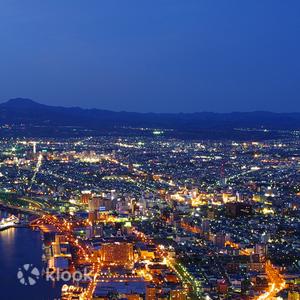
The summit observation deck of Mt. Hakodate, at 334 meters above sea level, has been famous for its fan-shaped, brilliant night view since the ropeway opened in 1958, and it ranks among the world’s three great night views. From Yunokawa Onsen, the Hakodate City Tram or a taxi takes about 20 to 30 minutes to reach the Hakodate ropeway station at the foot of the mountain (19-7 Motomachi, Hakodate). The 3-minute scenic ropeway ride offers a panoramic feast.
The round-trip ropeway fare is ¥1,800 for adults and ¥900 for children. The ropeway runs until 22:00, or until 21:00 from October 1 to April 19. Arrive about 30 minutes before sunset to catch the gradient from sunset to night view. The summit has a cafe and souvenir shop, and plan for 1.5 to 2 hours there. Winter winds make the summit cold, so dress warmly.



Goryokaku Park and Goryokaku Tower: A Century of Glory of Japan’s Only Star-Shaped Fortress

Goryokaku Park in Hakodate sits at 44 Goryokaku-cho. It is the first Western-style star-shaped fortress in Japan, built at the end of the Edo shogunate to defend against foreign threats. Its five bastions form a perfectly symmetrical star, striking when viewed from above. The park is also the historic site of the “Hakodate War,” the last battle of Japan’s Boshin War. It preserves the magistrate’s office building and moat remains. In spring, about 1,600 Somei Yoshino cherry trees bloom along the moat, making it Hakodate’s foremost cherry blossom spot.
To see the full star shape, go up the 107-meter Goryokaku Tower next door. Observation deck tickets cost ¥1,200 for adults, ¥900 for junior and senior high school students and ¥600 for elementary school students. The deck is open 9:00 a.m. to 6:00 p.m., extended to 7:00 p.m. in summer. The park itself is open 24 hours for free strolling. Including the tower, plan a total stay of 1.5 to 2 hours. The tower’s first floor exhibits historical materials on Hijikata Toshizo, ideal for travelers who want to learn more about Bakumatsu history.


Special Historic Site Hakodate Magistrate’s Office (Hakodate Bugyosho): A Wooden Government Building Recreating the Late Edo Period
The Hakodate Magistrate’s Office (箱館奉行所) stands in Goryokaku Park. Rebuilt in 2010 from Edo-period drawings, its cypress halls use traditional methods. Inside, you see office spaces and a museum. It is ideal for learning about Hakodate’s port opening and the Hakodate War.

Admission to the Magistrate’s Office is ¥500 for adults and ¥250 for students. Opening hours follow those of Goryokaku Park, roughly 9:00 a.m. to 6:00 p.m. (until 5:00 p.m. in winter), and we suggest a visit of about 45 minutes to 1 hour. Audio guides, including Chinese, are available. The building suits a half-day itinerary with Goryokaku Tower, and a combined ticket for both offers a discount.
Trappistine Convent: Hokkaido’s Oldest European-Style Women’s Convent

The Trappistine Convent (トラピスチヌ修道院), built in 1898 at 346 Kamiyukawacho, Hakodate, is about 15 minutes by car from Yunokawa Onsen. It is the first Catholic women’s convent established in Japan. Its red-brick Gothic architecture and plane-tree-lined avenue give it a strong European countryside feel, and it is called “Hokkaido’s most beautiful convent.” The nuns still live a life of poverty, prayer and seclusion, so only the outer gardens and museum are open to visitors.
Visitors can enter the gardens and see the statue of the Virgin Mary for free. The museum displays the convent’s historical artifacts and records of the nuns’ lives. The grounds are open 8:00 a.m. to 5:00 p.m., or until 4:30 p.m. in winter, and they may close temporarily for religious events, so check the official website announcement before you go. The attached shop sells handmade butter cookies and biscuits, one of Hakodate’s well-known souvenirs. Plan a total stay of about 1 to 1.5 hours, ideal for travelers who love a tranquil atmosphere and exotic architecture.
Motomachi Church District: A Miniature of Hakodate’s Port-Opening History, an Exotic Architectural Walk

The Motomachi area preserves consulates and religious buildings from the years when Hakodate opened as a port. The most representative is the Hakodate Orthodox Church (函館ハリストス正教会) at 3-13 Motomachi, Hakodate. This white-walled, green-roofed Byzantine-style building dates from 1916, is one of Japan’s earliest Orthodox churches, and is designated a nationally Important Cultural Property. Its bells were selected by Japan’s Ministry of the Environment as one of the “100 Soundscapes of Japan,” and the hourly chime is Motomachi’s most representative sound memory.
Photograph the church exterior freely all year. Interior entry costs a ¥200 donation. Hours are 10:00 a.m. to 5:00 p.m. on weekdays, until 4:00 p.m. on Saturdays, and 1:00 to 4:00 p.m. on Sundays, with irregular winter closures. Within a 5-minute walk, visit other church styles, such as Hakodate St. John’s Church and Catholic Motomachi Church. Allow 1.5 to 2 hours to stroll the Motomachi slope. Lit-up churches at night make it a popular romantic walk for couples.
Hakodate Morning Market: A Seafood Feast Available Only at Dawn, the Food Pilgrimage for Yunokawa Onsen Guests

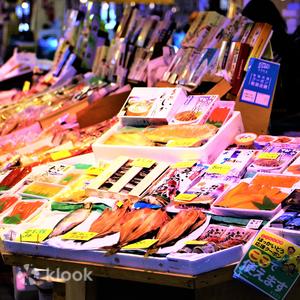
Hakodate Morning Market sits at 9-19 Wakamatsucho, right next to Hakodate Station. It is one of Hokkaido’s oldest fish markets, with more than 70 years of history since the war. About 250 shops sell king crab, sea urchin, salmon roe, live squid and other fresh catch. The classic experience is 烏賊釣り (squid fishing): catch a live squid yourself and have the shop prepare it as sashimi on the spot. It is 100% fresh, and it is a Hakodate-only activity that many travel shows compete to feature.
Market hours vary slightly by season. Generally, it opens from 5:00 a.m. to around 12:00 noon, or from 6:00 a.m. from January to April. It is open all year. A seafood rice bowl costs about ¥1,500 to ¥3,000, depending on how lavish the toppings are. Go in the morning. From a Yunokawa Onsen inn, take the shuttle bus or the city tram, which takes about 30 minutes. Allow 1.5 to 2 hours to eat and browse, a food finale you should not miss before you end your Yunokawa Onsen trip.


How Much Does a Yunokawa Onsen Trip Cost? Tickets and Guided Tour Recommendations
Yunokawa Onsen is on the east side of downtown Hakodate. Taking the city tram from Hakodate Station, you reach the “Yunokawa” (湯の川) tram stop in about 30 minutes. It is one of the oldest onsen towns in Hokkaido and the top choice for lodging near Hakodate Airport. Since most hot springs at Yunokawa Onsen are private baths attached to inns, you can still experience authentic bathing culture through “day-use onsen” plans even if you don’t stay overnight. With nearby attractions such as the Mt. Hakodate night view, the snow monkeys bathing at the Hakodate Tropical Botanical Garden, and autumn leaves at Koshuen, many travelers choose to combine package tours or transport passes to see it all. Below are several tickets and guided tours with good value commonly found on platforms such as KKday and Klook, so even first-time visitors can quickly grasp the budget and how to plan.
Yunokawa Onsen Inns’ Day-Use Bath Plans: Soak at Upscale Onsen Inns Without Staying Overnight
You can soak without staying overnight. According to the day-use bathing facilities listed on the Hakodate Yunokawa Onsen Ryokan Cooperative website (September 2026), here are some representative choices, with prices as adult / child:
- Yumoto Takuboku-tei (湯元 啄木亭): ¥1,200 / ¥600, 13:00-21:00, with a rooftop open-air bath, and bath towel and hand towel rental ¥300.
- Hotel Manso (ホテル万惣): weekdays ¥1,800 / ¥900, 15:00-22:00 (last admission 21:00); weekends, holidays and the day before holidays ¥2,200 / ¥1,100, with different prices in peak season.
- Hakodate Yunokawa Onsen Umi to Akari (海と灯) / Hewitt Resort: ¥2,000 (ages 4-12 ¥1,000), open only 14:00-16:00, with access to the top-floor 12th-floor observation bath, suspended on crowded days.
- Yunohama Hotel (湯の浜ホテル): ¥1,200 / ¥900, 13:00-20:00, where you can soak in two different types of source water.
- KKR Hakodate (KKRはこだて): ¥1,000 / ¥500, 11:00-21:00, free-flowing source water.
- Budget options: Hotel Tetra (ホテルテトラ) ¥550 / ¥250 (13:00-22:00), Hotel Amemiyakan (ホテル雨宮館) ¥800 / ¥400 (6:00-22:00, with a rock bath and sauna), Hotel Kamomekan (ホテルかもめ館) ¥800 / ¥300 (5:30-9:30, 13:00-23:00).
As of September 2026, Hanabishi Hotel (花びしホテル) has suspended day-use bathing, with no resumption date set. Imagine Hotel & Resort Hakodate (イマジンホテル&リゾート函館; 15:00-19:00) requires advance reservation through the Yunokawa Onsen experience website “Yunobura” (ゆのぶら). Hours and prices change by date, so confirm on the official website or by phone before you go.
Strolling Yunokawa Onsen Town: Free Foot Bath, an Old Bathhouse and Grilled Dango
Yunokawa Onsen is a small town, and you can start walking as soon as you get off at the “Yunokawa Onsen” (湯の川温泉) tram stop. Next to the stop, the “Yunokawa Onsen Foot Bath Yumeguri Stage” (湯の川温泉足湯 湯巡り舞台) is free and open 9:00-21:00 every day, except during maintenance, with sodium-calcium chloride water. Bring your own towel to dry your feet. The Onsen Ryokan Cooperative also lists Yukura Shrine, the Hakodate City Tropical Botanical Garden, the old bandai-style public bathhouse “Omori-yu” (大盛湯), the long-established skewered dango shop “Yakidango Gingetsu” (やきだんご 銀月), and “Wakatake Sanshoku Dango Honpo” (若竹三色だんご本舗) as highlights of the onsen town, good for walking and picking up snacks after the foot bath.
Hakodate Tropical Botanical Garden Snow Monkey Hot Spring: A Favorite Stroll for Families
The Hakodate Tropical Botanical Garden (3-1-15 Yukawacho, Hakodate) is about a 10-minute walk from the Yunokawa Onsen tram stop. It is most famous for its winter-only “snow monkeys bathing” spectacle, when monkeys soak in the open-air hot spring pool and draw crowds of visitors and photographers every year. Admission is ¥300 for adults, ¥150 for junior and senior high school students, and free for elementary school students and under. Hours are 9:30 a.m. to 6:00 p.m., closing at 4:30 p.m. from November to March.

You can take the tram to the Yunokawa Onsen stop and walk there. If you are traveling with older relatives or children, you can also search for Hakodate local tours on Klook and KKday, and before buying please check whether the tour includes the botanical garden and transfers.
Mt. Hakodate Night View Ropeway and Night View Bus: Add-On Trips from Yunokawa Onsen
The Mt. Hakodate night view is hailed as one of the world’s three great night views. Ropeway round-trip fare: adults ¥1,800, children ¥900. The ropeway runs until 10 p.m. (until 9 p.m. from October 1 to April 19).
The ride from the Yunokawa Onsen area to Mt. Hakodate takes about 20 minutes. Klook has products such as the “Hokkaido Mt. Hakodate Night View Sightseeing Bus” (see the card below). Before buying, confirm the departure point and whether it passes through the Yunokawa Onsen area. Travelers without a rental car may want to consider it, as it avoids transfers and last trains.

Hakodate City Transport Passes: The Tram + Bus One-Day Pass Makes Round Trips from Yunokawa Onsen Better Value
If you use Yunokawa Onsen as your base and travel daily to downtown sights such as the Morning Market, Motomachi and Goryokaku, buy the “Hakodate City Tram and Bus Common One-Day Pass” directly. It costs ¥1,600 for adults and ¥800 for children (from December 1, 2025). Buy it at the tram information office in front of Hakodate Station or at some convenience stores. You can also book and redeem it as an e-ticket on KKday.
This pass covers the entire tram network and Hakodate Bus city routes. A single tram ticket from Yunokawa Onsen to Hakodate Station alone costs ¥300. With round trips plus fares to Goryokaku or Motomachi, you need about six or more rides a day to make it pay off. It is very good value for travelers staying three days or more who need to go back and forth to their Yunokawa Onsen lodging every day.

2026 Yunokawa Onsen Guide: Where to Stay Nearby? Accommodation Suggestions

Yunokawa Onsen has many onsen hotels and inns spread along the tram stops, suited to a relaxing itinerary with one night and two meals.
Around Yunokawa Onsen Station: The Best Base for a Stay with Dinner and Breakfast
Stay at a hotel around Yunokawa Onsen Station, within a 10-minute walk, for easy round trips to downtown Hakodate and the airport. Most inns offer “ippaku nishoku” (a stay with dinner and breakfast). Yunokawa has few places to eat at night, so a meal-inclusive plan saves you the hassle of finding food. You can enjoy kaiseki cuisine made from seasonal Hokkaido ingredients. For example, KKR Hakodate offers free-flowing source-water hot springs and seasonal kaiseki meals.
At the century-old kappo ryokan Wakamatsu, you hear the waves as soon as you open the window; Hotel Manso is known for its Taisho-romance style and rich buffet; and Umi to Akari Hewitt Resort has a rooftop infinity open-air bath.

FAQ
Q: How much does day-use bathing at Yunokawa Onsen cost?
According to the Hakodate Yunokawa Onsen Ryokan Cooperative website (September 2026), adult prices range from about ¥550 to ¥2,200. Hotel Tetra is cheapest at ¥550, Yumoto Takuboku-tei and Yunohama Hotel charge ¥1,200, and Umi to Akari / Hewitt Resort charges ¥2,000. Hotel Manso charges ¥1,800 on weekdays and ¥2,200 on weekends and holidays. Open hours differ by facility, and some open for only two afternoon hours, so check before you go. If you just want to soak your feet, the free “Yumeguri Stage” foot bath next to the tram stop is a good option.
Q: How long does it take to get from Hakodate Airport to Yunokawa Onsen?
By taxi or hotel shuttle it takes about 5-10 minutes, making it one of the onsen towns closest to an airport in all of Japan.
Q: How do I get to Yunokawa Onsen Station?
Take the Hakodate City Tram from Hakodate Station to “Yunokawa Onsen” stop; the ride takes about 30 minutes and a one-way ticket is ¥300.
Q: When can I see monkeys bathing in the hot spring at Yunokawa Onsen?
The monkey hot spring display is shown at the Hakodate City Tropical Botanical Garden from December to early May each year. The garden opens at 9:30, closes at 16:30 from November to March, and at 18:00 from April.
Q: What is the best season to visit Yunokawa Onsen?
Spring (April-May) for cherry blossoms, summer (July-August) for cool weather and the folk arts festival, autumn (October-November) for fall foliage, and winter for the hot spring monkeys and illuminations. Each of the four seasons has its own character.
Q: How far in advance should I book accommodation at Yunokawa Onsen?
Book at least 1-2 months ahead. During peak seasons, book 2-3 months ahead. Peak seasons include cherry blossom season, summer vacation, autumn foliage season, and year-end and New Year.
Q: What etiquette should I follow when bathing at Yunokawa Onsen?
Wash your body before entering, swimsuits are not allowed in the bath, most facilities do not admit people with tattoos, and photography and drinking are not allowed in the bathing area.