
Hokkaido Autumn Leaves 2026: Peak Times by Area and How to Plan Lake Toya, Onuma and Sapporo: A Foliage Route from Daisetsuzan in September to Hakodate in October
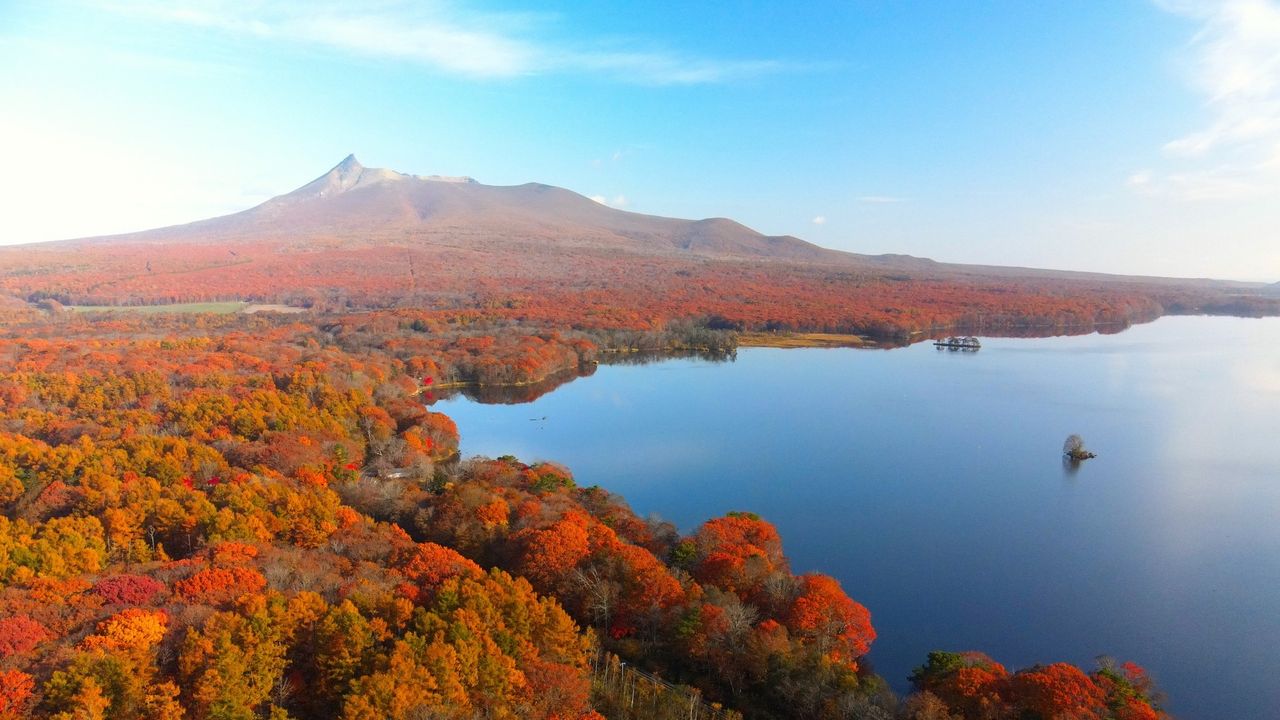
Hokkaido’s foliage moves from high elevation to lowland and from north to south: Daisetsuzan turns first in late September, the color shifts to the Sapporo suburbs and Lake Toya in mid-to-late October, and reaches central Sapporo, Onuma and Hakodate from late October to early November.
Peak Times by Area: Hokkaido’s Foliage in Order
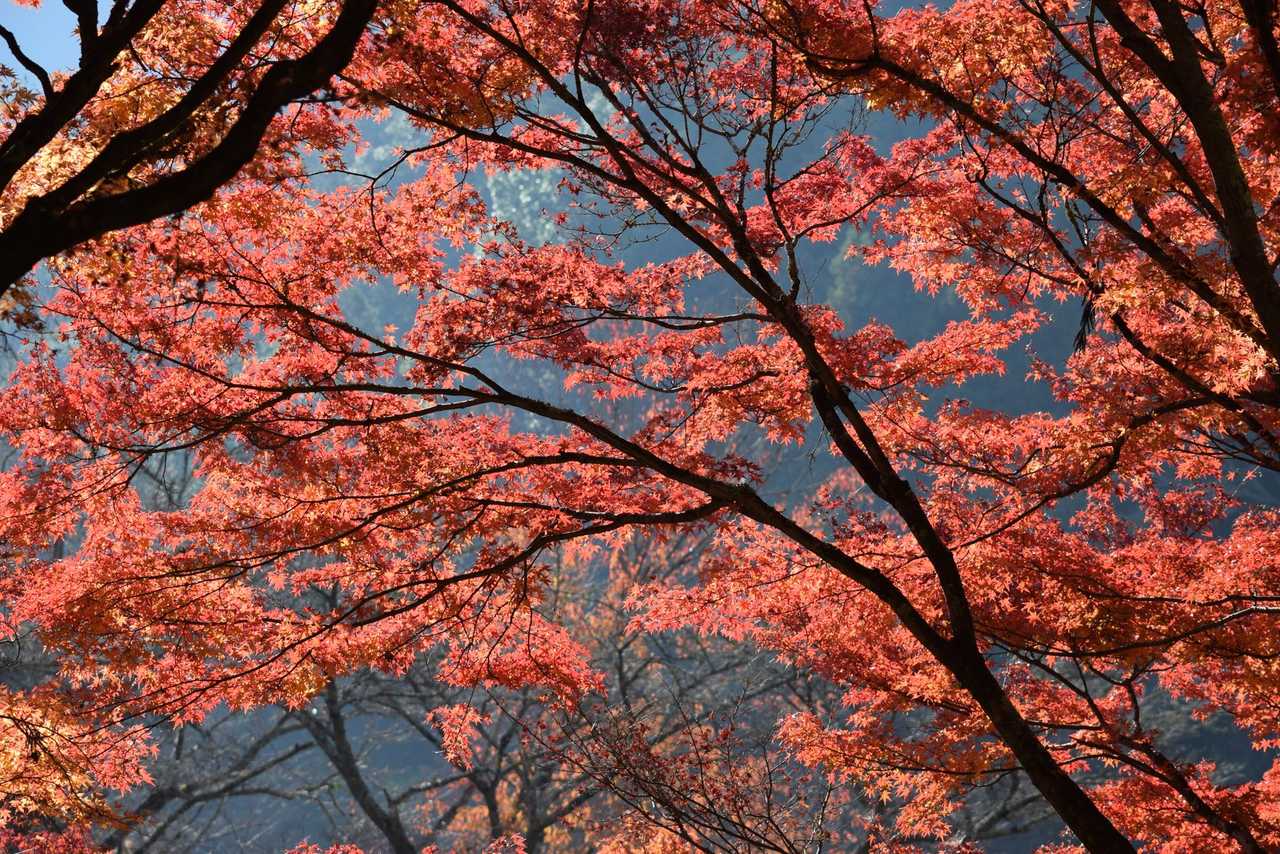
Peak (mihogoro) means the period when most leaves have changed. In Hokkaido, maples start reddening in early September; ginkgo turn yellow first and maples go yellow then red, so both can be seen in the same season. The table below is a reference range compiled from forecasts and spot data. Forecasts vary a little each year, so go by each spot’s announcements before you leave.
| Location | Estimated peak | Reference best day |
|---|---|---|
| Mt. Kurodake, Daisetsuzan | Late September to early October | — |
| Sounkyo | Early to mid-October | 10/12 |
| Jozankei Onsen | Early to mid-October | 10/18 |
| Tokachidake | Late September to early October | — |
| Lake Shikotsu | Mid to late October | 10/22 |
| Lake Toya | Mid to late October | 10/22 |
| Noboribetsu Jigokudani | Mid to late October | 10/25 |
| Onuma Quasi-National Park | Mid-October to early November | 10/26 |
| Central Sapporo (Hokkaido University, Nakajima Park) | Late October to early November | Nakajima Park 10/28 |
| Hakodate Koseien and Goryokaku Park | Late October to early November | — |
How to Plan Sapporo, Lake Toya to Onuma: A One-Way Traverse Saves the Most Time
Sapporo, Lake Toya and Onuma run from north to south, so the smoothest plan is one way: arrive in Sapporo and leave from Hakodate, or the reverse. Allow 5 days and 4 nights or 6 days and 5 nights.
If you only enter and leave through Sapporo, Onuma is nearly 4 hours one way, so it is not recommended. Instead, make a central Hokkaido loop of Jozankei, Lake Shikotsu and Lake Toya, which is more efficient from Sapporo.
2026 Foliage Forecast and Seasonal Food: Salmon, Wagyu and Sea Urchin Share the Season
Forecasts vary a little each year, so go by each spot’s announcements and the latest foliage forecast before you leave.
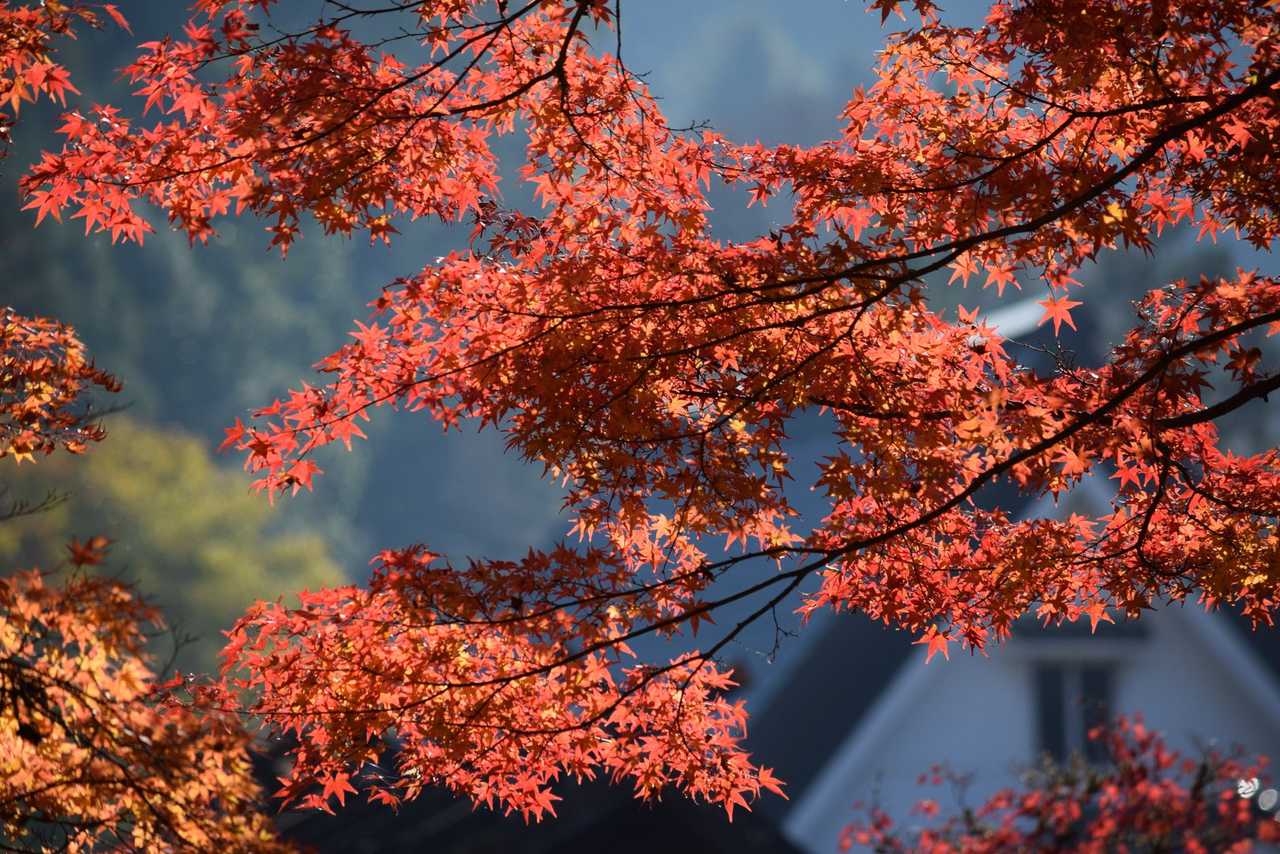
Autumn is also peak season for autumn salmon, salmon roe (ikura), Hokkaido wagyu, sea urchin and saury. Nijo Market and the Hakodate Morning Market sell seasonal seafood and dairy products, good for meals along the trip.
How to Get There: Transport and Costs
How to Get There? Transport to Sapporo, Jozankei, Lake Toya and Onuma at a Glance
Distances between Hokkaido’s spots are long. The main routes follow. Sounkyo and Lake Akan have few services, so driving is recommended.
- Sapporo Station to Jozankei: Jotetsu bus, about 75 minutes; check the Jotetsu bus website for schedules and reservations.
- Sapporo Station to Hokkaido University: about a 7-minute walk.
- Lake Toya: JR limited express Hokuto to Toya Station, then a Donan bus to Toyako Onsen.
- Onuma: from JR Hakodate Station, take the Hokuto limited express or the Hakodate Main Line to Onuma-koen Station, about 30 minutes from central Hakodate.
Sapporo to Onuma is nearly 4 hours one way. To link all three, go one way from Sapporo toward Hakodate, together with a JR Hokkaido Rail Pass.

Must-See Spots: Highlights by Area
Below are 11 key foliage spots and practical information, in route order.
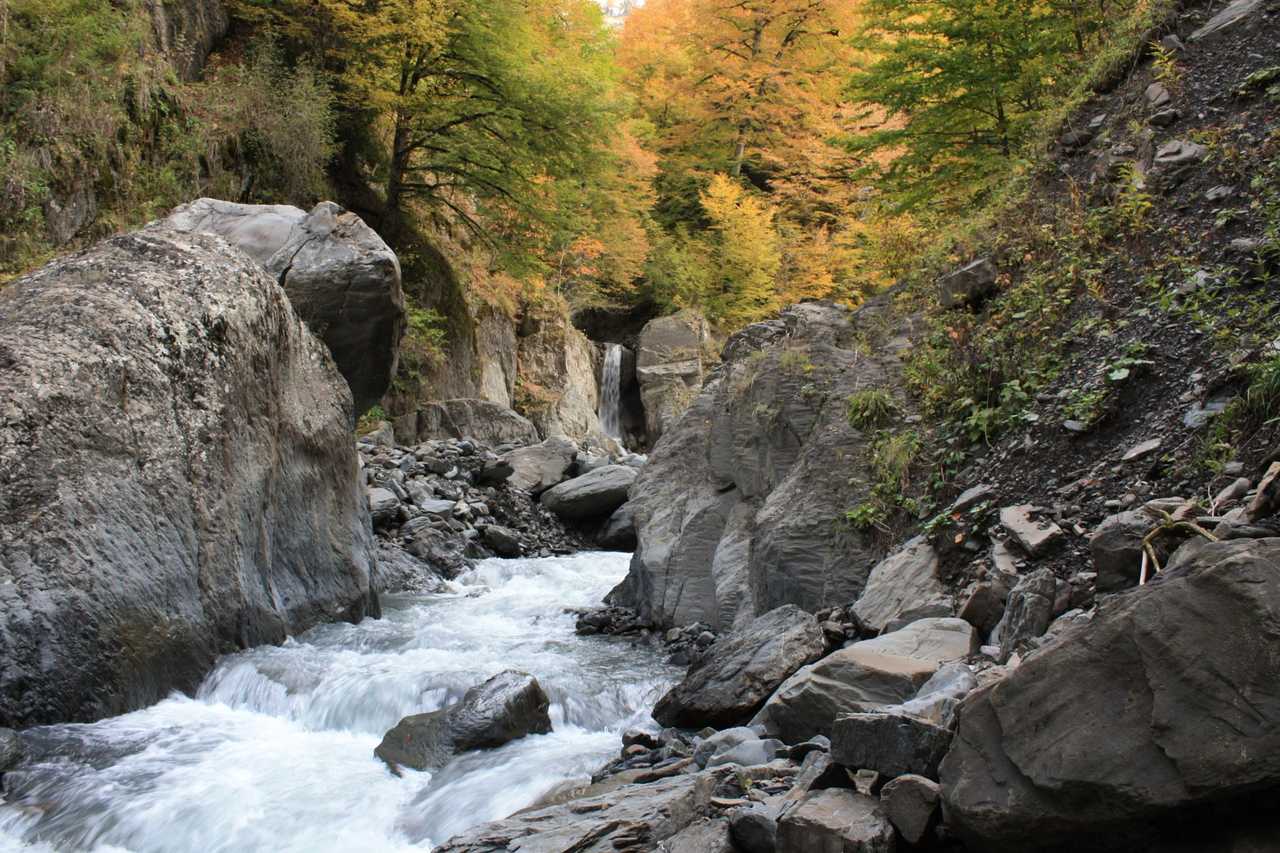
Sounkyo: The Earliest Red Gorge in Daisetsuzan
Sounkyo is in Daisetsuzan National Park and is one of the first places in Hokkaido to turn red; red leaves appear around Mt. Kurodake in late September, and Sounkyo itself mostly peaks from early to mid-October. The Kurodake Ropeway goes up for gorge views; check current announcements for hours and fares.


Jozankei Onsen: A Hot-Spring Town Near Sapporo with Red Leaves
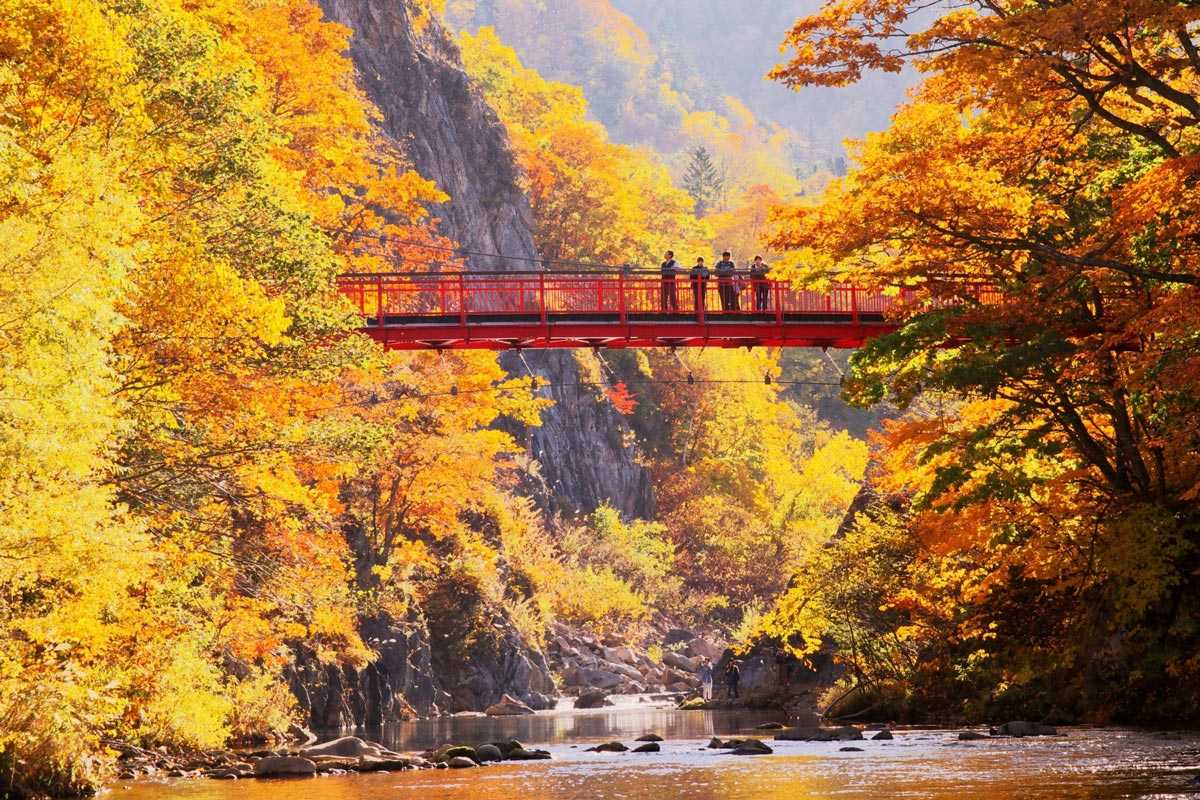
Jozankei Onsen is about a 1-hour drive from central Sapporo, a hot-spring town locals visit in autumn. Early to mid-October is the foliage peak, and Futami Suspension Bridge is the classic photo spot, with maples on both banks of the Toyohira River echoing the gorge. A shuttle serves Hoheikyo for primeval-forest foliage; by late October most maple leaves may be falling.
Hokkaido University: The Golden Tunnel of the Ginkgo Avenue
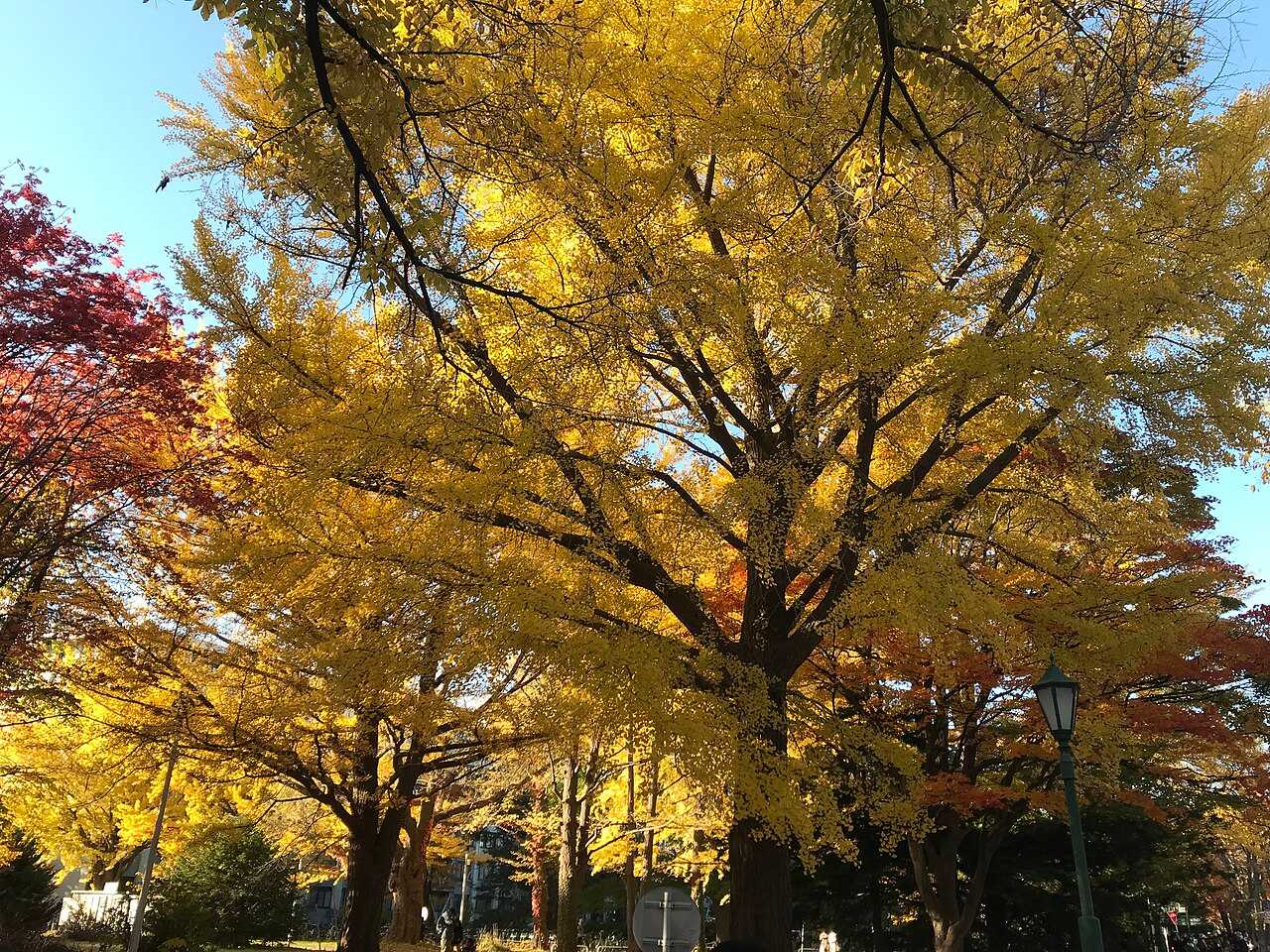
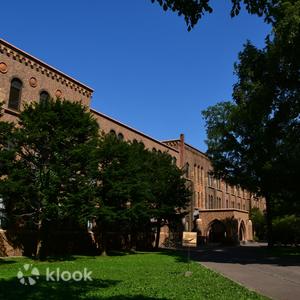
Hokkaido University grew out of the Sapporo Agricultural College, founded in 1876 (Meiji 9). Its ginkgo avenue is about 380 meters long, lined with about 70 ginkgo trees. Yellow leaves are best from late October to early November; the golden tunnel darkens quickly at dusk, so shoot before 3 p.m. Entry is free, about a 7-minute walk from JR Sapporo Station.
Nakajima Park: City Foliage by a Japanese Garden and Iris Pond
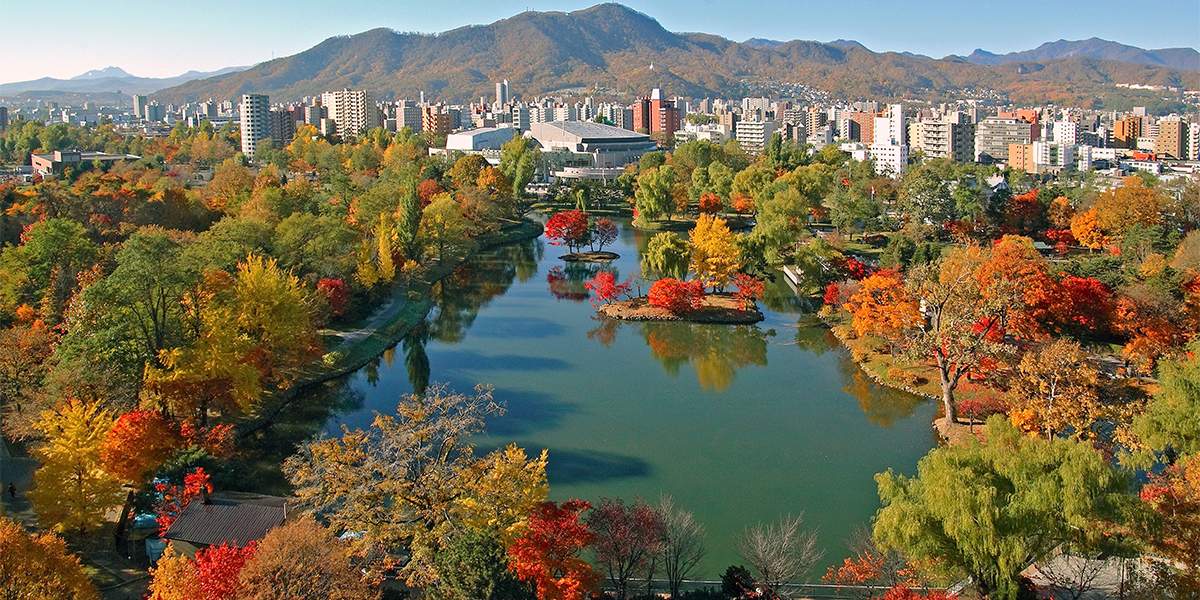
Nakajima Park is in central Sapporo, right at Exit 3 of Nakajima-koen Station on the Namboku subway line, 3 stops from Sapporo Station. A Japanese garden and iris pond reflect maples in the water, the quietest foliage spot in the city; the best day is about October 28. It is open 24 hours, so fit it at the start or end of a trip as a half-day stroll in place of long travel.
Odori Park: A Red-Leaf Avenue Beside Sapporo TV Tower
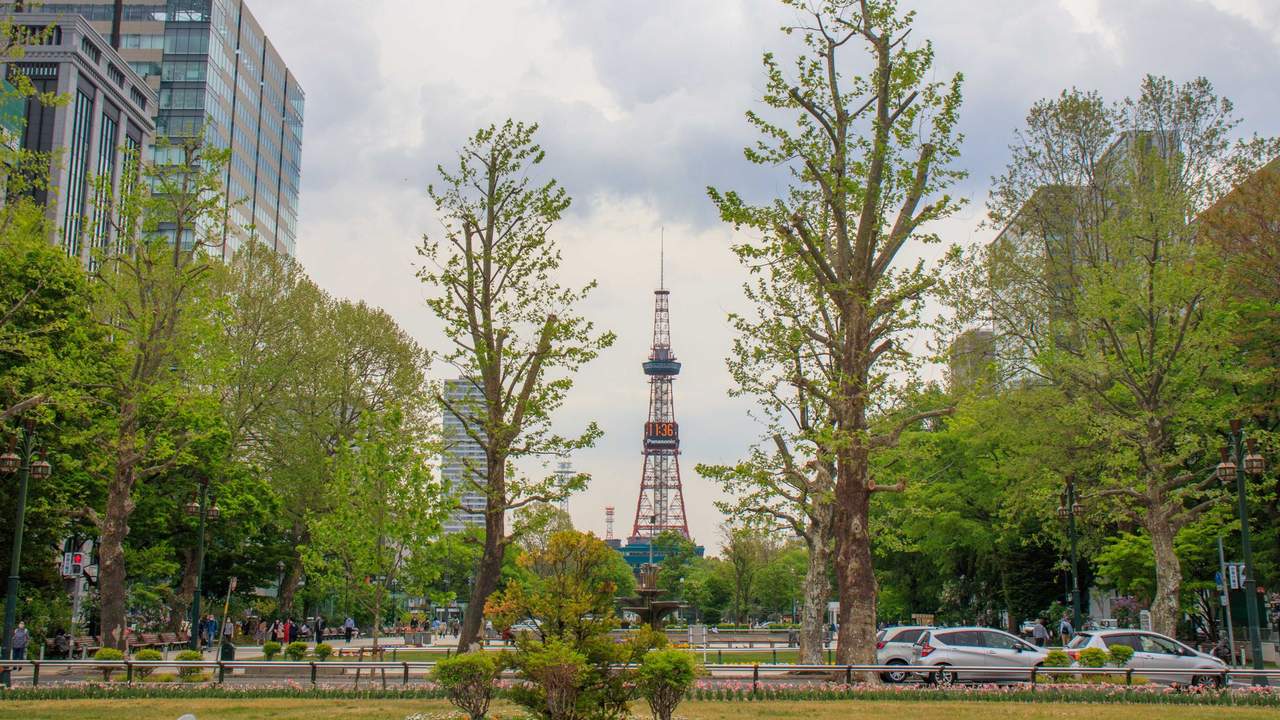
Odori Park spans Odori West 1 to 12 chome, with Sapporo TV Tower at one side, and is the easiest foliage spot to reach on foot in the city center. Most street trees start to turn from mid-October to early November. Entry is free, and it pairs with Tanukikoji shopping or the TV Tower night view in one area.
Lake Shikotsu: Japan’s Northernmost Ice-Free Lake
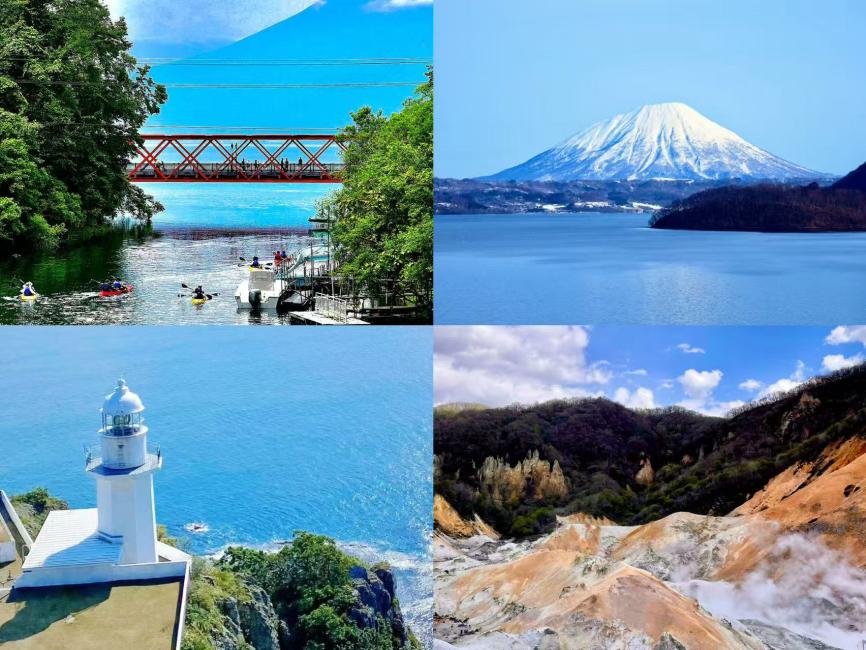
Lake Shikotsu is in Chitose, close to New Chitose Airport, and is Japan’s northernmost ice-free lake; by depth it is the second deepest lake in Japan after Lake Tazawa in Akita. Mid to late October is the lakeside foliage season, with a best day of about October 22.

Lake Toya: Cruises and the Foliage of Nakajima Island
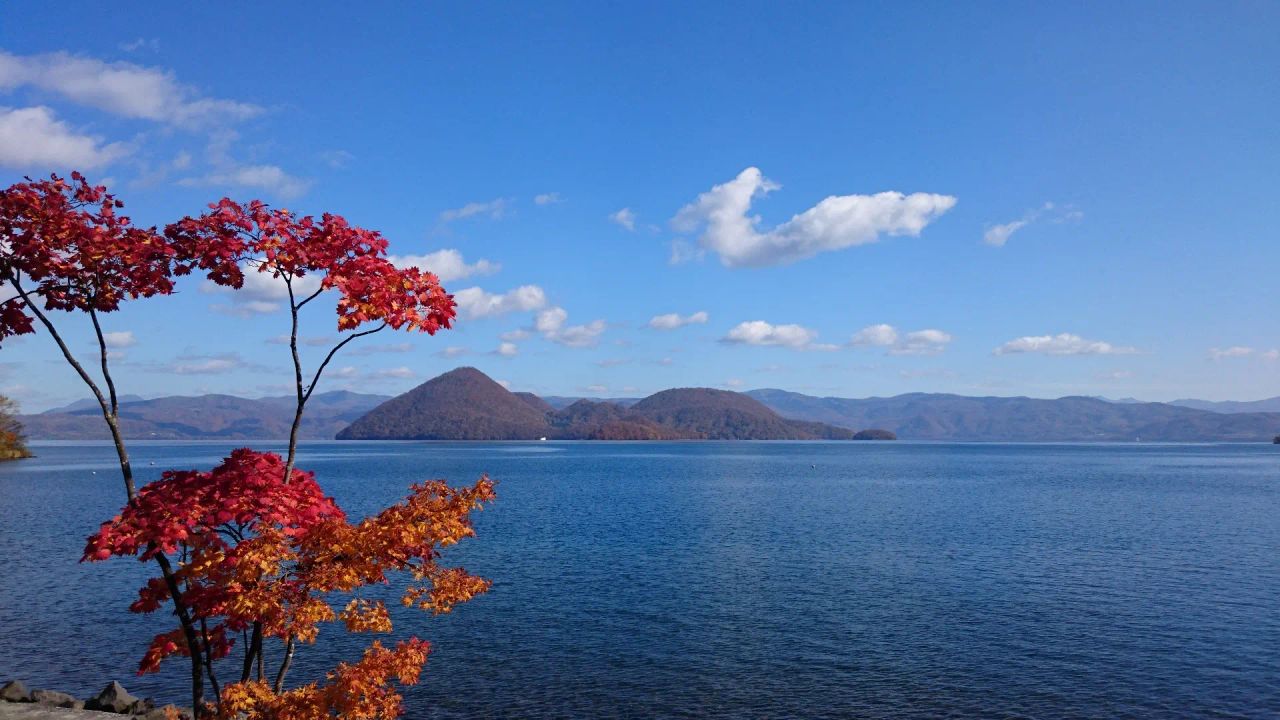
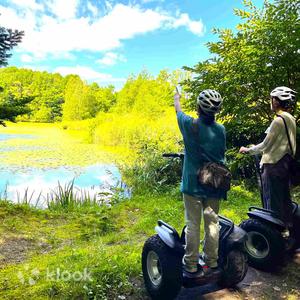
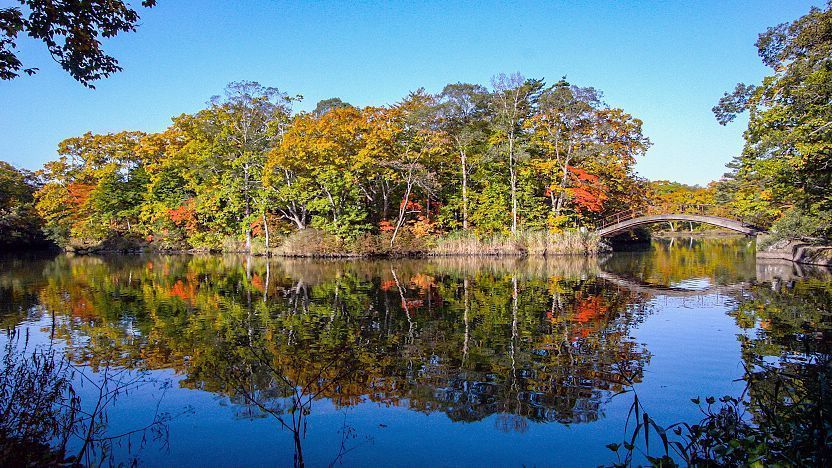
Lake Toya is in Toyako Town, the midpoint highlight of this route, with peak color about mid to late October and a best day of about October 22. A Lake Toya cruise shows the red hills from mid-lake and the islands. The view across to Nakajima and the mountains from the shore is Lake Toya’s signature autumn scene, and the shore can be walked or cycled.
Mt. Usu and Showa-Shinzan: Ropeway Views over Lake Toya
Mt. Usu and Showa-Shinzan are around Lake Toya, and the Mt. Usu foliage ropeway reaches the summit, where you can see Lake Toya and the changing mountain forest together. It suits travelers who want layered views: lake, volcanic terrain and foliage in one view. Ropeway schedule and fares are per the official site, and it may stop in bad weather.

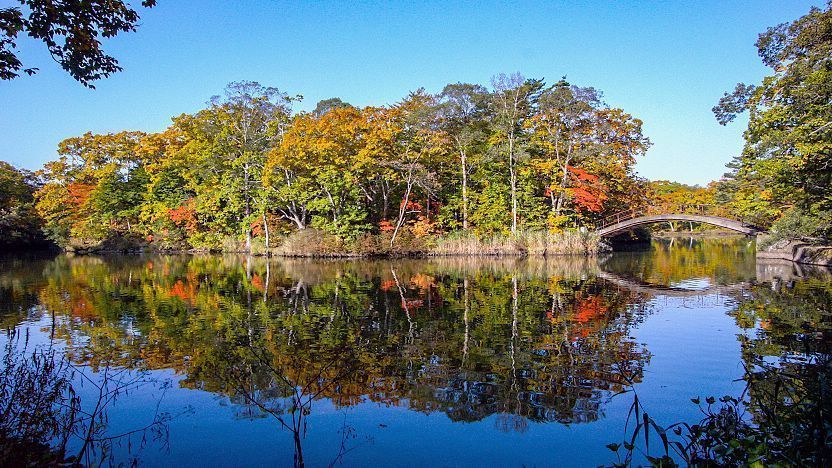
Onuma Quasi-National Park: Lake Onuma, Lake Konuma and Mt. Komagatake
Onuma Quasi-National Park consists of Lake Onuma, Lake Konuma and Mt. Komagatake, about a 30-minute drive from central Hakodate. Mid-October to early November is the lakeside foliage season, best about October 26, with the lake and mountains glowing beside white birches. A lakeside loop takes about 2 hours; you can also cycle, take a boat or canoe among the red islands.
Goryokaku Park: A Star Fort and Its Observation Tower
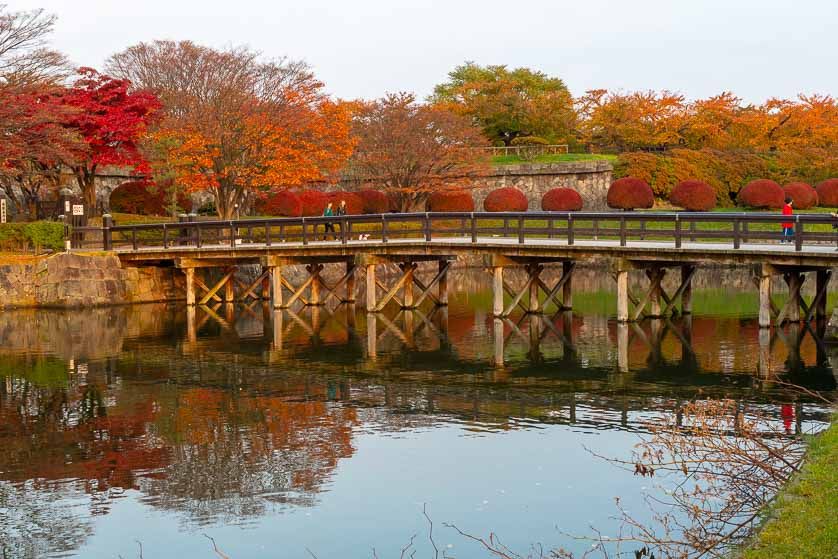
Goryokaku is a star-shaped fortress designed in the late Edo period by Takeda Ayasaburo. The observation tower in the park looks over the five-pointed star and the surrounding foliage. Park hours vary by season, so check before you go. It is about a 15-minute walk from Goryokaku Koen-mae stop on the Hakodate tram.
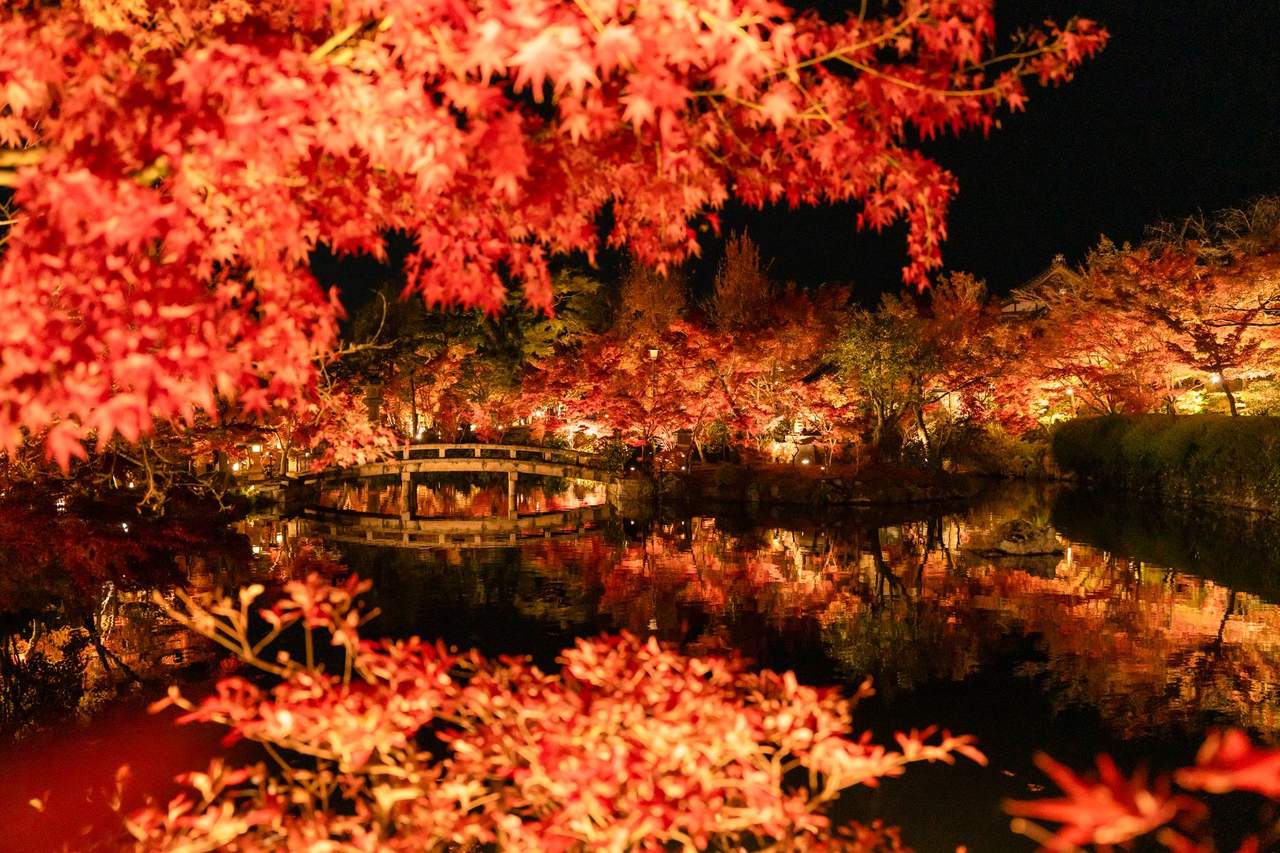
Koseien: Night Foliage Illumination in Miharashi Park
Koseien is inside Miharashi Park and was originally the Meiji-era garden of Iwafune Minejiro; in autumn, maple leaves and tree shadows echo each other. In 2026, the “Hakodate MOMI-G Festa” evening illumination runs from October 16 to November 8, 16:00 to 21:00 daily, with free entry and a maple avenue of about 100 meters.
How Much Does It Cost? Ropeways, Cruises and Tours
Hokkaido foliage spending mostly goes to ropeways, indoor attractions, cruises and charters. Most outdoor foliage trails are free, and fares and hours vary by season. Key points follow; go by official announcements before you leave.
Mt. Moiwa Ropeway: Sapporo’s Night View and Foliage in One Trip
On Mt. Moiwa in Minami Ward, Sapporo, it runs about 10:30 to 22:00, varying by season. From the top you can see the city and surrounding mountain colors, and at dusk you see sunset and night view together. Fares vary by season and plan, so check the official site for current prices.
It fits after the Jozankei foliage valley, when returning to central Sapporo, and gives the smoothest route.
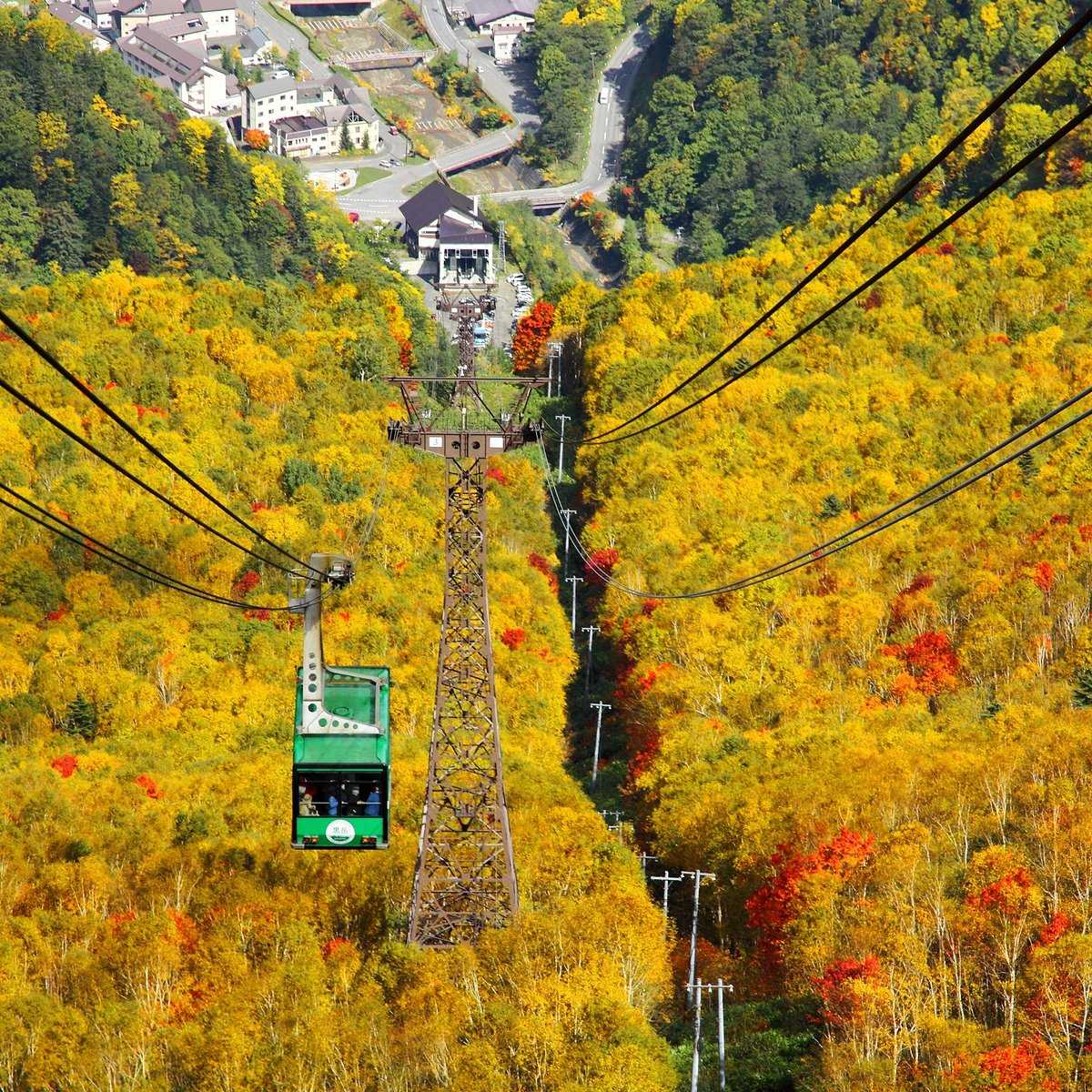
Kurodake Ropeway: Daisetsuzan Foliage from High Above Sounkyo
In Sounkyo, Kamikawa Town, Kamikawa District, the 7th station of Mt. Kurodake gives a full view of the gorge, the classic vantage for Hokkaido mountain foliage. Hours and fares vary by season, so go by the current announcement.
It is windy on the mountain, with a clear temperature gap between morning and evening, so bring a warm jacket. Sounkyo is far from Sapporo, so driving or a charter is recommended.
Lake Toya Fireworks Cruise: Foliage on the Lake and the Long-Run Fireworks
The Lake Toya Long-Run Fireworks are held every night from April 28 to October 31, 2026, starting about 20:45 and lasting about 20 minutes. The fireworks viewing boat departs about 20:30; fares are as announced before boarding.
If wind direction and speed are unstable, the event may be canceled, so confirm that night’s schedule before booking. October 31 is the last night, so you will not see fireworks in November.
Where to Stay Nearby? Selected Hotels

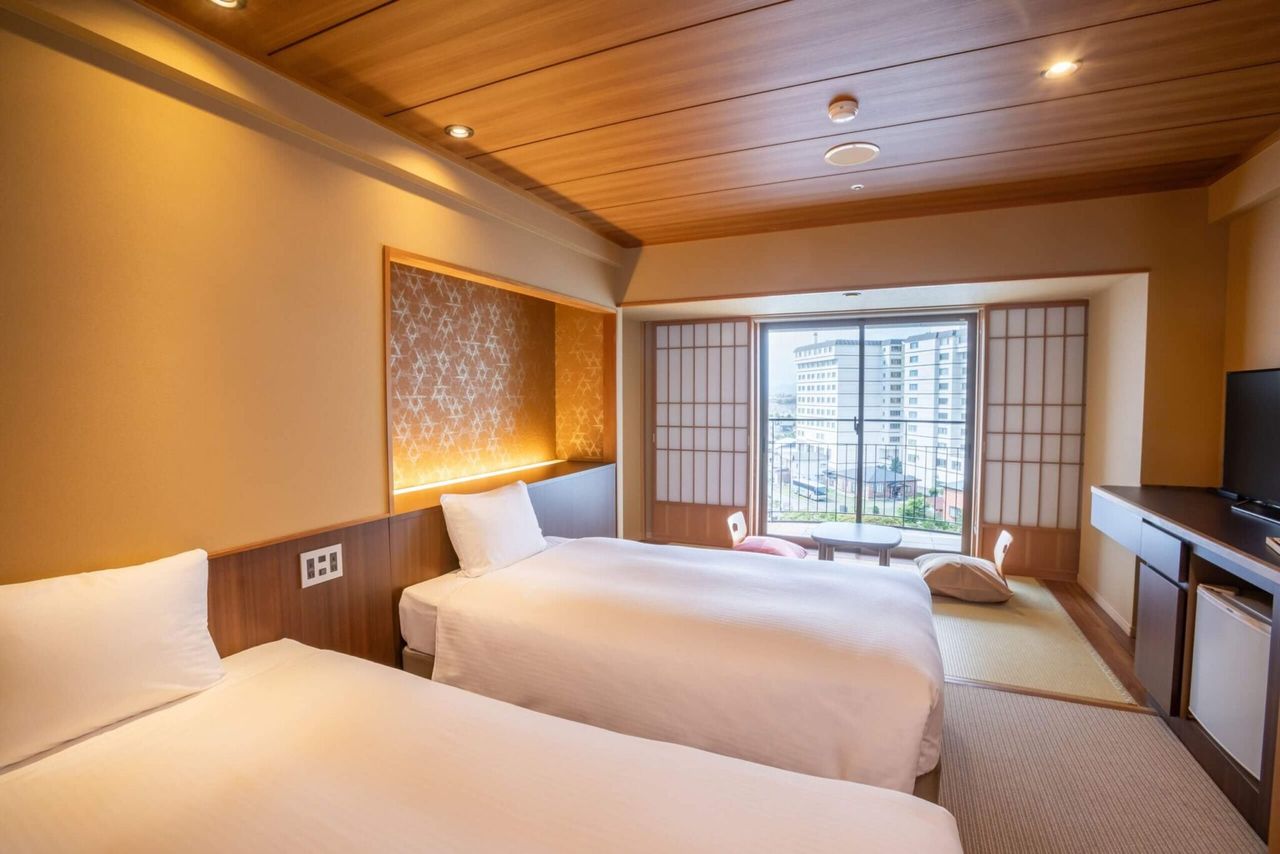
Toya Kohantei: An Open-Air Bath on the Lake Overlooking Nakajima’s Foliage
Toya Kohantei has a sky open-air bath where you can soak while looking at the foliage on Lake Toya’s Nakajima island, a way to put lake views and hot springs in the same trip.
The Toyako Onsen hot-spring town is on the shore of Lake Toya, reachable on foot from Toyako Onsen Station, and suits guests without a car who want to stay overnight.

La’gent Stay Sapporo Oodori: A City Base 5 Minutes from Odori Station
La’gent Stay Sapporo Oodori is in the Odori area of Sapporo, about a 5-minute walk from Odori subway station, near Tanukikoji and Sapporo TV Tower, suited to a day of city foliage and shopping together.
Odori-area lodging pairs easily with Tanukikoji and the TV Tower night view; before check-in, confirm whether the hotel’s large bath is currently in operation.

Jozankei Onsen Day Trip: A Half-Day Soak Near Sapporo
Jozankei Onsen can be a day trip, about 75 minutes by bus from Sapporo Station, suited to a soak after a walk in the foliage valley.
To stay overnight, the onsen inns are mostly concentrated in the Jozankei hot-spring town; it saves time to base yourself in Sapporo and make Jozankei a day trip.
Related Reading: Hokkaido Foliage Spots




Frequently Asked Questions (FAQ)
Q: When is the best time to see Hokkaido’s autumn leaves in 2026?
Daisetsuzan and Sounkyo start to turn red from about late September to early October; Jozankei and Lake Toya mostly peak in mid to late October; central Sapporo, Onuma and Hakodate are loveliest from late October to early November.
Q: What is the smoothest route among Sapporo, Lake Toya and Onuma?
The three lie from north to south, so a one-way route arriving in Sapporo and leaving from Hakodate is recommended, taking about 5 days and 4 nights or 6 days and 5 nights; if you only enter and leave through Sapporo, visit Jozankei and Lake Shikotsu instead of Onuma.
Q: When do the 2026 Lake Toya fireworks end?
The 45th Lake Toya Long-Run Fireworks are held every night through October 31, 2026. October 31 is the last night, so there are no fireworks in November; go by the organizer’s announcements before you leave.
Q: Does the Hakodate Koseien evening illumination cost money? When does it start?
The 2026 “Hakodate MOMI-G Festa” evening illumination is scheduled for October 16 to November 8, 16:00 to 21:00 daily, with free entry; check the official announcement for the dates.
Q: Do I need to drive to see Hokkaido’s foliage? Is transport convenient?
Sapporo, Lake Toya and Hakodate can be reached by JR and bus; Sounkyo has few services, so driving is recommended, and driving gives the most flexibility if you link several spots.
Q: What should I watch for in Hokkaido foliage season, and what clothes should I bring?
Autumn temperatures in Hokkaido can differ by 10 degrees or more between morning and evening, and the mountains may see first snow late in the season, so bring a warm jacket and non-slip hiking shoes, and watch your footing on wet mountain trails.