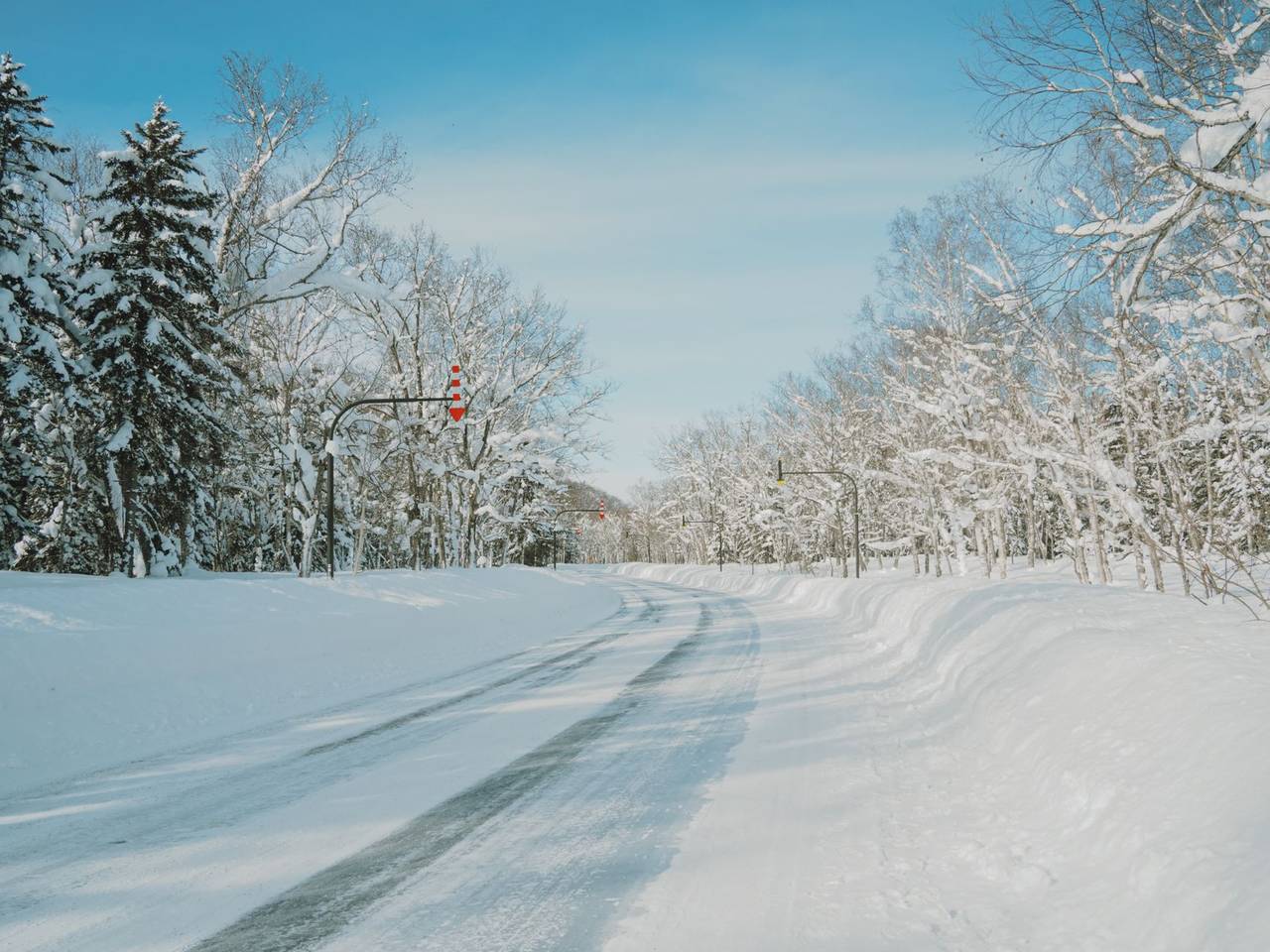
Winter Driving Basics: Snow Tires, Following Distance and Sunset Time
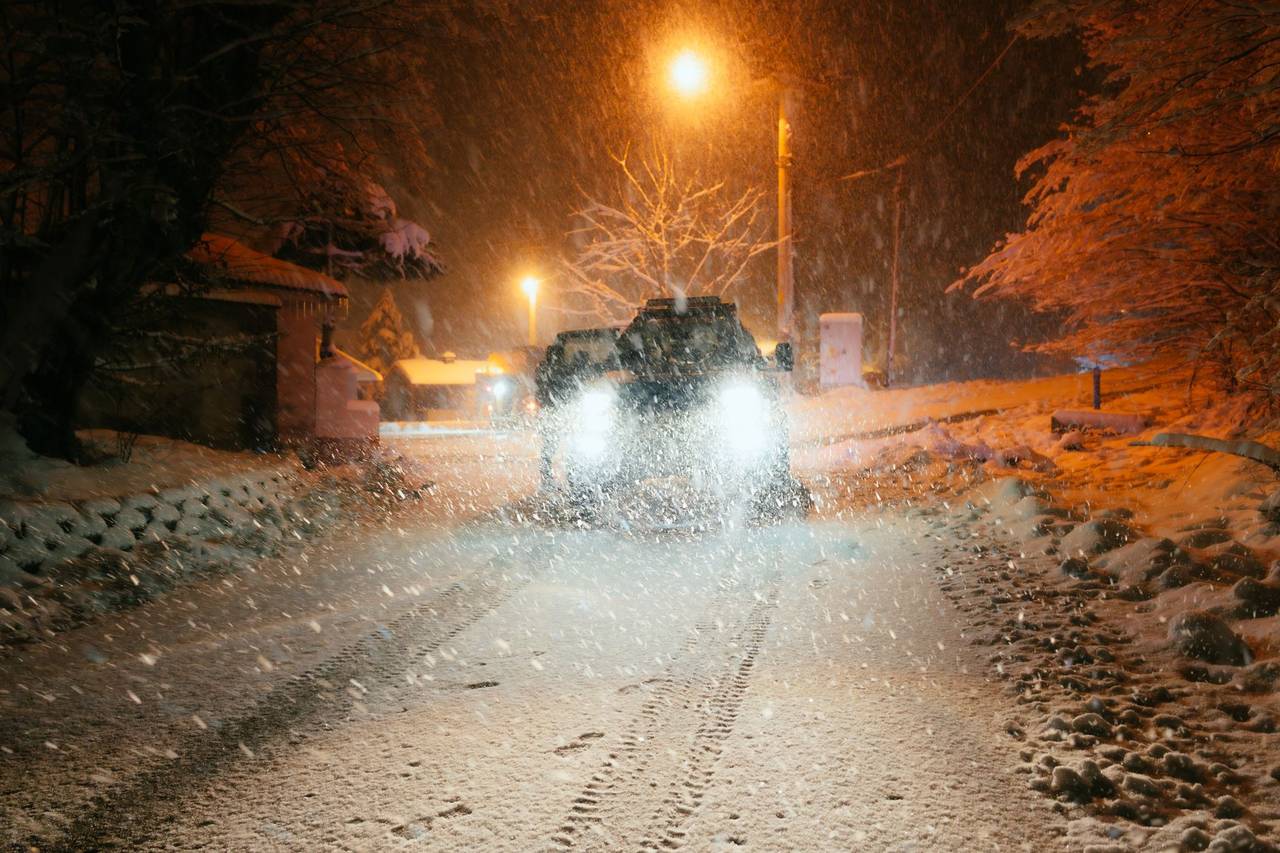
William has put together the essentials of winter self-driving in Hokkaido: snow tires, driving on snow and renting a car, plus snowy scenery that suits a drive. Winter self-driving is feasible, provided you have snow tires, drive slowly and reach your lodging before dark.
Who Winter Self-Driving Suits: Experience, Days and Sunset Time
If you have no snow-driving experience, limit each day to about 150 km, mostly around cities and on main expressway routes. Daylight ends around 4 p.m. in Hokkaido in winter, so do not drive at night or in a snowstorm. If the temperature is around 0 to 3°C and the road looks merely wet, treat it as a black ice risk.
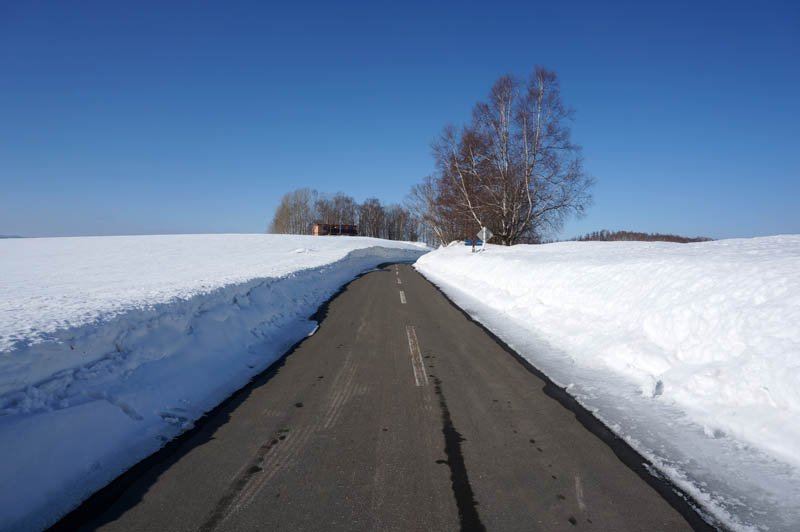
The Four Main Hazards on Hokkaido Snow Roads: Black Ice, Ground Blizzards, Plowed Snowbanks and Packed-Snow Ruts
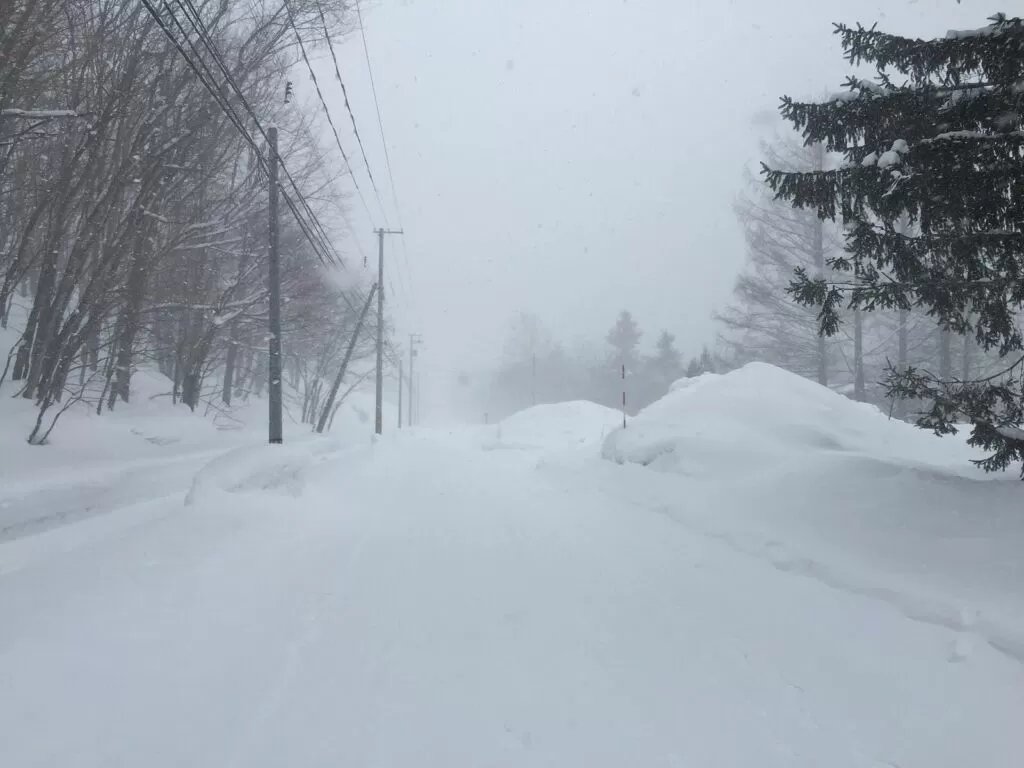
Black ice looks the same as ordinary road. It mostly appears in shade, on bridges, under overpasses and at intersections, where traffic has repeatedly compacted the snow. A ground blizzard can cut visibility to zero within ten seconds; turn on your hazard lights and pull over to wait, and do not brake hard.

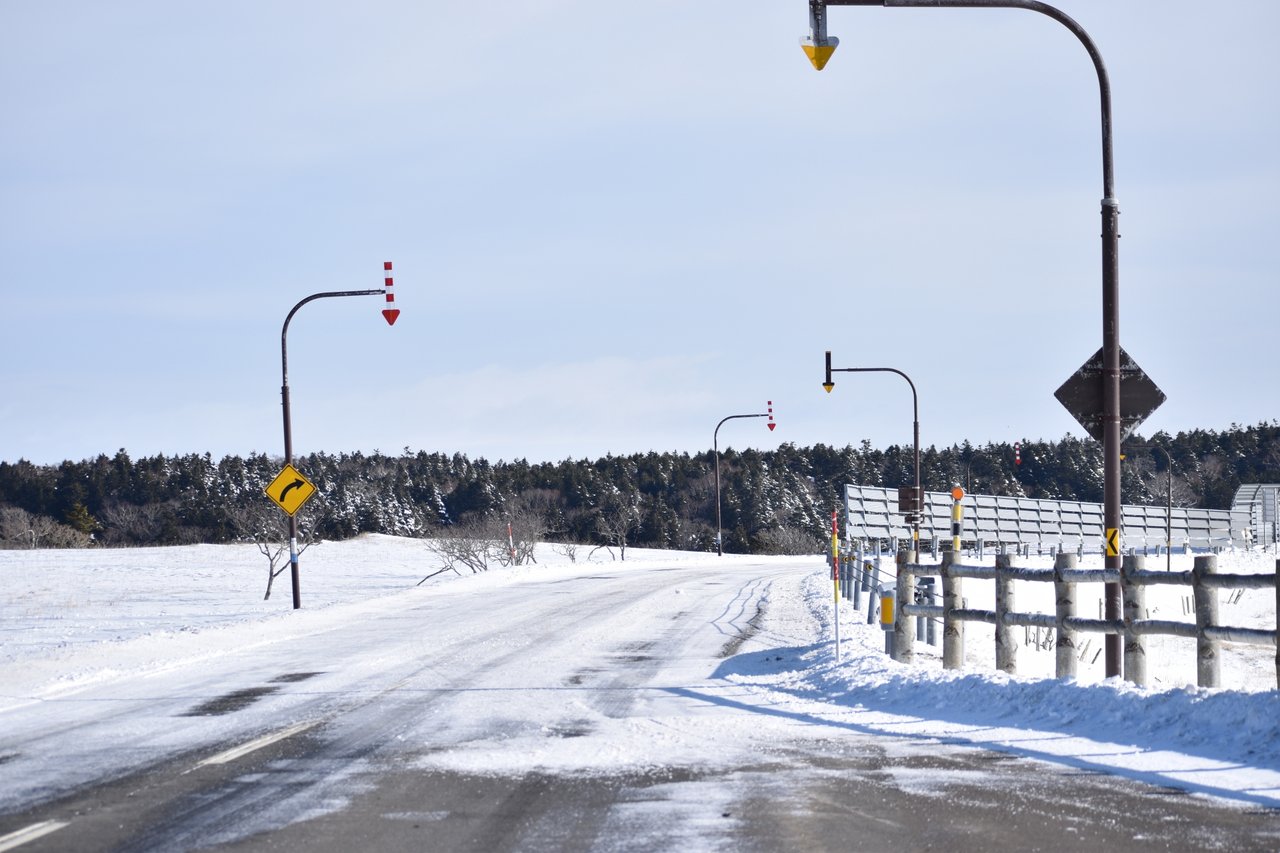
Plowed snowbanks at road edges and junctions are high and can hide oncoming cars when you turn. Packed snow and ruts can pull the car off course, so hold the wheel lightly and make small corrections along the track.
Key Numbers for Winter Driving: Following Distance, Speed and Skid Recovery
Leave 2 to 3 times the following distance you would on dry roads; going with the larger figure is safer. Drive slower than usual, slow down fully before a turn and then steer, and take a wide arc.
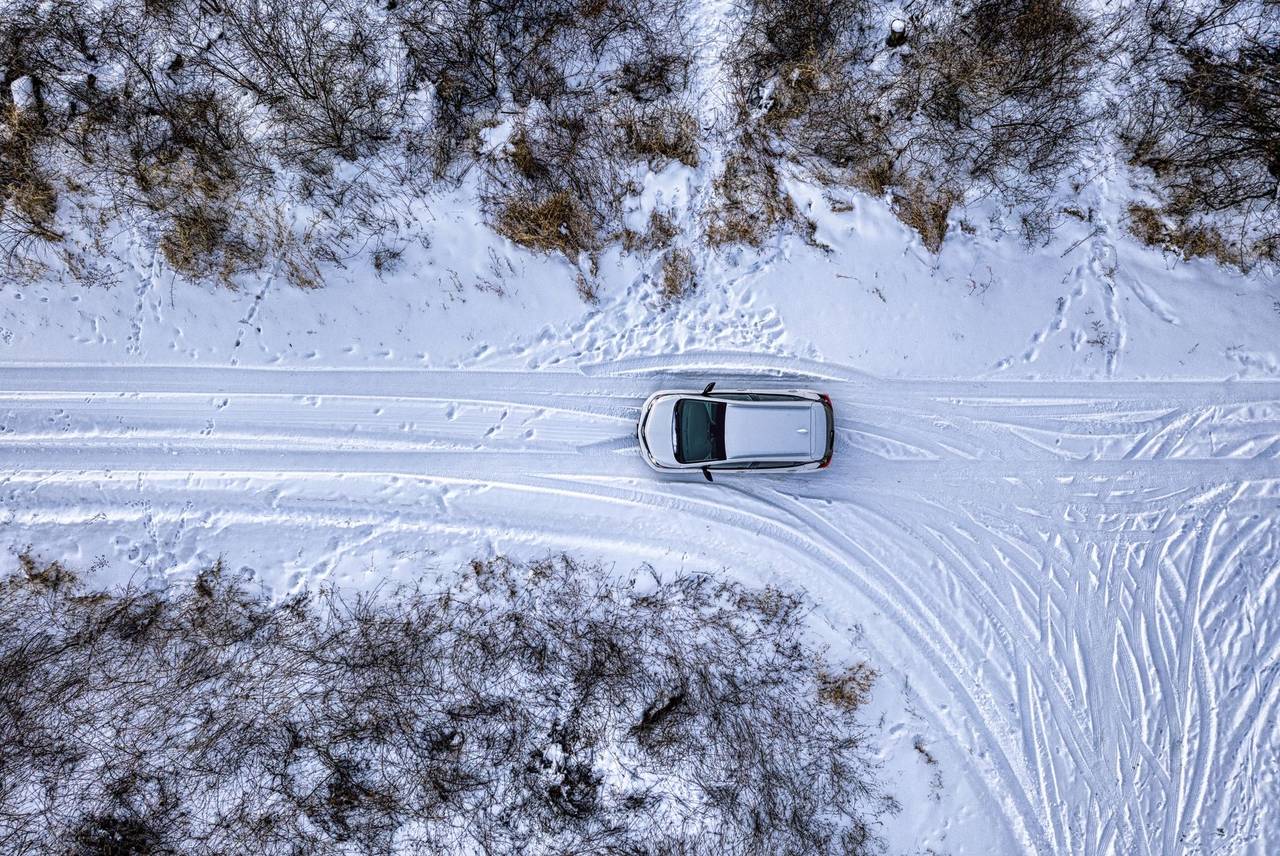
In a skid, release the accelerator, hold the wheel steady and gently adjust your heading; do not brake or swerve. 4WD only helps with starting and climbing, and braking distance is nearly the same as a two-wheel-drive car, so do not speed up just because you have 4WD.
Picking Up a Car at New Chitose Airport and Getting Around Hokkaido
- Picking up at New Chitose Airport: most major rental companies have counters at the airport; at pickup, check the tread on all four tires and the snow tire marking.
- Expressways: add an ETC card to your rental to use them. Hokkaido also has an unlimited expressway pass plan, so ask the rental company when you book.
- Expressway tolls are calculated by distance, and you can estimate them on the NEXCO East Japan website before you go.
- For eastern and northern Hokkaido, you can use seasonal sightseeing buses plus JR instead of driving long distances on snow.



Winter Driving Destinations: Biei Blue Pond, Lake Toya, Noboribetsu Hell Valley and Otaru Canal
Biei Blue Pond: A White Lake in Winter Evening Illumination
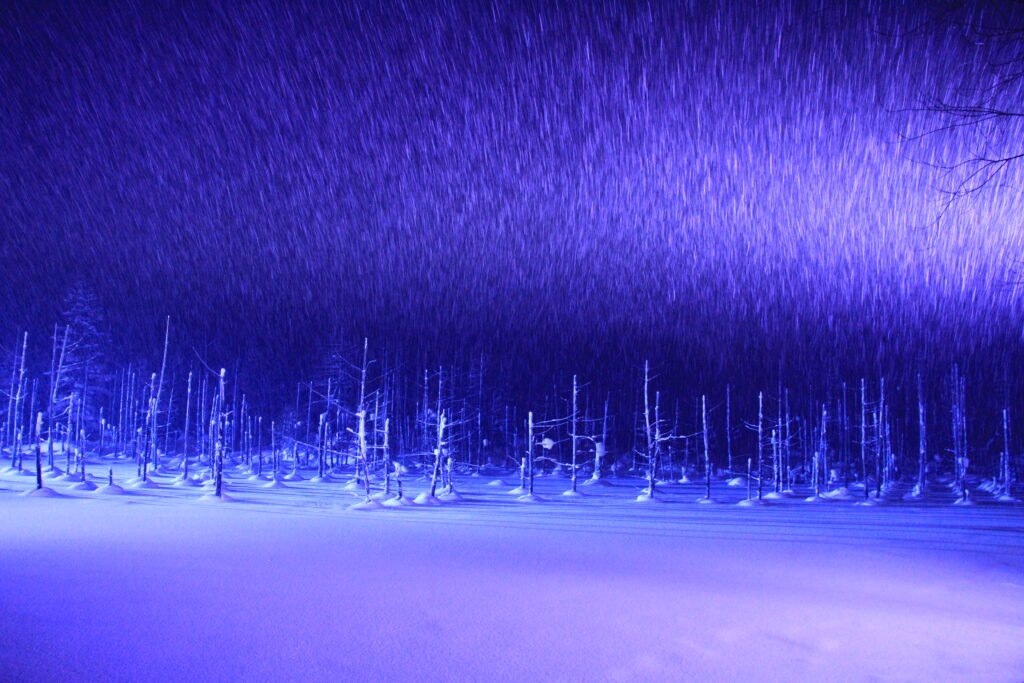
The Biei Blue Pond holds an evening illumination only in winter. Sightseeing buses stop here by day, and after dark the lights glow on the snow, a popular time for winter photos. Take extra care at night: a small unlit slope can become slippery under snow, so plan arrival and return early. Dates change each year, so check the official announcement and leave time to return.

Biei Hills: Rolling Lines Across the Snowfields
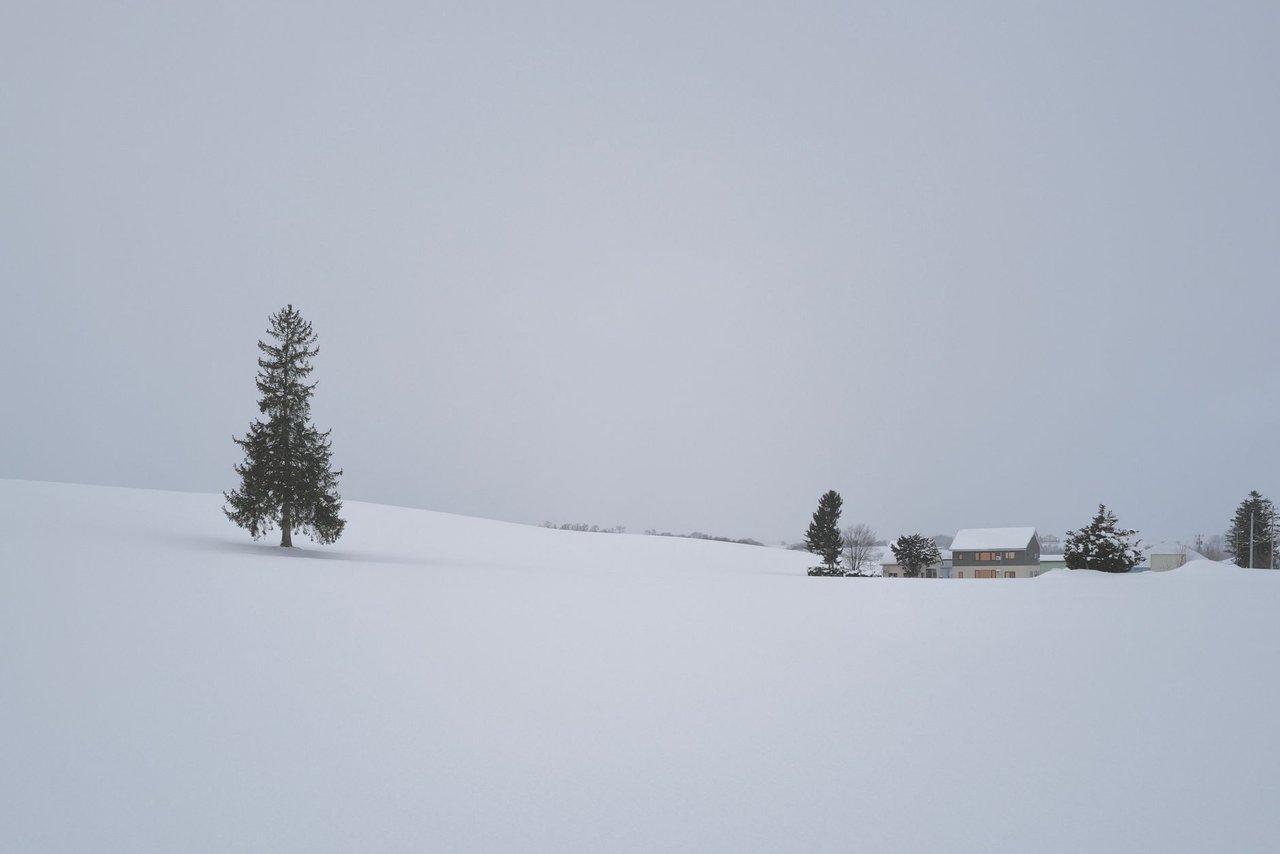
The Biei hills are known for rolling farmland, and snow turns them into broad snowfield lines, one of Hokkaido’s most representative winter views. Public transport can hardly reach this area, so driving is the most convenient way, but the hill roads have many curves and slopes, so slow down and watch for oncoming cars. The light is best at sunset; park on a wide shoulder.
Furano: Deep-Snow Hills and Driving on Snow Roads
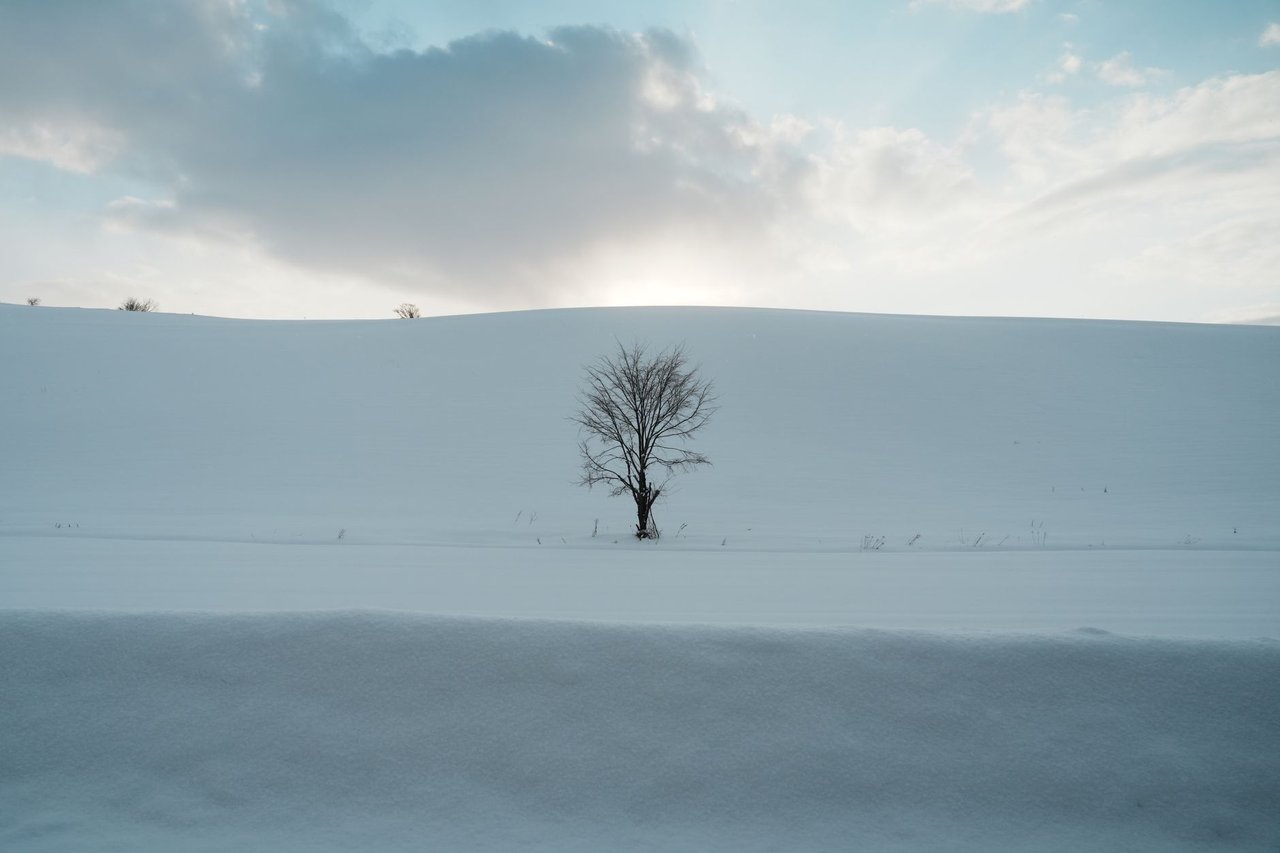
Furano is in central Hokkaido, and its winter snow and hill lines connect with Biei, making it a popular winter driving route. This is deep-snow mountain country, so choose a 4WD model and be comfortable driving on snow. City roads are mostly plowed, but rural mountain roads may have packed snow and ruts, so keep your distance and go slowly.
Sounkyo: Ice Waterfalls in the Canyon and a Hot-Spring Town
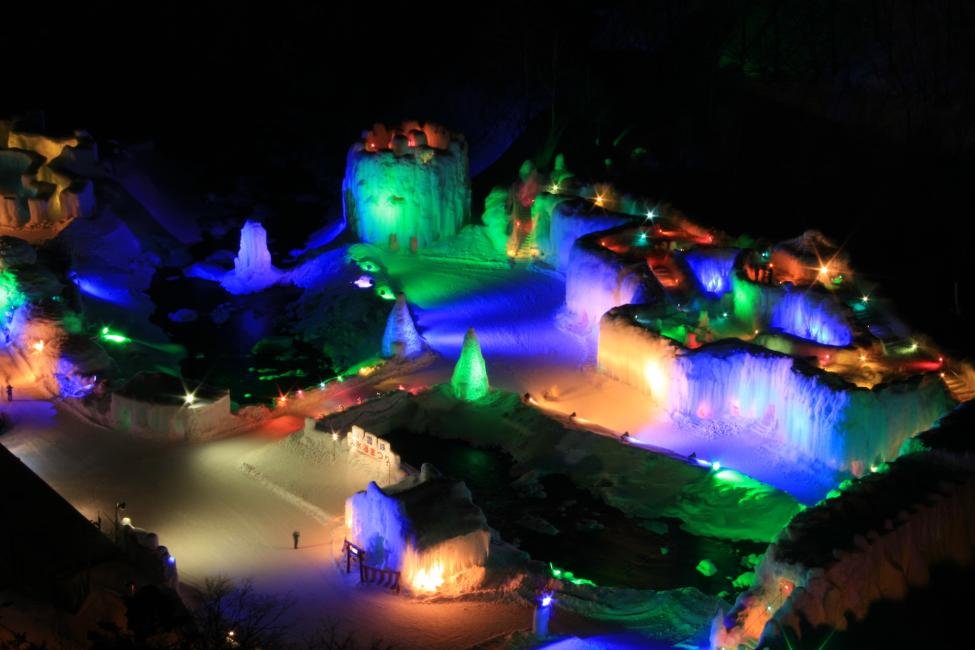
Sounkyo lies in a canyon on the north side of Daisetsuzan, where the walls freeze into ice waterfalls in winter, and in some years an ice waterfall illumination is held, with dates set by the official announcement. The canyon road has many curves and a higher risk of ice and falling rocks, so keep your speed low. Hot-spring inns and small shops suit a half-day stop.

Lake Shikotsu: Lakeside Ice and the Ice Festival
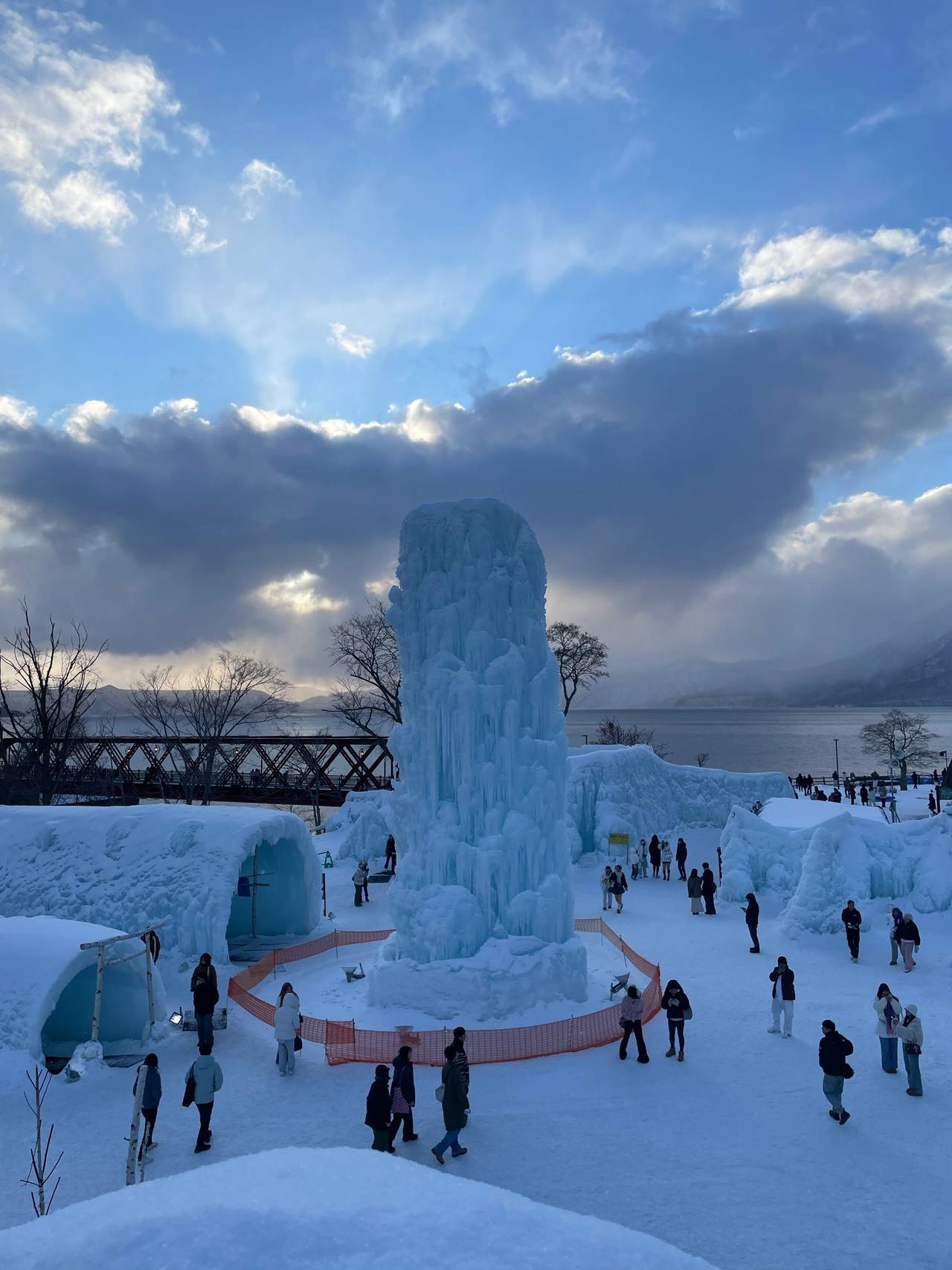
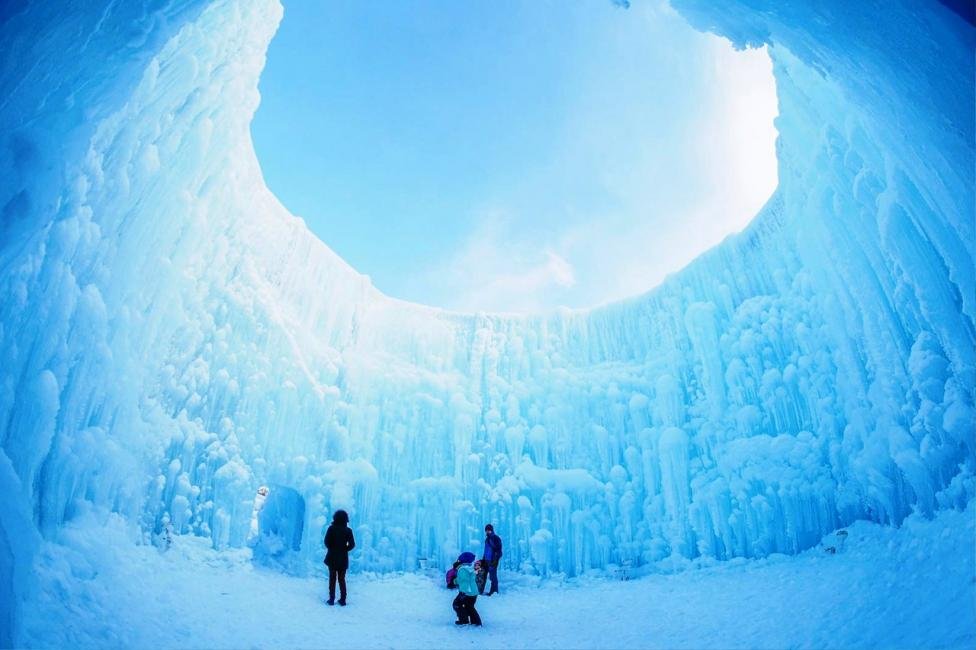
Lake Shikotsu is one of the deepest lakes in Japan, and in winter ice piles up along the shore. The Ice Festival around February each year is an important winter event. Lakeside roads often freeze, with black ice, so drive slowly. During the event, traffic and parking may be restricted, so allow a wider time margin.
Lake Toya: Winter Lake Views on a Drive Around the Shore
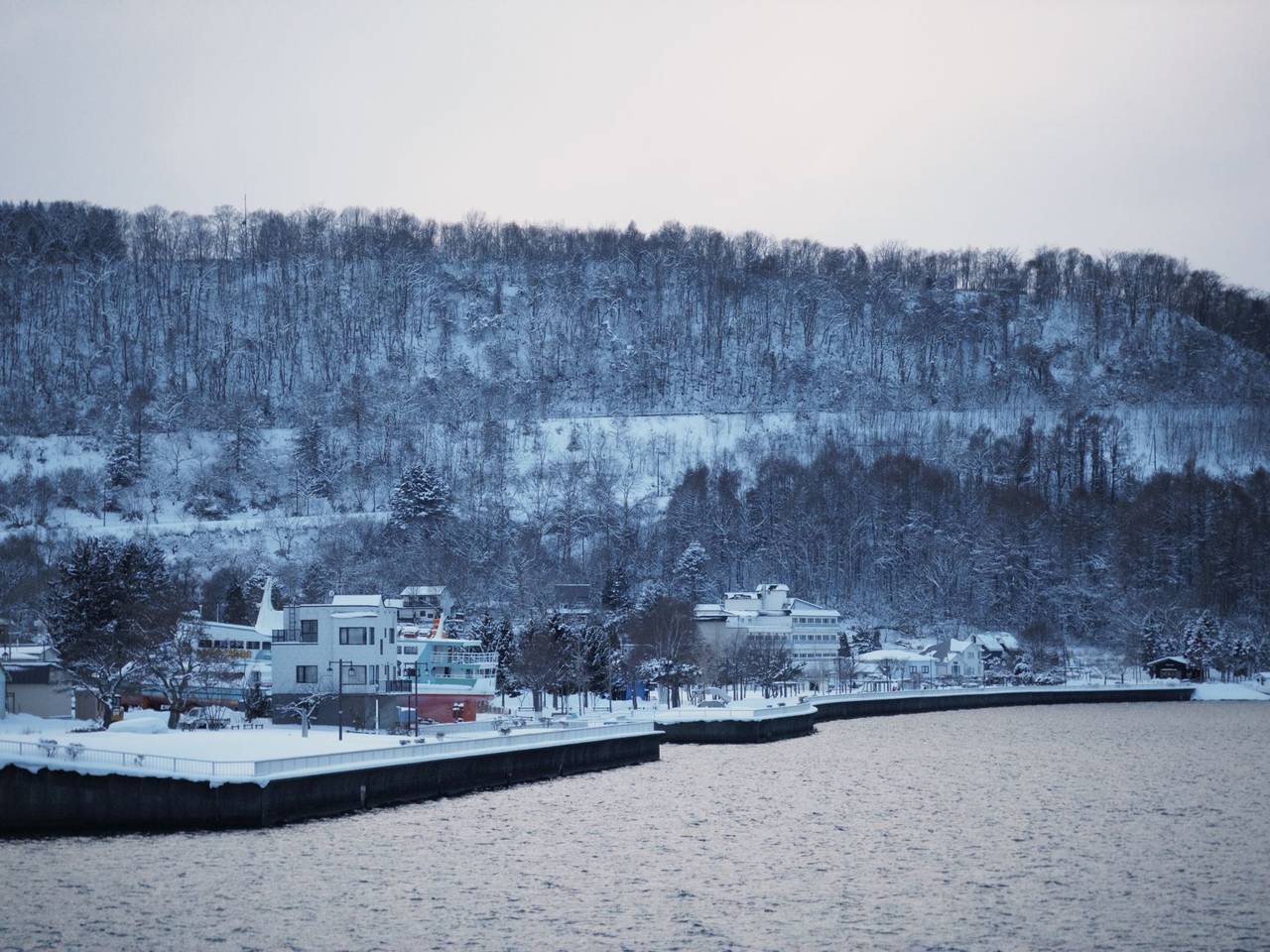
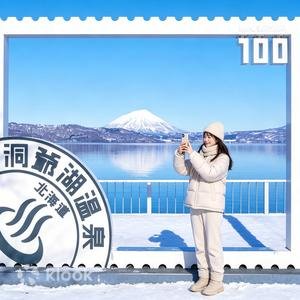
Lake Toya is a caldera lake, and in winter the lake and the surrounding snowy mountains contrast sharply, suiting a slow drive around the shore. There is a hot-spring town and viewpoints on the lakeside where you can stop for photos. Depending on the section, avoid the lake road at night and in snowstorms, and do not park on snowy shoulders.
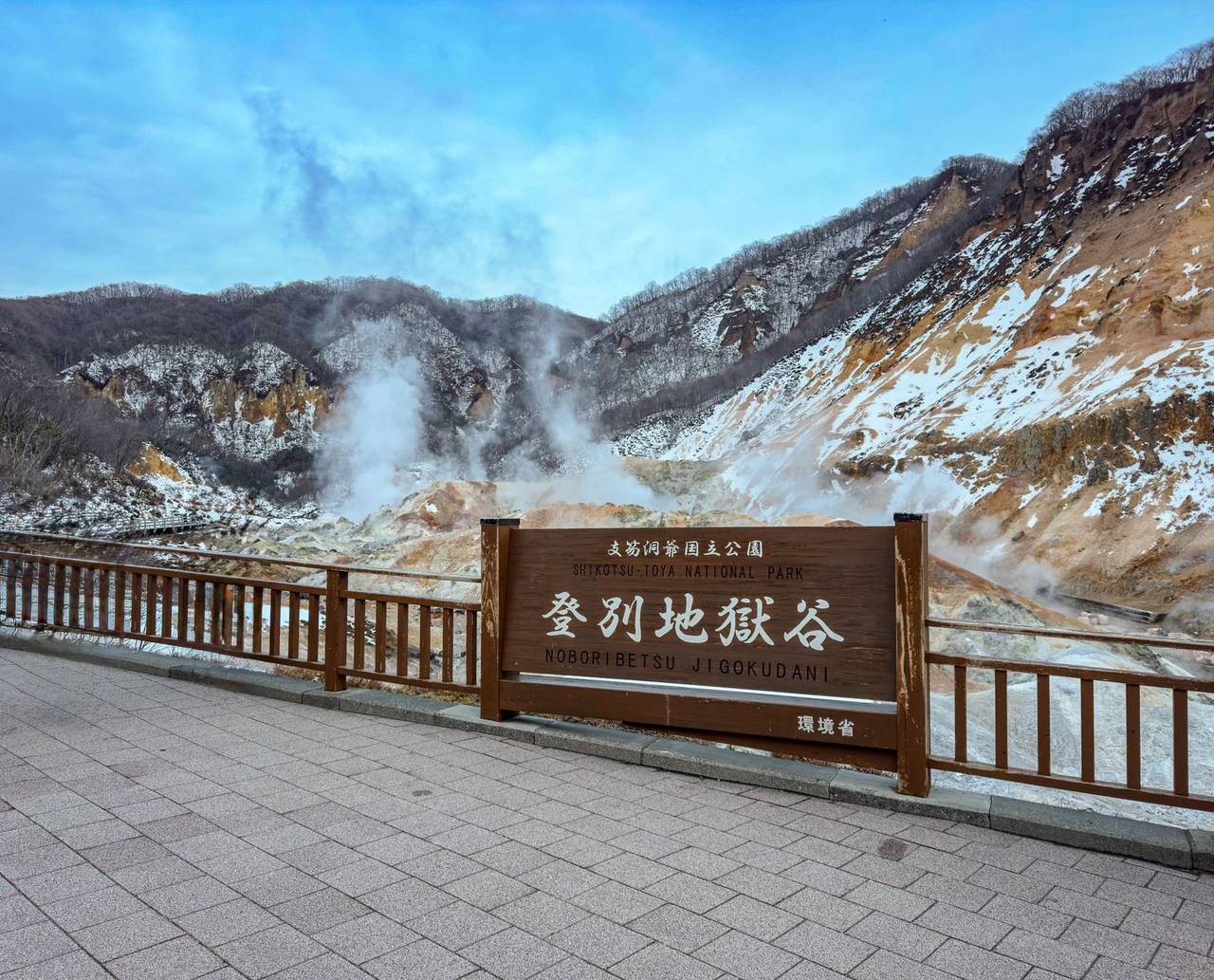
Noboribetsu Hell Valley: A Hot-Spring Landscape in Winter Steam
Noboribetsu Hell Valley is a hot-spring landscape venting sulfur steam, and in cold air the steam is more visible, giving it a unique look. Paths are mostly boardwalks or stone steps, so watch for slips when snow or ice builds up. The Noboribetsu hot-spring town is on a slope, so control your speed and use engine braking going up and down.
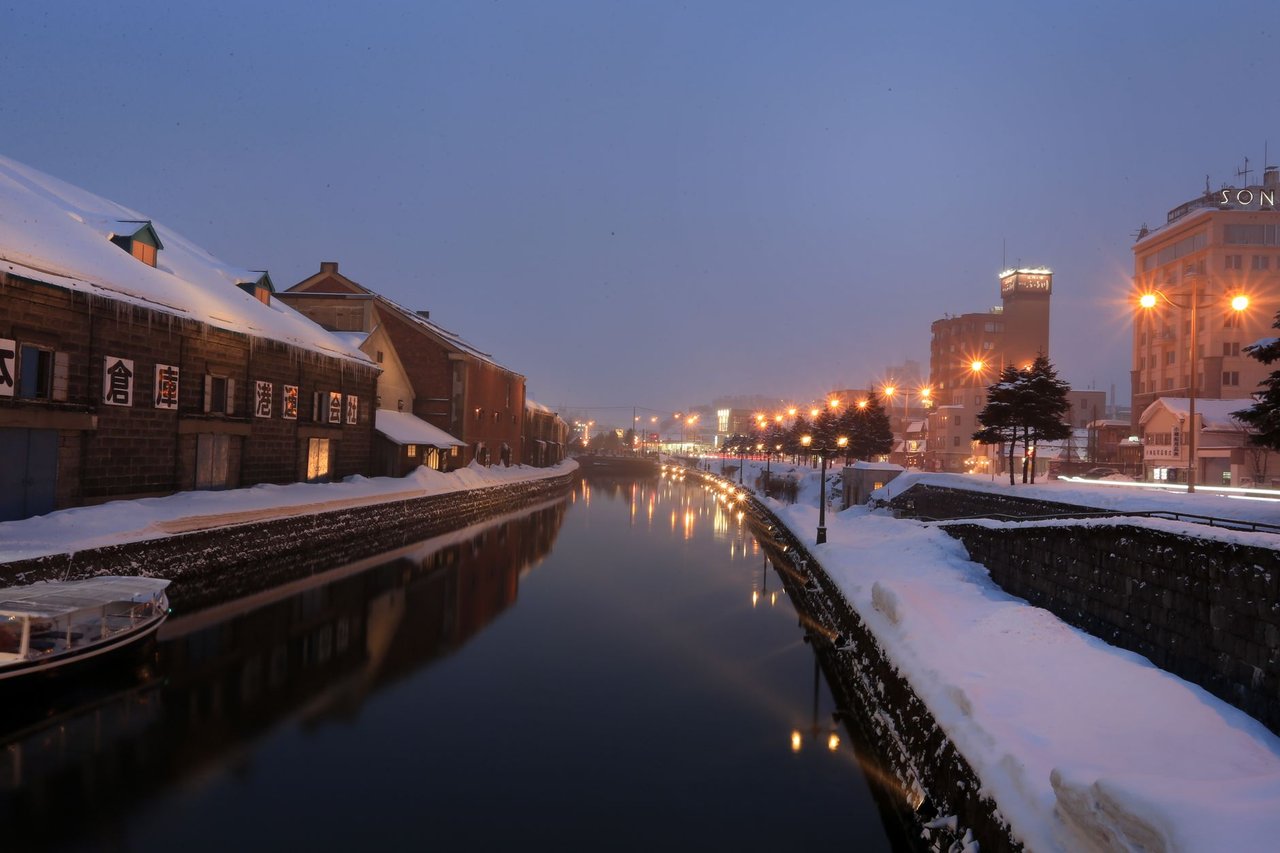
Otaru Canal: Stone Warehouses and the Canal on a Snowy Night
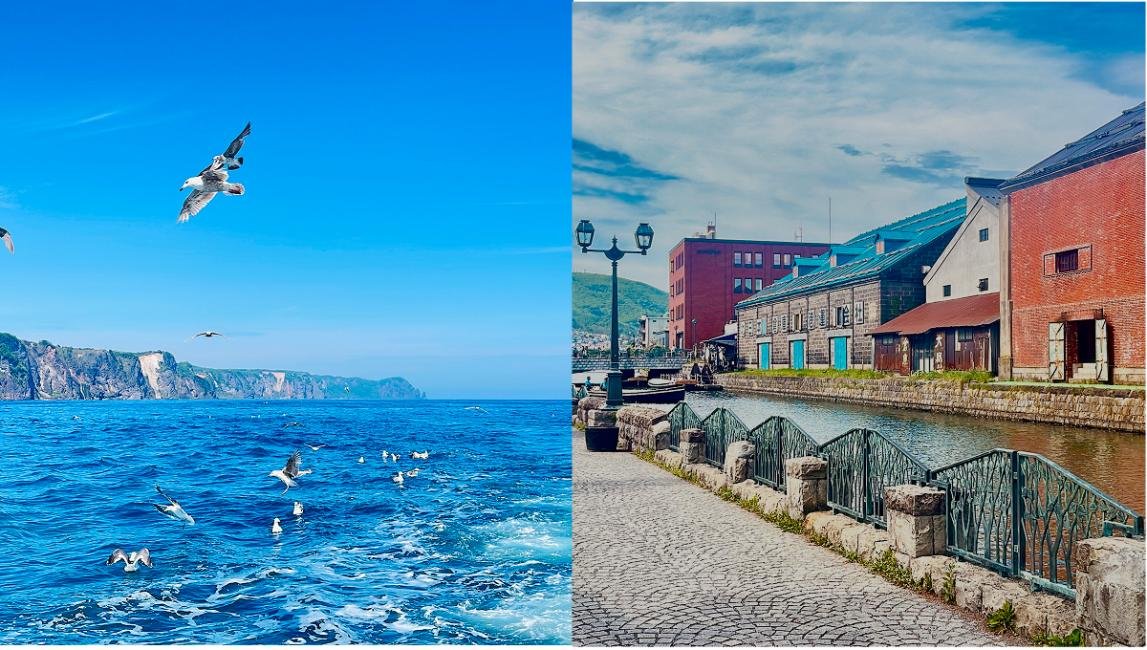
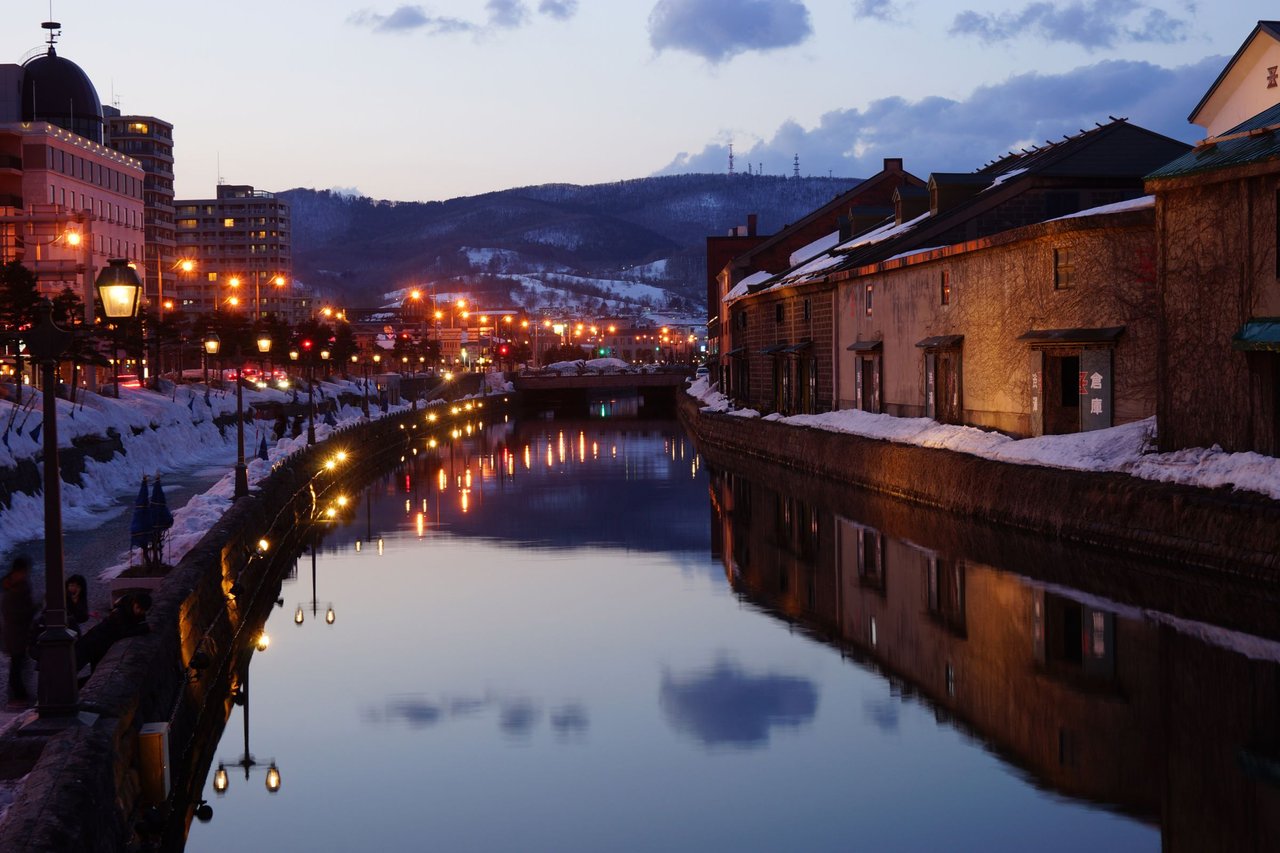
The Otaru Canal is lined with stone warehouses, and in winter snow settles on the warehouse roofs and canal edges; at night the lights reflect on the snow, making it Otaru’s most representative street scene. The town’s lanes are narrow, so check parking fees and opening hours before deciding whether to drive in.
Shakotan Peninsula: Winter Coast and the Coastal Road
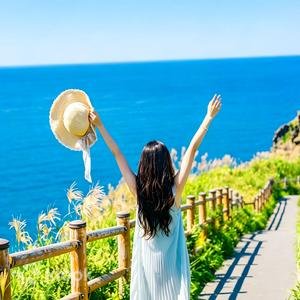
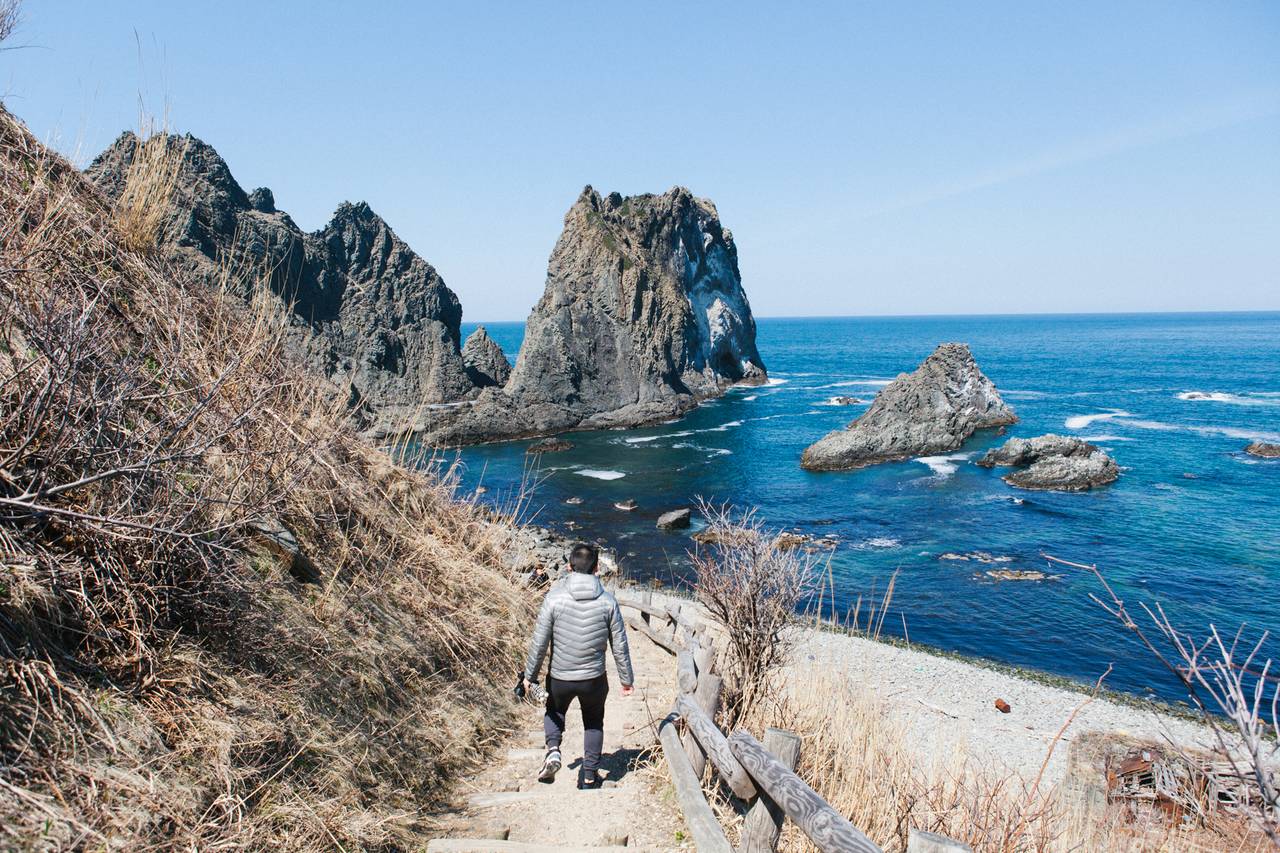
The Shakotan Peninsula is known for its blue coastline, and its coastal road has many curves and wide views. In winter the sea wind is strong, and ground blizzards often form on coastal sections; if visibility is poor, pull over and wait. Driving by day is safer.
Jozankei Onsen: A Winter Soak Near Sapporo
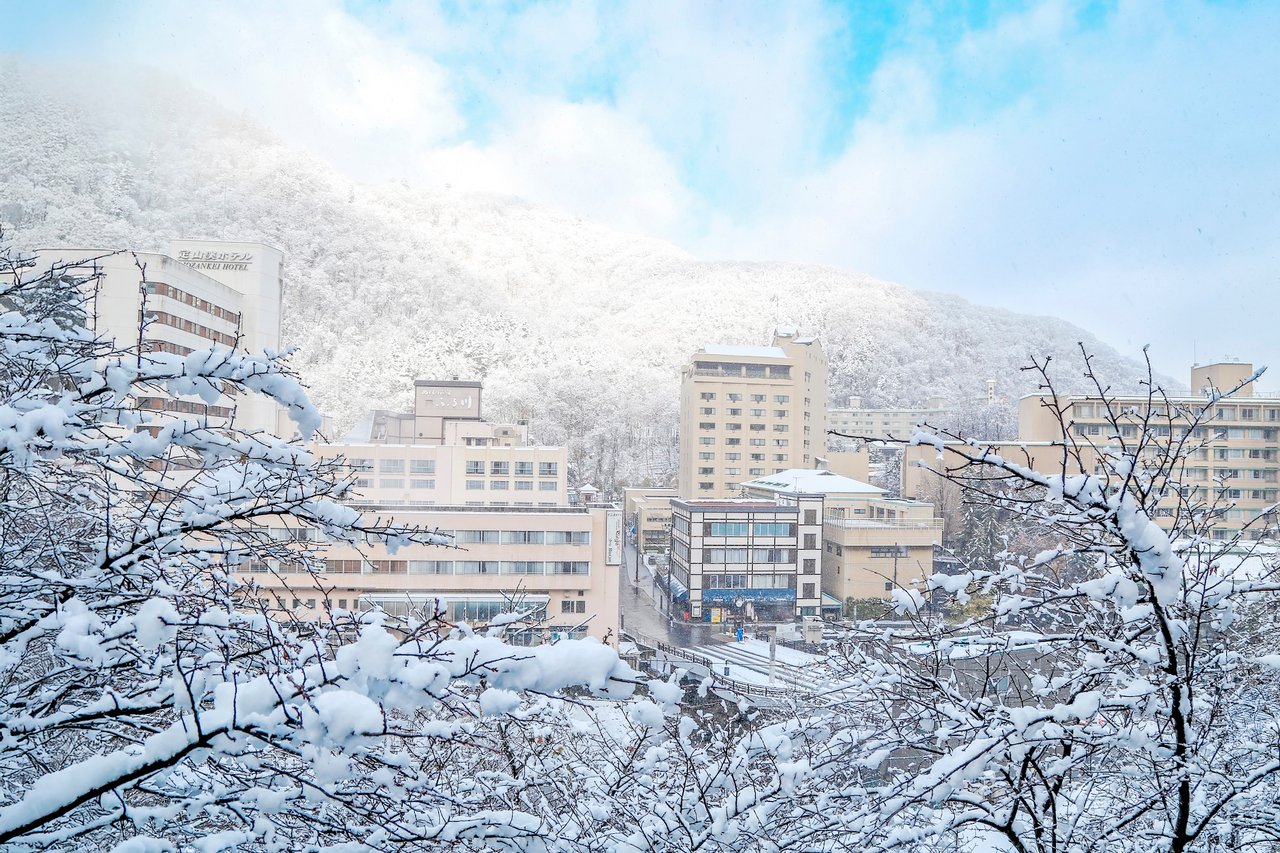
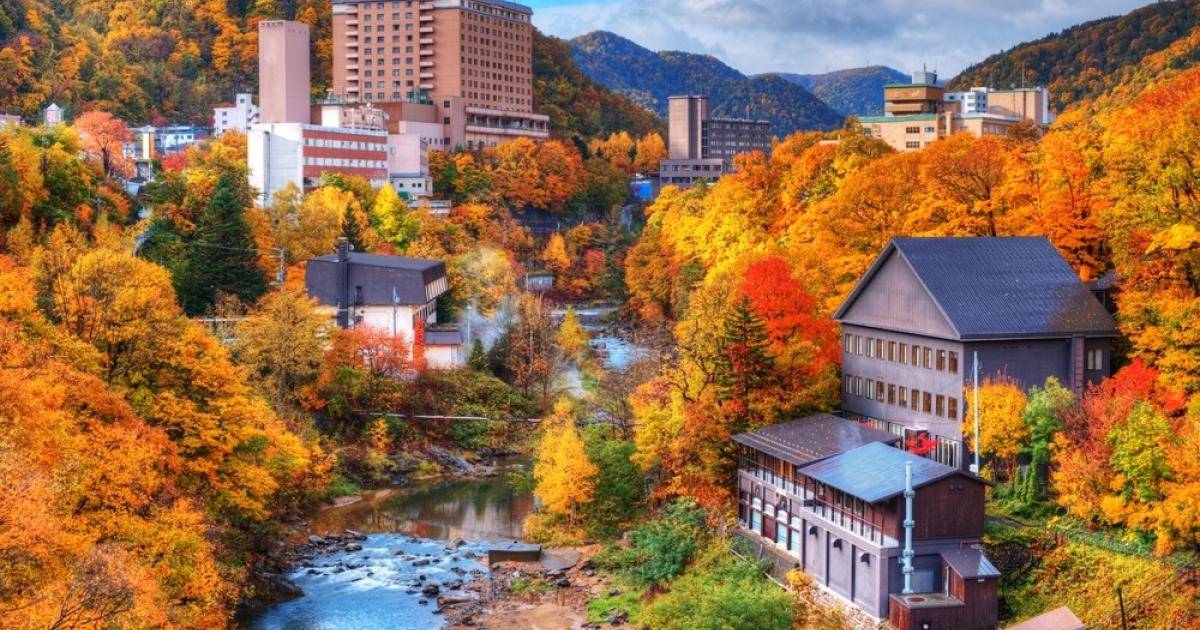
Jozankei Onsen is in southern Sapporo, and the drive is usually shorter than to outlying sights, so it suits the first or last day of a winter drive. The hot-spring town is in a valley with sloping, curving access roads, so set off early in winter. Besides the inns there are day-trip baths, a low-effort option.
Abashiri Drift Ice: Floating Sea Ice of the Sea of Okhotsk
Abashiri is where drift ice arrives, and Sea of Okhotsk floes typically drift in around January to March; icebreaker ships take you up close. The drift ice season and sailings follow each year’s announcement, so check before you go. Abashiri is in eastern Hokkaido and gets heavy snow and wind in winter, so avoid blizzard days and allow extra time.
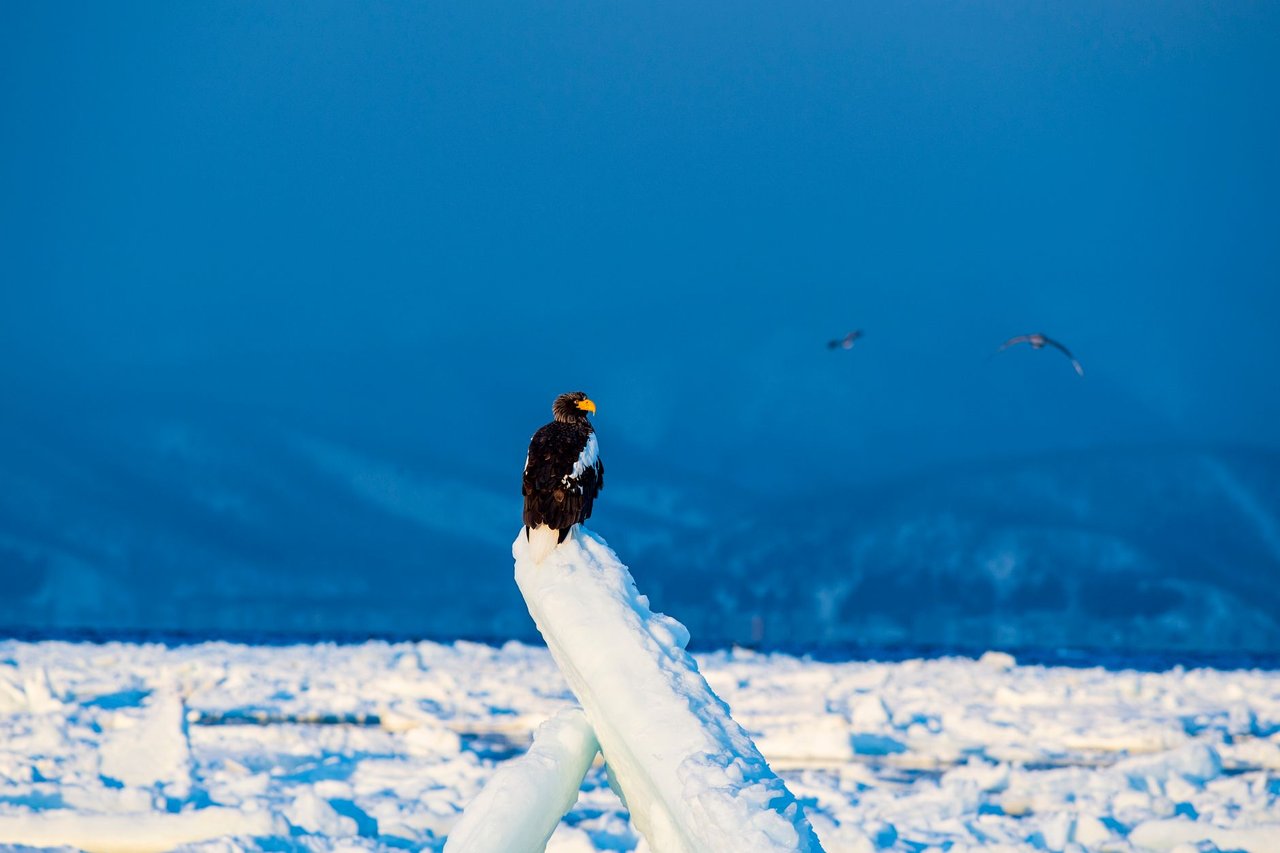
Shiretoko: Winter Snow Roads in a World Natural Heritage Site
The Shiretoko Peninsula is a World Natural Heritage Site, with spectacular winter scenery, and wildlife is more likely to appear by the roadside. Winter sections may be closed temporarily by wind and snow, so check road conditions before you go. Deer and foxes are common beside the road, so slow down at night and watch both sides.
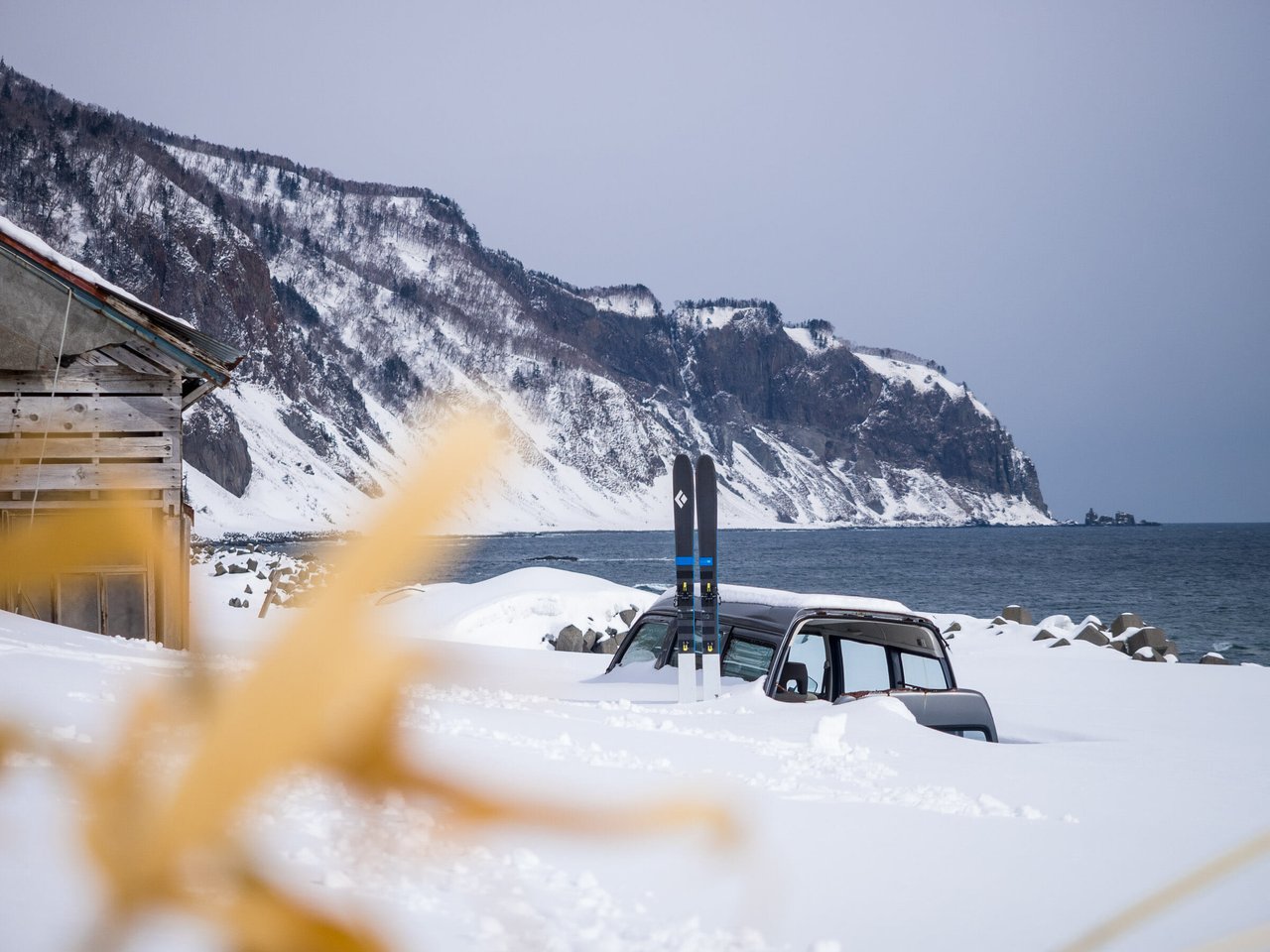
Not Driving the Whole Way: Winter Guided Tours and Private Charters
If you do not want to drive the whole way, or want to reach places that only exist in snow season, you can choose a guided tour or private charter instead. William has put together winter tours that pair well with a self-drive route.
Abashiri Drift Ice Icebreaker: Hokkaido’s Winter-Only Sea Spectacle
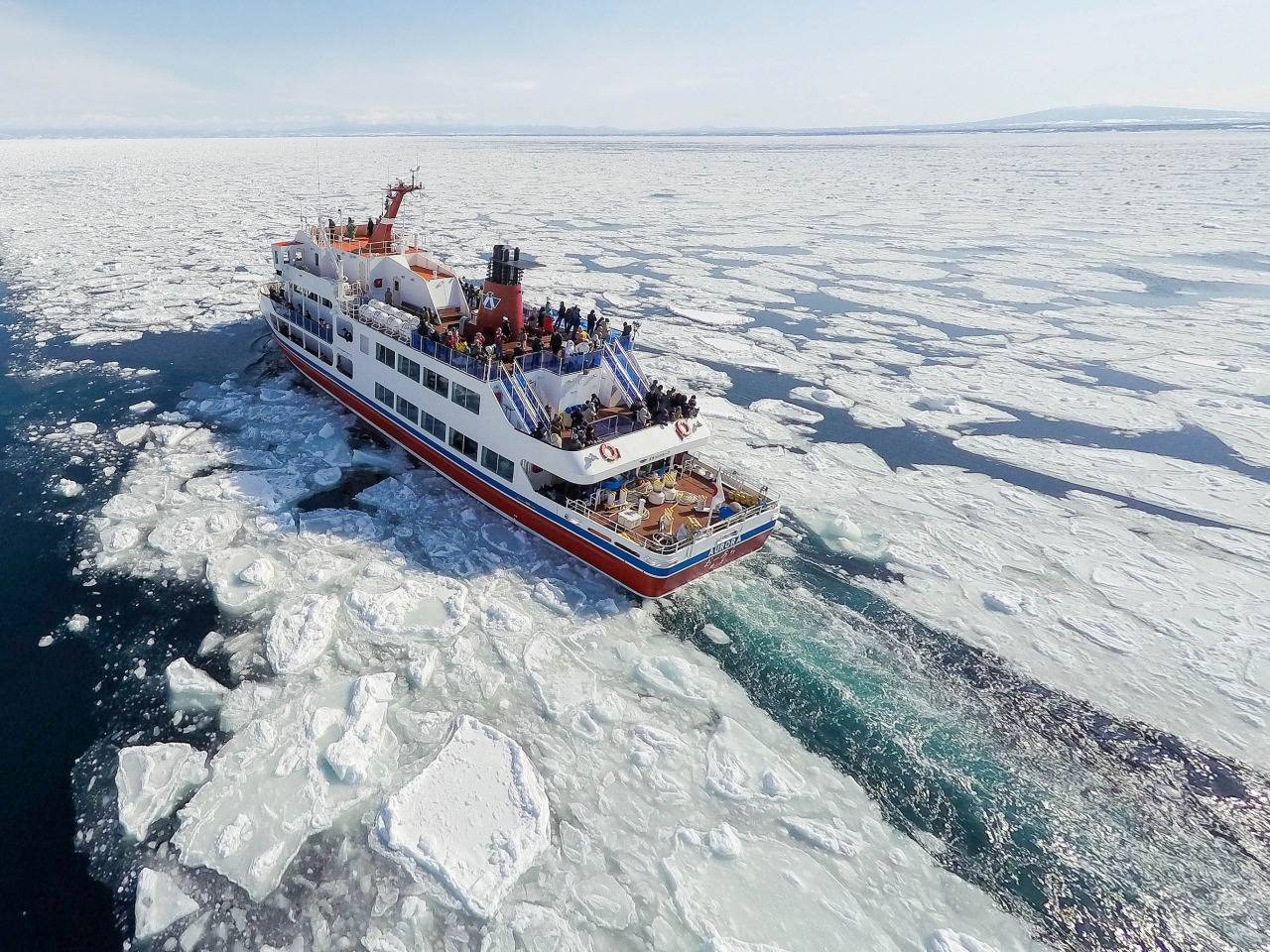
The Abashiri drift ice icebreaker is a winter-only tour running from January to March. The ship enters the drift-ice zone of the Sea of Okhotsk, so you can see the sea ice up close, and with luck you may also spot seals.
It departs near Abashiri Port and can be paired with the Abashiri Prison Museum for a half-day outing. Fares and sailings vary by season, so check the website for live information and leave time to check in early.
Lodging, Insurance and Returning the Car: Practical Winter Rental Details
Arrive Before Dark: Where to Stay in Sapporo, Otaru, Asahikawa and Hakodate
Daylight ends around 4 p.m. in winter, so choose each day’s destination city so you arrive before dark. Sapporo is the most convenient base after New Chitose Airport, with Jozankei nearby for a half-day trip; Otaru pairs with the canal and the Shakotan Peninsula; Asahikawa works as a stopover for Biei and Furano.
Snow Tire and Chain Rules: Chains Must Not Be Fitted over Snow Tires
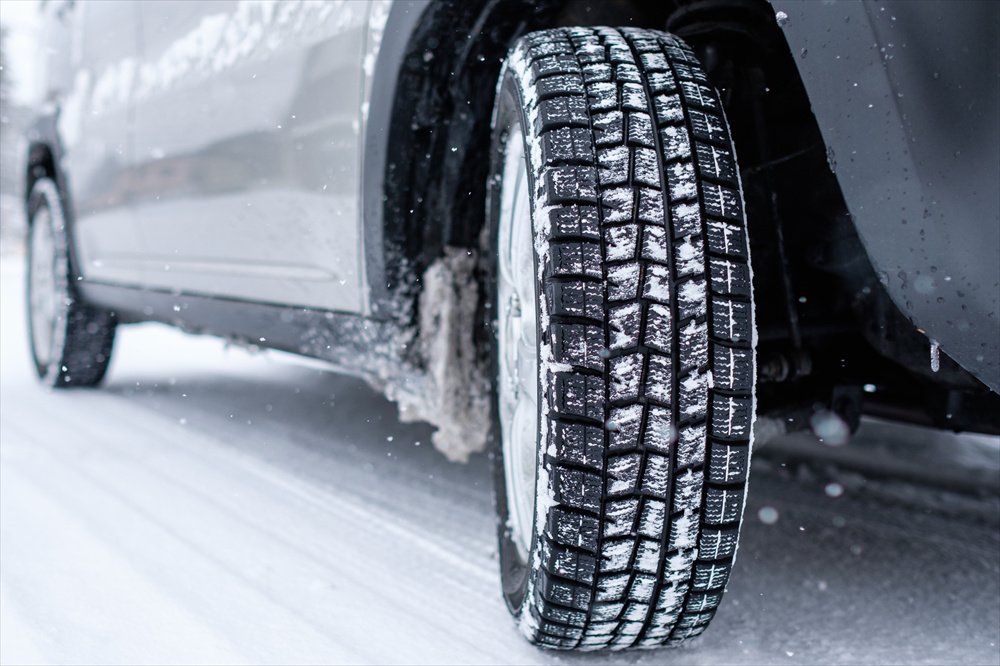
In Japan, apart from Okinawa, snow-covered and icy roads legally require winter tires or anti-skid equipment, and Hokkaido rentals come with studless snow tires as standard. At pickup, check the snow tire marking and tread, and ask the counter to swap the car if they fall short.
Hokkaido Road Conditions and Closures: Official Information Sites at a Glance
Kita no Michi Navi and Hokkaido regional road information show blowing snow, road closures and road conditions across Hokkaido, JARTIC provides traffic information, and each expressway company’s website announces restrictions. Check on the day of departure and along the way, and if a road is closed, change your plan rather than pushing through.
Choosing Rental Car Insurance: Basic Coverage, CDW Waiver and NOC
Basic coverage includes third-party liability, passenger injury and vehicle damage, but a deductible still applies, so most people add a CDW deductible waiver. NOC (business-loss compensation) covers the rental company’s lost business while a car is repaired or cleaned; without it, the driver pays. Costs vary by company and plan, so confirm each item before booking.
Comparing Rental Prices and Companies: Check for Insurance and Snow Tires First
Comparison platforms and third-party booking sites let you compare quotes from several companies at once; when booking, check whether insurance, snow tires and drop-off fees are included. Brands such as Orix, Toyota, Times, Nippon and Budget can be compared; avoid very small rental shops.
Pickup, Return and Refueling: Nozzle Colors and Fuel Level Before Returning
At pickup, record video and photos of the whole car and note existing scratches. Fill the tank and keep the receipt before returning. Red nozzles are regular gasoline, yellow premium and green diesel; filling diesel by mistake is a common dispute. Touch the black button on the pump to discharge static first. Leave time for settlement and the shuttle; confirm one-way returns.

Clearing Snow from the Car and Parking at Night: Roof and Lights
Before setting off, clear the snow from the roof, windshield, lights, windows and mirrors; a snow brush and ice scraper are essential. Wear sunglasses by day against snow glare. When parking overnight, lift the wipers to stop them freezing to the glass, put the car in P, and keep the tank at least half full.

Traffic Rules and Tickets: Speed Limits, Yielding to Pedestrians and the Right-Hand Drive Mantra
Follow the posted speed limits, and drive slower than posted on snowy roads. Yielding to pedestrians means a full stop. The right-hand-drive mantra is “left turn small, right turn wide”: hug the corner on left turns without cutting in, and take right turns in a wide arc. Watch for deer and foxes in rural areas. Tickets are handled and paid at the issuing police station.
FAQ
Q: Can I drive in Hokkaido in winter if I have never driven on snow?
Yes, but start around cities and on main expressway routes, limit each day to about 150 km, and choose a car with snow tires and 4WD. When road or weather conditions are poor, a sightseeing bus or private charter is safer.
Q: Do snow tires cost extra when renting a car in Hokkaido in winter?
Major Hokkaido rental companies mostly fit snow tires as standard in winter; the actual period and charges are on each company’s website, so confirm when booking whether your plan includes them.
Q: What time does it get dark in Hokkaido in winter, and what should I watch for when driving?
Daylight ends around 4 p.m. in winter, so reach your lodging before dark and avoid long night drives. When parking overnight, lift the wipers to keep them from freezing, use high beams only when no one is coming toward you, and watch for wildlife darting out.
Q: Does 4WD brake in a shorter distance?
No. 4WD helps with starting and climbing, but braking distance is nearly the same as a two-wheel-drive car, so on snow you still need to slow down early and keep your distance.
Q: Where do I check road closure information for winter driving in Hokkaido?
Check Kita no Michi Navi, Hokkaido regional road information and JARTIC; each expressway company’s website also posts restrictions. Check once on the day of departure and again along the way.
Q: What documents do I need to rent a car in Hokkaido with a Taiwan driver’s license?
Bring your original Taiwan driver’s license, a Japanese translation of it and your passport; all three are required, and an international driving permit issued in Taiwan is not valid in Japan. Also bring a credit card and your rental confirmation.