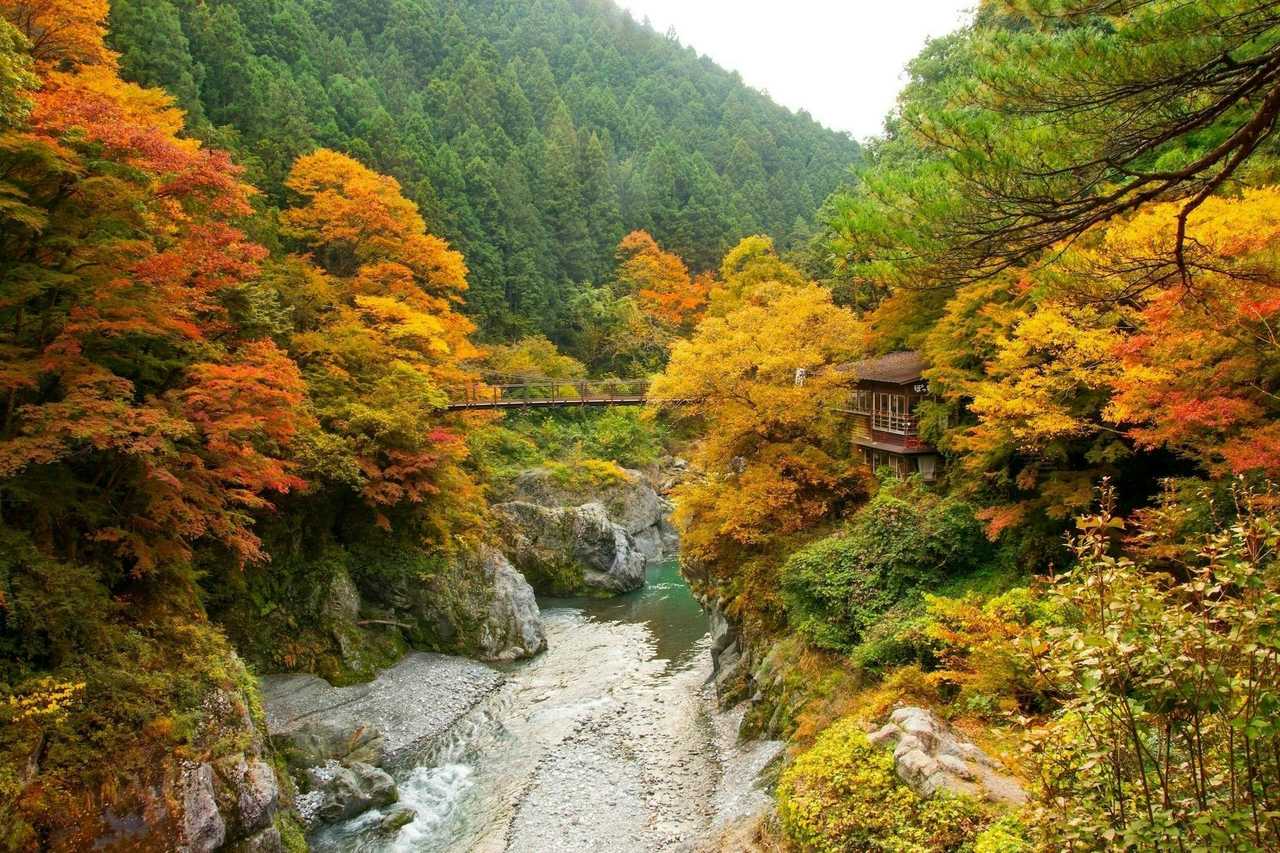
Okutama Autumn Leaves Guide 2026: Lake Okutama, Mitake Gorge and Transport from Shinjuku: Tokyo’s Westernmost Autumn Hideaway
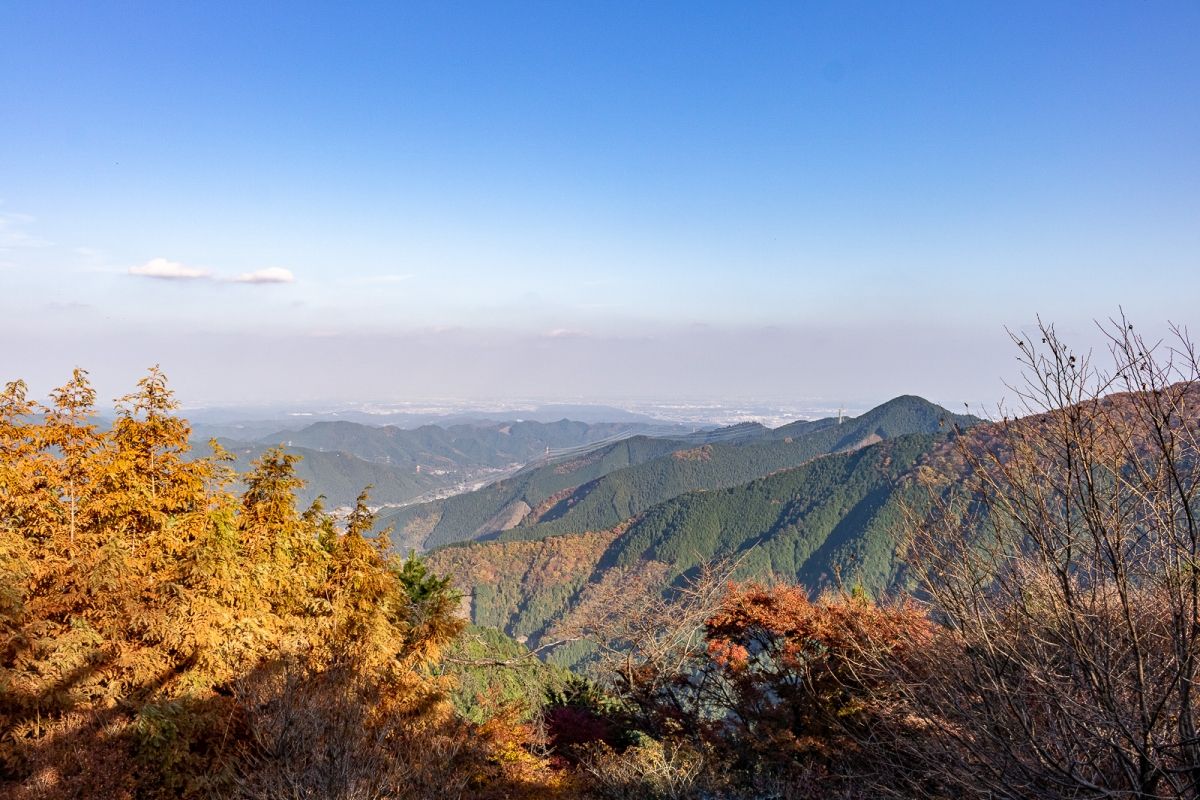
Okutama is at the far west of Tokyo, about 90 to 120 minutes from Shinjuku by JR. Autumn leaves, Lake Okutama and gorge trails are all in one area, which suits a day trip.
Okutama’s Location and Terrain: A Mountain Valley at Tokyo’s Westernmost Edge
Okutama Town is at the westernmost edge of Tokyo, within Chichibu-Tama-Kai National Park, and at the headwaters of the Tama River. The valleys have large elevation differences, so colors peak at different times at the lake and in the gorges, and the viewing period can run longer than in the city. Mobile signal is weak in the mountains, so download offline maps before you go.
Summer is cooler than central Tokyo, and in late autumn mornings and evenings turn noticeably cold, so bring a warm jacket.
Peak Color Timing: Lake Okutama Turns First, Mitake Gorge Later
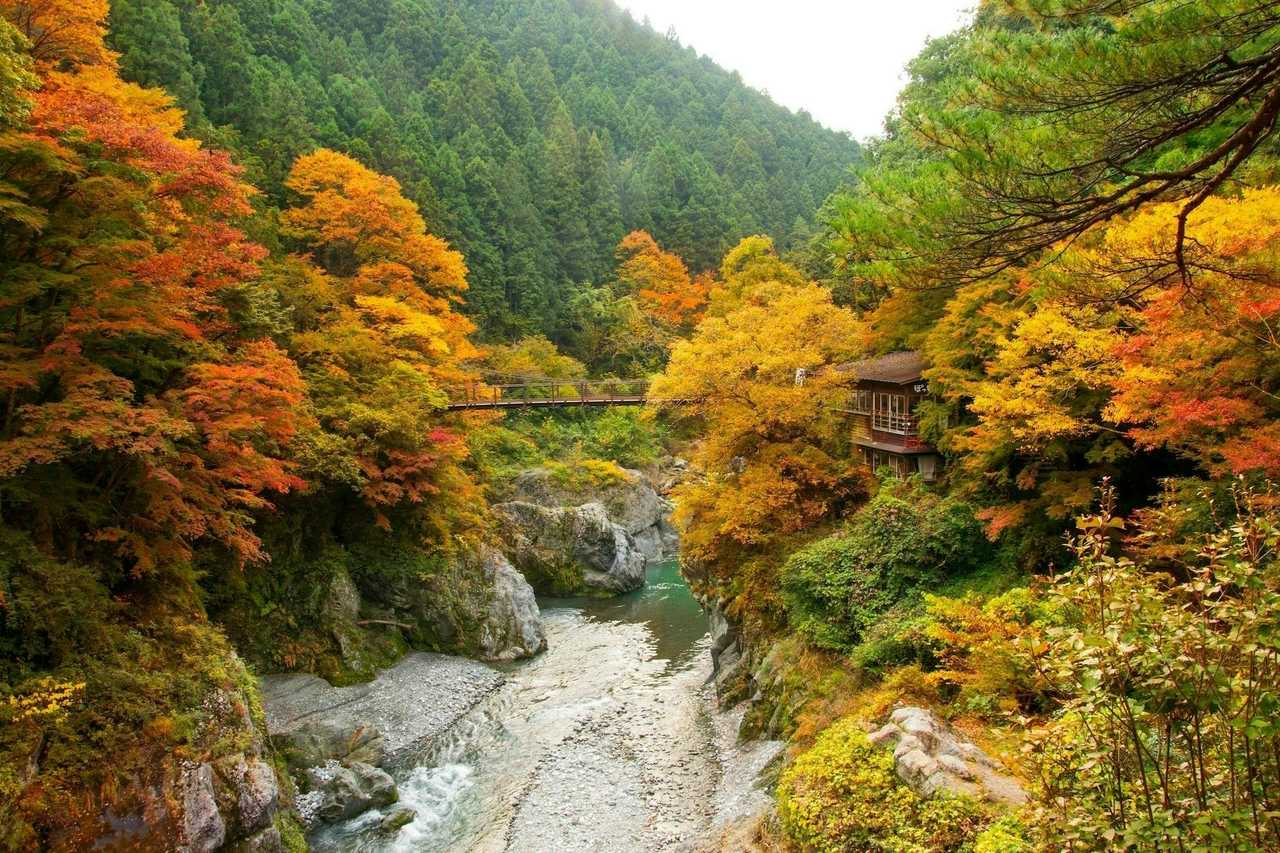
Third-party sites forecast peak color around Lake Okutama from about November 14 to 26, at its height around November 18, and at Mitake Gorge from about November 17 to December 1, at its height around November 23. These are forecasts, and actual color depends on temperature and rainfall.
Third-party sites forecast peak color around Lake Okutama from about November 14 to 26, at its height around November 18, and at Mitake Gorge from about November 17 to December 1, at its height around November 23. Forecasts depend on temperature and rainfall, so check that week’s conditions before you go.
Itinerary Planning: Basic One-Day and Two-Day Routes
A one-day trip can run Hatonosu Gorge, lunch around Okutama Station, Lake Okutama, then back. To add Mt. Mitake, make it two days: Okutama on day one, Mitake and Mt. Mitake on day two.
Holiday buses and parking lots get crowded; leaving in the morning avoids most of the crowds, and check return bus times in a transfer app beforehand.
Getting to Okutama: Transport and Costs
How to Get to Okutama and Mitake: Transport at a Glance
Okutama: from Shinjuku take the JR Chuo Line to Tachikawa or Ome, then change to the JR Ome Line to the terminus, Okutama Station. The whole trip takes about 90 to 120 minutes and costs about ¥1,100 to ¥1,280, and IC cards work. Weekends and national holidays have a direct “Holiday Rapid Okutama”; follow the official timetable.
- Mitake: take the JR Chuo Line from Shinjuku to Tachikawa or Ome and change to the JR Ome Line, about 90 minutes and about ¥950 to ¥1,100.
- Mitake Station to Takimoto: about 10 minutes by bus for ¥340, or about 45 minutes on foot.
- By car: take the Ken-O Expressway Ome IC or Hinode IC to Route 411 (Ome Kaido). The Hinohara road is narrow and passing is difficult.


Must-See Spots: Highlights by Area
Lake Okutama: A Man-Made Lake Formed by the Ogochi Reservoir
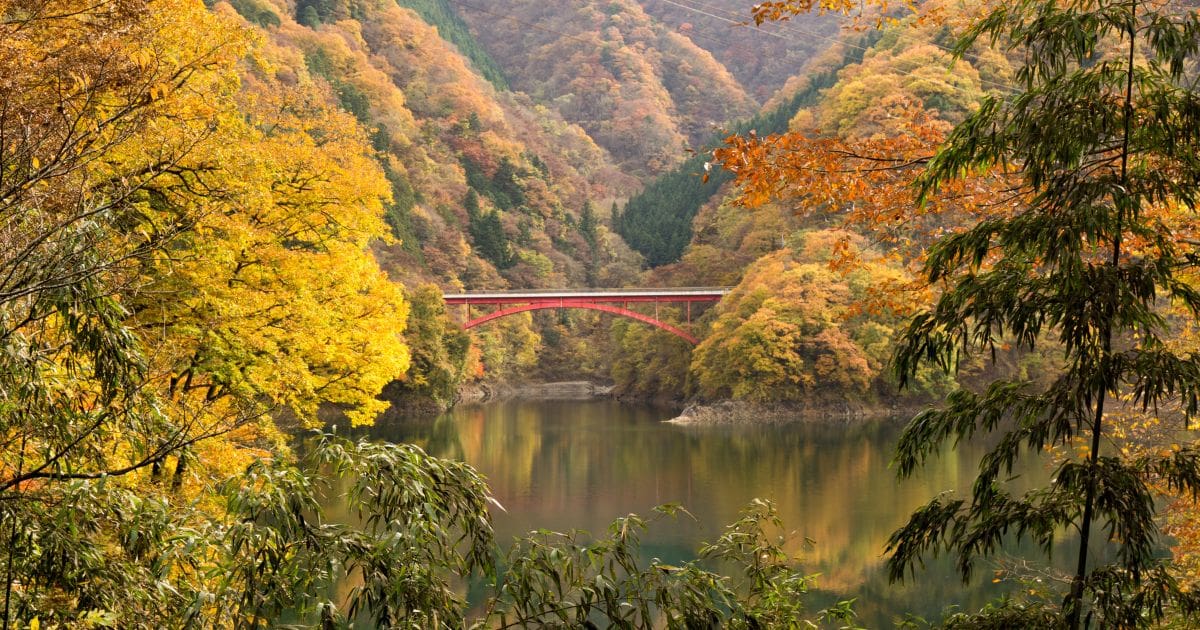
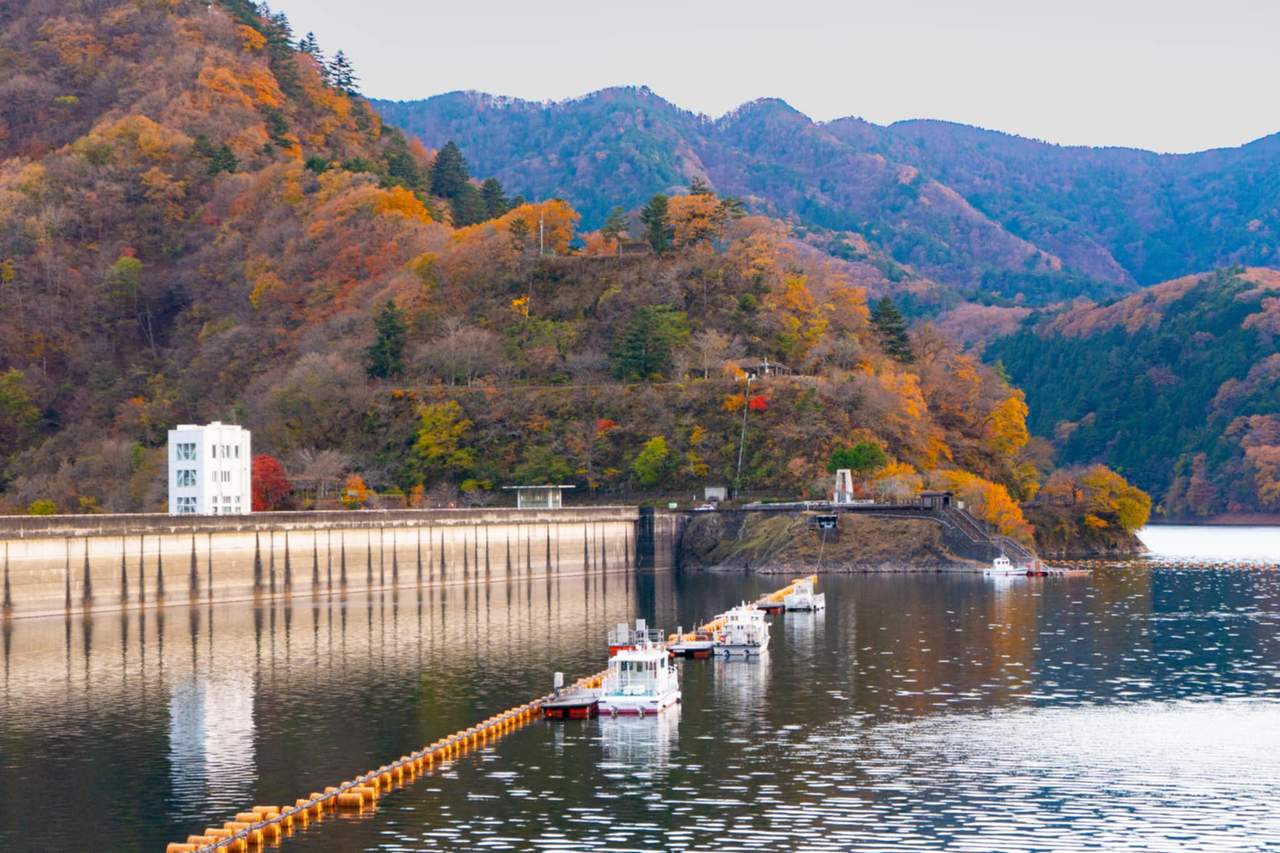
Lake Okutama is a man-made lake formed by the Ogochi Reservoir. The Ogochi reservoir was completed in 1957 and holds about 180 million tons in total, supplying about a fifth of Tokyo’s water. The national road on the north shore is good for a scenic drive, with cherry blossoms on the shore in spring and surrounding hills turning red, orange and yellow in autumn.
The free Mizu to Midori no Kōryūkan (Water and Greenery Exchange Hall) on the lakeshore teaches about the reservoir and its surroundings, and the Ogochi Dam crest, Happōiwa Lookout and Ogochi Panorama Hill all overlook the lake. Lake cruises are available; check the operator and fare separately.


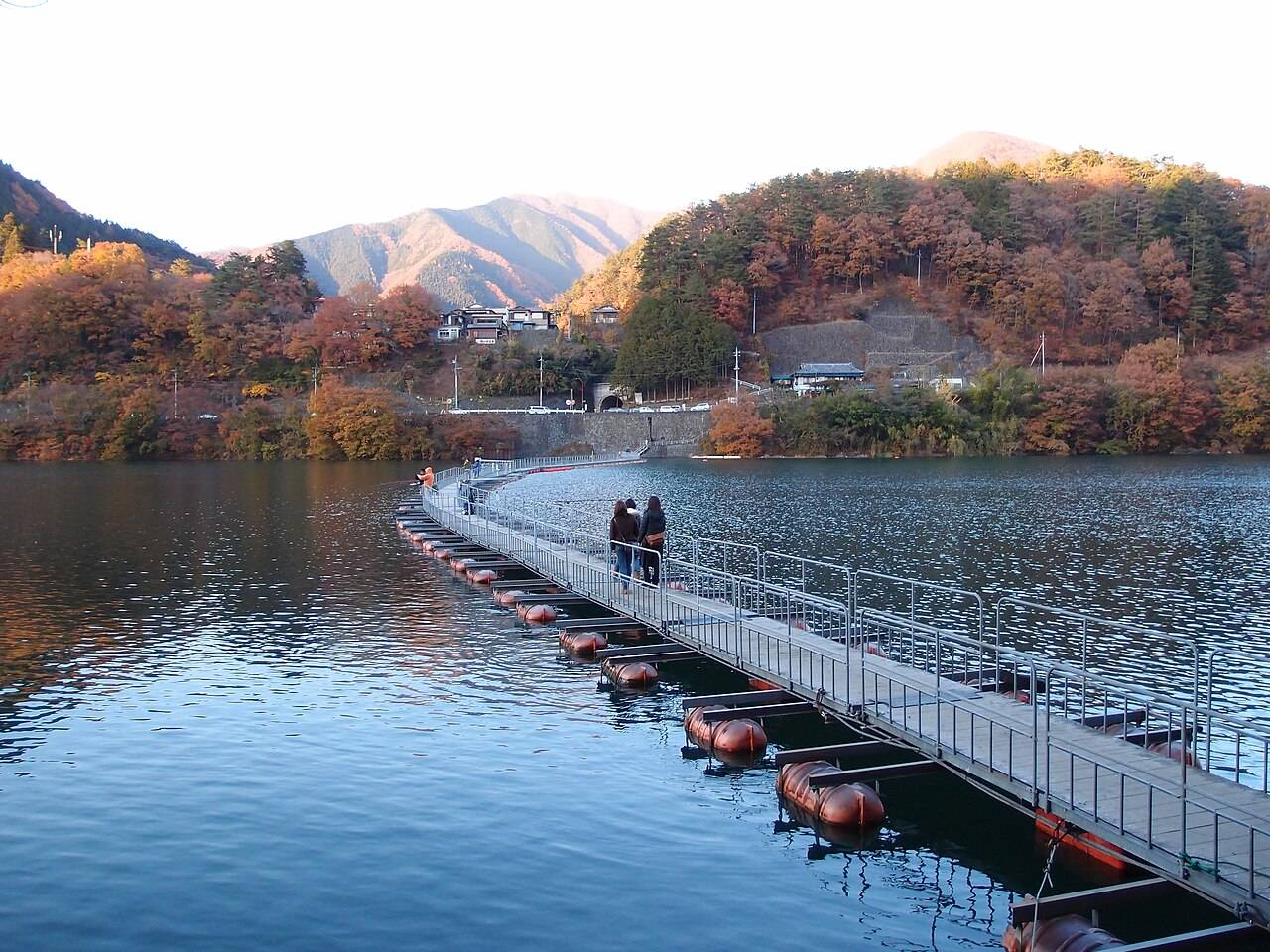
Mugiyama Floating Bridge (Oil-Drum Bridge): A 220 m Walkway Floating on the Lake
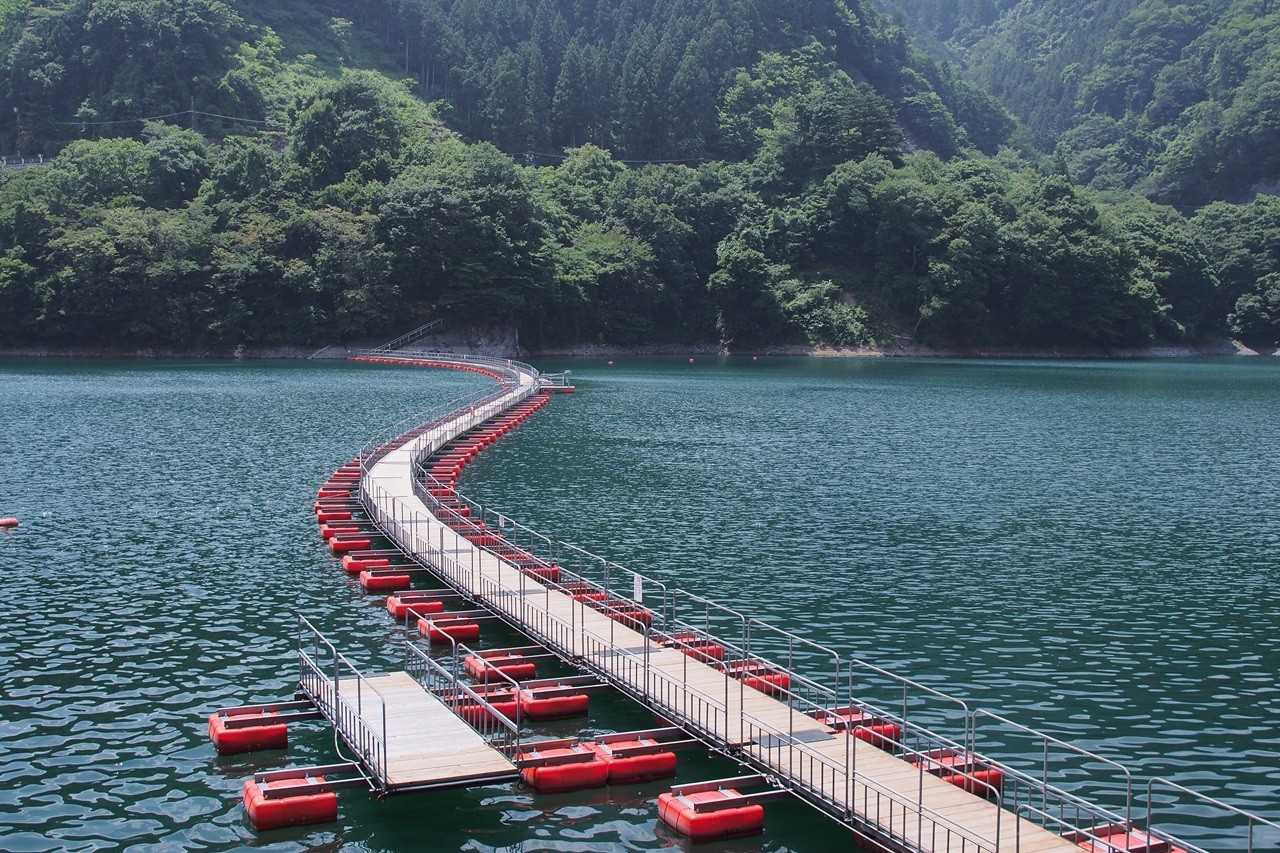
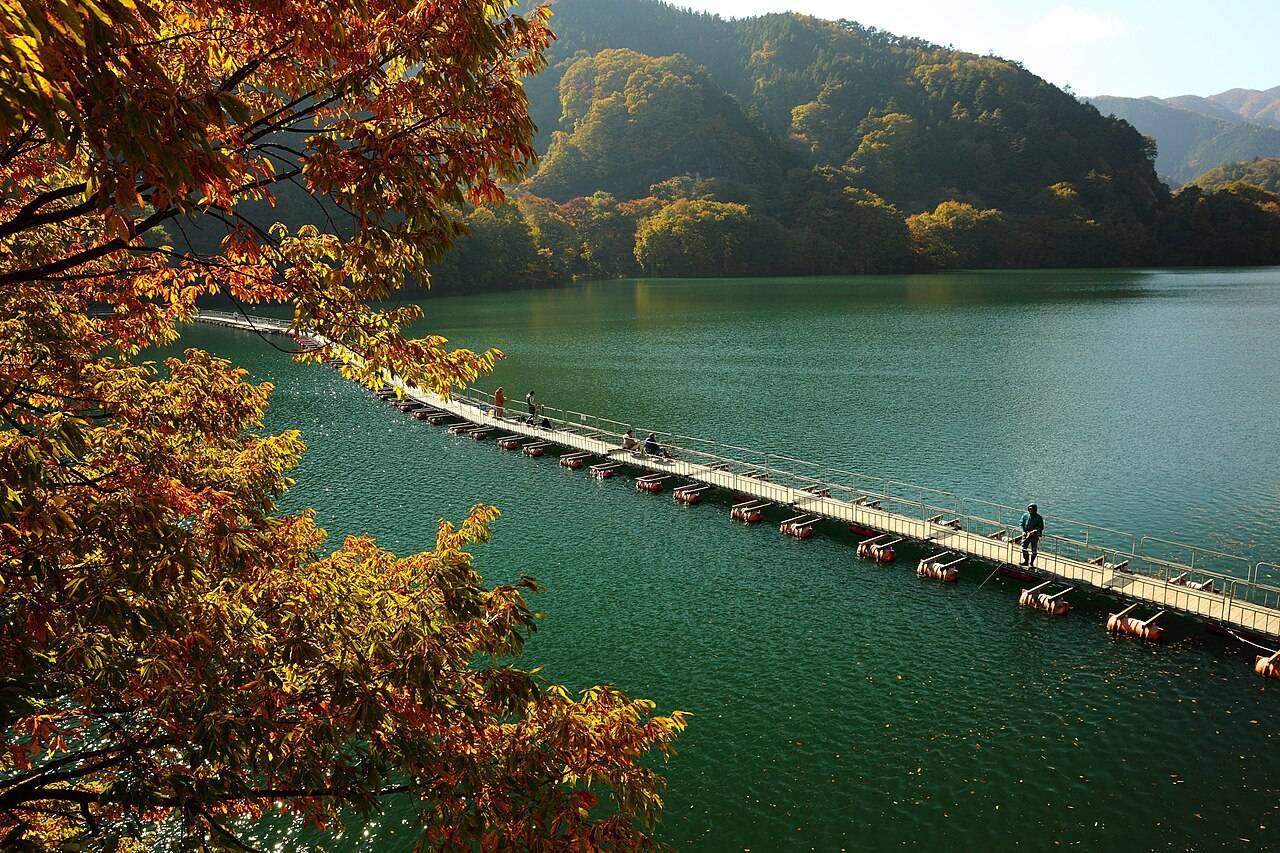
The Mugiyama Floating Bridge is about 220 m long, made of square box-shaped resin floats whose look recalls oil drums, which gave it the nickname “Oil-Drum Bridge.” It is Lake Okutama’s most recognizable photo spot, and from the bridge you can see the lake reflecting the red leaves on both banks up close.
The bridge closes when the water level is too low, so check Okutama Town tourism information before going. The deck undulates, so watch your step.
Hatonosu Gorge: An Emerald Stream on the Upper Tama River
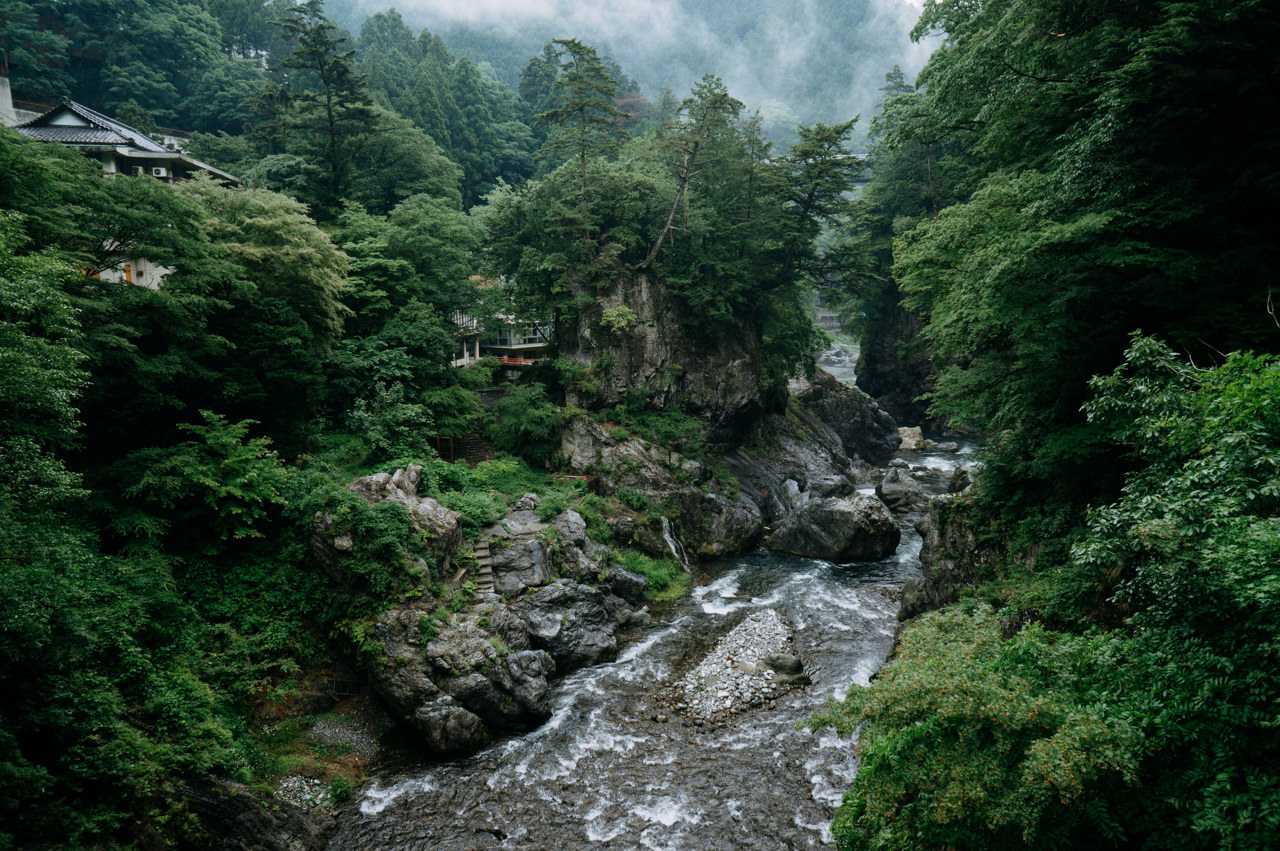
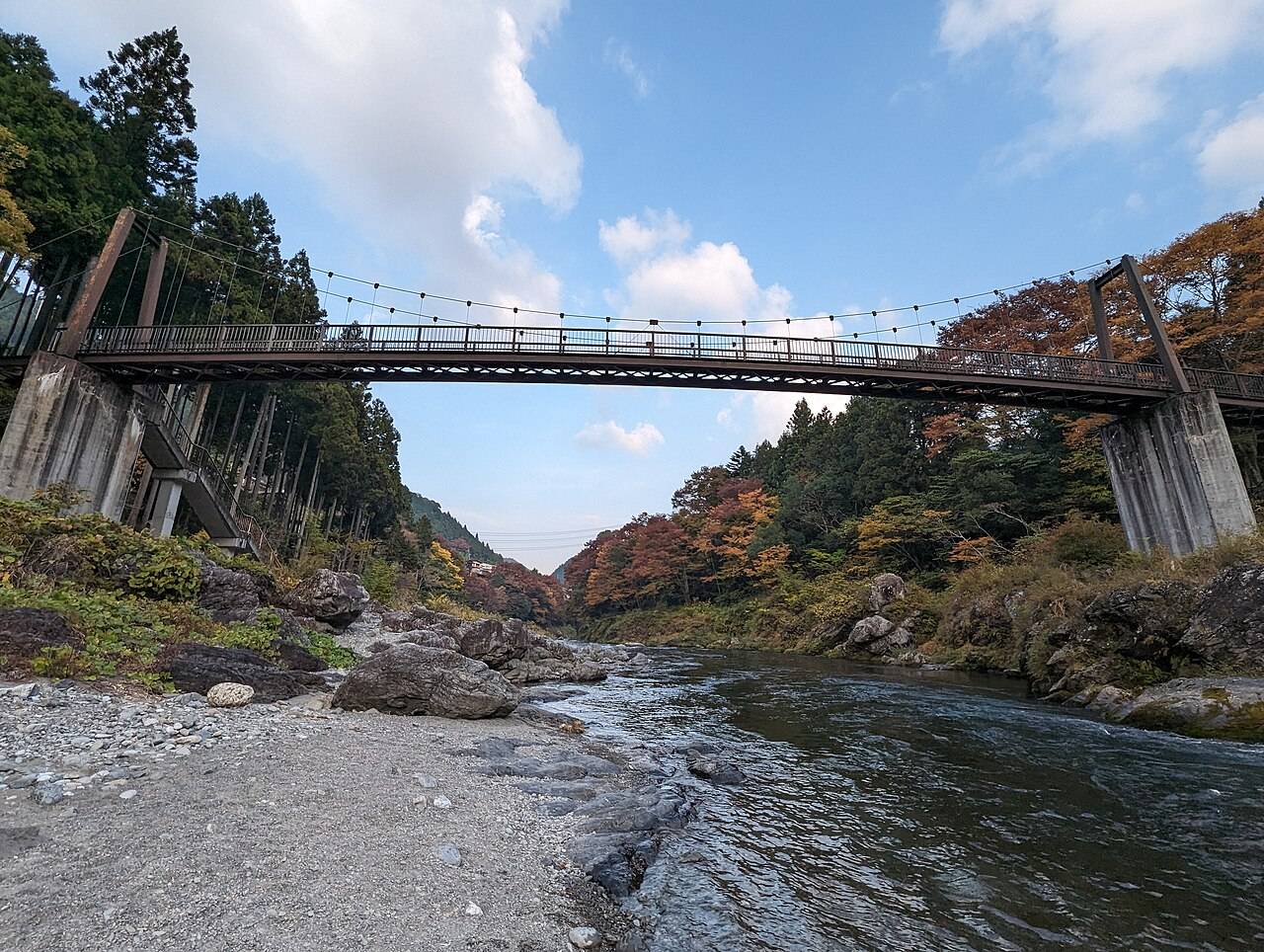
Hatonosu Gorge is near Hatonosu Station, about two stops from Okutama Station on the JR Ome Line, and the gorge trail is a few minutes’ walk from the station. The emerald water, rocks and maples along the bank pair well, and the trail takes about 30 minutes to 1 hour to walk.
A small suspension bridge, the Hatonosu Kobashi, spans the gorge and suits photographing the whole view. Crowds peak in the autumn leaves season, and arriving in the morning gives views with fewer people.
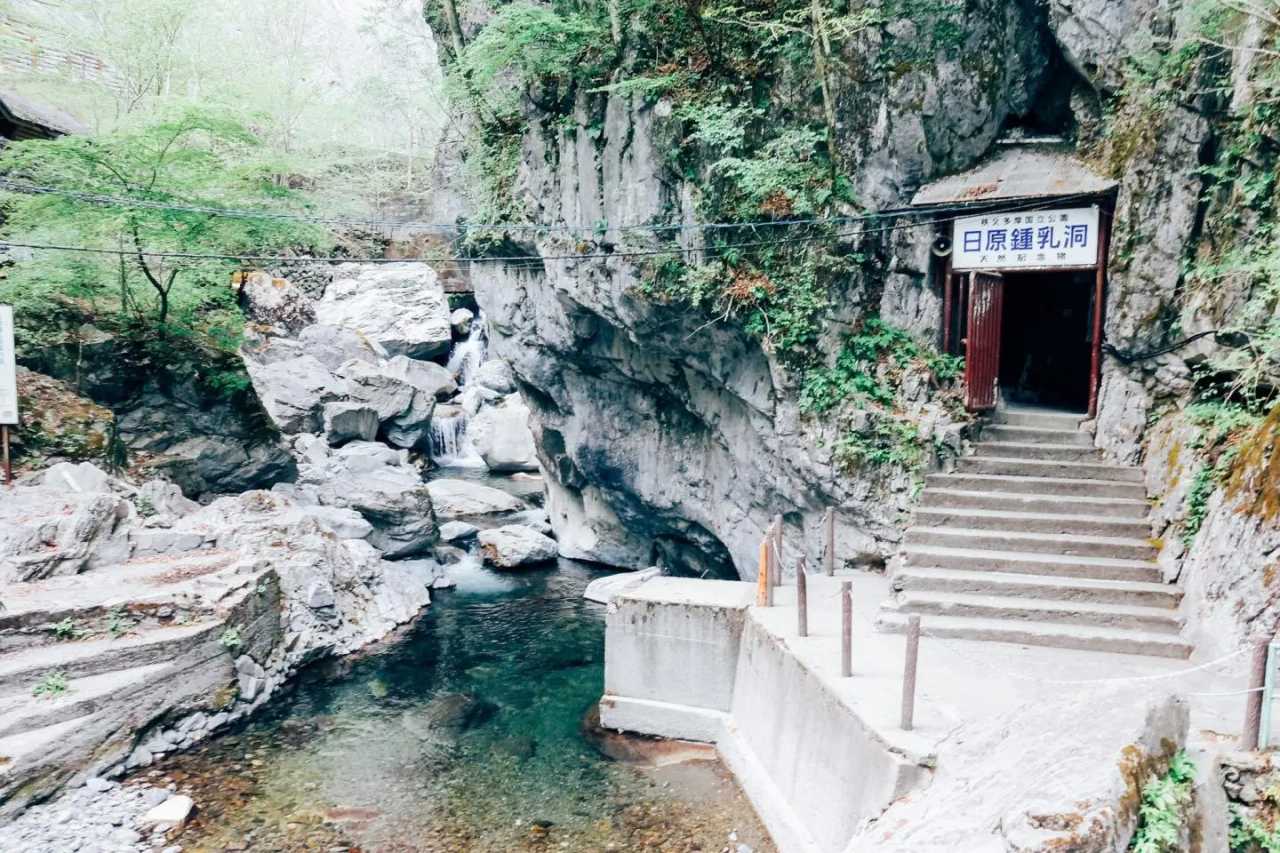
Nippara Limestone Cave: A 1,270 m Cave, About 11°C Inside
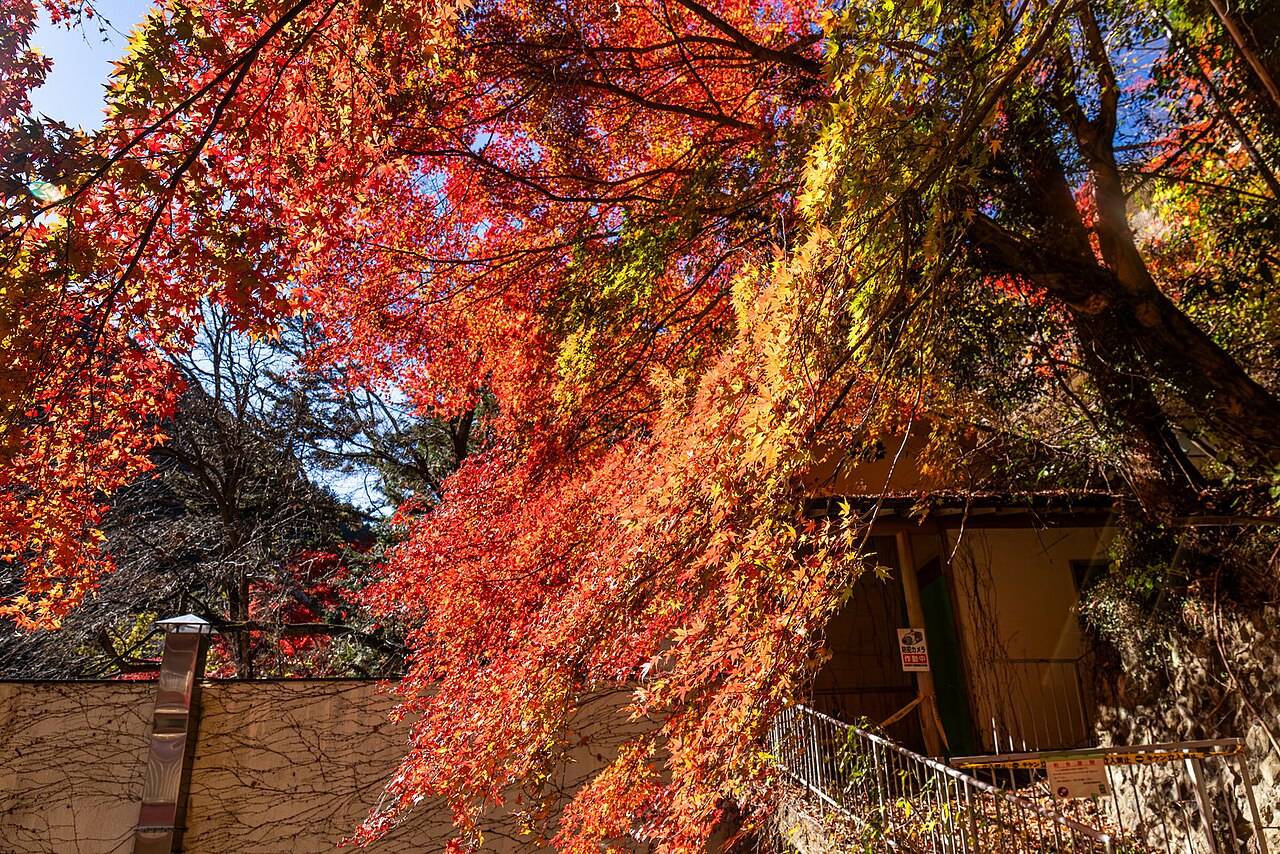
Nippara Limestone Cave is 1,270 m long with a 134 m height difference, and stays about 11°C all year, so you need a jacket even in summer. Walking through takes about 30 minutes to 1 hour, past stalactites and stalagmites.
The bus terminus has two stops, “Shonyudo” and “Higashi-Nippara”: from “Shonyudo” it is about a 5-minute walk, and from “Higashi-Nippara” about 25 to 30 minutes. Check your destination stop before boarding so you do not get off at the wrong one.
Hikawa Gorge and Oku-Hikawa Shrine: A 5-Minute Walk from Okutama Station
Hikawa Gorge is about a 5-minute walk from Okutama Station, with the Hikawa Kobashi and Tokeibashi bridges in the grounds, good for a short stroll on arrival or before heading back. The path is gentle, the easiest part of a day trip.
Oku-Hikawa Shrine by the stream has the “Hikawa Sanbonsugi” cedars, said to be over 700 years old, a local symbol of faith. Ask at the shrine office whether goshuin are available.
Okutama Kodo: A Hiking Route on the Edo-Period Koshu Ura-Kaido
The Okutama Kodo is part of the Edo-period Koshu Ura-Kaido, 9.7 km long and about 4 hours of hiking. There are no vending machines along the way, but the “Sakai no Shimizu” spring offers drinking water; bring a bear bell and non-slip shoes.
At Shirahige Shrine on the old road, the Shirahige Ōiwa rock is about 30 m high and a Natural Monument of Tokyo; among the trees, the Iroha maple is thought to be the largest on the old road, and its leaves peak in late November.
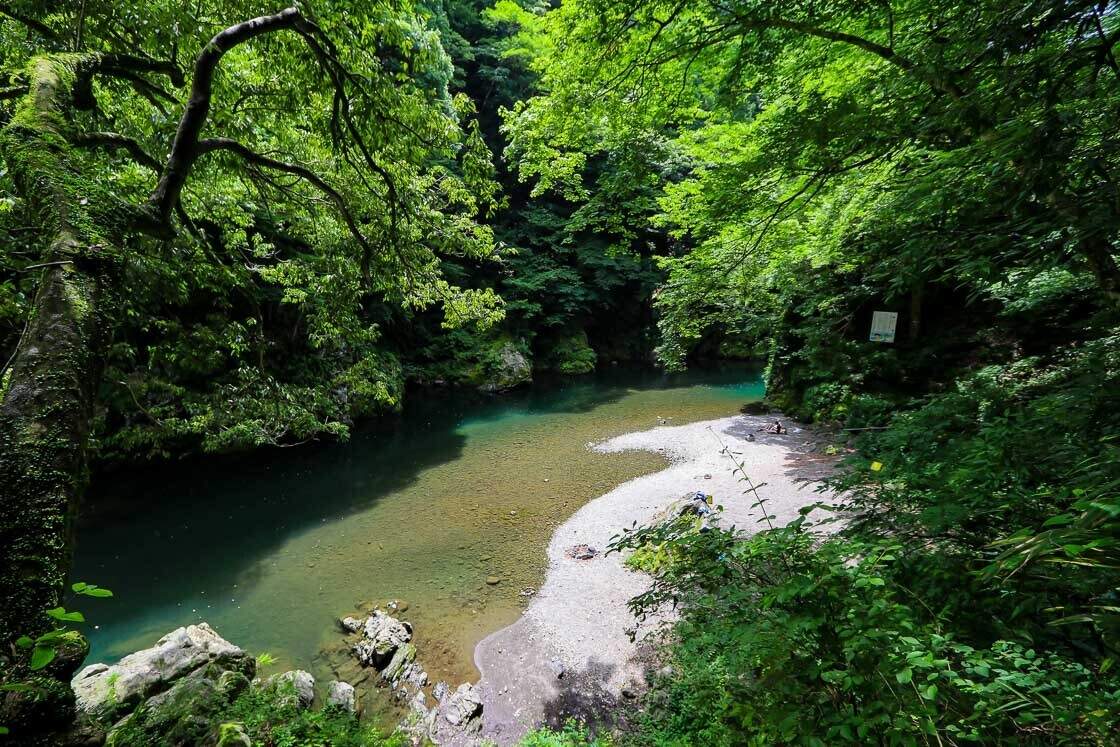
Mitake Gorge: About 4 km of Walking Trail Along the Tama River
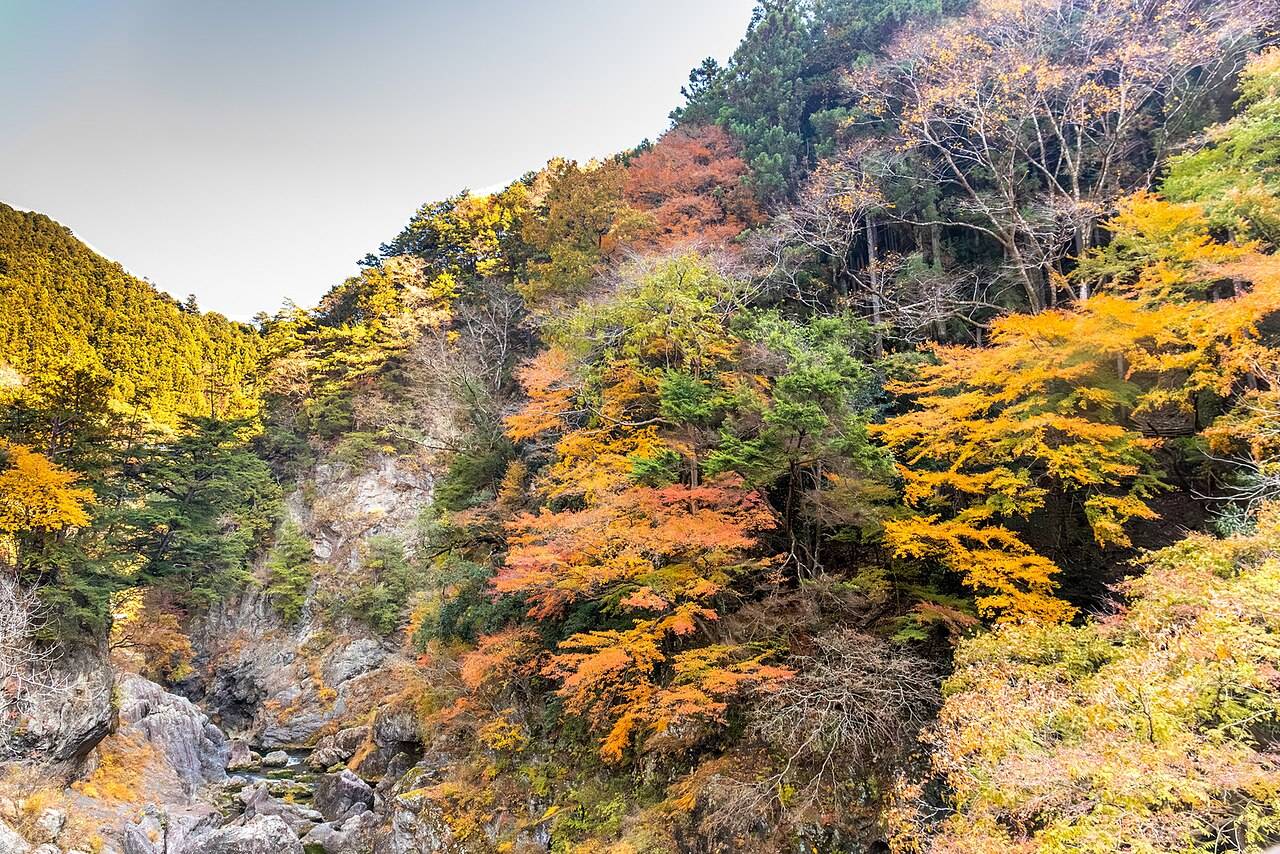
Mitake Gorge has about 4 km of walking trail along the Tama River, with suspension bridges and rock formations, and in autumn maples on both banks reflect in the stream. You can walk in from Mitake Station or from Sawai Station.
Sawanoi Brewery is near Sawai Station and worth a stop. The gorge offers canoeing, canyoning and rafting, which must be booked in advance through operators, especially early in summer.
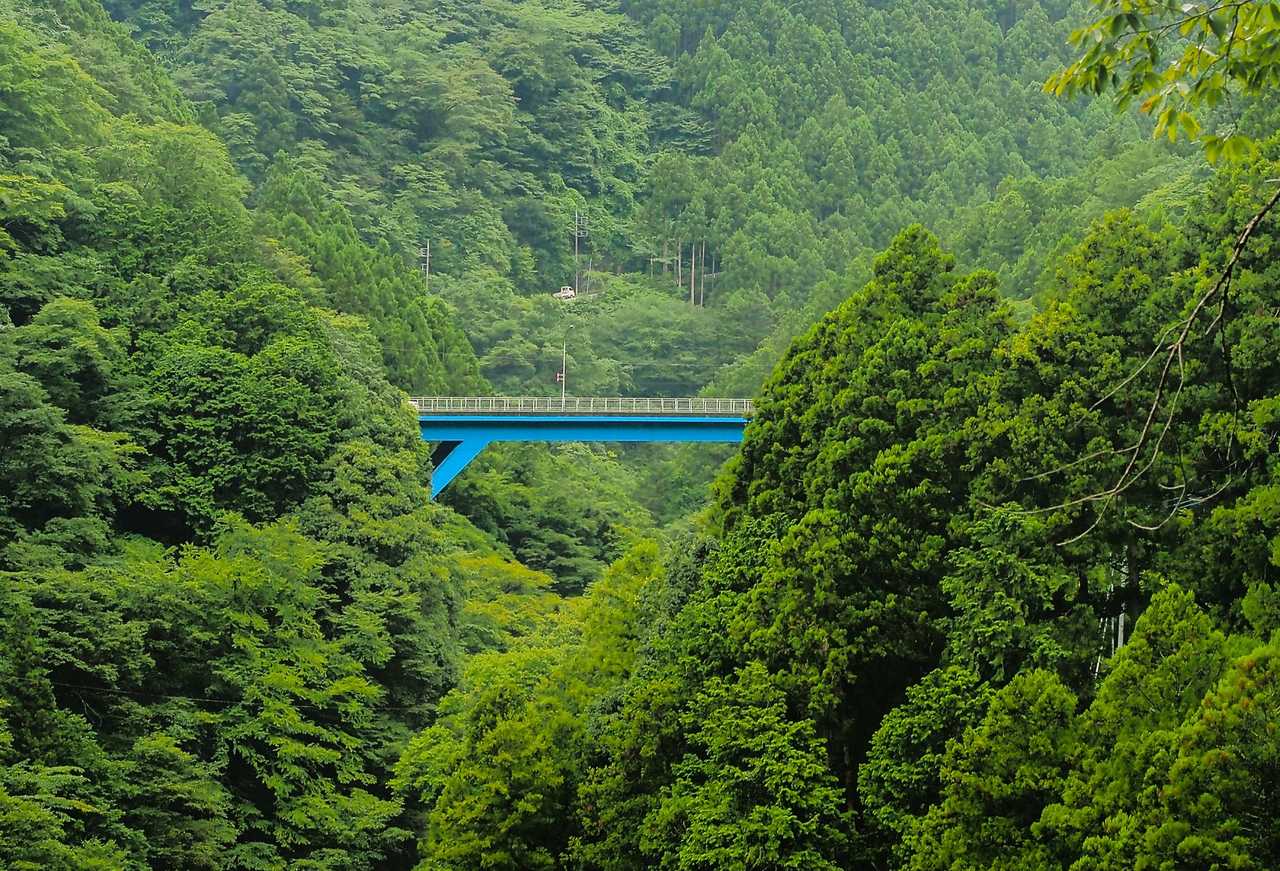
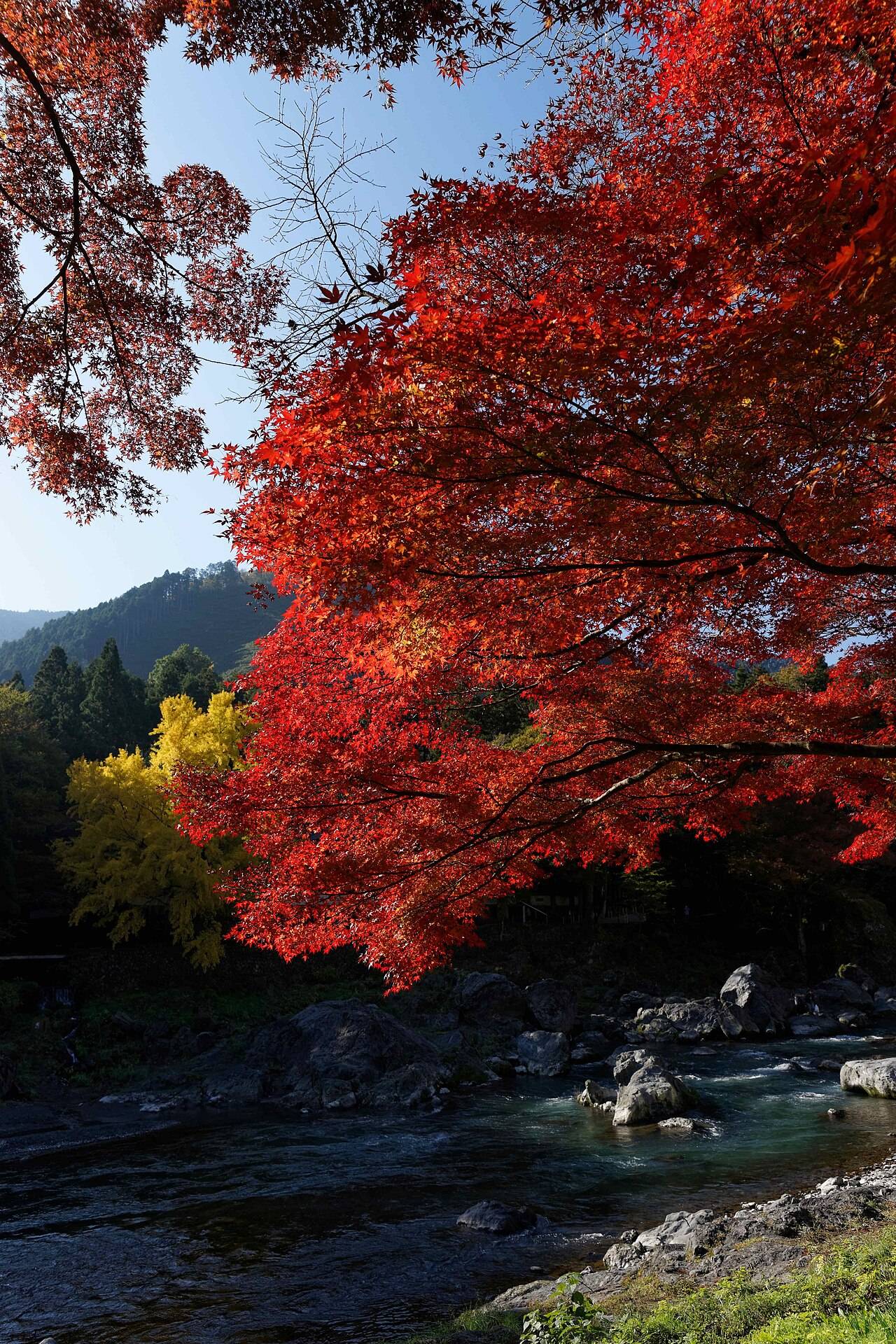
Musashi Mitake Shrine: A Thousand-Year Shrine on Mt. Mitake, 929 m
Musashi Mitake Shrine is on Mt. Mitake at 929 m, founded about 2,000 years ago, with the wolf god Okuchi no Magami as its main deity; wolf statues stand in the grounds. The shrine is surrounded by a preserved settlement of oshi (priest-guides), the center of Mt. Mitake worship.
From Mitake Station the bus to Takimoto takes about 10 minutes and costs ¥340; from Takimoto you can take the cable car up the mountain or walk.
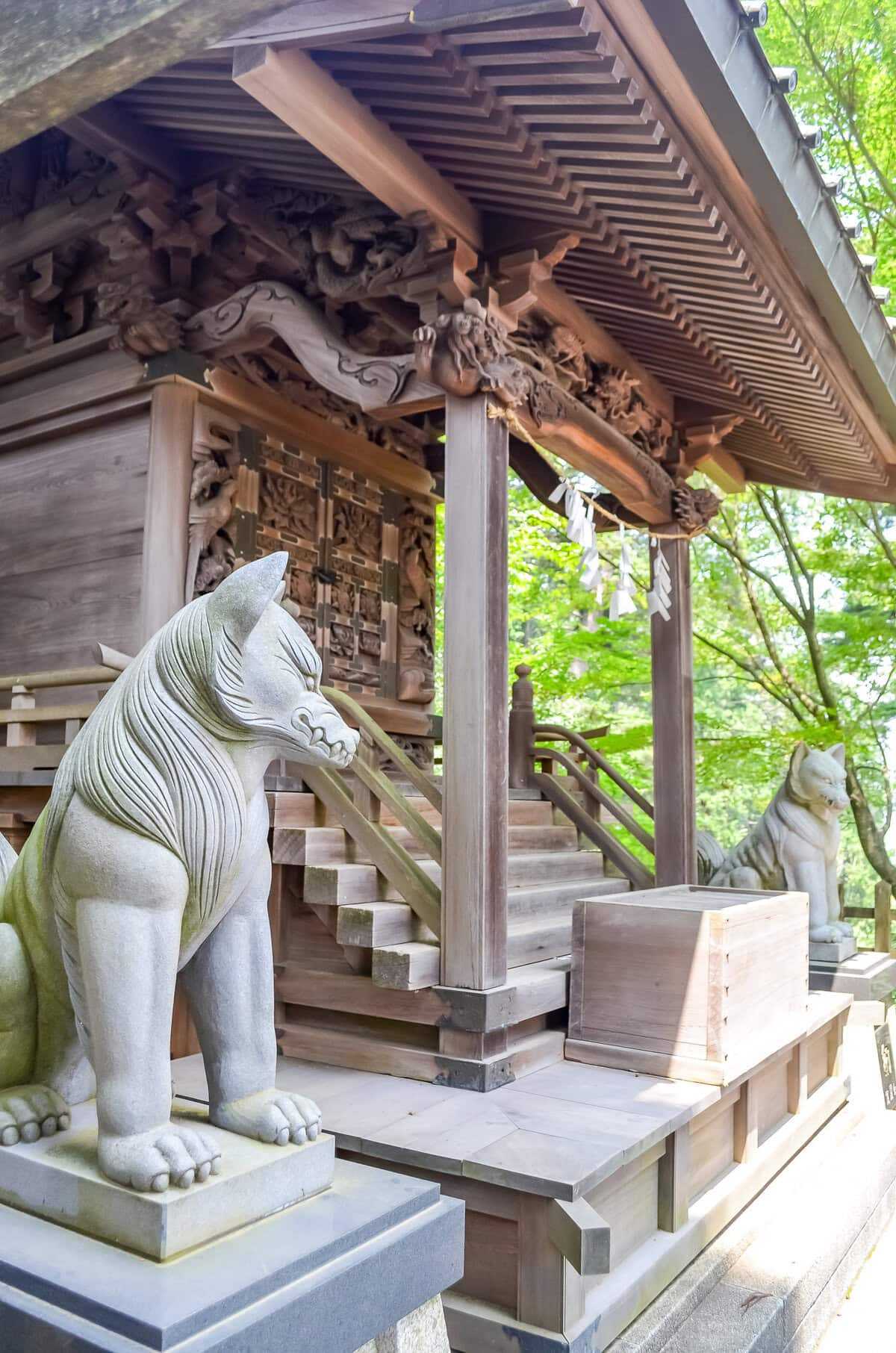
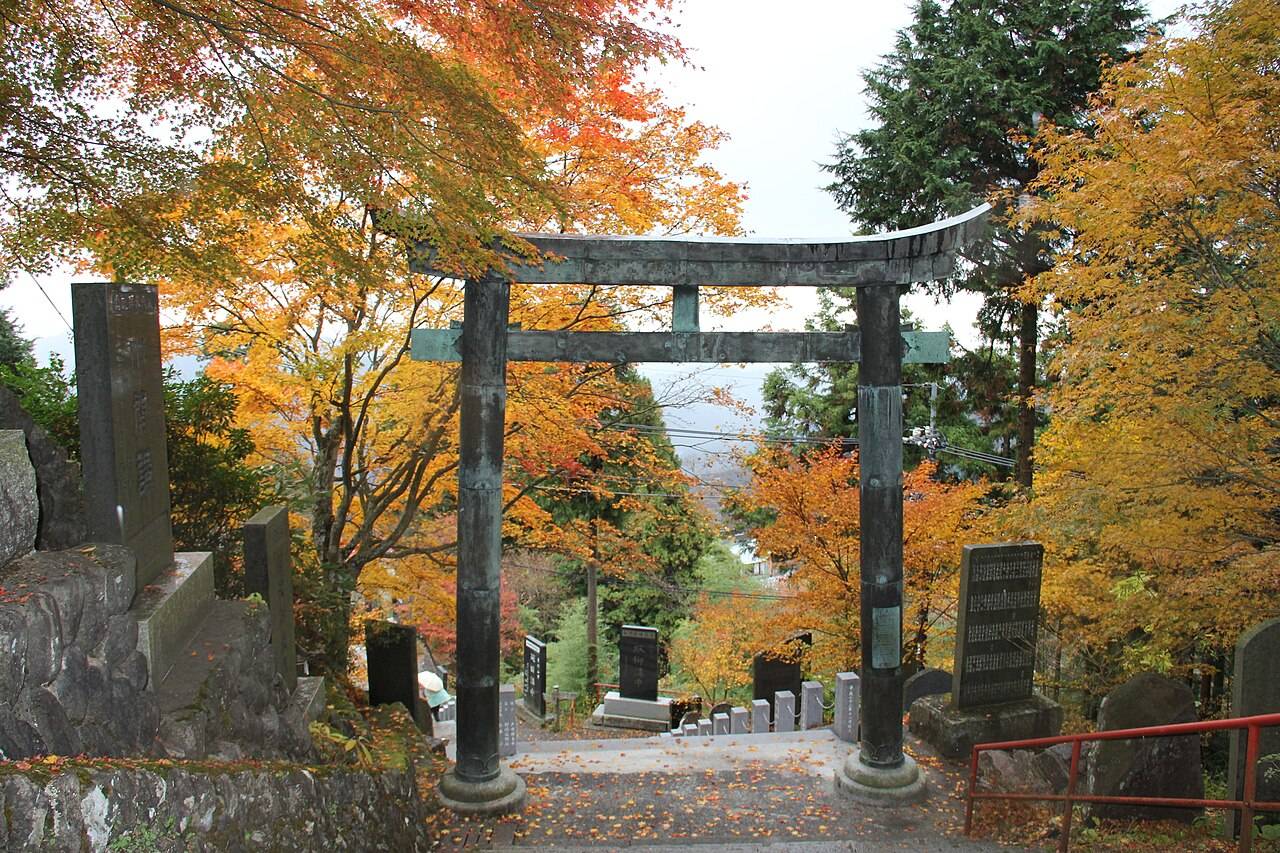
Ayahiro Falls and the Rock Garden Trail: A Loop of About 40 Minutes
The Rock Garden Trail is about 1.5 km, a loop that takes about 40 minutes, with rocks and moss intermingled along the way. Near the end of the trail is Ayahiro Falls, about 10 m high, regarded since ancient times as a holy place for misogi purification.
The trail is mostly stone steps and slopes that get slippery after rain, so wear non-slip shoes. Space around Ayahiro Falls is small, so leave room for others when taking photos.
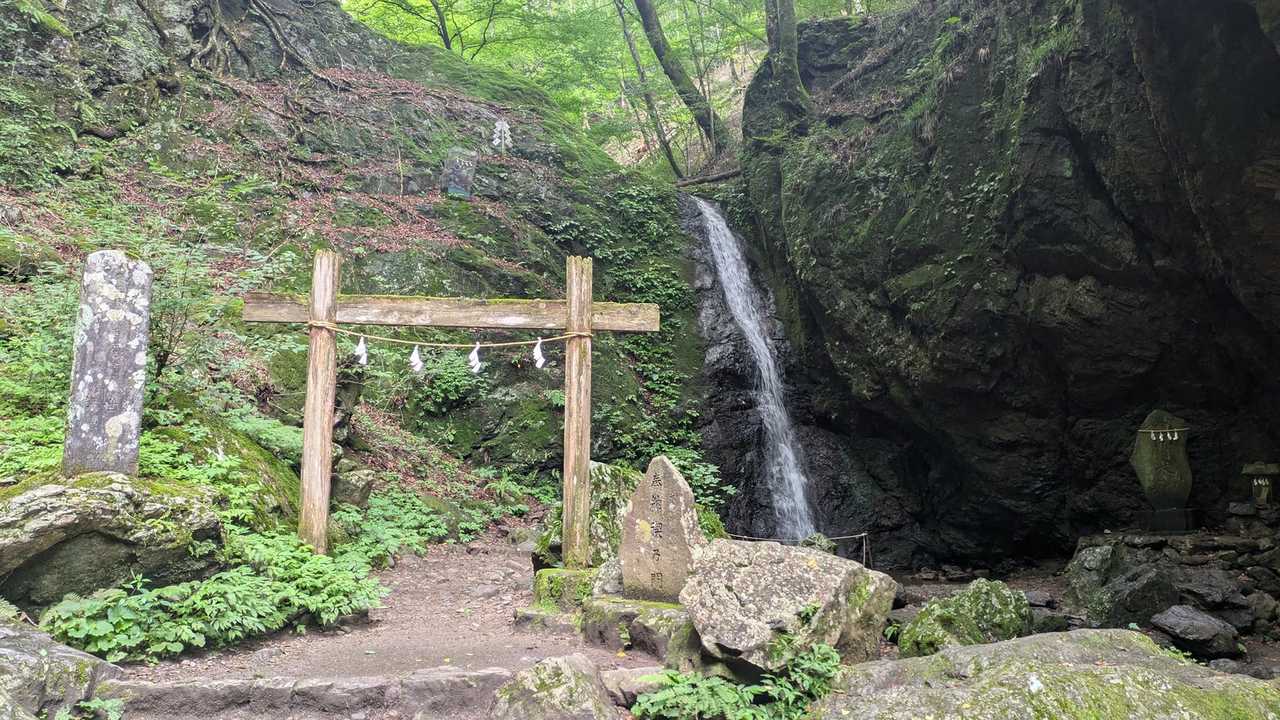
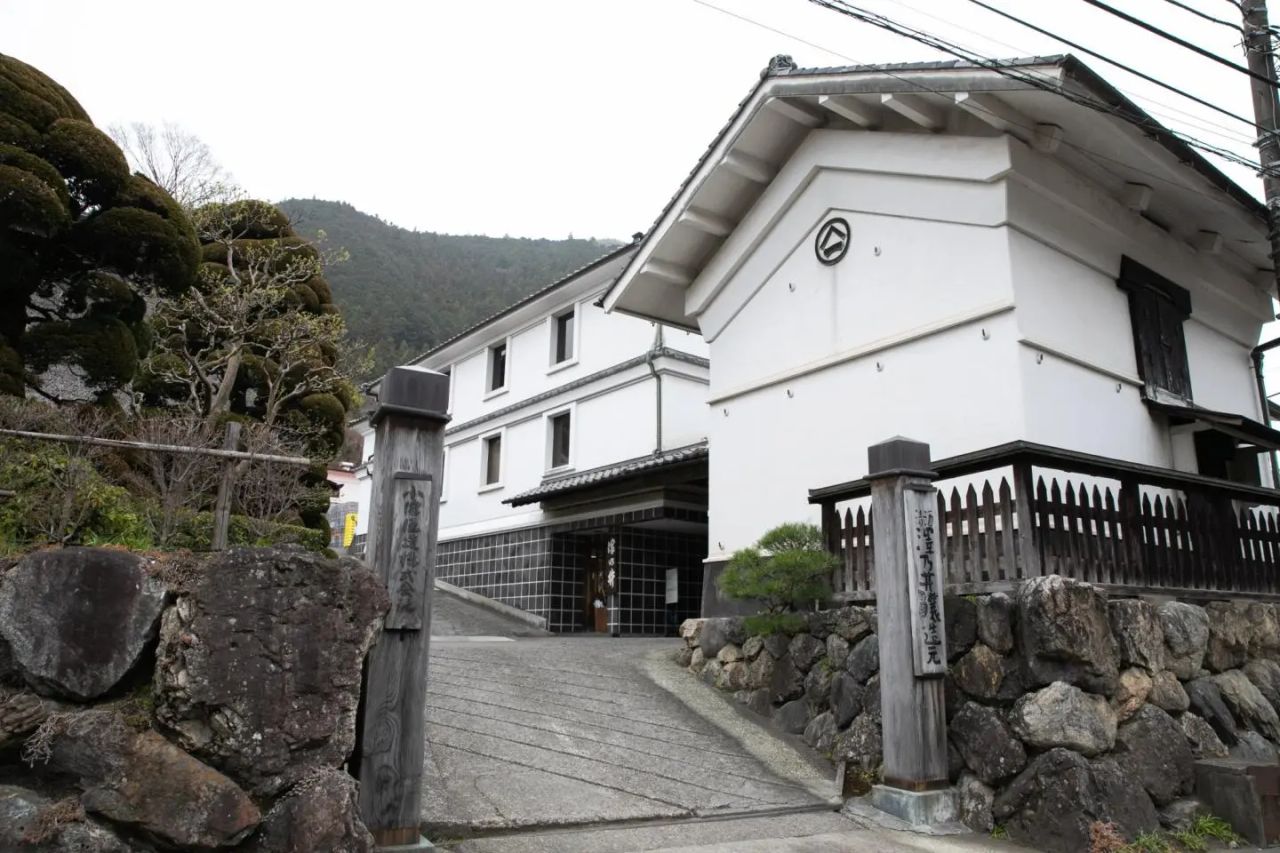
Sawanoi Brewery: A Famous Sake Maker Beside Mitake Gorge
Sawanoi is the sake brand of Ozawa Shuzo. The brewery was founded about 300 years ago and stands near Sawai Station, not far from the Mitake Gorge trail, a convenient stop on the way. Tours and tastings follow the official announcement.
Near Sawanoi Brewery are shops selling tofu and sake, handy for lunch or a rest before heading back.
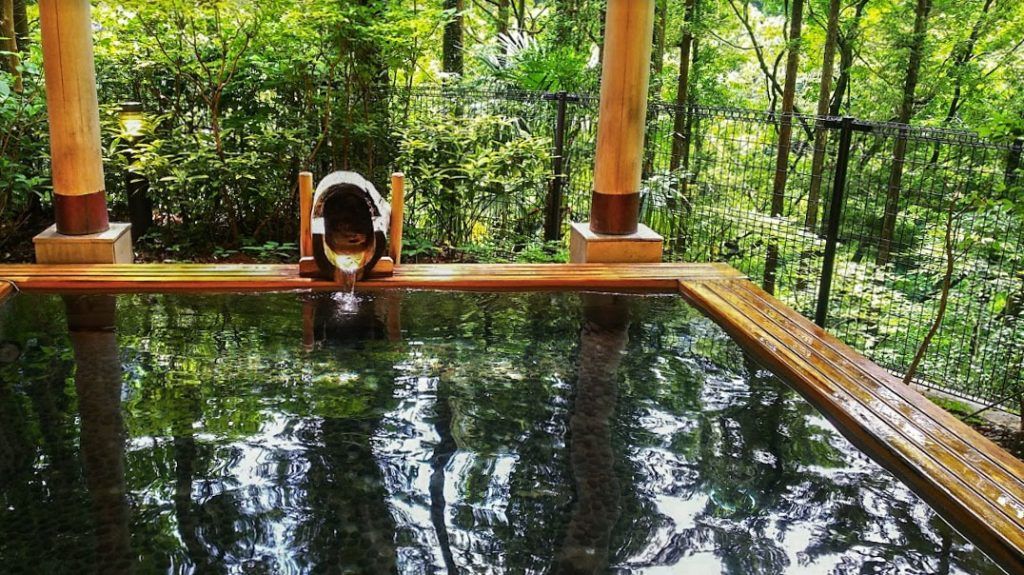
Okutama Onsen Moegi no Yu: A Public Hot Spring with Mountain Views Near the Station
Moegi no Yu is a public hot spring near Okutama Station where you can soak while looking out at the mountains, a good way to end a day trip.
Check the official site for admission and hours before leaving. If you bathe before heading back, fit your time to the bus times at Okutama Station.
How Much Does It Cost? Admission and the Cable Car
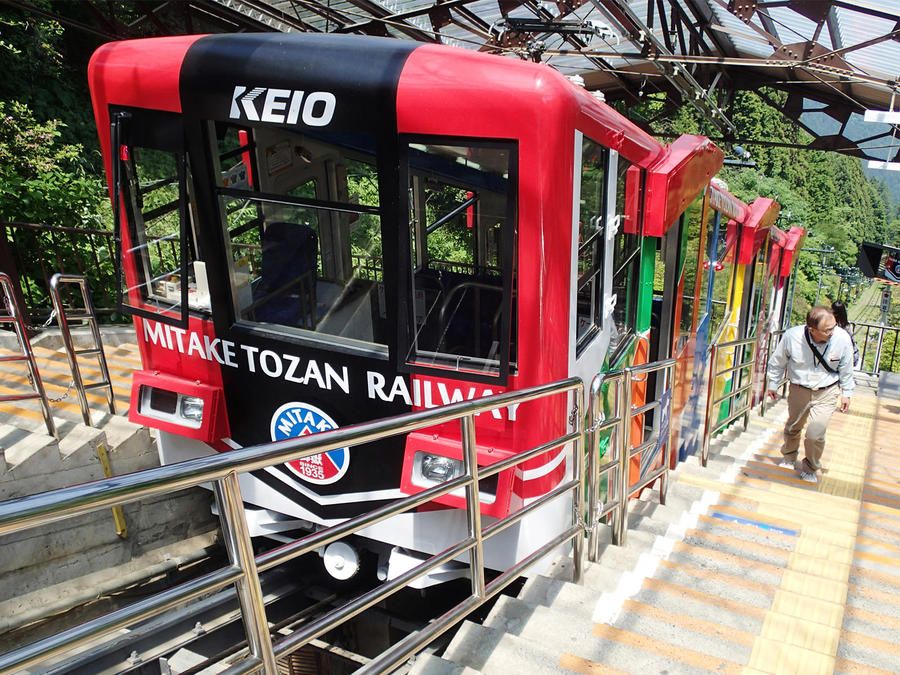
Mitake Tozan Railway Cable Car: The Way Up Mt. Mitake from the Base
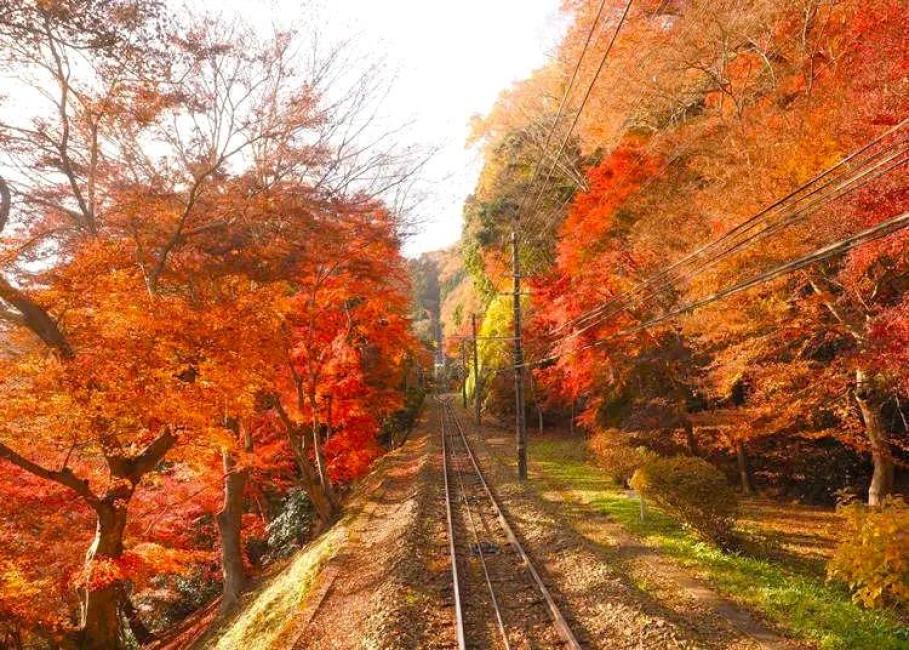
Mitake Tozan Railway cable car fares were revised in October 2026 (approved by the Ministry of Land, Infrastructure, Transport and Tourism in September) and follow the official announcement. It runs from the base straight up Mt. Mitake, saving the climb on foot. Timetables and hours also follow the official announcement.
The cable car pairs well with the bus from Mitake Station to Takimoto and saves about 45 minutes of walking.
Nippara Limestone Cave Admission: The Basic Ticket for the Cave
Nippara Limestone Cave admission is tiered by age: adults ¥900, junior high school students ¥700 and elementary school students ¥600, figures confirmed in July 2026.
Buses run about once an hour, so confirm the return bus first and then decide the order with Lake Okutama; for a half day, do the cave first and the lake after, or the reverse.
Side Trips: Nearby Stays and Local Experiences
Komadori Sanso: A Mt. Mitake Pilgrim Lodge Since 1776
Komadori Sanso is a pilgrim lodge (shukubo) on Mt. Mitake that has operated since 1776 and is now run by the 18th generation. Some rooms have cypress tub baths for relaxing after check-in.
The benefit of an overnight stay is that you can visit Musashi Mitake Shrine early the next morning, a more relaxed schedule than going up by day.
Further Reading: Tokyo Autumn Leaves Roundup

FAQ
Q: How long does it take to get from Shinjuku to Okutama, and how do I go?
Take the JR Chuo Line from Shinjuku to Tachikawa or Ome, then change to the JR Ome Line to the terminus, Okutama Station. The whole trip takes about 90 to 120 minutes and costs about ¥1,100 to ¥1,280, and IC cards work.
Q: When are the Okutama autumn leaves at their best?
Third-party sites forecast Lake Okutama peaking around November 18 and Mitake Gorge around November 23. These are forecasts, actual color varies each year, so check that week’s conditions before you go.
Q: How much is admission to Nippara Limestone Cave?
Adults ¥900, junior high school students ¥700 and elementary school students ¥600, prices confirmed in July 2026. The cave stays about 11°C all year, so bring a jacket.
Q: Where do I check Lake Okutama cruise fares and sailings?
Check cruise fares and sailings before you go with the Okutama Town comprehensive tourist information center, which has guide brochures in English, Chinese and Korean.
Q: What should I watch for when driving to Okutama?
Take the Ken-O Expressway Ome IC or Hinode IC to Route 411 (Ome Kaido). The Hinohara road is a narrow mountain road where passing is difficult, and holiday parking lots tend to have queues, so leave early.
Q: What time does Nippara Limestone Cave open, and when is the last bus?
Opening hours and the last bus time follow the official announcement. Buses around Okutama Station are infrequent, so check round-trip times before leaving and allow plenty of time before the return.