Takato Castle Ruins Park Guide: Cherry Trees, Castle Remains and 2026 Ticket Prices
William has put together the cherry blossom highlights of Takato Castle Ruins Park: about 1,500 Takato Kohigan trees, photo spots at Sakura-gumo Bridge, Toiya-mon Gate and Takato-kaku, the castle’s history, 2026 ticket prices, and the bus route from Inashi Station. The 2027 dates and prices are not yet announced; bloom times are normal-year values, costs 2026 reference figures.
Takato Castle Ruins Park Overview: About 1,500 Cherry Trees on the Castle Ruins
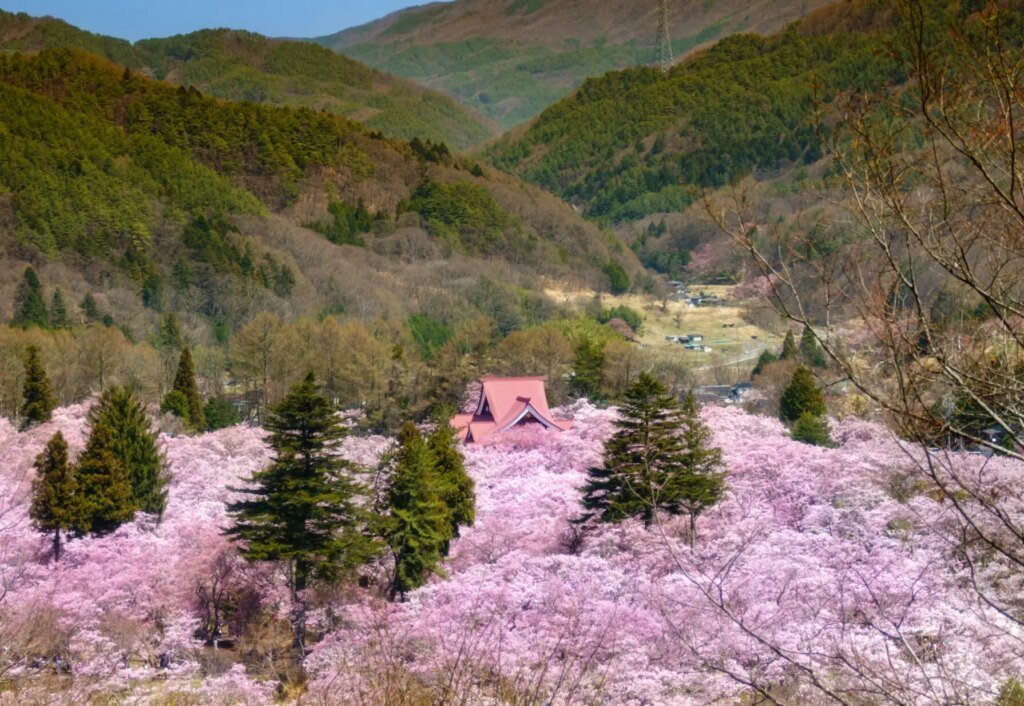
Takato Castle Ruins Park is the site of the honmaru (main keep area) of the old Takato Castle, in Takato, Ina City, Nagano Prefecture. In cherry blossom season about 1,500 trees cover the honmaru, ninomaru and Minami-kuruwa, making it one of the best-known cherry blossom spots in Nagano. At peak, opening hours are extended and there is evening illumination of the blossoms.
The cherry trees here are a variety native to Takato in Ina City, with small flowers in a reddish pink, different from the Somei Yoshino common in Tokyo. During the season there are also food stalls in the park, so you can snack as you walk around the castle ruins.
Castle History: From Takeda Shingen’s Fortress to a Public Park
Takeda Shingen ordered Takato Castle built in 1547, and Yamamoto Kansuke remodeled it. In 1582 its lord Nishina Morinobu fell in battle and the castle changed hands. In the Edo period it was the seat of the Takato domain. After its abolition in the early Meiji era, former retainers paid in 1875 to plant it with Sakura-no-baba cherry saplings, the origin of today’s grove.
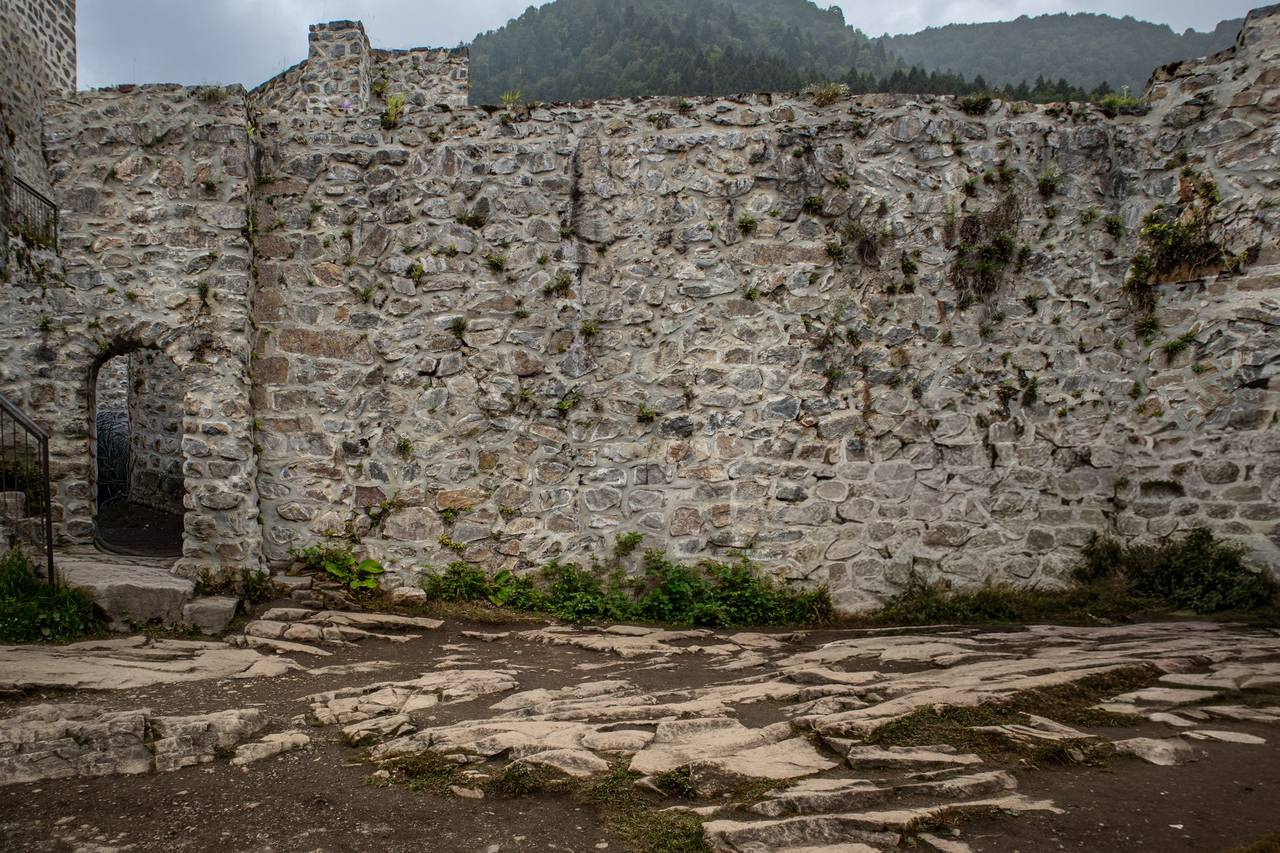
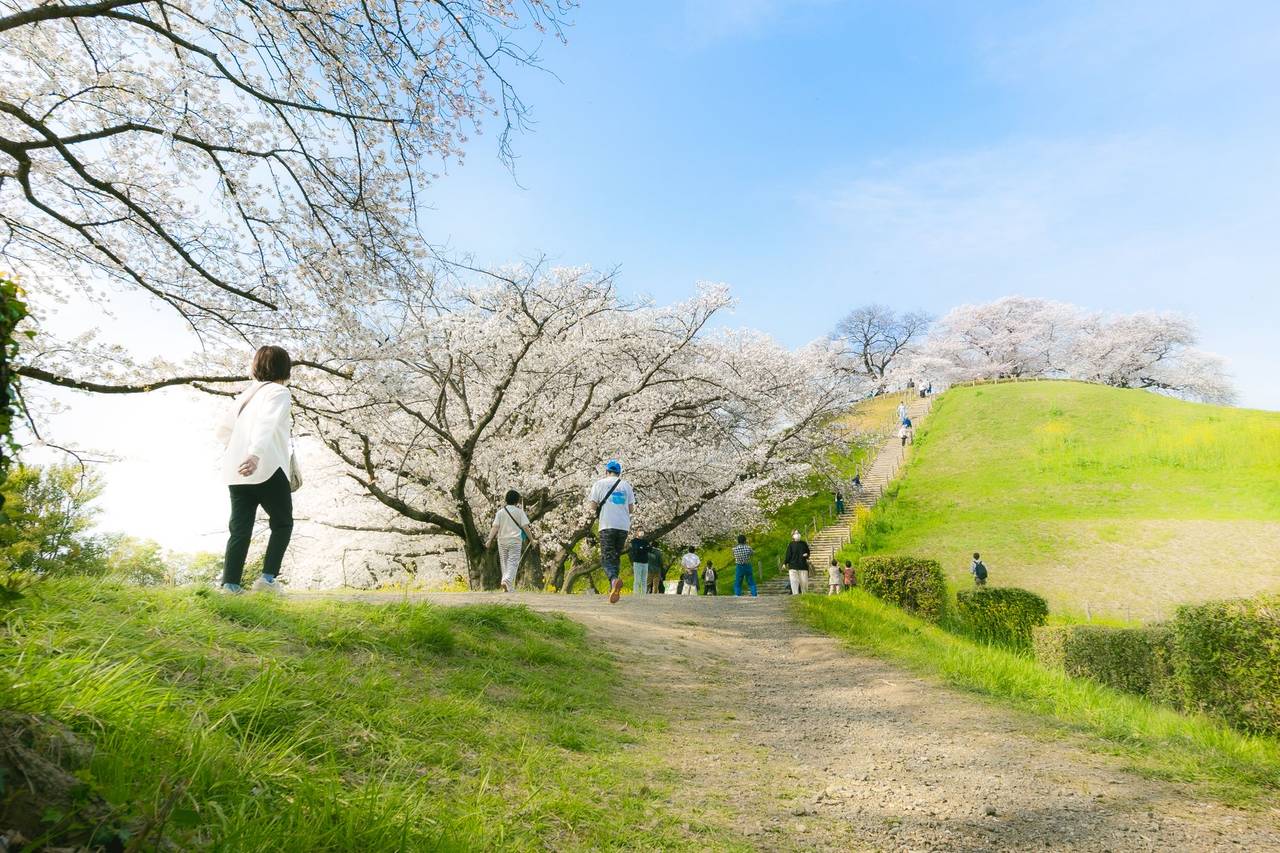
The remains of the honmaru, ninomaru, Minami-kuruwa, dry moat and deep dry moat survive, and while admiring the blossoms you can pick out the earthen ramparts and the level differences between the baileys.
Takato Kohigan Cherry: How Its Flowers Differ from Somei Yoshino
The Takato Kohigan is a local native variety and is the main tree in the park. Compared with the Somei Yoshino, the flowers are smaller and redder, and the branches twist slightly, so it is worth looking at up close.
Blooming runs from about early to mid-April, around two weeks later than Tokyo, so it is worth prioritizing for mid-April blossoms. The roughly 1,500 trees are said to descend from young trees moved from Sakura-no-baba in the early Meiji era. Over the past ten years, blooming began around April 2 on average, full bloom came around April 9, and petals fell around April 19.

By JR Bus from Inashi Station
Getting to Takato Castle Ruins Park: JR Bus and Routes from Matsumoto and Nagoya
From Inashi Station, walk about 3 minutes to Ina Bus Terminal and take the JR Bus Kanto Takato Line to Takato Station; the adult fare is ¥590, cash only on the bus, and Suica and PASMO are not accepted. From Takato Station it is about a 20-minute walk to the park.
From Matsumoto, take the JR Chuo Main Line to Inakita Station and change to the JR Bus for Takato Station. From Nagoya, change at Tatsuno to the JR Iida Line, then take the bus at Inashi Station. Drivers should expect traffic control and temporary parking lots in cherry blossom season.
Cherry Blossom Highlights at Takato Castle Ruins Park: Sakura-gumo Bridge, Toiya-mon Gate and Takato-kaku
The 11 spots below follow the walking route and photo points in the park, and cover places inside the castle ruins and cherry blossom areas around them.
Sakura-gumo Bridge: Looking Down on a Slope of Deep Pink Blossoms
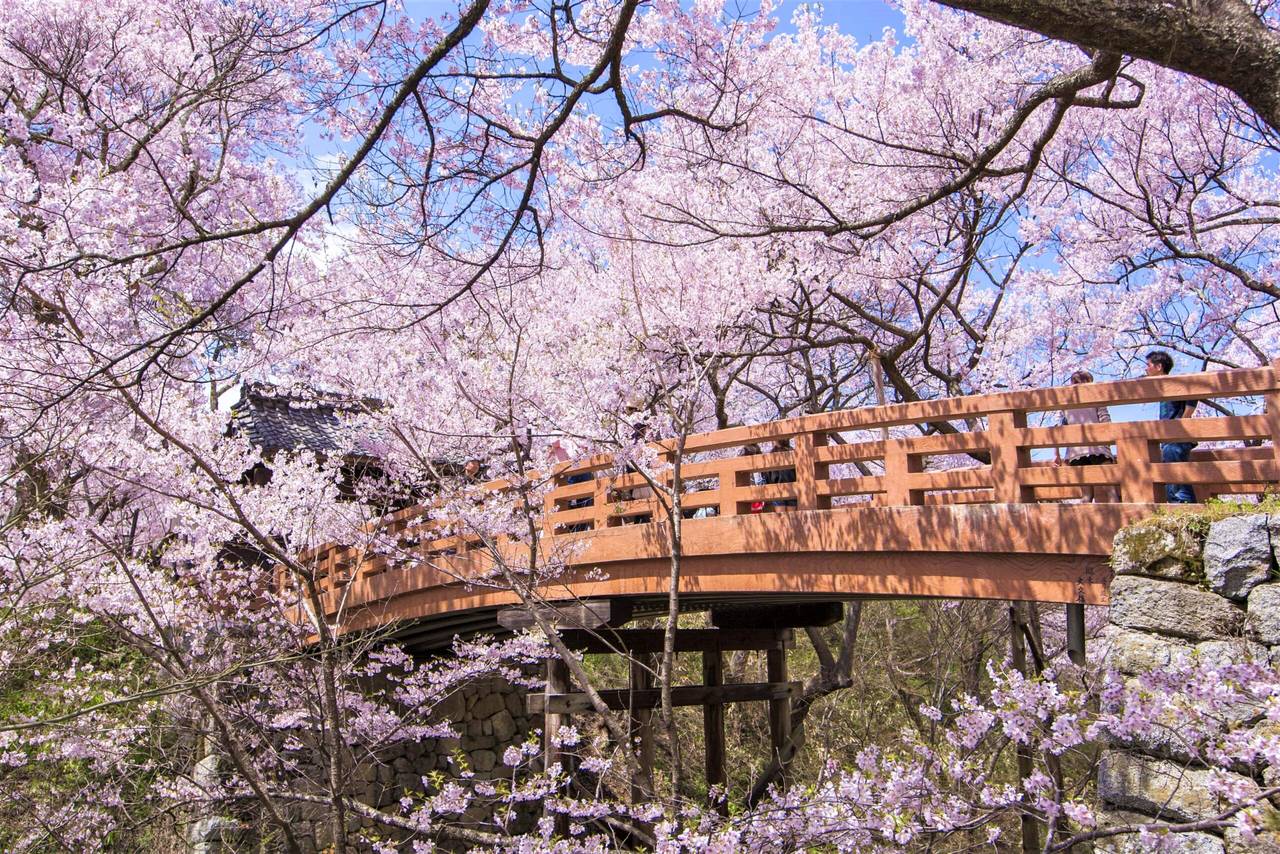
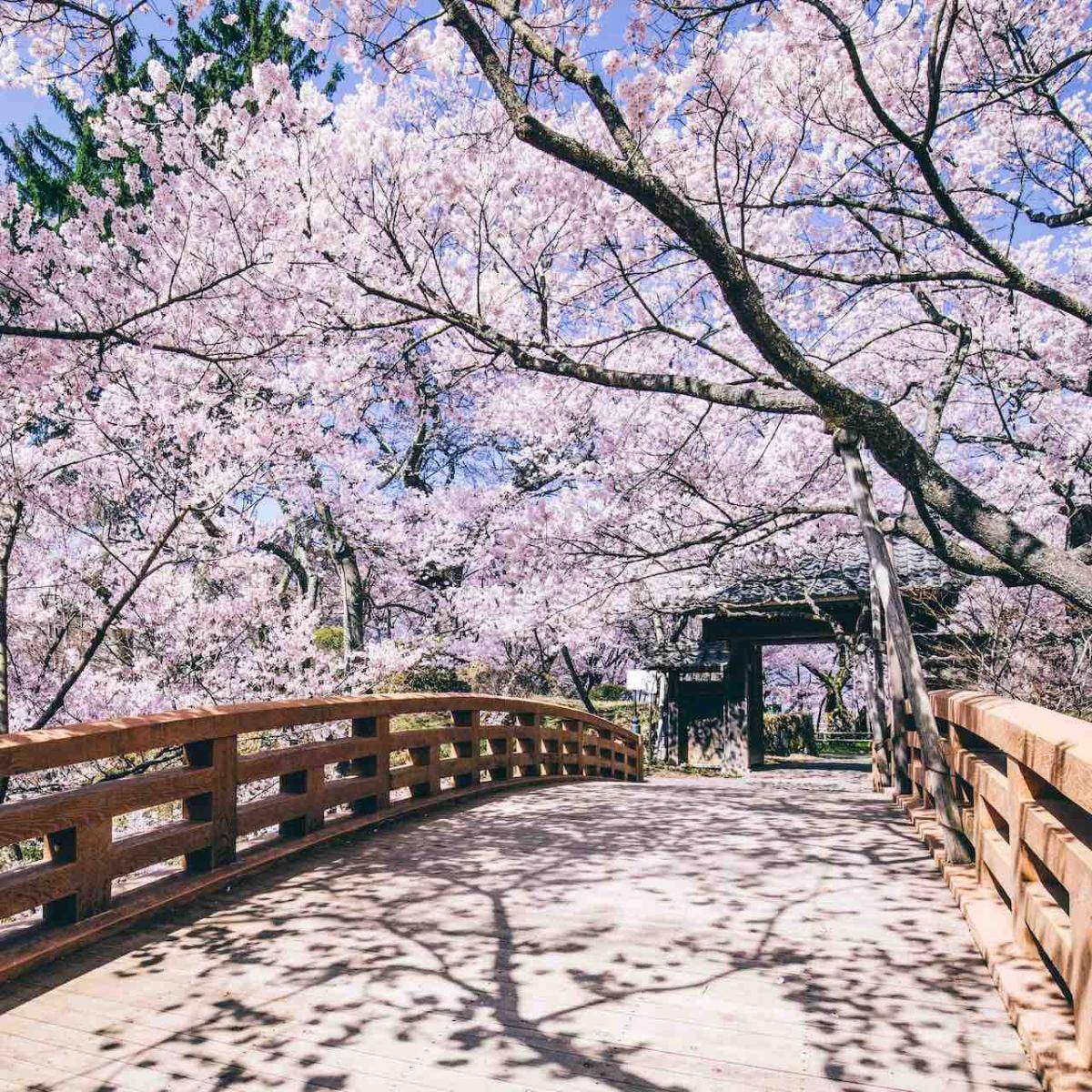
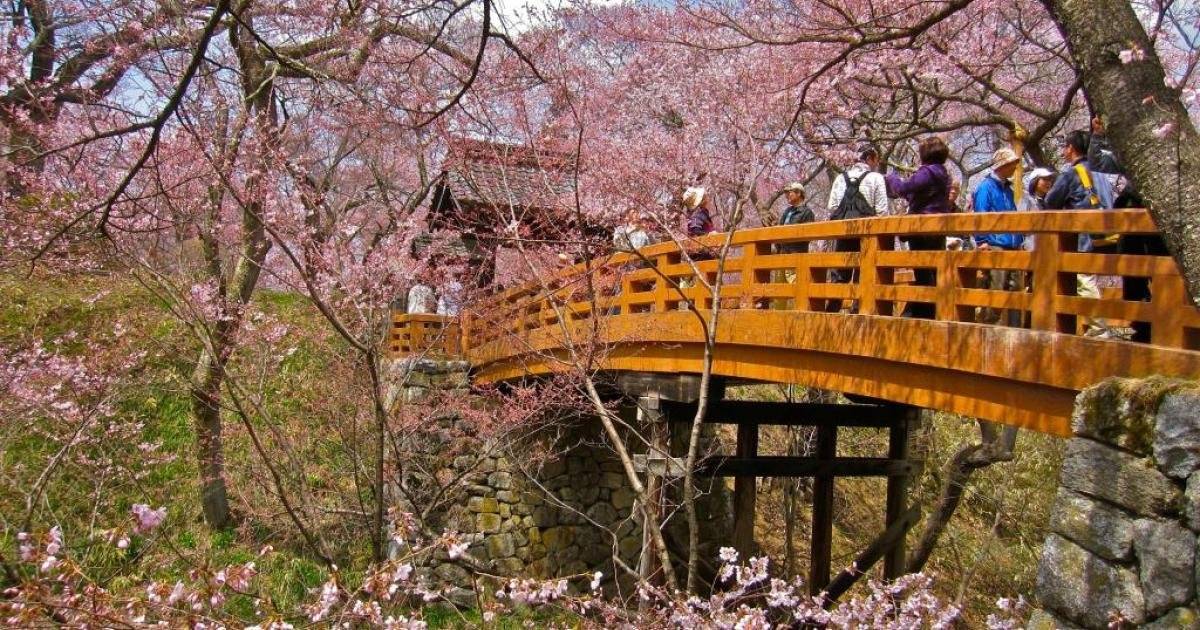
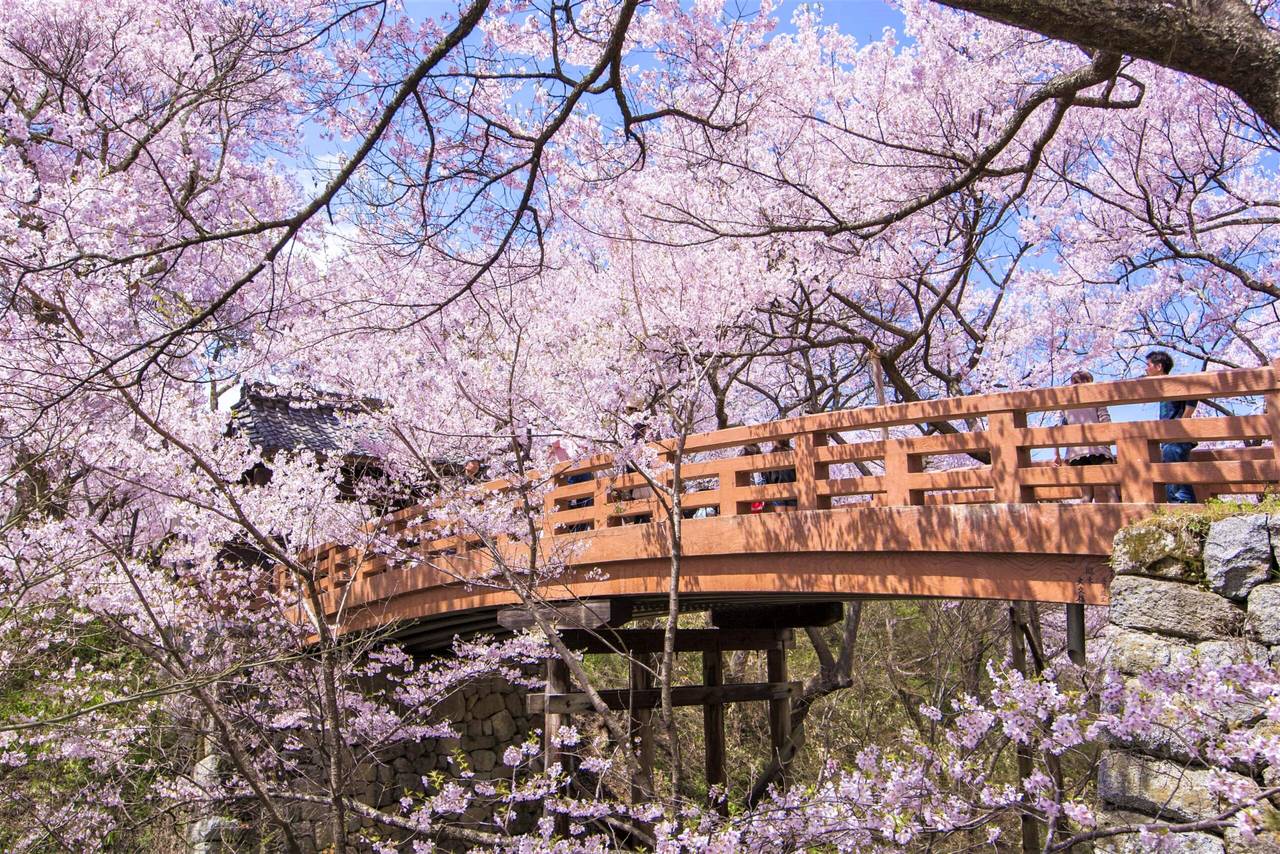
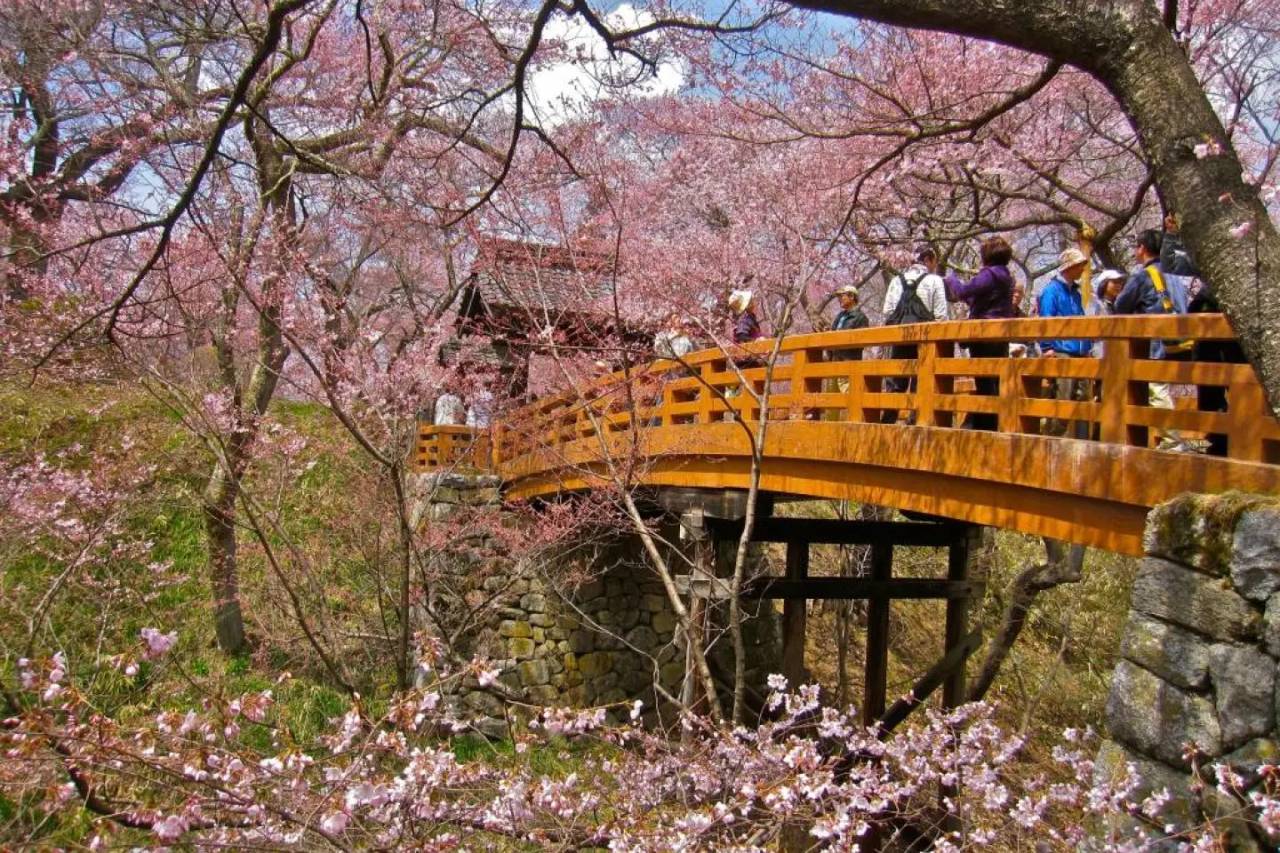
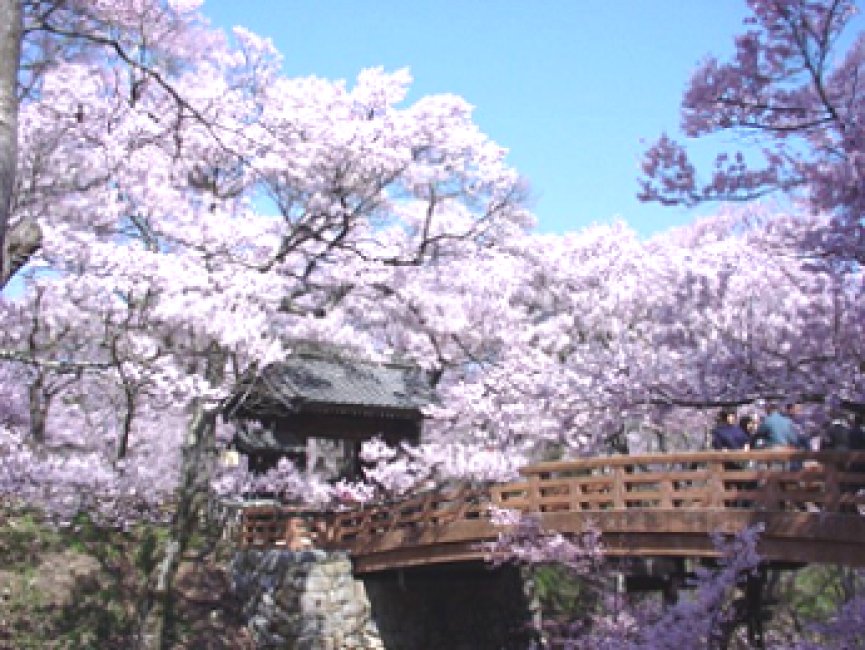
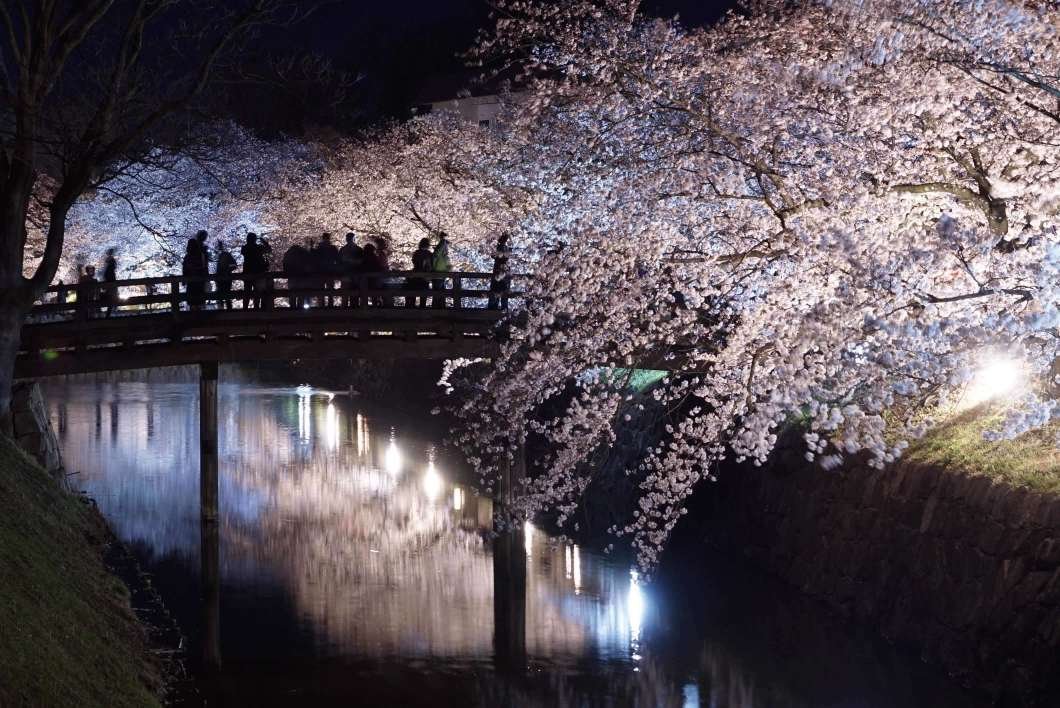
Sakura-gumo Bridge is the park’s signature photo spot. From the bridge you look down on a slope of deep pink blossoms, one of the most photographed views in the park, and across it is the entrance to the honmaru. The Takato Kohigan flowers are small and richly colored; the pink is brightest in morning light or under light cloud, and arriving early means fewer people.
At peak times people are concentrated here, and lingering in the middle of the bridge blocks the flow of visitors, so move on once you have your shot. Evening temperatures are low, so dress warmly for the night blossoms.

Toiya-mon Gate: A Historic Gate Moved into the Park
The Toiya-mon was not originally part of Takato Castle; it is a gate moved into the park from the town below and registered as a national tangible cultural property. Outside the cherry blossom festival, entry is free and you can look at the gate quietly from the outside.
Takato-kaku, also a registered tangible cultural property, stands near the park entrance and can be seen in the same stretch of the route as the Toiya-mon. The composition is most complete when the gate and the pink canopy share a frame. The area in front of the gate is a main path for visitors, so do not block it when taking photos.
Takato-kaku: A Registered Tangible Cultural Property Surrounded by Cherry Blossoms
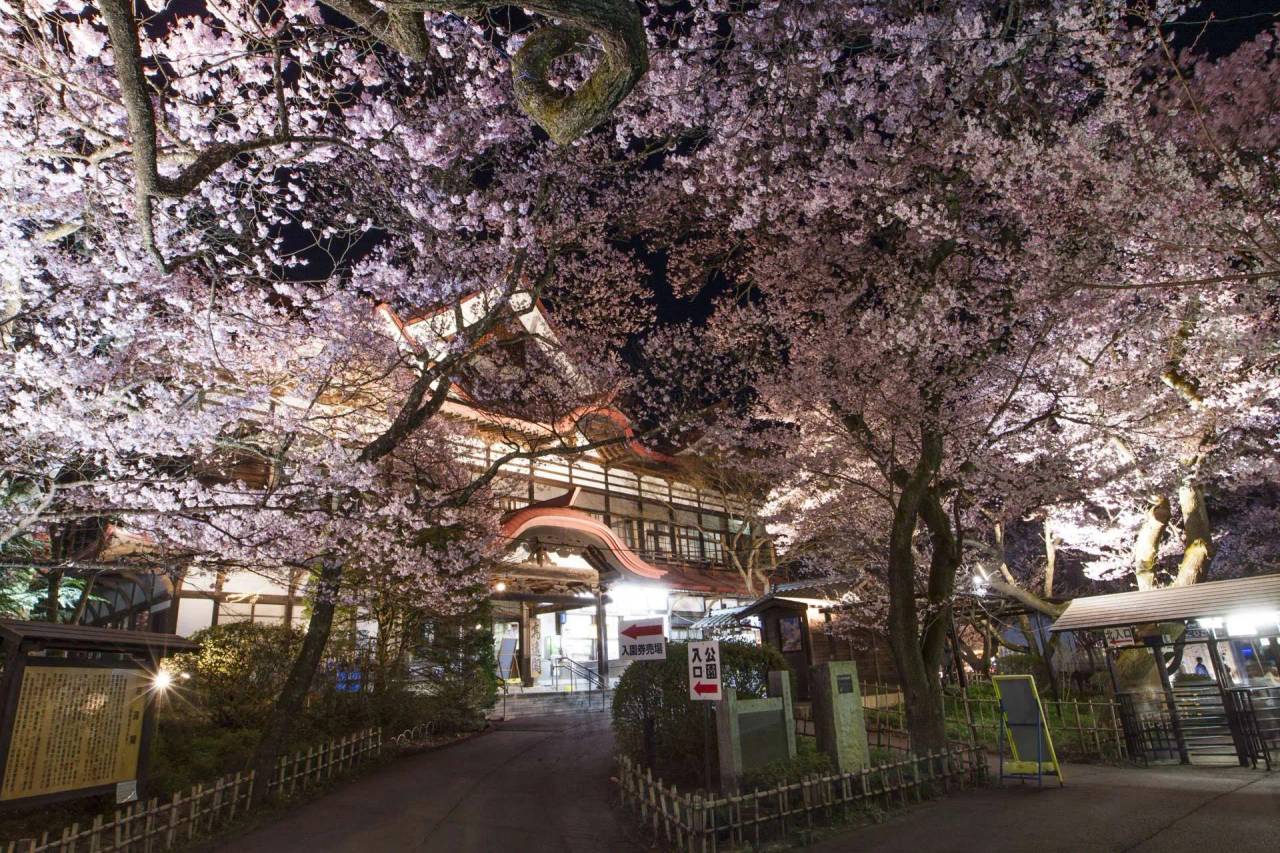
Takato-kaku is near the park entrance, a historic building registered as a tangible cultural property and surrounded by pink blossoms. It suits photography in the morning, when the light is behind you.
The building is not directly tied to the Sengoku-era castle, but makes a distinctive backdrop in blossom season. At peak bloom the park opens longer with evening illumination, so you can walk it by day and by night. During the festival it is open 8:00 to 17:00 in general, extended to 6:00 to 21:00 at peak. Takato-kaku is near the entrance, so you see it soon after entering.
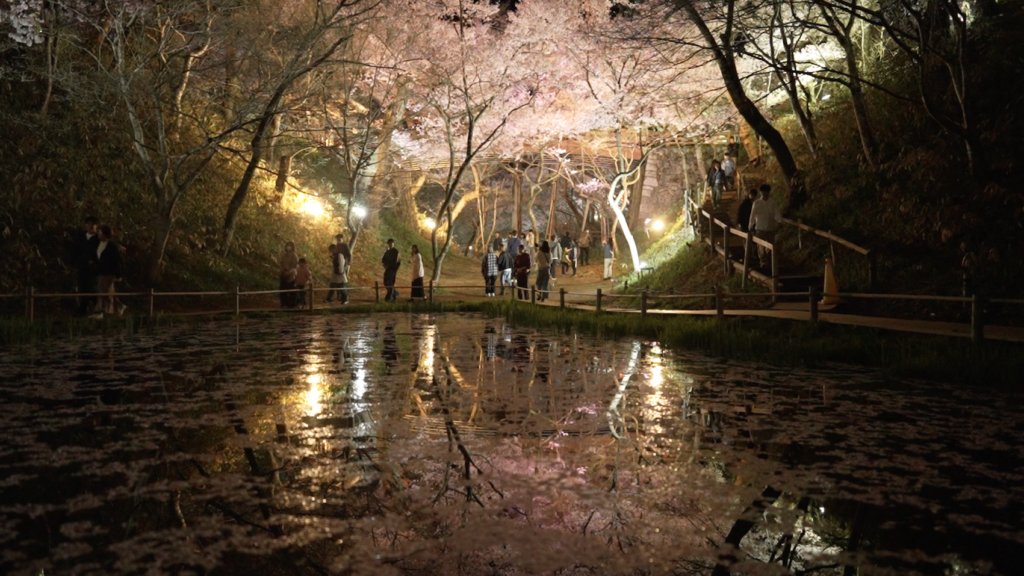
Honmaru Ruins: Cherry Grove and Evening Illumination at the Heart of the Castle
The honmaru is the central area of the old Takato Castle and the part of the park with the densest cherry trees; you enter it after crossing Sakura-gumo Bridge. During the festival the park is generally open 8:00 to 17:00, extended to 6:00 to 21:00 at peak.
Remains such as the dry moat and deep dry moat survive around the ruins, and as you walk the paths you can see the contours of the castle terrain. At full bloom there is evening illumination, and the scenery differs between day and night, so walking once in each gives a fuller picture.
Shintokukan: The Takato Domain School
The Shintokukan was the domain school founded in 1860 (Man’en 1) under Naito Yorinao of the Takato domain. It is part of the nationally designated historic site “Takato Castle Ruins”, and some of its buildings still remain.
The building is plain and stands near the Otemon Gate ruins. At full bloom it is quieter than the Sakura-gumo Bridge area, so you can take your time. Opening hours and closing days follow each year’s announcement, so plan it after the blossoms. Other remains such as the Otemon ruins are in the same area and form the second half of a castle-ruins walk.
Hakuto Bridge: Autumn Leaves by the Pond at Minami-kuruwa
Hakuto Bridge is in the Minami-kuruwa, a small bridge leading to the castle ruins on the south side of the park. It is known for autumn leaves, which reflect on the pond when viewed from below the moat. The Minami-kuruwa is separated by earthen ramparts and a moat and is one of the divisions of the Takato Castle ruins.
The Minami-kuruwa also has cherry trees in blossom season but fewer visitors, so it suits a slow walk. In some places there are drops underfoot, so watch your step. You can walk the same bridge twice a year, for cherry blossoms in spring and for leaves reflected in the pond in autumn, each with a different view.
Takato Town Museum of History: A Japan Top 100 Castles Stamp Spot
The Takato Town Museum of History is in the old castle town and displays materials on the Takato castle town and its lords.
The Japan Top 100 Castles stamp is linked to this museum; some sources say it is at the museum reception and others in front of the entrance, so check the signs on site. It suits a quieter weekday after the blossoms have fallen and adds historical context to the castle ruins. The museum’s phone number is 0265-94-4444.
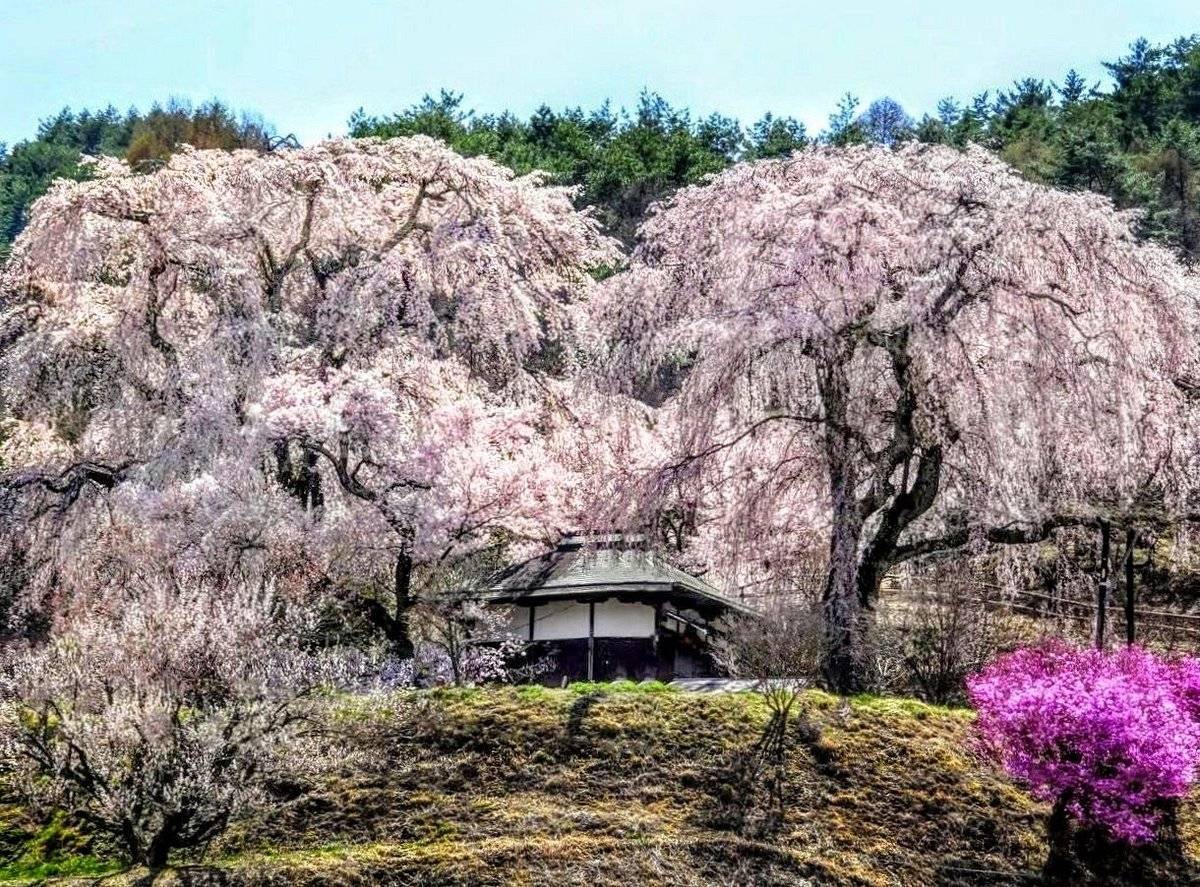
Katsuma Yakushido: Weeping Cherry That Blooms a Week Later
The weeping cherry at Katsuma Yakushido is about 1 km south of Takato Castle Ruins Park and blooms about a week later than the park, so it can extend a cherry blossom trip.
This weeping cherry is separate from the park and can be reached on foot or by car. It is a good extra stop after the park’s full bloom, letting you see cherry blossoms once more in front of a small hall. Takato’s blossoms normally reach full bloom around early April, and this tree blooms about a week later, so you may still catch it if you arrive at Takato a little late.
Takato Castle Ruins Park Tickets and Combination Passes: 2026 Prices and Package Options
Tickets for Takato Castle Ruins Park fall into three types: park admission, transport tickets and tour products. The prices below are 2026 figures; 2027 has not been announced, so check the year before you buy.
Takato Castle Ruins Park Admission: Festival Prices and Buying Tips
During the 2026 cherry blossom festival, adult admission is ¥600 and elementary and junior high school students ¥300; on specific peak weekends, adult tickets bought at the gate are ¥1,000.
Gate tickets on peak-season weekends cost more. You can also buy a digital e-ticket in advance from an official partner platform, at ¥600 for adults, which can also be used directly on those specific days. Once the 2027 prices and dates are announced, follow the official notice.
Takato Cherry Blossom Day Trips: Time-Saving Options from Shinjuku or Nagoya
Day trips suit travelers who do not want to handle transfers themselves. The contents depend on the travel agency and the year’s bloom, so confirm before departure whether admission, bus and lunch are included. These products save time on changing trains and checking timetables, which is convenient for first-time visitors from Tokyo or Nagoya.
Takato’s castle-town area is best walked slowly, and if free time is short you may not manage to see Sakura-gumo Bridge, Toiya-mon Gate and Takato-kaku in full. When choosing, compare the meeting point, return time and whether admission is included first, and only then the total price.
Shinshu Cherry Blossom Circuit: A Two-Day Itinerary with Matsumoto Castle and Lake Suwa
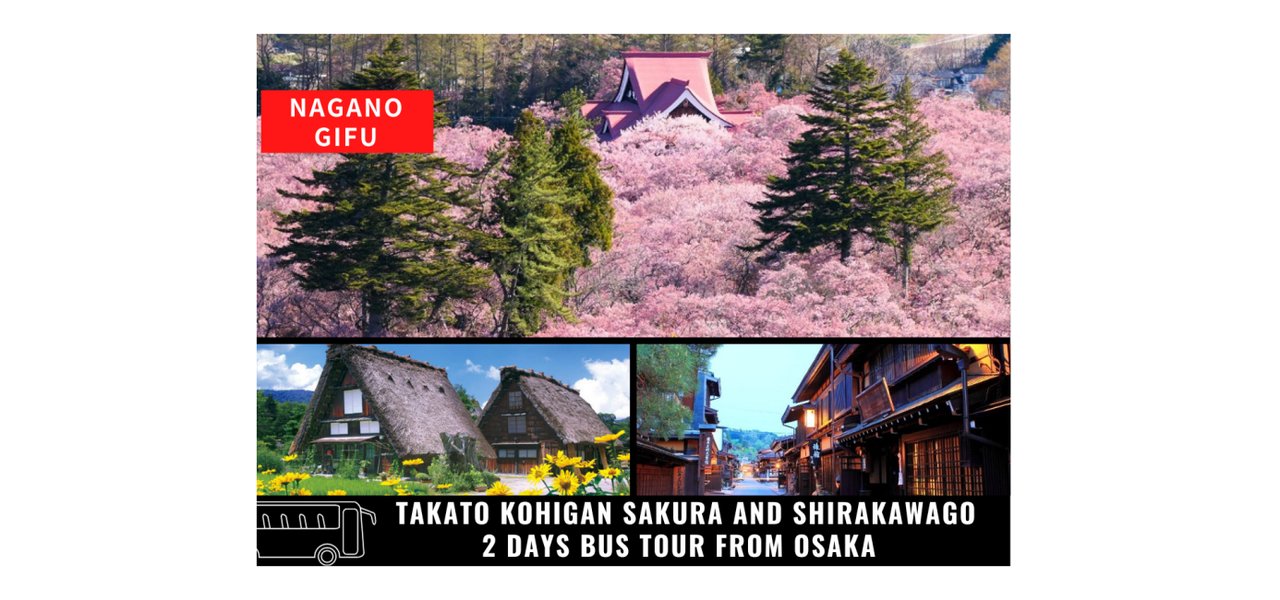
To combine Takato with other sights, choose a Shinshu circuit product that includes Matsumoto Castle and Lake Suwa. Such tours cover castles and hot springs in one trip, and suit travelers who want to stay an extra night around the bloom.
Before buying, check whether the tour actually stops at Takato Park and leaves enough time to go in. Lodging, transport and admission are priced differently, so compare total prices rather than only the unit price.
JR Bus Takato Line Ticket: Paying Cash from Inashi Station to Takato Station
Take the JR Bus Kanto Takato Line from Inashi Station to Takato Station. The adult fare is ¥590, cash only on the bus; IC cards such as Suica and PASMO are not accepted. Ina Bus Terminal is about a 3-minute walk from Inashi Station.
If your group mainly uses IC cards, prepare coins in advance. Extra buses and timetables for full-bloom weekends are announced differently each year, so check the day’s timetable at the website or station before boarding. This ticket does not include park admission, which is bought separately.
Where to Stay and Nearby Sightseeing Ideas Around Takato Castle Ruins Park
Staying in Ina City for Takato: JR and Bus Connections
If you stay in Ina city, take the JR Iida Line to Inashi Station, walk about 3 minutes to Ina Bus Terminal, and change to the JR Bus Kanto Takato Line (adult ¥590, cash only on the bus). From Takato Station it is about 20 minutes on foot to the park; the schedule of the cherry blossom loop bus follows each year’s announcement.
If you stay in Ina city, you can also check the next day’s bus times the night before.
Staying in Matsumoto for Two Days: Combining Matsumoto Castle and Takato Castle
To combine the National Treasure Matsumoto Castle with Takato Castle in two days, stay in Matsumoto, then on the second day take the JR Chuo Main Line to Inakita Station and change to the JR Bus for Takato Station.
This plan suits seeing Matsumoto Castle and then going on to the cherry blossom park; castle first or blossoms first both work, depending on bloom and bus times. Matsumoto Castle is a National Treasure, and seeing it on the first day and moving on to Takato for cherry blossoms on the second makes the itinerary smoother.
FAQ
Q: When do the Takato Castle Ruins Park cherry blossoms bloom in 2027?
The official 2027 bloom dates have not been announced. Based on past data, Takato’s cherry trees bloom around early April, with the best viewing from early to mid-April; exact dates follow the announcement on the Shinshu Ina Takato Cherry Blossom Festival website.
Q: How much is admission to Takato Castle Ruins Park?
During the 2026 cherry blossom festival, adult admission is ¥600 and elementary and junior high school students ¥300, and ¥1,000 for adults buying at the gate on specific peak weekends. Admission is free outside the festival, and 2027 prices have yet to be announced.
Q: How do I get to Takato Castle Ruins Park from Tokyo?
From Tokyo, take the Chuo Line limited express to Okaya, change at Tatsuno to the JR Iida Line for Inashi Station, then take the JR Bus Kanto Takato Line to Takato Station, and walk about 20 minutes to the park.
Q: What is the best month for cherry blossoms at Takato Castle Ruins Park?
Over the past ten years, full bloom has averaged around April 9, and the best viewing is about early to mid-April. Opening hours are extended at peak, and going in the morning helps avoid the crowds.
Q: Is there parking at Takato Castle Ruins Park, and how much is it?
During the 2026 cherry blossom festival there is a paid parking lot for about 350 cars, at ¥1,000 per standard car per day, plus free temporary lots that may close depending on weather and bloom. On full-bloom weekends, arrive early in the morning.
Q: Is Takato Castle Ruins Park suitable for children or people with limited mobility?
The park has many slopes and stone steps that get slippery after rain, so people with strollers or limited mobility should watch their route.