Shinjuku Autumn Leaves 2026: Shinjuku Gyoen, Shinjuku Central Park and Nearby Gardens at Peak Color
Autumn color is near Shinjuku Station; no need to leave Tokyo. William grouped 6 spots by area: Shinjuku Gyoen, Shinjuku Central Park, Inari Kishin Shrine, Toyama Park, Okuma Garden, Kansen-en Park. Maples against West Shinjuku skyscrapers look best.
Of these 6 spots, Shinjuku Gyoen charges admission and the other 5 are free. Shinjuku Central Park and Toyama Park are open all day. Hours for Kansen-en Park, Okuma Garden and Inari Kishin Shrine are given under each spot.
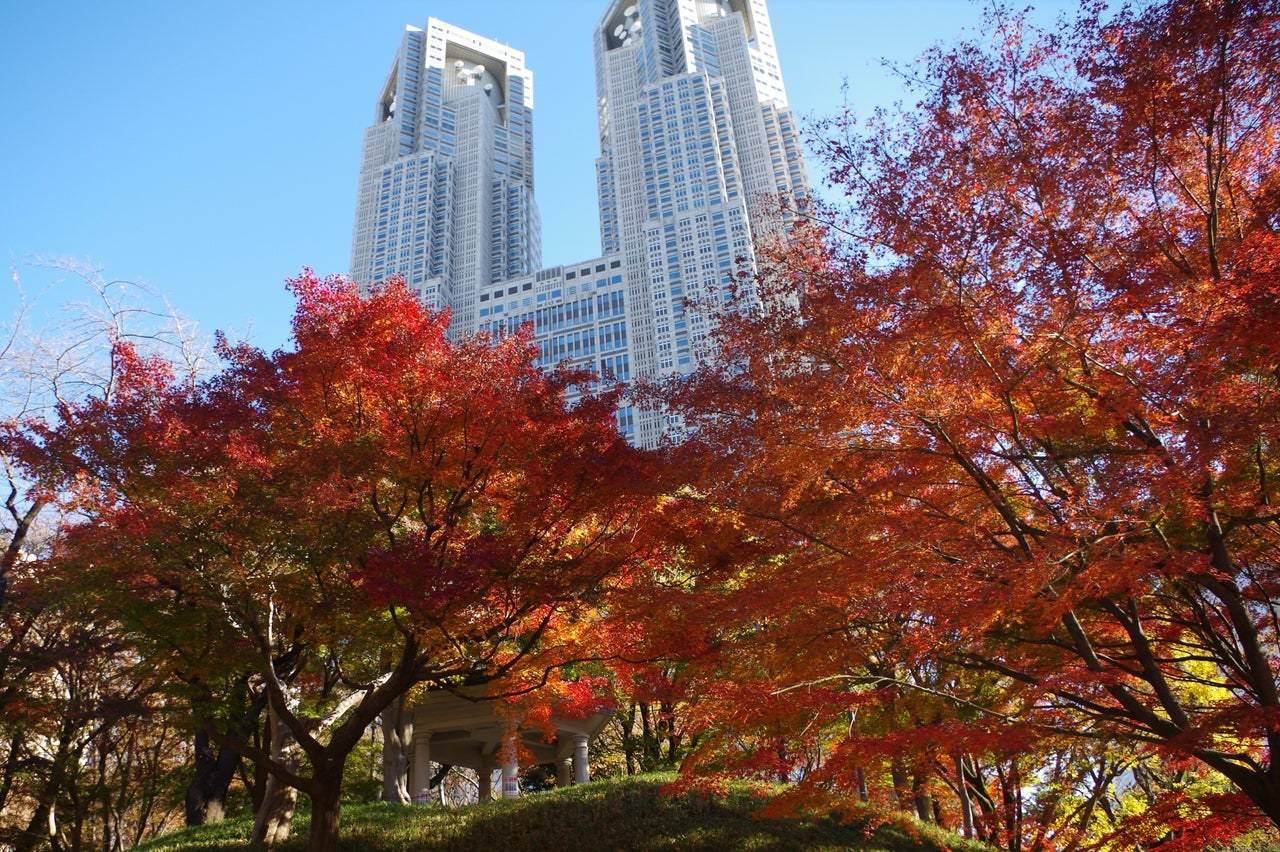
- 🍂 Shinjuku Central Park: mid-November to early December, maples and ginkgo framed with the Tokyo Metropolitan Government twin towers
- 🎫 Shinjuku Gyoen: adults ¥500, open on Mondays too from November 1 to 15
- 🆓 The other 5 spots: Shinjuku Central Park, Inari Kishin Shrine, Toyama Park, Okuma Garden and Kansen-en Park are free
- 🔗 Shinjuku Tourism Association, “Autumn Leaves Walk 2026”
Tokyo November Autumn Leaves: Peak Color in Shinjuku’s Parks
In Shinjuku Central Park’s “Hana no Mori” area, leaves turn red and yellow from mid-November, per the Shinjuku Tourism Association. The park’s operator says color starts late November to early December; iroha maples near Fujimidai are reddest.
For ginkgo trees from November to early December, try the lawn plaza of Shinjuku Central Park and the 10 ginkgo trees at Inari Kishin Shrine. Shinjuku Gyoen’s early-November chrysanthemum exhibition fits into the same trip.
Color differs every year. Before you go, check “Kōen Dayori” (park news) on the Shinjuku Central Park website and the latest news on the Shinjuku Gyoen website.
Getting Around Shinjuku for Autumn Leaves: Nearest Station to Each Park
From Shinjuku Station: Nearest Station to Each Park
Shinjuku Gyoen and Shinjuku Central Park are walkable from Shinjuku Station, so you can do both in one day. Inari Kishin Shrine is in Kabukicho. Toyama Park, Okuma Garden and Kansen-en Park are around Waseda; take the subway.
- 🚇 Shinjuku Gyoen: Marunouchi Line, Shinjuku-gyoenmae Station (Shinjuku Gate); walkable from the south exit of JR Shinjuku Station
- 🚇 Shinjuku Central Park: Toei Oedo Line, Tochomae Station; walkable from Shinjuku Station (JR, Keio, Odakyu)
- 🚇 Inari Kishin Shrine: Oedo Line and Fukutoshin Line, Higashi-Shinjuku Station; walkable from the north exit of Seibu-Shinjuku Station
- 🚇 Toyama Park (Hakone-yama Area): Fukutoshin Line, Nishi-Waseda Station; Tozai Line, Waseda Station
- 🚇 Okuma Garden: Tozai Line, Waseda Station
- 🚇 Kansen-en Park: Tokyo Sakura Tram (Toden Arakawa Line), Omokagebashi Station; Tozai Line, Waseda Station
Shinjuku Autumn Leaves Spots: 6 Places to See Maple and Ginkgo Colors
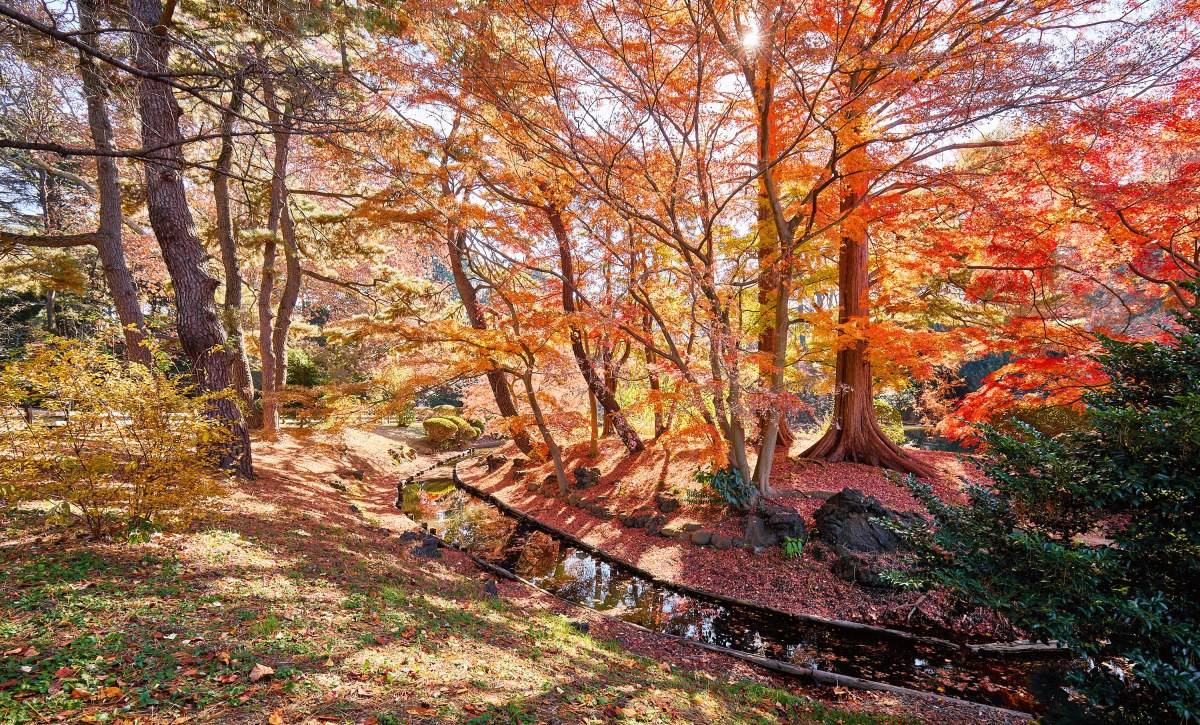
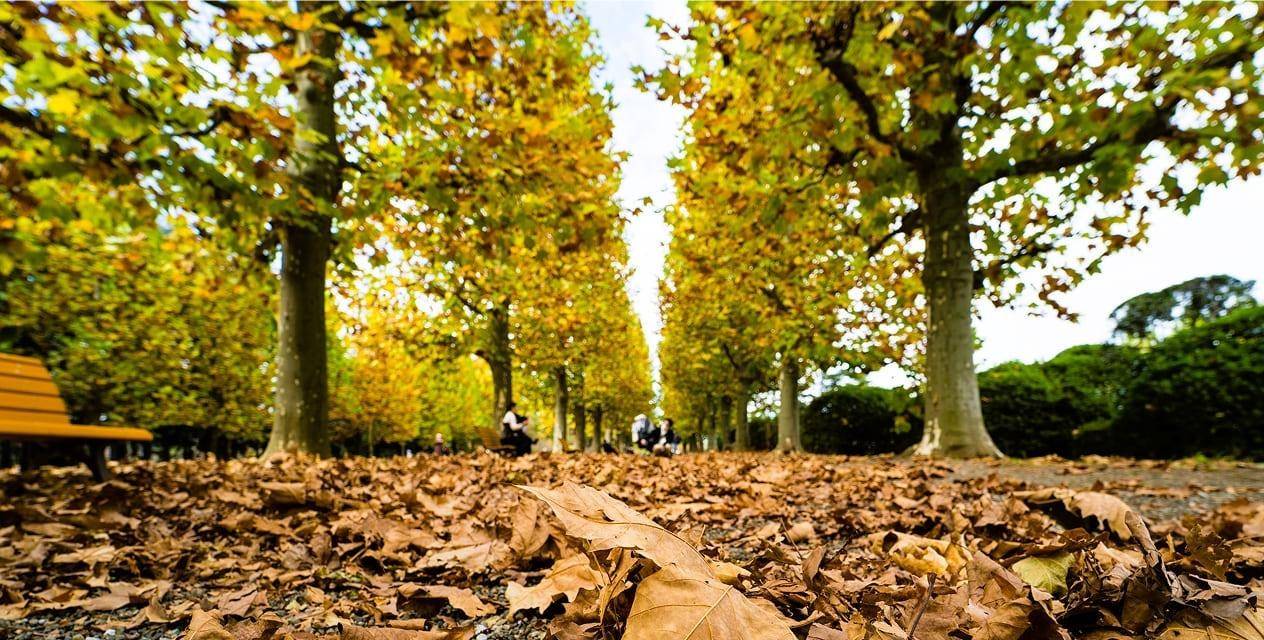
Shinjuku Gyoen Autumn Leaves: Red Maples by Lower Pond and About 160 Plane Trees
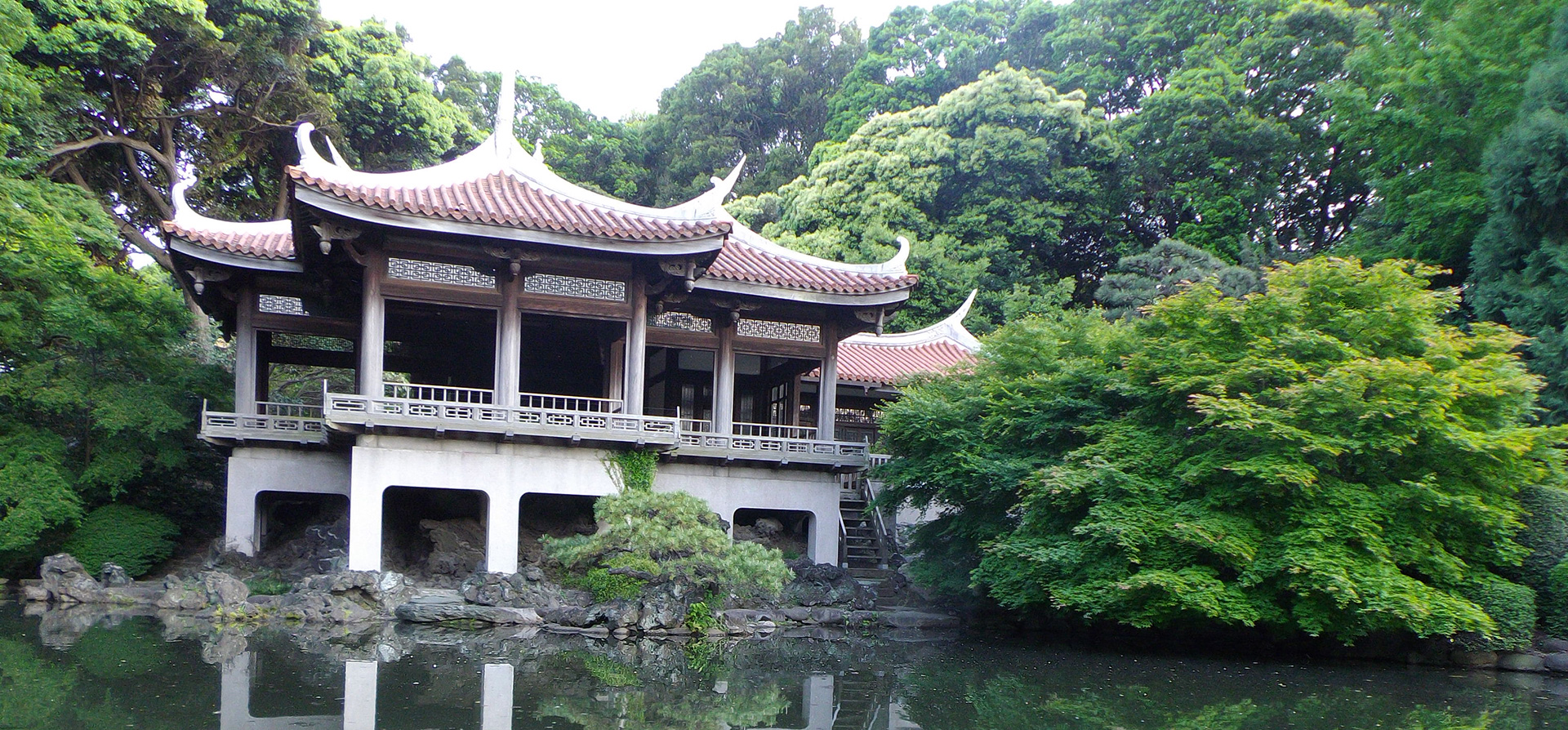
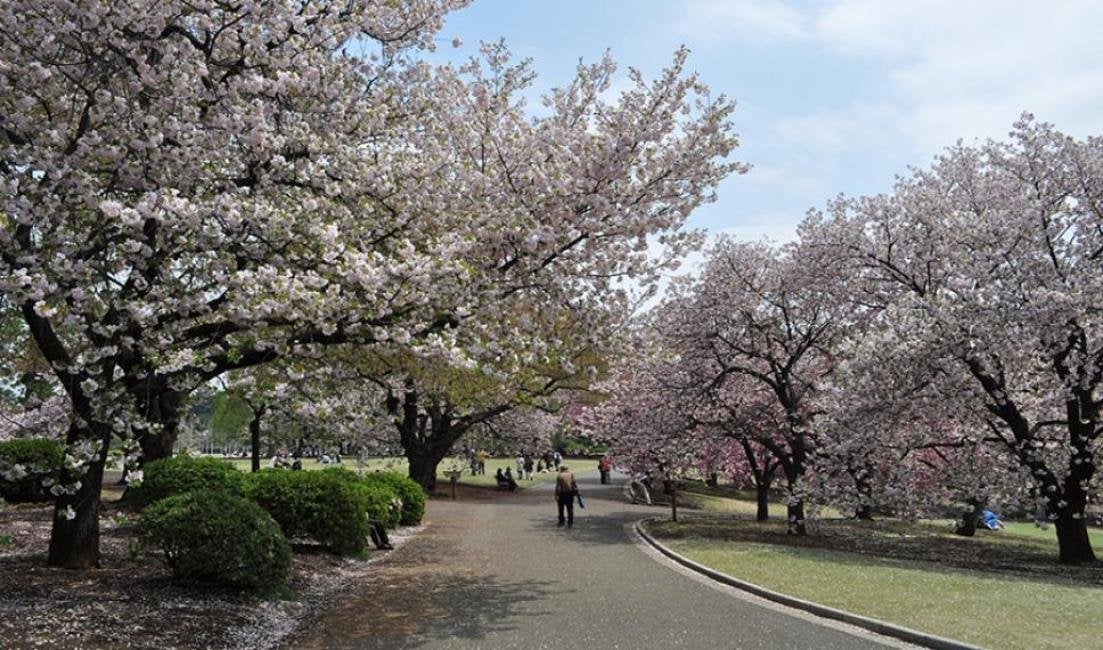
Gyoen has Japanese, formal and landscape gardens. The Shinjuku Tourism Association’s list includes dogwood, tulip tree, plane tree, maple, bald cypress and ginkgo; the whole park turns color. Seek out the Japanese garden maples and plane trees.
The formal garden has about 160 plane trees on both sides, in 8 rows, which the garden says turn bright gold in autumn. A chrysanthemum exhibition is also held in the Japanese garden in early November, overlapping with the foliage season.
Shinjuku Takashimaya Times Square, reached directly from the south exit of Shinjuku Station, has a rooftop garden called White Garden on the 12th and 13th floors. It looks down on Shinjuku Gyoen’s autumn color from above, and admission is free.
- 🕘 Opening hours: October 1 to March 14, 9:00-16:30 (last entry 16:00)
- 🚫 Closed: Mondays (closed the next day instead if Monday is a holiday), December 29 to January 3; open on Mondays too during the chrysanthemum exhibition, November 1 to 15
- 🎫 Admission: adults ¥500, ages 65 and over and high school students and above ¥250, junior high school students and younger free; the entrance gates accept transit IC cards
- 🔗 Shinjuku Gyoen admission information



Shinjuku Central Park Autumn Leaves: Maples and Ginkgo in Front of the Metropolitan Government Towers
Shinjuku Central Park is the largest ward park in Shinjuku. It is open all day and free. Its special feature is the backdrop: iroha maples around Hana no Mori and Fujimidai turn red and overlap the Tokyo Metropolitan Government twin towers.
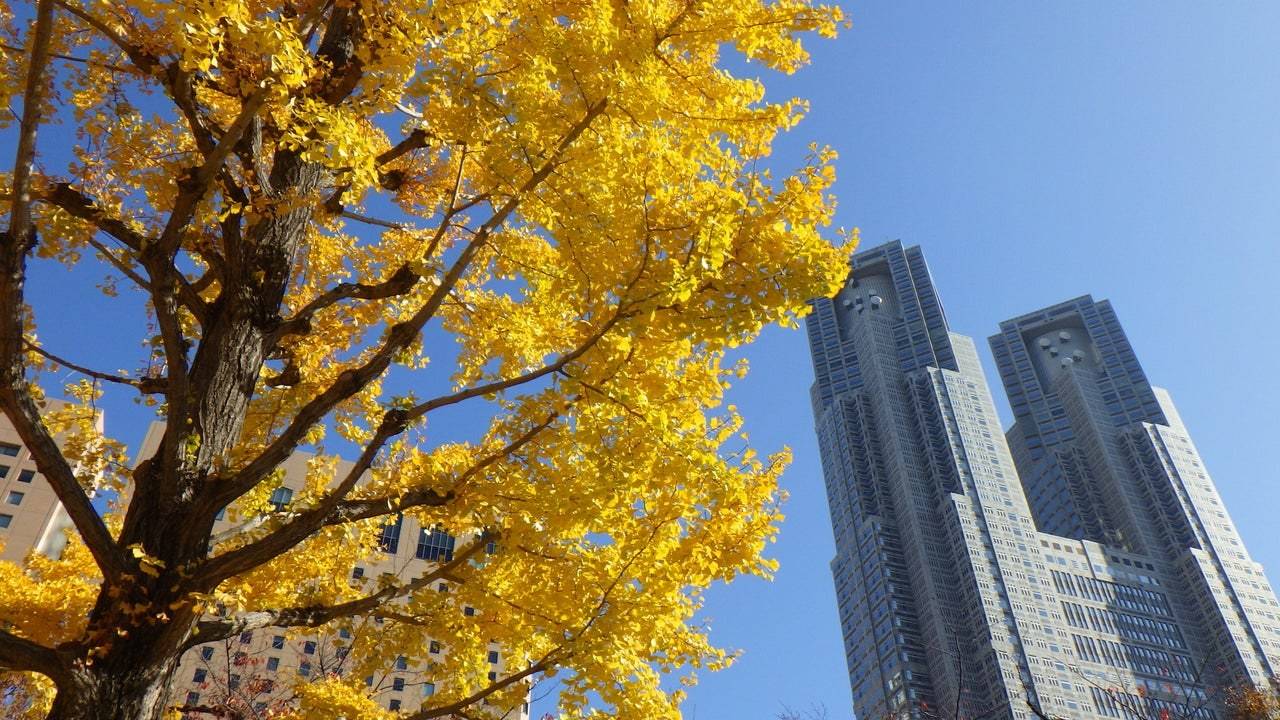
Ginkgo trees line the lawn plaza paths and turn yellow against the West Shinjuku skyscrapers; dogwood leaves shade from red to green. The park foundation says foliage starts in late November to early December, somewhat later than Shinjuku Gyoen.
In autumn 2025 the park foundation issued an autumn-foliage walking leaflet with a map marking where the colored plants are. It sits in the leaflet racks in the park, and answering the survey through the QR code earns a foliage sticker.
Also check the notice on the park’s website: the lawn plaza is fully closed from Friday, October 30 to Friday, November 13, 2026. The closure ends before the late-November foliage period.
- 🕘 Opening hours: open all day, free admission
- ☎️ Park management office: 03-3342-4509 (9:00-17:00)
- 🔗 Shinjuku Central Park official website
Inari Kishin Shrine: Ten Ginkgo Trees Around a Small Shrine Hall
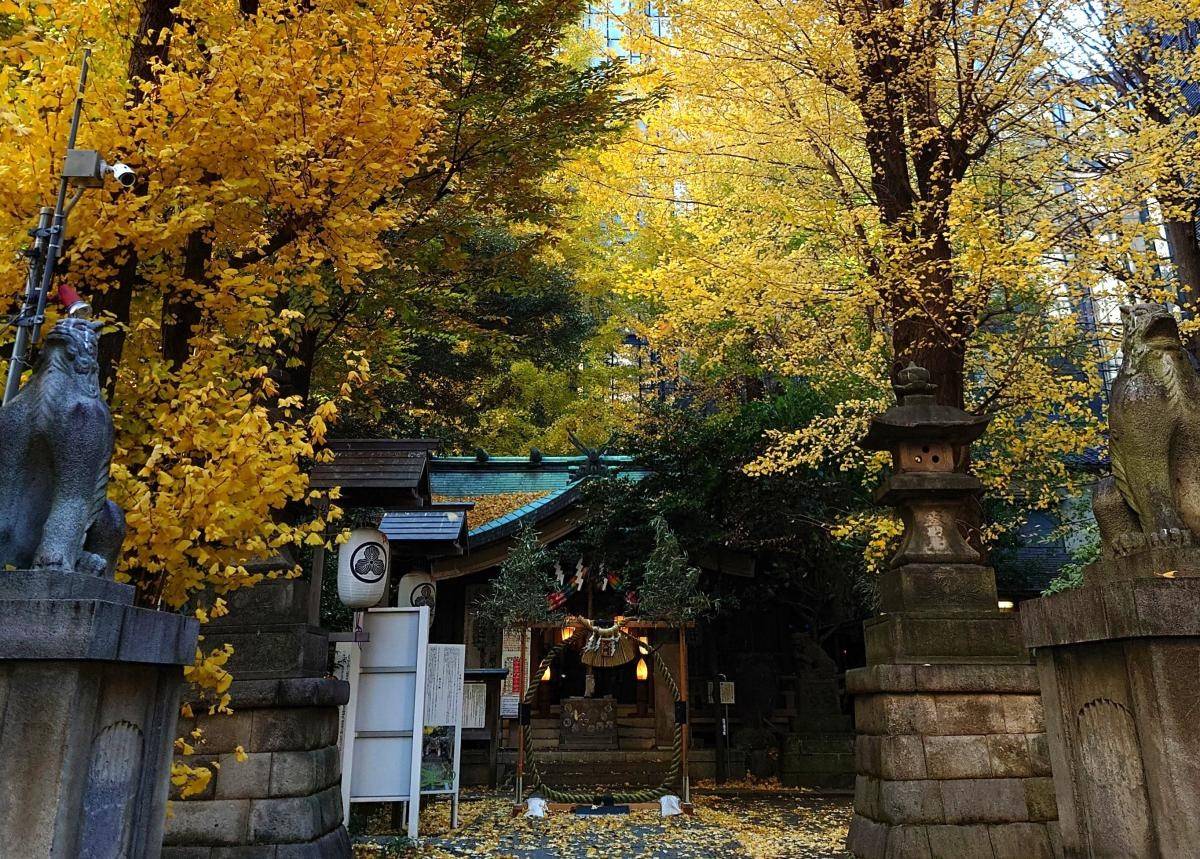
Inari Kishin Shrine is in Kabukicho. It enshrines Ebisu of the Shinjuku Yamanote Seven Lucky Gods, and is Japan’s only shrine to Kishin Gongen. Fires were frequent here in the Edo period, so fire-resistant ginkgo were planted as a firebreak.
There are 10 ginkgo trees surrounding the shrine hall today, all turning yellow together in autumn, with fallen leaves covering the approach path. It is the nearest place to see ginkgo on the east side of Shinjuku.
According to the shrine’s website, Kishin Gongen combines the divine virtues of three deities and is the only “king of demons” in Japan. The shrine office hands out goshuin, amulets, and treasure-ship shikishi boards.
A website notice dated August 3, 2026 says a snake stone statue called “Fukura-sama” (ふくら様), which is meant to bring good financial luck, was donated by a stone shop in Matsumoto, Nagano, and now stands beside the approach path. After the ginkgo, look for it there.
- 🕘 Visiting hours: the grounds are open all day; shrine office 9:00-17:00
- 📍 Address: 2-17-5 Kabukicho, Shinjuku-ku
- 🔗 Inari Kishin Shrine official website
Toyama Park: Maples on Hakone-yama, the Highest Point Inside the Yamanote Line
Toyama Park has a Hakone-yama area and an Okubo area. The Hakone-yama area was Toyama-so, the Owari Tokugawa family’s lower residence in the Edo period. Its artificial hill is now Hakone-yama, at 44.6 m the highest hill inside the Yamanote Line.
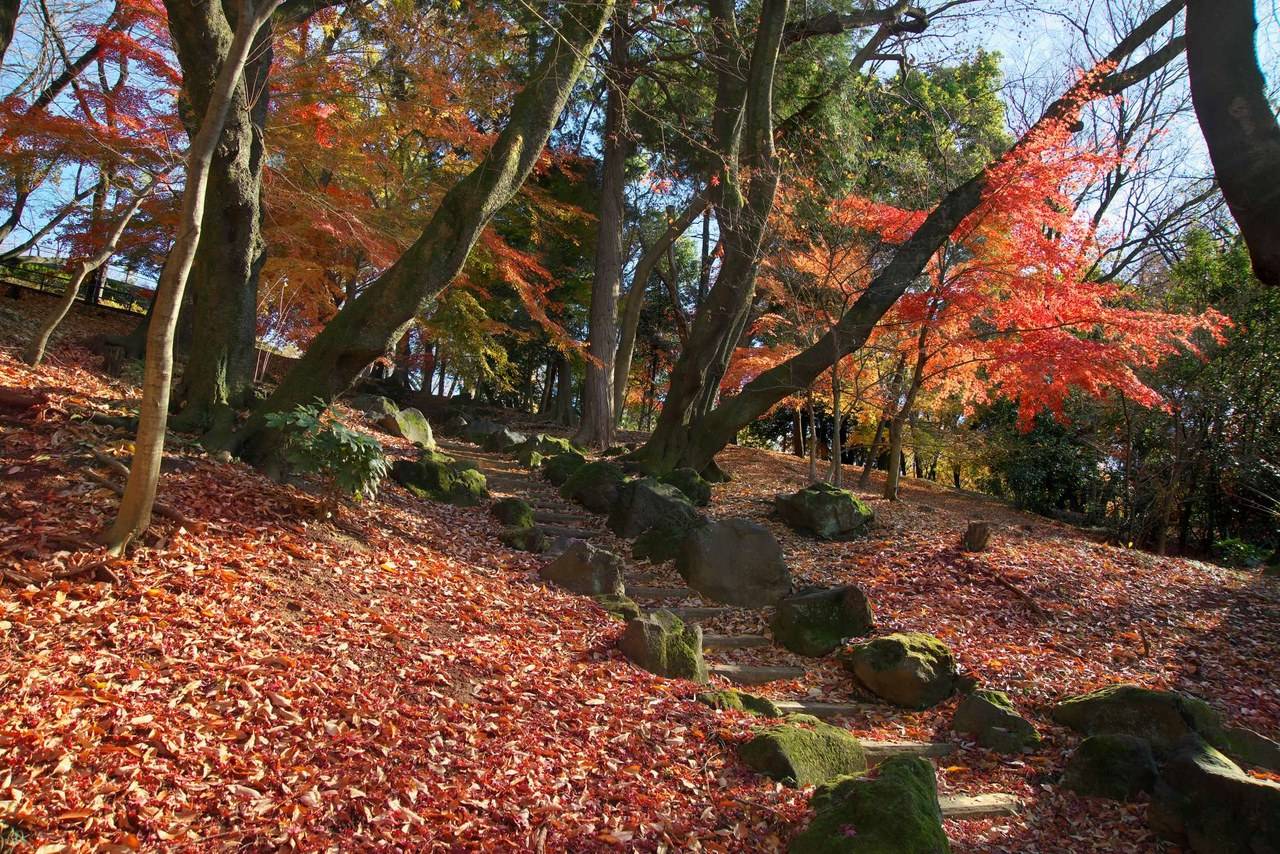
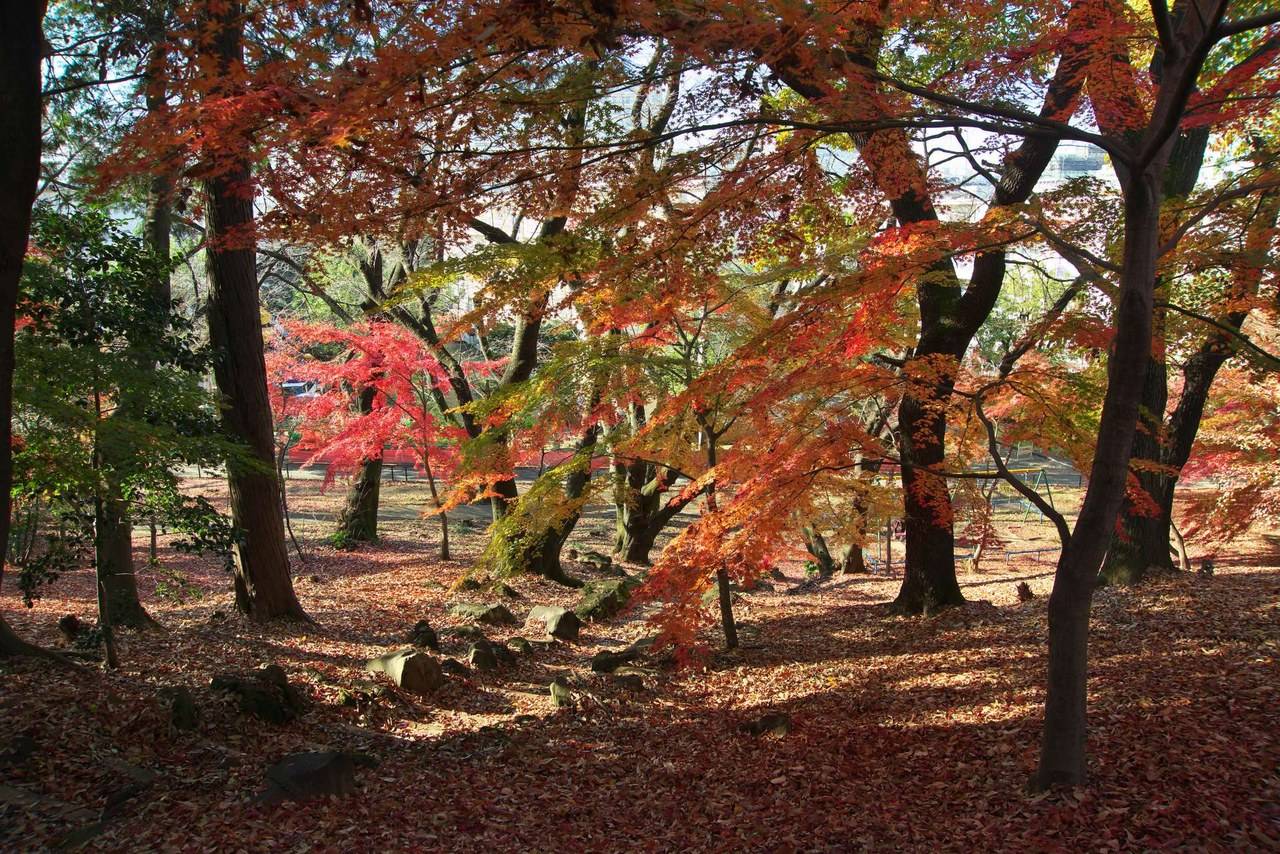
For maples, head to the Hakone-yama area, where the park says you can enjoy iroha maples. Fallen leaves pile up thickly on the mountain path, and in the official photos the stone steps and mossy rocks are buried under red leaves.
In the Okubo area, Cosmic Street is lined with ginkgo and zelkova, and small sculptures can be seen along the way when the leaves change color. The park is open all day and free.
- 🕘 Opening hours: open all day, free admission
- ☎️ Toyama Park service center: 03-3200-1702 (weekdays 9:00-17:00)
- 🔗 Toyama Park official website
Okuma Garden: Autumn Leaves Beside the Okuma Auditorium Clock Tower
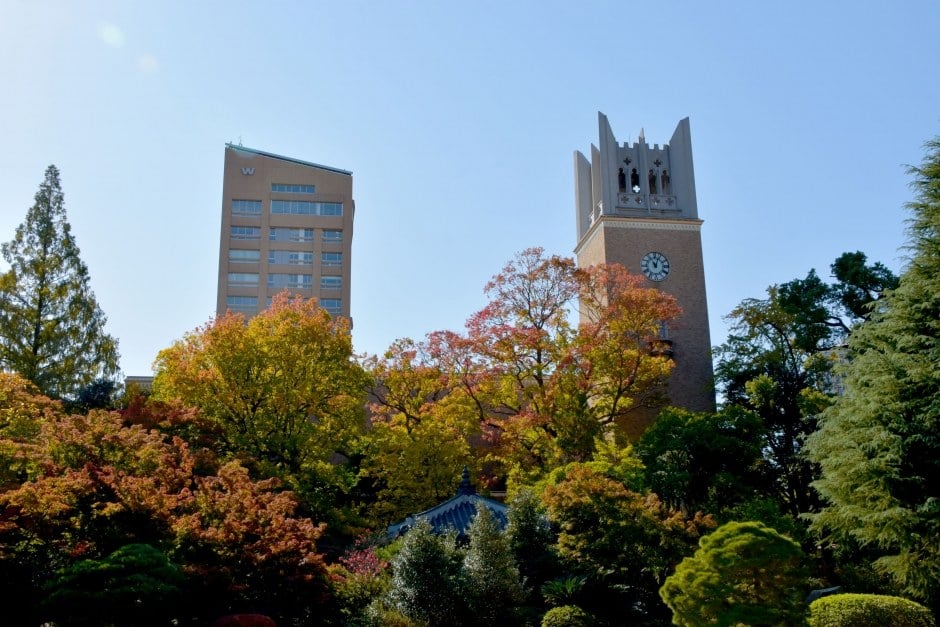
Okuma Garden, on the Waseda campus, stands on founder Okuma Shigenobu’s former residence site, with a lawn and pond in Japanese-Western style. Okuma Auditorium, a national Important Cultural Property, has autumn foliage around its clock tower.
The garden is open only on Waseda University class days, Monday to Saturday, and closes in bad weather. October to March hours are 9:00-16:30, and admission is free.
Waseda University’s introduction says Okuma Garden is a pond-stroll garden laid out in the Tenpo era (1830-44), said to be modeled on the Eight Views of Omi. Kanshiso, a farmhouse moved from a mountain village in Hida, stands in the garden, and its pillars are natural chestnut wood.
The former Okuma residence gatehouse near the entrance was completed in 1902 and is the oldest building at Waseda. Two bronze statues stand in the garden, of Tanaka Hozumi and Okuma Ayako, both by the sculptor Asakura Fumio. The Ayako statue is the only statue of a woman on campus.
- 🕘 Opening hours: Waseda University class days, Monday to Saturday; October to March 9:00-16:30; closed in bad weather
- 🆓 Admission: free
- 🔗 Waseda University Okuma Garden information
Kansen-en Park: Pond-side Maples and Yukitsuri
Kansen-en Park is the only pond-stroll garden among Shinjuku Ward’s ward parks, and was chosen as one of Japan’s 100 Historic Parks. Its name comes from the spring water that wells up in the garden, which is good for brewing tea.
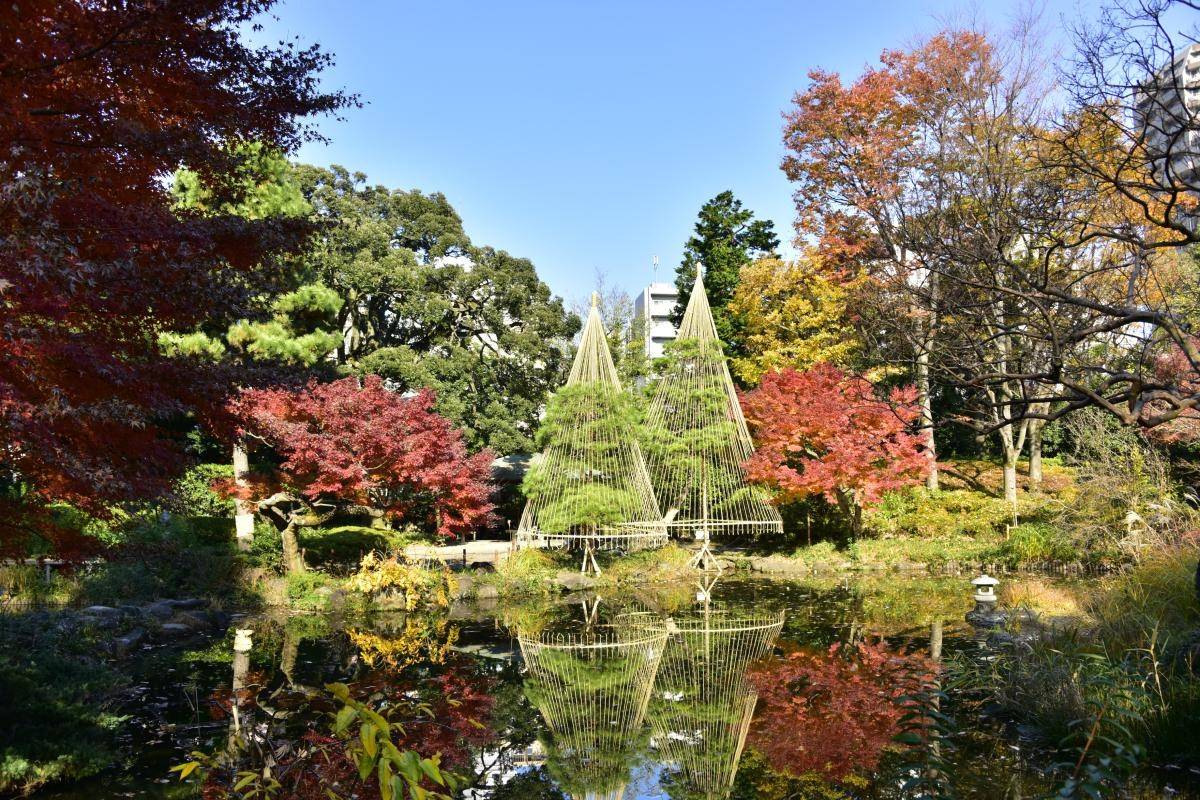
The gourd-shaped Yamabuki-no-Ido pond is the garden’s center, with Mt. Mishima south of it. It was a Shimizu family lower residence, then Marquis Soma’s, then Waseda’s in 1938. Maples reflect in the pond; pines wear yukitsuri in winter.
The Shinjuku Tourism Association says the garden covers a little over 14,000 square meters today, and it once included the grounds of today’s Mizu-Inari Shrine. A stone monument inscribed “Kansen-mei narabini jo” (甘泉銘並序) has since been moved in front of the Mizu-Inari Shrine office.
- 🕘 Opening hours: November to February 7:00-17:00; March to October 7:00-19:00; free admission
- 🔗 Shinjuku Ward information on Kansen-en Park
Tickets and Costs: Shinjuku Gyoen Admission and the Chrysanthemum Exhibition
Shinjuku Gyoen Tickets: Buying On-site or Online in Advance
A standard Shinjuku Gyoen ticket is ¥500, sold at the gate and ticket office. The garden also sells online e-tickets in advance. Show the QR code at the entrance gate and skip the ticket line. They are valid for 6 months from the purchase date.
The five other parks and shrines besides Shinjuku Gyoen need no ticket, so Gyoen admission is the only fee for the whole trip.
- 🎫 Adults: ¥500;Ages 65 and over, high school students and above: ¥250;Junior high school students and younger: free
- ☎️ Shinjuku Gyoen service center: 03-3350-0151
Chrysanthemum Exhibition: November 1 to 15 in the Japanese Garden
Every November 1 to 15, Shinjuku Gyoen holds a chrysanthemum show in the Japanese garden, continuing the imperial tradition. Under a tent (ueya) are flower beds of kengai, ozukuri, Edo-giku, ogiku and more, best viewed along the route.
The garden is open on Mondays too during this period. To combine chrysanthemums and autumn leaves in one trip, early November works best.
The official 2026 guide divides the chrysanthemum beds into seven types. Three classical varieties, Ise, Choji and Saga chrysanthemums, are displayed together for easy comparison. The Higo chrysanthemum bed is the smallest, and the large-bloom bed is arranged in the order yellow, white, red.
One plant in the ozukuri bed takes over a year to train and carries several hundred blooms in a half-circle. The art gallery in the Information Center also holds an explanatory exhibition from October 27 to November 15, 2026, using photos and video to show the history, highlights, and cultivation techniques.
Where to Stay for Shinjuku Autumn Leaves: Around Shinjuku Station

Around Shinjuku Station: Walk to Both Gyoen and Central Park
Both Shinjuku Gyoen and Shinjuku Central Park are walkable from Shinjuku Station. If you stay nearby, visit Gyoen in the morning right when it opens, then head west in the afternoon for the leaves beside the Metropolitan Government buildings.
For Toyama Park, Okuma Garden and Kansen-en Park around Waseda, the most direct way is the Fukutoshin Line from Shinjuku-sanchome Station to Nishi-Waseda Station.
FAQ
Q: When are Shinjuku autumn leaves at their best?
For Shinjuku Central Park, the Shinjuku Tourism Association says from mid-November, while the park’s operator says late November to early December. Foliage color varies by park and by year, so check each park’s official website before you go.
Q: How much are Shinjuku Gyoen tickets, and what are the opening hours?
Adults ¥500; seniors 65 and over and high school students and above ¥250; junior high students and younger free. From October 1 to March 14 it is open 9:00-16:30, with last entry at 16:00.
Q: Is Shinjuku Gyoen closed on Mondays?
Yes, it is closed on Mondays; if Monday is a holiday, the closure moves to the following weekday. During the chrysanthemum exhibition, November 1 to 15, it stays open on Mondays too.
Q: Are there free spots for viewing autumn leaves in Shinjuku?
Yes. Shinjuku Central Park, Toyama Park, Kansen-en Park, Okuma Garden and Inari Kishin Shrine all need no ticket. Okuma Garden is open only on Waseda University class days, Monday to Saturday.
Q: How do I get to Shinjuku Central Park?
Take the Toei Oedo Line to Tochomae Station and you are there. You can also walk from JR Shinjuku Station.
Q: Can I bring alcohol or smoke in Shinjuku Gyoen?
No. The garden bans bringing in alcohol and smoking, and playground equipment cannot be used (except in the children’s playground).