Chiba Yoro Gorge Autumn Leaves Guide 2026: Awamata Falls, Peak Timing and Transport from Tokyo: The Kanto Region’s Latest Foliage Hideaway
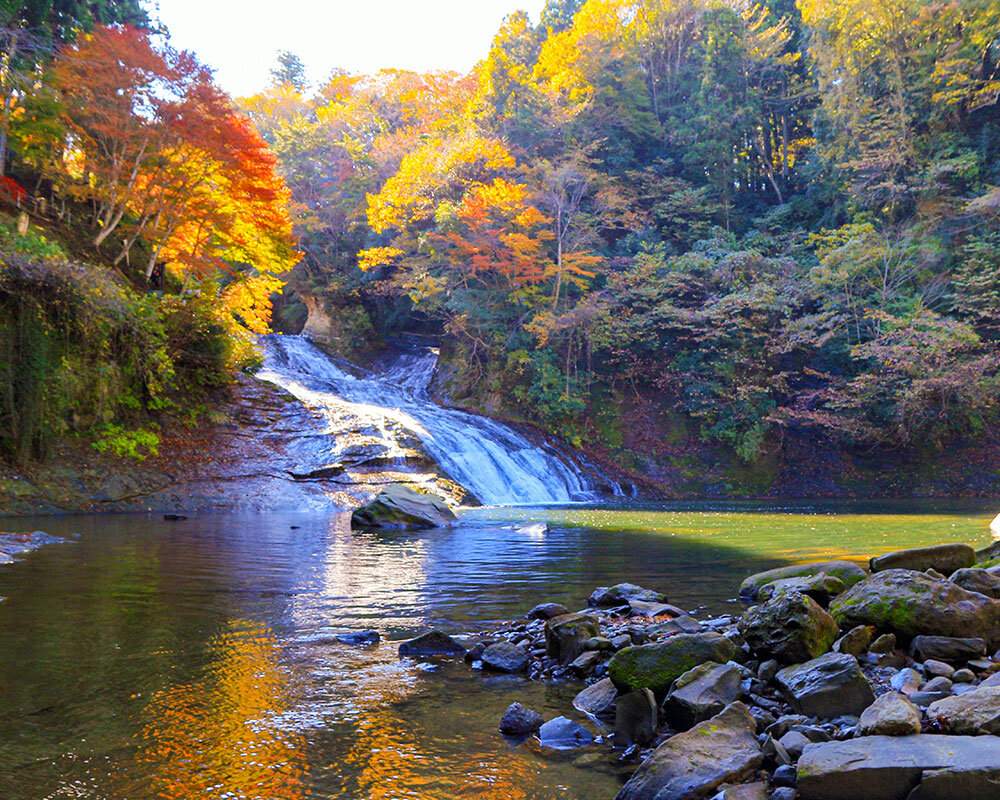
Yoro Gorge is a scenic gorge on the Boso Peninsula in Chiba Prefecture, where late-autumn leaves and Awamata Falls are the main sights, about 2 hours from Tokyo.
What Is Yoro Gorge? A Late-Autumn Foliage Hideaway on the Boso Peninsula
Yoro Gorge lies between Ichihara and Otaki in Chiba Prefecture, a long gorge along the Yoro River whose rock walls and waterfalls form the main scenery. Several travel sources call it the latest foliage spot in Kanto, a good finish to an autumn trip near Tokyo.
The gorge area has hiking trails, hot springs and geological sights, enough to fill a day trip, or you can stay a night nearby.

2026 Peak Color: Late November to Early December Is the Main Period
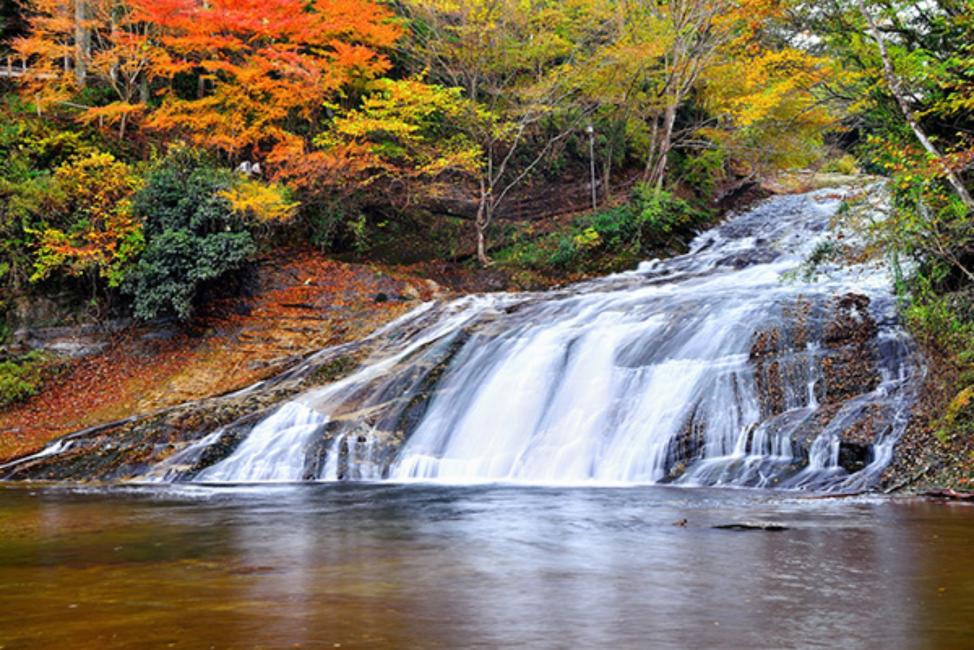
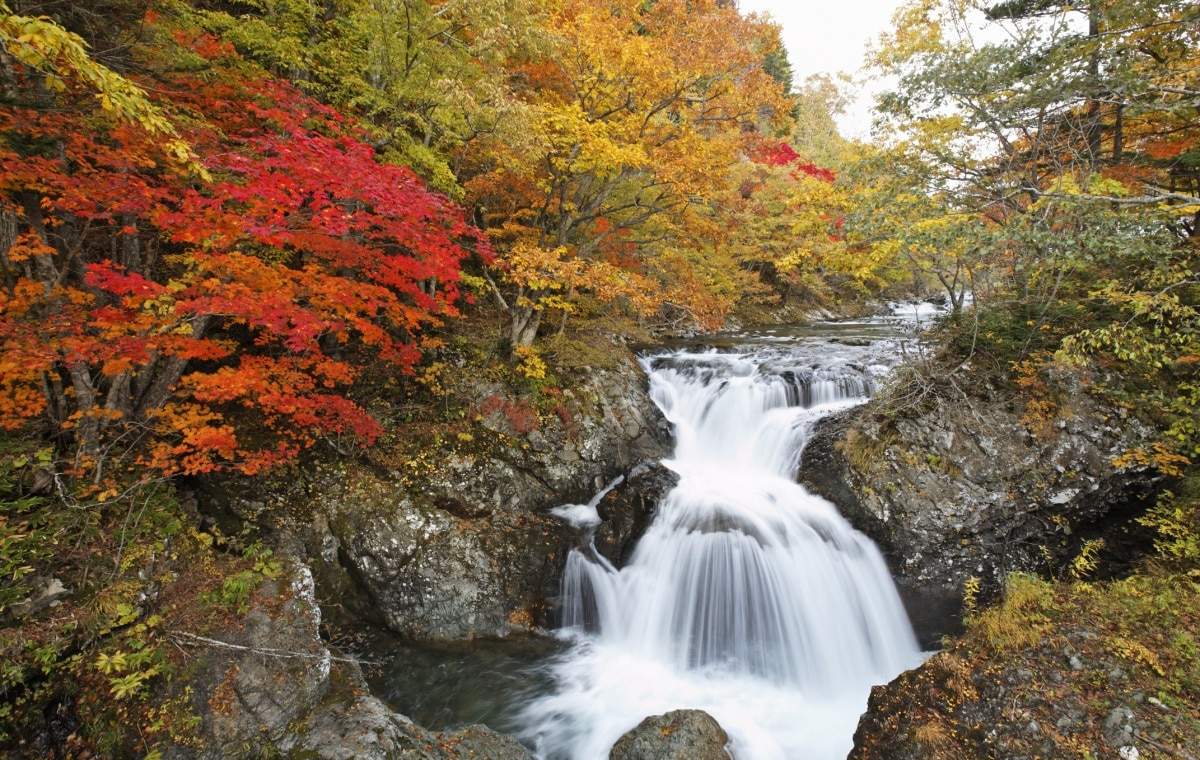
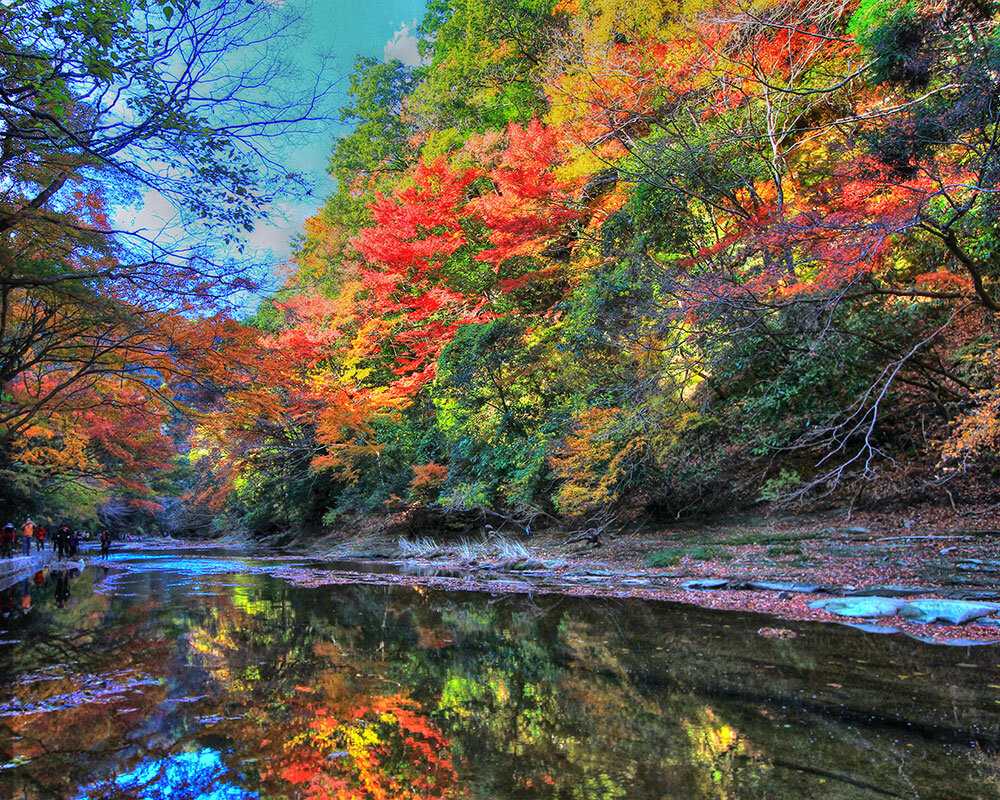
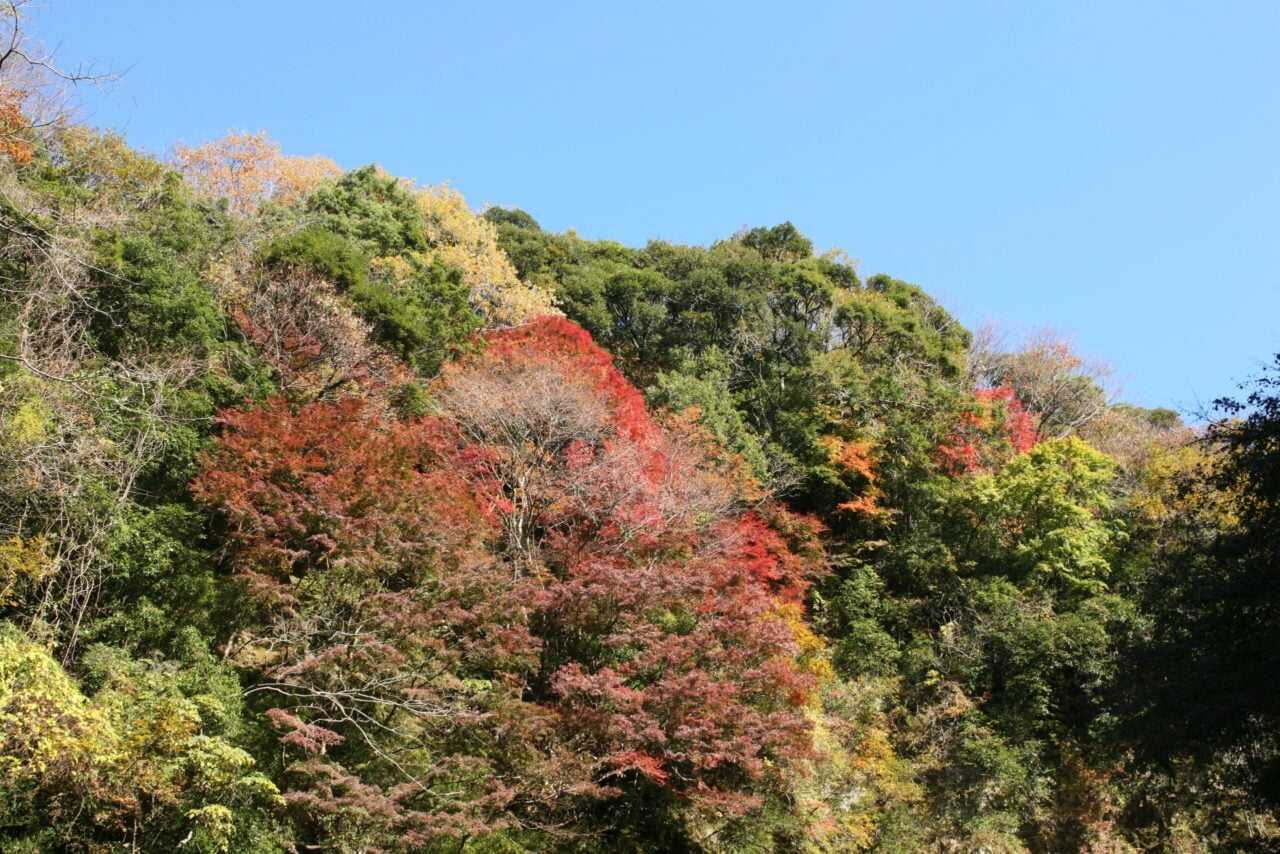
In general Yoro Gorge’s peak color is around late November to early December, lasting about two weeks, with red, yellow and gold mixed together. Some forecasts suggest the area around Awamata Falls may peak in early December, but actual timing depends on temperature and rainfall.
In a warm autumn peak color may come later, and in years with an early winter it may end sooner; check the latest information from the Ichihara City Tourism Association or Otaki Town before leaving.
Who It Suits: Day Trips, Families and Light Hiking
Most Yoro Gorge trails are gentle sections along the river, suited to travelers who want light hiking, photos or a hot spring. With elders or children, choose the short trails around Awamata Falls first.
Longer routes such as Daifukuyama and Umegase need a prior check of your fitness; watch trail times and return service.
How to Get to Chiba Yoro Gorge: 2026 Transport and Travel Times
How to Get to Yoro Gorge: Train, Route Bus and Driving at a Glance
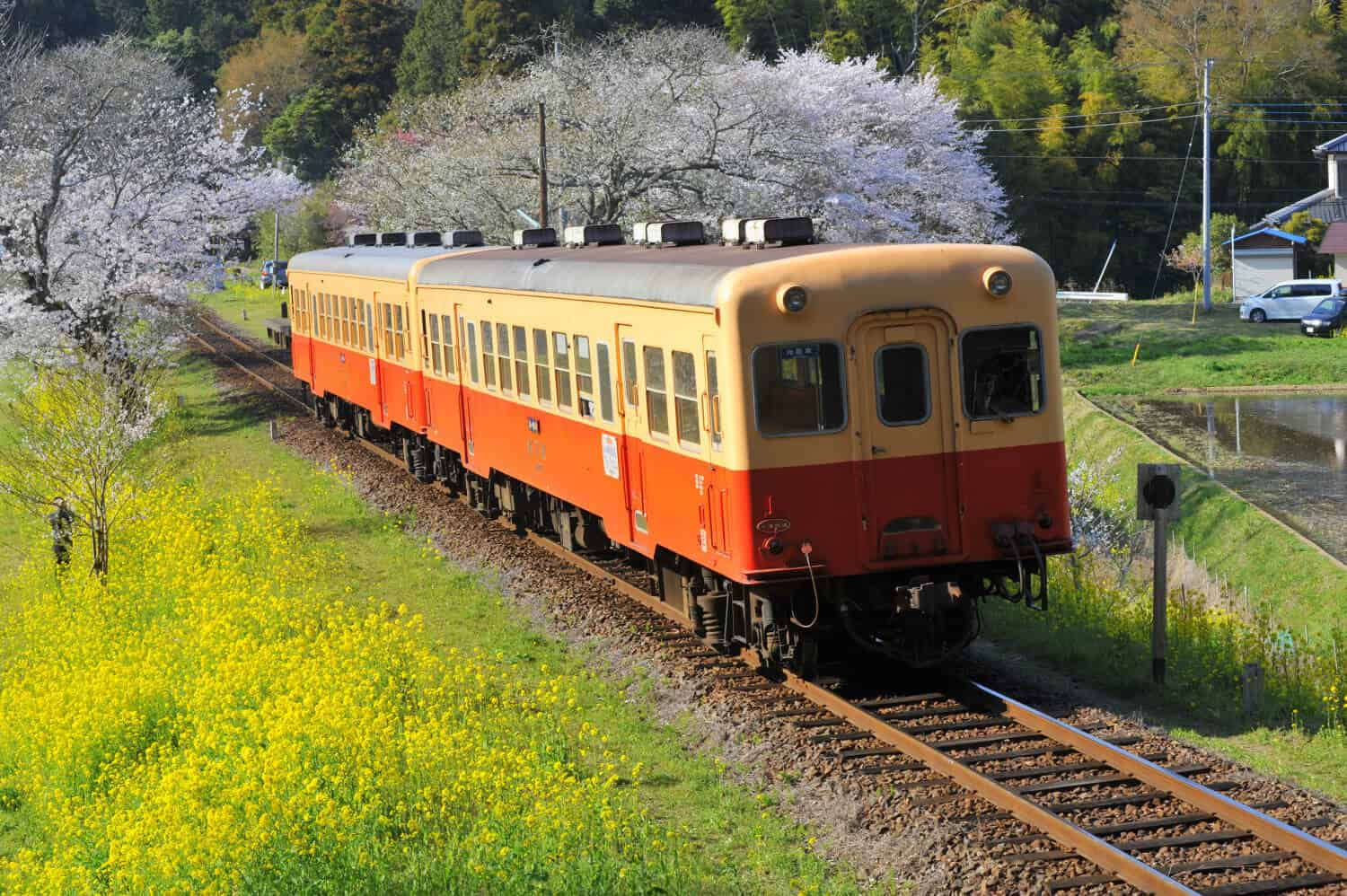
By train: take the JR Sobu Line Rapid, Keiyo Line or Uchibo Line from Tokyo Station to Goi Station in about 60 minutes, then the Kominato Railway to Yoro Keikoku Station in about 70 to 80 minutes. Suica and PASMO cannot be used on the Kominato Railway, so buy tickets on site.
The bus from Yoro Keikoku Station to Awamata Falls takes about 14 to 15 minutes, with few runs, and extra runs in the foliage season; on foot it is about 1.5 to 2 hours.
By car via the Tokyo Bay Aqua-Line; parking lots fill up easily, so leave early. A typhoon or heavy rain may close trails, so check the Ichihara City and Otaki Town tourism association announcements.
Must-See Spots at Chiba Yoro Gorge: Awamata Falls, Nakase Walking Trail and Kannon Bridge
Awamata Falls: The Niagara of the Boso Peninsula
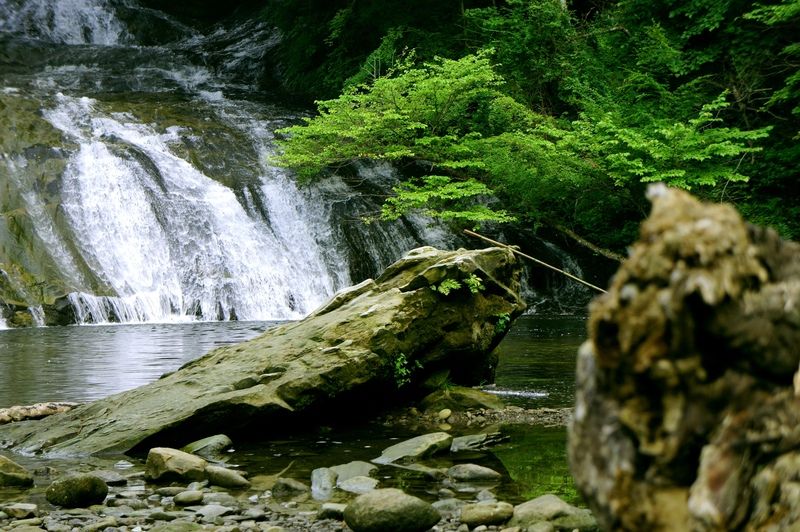
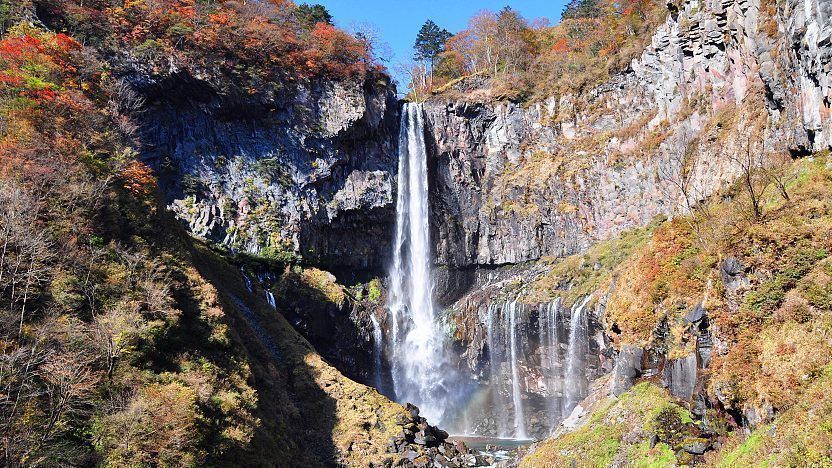
Awamata Falls is the finest waterfall in Boso, about 30 m high and about 100 m wide. Water slides down a gentle rock bed to form a sliding cascade, which earned it the name “Niagara of Boso.”
Viewing is free, and parking and the bus stop are nearby; stairs from the bus stop lead to the riverside. Crowds peak in the foliage season, so arrive in the morning for photos and parking.

Nakase Walking Trail: An Autumn Leaves Path Along the Yoro River
The Nakase Walking Trail runs along the Yoro River bank and is the gorge’s most recommended autumn leaves walk. The trail requires stepping across river stones several times, so take special care when the stones are wet.
The Nakase area is also one of the evening illumination areas, so after walking the trail by day, leave time at dusk to photograph the leaves and lights.
Kannon Bridge and Rikkokuji: A Red Drum Bridge and the Shusse Kannon
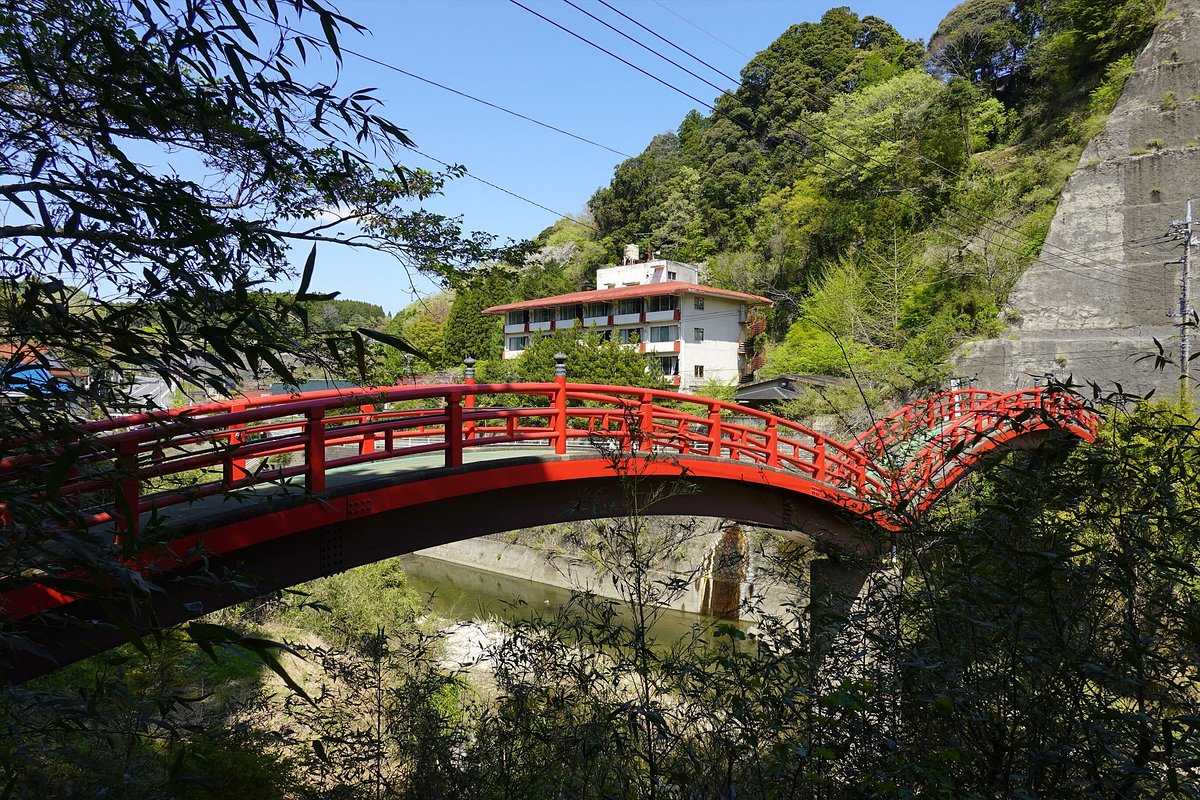
Kannon Bridge spans the Yoro River, and its red drum bridge shape framed with autumn leaves is one of the gorge’s most representative photo spots.
Rikkokuji Temple beside the bridge enshrines the “Shusse Kannon”; whether goshuin and amulets are available is as the temple decides on site.
Kobun-do Ruins: A Cliff Formed by a Tunnel Collapse
The Kobun-do ruins are, according to records, an artificial tunnel cut about 140 years ago to open farmland. A collapse in 1979 created the present cliff scenery, and the cave and exposed rock wall are witnesses to the gorge’s history.
Getting there means crossing river stones that may be slippery, so wear non-slip shoes, watch the stream level; going after rain is not advisable.
Umegase Gorge: An Autumn Gorge of Red and Yellow
Umegase Gorge is known for its red and yellow autumn maples and is one of the foliage spots around Yoro Gorge. The rock walls belong to the Umegase Formation, and their texture is something geology fans often look at.
The trail crosses the river on stones many times, so check that day’s weather and trail status before you go.
Tsutsumori Momiji Valley: A Foliage Spot Away from the Main Crowds
Tsutsumori Momiji Valley is a foliage spot near the gorge, listed by the weather information company Weathernews as one of its autumn leaves observation points, suited to visitors who want to avoid the crowds at Nakase and Awamata Falls.
It is not along the main trails, so check transport and walking time on a map before you go, and see whether access is open that day.
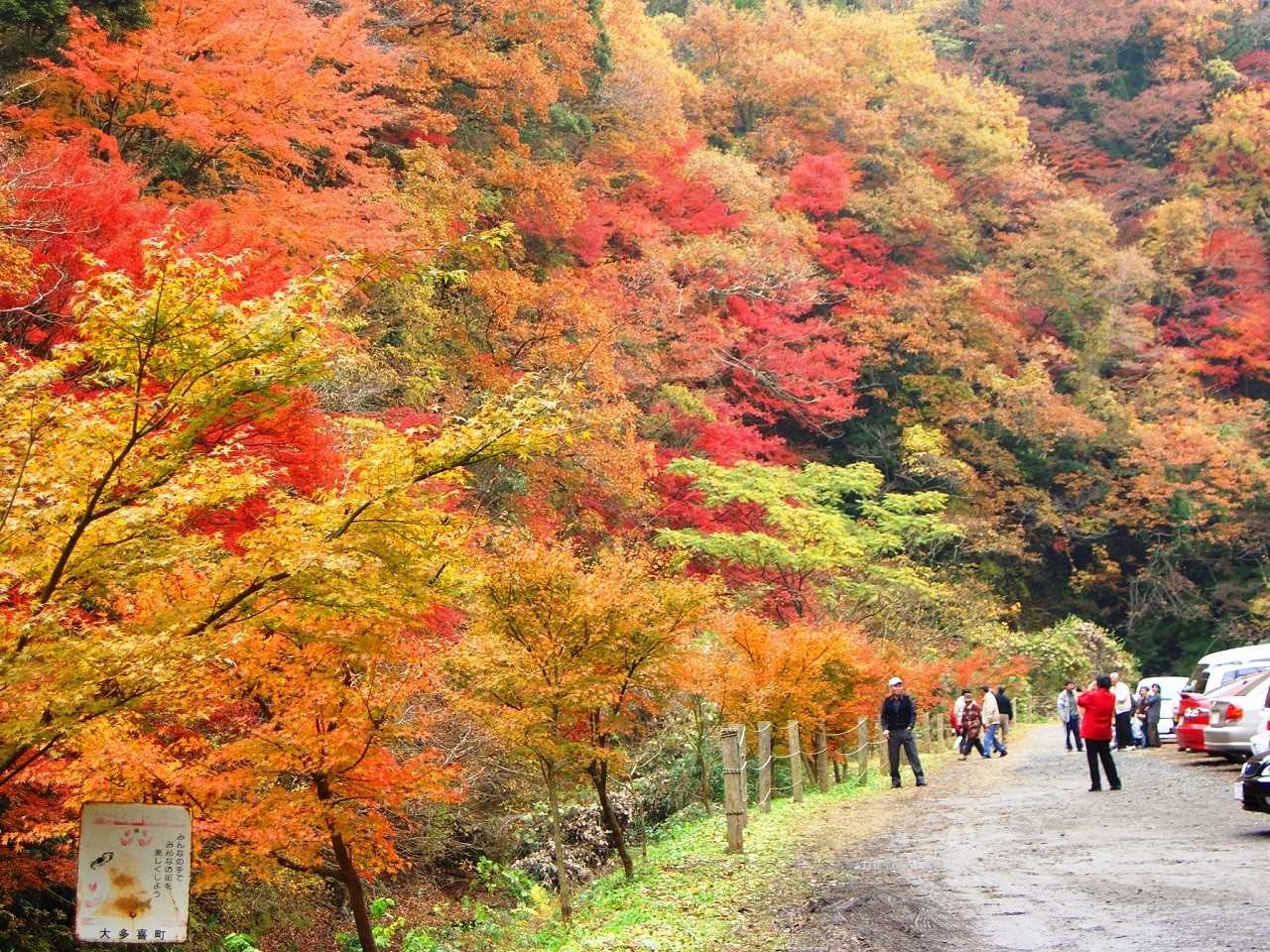
Yama no Eki Yoro Keikoku Kirari: A Base for the Autumn Leaves Festival and Illumination
Yama no Eki Yoro Keikoku Kirari is the gorge’s rest and information base. An autumn leaves festival is held there in the foliage season; in 2025 it ran November 29 to December 7, 10:00 to 15:00, with more events on weekends. The 2026 schedule follows the official announcement.
It is also one of the autumn leaves illumination sites, handy for a rest or shopping on the way.

Chiba Yoro Gorge Admission and Guided Tours: Day Trips and Hot Spring Combinations
Awamata Falls, the trails and the foliage viewing areas at Yoro Gorge are all free to visit, so costs come mainly from transport and hot springs. The evening illumination is also one of the gorge’s highlights.
Autumn Leaves Evening Illumination Walk: Awamata Falls and the Nakase Walking Trail
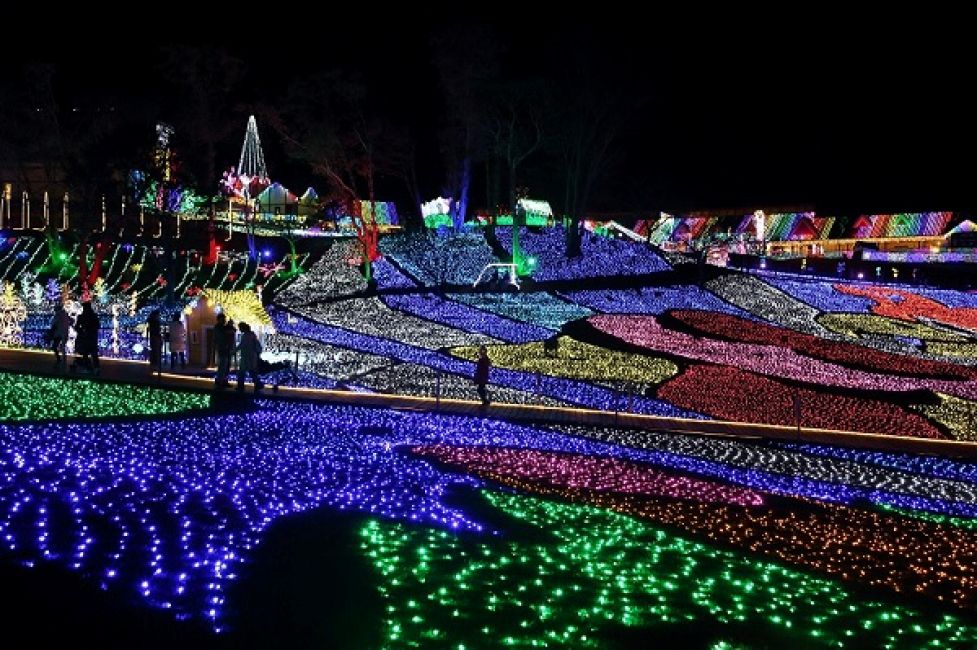
In the foliage season some spots hold evening illumination, including Awamata Falls, Kannon Bridge and the Nakase Walking Trail. In 2025 it ran November 23 to December 10, 17:00 to 21:00.
The official 2026 schedule has not been announced, so check the Yoro Gorge tourism association or Otaki Town announcements before you go. Many parts of the night trails have no lighting, so bring a flashlight and leave time for return transport.
Side Trip Tips for Chiba Yoro Gorge: Route Order and Where to Stay
Lodging and Returning: Staying Over or Going Back the Same Day
If you want to see hot springs and the evening illumination together, consider staying a night near the gorge; nearby hot spring inns can be compared on your own.
On a same-day return, return trains and buses in the foliage season fill up more easily, so check the last Kominato Railway and bus times in advance to avoid being stranded. For lodging options, see a separate accommodation guide.
Further Reading: Kanto Autumn Leaves Roundup
Chiba Yoro Gorge Autumn Leaves Guide FAQ
Q: When are the Yoro Gorge autumn leaves best in 2026?
Generally late November to early December, for about two weeks. For the exact 2026 peak, check the Ichihara City Tourism Association or Otaki Town tourism information before leaving, and go by that week’s conditions.
Q: How much is admission to Yoro Gorge?
The gorge trails and Awamata Falls are mostly free to visit, while hot springs, transport and some activities cost extra. Facility prices follow official announcements, so confirm before you go.
Q: What is the fastest way from Tokyo to Yoro Gorge?
Take JR to Goi Station, then the Kominato Railway to Yoro Keikoku Station, about 2 to 2.5 hours in all including the transfer. Driving time depends on traffic, and roads are crowded in the foliage season, so the train is more reliable.
Q: What time does the Yoro Gorge illumination start?
Based on past years, lighting is mostly 17:00 to 21:00; the 2026 schedule and locations follow announcements from Yama no Eki Yoro Keikoku Kirari or the tourism association.
Q: What should I watch for at Yoro Gorge?
Trails may be slippery, so wear non-slip shoes and clothes you can move in. Most trails have no lighting, so leave before sunset and keep an eye on the weather and stream conditions.