Kanto Autumn Foliage 2026: How to Plan Nikko, Hakone, Mt. Takao and Okutama by Elevation
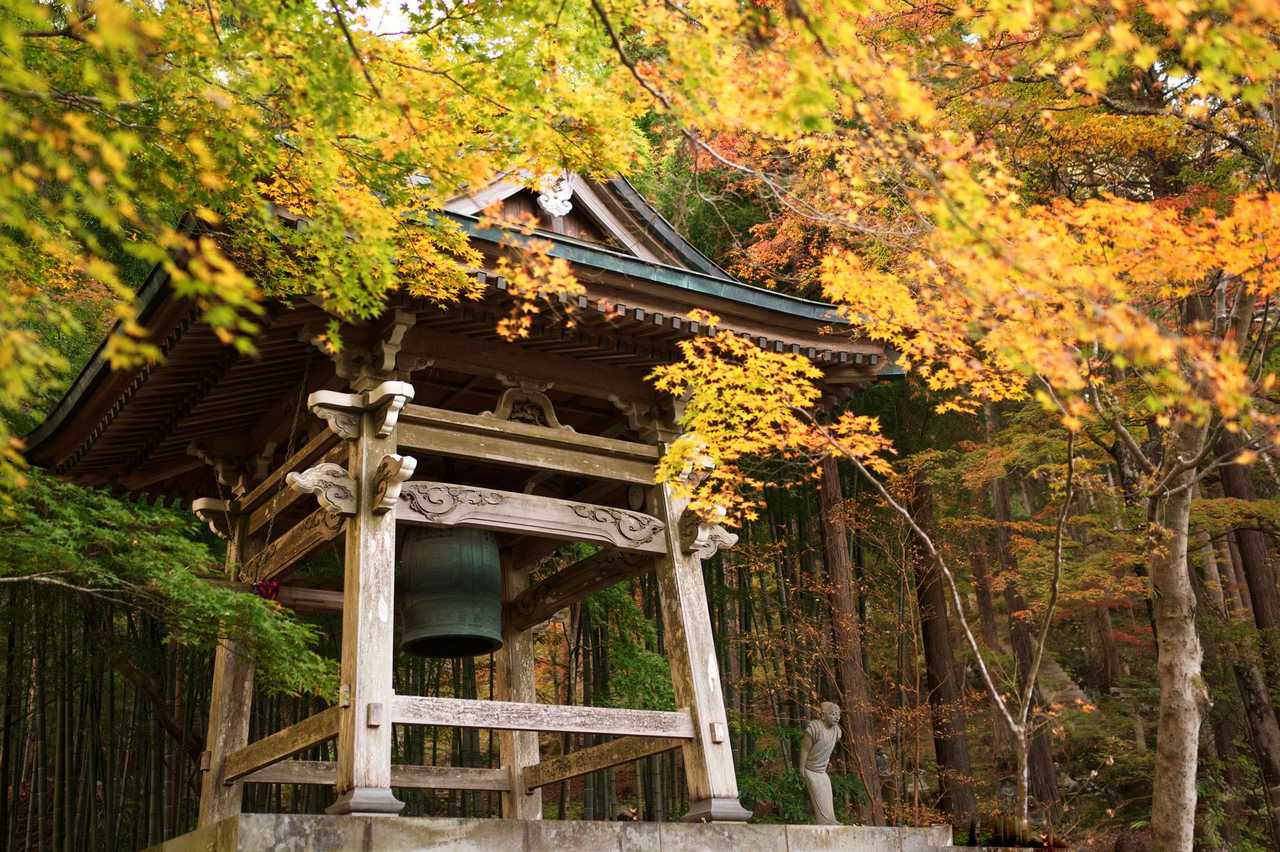
In 2026, Kanto’s leaves change from high elevation to low, with Nikko first and Mt. Takao last. The four areas mostly lack direct links, so itineraries usually route through Tokyo and split into two trips or day trips according to peak timing.
Foliage Timeline: Nikko First, Mt. Takao Last
Lake Yunoko and Lake Chuzenji are the highest, with Lake Yunoko at peak from about early to mid October and Lake Chuzenji at its best in about late October.
Lake Okutama peaks around early to mid November, Hakone’s Lake Ashi and Gora in about early to late November, and Mt. Takao from about mid to late November. Forecasts vary slightly each year, so check the latest peak-timing forecast before you go.
Three Ways to Plan: Everything, Two Trips, or One Deep Stop
To see everything in one go, try a 4-day, 3-night variation in mid-November: Day 1 Nikko (round trip from Asakusa on the Tobu limited express), Day 2 Lake Okutama, Day 3 Mt. Takao then Hakone, Day 4 Hakone Ropeway and Lake Ashi.
For two trips, go to Nikko’s Lake Chuzenji and Akechidaira from mid to late October, then Hakone and Mt. Takao from mid to late November. With only one day, a round trip to Lake Okutama in early November is the more time-efficient choice.
Foliage Season Pitfalls: Irohazaka, Mt. Takao and Hakone Luggage
Irohazaka in Nikko often jams on weekends in late October, so take the first bus to Lake Chuzenji and leave early.
The Mt. Takao cable car queue can exceed 1 hour in peak season, so arrive before 8:00 or hike up Trail 1. In Hakone, use the luggage delivery service at Hakone-Yumoto Station to send bags to your hotel before taking the ropeway.
Getting There: Transport and Passes
How to Reach Nikko, Hakone, Mt. Takao and Okutama at a Glance
Mt. Takao: the Keio Line runs direct from Shinjuku to Takaosanguchi Station, then switch to the Takao mountain train and summit cable car.
Hakone: take the Odakyu limited express from Shinjuku to Hakone-Yumoto; an Odakyu Hakone Freepass is available.
Nikko: take the Tohoku Shinkansen from Tokyo Station to Utsunomiya and change to the JR Nikko Line, about 2 hours in all. From Asakusa, a Tobu limited express runs direct, and a Tobu Nikko pass is also available.
Okutama: take the JR Chuo and Ome Lines to Okutama Station, with an Okutama Express on holidays, then a bus to the lake. The JR Tokyo Wide Pass covers this stretch.
Local buses: service around Irohazaka in Nikko and Lake Okutama is limited, so confirm routes before you go.


Must-See Spots: Highlights by Area
Below are the highlights by area: Nikko, Hakone, Mt. Takao, Okutama and greater Tokyo.
Nikko Toshogu Shrine: Tokugawa Ieyasu’s Lavish Mausoleum
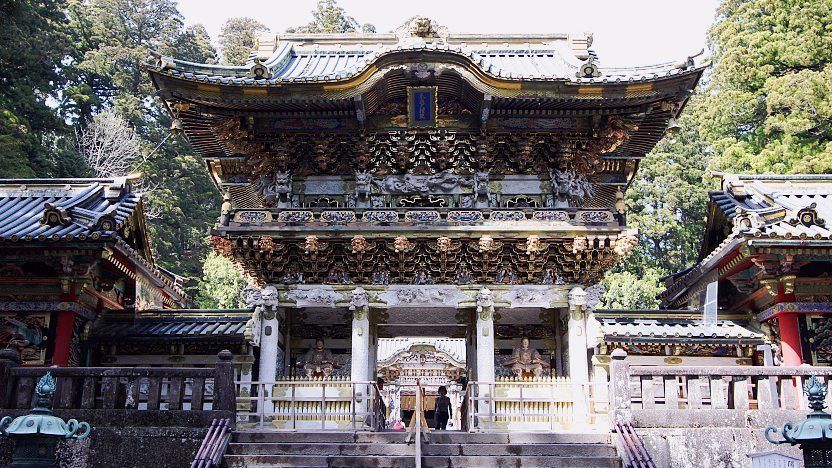
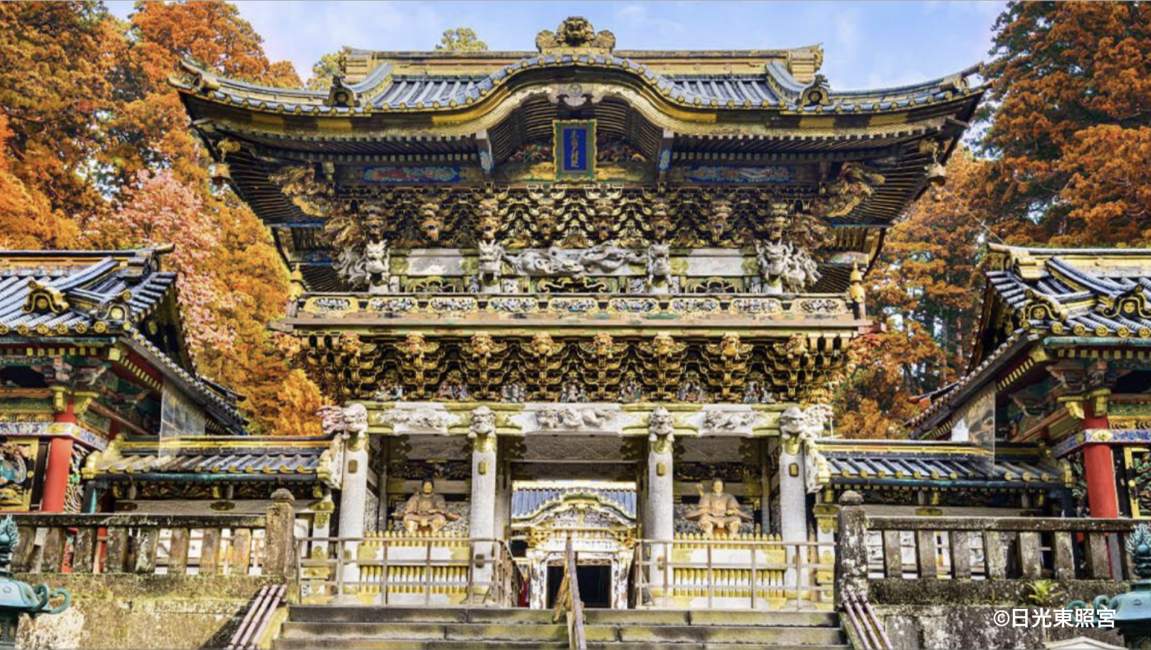
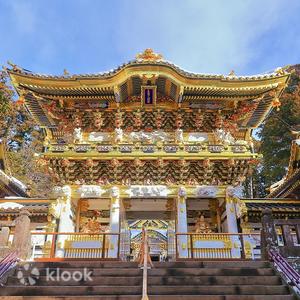
Nikko Toshogu Shrine enshrines Tokugawa Ieyasu, the first Edo shogun. The intricately carved Yomeimon Gate stands out, and the “Nemuri-neko” (sleeping cat) is the best-known small carving. Goshuin are available on the grounds, and in autumn the maples and the cedar-lined approach give the most layered views.
Nikko Toshogu Shrine is open 09:00 to 17:00, closing at 16:00 from November to March. Check the official site for ticket prices; plan about 1.5 to 2 hours.

Kegon Falls and Lake Chuzenji: Lakeside Foliage Above 1,200 m
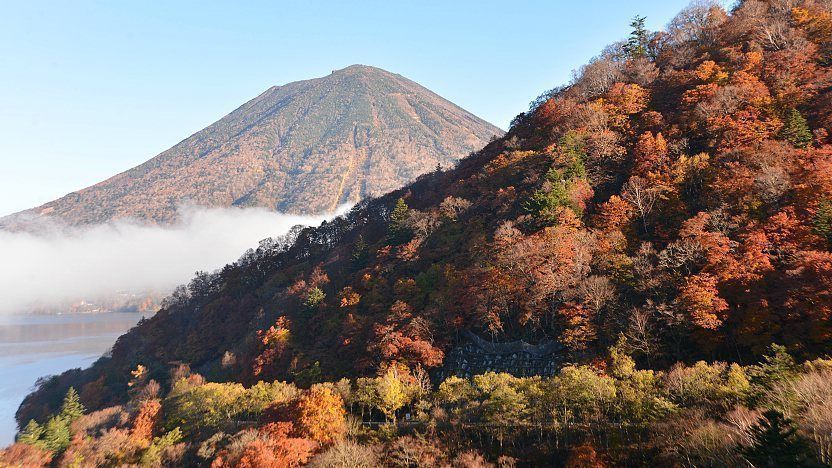
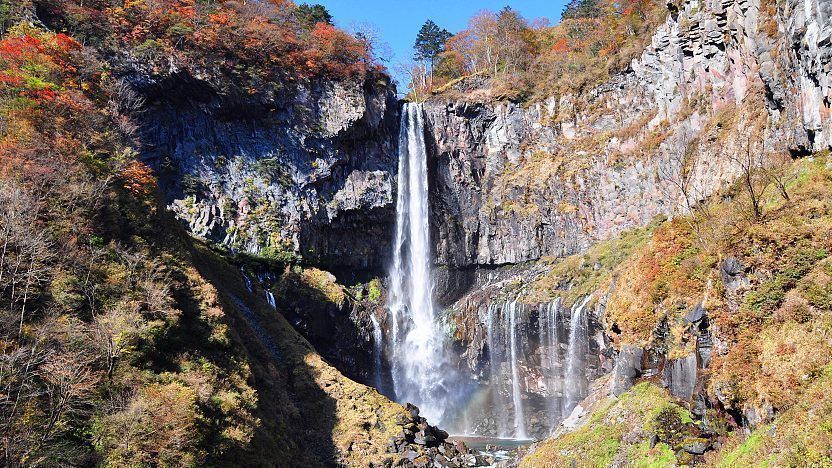
Lake Chuzenji lies at about 1,270 m, with Mt. Nantai visible across the lake, and the 97 m Kegon Falls sits on the river that drains it. Lake Chuzenji is at its best in about late October.
Sightseeing boats run on the lake, and in autumn you can frame Mt. Nantai together with the lakeside maples.

Lake Yunoko and Senjogahara: Nikko’s Earliest Highland Marsh Colors
Lake Yunoko lies at about 1,400 m or higher and is one of the first places in Oku-Nikko to change color, peaking from about early to mid October. Senjogahara beside the lake is a highland marsh, with grassland and maples in distinct layers in autumn.
The way to Lake Yunoko passes Irohazaka, and uphill traffic is heavy in foliage season, so take the first bus and leave early.
Ryuokyo Gorge: Late-Autumn Color Along the Kinugawa River
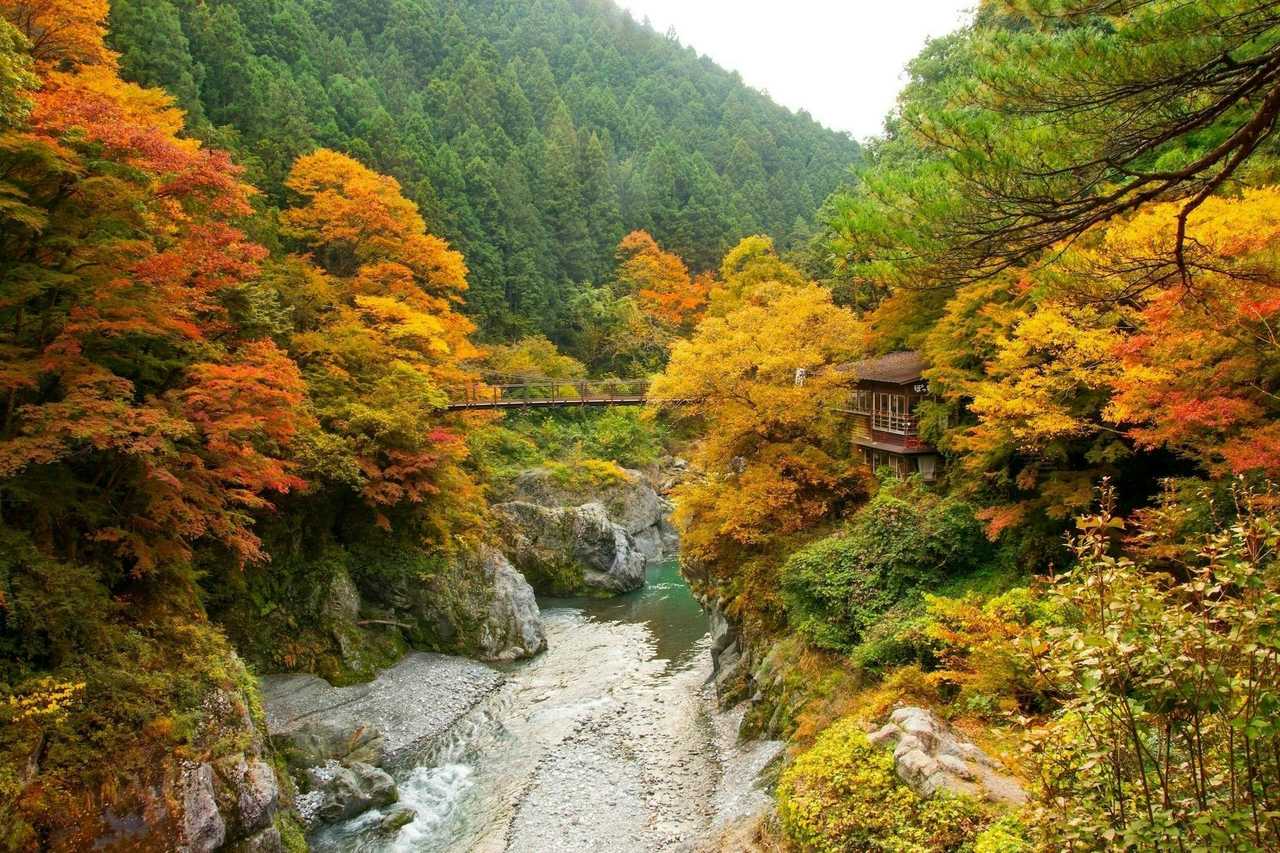
Ryuokyo Gorge is in the Kinugawa Onsen area, and foliage along the gorge runs from about late October to mid November. Kinugawa Onsen also lets you soak, and some inns have open-air baths for watching the maples while you bathe.
It lies on the Kinugawa side of Nikko, and is easier to reach from Asakusa by Tobu Railway. It suits an itinerary in mid to late November.
Hakone Gora Park: Flowers and Maples on a Mountainside Garden
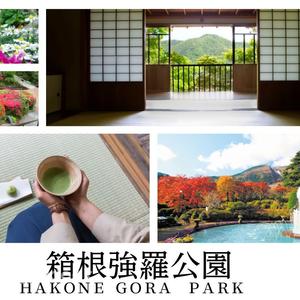
Gora Park is at 1300 Gora, Hakone-machi, Ashigarashimo-gun, divided into several gardens by terrain, with maples spreading in tiers through the valley in autumn. Around mid-November is Hakone’s main foliage period, when the garden looks best.
It is open 09:00 to 17:00, with last entry at 16:30, and junior high school students and older need a ticket. It is along the Hakone Tozan Railway, so it is easy to reach.
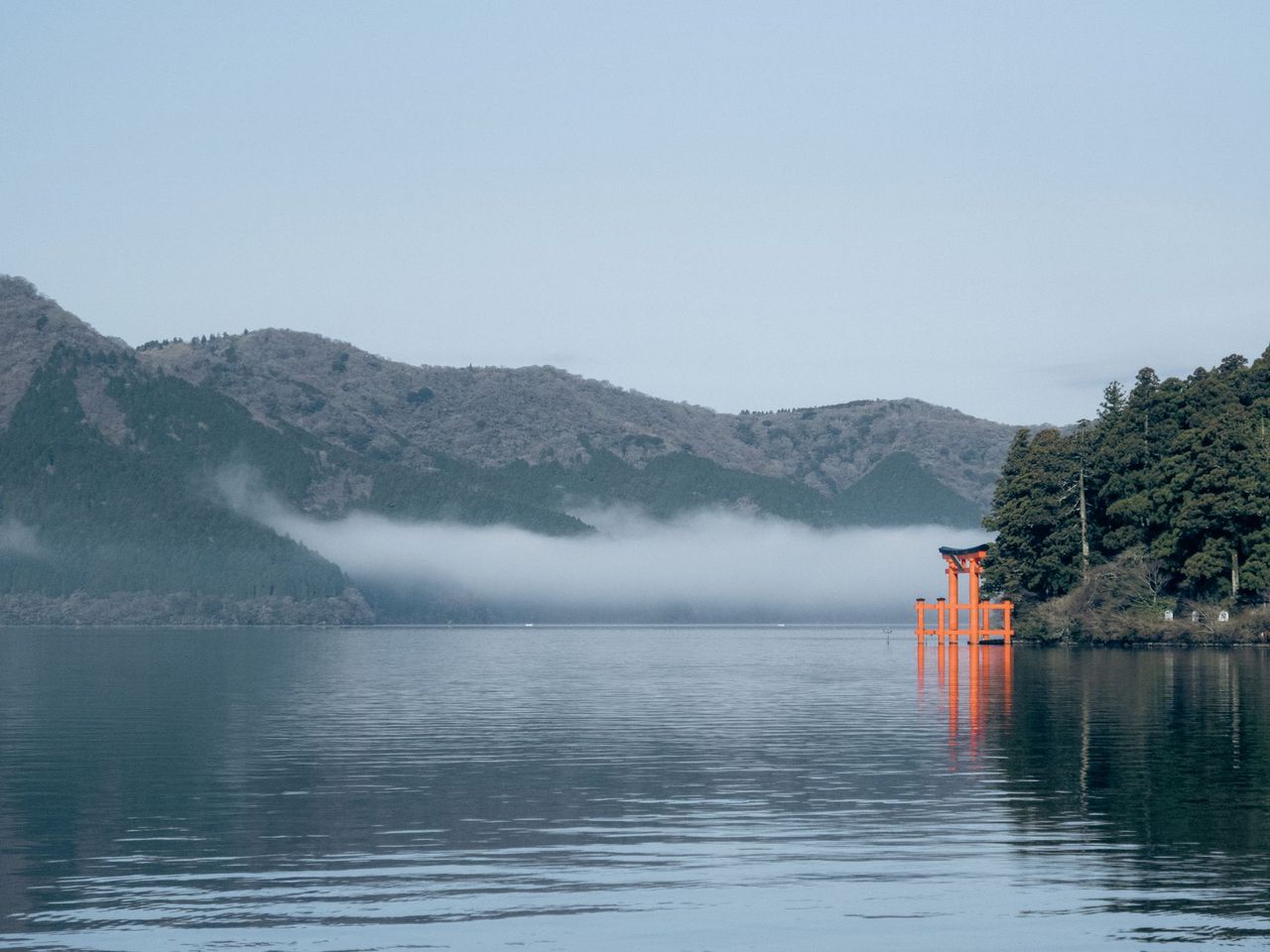
Hakone Shrine and Lake Ashi: Autumn Color Behind the Lakeside Torii
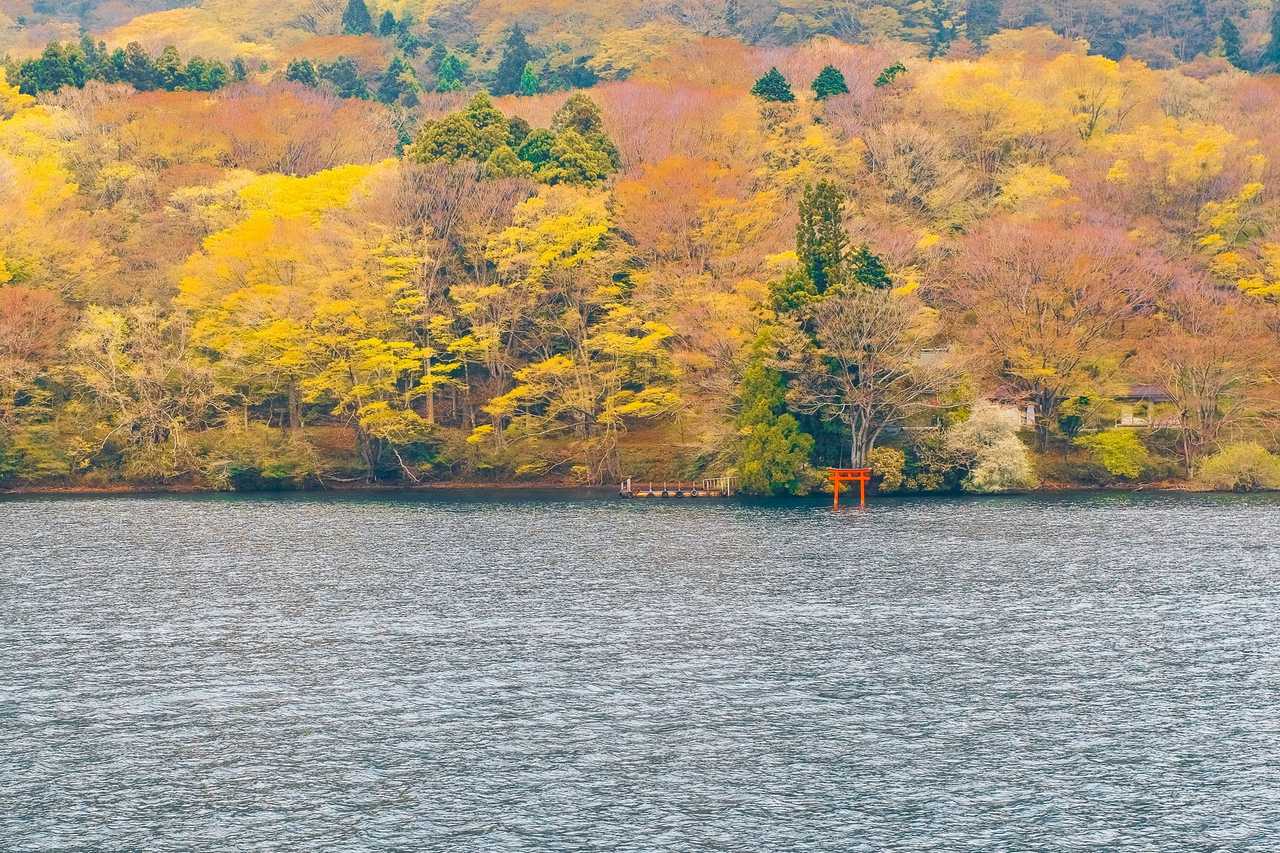
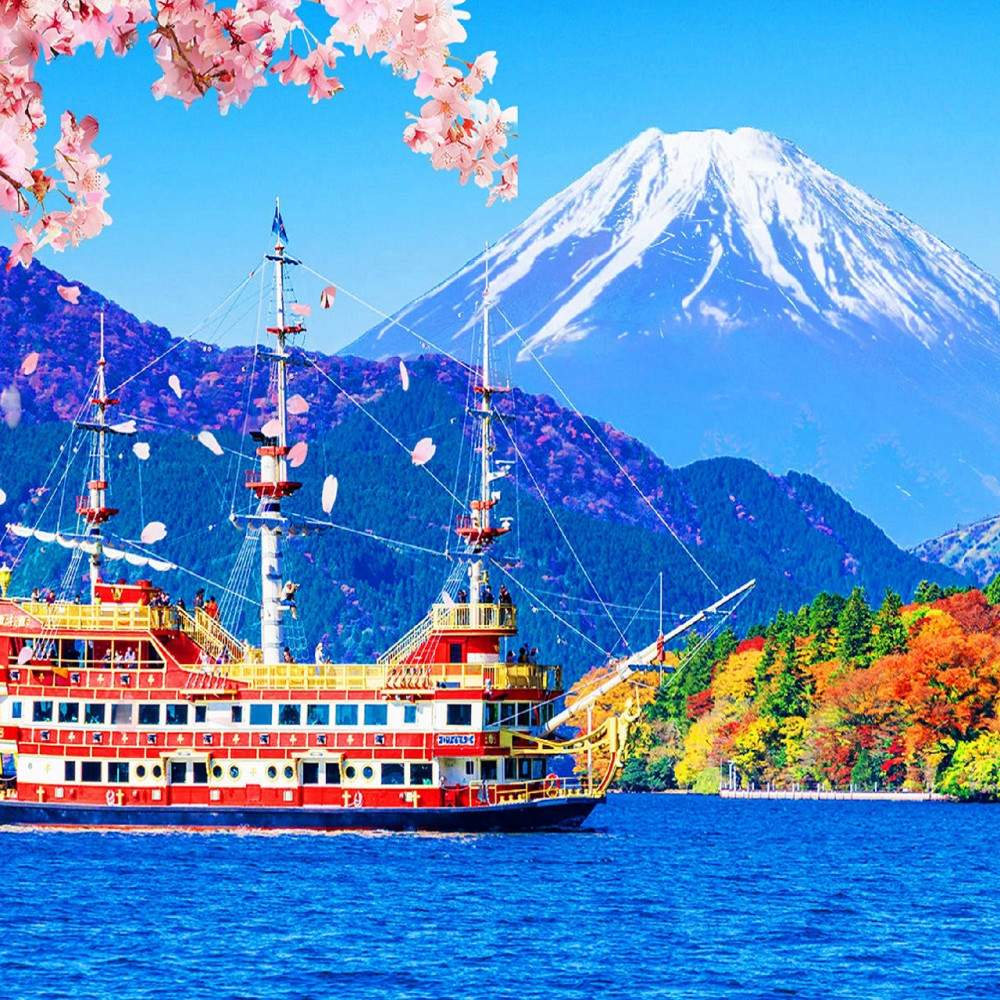
Hakone Shrine stands on the shore of Lake Ashi, where the “Peace Torii” in the water against the maples forms Hakone’s most iconic scene. Omamori and goshuin are available, and it is a common stop on Hakone trips.
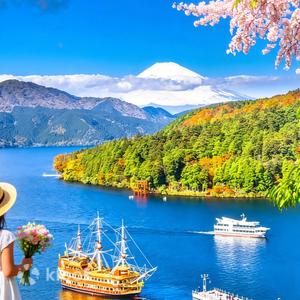
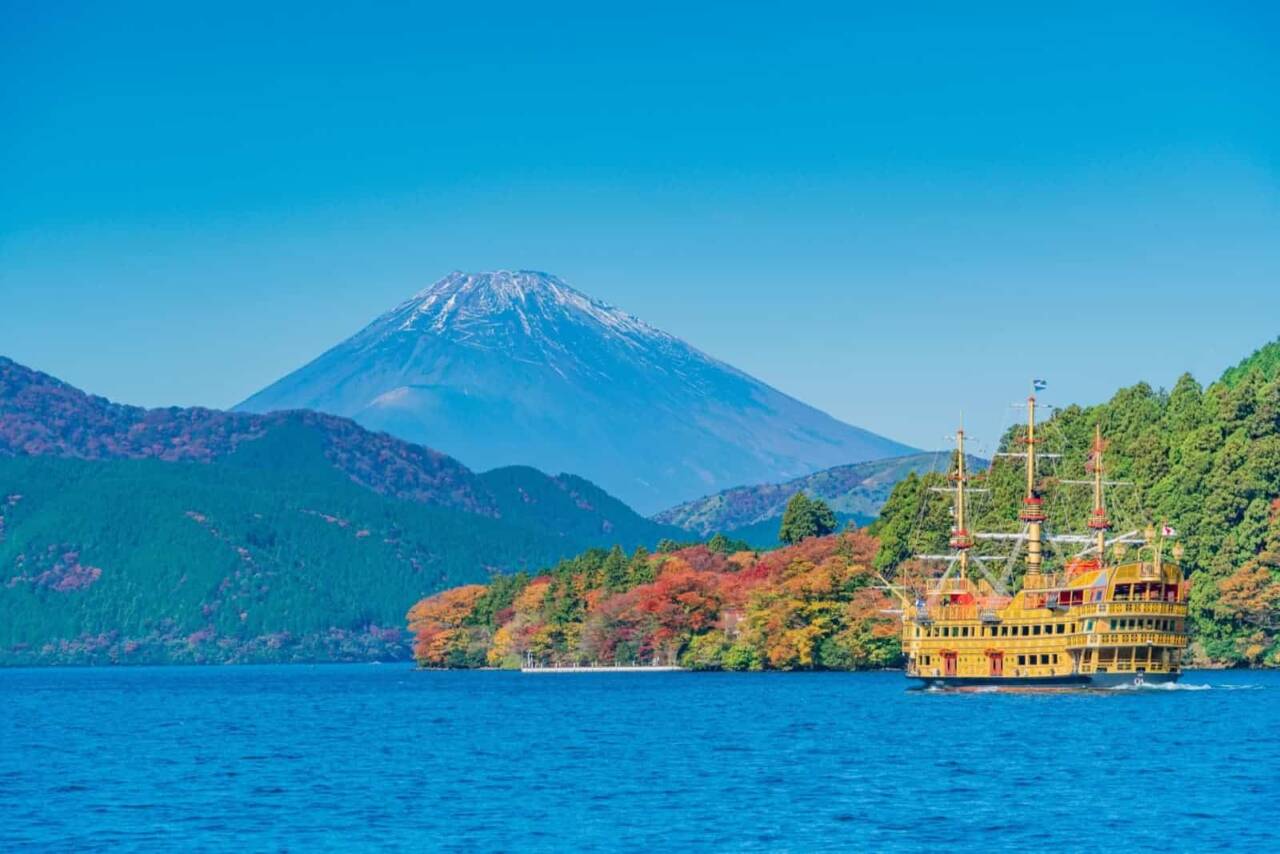
From Hakone-Yumoto, take a Hakone Tozan bus or the pirate-ship cruise to the lakeside. It is windy on the lake, so bring a jacket for boat rides in autumn.
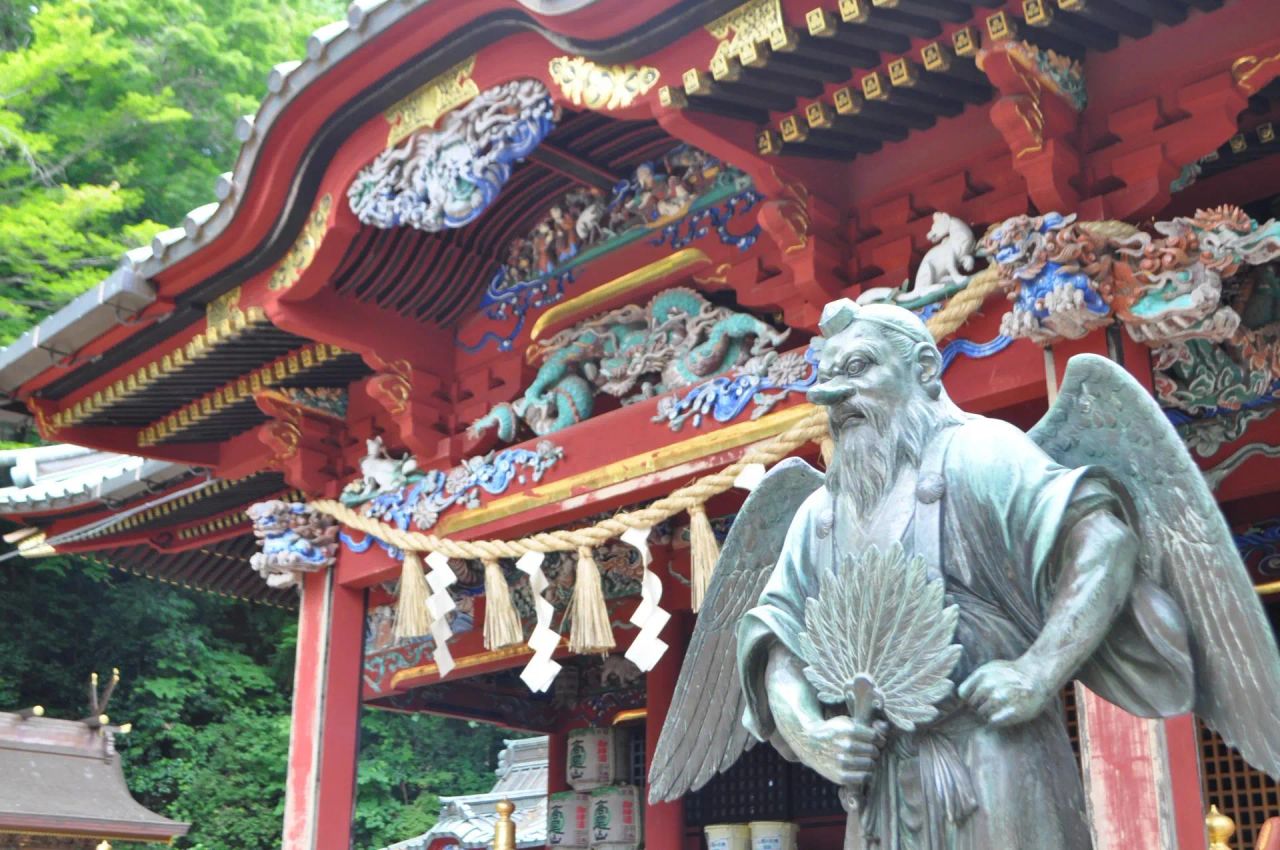
Mt. Takao’s Yakuo-in: Tengu Legends and a Cedar-Lined Approach
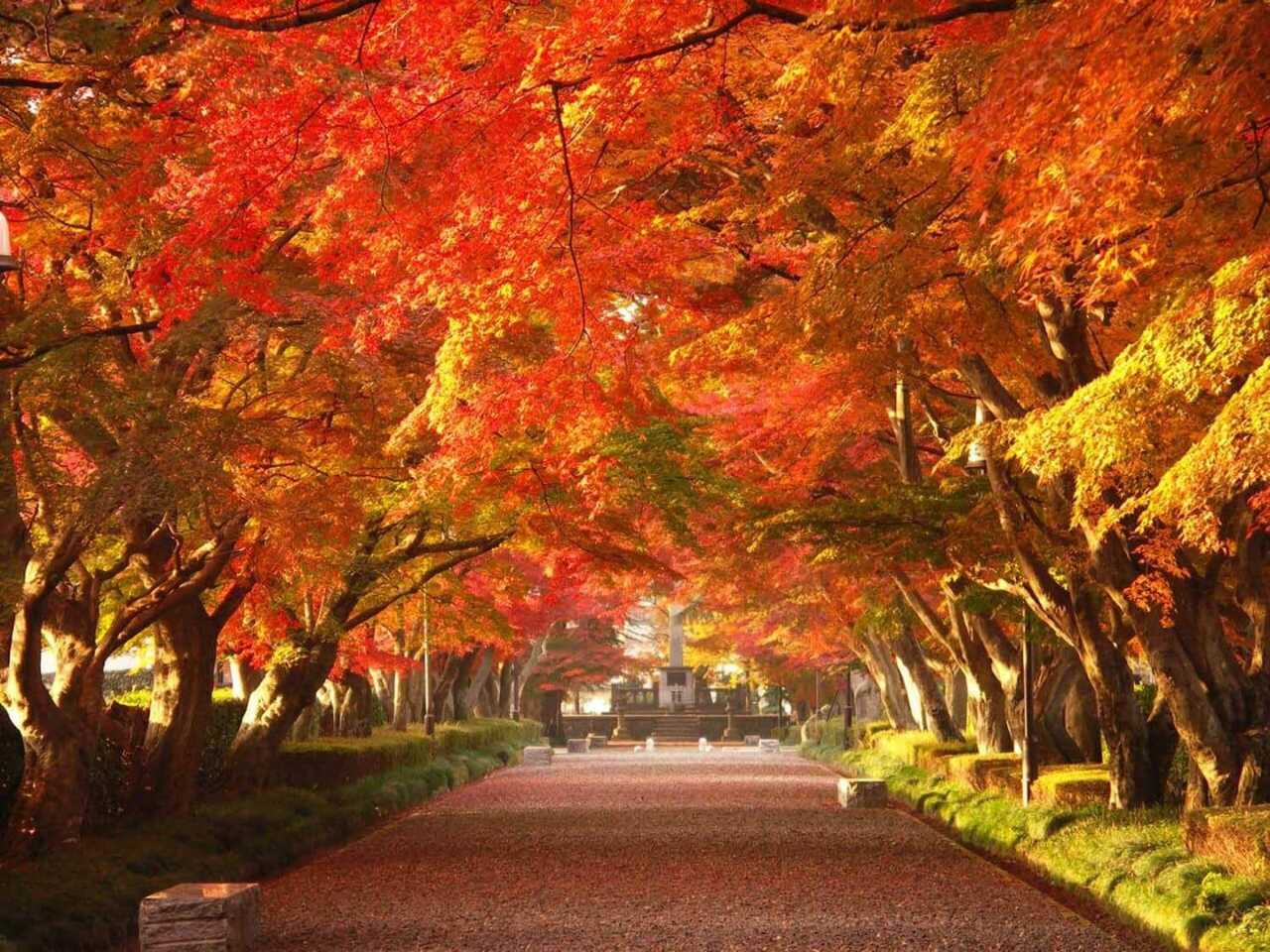
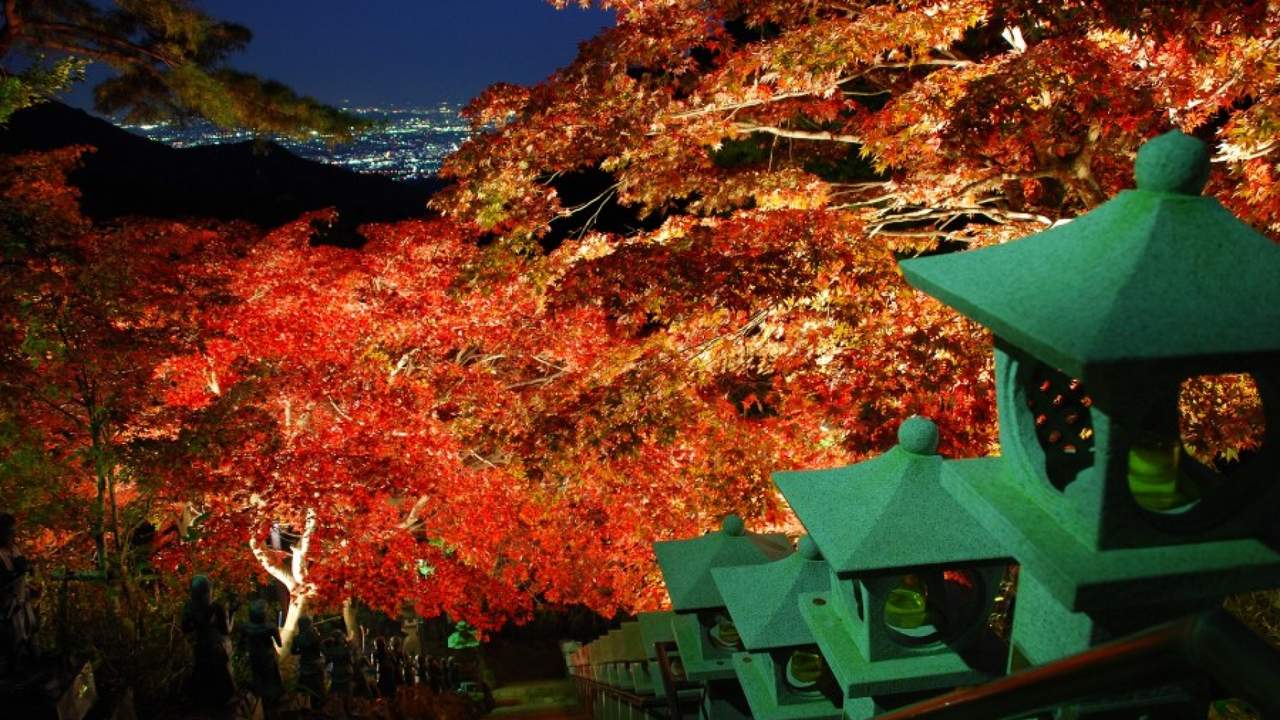
Yakuo-in is a temple of the Chizan branch of Shingon Buddhism, with tengu beliefs and a cedar-lined approach, and it is the spiritual heart of Mt. Takao. Omamori and goshuin are available at the temple, and in autumn the maples and cedar forest complement each other.
Mt. Takao is 599 m high, with peak foliage forecast for about mid to late November. The mountainside approach can be walked year-round.
Lake Okutama: Tokyo’s Largest Reservoir and Mountain Foliage
Lake Okutama is a man-made lake formed by the Ogochi Dam and is the largest reservoir in Tokyo. The mountains around it turn red from early to mid November, and the leaves reflected in the water are the main sight.
From Shinjuku, take the JR Chuo and Ome Lines to Okutama Station, then a bus to the lake. About 2 hours from central Tokyo, it is one of the few nearby choices in Tokyo for mountain foliage.
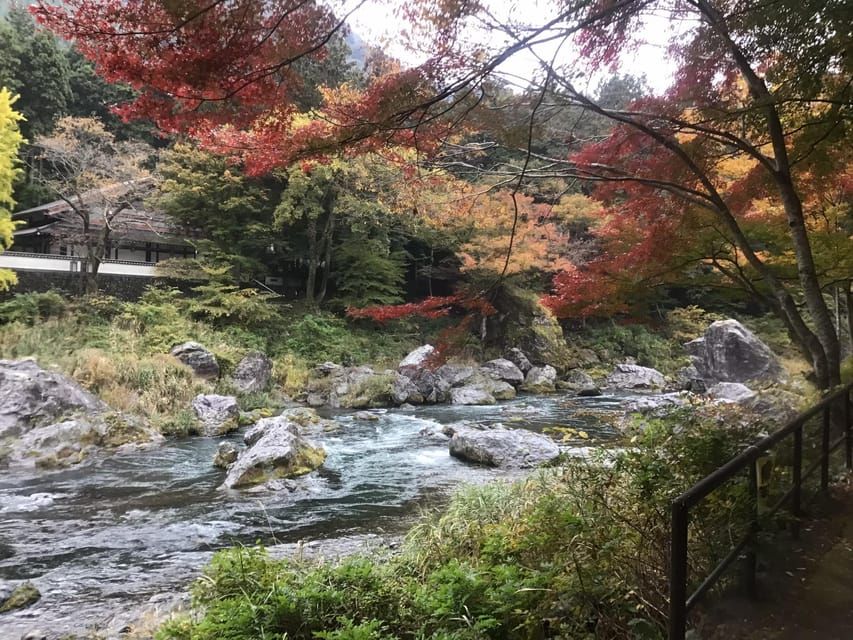
Mitake Gorge: A Foliage Trail in One of Japan’s 100 Selected Famous Waters
Mitake Gorge is in Ome, with a riverside trail of about 4 km where maples and rocks frame the clear stream in autumn. A visit to nearby Sawanoi Brewery can be arranged.
Take the JR Ome Line to Mitake Station and walk straight into the gorge. The trail is about 4 km long, and visits generally take 2 to 3 hours.
How Much Does It Cost? Tickets and Tours
Nikko Day Trip: Toshogu and Lake Chuzenji From Tokyo
A Nikko day trip from Tokyo usually covers Toshogu Shrine, Kegon Falls and Lake Chuzenji. It has a single route with no transfers to plan, which suits a one-day foliage trip. KKday and Klook offer packages that include transport and tickets.
A day trip takes longer, so if you want to stay at a Nikko hot spring, choose a two-day, one-night tour. Traffic is heavy in foliage season, so a tour with private transfers is the better choice.
Hakone Day Trip: Gora, Lake Ashi and Owakudani
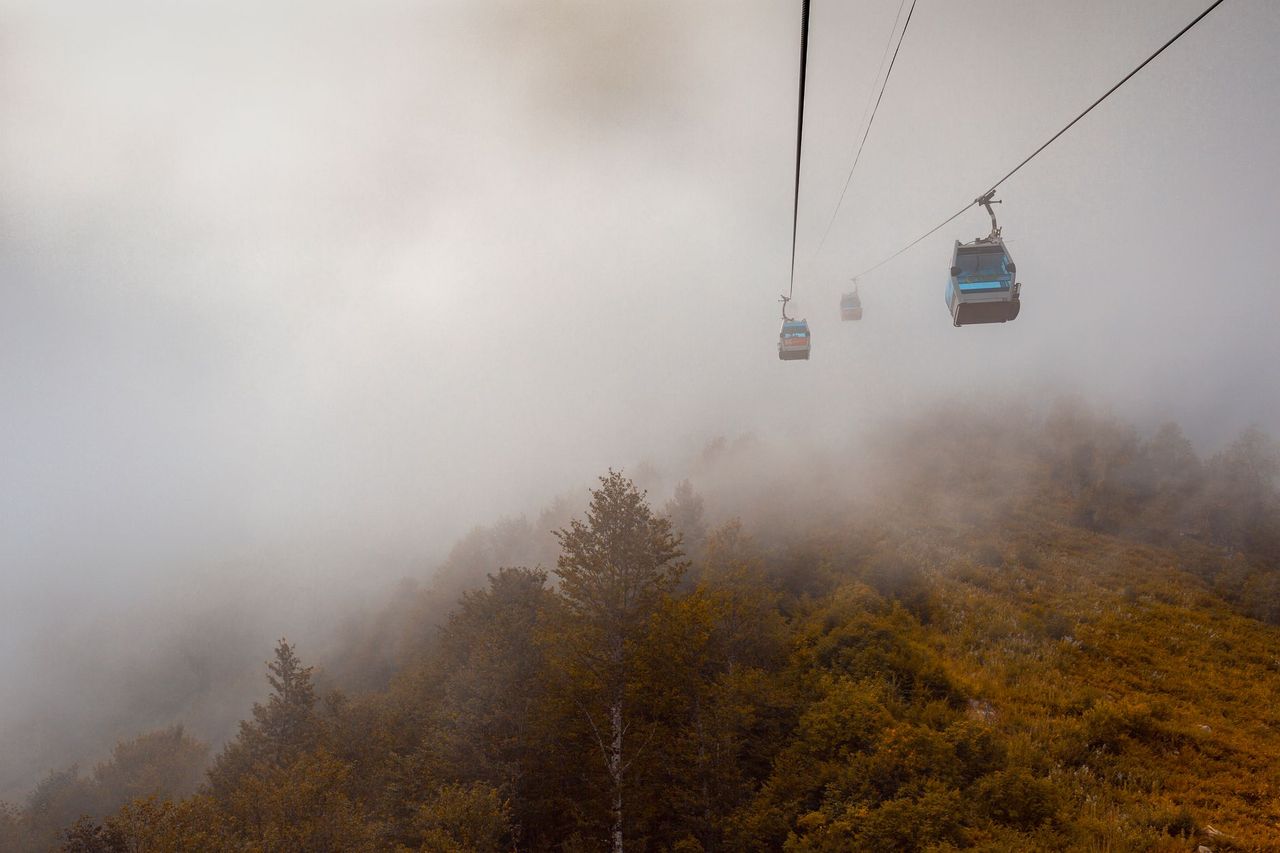
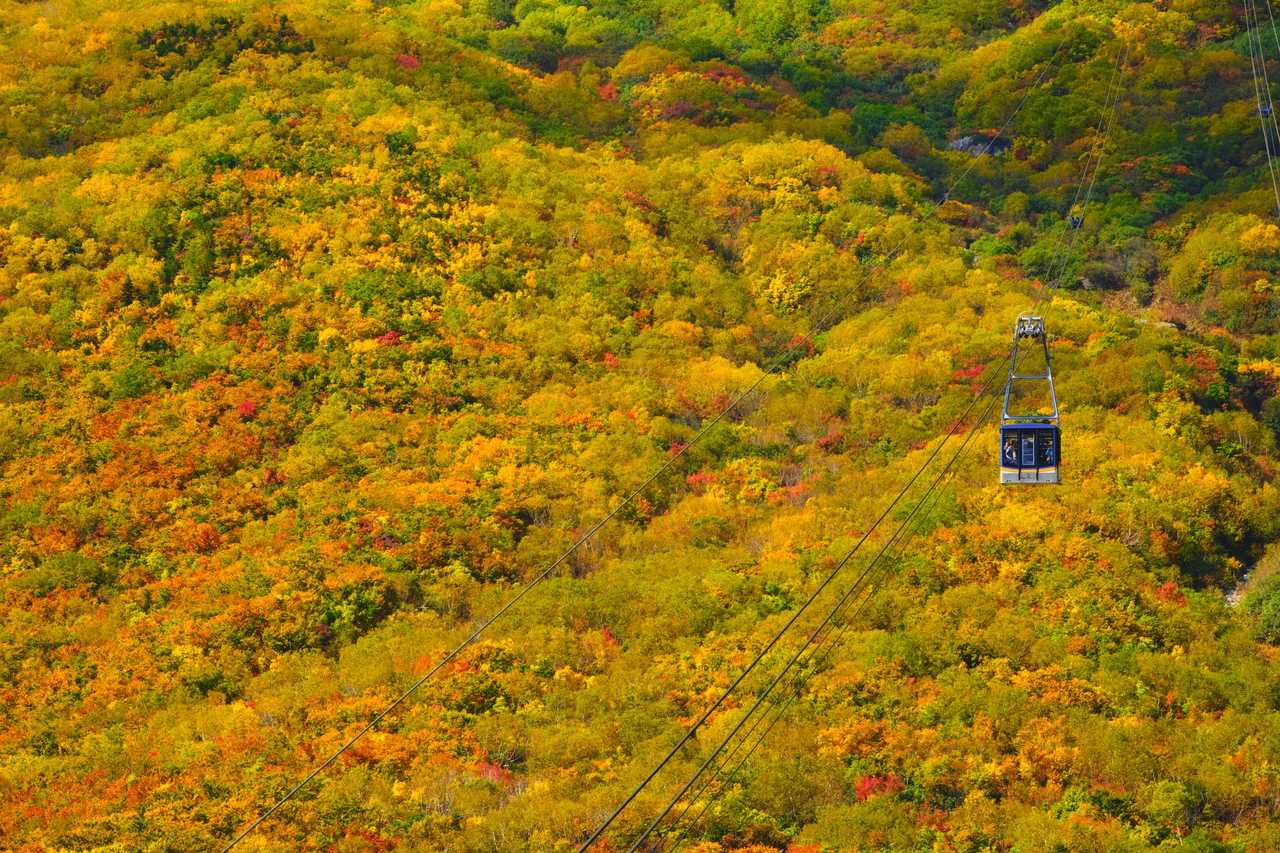
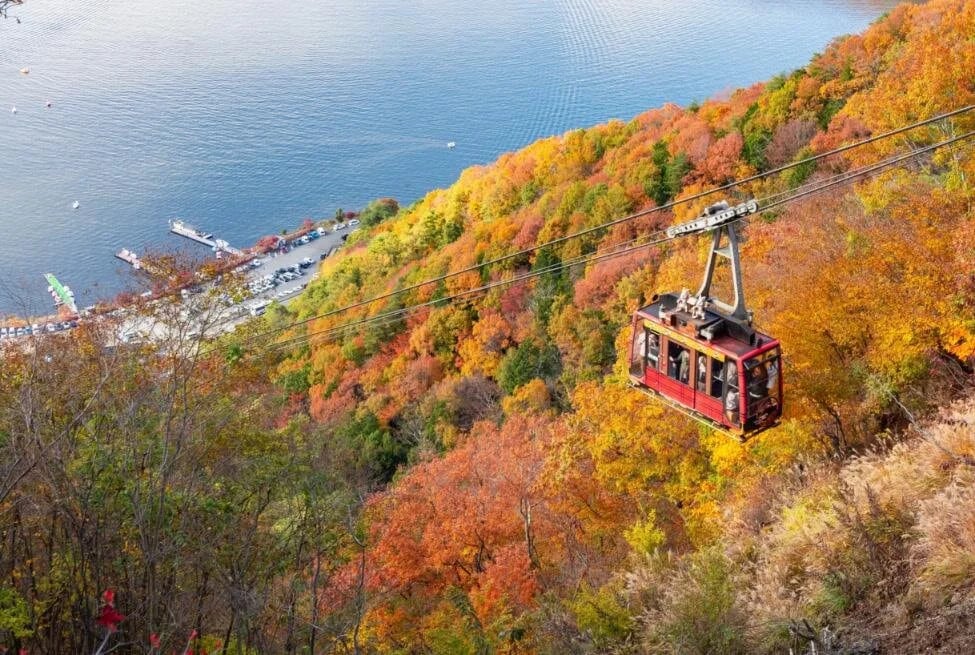
Hakone day trips mostly center on Gora Park, Lake Ashi and Owakudani. Ride the Hakone Ropeway over the volcanic terrain and maples, then take the pirate-ship cruise on Lake Ashi to see the lakeside foliage.
Hakone transport tends to be crowded in foliage season. Those with a Hakone Freepass can plan their own day, while a tour cuts transfer time and suits first-time visitors.
Mt. Takao Cable Car and Mountain Train: See the Foliage Without Hiking
On Mt. Takao, the Keio Takao mountain train and summit cable car reach Yakuo-in on the mountainside without walking, and the tunnel of red leaves outside the window is the most popular sight on the ride.
From Shinjuku, the Keio Line takes about 1 hour to Takaosanguchi Station. Cable car hours change with the season, and Trail 1 is the most common route if you want to walk to the summit.
Where to Stay Nearby: Lodging Suggestions Along the Route

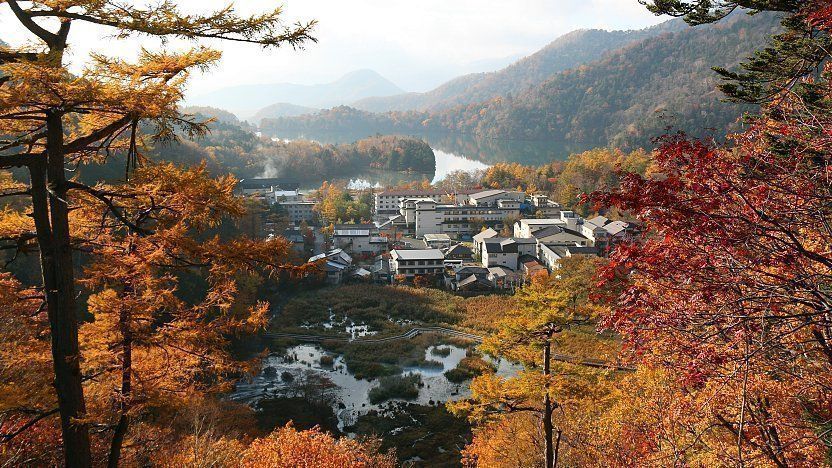
Hakone Hot Springs: Yumoto and Gora Lodging Areas
Hakone Yumoto’s hot spring town is around Hakone-Yumoto Station, with the town and souvenir shops within walking distance and easy evening strolls. Trains toward Odawara reach Odawara Castle Park.
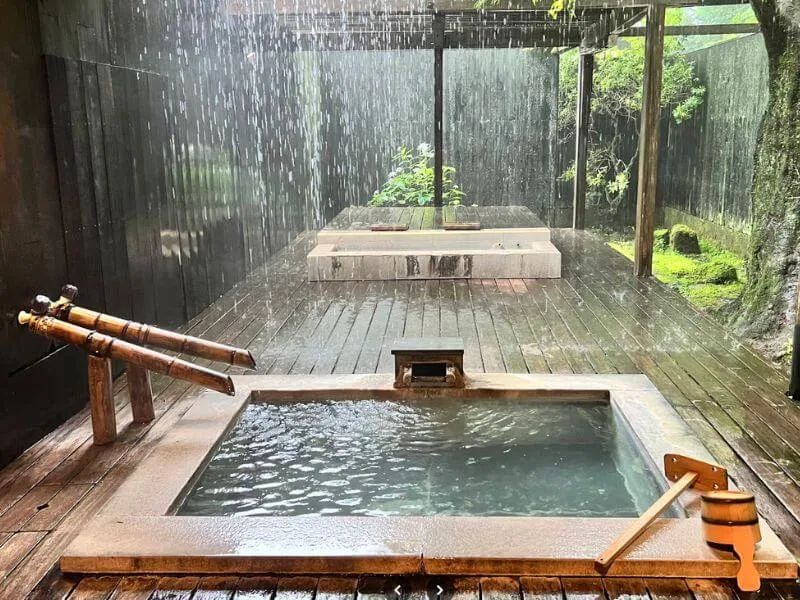
Gora is near the end of the Hakone Tozan Railway, within walking distance of Gora Park and Gora Station on the ropeway, and suits a day that combines mid-November foliage with a hot spring.
Nikko and Kinugawa: Hot Spring Towns for Open-Air Bath Foliage Viewing
Several inns in Kinugawa Onsen have open-air baths where you can watch the maples while soaking in autumn. If you plan to include Ryuokyo Gorge, staying in Kinugawa Onsen cuts the round trips.
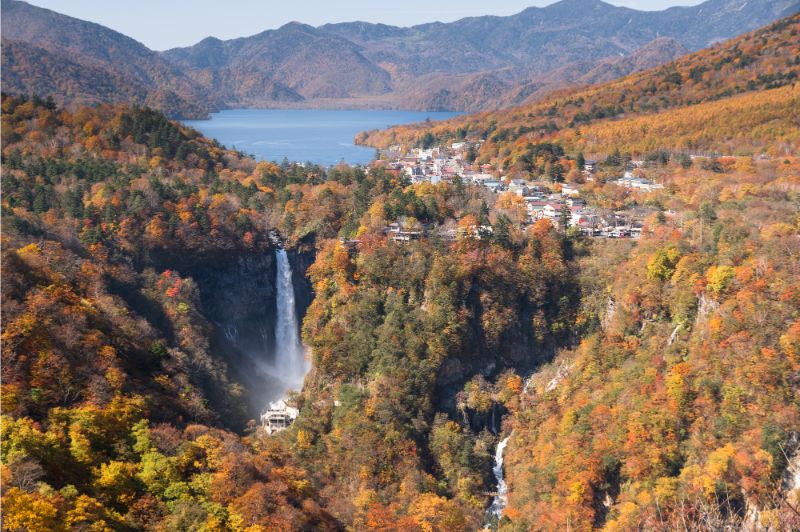
Staying at Nikko Yumoto Onsen puts you close to Lake Yunoko and Senjogahara, and leaving at dawn avoids the daytime traffic.
Further Reading: Kanto Foliage Spots



FAQ
Q: When is the best time for Kanto autumn foliage in 2026?
By 2026 forecasts, Nikko is best from mid to late October and Mt. Takao and Hakone from about mid to late November, so planning by area works best.
Q: Which month is best for Nikko foliage?
Lake Yunoko is already at peak in mid October and Lake Chuzenji is best from mid to late October. The shrines and temples of Nikko change around early to mid November, so you can stagger plans by elevation.
Q: When does foliage start at Mt. Takao?
Mt. Takao peaks from about mid to late November. Check the latest forecast before you go; late November is the best period for Mt. Takao.
Q: How much is Nikko Toshogu Shrine admission?
Nikko Toshogu Shrine is open 09:00 to 17:00, closing at 16:00 from November to March. Check the official site for ticket prices; plan about 1.5 to 2 hours.
Q: With only one day, how should I plan Kanto foliage?
With one day, pick one direction: Nikko for high-elevation foliage, or the nearby Mt. Takao and Hakone routes. Transport is convenient, and a same-day round trip from Shinjuku or Asakusa works.
Q: Can the peak foliage timing be guaranteed?
No. Foliage timing is affected by temperature, rainfall and typhoons, and all timings here are forecasts. Before you go, check the latest forecasts from the Japan Weather Association or Weathernews.