Imperial Palace and Hibiya Autumn Leaves 2026: East Gardens, Inui Street and Hibiya Park at Peak Color, a Day of Foliage in Central Tokyo
Imperial Palace autumn leaves split into five spots: the East Gardens, Inui Street, Kitanomaru Park, Chidorigafuchi Green Way and Hibiya Park, mostly free or low-cost. Gyoko-dori, Nijubashi and the Kusunoki Masashige statue have their own article.
2026 Peak Color Forecast: Tokyo Ginkgo Turn Yellow on November 26, Maples Usually Late November to Early December
A private Japanese weather company forecasts Tokyo’s ginkgo to turn yellow on November 26, 2026 (3 days later than average), for Tokyo as a whole, not one spot. Around the Palace, maples and ginkgo usually peak late November to early December.
Inui Street’s autumn opening has fallen in late November to early December in recent years: November 30 to December 8 in 2024 and November 29 to December 7 in 2025. That is close to the usual peak for maples and ginkgo, so it is a handy guide for planning your dates. The 2026 autumn opening is November 28 to December 6, with entry 9:00 to 15:00.
One-Day Foliage Route: Imperial Palace East Gardens, Kitanomaru, Chidorigafuchi and Hibiya
Start from Otemachi Station or Tokyo Station and visit the East Gardens first. Then walk through Kitanomaru Park and Chidorigafuchi Green Way, and finish by subway or on foot at Hibiya Park. Inui Street opens only during the Imperial Household Agency’s public openings, with fixed entry and exit times, so confirm that year’s schedule before adding it to your itinerary.
While Inui Street is open, the East Gardens can still be entered through Otemon, Hirakawa and Kita-hanebashi gates, so the two can fit into one trip. To walk Inui Street, you start at Sakashita Gate. The East Gardens and Inui Street are not directly connected, so you enter and leave each separately.
Three Things to Check Before Going in 2026: Inui Street Dates, Hibiya Construction and East Gardens Closed Days
Inui Street’s 2026 autumn opening is November 28 to December 6, with entry 9:00 to 15:00; go by the Imperial Household Agency’s website. Hibiya Park’s Large Fountain and Fountain Plaza are closed for construction in 2026, with fences around some areas. The East Gardens close Mondays and Fridays and open on national holidays except the Emperor’s Birthday; check before you go.
Inui Street may be suspended in snow or bad weather, so check the Imperial Household Agency’s notice before you leave on the opening day itself. Visitors queue to enter at Sakashita Gate, and the Agency asks people to line up in order and not break the queue. For the Large Fountain closure at Hibiya Park, go by the Tokyo Metropolitan Park Association’s notice.
How to Get to Imperial Palace and Hibiya Autumn Leaves 2026: Transport Guide to the East Gardens, Inui Street and Hibiya Park at Peak Color
Getting to the Imperial Palace and Hibiya: Transport at a Glance
- JR Tokyo Station: about a 15-minute walk to the Imperial Palace East Gardens.
- Otemachi Station: about a 5-minute walk to the East Gardens’ Otemon Gate, the nearest entrance.
- Takebashi Station: about a 5-minute walk to Hirakawa-mon Gate and Kita-hanebashi-mon Gate.
- Hibiya Park: on the right from Exit B2 at Kasumigaseki Station or Exit A10 or A14 at Hibiya Station; about a 5-minute walk from Exit 5 at Sakuradamon Station; about 8 minutes on foot from JR Yurakucho Station.
Chidorigafuchi Green Way: about 10 minutes on foot each from Kudanshita Station Exit 2 or Hanzomon Station Exit 5. Inui Street: the Imperial Household Agency notes that the walk from the nearest station to Sakashita Gate takes a fair amount of time, so allow plenty of it.

Imperial Palace and Hibiya Autumn Leaves 2026: Must-See Spots at Peak Color at the East Gardens, Inui Street and Hibiya Park, with Highlights by Area
Imperial Palace East Gardens: A Foliage Garden on the Edo Castle Honmaru and Ninomaru Site
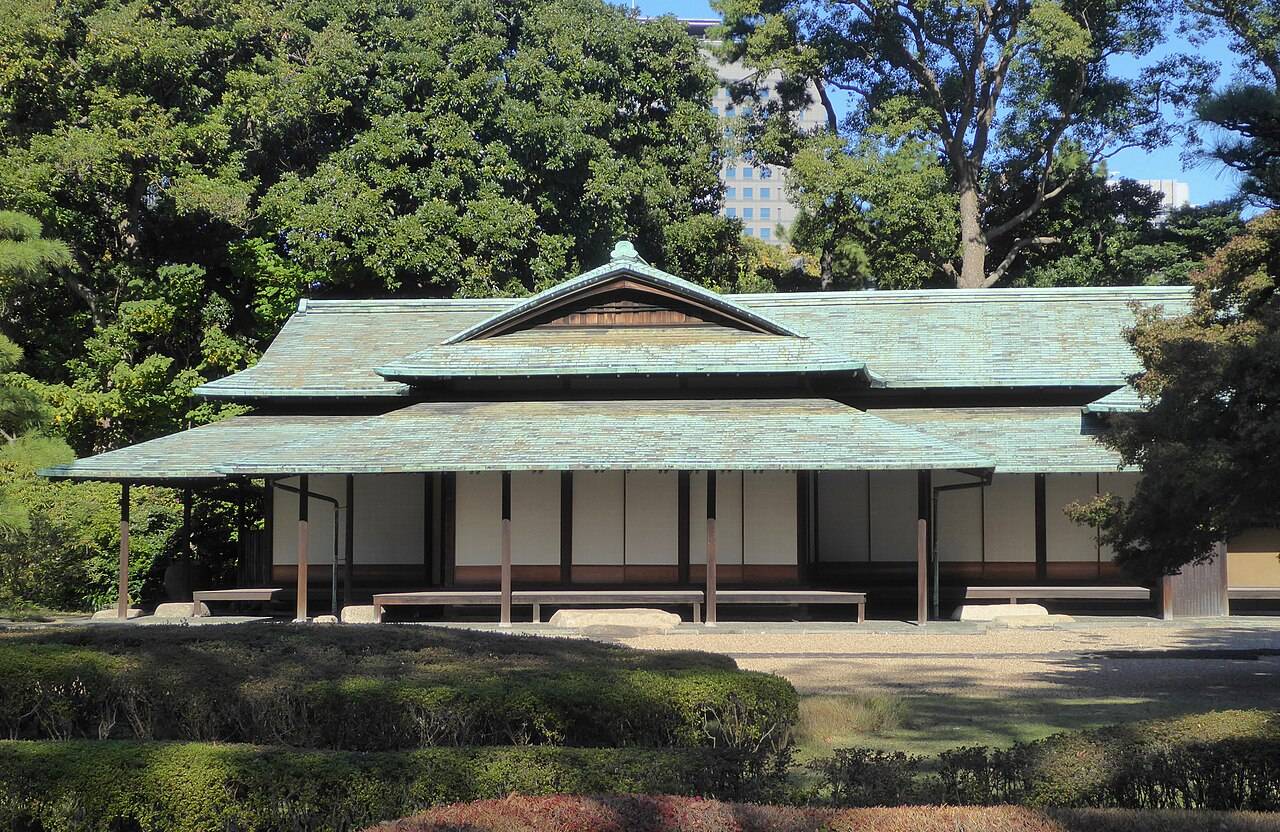
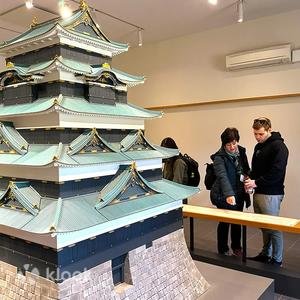
The East Gardens (Edo Castle’s Honmaru and Ninomaru) opened in 1968; free, no booking. Sights: keep base, Edo Castle model, Ooku site, Honmaru lawn, and the Ninomaru Garden (restored from plans to the ninth shogun Ieshige’s era) and pond. Color usually runs about mid-Nov to Dec; photograph it late Nov to early Dec near Suwa-no-Chaya, the Ninomaru woods and keep stone walls.
Open 9:00 to 16:00 from November 1 to the end of February; enter by 15:30. The entrances are Otemon Gate, Hirakawa-mon Gate and Kita-hanebashi-mon Gate. The gardens are closed on Mondays and Fridays, from December 28 to January 3 and on Imperial Household event days. Most national holidays are open.


Inui Street: A 750 m One-Way Path Open Only in Spring and Autumn
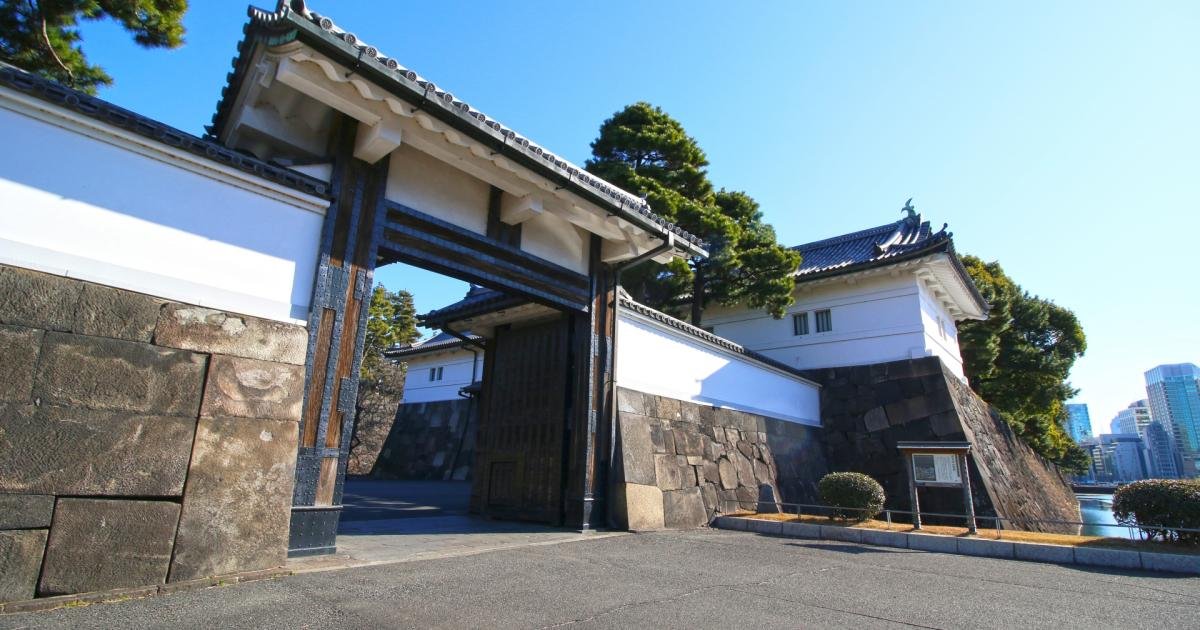
Inui Street is a special public opening held by the Imperial Household Agency once each spring and autumn, a one-way route of about 750 m that you enter at Sakashita Gate and exit at Inui Gate.
Autumn 2025 ran nine days, November 29 to December 7: entry 9:00 to 15:00, exit by 15:30. Spring 2026 is March 21 to 29. Bags are inspected; tripods, selfie sticks and drones are banned, only water is allowed, and there is no parking. Autumn 2026 is nine days, November 28 to December 6, with the same entry hours; go by the Agency’s official website, or call 03-3284-6780.
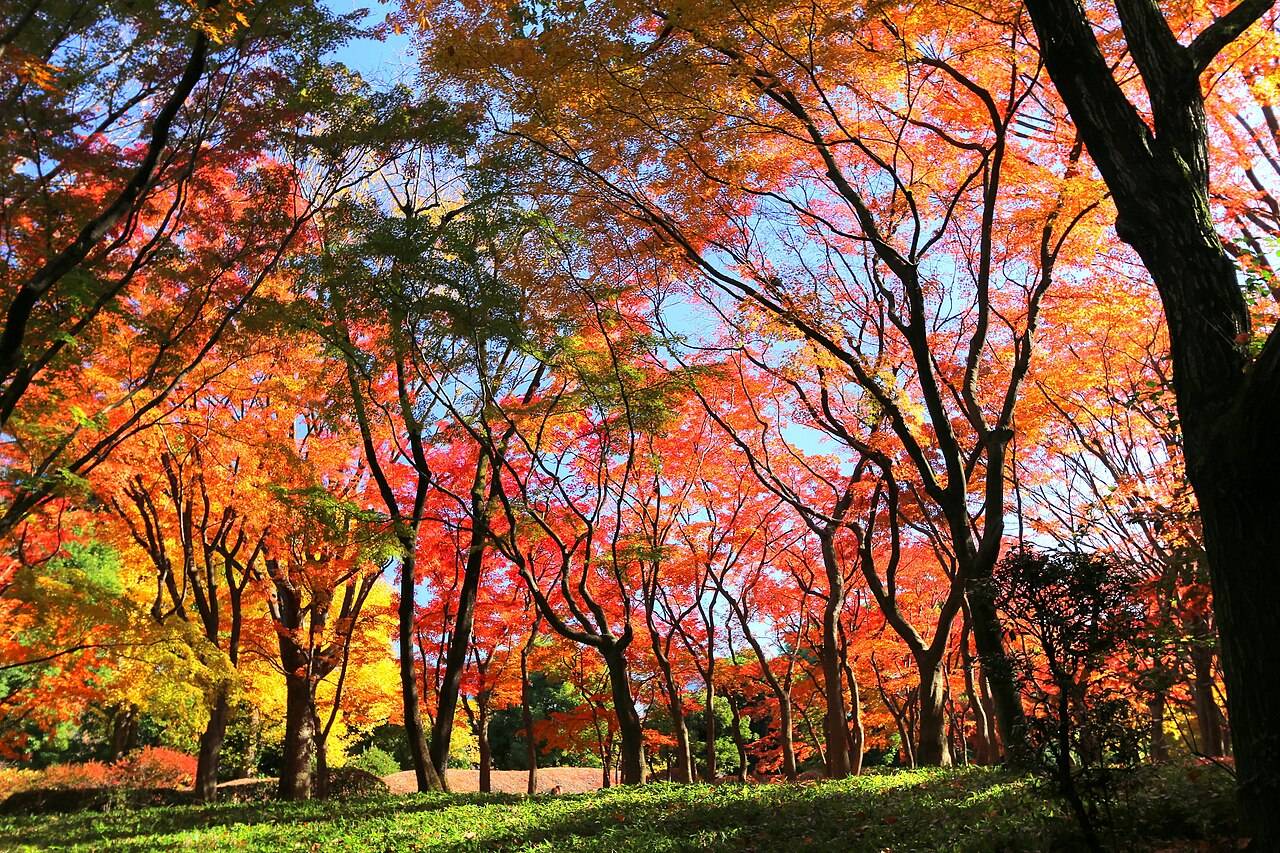
The autumn highlight is the iroha maples (Irohamomiji), around the Hasuike Sanshujo rest hall, Tsubone-mon Gate and Fujimi-tamon Turret. The slope from Sakashita Gate to Inui Gate is gentle, but comfortable walking shoes are a good idea.
Kitanomaru Park: Free Strolling Among Pond-side Maples and Ginkgo by the Budokan
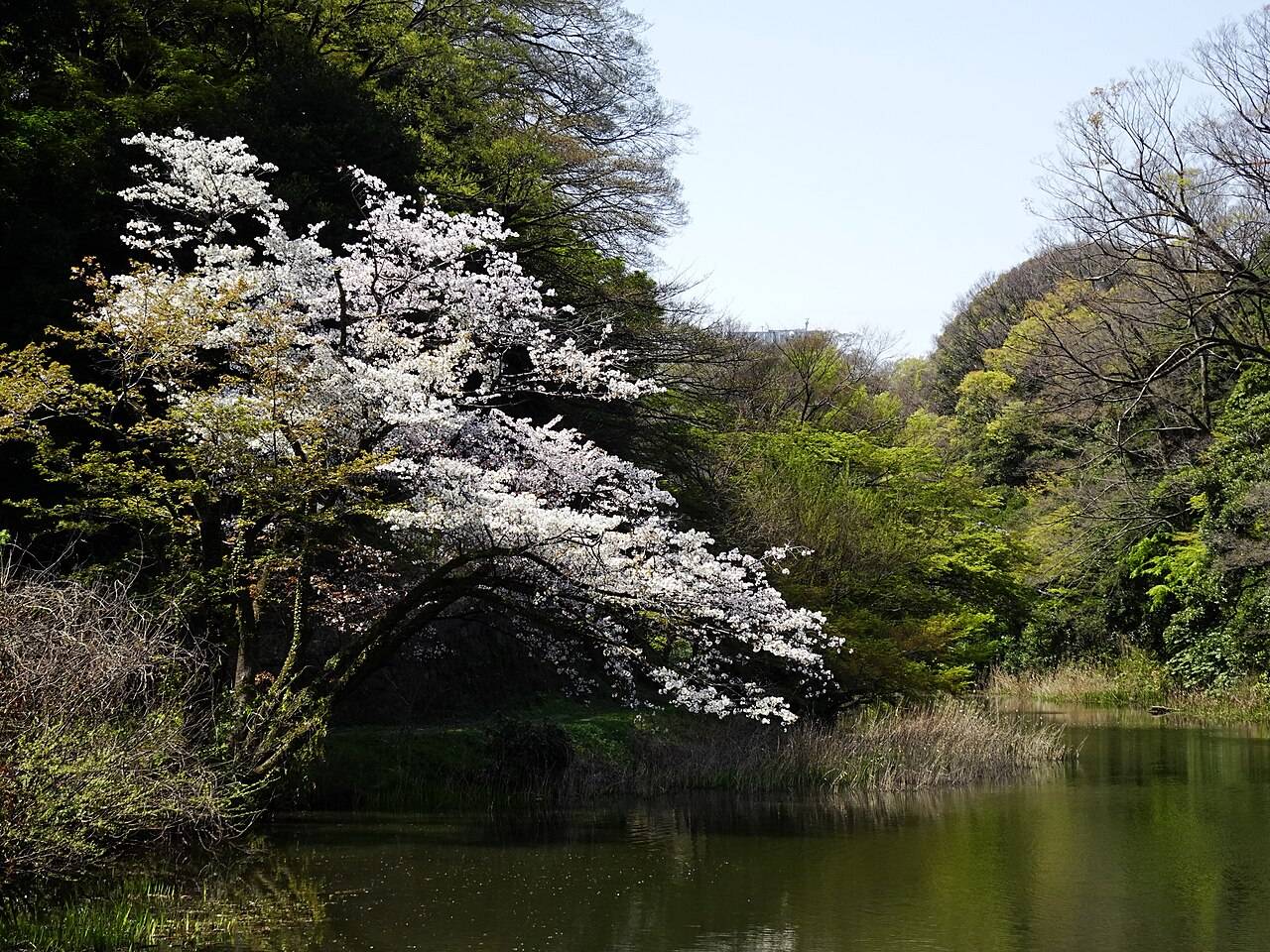
Kitanomaru Park, managed by the Ministry of the Environment, lies north of the Imperial Palace Outer Garden and connects to the East Gardens. Leaves usually peak from about late November to early December. The Ministry’s record for November 25, 2022 shows the pond-side maples and lawn-side trees at roughly peak and the Budokan ginkgo avenue about 40% yellow (that day only).
The park is open at all hours and free, though it can close for national events. Its lights go out from about 22:00 until sunrise, so avoid late-night visits. The Ministry bans holding spots for long periods to view the leaves, and smoking and fires are banned throughout. There are no trash bins, so take your trash with you; the ground is slippery where leaves have fallen.
Chidorigafuchi Green Way: A Moat-side Path Where Cherry Trees Turn Red
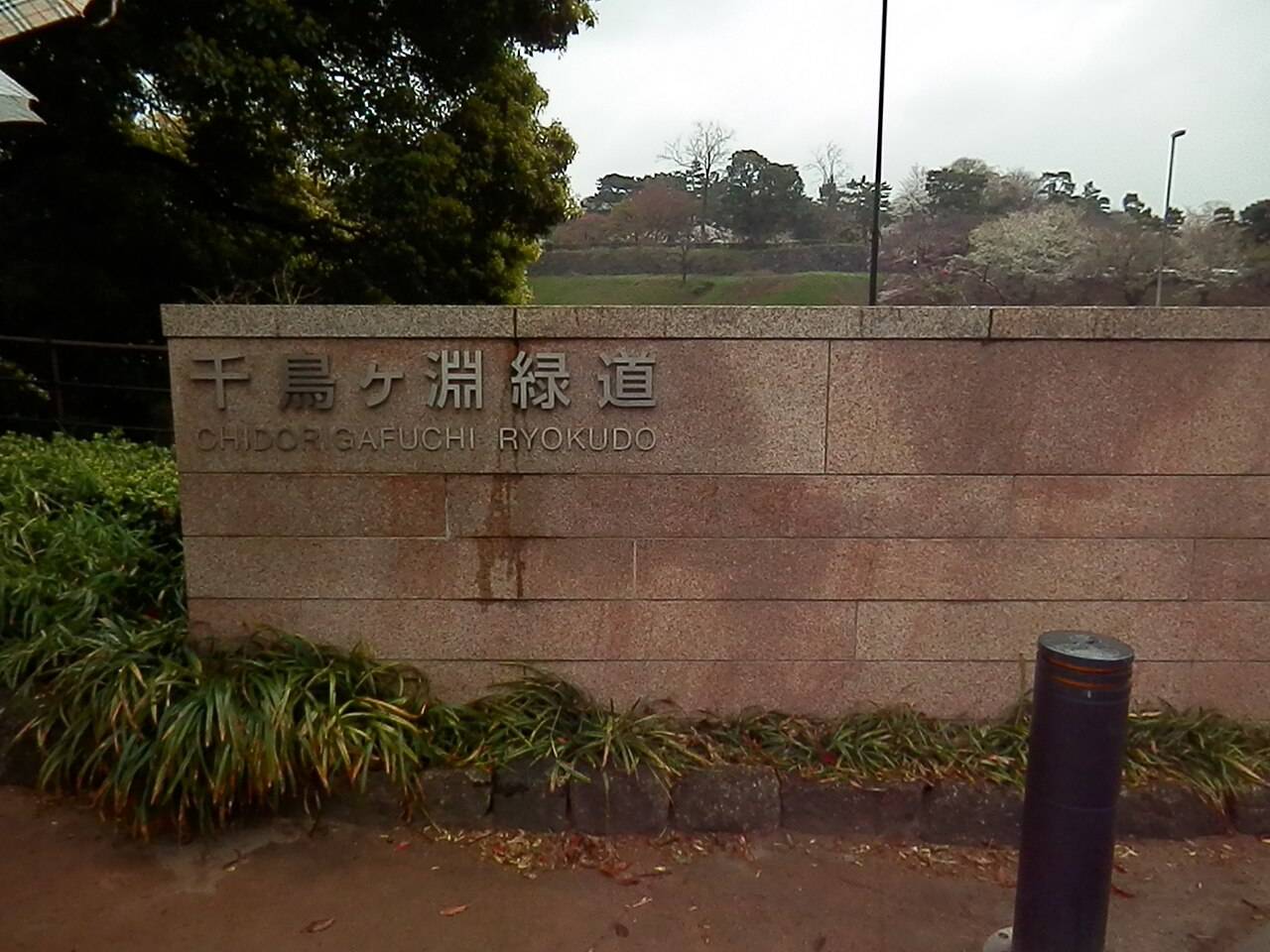
Chidorigafuchi Green Way runs along the Palace moat and is famous for cherry blossoms; in autumn the cherry trees turn red. The Chiyoda City Tourism Association gives the usual peak as about late November to early December. The green way is next to Kitanomaru Park, so the two fit into one walking route.
Chidorigafuchi Green Way is a walkway of about 700 m, well known as a cherry blossom promenade. The Chiyoda City Tourism Association notes that besides the green of spring and summer, you can also enjoy autumn leaves here.
Beside the walkway, Chidorigafuchi Boat House lets you see the seasonal scenery along the moat from the water. It is open from spring to autumn, with hours that vary by season. A 30-minute boat ride usually costs ¥500; it is closed on Mondays, and when Monday is a national holiday, on the next weekday.
Hibiya Park: A Central Tokyo Garden with Cloud-Shaped Pond and the Kubikake Ginkgo
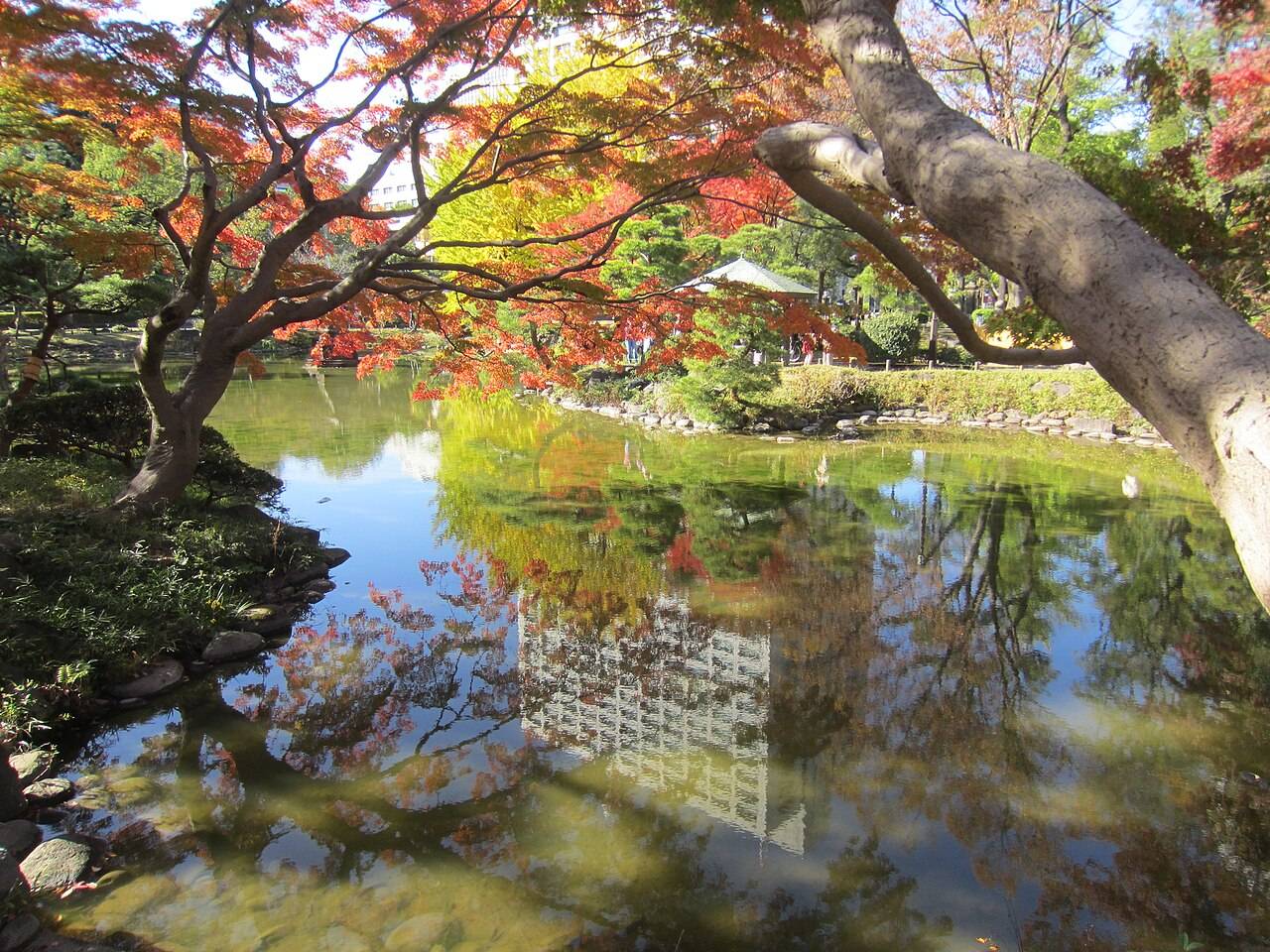
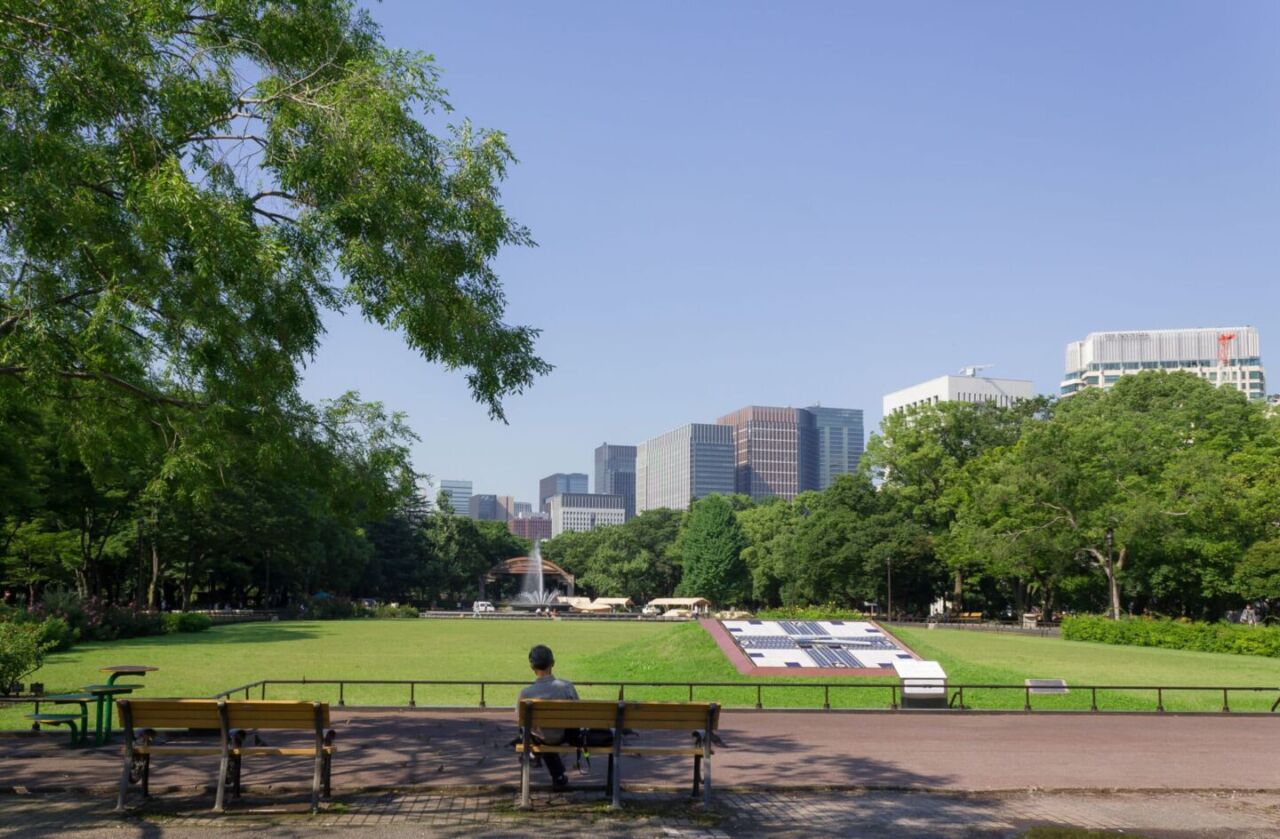
Hibiya Park opened in 1903, covers about 160,000 square meters, and is open at all hours with free admission. Autumn highlights are the color change in the trees around Kumogata Pond and the Crane Fountain, and the ginkgo avenue. The usual peak is about late November to early December.
The Kubikake Ginkgo is estimated to be 400 to 500 years old. It originally stood near the Hibiya intersection and was moved into the park during its construction, and it is now the park’s symbol. In 2026 the Large Fountain and Fountain Plaza are closed for construction, so check park notices before taking photos.
The park keeps part of the early Edo-period stone wall of Hibiya Mitsuke, and part of the moat was kept as Shinji Pond in 1903. The first flower bed was designed in the Western style of the park’s opening, and the pelican fountain was donated in 1953.

Imperial Palace and Hibiya Autumn Leaves 2026: Choosing Tickets and Tours for the East Gardens, Inui Street and Hibiya Park at Peak Color
Most spots are free: the East Gardens, Kitanomaru Park and Hibiya Park charge no admission, and Inui Street is a free public opening by the Imperial Household Agency. Costs are mainly tours and charters: compare the Klook and KKday Edo Castle tours in the East Gardens section, or the charter in the transport section for several spots a day. Prices and content vary by date.
Where to Stay Near Imperial Palace and Hibiya Autumn Leaves 2026: Hotel Areas for the East Gardens, Inui Street and Hibiya Park Near Peak Color
Where to Stay: Around Tokyo Station, Otemachi and Hibiya
If you want to enter the East Gardens early in the morning after it opens during the foliage season, consider staying around Otemachi Station or Tokyo Station, which are a shorter walk from Otemon Gate. To combine Hibiya Park with the Yurakucho area, stay near Hibiya Station or Yurakucho Station; both are within walking distance of Hibiya Park.


Further reading: Tokyo autumn leaves spots


FAQ
Q: How much is admission to the Imperial Palace East Gardens?
Admission to the East Gardens is free, with no ticket purchase or advance reservation needed. Entry follows the opening hours: from November to the end of February it is open 9:00 to 16:00, and you must enter by 15:30.
Q: What are the East Gardens’ opening hours and closed days?
From November to the end of February it is open 9:00 to 16:00, and you can enter until 15:30. It is closed on Mondays and Fridays, from December 28 to January 3 and on Imperial Household event days. Most national holidays are open.
Q: When is Inui Street open? Are the autumn 2026 dates set?
Inui Street opens to the general public once each spring and autumn. Autumn 2025 ran from November 29 to December 7, and autumn 2026 is November 28 to December 6, with entry 9:00 to 15:00. The Agency’s official website is the final word; you can also call 03-3284-6780.
Q: How long does it take to walk from Tokyo Station to the East Gardens?
About 15 minutes on foot from Tokyo Station, or about 5 minutes from Otemachi Station to Otemon Gate. Both are close and suit travelers who do not want to change trains.
Q: When are the maples at Kitanomaru Park at their best?
Leaves usually peak from about late November to early December, and the area around the pond-side maple woods and the lawn is best for viewing. The park is open at all hours and free, but its lights go out at about 22:00, so it is not a good place to visit at night.
Q: Is Hibiya Park under construction in 2026?
In 2026 the Large Fountain and Fountain Plaza are closed for construction, with fences around some areas, so it is a good idea to check the park’s notices before you go to take photos. The park itself remains open at all hours with free admission.
Q: When is the best time to see autumn leaves at the Imperial Palace?
A Japanese weather company forecasts that Tokyo’s ginkgo will turn yellow on November 26, 2026 (3 days later than in an average year). The East Gardens and Kitanomaru Park usually peak from late November to early December, and the actual dates depend on temperature.