
Ueno Autumn Leaves Guide: Park Ginkgo, Shinobazu Pond, the Tokyo National Museum Night Garden and Yanaka’s Old Streets
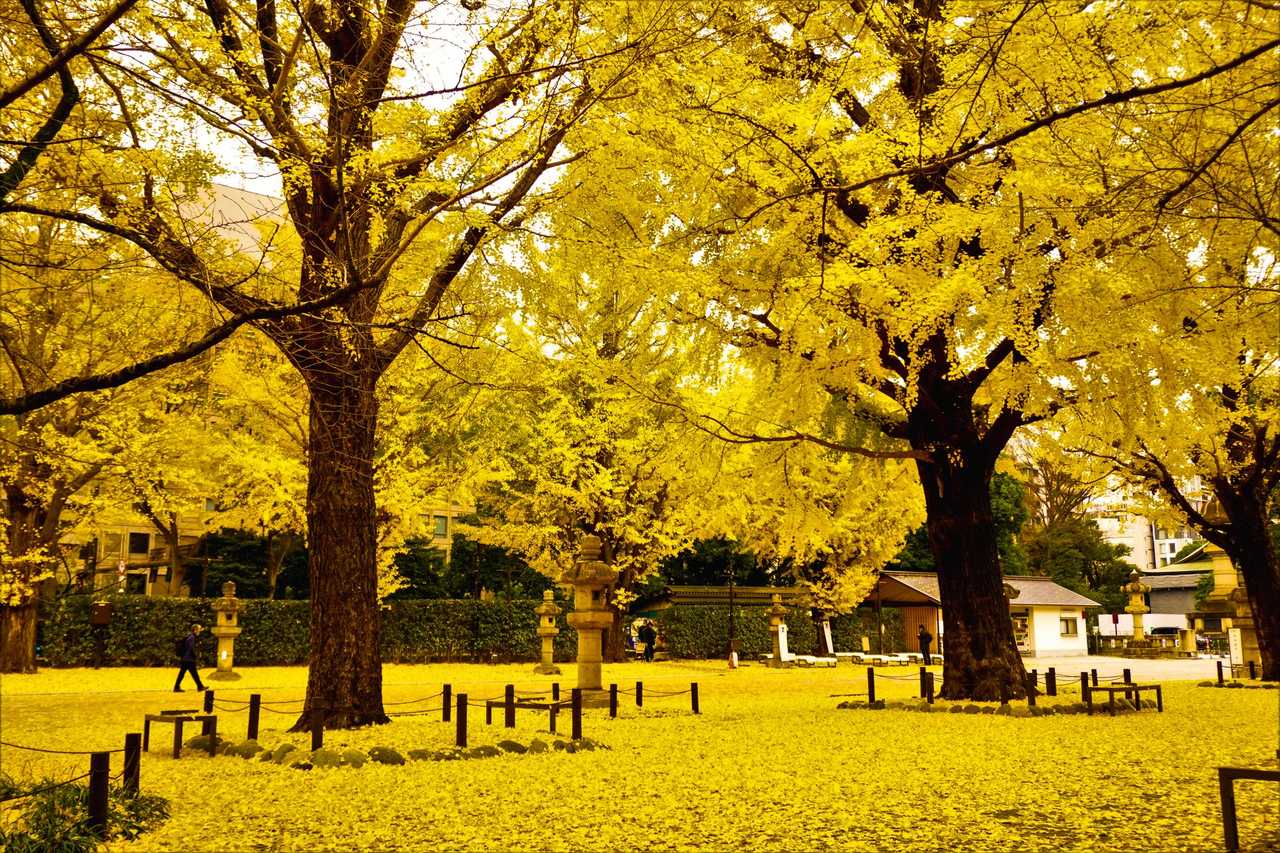
William starts at the Park Exit of JR Ueno Station and leads you past the ginkgo and maples of Ueno Onshi Park, Shinobazu Pond and the Tokyo National Museum’s night garden, then north through Yanaka Cemetery to Yanaka Ginza and the Yuyake Dandan steps. The guide covers 12 spots, plus the giant ginkgo at Kyu-Iwasaki-tei Garden, Tokyo Christmas Advent and access.
Ueno Onshi Park at a Glance: 53 Hectares of Free Autumn Foliage
Ueno Park’s official name is Ueno Onshi Park. It sits in the Uenokoen area of Taito Ward, covers about 53 hectares and is free to enter all year, open daily from 05:00 to 23:00. In autumn the main color comes from ginkgo, maple and zelkova trees.
The park itself is free, but facilities such as the Tokyo National Museum need separate tickets. The grounds are large, so after entering at the Park Exit of JR Ueno Station, it pays to cover the park area by area along one route instead of doubling back.
Autumn 2026 Timing: Peak Foliage and Limited-Time Events
The 2026 forecast puts peak foliage in Ueno Onshi Park from late November to early December.
From October 14 to December 6, 2026, the Tokyo National Museum garden opens at night for ZEN NIGHT TOKYO, from 17:30 to 19:30. Adult tickets cost ¥4,200 (advance sales ended on October 13) and include entry to the concurrent special exhibition on Daitokuji, ‘The Unrivaled Zen Garden of Japan’.
Walking Route from Ueno to Yanaka: From the Park Exit to Yuyake Dandan
The suggested route enters at the Park Exit of JR Ueno Station, then walks past the Saigo Takamori statue, Shinobazu Pond, the Tokyo National Museum and Ueno Toshogu Shrine before leaving the north side of the park for Yanaka Cemetery and Yanaka Ginza.
For a shorter day, skip the Yanaka section and keep to the park, Shinobazu Pond and the Tokyo National Museum. To add art museums, the National Museum of Western Art and the Tokyo Metropolitan Art Museum are both inside the park. The Tokyo National Museum and the National Museum of Western Art close on Mondays, so avoid planning this route for a Monday.
Getting to Ueno for Autumn Leaves: JR, Tokyo Metro, Keisei and Direct Airport Trains
Ueno Onshi Park is easy to reach, with direct connections from central Tokyo, Asakusa and the airports. The main options are below.
Main Routes and Approximate Costs
- JR Yamanote Line and Keihin-Tohoku Line: about a 2-minute walk from the Park Exit of Ueno Station, the most direct way into the park; fares depend on your journey.
- Tokyo Metro Ginza Line and Hibiya Line: get off at Ueno Station and follow the signs to the Park Exit; convenient from the Ginza and Omotesando direction.
- Keisei Electric Railway: Keisei Ueno Station is a short walk from the Shinobazu Pond side, and it is handy from Asakusa too.
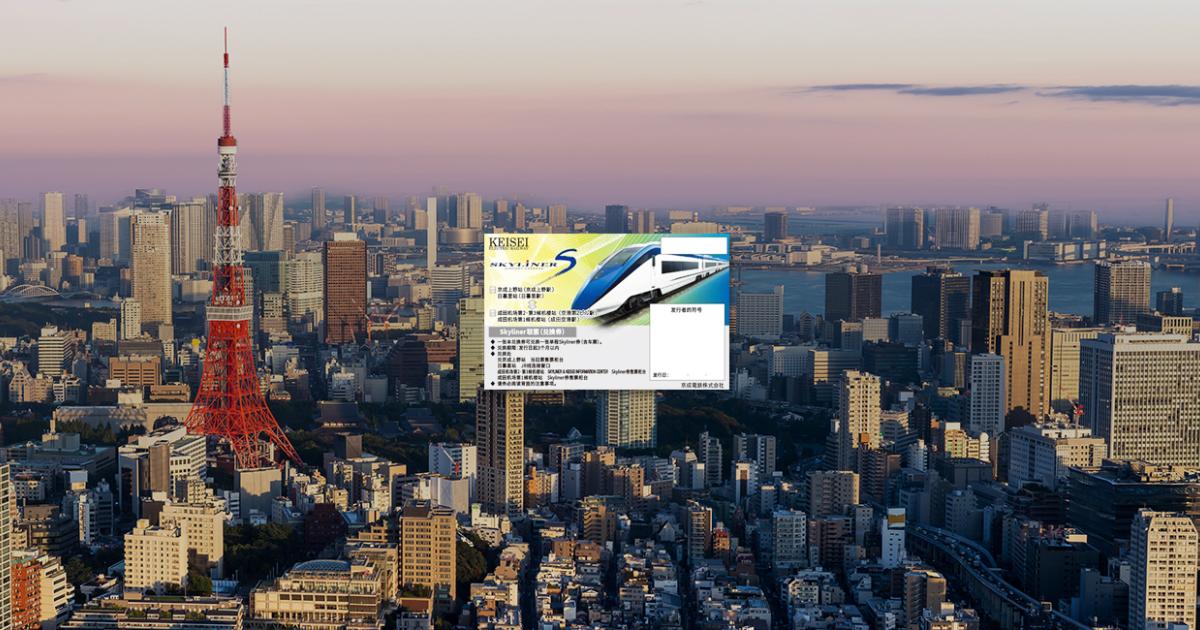
- Skyliner: direct from Narita Airport to Keisei Ueno Station in about 41–44 minutes.
- Haneda Airport: take the Keikyu Line and transfer to reach Ueno.




Top Ueno Autumn Leaf Spots: The Park, the National Museum, Shinobazu Pond and Yanaka
Ueno Onshi Park: Autumn Paths of Ginkgo and Maple
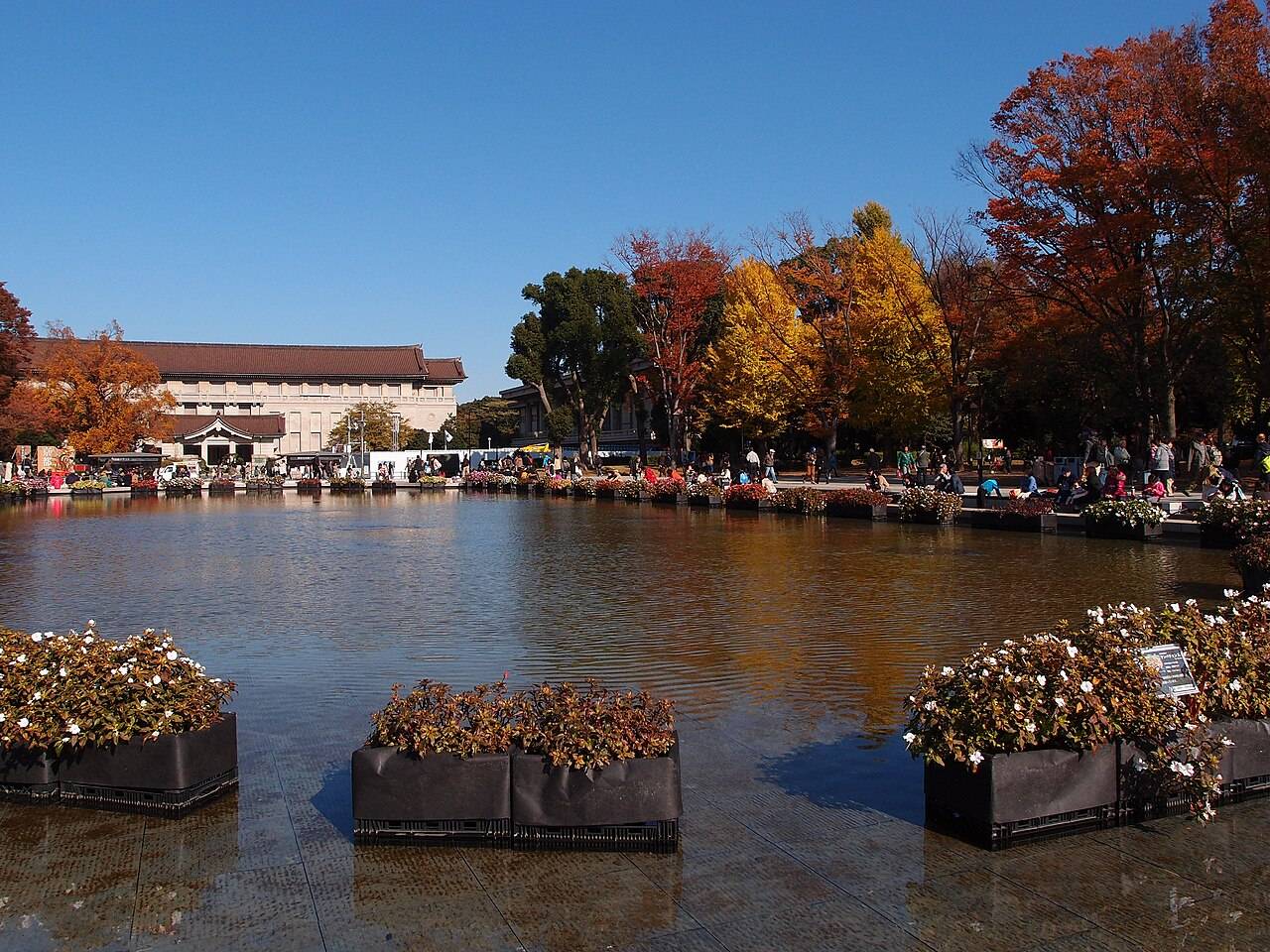
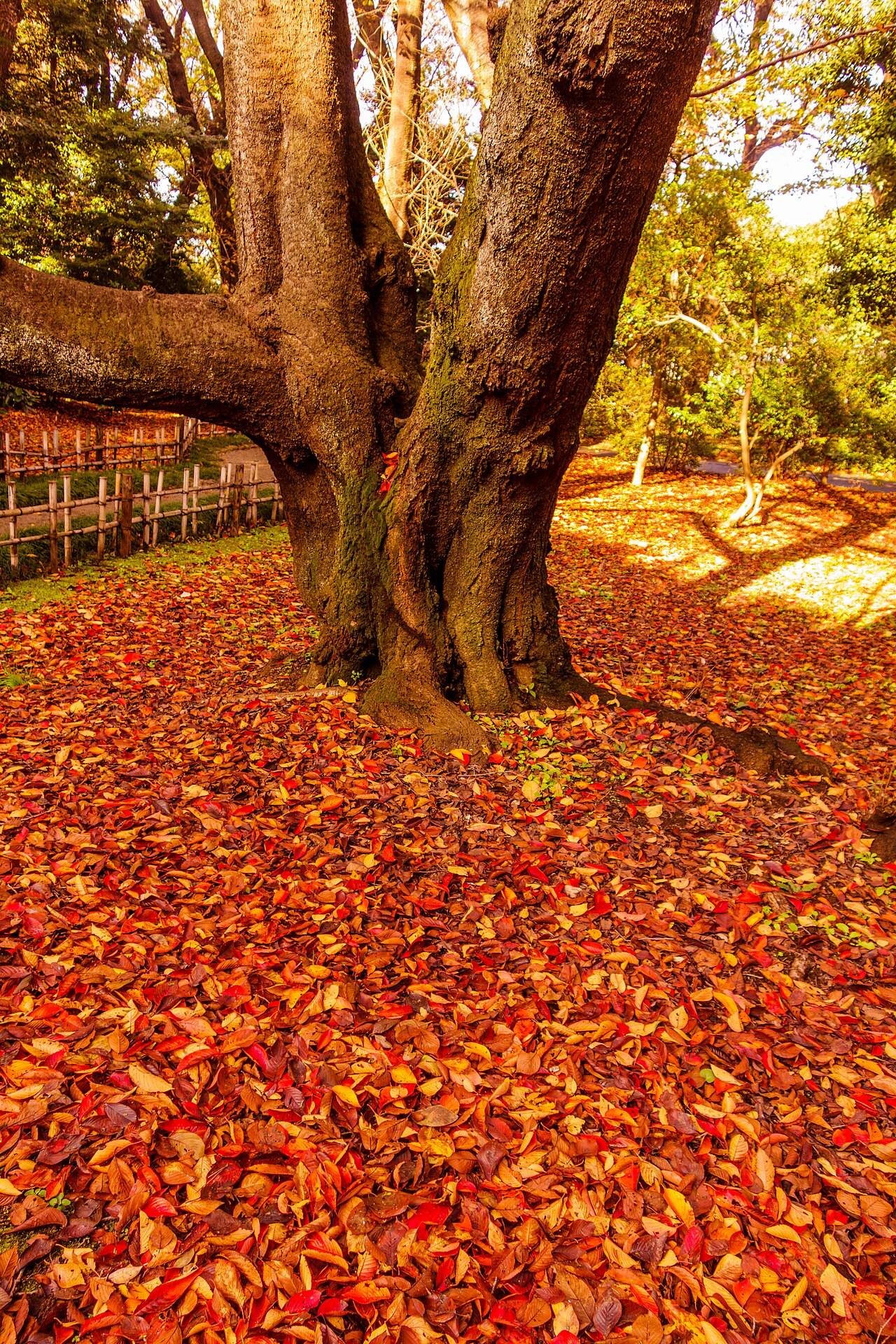
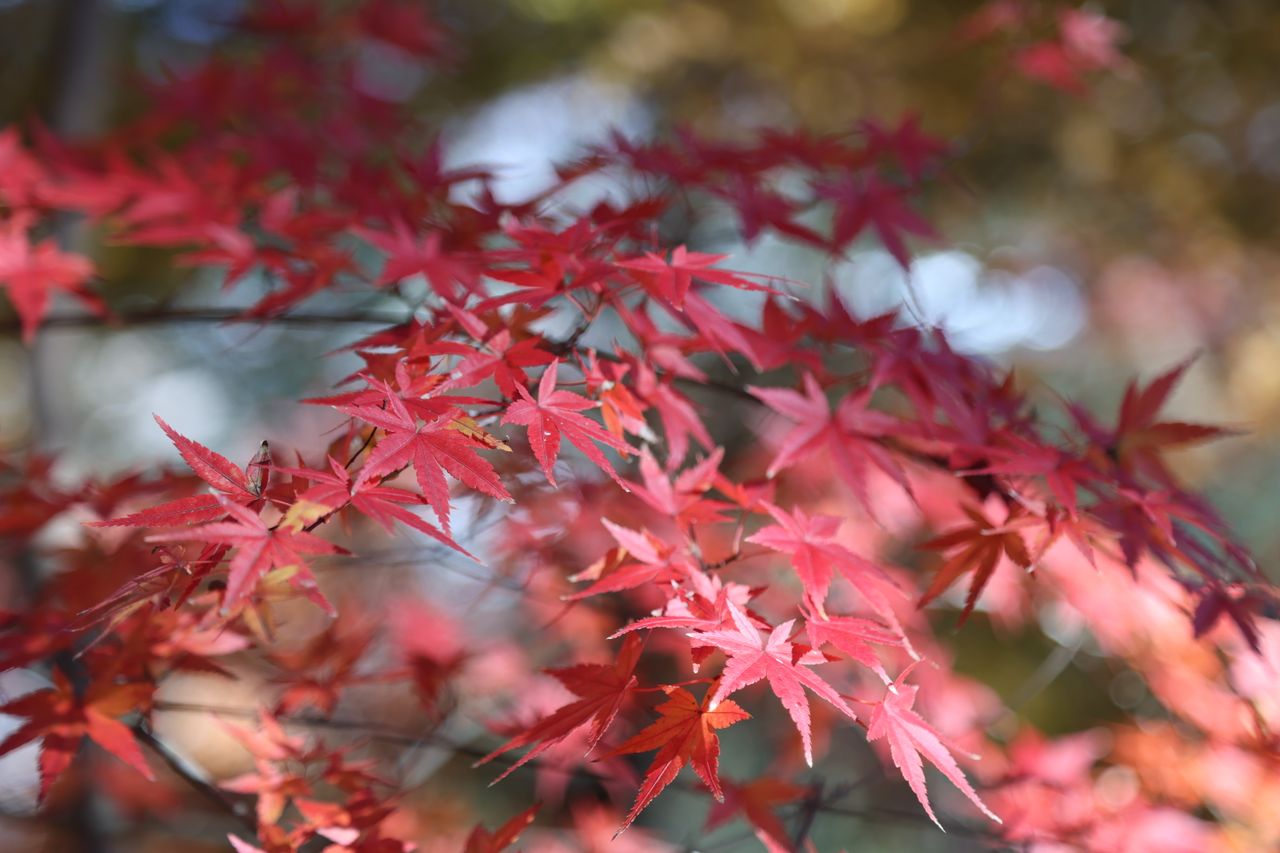
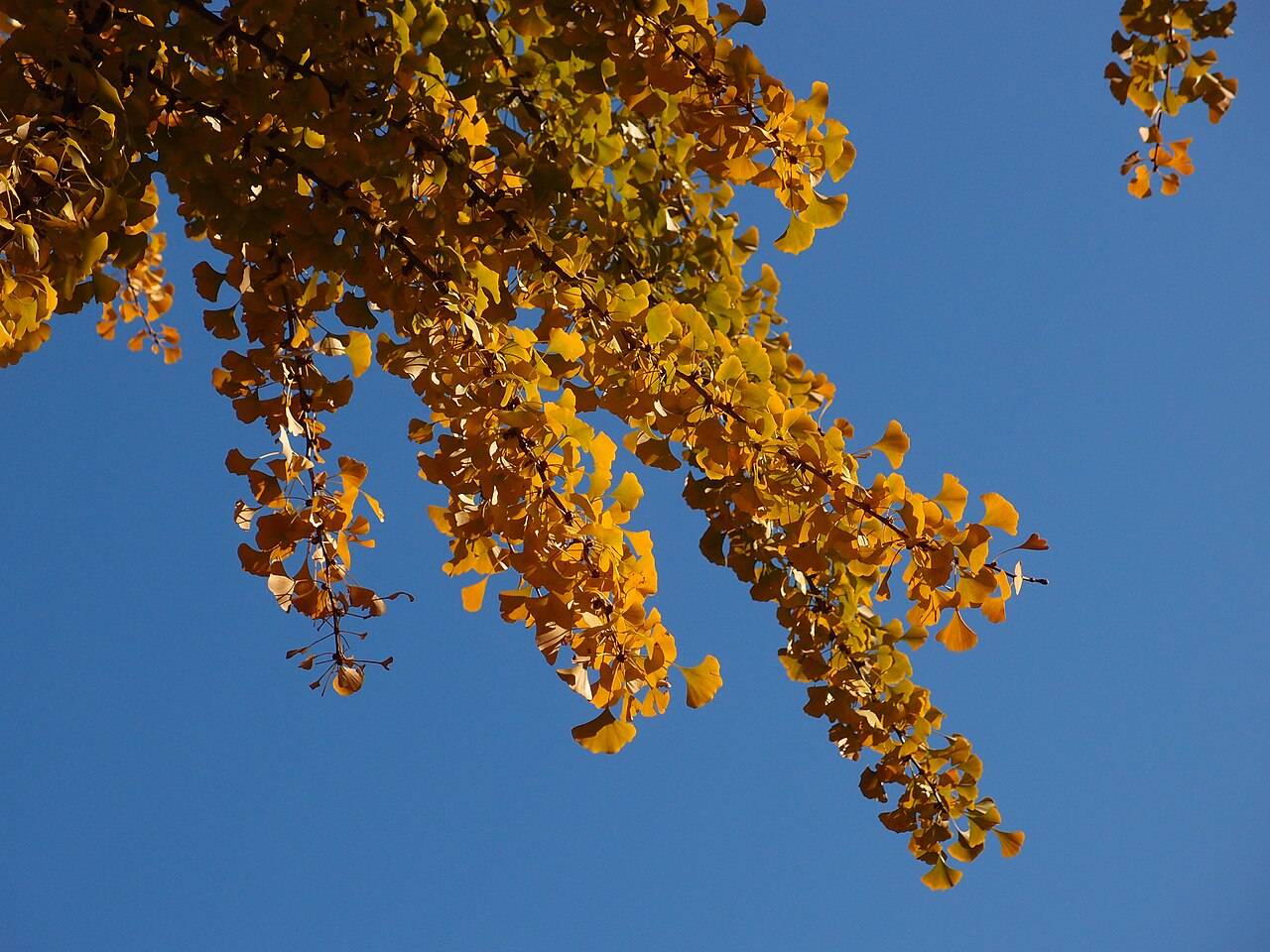
Ueno Onshi Park is one of Tokyo’s oldest parks. Covering about 53 hectares, it became Japan’s first park in 1876; in the Edo period the land was a cherry-blossom viewing area inside Kan’eiji Temple. In autumn its ginkgo, maple and zelkova trees turn one after another, best around the Grand Fountain Plaza, Sakura-dori and Kiyomizu Kannon-do.
Restaurants in the park, such as Ueno Seiyoken, make a good break on an autumn walk.

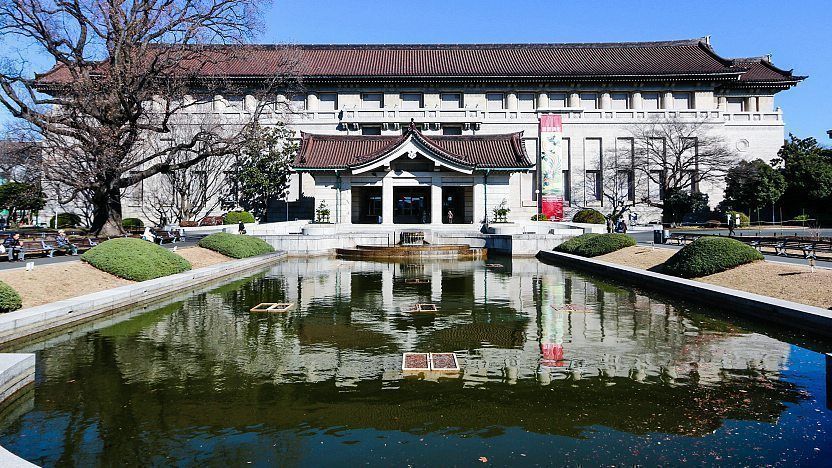
Tokyo National Museum: The ZEN NIGHT Garden and the Pinnacle of Japanese Art
Opened in 1872, the Tokyo National Museum is Japan’s oldest museum. Its buildings include the Honkan, the Toyokan, the Heiseikan and the Gallery of Horyuji Treasures, and the collection numbers more than 120,000 items. It closes on Mondays.
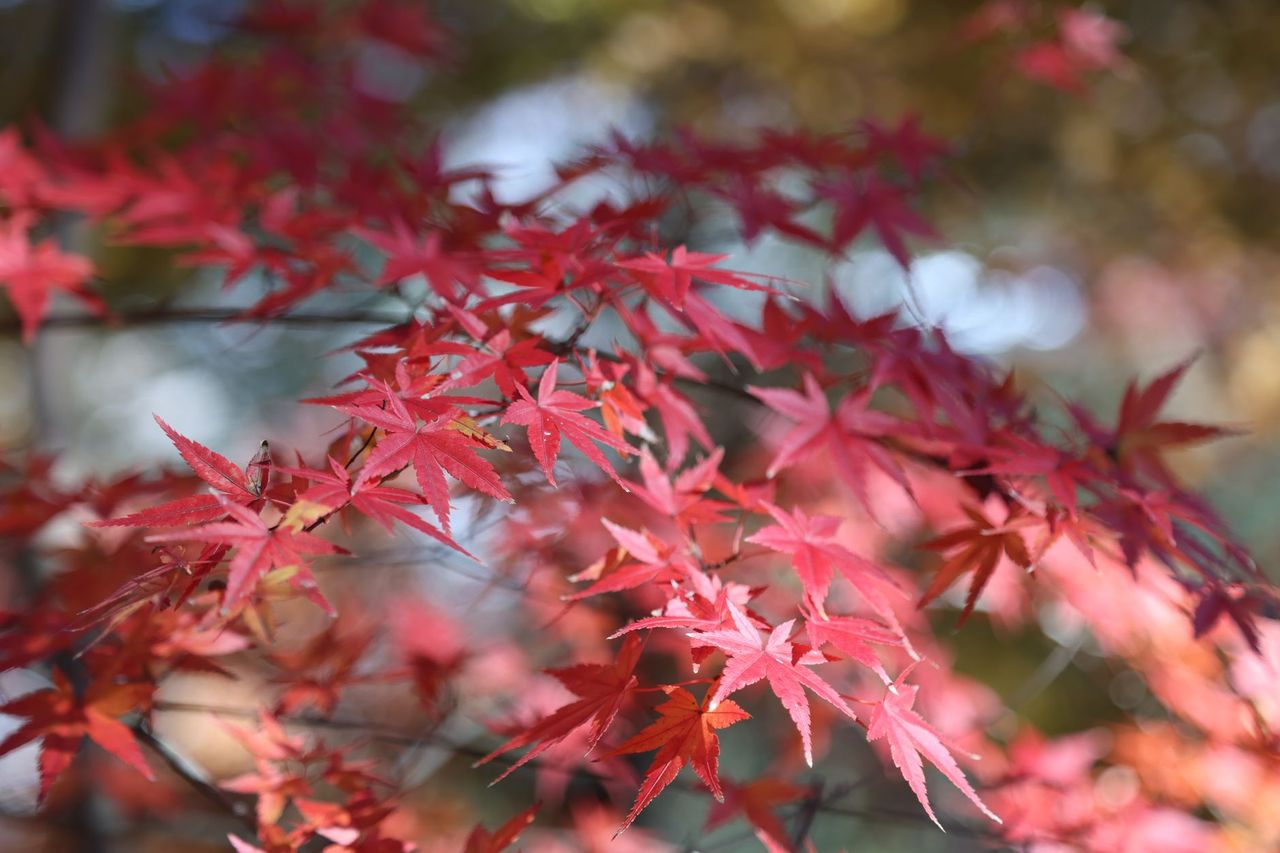
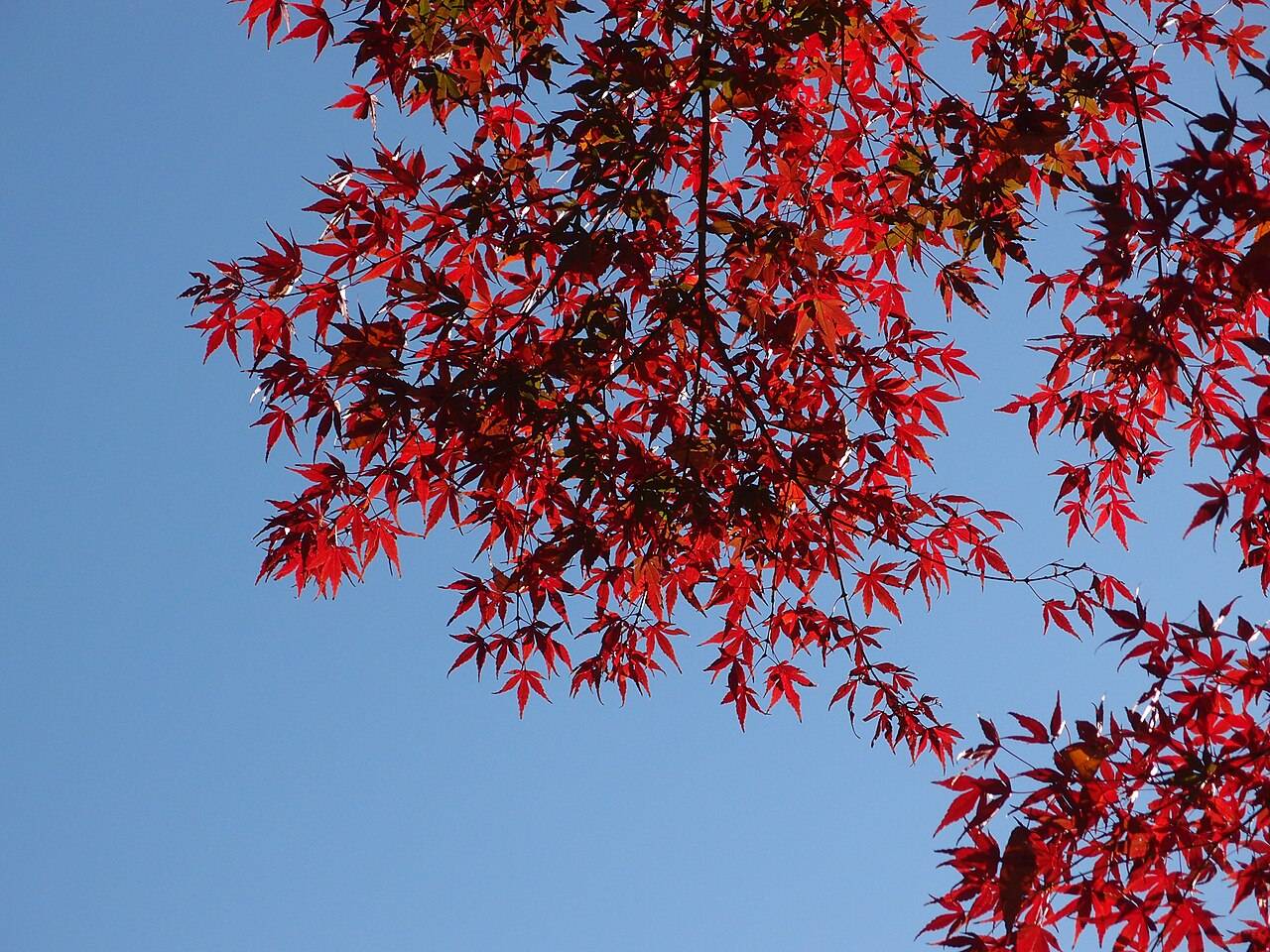
During ZEN NIGHT 2026, the garden shows off autumn with illuminated maples, sound art and zazen meditation. Hours extend to 21:00 on Fridays, Saturdays and November 1, 2 and 22, and to 21:30 on November 13.
Shinobazu Pond Bentendo: A Water Shrine in the Middle of the Pond and Summer Lotuses
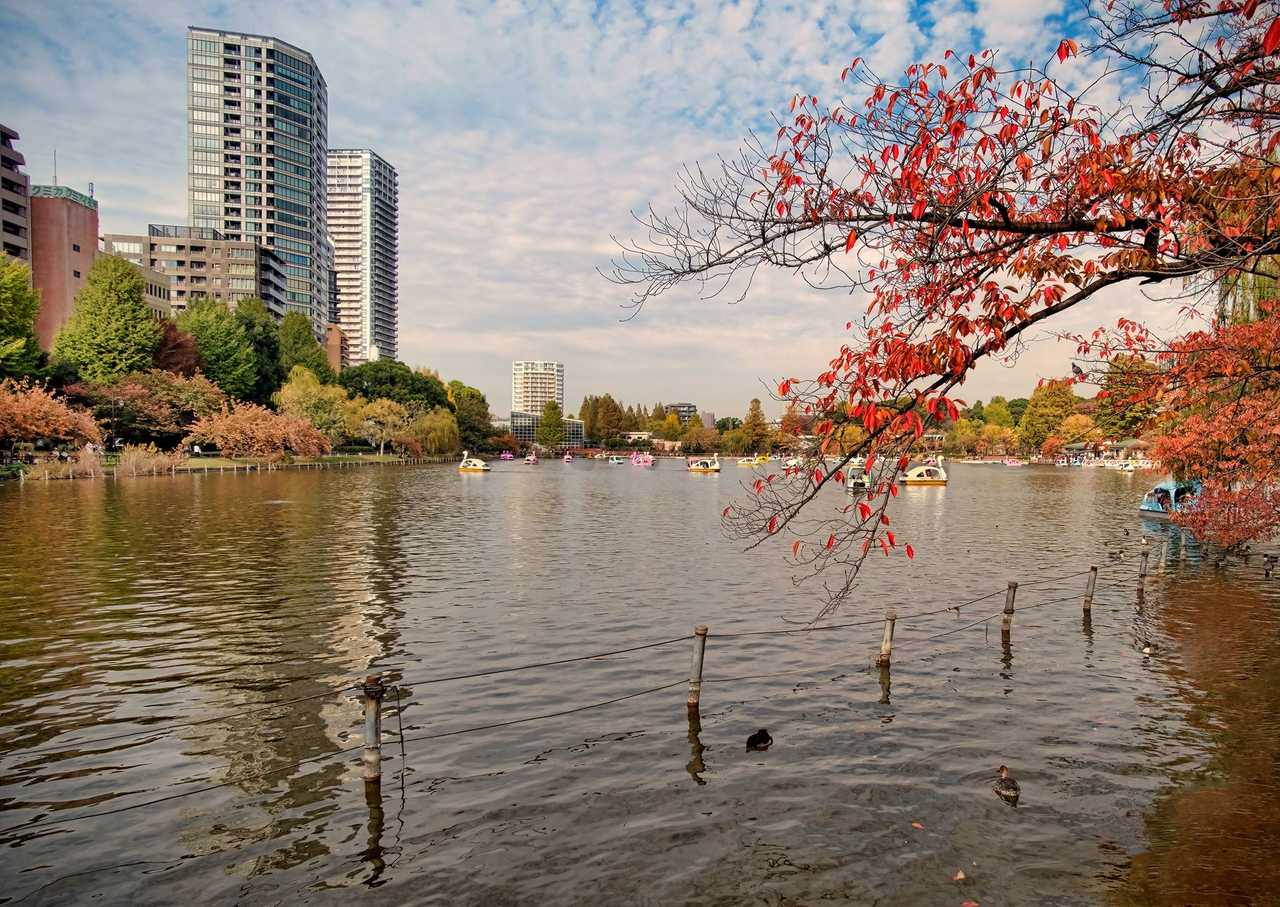
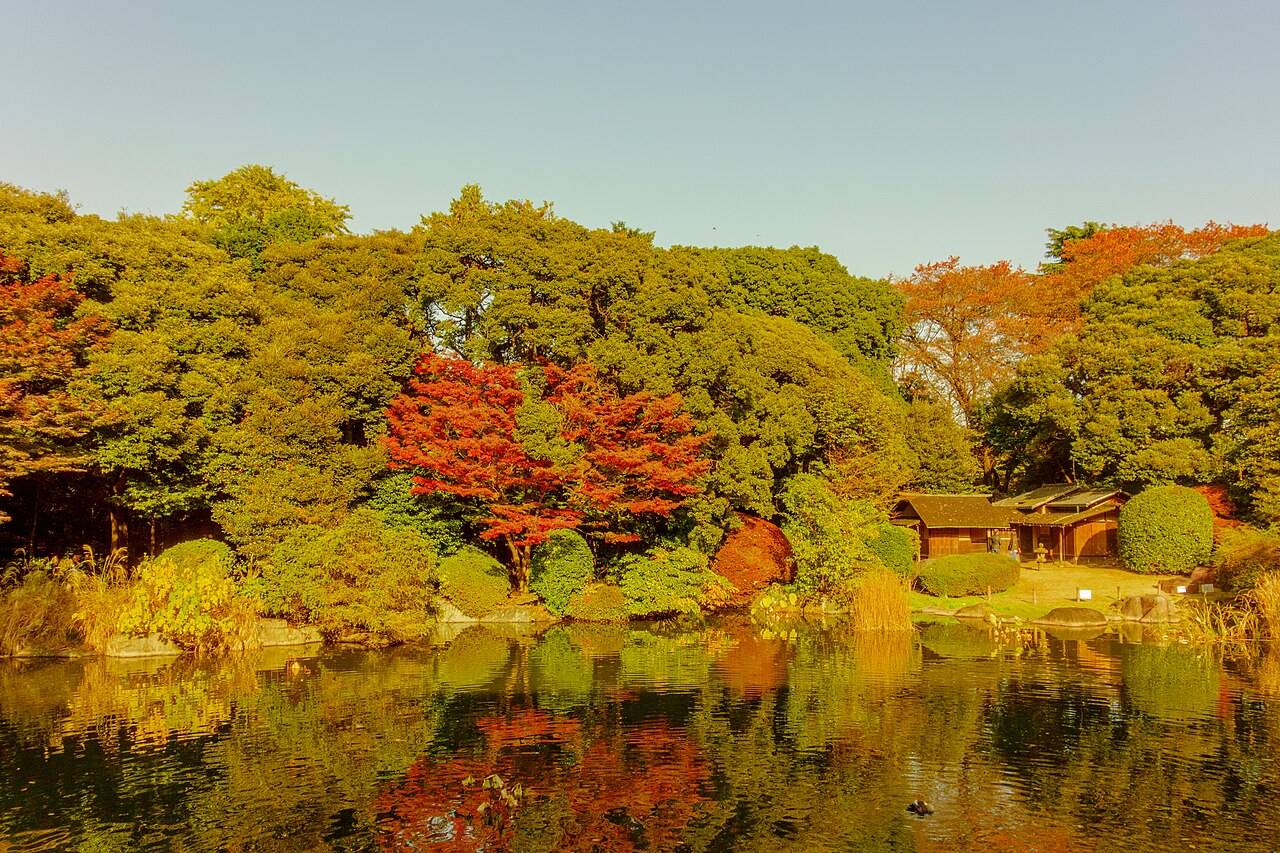
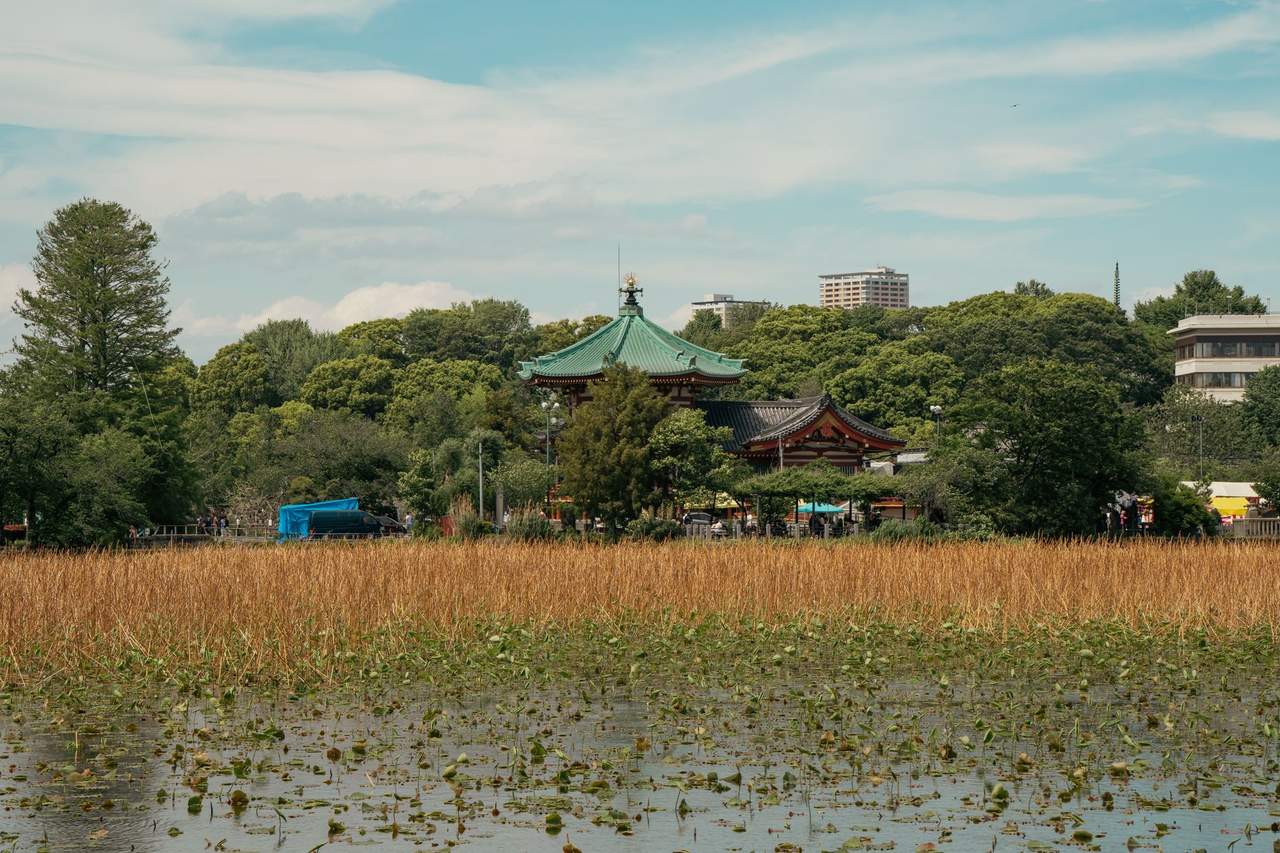
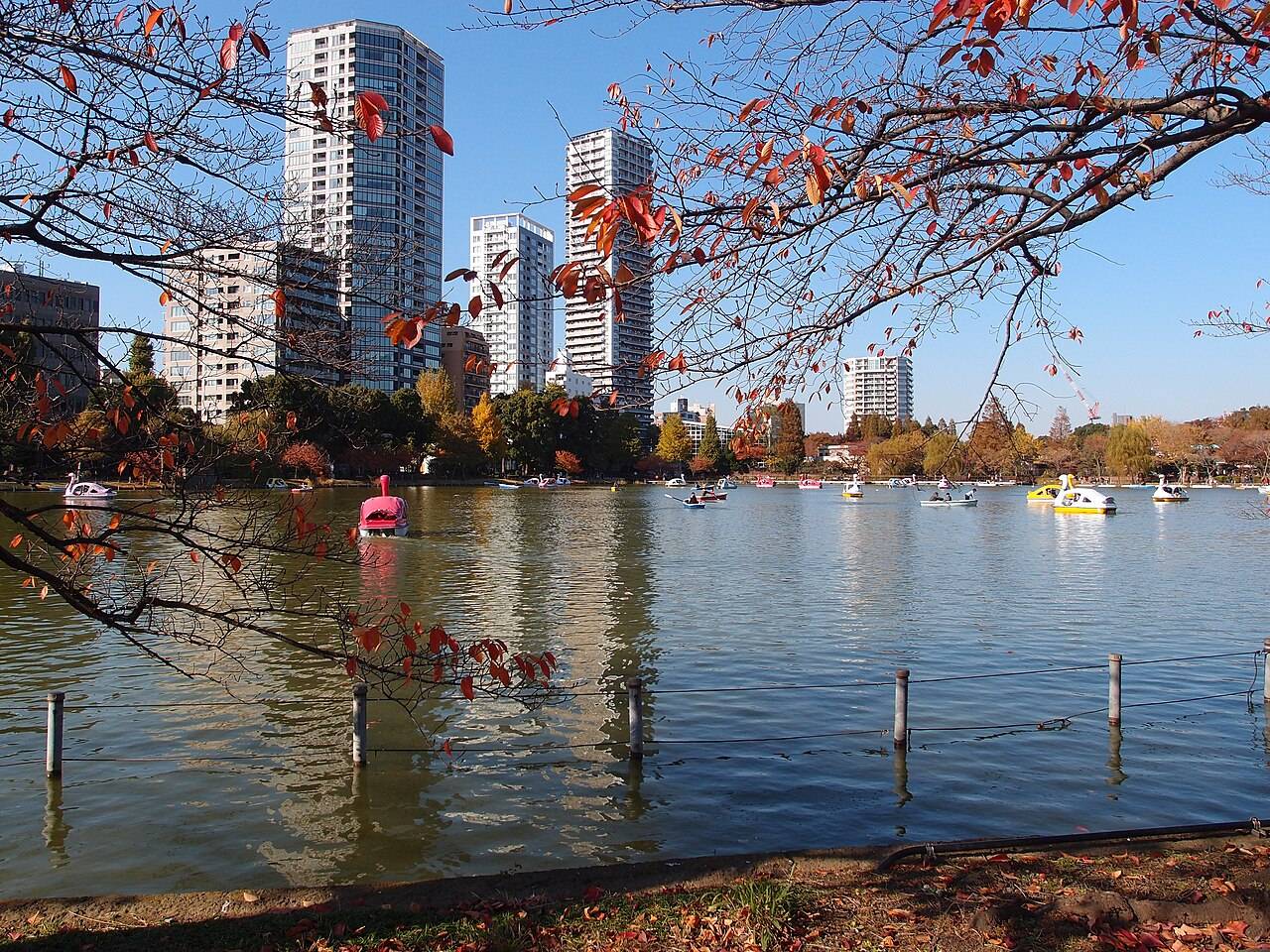
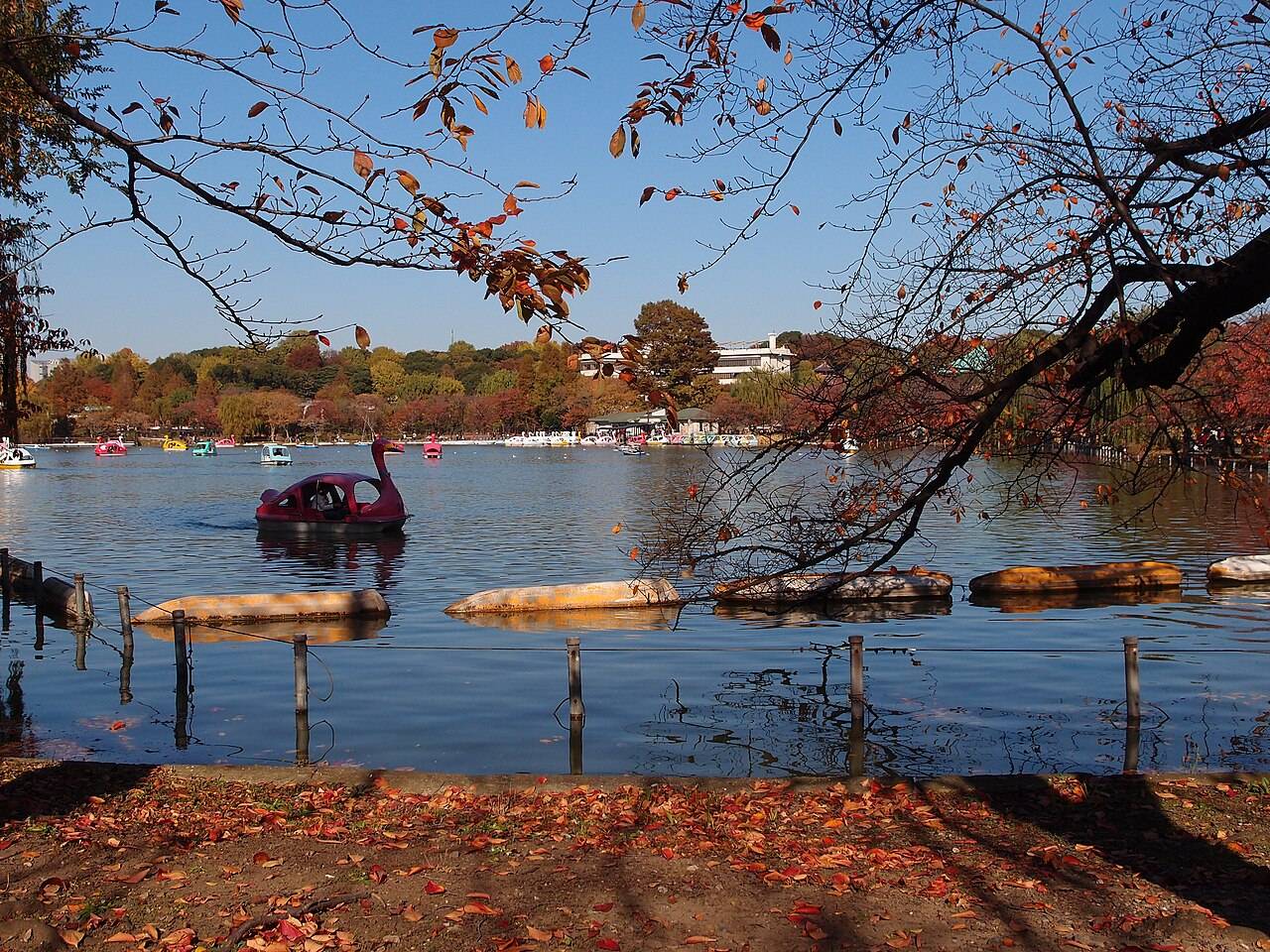
Shinobazu Pond lies on the south side of Ueno Park and is about 2 km around. Shinobazu-no-ike Bentendo, in the middle of the pond, is the local landmark, and the easiest approach is on foot from Keisei Ueno Station. Autumn leaves along the shore reflect on the water, making a fall walk here especially atmospheric.
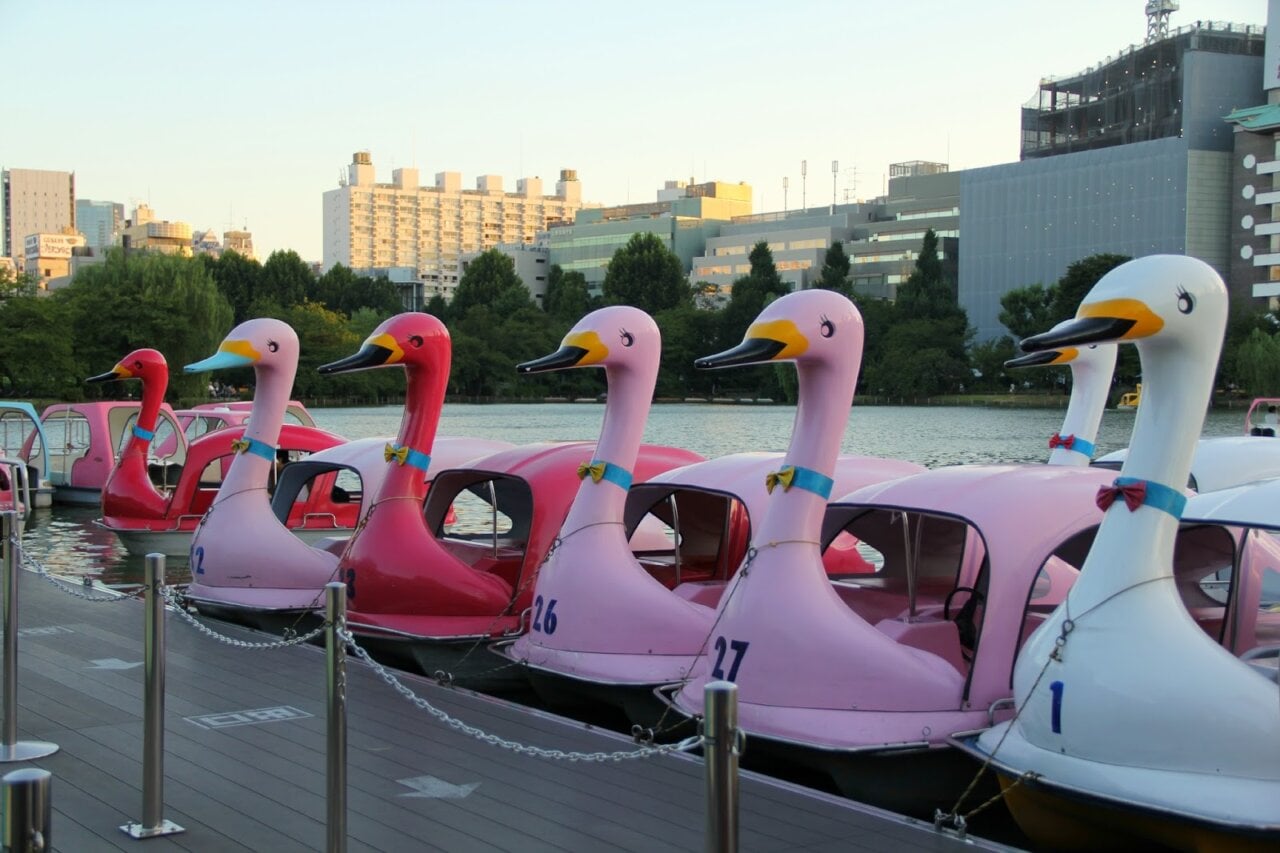
In summer, great beds of lotus bloom from July to August, at their best in early morning; the flowers gradually close in the afternoon. Swan boats are available for rides on the pond.
Ueno Toshogu Shrine: The Golden Hall and Eiyo Gongen-sha
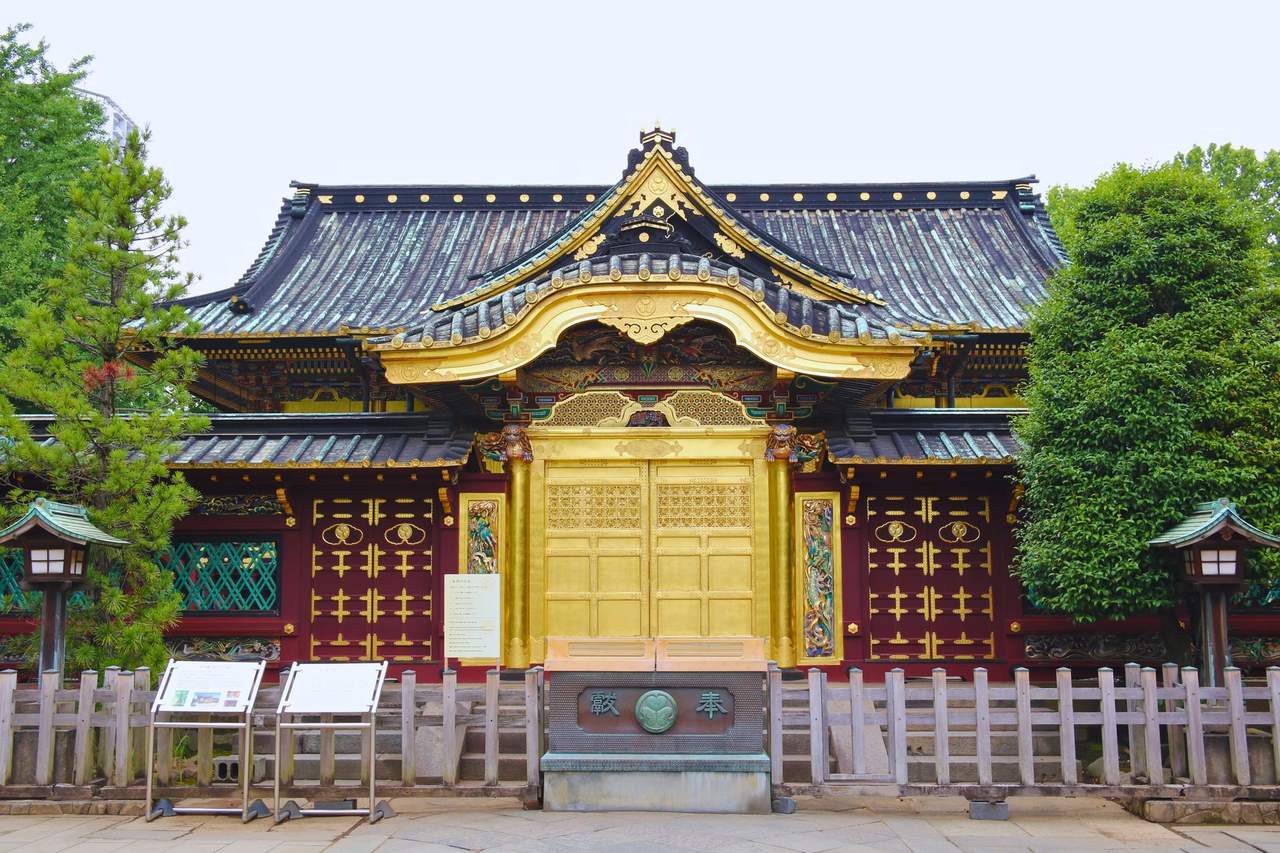
Ueno Toshogu Shrine enshrines Tokugawa Ieyasu. Its main hall, the Konjiki-den (Golden Hall), is an Important Cultural Property known for its gold decoration, and the grounds also hold the Karamon gate and many bronze lanterns.
The Eiyo Gongen-sha on the grounds is where people pray for success in exams, jobs and contests, and you can get omamori charms and goshuin (temple/shrine stamp). In winter there is also a winter peony show, which needs a separate garden ticket.
Kiyomizu Kannon-do: The Moon Pine and a Stage Modeled on Kyoto’s Kiyomizu-dera
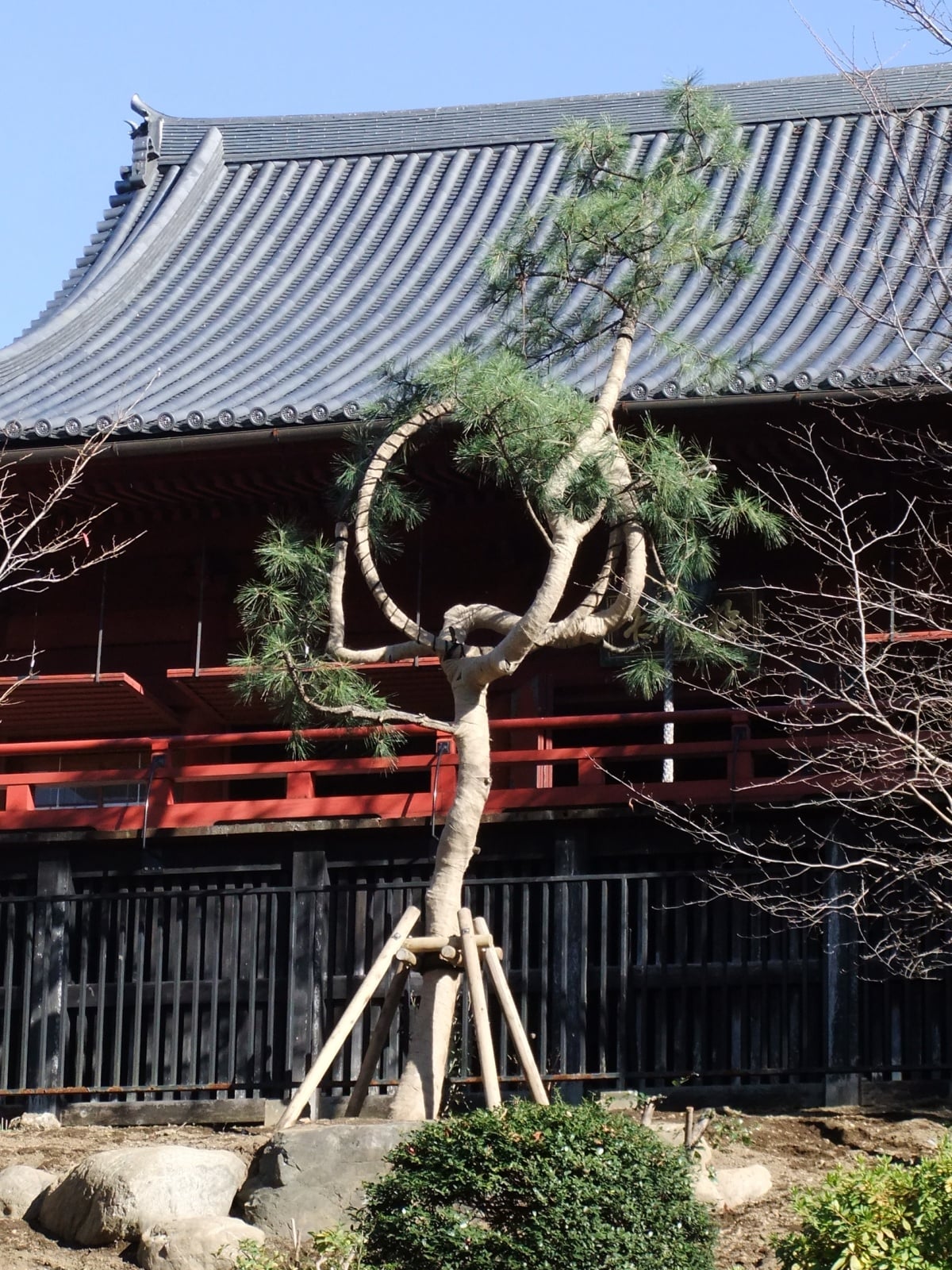
Kiyomizu Kannon-do was built in the image of Kyoto’s Kiyomizu-dera, and the ‘Moon Pine’ (Tsuki no Matsu) in front of the hall is a well-known photo spot and a popular sight in Ueno Onshi Park.
In autumn, maples and ginkgo frame the hall, making it a highlight of the foliage route. Together with Ueno Toshogu Shrine, Kiyomizu Kannon-do is one of the temple and shrine stops inside the park.
Saigo Takamori Statue: The First Landmark at the Park Entrance
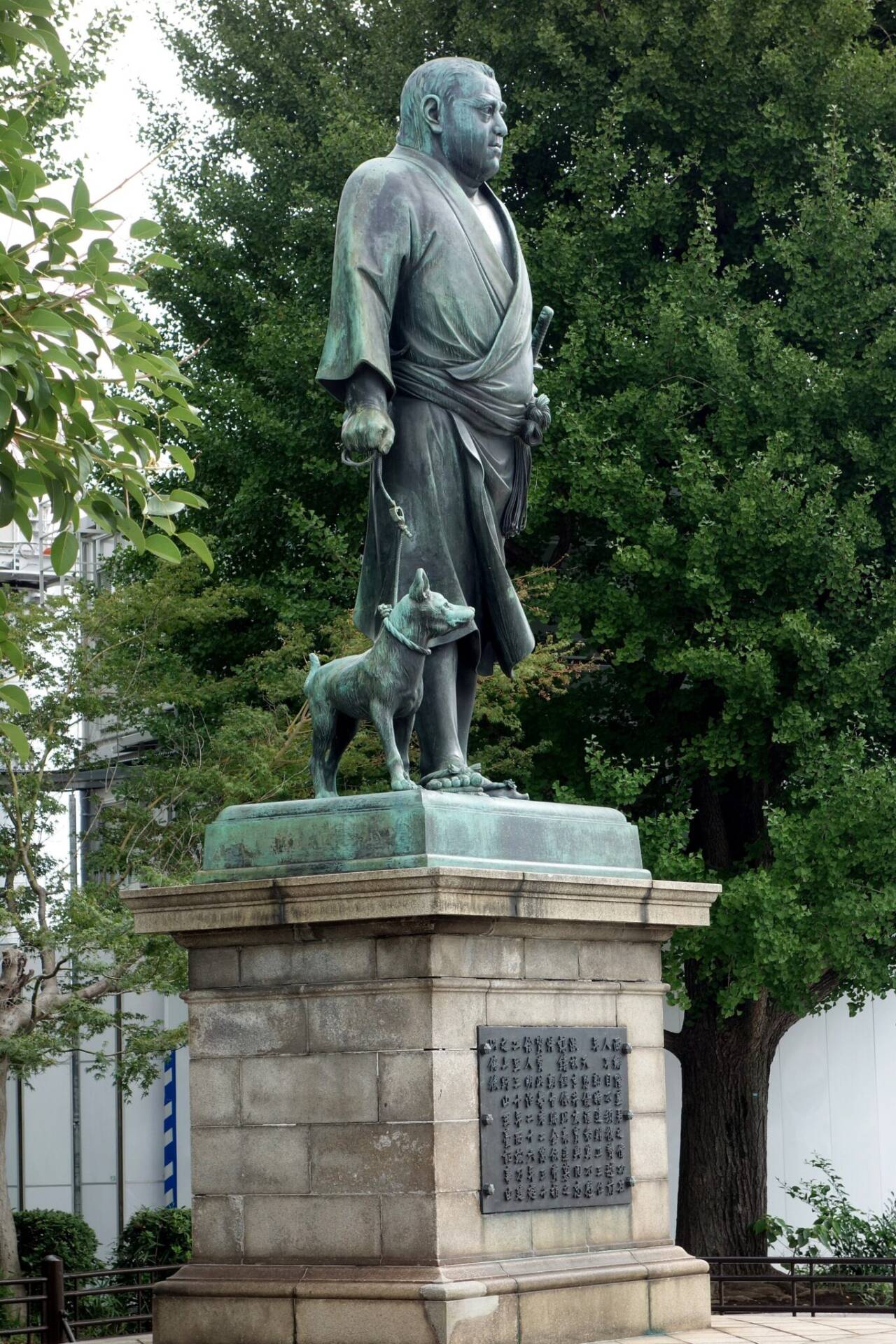
The Saigo Takamori statue in Ueno Onshi Park is a classic monument to a figure of the Meiji Restoration, and the pose with his dog on a leash makes it a must-photograph spot. After entering at the Park Exit of JR Ueno Station, the statue is one of the first landmarks you reach.
Walk from the statue toward the fountain plaza and the Tokyo National Museum to see ginkgo and maples changing color along the way.
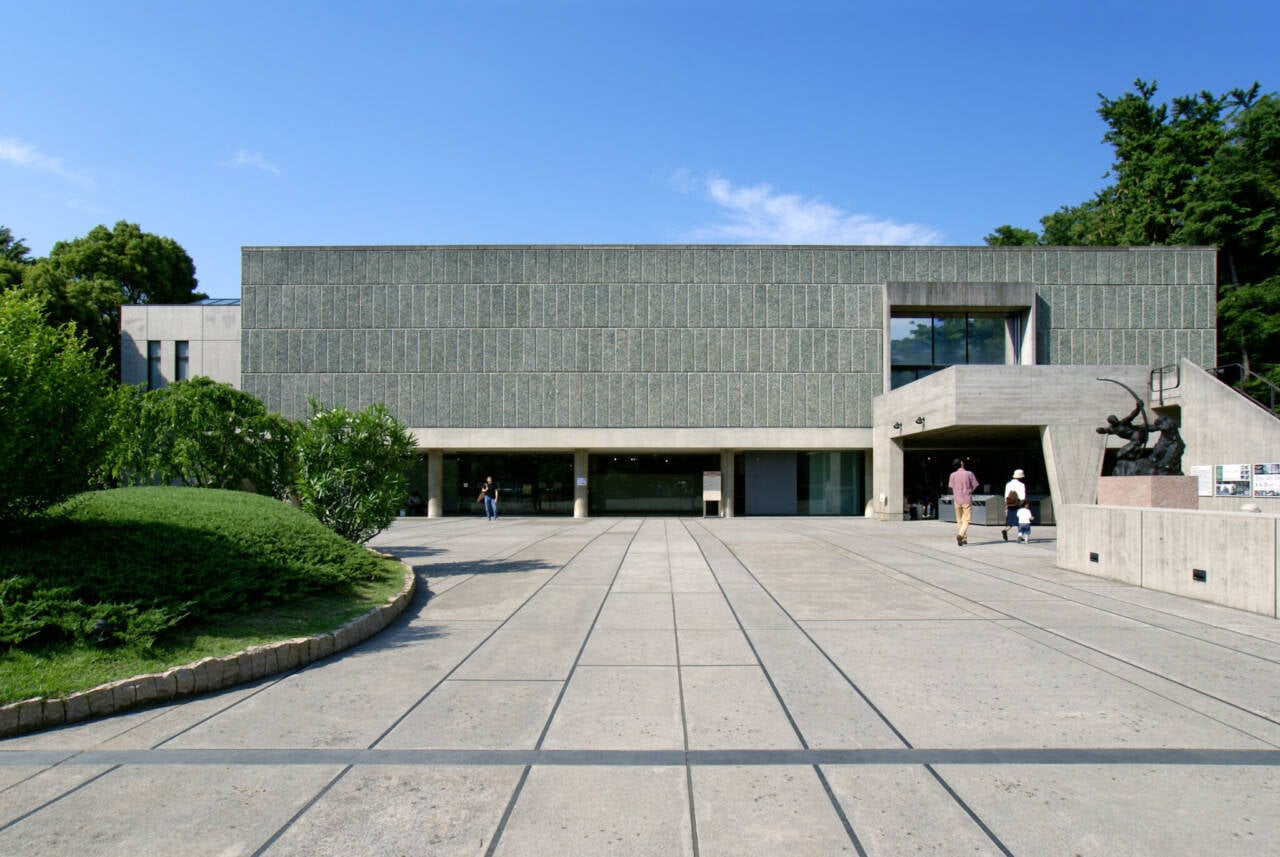
National Museum of Western Art: The Matsukata Collection and Rodin Sculptures
The National Museum of Western Art is built around the Matsukata Collection, much of it returned by the French government. Its holdings include works by Renoir, Van Gogh, Monet and Picasso, and Rodin sculptures are also on display.
The permanent collection is open until 17:30 Tuesday to Thursday and Sunday, and until 20:00 on Fridays and Saturdays (last entry 30 minutes before closing); it is closed on Mondays. It is inside Ueno Park, a short distance from the Tokyo Metropolitan Art Museum.
Tokyo Metropolitan Art Museum: Brick-Red Walls Since 1926
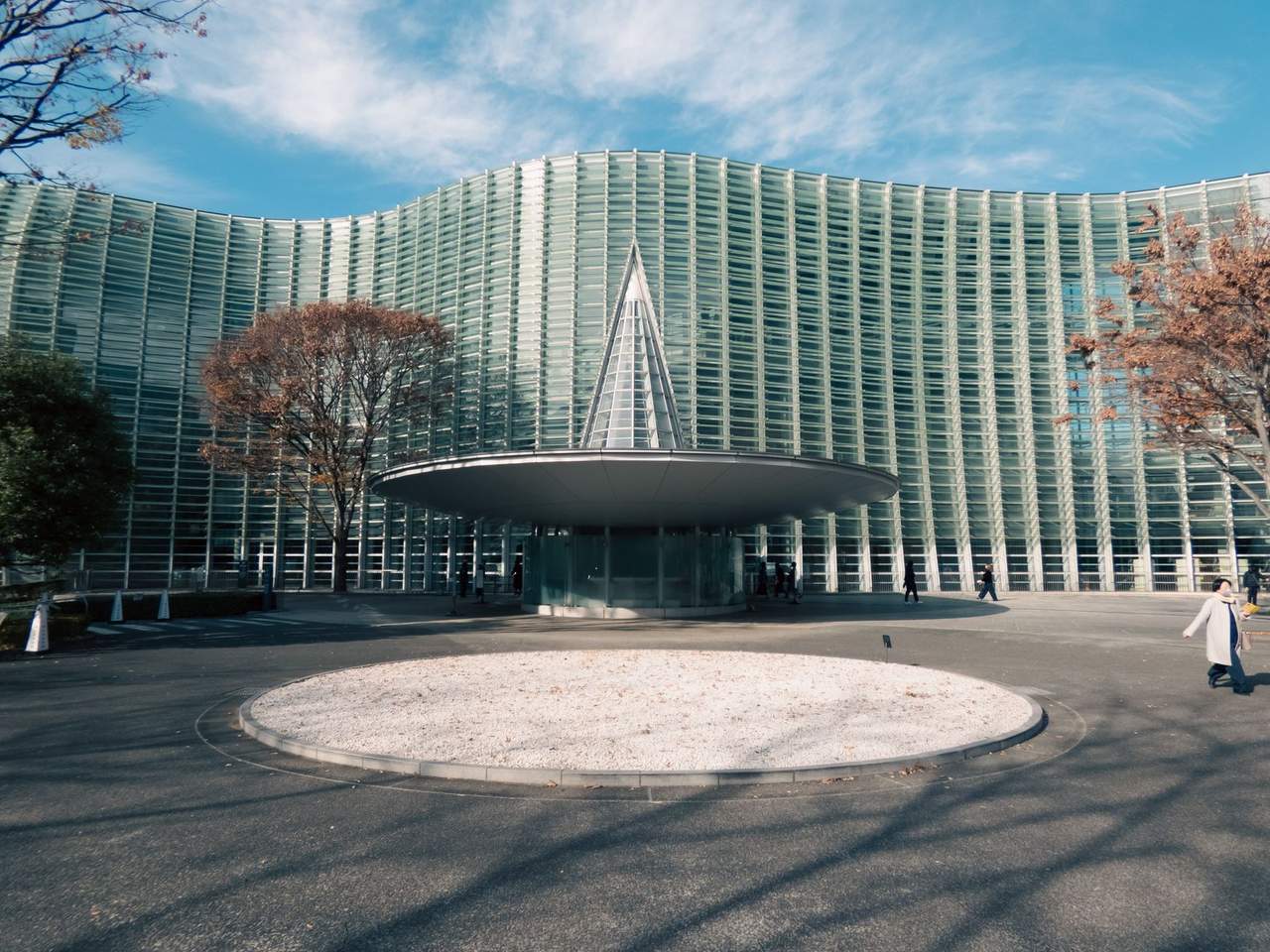
The Tokyo Metropolitan Art Museum opened in 1926. Its exterior is known for brick-red tiles, and it is one of the familiar museums in Ueno Park.
It stands within the park, a short distance from the National Museum of Western Art, so the two fit easily into the same day.
Kyu-Iwasaki-tei Garden: A Meiji-Era Western Mansion and a Giant Ginkgo
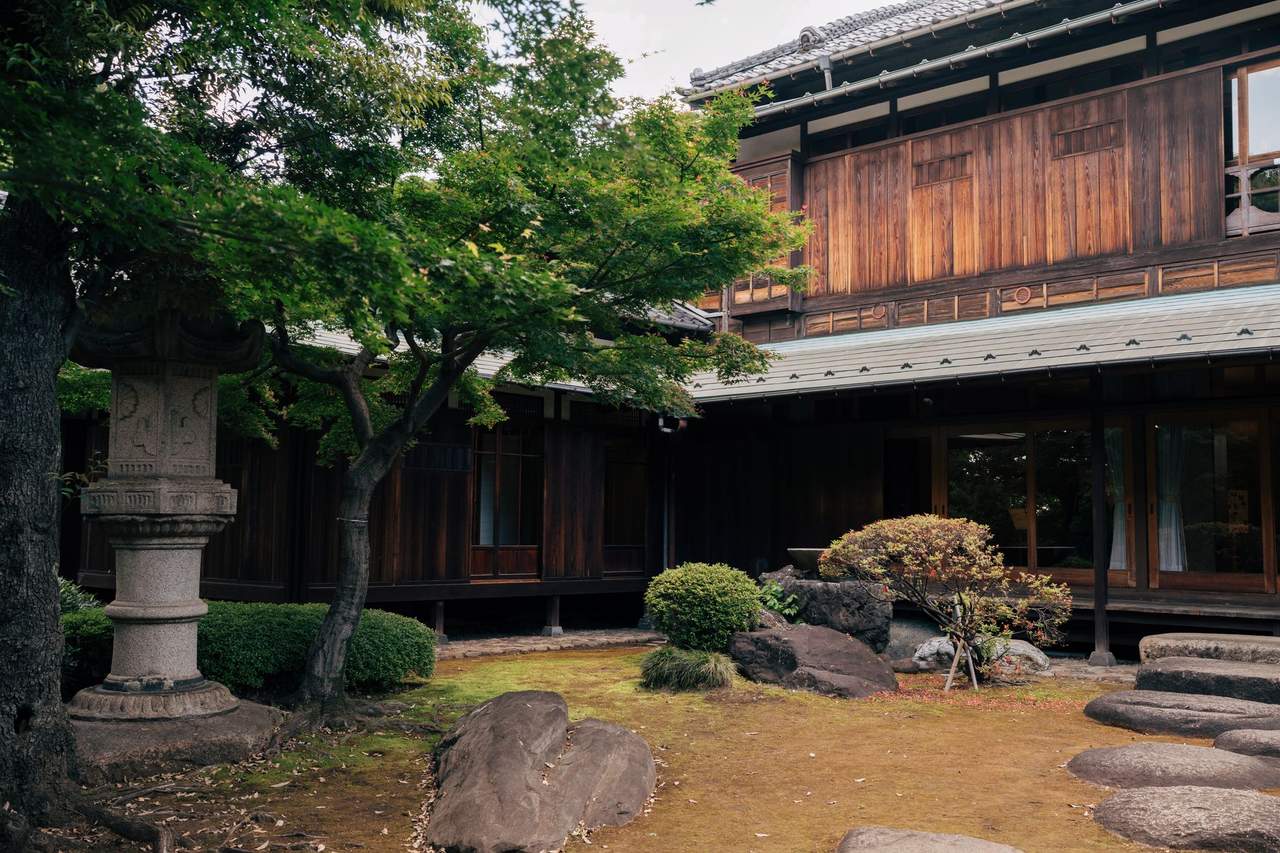
Kyu-Iwasaki-tei Garden, designed by Josiah Conder, was built in 1896 (Meiji 29) as the residence of Iwasaki Hisaya. The estate originally covered about 15,000 tsubo with 20 buildings; three survive: the Western-style house, the Japanese house and the billiard room.
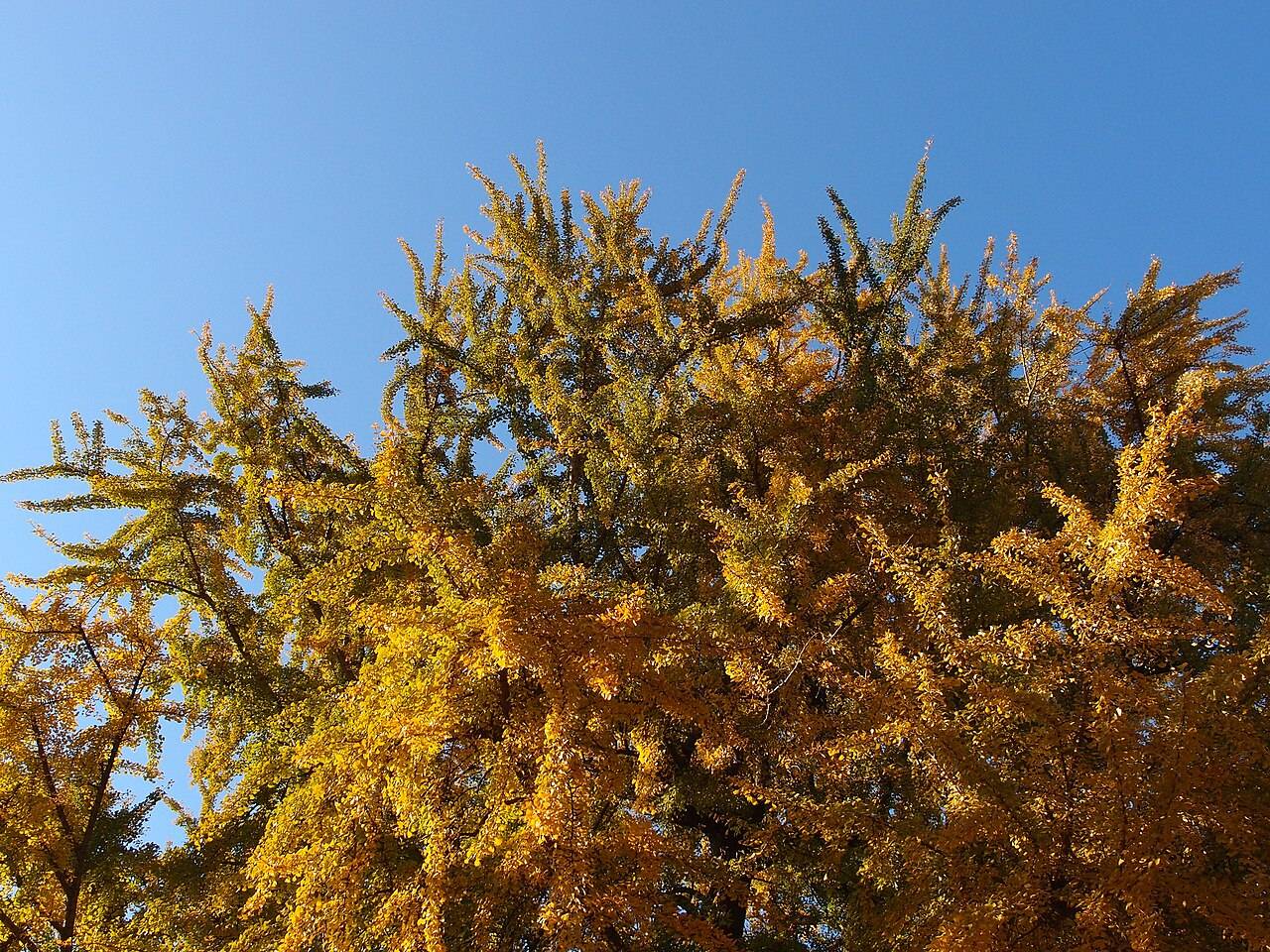
Admission is ¥400, ¥200 for ages 65 and over, 09:00 to 17:00 (last entry 16:30), closed December 29 to January 1. It is about a 3-minute walk from Yushima Station. The garden’s giant ginkgo is estimated to be about 400 years old and looks best in early December; there is no evening illumination.
Yanaka Cemetery: A Quiet Autumn Path to the North
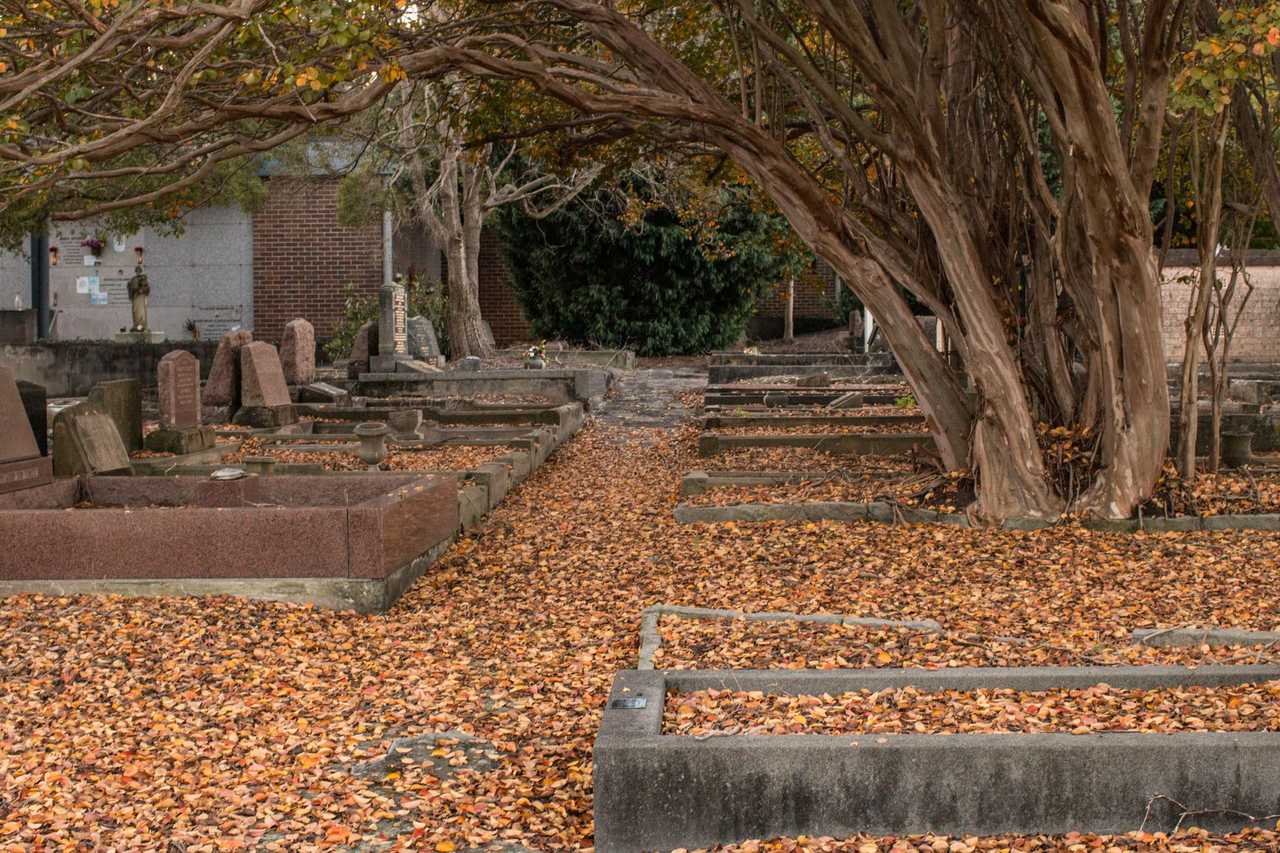
Yanaka Cemetery lies north of Ueno Park and can be reached on foot through the park, making it the autumn walking route between Ueno and Yanaka.
The grounds are full of graves, so keep your voice down and stay on the paths. After late November the trees turn gold and red, and crowds are thin.
Yanaka Ginza: A Traditional Shopping Street of About 60 Shops
Yanaka Ginza is a traditional shopping street of about 60 shops, known for croquettes, fried snacks and handmade sweets, and it is within walking distance of Yanaka Cemetery.
Many old shops take cash only, so have cash ready before you buy. Weekends tend to be busier, so weekdays or mornings are better.
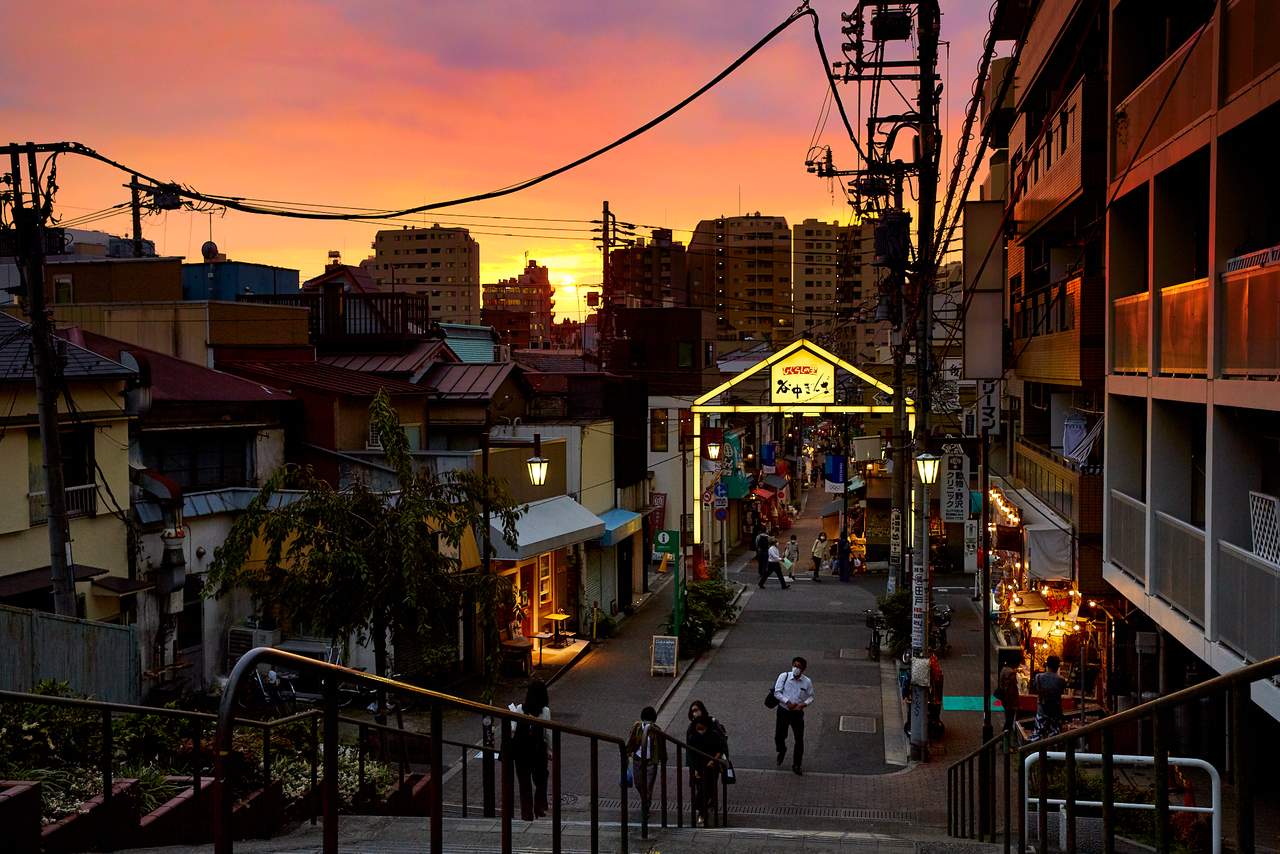
Yuyake Dandan: The Sunset Steps at the Entrance to Yanaka Ginza
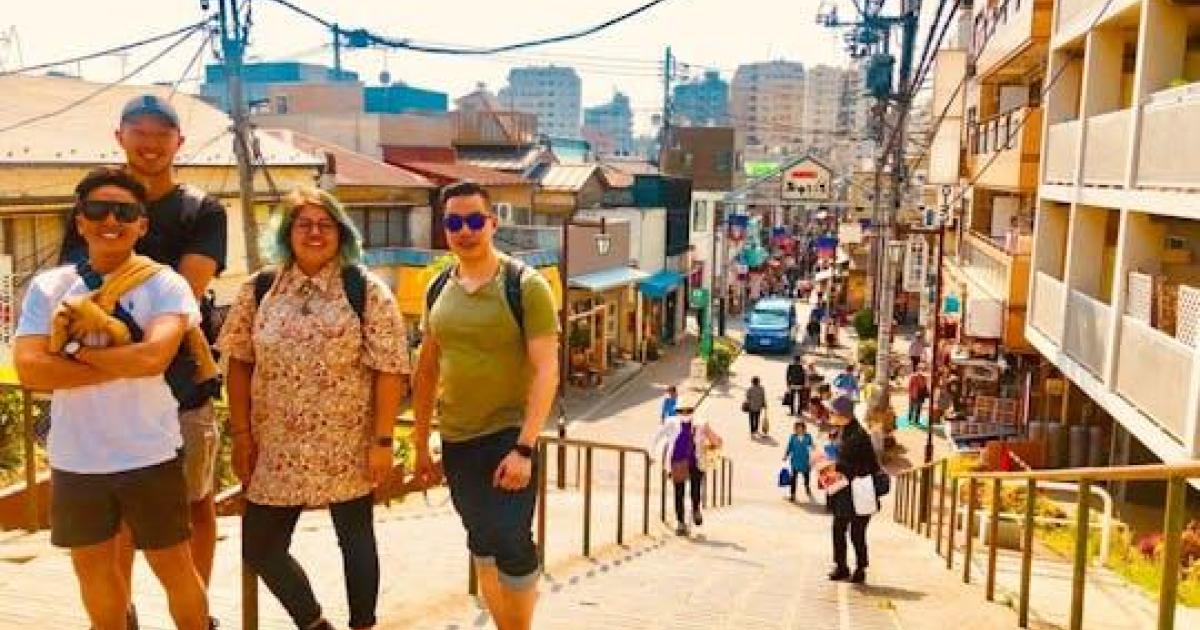
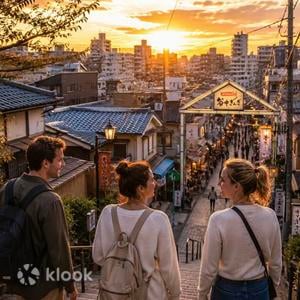
Yuyake Dandan (‘sunset steps’) stands at the entrance to Yanaka Ginza and takes its name from the sunset view; shops and houses line both sides.
The steps are in the Yanaka area, a short walk from Yanaka Ginza, and are a popular place to photograph the sunset and autumn street scenes. Arriving here in the evening after walking Yanaka Ginza is one fitting way to end a Yanaka stroll.
Ueno Autumn Leaves Costs: Tokyo National Museum Regular Exhibition and Boats on Shinobazu Pond
The 2026 prices for each facility are below.
Tokyo National Museum Regular Exhibition: ¥1,000 for General Admission
General admission to the Tokyo National Museum regular exhibition is ¥1,000, the most common museum ticket on an Ueno itinerary. The ZEN NIGHT TOKYO night garden is a separate ticket: ¥4,200 for adults, including the Daitokuji exhibition, or ¥1,900 for garden entry if you already hold a Daitokuji exhibition ticket.
Wheeled suitcases and large backpacks are not allowed in the Tokyo National Museum; leave your luggage in a locker at Ueno Station first.
Boating on Shinobazu Pond: Swan Boats at ¥1,000 for 30 Minutes
Swan boats on Shinobazu Pond cost ¥1,000 for 30 minutes and rowboats ¥800 for 30 minutes; boats do not operate on Wednesdays from December to February.
In autumn the trees along the shore change color and reflect on the water, and from the middle of the pond you can see the whole of Bentendo.
Where to Stay in Ueno and Practical Facilities in the Park
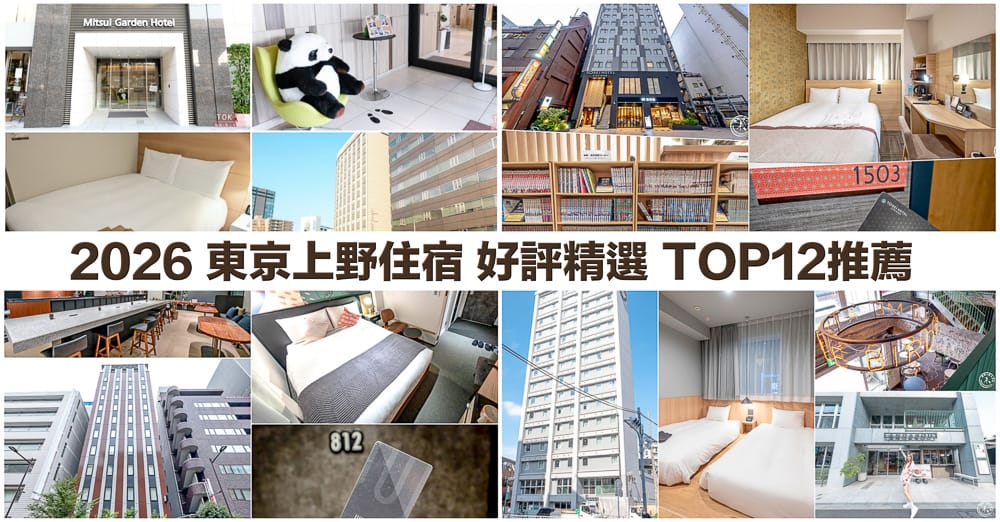
Hotels Around Ueno Station: Easy Transfers Near the JR and Keisei Stations
Ueno Station is where JR and Keisei lines meet, and the main places to stay are around JR Ueno Station and Keisei Ueno Station. Sensoji in Asakusa (about 5 minutes on the Ginza Line) and Akihabara (about 4 minutes on the Yamanote Line) are both a quick train ride away.
If your plans include ZEN NIGHT at the Tokyo National Museum or Tokyo Christmas Advent in the evening, staying near the station cuts down on night-time transfers and makes the trip back easier.
Park Facilities: Accessibility, Picnics and Luggage
The park has good accessibility facilities, and guide dogs are welcome. There are picnic areas.
Large luggage can go in lockers at Ueno Station, since the Tokyo National Museum bans wheeled suitcases and large backpacks.
Tokyo Christmas Advent 2026: Related Events Running from November to December
Tokyo Christmas Advent 2026 runs from November 6 to December 25. The main venue is Hakamagoshi Plaza in Ueno Onshi Park, expanding to the Shinobazu Pond area from November 18. Hakamagoshi Plaza has more than 30 wooden hut stalls, and Shinobazu Pond has large light displays and the ‘Festa de Santa’ event.
The outdoor circus ‘AURA’ performs from November 27 to December 24, a good fit for the evening after a day of autumn leaves.
Further Reading: Tokyo Autumn Leaf Spots


FAQ
Q: When are Ueno’s autumn leaves at their best?
The 2026 forecast puts peak color from late November to early December.
Q: How much does it cost to enter Ueno Park?
The park itself is free, and each facility charges separately: ¥1,000 general admission for the Tokyo National Museum regular exhibition, ¥400 for Kyu-Iwasaki-tei Garden, and ¥4,200 for an adult ZEN NIGHT TOKYO night garden ticket.
Q: What is the easiest way to get to Ueno Park?
The easiest way is the Park Exit of JR Ueno Station, about a 2-minute walk away. From Narita Airport, the Skyliner runs direct to Keisei Ueno Station in about 41 to 44 minutes.
Q: What are Ueno Park’s opening hours?
The park is open from 05:00 to 23:00. The Tokyo National Museum closes on Mondays, and the ZEN NIGHT TOKYO night garden opens from 17:30 to 19:30.
Q: How do I buy ZEN NIGHT TOKYO tickets?
Tickets cost ¥4,200 for adults, ¥3,200 for university students and ¥2,800 for high school students, including the Daitokuji exhibition; junior high school students and younger enter free. Buy them on the event website, zen.vie.style.
Q: What should I keep in mind for autumn leaves in Ueno?
Wheeled suitcases and large backpacks are not allowed in the Tokyo National Museum, so use a locker at Ueno Station. The Tokyo National Museum and the National Museum of Western Art both close on Mondays, so avoid planning your visit for a Monday.