Shibuya, Harajuku and Omotesando Autumn Leaves 2026: Peak Color Around Meiji Jingu, Yoyogi Park and Aoyama: A Central Tokyo Autumn Walk
From Harajuku Station you can walk to Meiji Jingu, Yoyogi Park and Omotesando, then go from Omotesando Station to the Nezu Museum garden in Minami-Aoyama, the easiest autumn leaves route to link in central Tokyo. Most spots are free and color peaks from late November to early December. For the golden ginkgo tunnel, Meiji Jingu Gaien is a few minutes from Gaienmae Station.
2026 Peak Forecast: Yoyogi Park from November 30, Gaien from November 29
Weathernews’s 2026 forecast puts peak color at the Meiji Jingu Gaien ginkgo avenue from about November 29 and at Yoyogi Park from about November 30, with leaf fall from about December 13 and 15. The Japan Weather Association forecasts Tokyo’s ginkgo yellowing date as November 26, 3 days from the average year.
These forecasts update with temperature, so check the latest before you go, especially in mid-November when color changes week by week.
In a forecast published on September 2, 2026 by Nippon Kisho Co., Ltd., Tokyo’s red leaves are expected around November 29, 1 day later than average, and ginkgo yellowing around November 26, 3 days later. The company says lingering summer heat has kept temperatures high, so color change is late.
One-Day Autumn Leaves Route: From Harajuku to Minami-Aoyama
Enter Meiji Jingu beside Harajuku Station and circle Gyoen’s South Pond in the morning, then see Yoyogi Park’s ginkgo and maples via Harajuku Gate. Walk the Omotesando zelkovas in the afternoon, then Nezu if time allows. Gyoen closes at 16:00 (Nov.-Feb.) and Nezu’s last entry is 16:30, so mornings are safer. For the Gaien ginkgo, ride the Ginza Line one stop to Gaienmae.
The Nezu Museum is closed on Mondays. If you set out on a Monday, you can walk just the Gyoen, Yoyogi Park and Omotesando, which are unaffected. The Gaien ginkgo avenue is free with no time limit, so it also works well as the last stop.
Best Time for Autumn Leaves: Late November to Early December
Yoyogi Park and Gaien ginkgo mostly peak from late November to early December, and the Omotesando zelkovas also turn in late November. For Meiji Jingu Gyoen, the land and transport ministry’s multilingual guide lists late November as the foliage season. Actual color at all three follows that week’s temperature.
Nippon Kisho Co., Ltd. forecasts that peak color in most areas this autumn (2026) will be average or late. Omotesando’s illuminations were lit from December 1 in 2025; the 2026 schedule has not been announced.
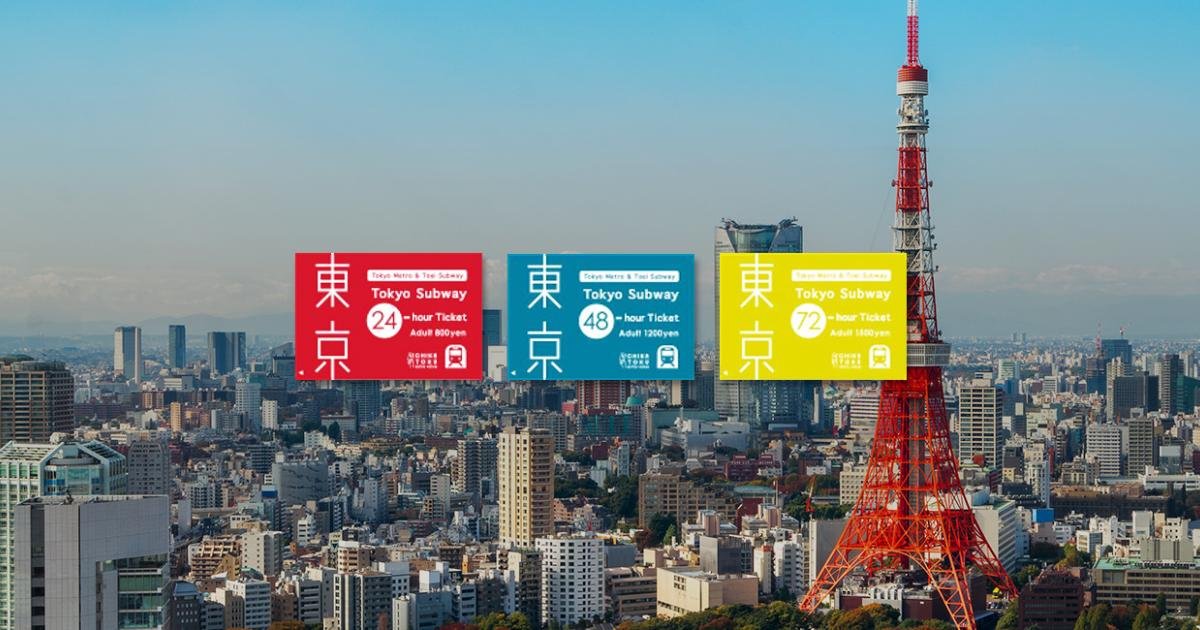
How to Get to Shibuya, Harajuku and Omotesando Autumn Leaves Spots 2026: Access and Costs
The spots cluster around JR Yamanote Line Harajuku Station and the Tokyo Metro lines, so you can link them on foot.
Getting to the Shibuya, Harajuku and Omotesando Autumn Leaves Spots at a Glance
- JR Yamanote Line: Harajuku Station, about 3 minutes on foot to Yoyogi Park.
- Tokyo Metro Chiyoda and Fukutoshin lines: Meiji-jingumae (Harajuku) Station, about 3 minutes on foot to Yoyogi Park. Yoyogi-koen Station (C02) on the Chiyoda Line is also about 3 minutes.
- Tokyo Metro Ginza, Chiyoda and Hanzomon lines: Omotesando Station. To the Nezu Museum, about 8 minutes on foot from Exit A5 (about 10 minutes from Exits B3 and B4).
- Tokyo Metro Ginza Line: Gaienmae Station, about 5 minutes on foot to the Meiji Jingu Gaien ginkgo avenue (Aoyama-itchome Station is also about 5 minutes).
- Omotesando, Meiji-jingumae and Gaienmae are all on Tokyo Metro lines.



Shibuya, Harajuku and Omotesando Autumn Leaves 2026: Must-See Spots Around Meiji Jingu, Yoyogi Park and Aoyama
Five autumn leaves spots in route order, from Meiji Jingu Gyoen to Gaien, each with opening hours and peak-color information.
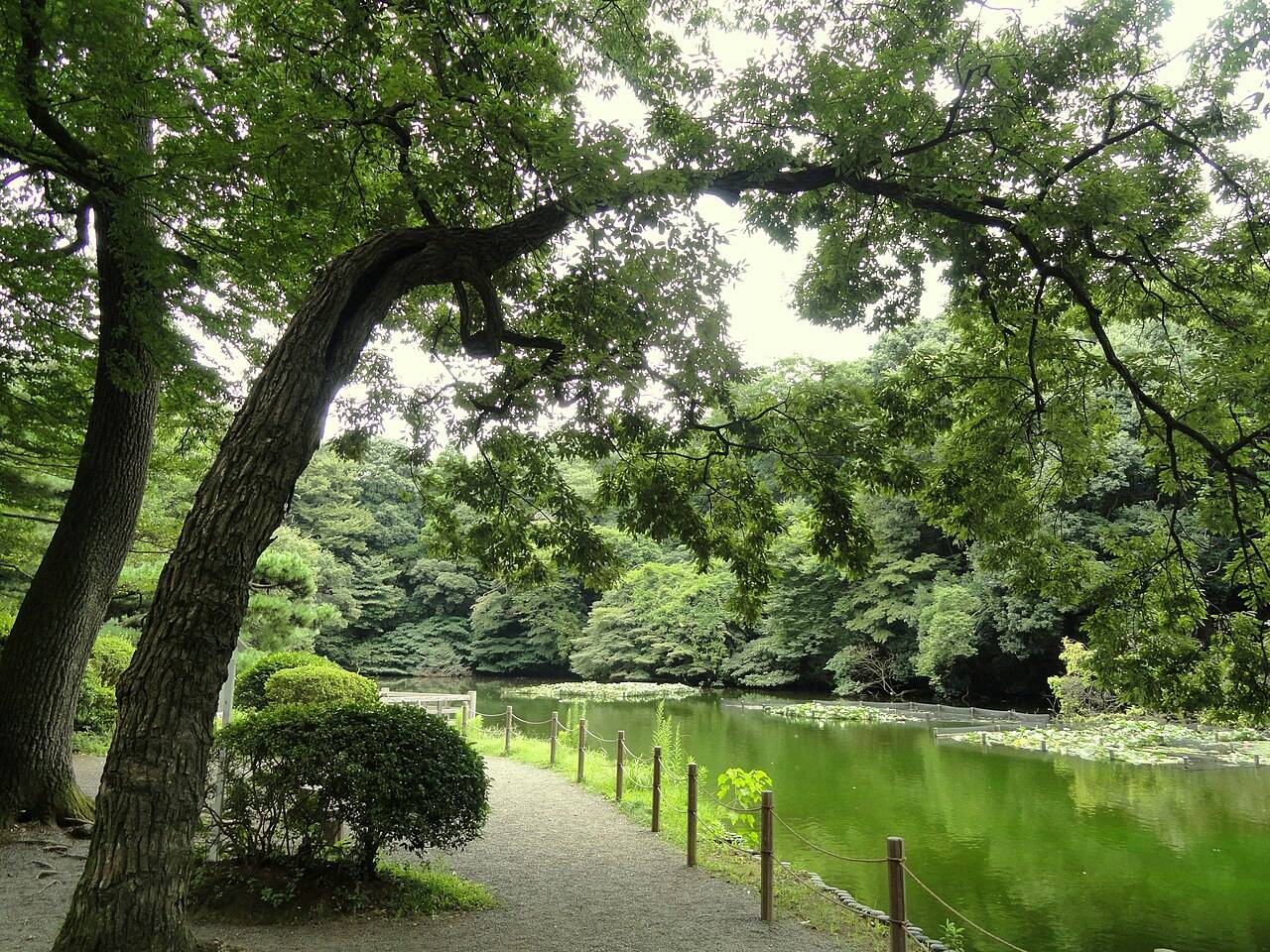
Meiji Jingu Gyoen: An Autumn Walk by the South Pond and Kakuun-tei
Meiji Jingu Gyoen lies within the shrine grounds, centered on the South Pond. Kakuun-tei by the pond dates from 1900 and was rebuilt after the war, and wild birds visit the pond in autumn and winter. The land and transport ministry’s multilingual guide lists late November as the foliage season.
Gyoen is open 9:00 to 16:30 from March to October and 9:00 to 16:00 from November to February, with no closing days, and needs a ¥500 maintenance contribution. The shrine’s main hall opens at 6:10 and closes at 16:10 in November; enter Gyoen before 16:00.
Kakuun-tei has the Rei-no-ma and Ritsurei-no-ma rooms overlooking the South Pond. Water lilies and kawahone (yellow pond lilies) bloom in the pond in summer, and migratory birds arrive from late autumn to early winter.

Kiyomasa’s Well: Spring Water at the Back of Gyoen, About 15 Degrees Year-Round
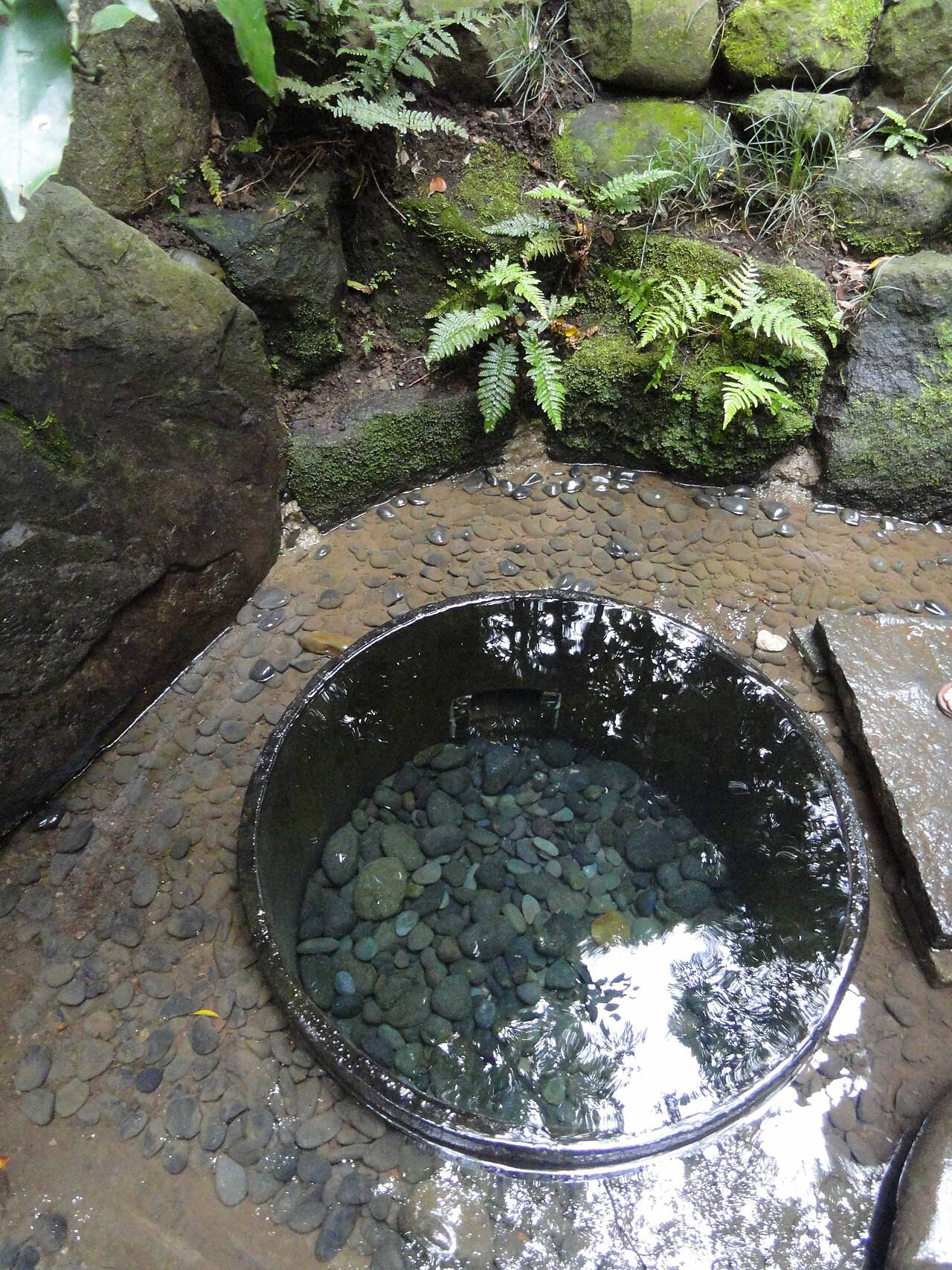
Kiyomasa’s Well is said to have been dug by Kato Kiyomasa and lies at the deepest part of Gyoen, gushing about 60 liters a minute on average at about 15 degrees all year. In the cool of autumn, its clear water contrasts with the colors of the surrounding trees, and it is the second stop after the South Pond.
Kiyomasa’s Well is inside Meiji Jingu Gyoen, so you must pay the ¥500 maintenance contribution to enter first.
Kiyomasa’s Well is the source of the South Pond. The spring water flows under the bridge on the South Sando (south approach) and finally empties into the Shibuya River.
Yoyogi Park: Ginkgo Avenue Ahead Right of Harajuku Gate and Red Leaves West of the Fountain Pond
Enter Yoyogi Park by Harajuku Gate and the ginkgo avenue is ahead on the right, with red maples west of the fountain pond. Zelkova, ginkgo and iroha maple turn in turn, so the foliage season lasts more than a month.
Weathernews forecasts peak color from about November 30, 2026 and leaf fall from about December 15. The park is always open and free, at 2-1 Yoyogikamizonocho, Shibuya, and about 3 minutes on foot from JR Harajuku, Meiji-jingumae (Harajuku) and Yoyogi-koen stations.
Yoyogi Park is the fifth largest of the metropolitan parks within the 23 wards. It was formerly the Army’s Yoyogi parade ground, then, after the war, the US military housing Washington Heights, and later the Tokyo Olympics Athletes’ Village.

Omotesando Zelkova Avenue: A 1.1-Kilometer Tree-Lined Street from Harajuku Station to the Omotesando Crossing
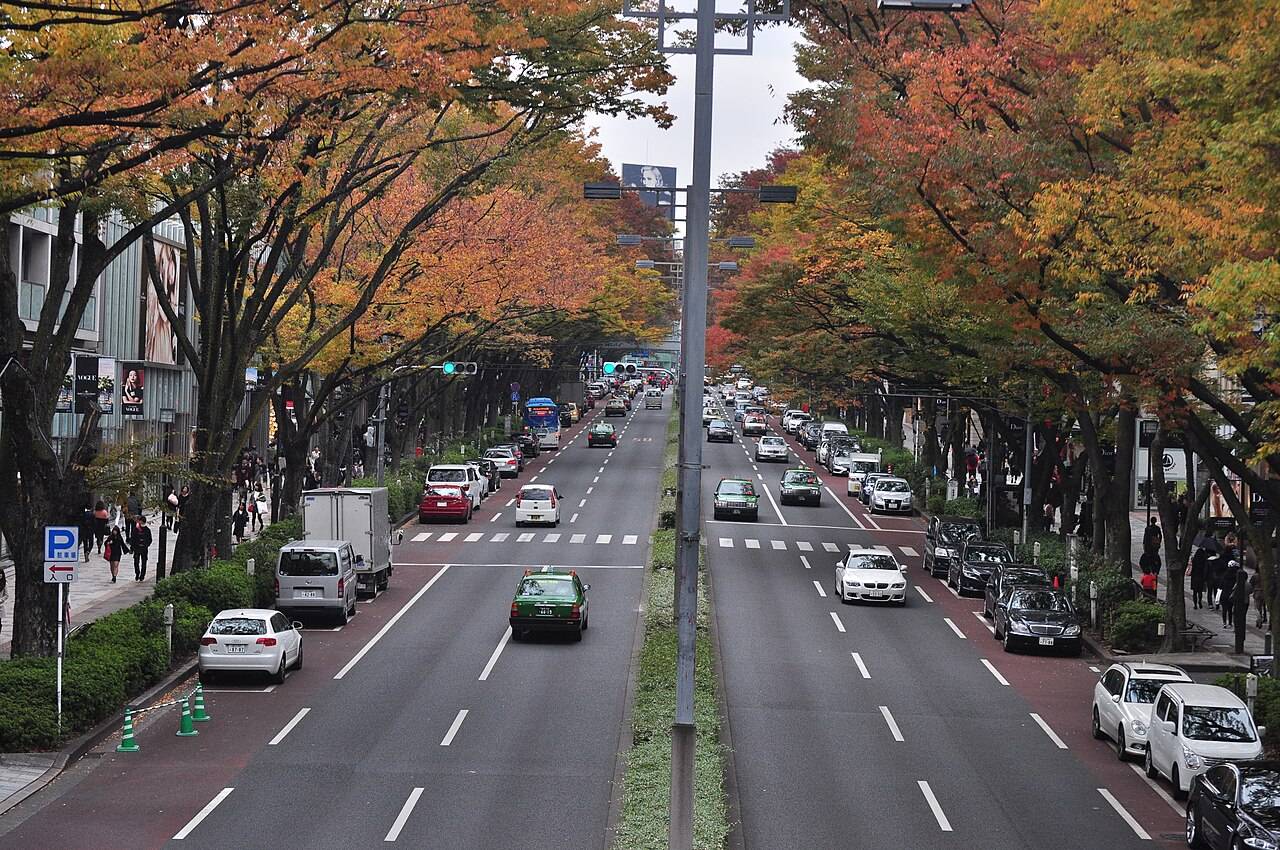
The avenue is about 1.1 km, between Harajuku Station and the Omotesando crossing, and the zelkovas turn in late November. After Meiji Jingu’s completion in 1920, about 201 zelkovas were planted along both sides the next year. Only a few survived the 1945 air raids, and local gardeners and volunteers replanted from 1948. FASHIONSNAP counted 155 in November 2025.
The surviving old trees are said to stand in front of the former Dojunkai Aoyama Apartments site (now Omotesando Hills), where the trunks are thicker and easy to spot. The reinforced-concrete Dojunkai buildings stopped the fire from spreading back then. Trees on both sides vary in thickness, which makes comparing them as you walk fun.
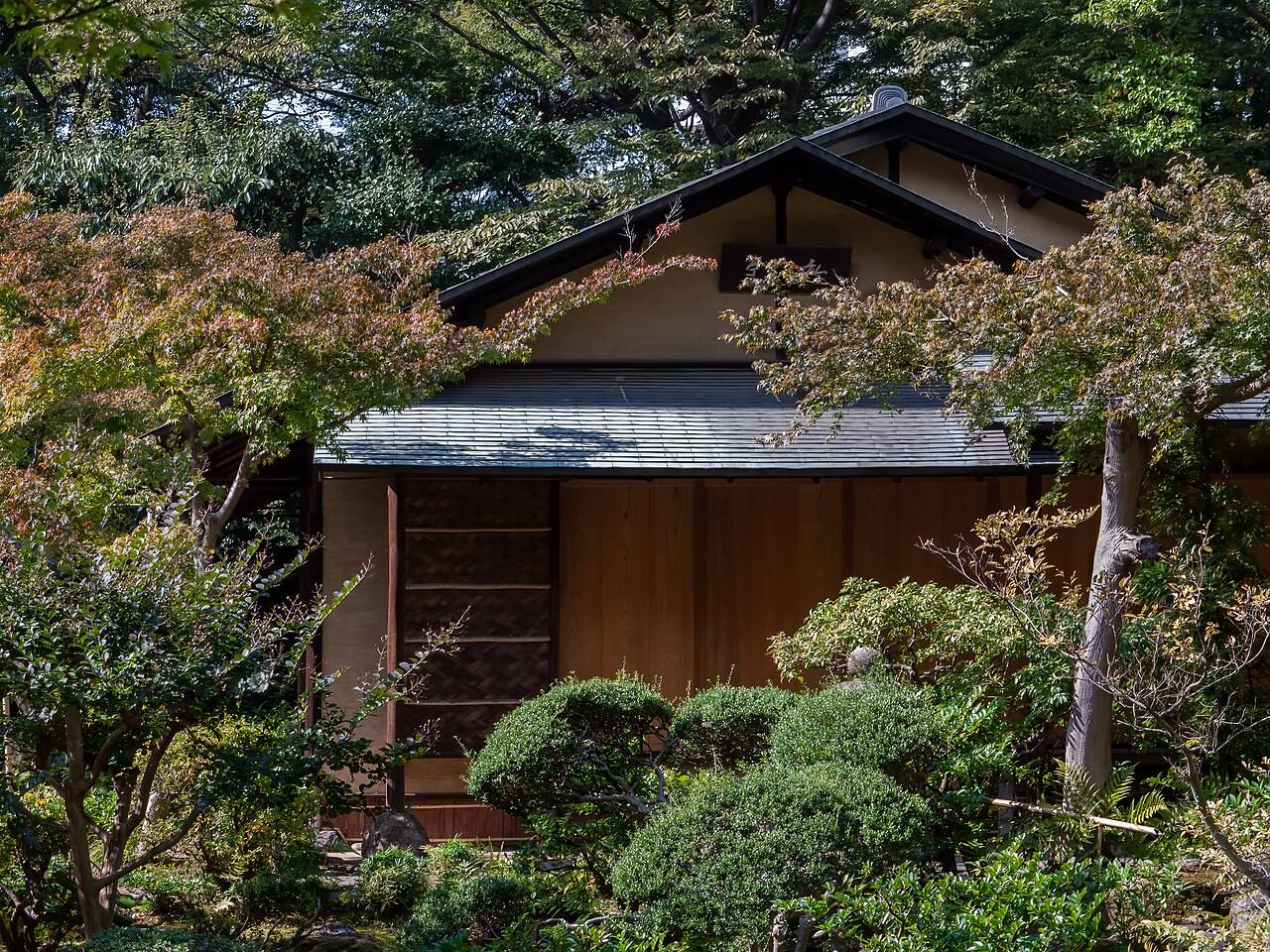
Nezu Museum Garden: Tea Houses in Minami-Aoyama and the Red Leaves of Hikinsai
The Nezu Museum garden in Minami-Aoyama is open only to museum ticket holders and has four tea rooms. Open 10:00 to 17:00 (last entry 16:30), closed Mondays (the next day if Monday is a national holiday).
The special exhibition “Bugaku Costumes: The Beauty of Inherited Textiles” runs to Nov. 23: online timed tickets ¥1,600 general, ¥700 university students and above, ¥200 more on the day. “Carved Lacquer” starts Dec. 5. Kanchu-an and Ushibeya tea rooms open to all on Thursday, Nov. 19, 15:00-16:00, no application. About 8 minutes’ walk from Omotesando Station Exit A5.
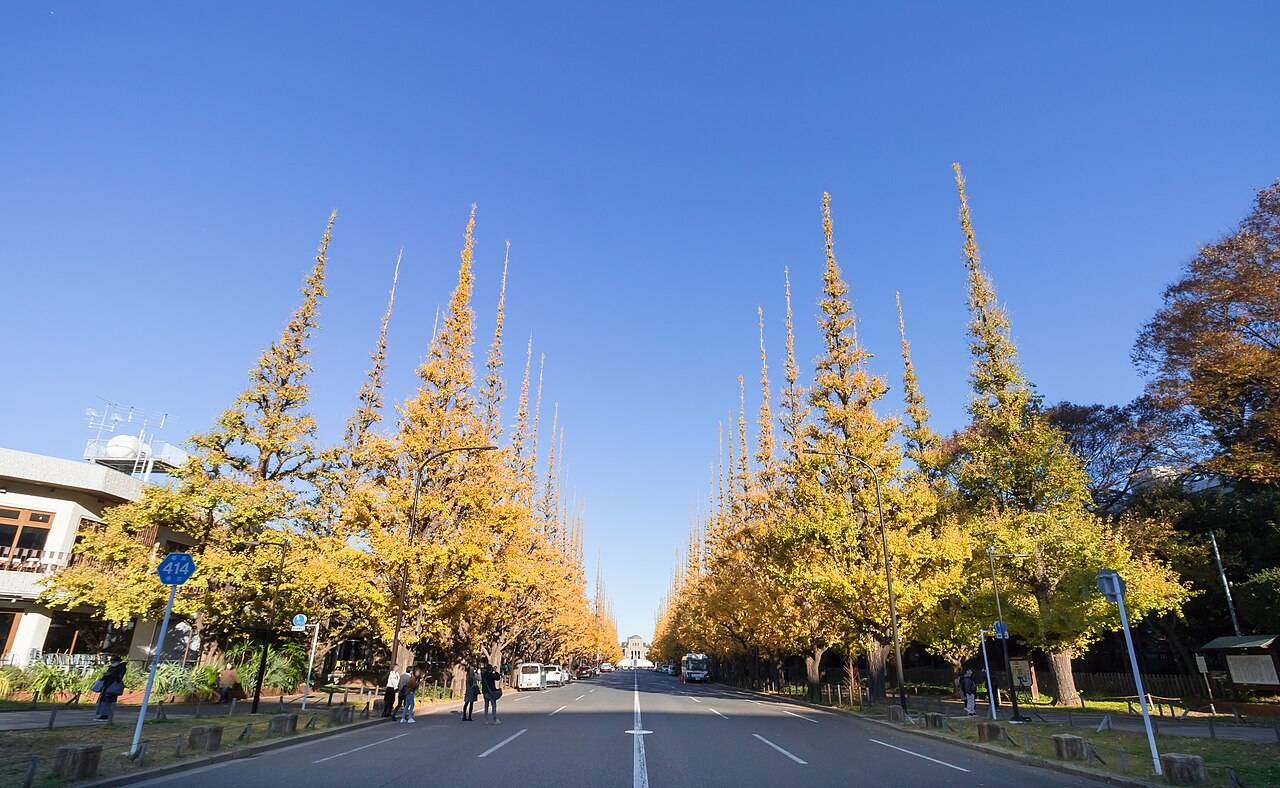
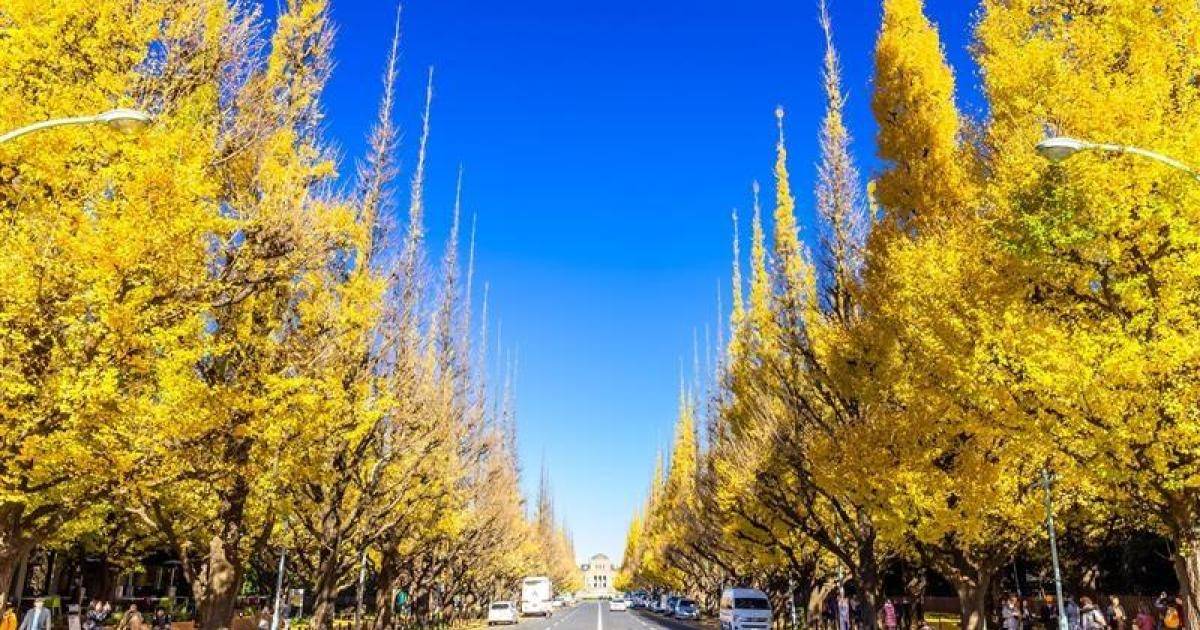
Meiji Jingu Gaien Ginkgo Avenue: A Golden Tunnel About 300 Meters Long
The Gaien ginkgo avenue is about 300 m long, free and open at all hours, about 5 minutes on foot from Gaienmae or Aoyama-itchome Station. Weathernews forecasts peak color from about November 29 and leaf fall from about December 13. Meiji Memorial Picture Gallery repairs run to end of May 2027, with scaffolding visible from Aoyama-dori. No evening illumination is announced yet.
Gaien ginkgo peak color, photo spots and access are covered in our separate article, “Meiji Jingu Gaien Ginkgo Avenue Guide 2026,” and not repeated here.
Shibuya, Harajuku and Omotesando Autumn Leaves 2026: Peak Color, Admission and Guided Tours Around Meiji Jingu, Yoyogi Park and Aoyama
Only two stops cost money: the ¥500 Gyoen contribution and Nezu Museum admission (garden included). Yoyogi Park, Omotesando and the Gaien ginkgo avenue are free, so transport is the main cost. For several subway rides, see the passes in the access section; a Meiji Jingu history and etiquette tour is in the Gyoen section, foliage tours in Gaien. Prices and dates: see platforms.
Where to Stay near the Shibuya, Harajuku and Omotesando Autumn Leaves Spots 2026
Stay around Harajuku, Omotesando or Shibuya Station to reach the main autumn leaves spots on foot.
Shibuya and Harajuku Hotels: Walking Distance to Yoyogi Park and Omotesando
Yoyogi Park is reached from Harajuku Station’s west exit, and Omotesando and Meiji-jingumae stations are within walking distance, so Harajuku, Omotesando or Shibuya stations are the most convenient. Gyoen opens at 9:00; if you stay close, you can reach Harajuku Gate around opening time, when crowds are lighter.
Aoyama Hotels: Convenient for the Gaien Ginkgo and the Nezu Museum
The Gaien ginkgo avenue is reached from Gaienmae or Aoyama-itchome Station, and the Nezu Museum is about 8 minutes on foot from Omotesando Station Exit A5. To see the Gaien ginkgo first thing in the morning, staying near Aoyama-itchome or Gaienmae saves a transfer.

Further Reading: Tokyo Autumn Leaf Spots


Shibuya, Harajuku and Omotesando Autumn Leaves 2026 FAQ
The questions readers search for most.
Q: How much is Meiji Jingu Gyoen, and when is it open?
Entry to Meiji Jingu Gyoen takes a ¥500 maintenance contribution. Hours are 9:00-16:30 from March to October and 9:00-16:00 from November to February, with no closing days.
Q: How do I get to Yoyogi Park? Access and walking time
The nearest is JR Harajuku Station, about 3 minutes on foot. Meiji-jingumae Station on the Chiyoda and Fukutoshin lines is also about 3 minutes, as is Yoyogi-koen Station (Chiyoda Line C02).
Q: When is the best time to see autumn leaves in 2026?
Weathernews forecasts peak color from about November 30 at Yoyogi Park and about November 29 at Meiji Jingu Gaien, and the Japan Weather Association puts Tokyo’s ginkgo yellowing date at November 26. Late November to early December is best overall.
Q: What are the opening hours of Yoyogi Park?
Yoyogi Park is always open and free. Meiji Jingu’s opening and closing times change monthly with sunrise and sunset: in November it opens at 6:10 and closes at 16:10. Gyoen is open 9:00-16:00.
Q: Is the Nezu Museum open on Mondays?
The Nezu Museum is closed on Mondays (the next day if Monday is a national holiday), plus between exhibitions and over the year-end and New Year holidays. Open 10:00 to 17:00, last entry 16:30, and only ticket holders can enter the garden.
Q: What should I watch for with the autumn leaves crowds?
Weekends and peak color are busier, so weekdays or soon after opening are calmer. Eating, drinking and smoking are banned in the Nezu Museum garden and galleries. For Gyoen and Yoyogi Park, check the latest forecast on color before you go.