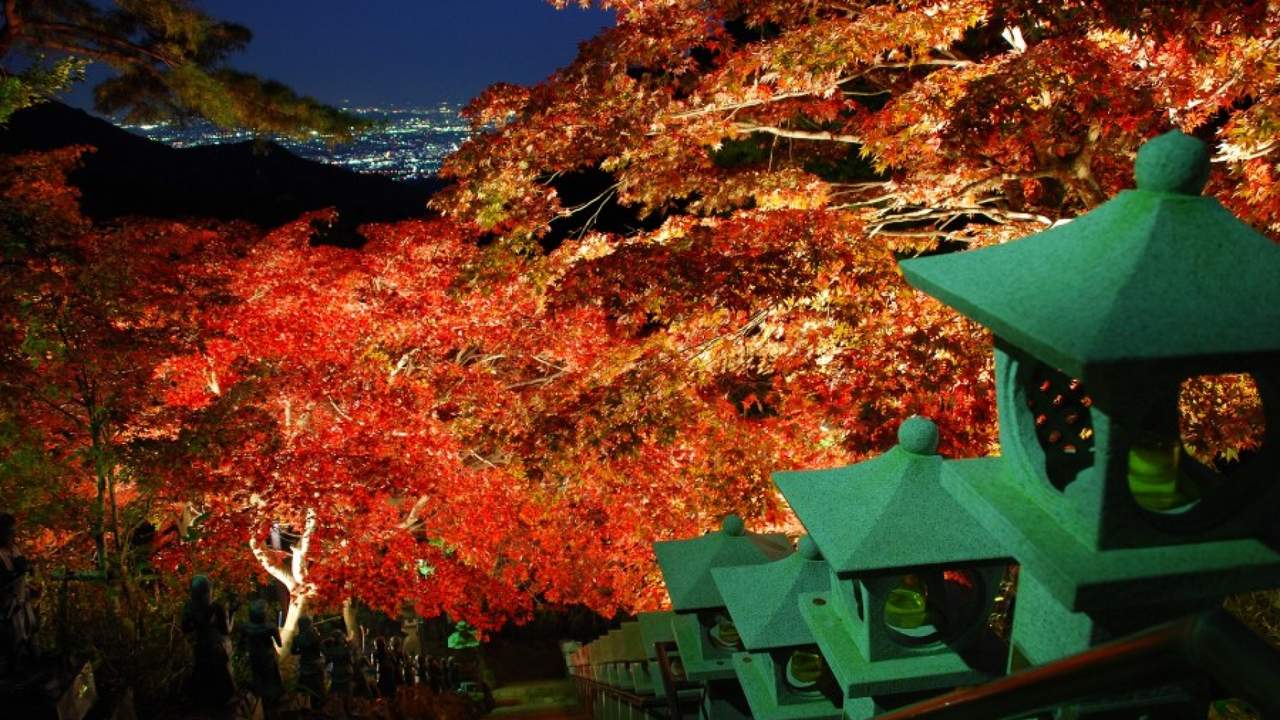
Oyama Afuri Shrine Autumn Leaves Guide 2026: Cable Car, Peak Times and Odakyu Access: Isehara’s Mountain Faith and Foliage Spot
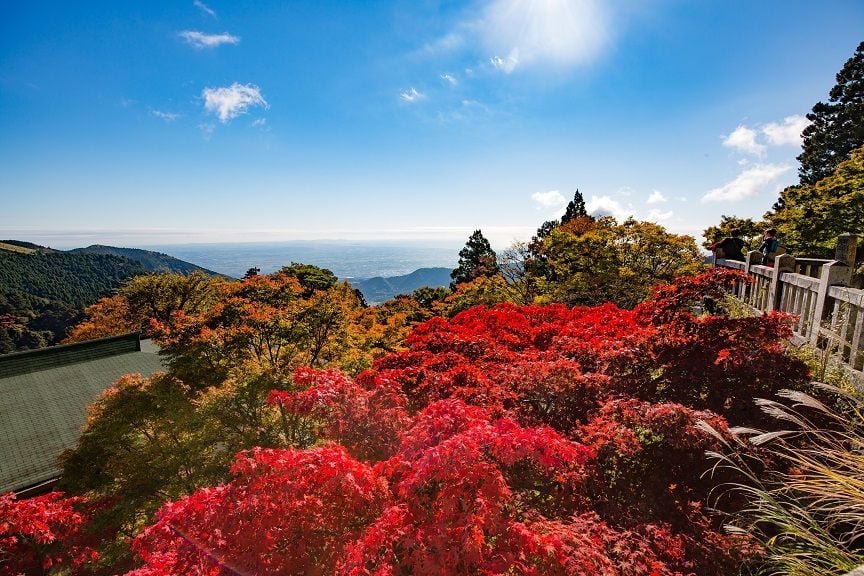
Oyama Afuri Shrine is in Isehara, Kanagawa Prefecture, about 1 hour from Shinjuku on the Odakyu Line, a well-known autumn foliage spot near Tokyo.
What Is Mt. Oyama: Amefuriyama, 1,252 Meters High
Mt. Oyama is 1,252 meters high and was long called Amefuriyama (“rain-falling mountain”), wrapped in cloud and mist all year and long regarded as a sacred place to pray for rain. The Oyama-mairi pilgrimage rose in the Edo period, with believers and visitors traveling up to worship, and the culture was recognized as Japan Heritage in 2016.
The lower shrine of Oyama Afuri Shrine on the mountainside and the main shrine at the summit are the area’s two worship highlights. The lower shrine is halfway up and reached by cable car; the summit main shrine must be reached on foot.
2026 Foliage Peak and Evening Illumination: Mid to Late November
Foliage around Oyama-dera and the Afuri Shrine lower shrine mostly peaks from mid to late November; leaves fall earlier at the summit, and the midslope has the richest layers of color. The 2026 evening illumination is expected from Friday, November 20 to Sunday, November 29, lit at Oyama-dera and the lower shrine together, with free entry.
Some dates are provisional, so go by the Isehara City Tourism Association announcements before you leave. During the illumination, the Oyama Cable Car runs longer: until 19:00 on weekdays and 20:00 on weekends and holidays.

Note: There Is Also a Mt. Oyama in Tottori Prefecture
Tottori Prefecture also has a mountain with the same Japanese characters (Daisen, in Daisen Town), which is easy to end up at when searching. William covers the Oyama in Isehara, Kanagawa Prefecture, where Oyama-dera, the lower shrine and the cable car are located.
Oyama-dera’s address is 724 Oyama, Isehara, Kanagawa Prefecture; check the city and prefecture when using navigation to avoid going to the wrong place.
How to Get to Oyama Afuri Shrine: Transport and Costs
How to Get to Oyama Afuri Shrine: Transport at a Glance
From Shinjuku, take the Odakyu Line to Isehara Station; the Romancecar needs an extra limited express ticket.
From the north exit of Isehara Station, take a Kanagawa Chuo Kotsu bus to “Oyama Cable” stop, then walk along the approach path (sando) to the cable car station.
The Oyama Cable Car takes about 6 minutes, about ¥640 one way and about ¥1,270 round trip, with longer queues on holidays.
The Tanzawa-Oyama Pass Ticket A includes the cable car and Ticket B does not; valid within two days.
Must-See Spots: Highlights by Area
Listed in worship order: from the foot of the mountain to the summit, then the way down.
Koma Sando: A Stone-Stepped Old Street of Spinning Tops and Tofu
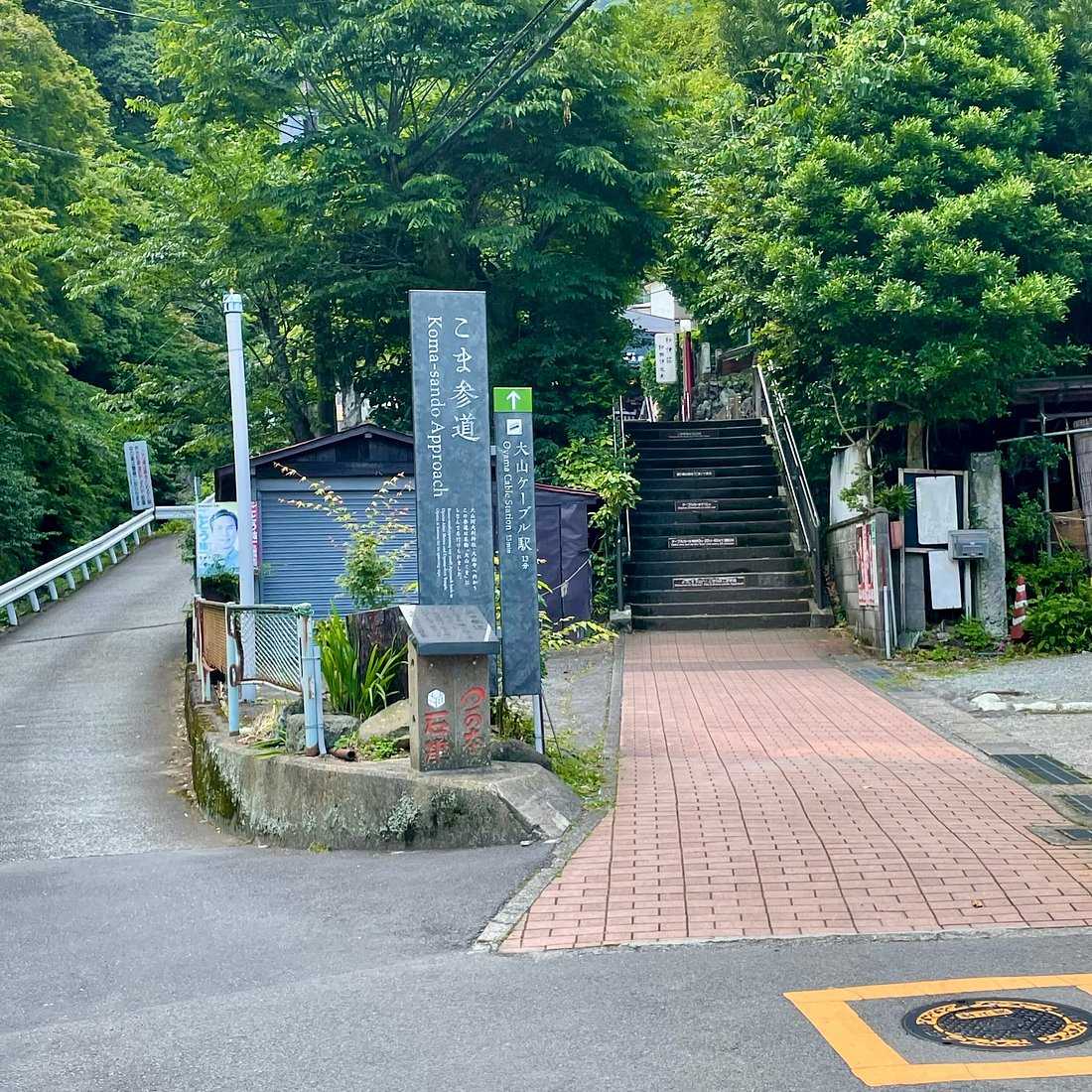
Koma Sando is the stone-stepped approach path (sando) to the Oyama Cable Car station, lined with tofu restaurants, spinning-top craft shops and souvenir shops. From the bus stop to the cable car station is about a 15-minute walk, with many steps, so mind your stamina on the uphill sections.
The shops offer tofu dishes and Oyama koma (spinning top) crafts, and Oyama tofu is also a souvenir. You can watch tops being made through a window at a top workshop, a small highlight of the approach path (sando).

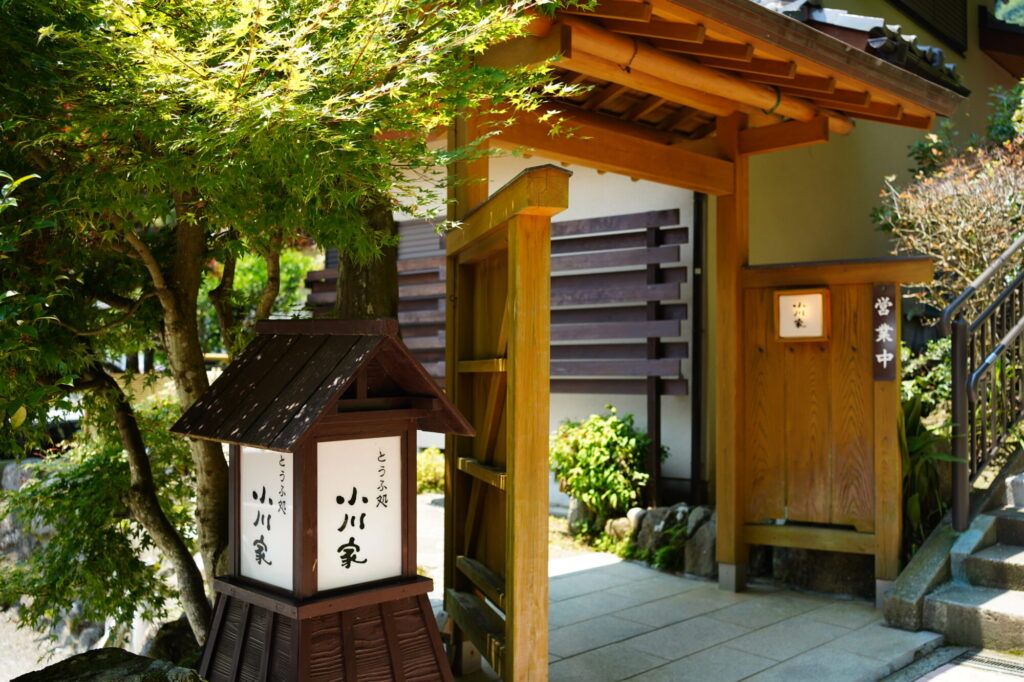
Ogawaya Tofu: Oyama Tofu and Wild Boar Hot Pot
Ogawaya is near the Oyama Cable Car station and was once lodging for worshippers and monks; it serves seasonal tofu sets. Oyama tofu is made with Oyama spring water, selected soybeans and nigari, and buying tofu after worship is a common local way to finish the trip.
Wild boar hot pot (shishi-nabe) is served from autumn to spring, by advance reservation. Some shops give discounts with the Tanzawa-Oyama Pass Ticket, so ask before you order.
Oyama Afuri Shrine Lower Shrine: A Two-Star Michelin Green Guide Mountainside Shrine
The lower shrine is halfway up the mountain, right by the cable car terminus “Afuri Shrine Station,” and has two stars in the Michelin Green Guide Japan. The “Oyama Meisui” spring water on the grounds is free to drink.
The scenery is best at the November foliage illumination, and there are also Oyama cherry blossoms in April and the Hi-Matsuri Takigi Noh in early October.
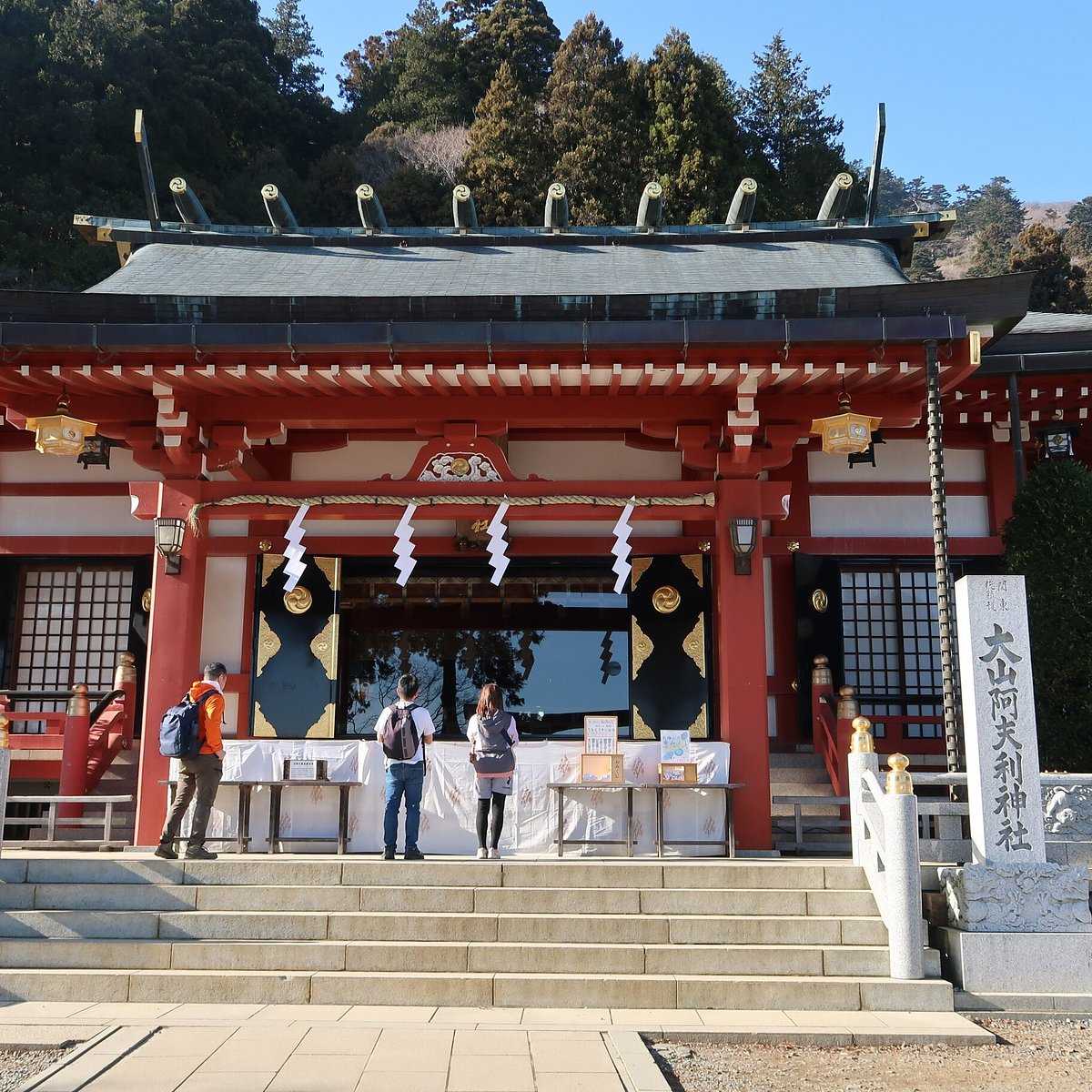
Oyama Afuri Shrine Summit (Main Shrine): A 1,252-Meter Hiking Challenge
The summit shrine is at 1,252 meters with no cable car; from the lower shrine it is about 90 minutes to 2 hours on foot, from the trailhead behind and to the left of the main hall, about 2 to 3 hours in all. On a clear day, Fujimidai at the 21st chome gives views of Mt. Fuji, and the summit also looks to Mt. Tanzawa, Sagami Bay and the Boso Peninsula.
Prepare for the effort and gear: there are many stone steps and slopes, and it is colder on the mountain than at the base, so wear non-slip hiking shoes and bring a windproof jacket. If you lack stamina, take the cable car round trip to the lower shrine and see only the area around it.
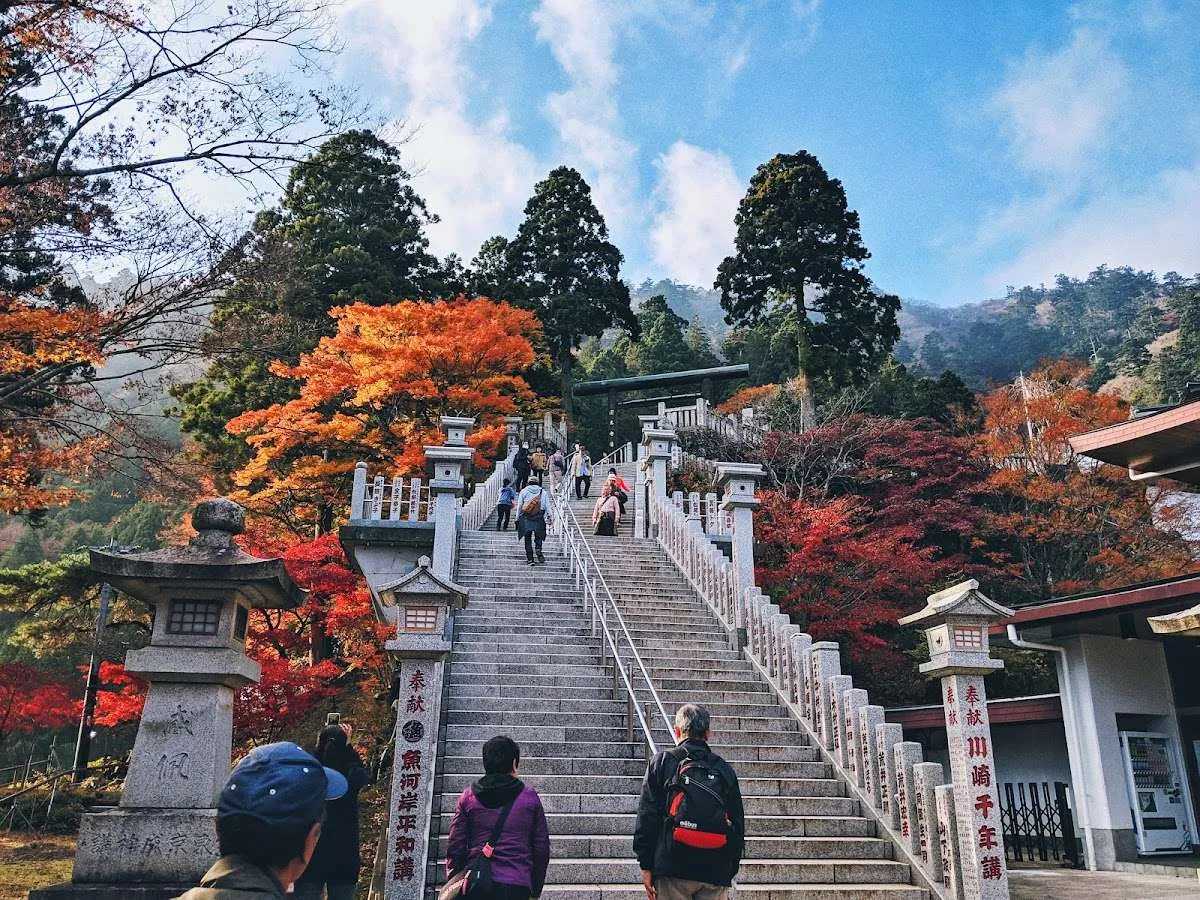
Oyama-dera: A Red-Leaf Tunnel and One of the Kanto Three Great Fudo
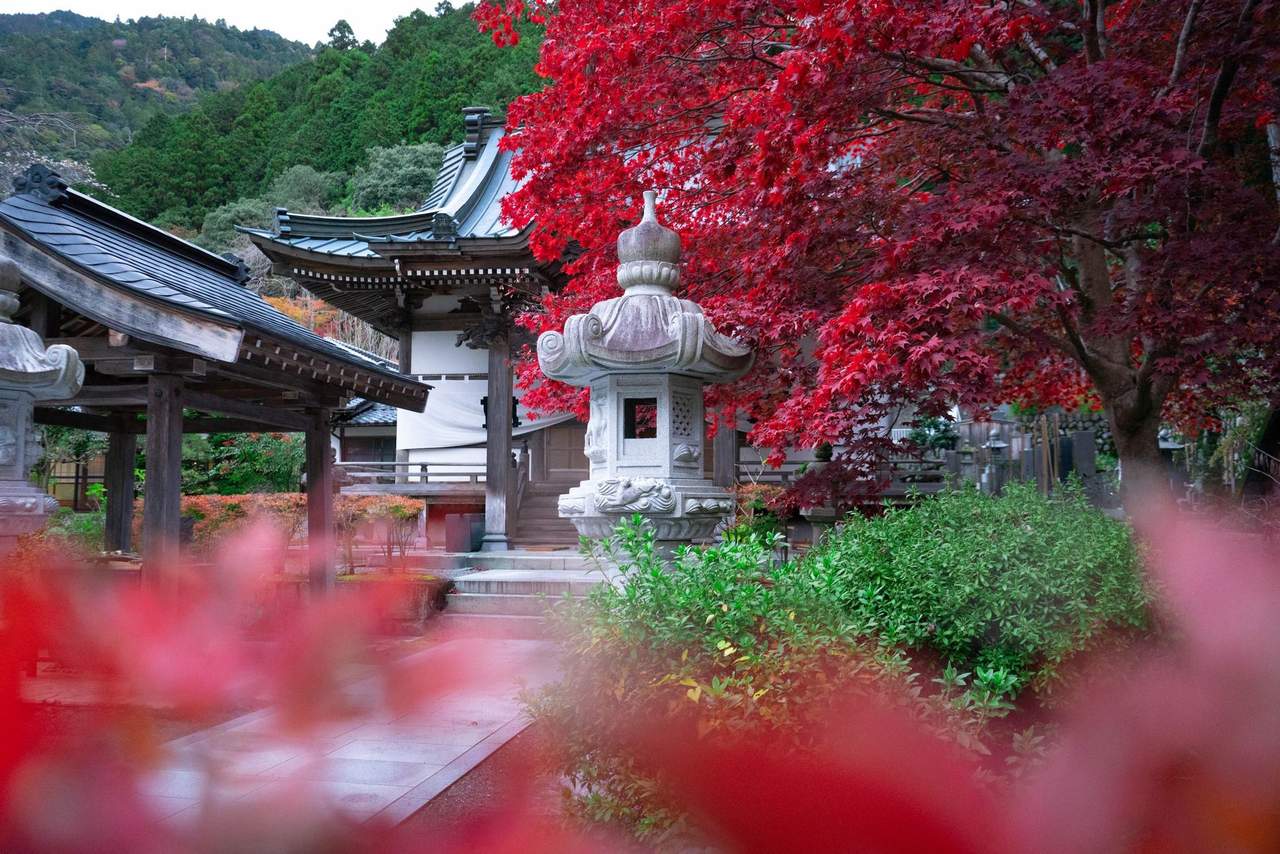
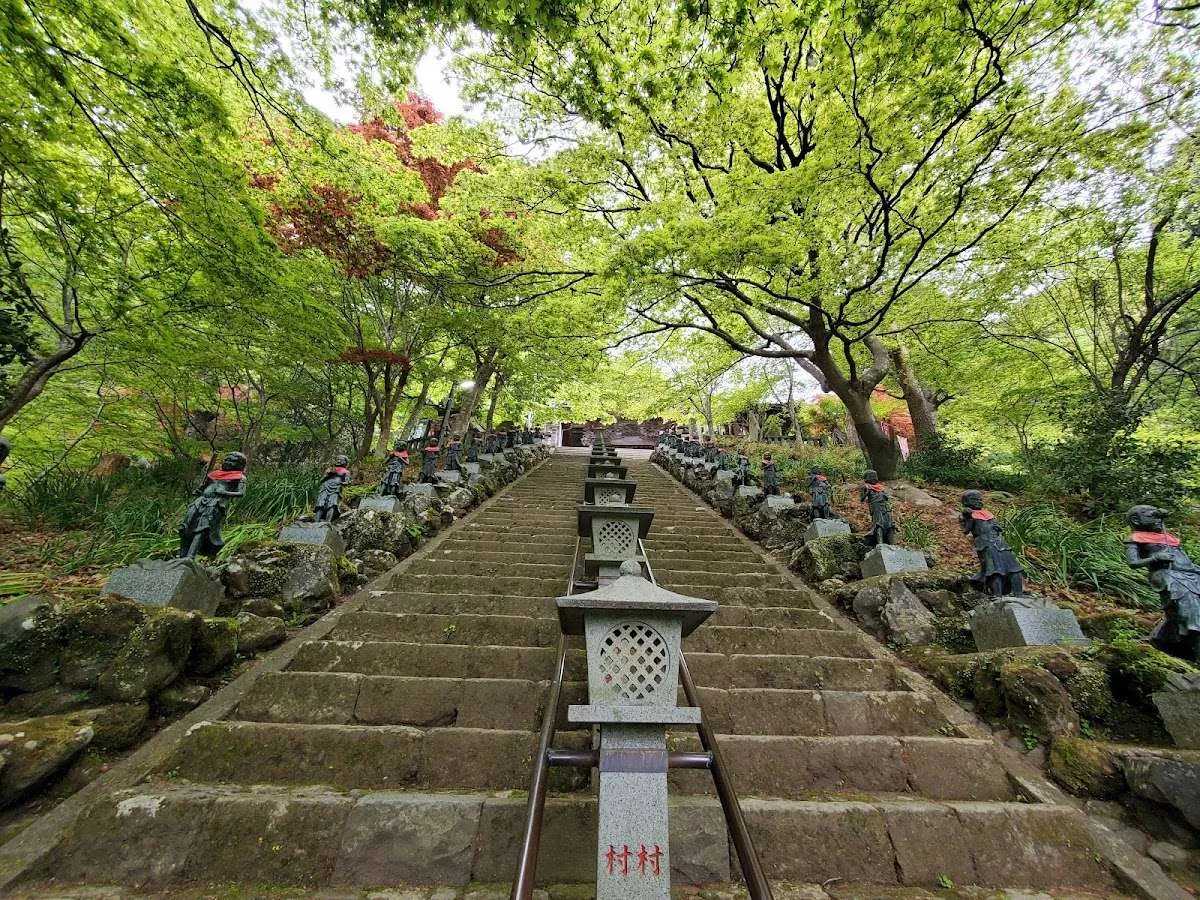
Oyama-dera was founded in 755, with the mountain name Amefuriyama; its principal image of Fudo Myo-o with two attendants is a nationally designated Important Cultural Property, one of the Kanto Three Great Fudo. Maples and rakan statues line both sides of the approach path (sando), forming a red-leaf tunnel, the area’s most representative foliage spot.
During the evening illumination, the lit maple leaves contrast with the night view below. Opening hours are per the temple’s announcement.
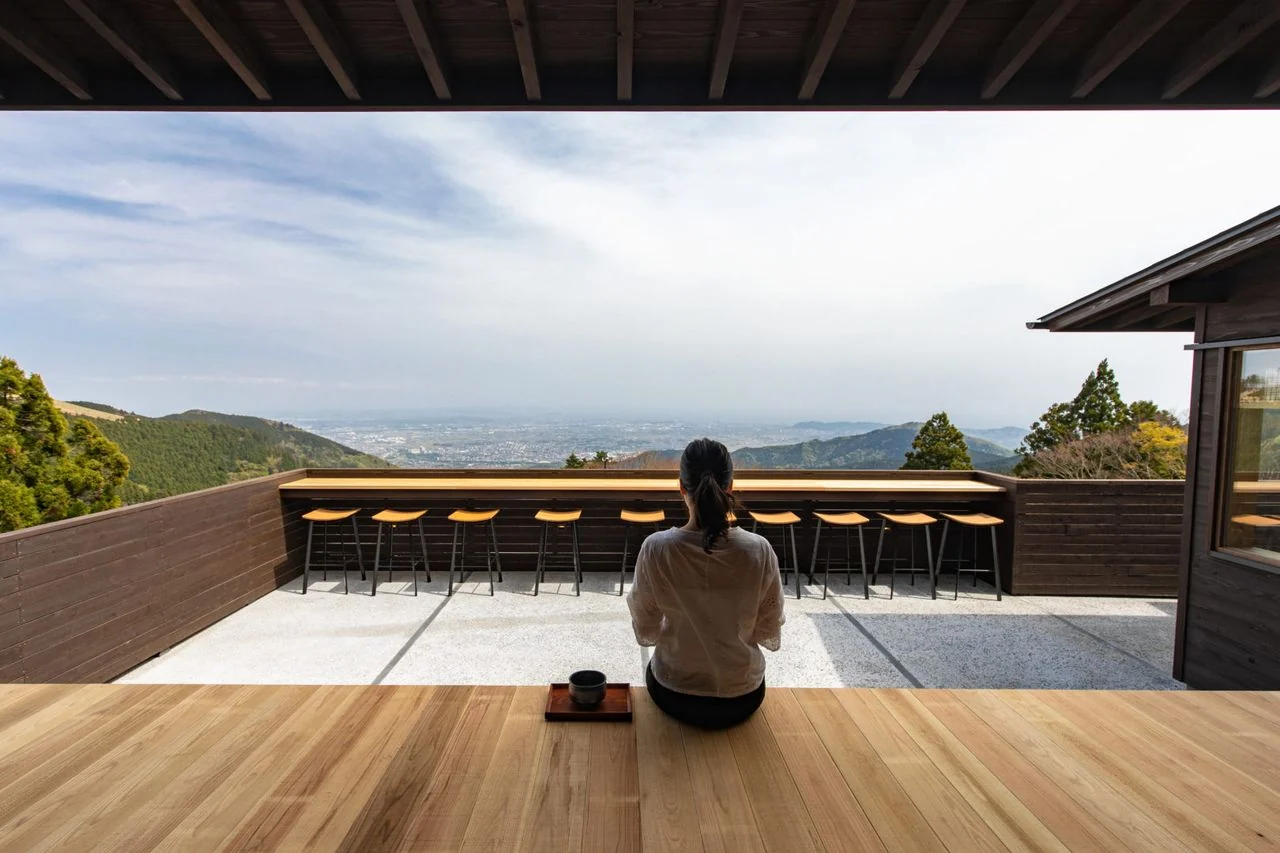
Saryo Sekison: Oyama Holy Water Coffee and Terrace Seating
Saryo Sekison is next to the lower shrine, with an open outdoor terrace; coffee and tea are brewed with Oyama holy water, a rare scenic seat in foliage season.
Go in the morning to avoid the afternoon crowds; check the menu and hours on site.
Onna-zaka: A Stone Staircase Down with 7 Viewpoints
Onna-zaka is the descent from the lower shrine to Oyama-dera, mostly stone and tree roots, with chain handrails in places. Between the lower shrine and Oyama-dera you can choose Otoko-zaka or Onna-zaka; Onna-zaka has more steps and suits taking photos as you walk.
After rain or in leaf-fall season the stones tend to get slippery, so walk slowly. After reaching Oyama-dera, you can take the Oyama Cable Car back to the base station.
How Much Does It Cost? Pass Tickets and Cable Car Fares
Tanzawa-Oyama Pass Ticket: Ticket A Includes the Cable Car, Valid for Two Days
The Tanzawa-Oyama Pass Ticket is a 2-day ticket valid for two days. Ticket A includes the Odakyu round-trip discount ticket (from the departure station to Hon-Atsugi-Shibusawa), free rides between Hon-Atsugi and Shibusawa, designated sections of Kanagawa Chuo Kotsu buses and the Oyama Cable Car; Ticket B does not include the cable car.
From Shinjuku, Ticket A is ¥2,520 for adults and ¥920 for children, and Ticket B is ¥1,560 for adults and ¥400 for children; go by the Odakyu official site for prices.
Side Trips, Lodging and Practical Mountain Tips
Atago Falls Shukubo Street: Staying Overnight and Practical Mountain Tips
There are shukubo (temple lodging) inns on the mountain and around the approach path (sando), the main choice for staying overnight at Oyama; the area around Isehara Station can also be an option for day-trip baths.
The mountain spots have no coin lockers, so leave luggage at your lodging or carry a small backpack. In late November the mountain is often 5 to 10 degrees colder than the city, so bring a windproof jacket and gloves.
Related Reading: Kanto Autumn Leaves Roundup
Frequently Asked Questions (FAQ)
Q: When are the autumn leaves at Oyama Afuri Shrine most beautiful?
Most sources give mid to late November as the best time around Oyama-dera and the lower shrine; for the exact 2026 peak, go by that year’s announcements.
Q: On which days is the Oyama foliage evening illumination?
The 2026 illumination is expected from Friday, November 20 to Sunday, November 29, at Oyama-dera and the Afuri Shrine lower shrine together, with free entry. Some dates are provisional, so check the Isehara Tourism Association announcements before you go.
Q: How do I get from Shinjuku to Oyama Afuri Shrine?
Take the Odakyu Line from Shinjuku to Isehara Station; the Romancecar needs an extra limited express ticket. Go by the Odakyu official site for times and fares.
Q: How much is the Oyama Cable Car?
About ¥640 one way and ¥1,270 round trip; go by on-site announcements for fares. Tanzawa-Oyama Pass Ticket A includes the cable car, so compare single tickets with the pass total before buying.
Q: What time do Oyama-dera and the cable car start operating?
Cable car and Oyama-dera hours change by season; during the foliage illumination the cable car runs until 19:00 on weekdays and 20:00 on weekends and holidays.
Q: What should I watch for when visiting Oyama Afuri Shrine?
Weekends and national holidays are very crowded and sunset is early, so leave early. The mountain has no coin lockers, and temperatures are relatively low in late November. Tottori Prefecture also has an “Oyama,” so confirm that the Oyama you search for is in Isehara, Kanagawa Prefecture.