Chubu Autumn Foliage 2026: How to Plan Shirakawa-go, Kamikochi, Korankei and Hida-Takayama: Peak Timing for All Four at a Glance
The difficulty of Chubu foliage is timing. Kamikochi, Shirakawa-go and Takayama are at high elevation, while Korankei in Aichi is low-lying, so their peaks differ by about a month, and you must choose by your travel dates.
Foliage Timing: Elevation Sets the Order
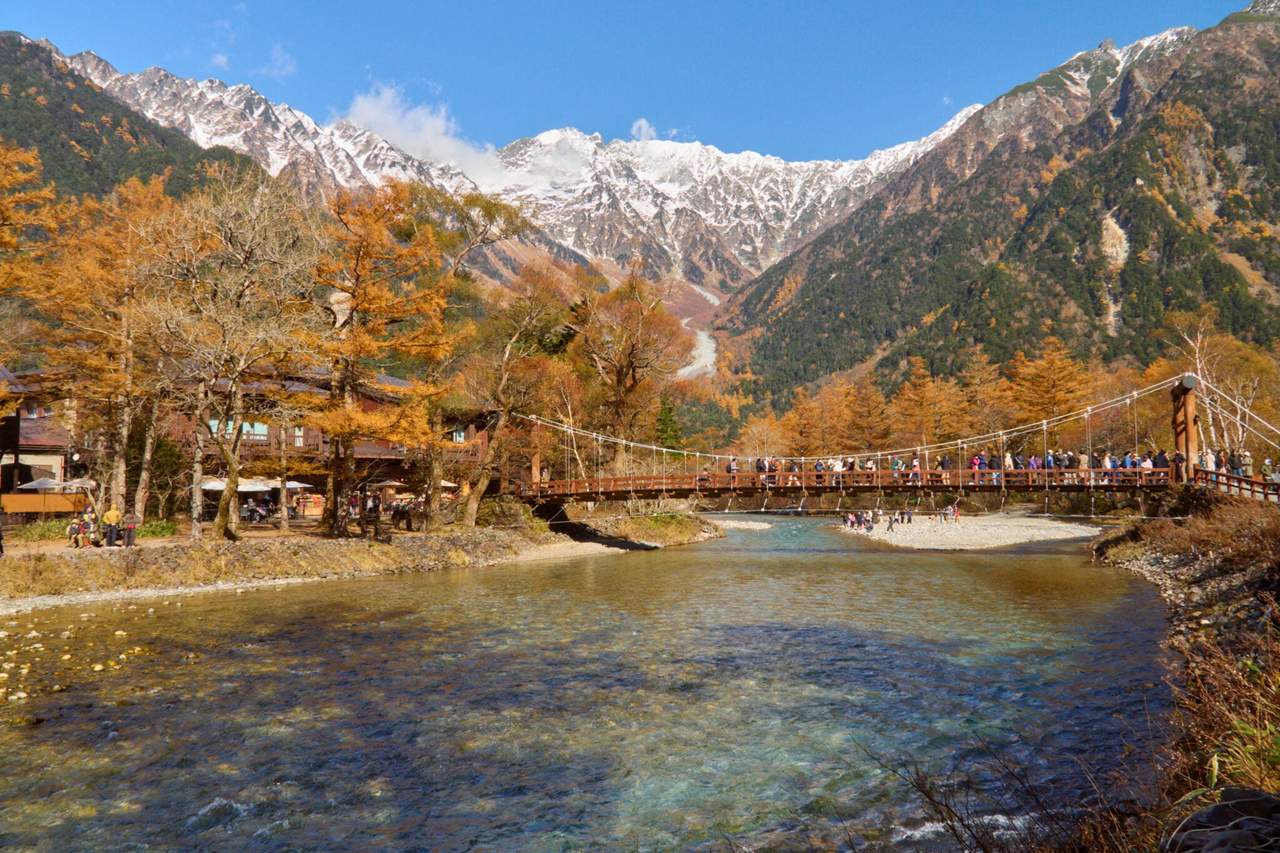
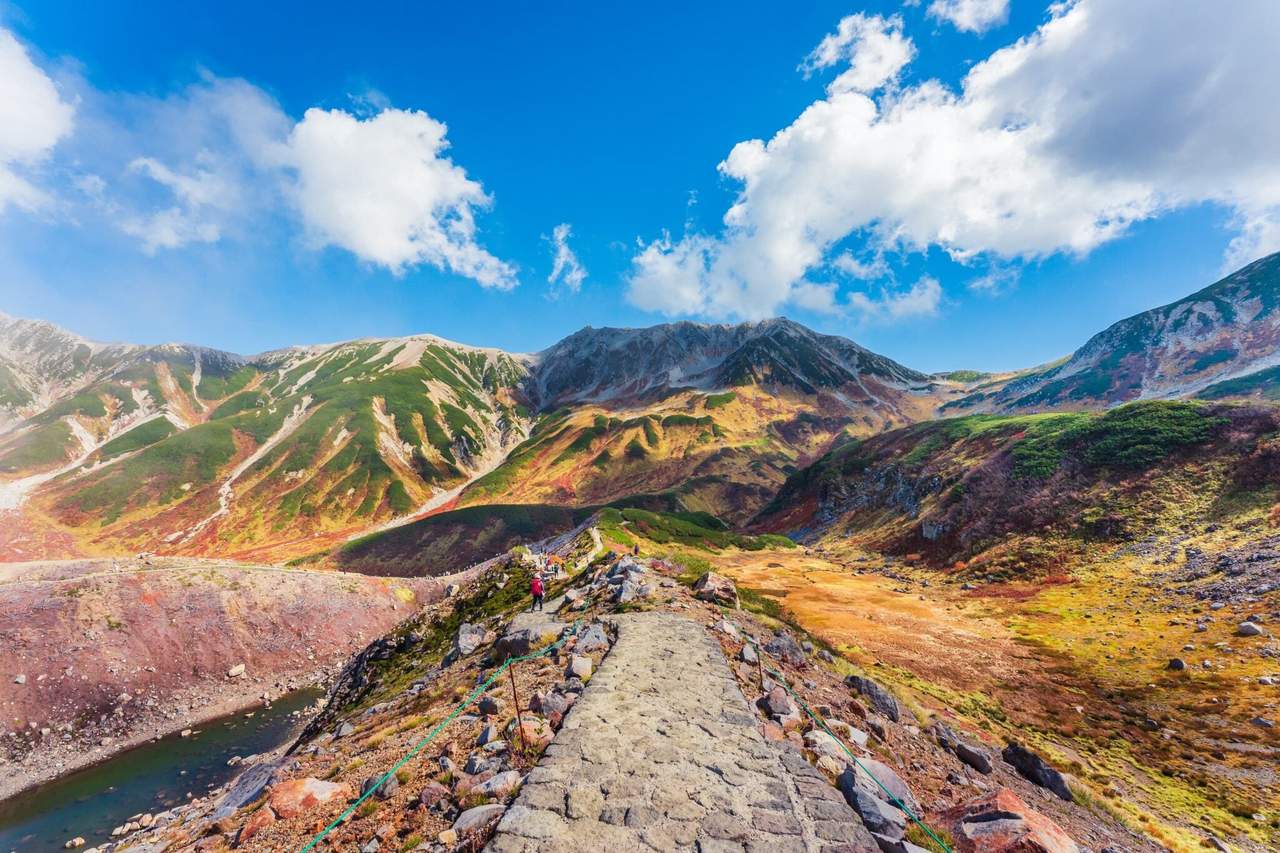
Chubu’s color moves from high to low. Kamikochi is liveliest around mid to late October, and at the end of October you can see golden larches and first snow on the Hotaka range together. Shirakawa-go and downtown Takayama peak from late October to early November, and Korankei reaches its height in mid to late November.
Korankei in Aichi peaks later than Takayama and Kamikochi, so plan it with a later departure date.
Route Choices: Kamikochi or Korankei’s Night Maples
To see Kamikochi and Shirakawa-go, leave from late October to early November, for about 4 to 5 days. If you mainly want Korankei’s night maples, the timing falls in mid to late November, when Kamikochi’s buses are already ending service, so you can only pick one.
First-timers should pick one main line and not squeeze all four places into 3 days, or most of the time goes to travel.
Who It Suits: First-Time Independent Travelers and Night Photographers
First-timers in Chubu who want old streets and mountain views are best served by basing around Takayama; night-scene photographers can add Korankei’s illumination hours.
If you only want maples and do not want long bus rides, consider a Shirakawa-go day trip or a day bus tour from Nagoya. Shirakawa-go village is crowded by day, and arriving early in the morning makes quieter shots easier.
Getting to Chubu’s Foliage Spots: Transport and Costs
Getting to Chubu’s Foliage Spots: Transport at a Glance
Nagoya to Takayama: JR Hida limited express, about 2 hours 30 minutes. Nagoya to Shirakawa-go: expressway bus, about 2 hours 45 minutes, with few departures, so check ahead.
Takayama to Shirakawa-go: Nohi Bus, about 50 minutes, with services varying by season. Nagoya to Korankei: Meitetsu to Toyotashi Station, then a Meitetsu bus (Asuke direction) to Korankei stop, about 45 minutes.
Kamikochi: Alpico Kotsu runs direct buses to Kamikochi from Matsumoto Bus Terminal, or take the Alpico Kamikochi Line train to Shin-Shimashima and change to a Kamikochi bus. Drivers park at Hirayu or Sawando; private cars cannot enter.

Highlights and Foliage Picks
Below are Chubu’s most representative foliage spots, in the usual itinerary order.
Korankei: One of Tokai’s Largest Maple Groves
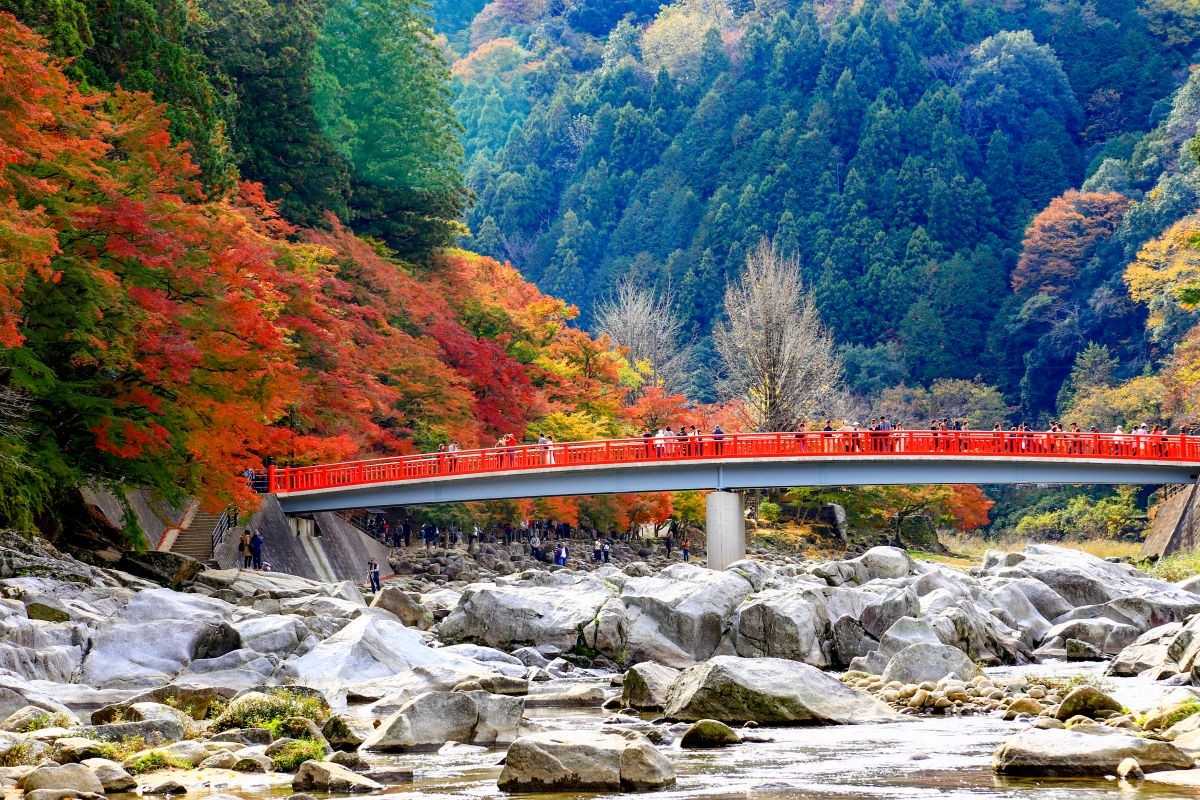
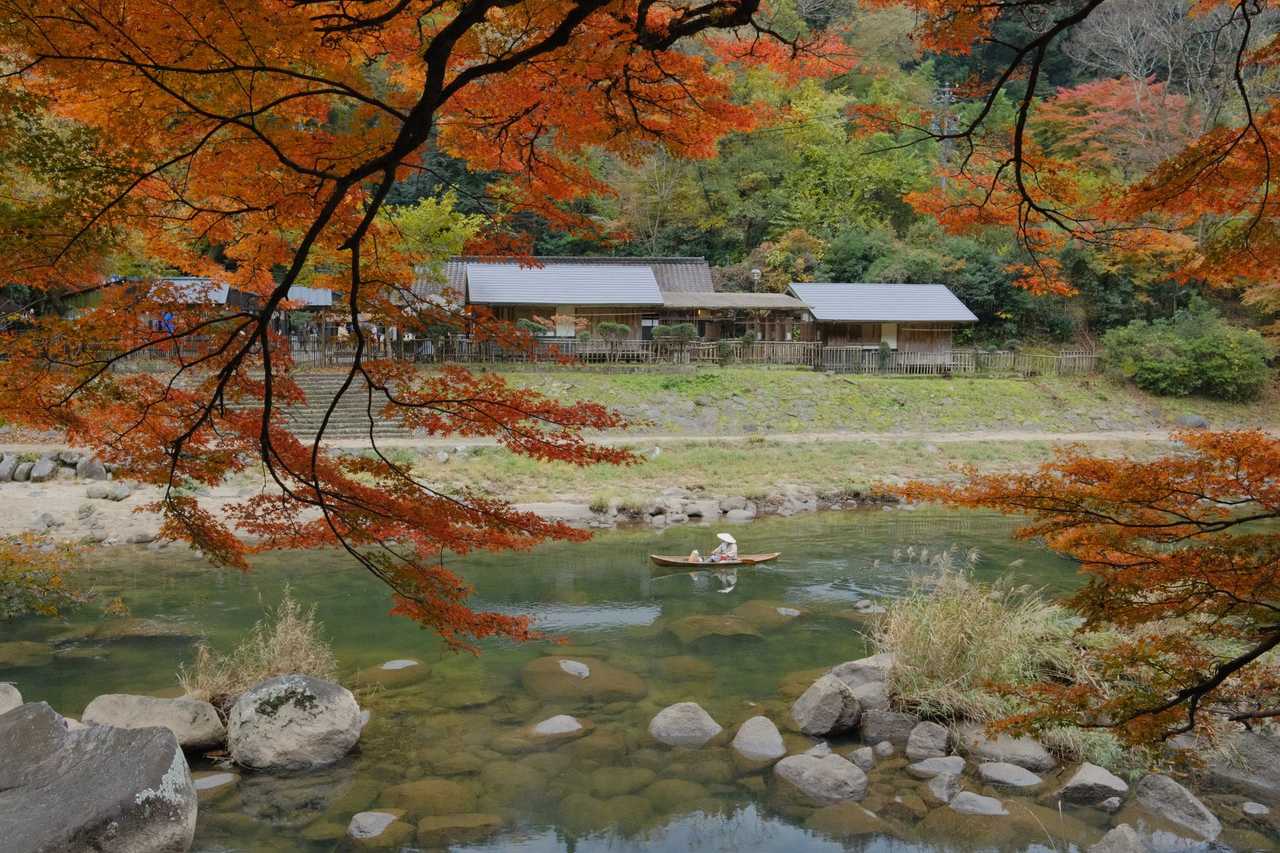
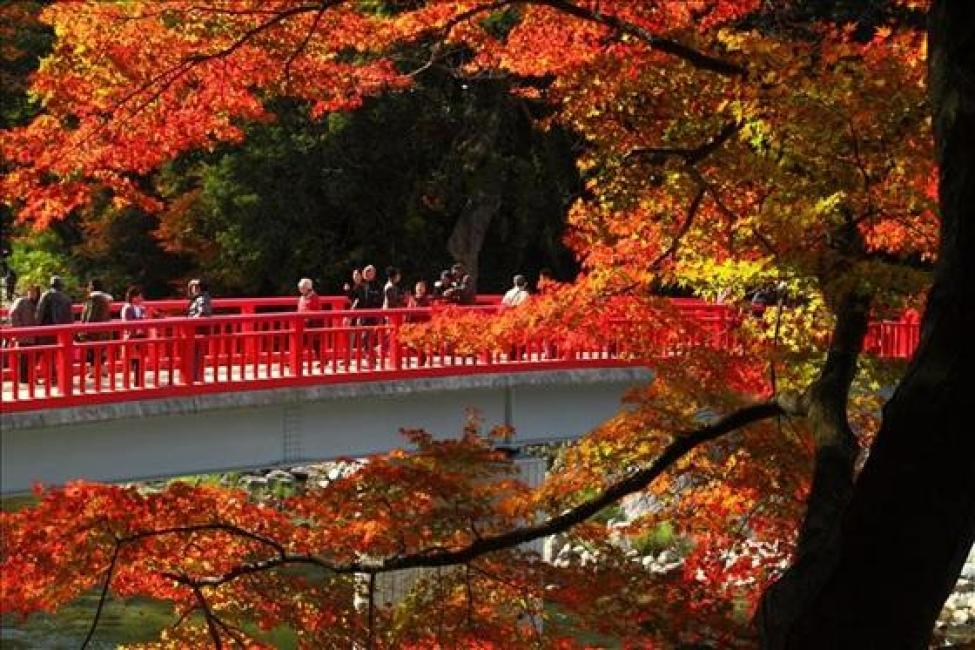
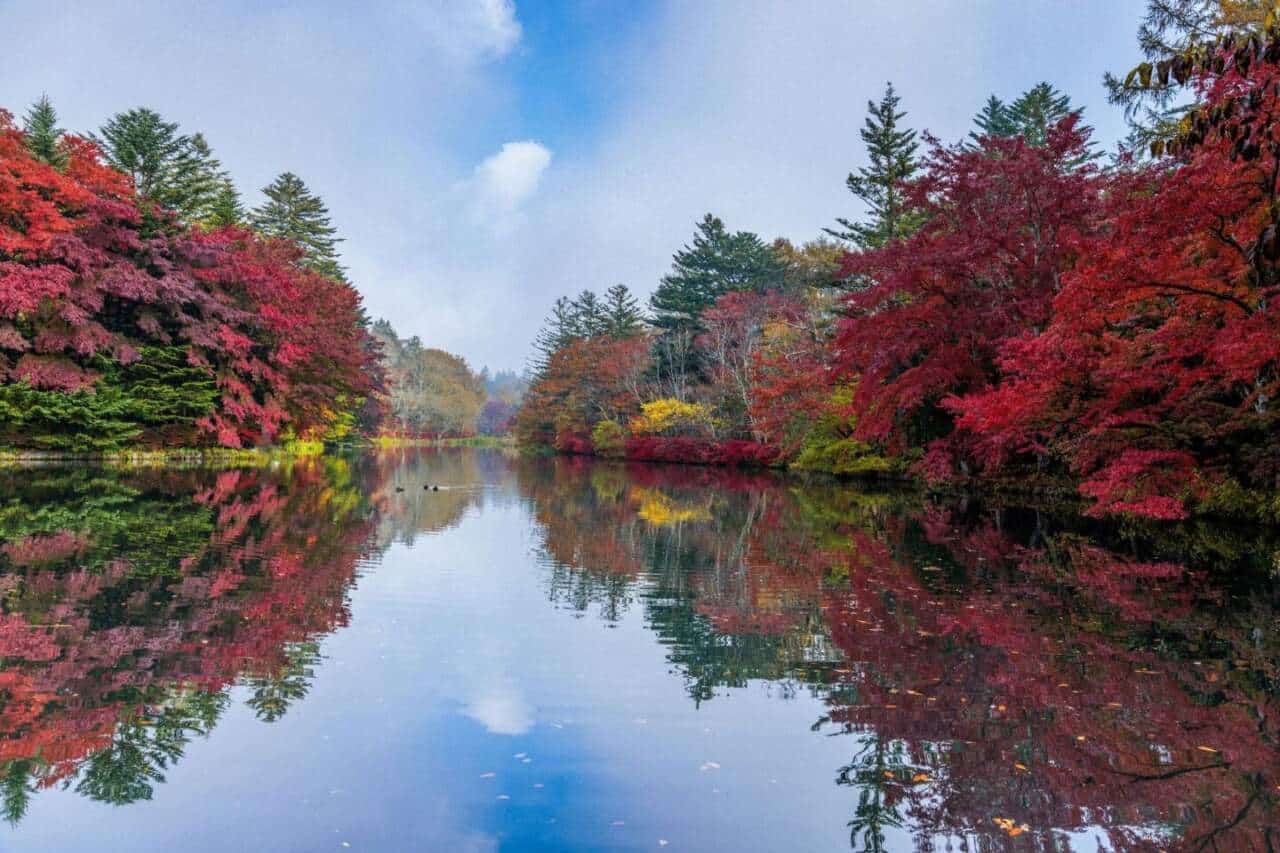
Korankei is in the Asuke district of Toyota, Aichi, with about 4,000 maples along both banks of the Tomoe River, called one of the Tokai region’s largest foliage sites. Taigetsu Bridge is the classic photo spot, where you can capture red leaves reflected in the stream from the bridge.
The Korankei Autumn Leaves Festival (evening illumination) is planned for November 1 to 30, 2026. Claim a spot on Taigetsu Bridge around sunset (about 4:30 p.m. to 5 p.m.) to catch Mt. Iimori’s lights coming on and the red leaves reflected in the Tomoe River.


Takayama Sanmachi Old Town: Edo-Style Streets for a Half-Day Walk
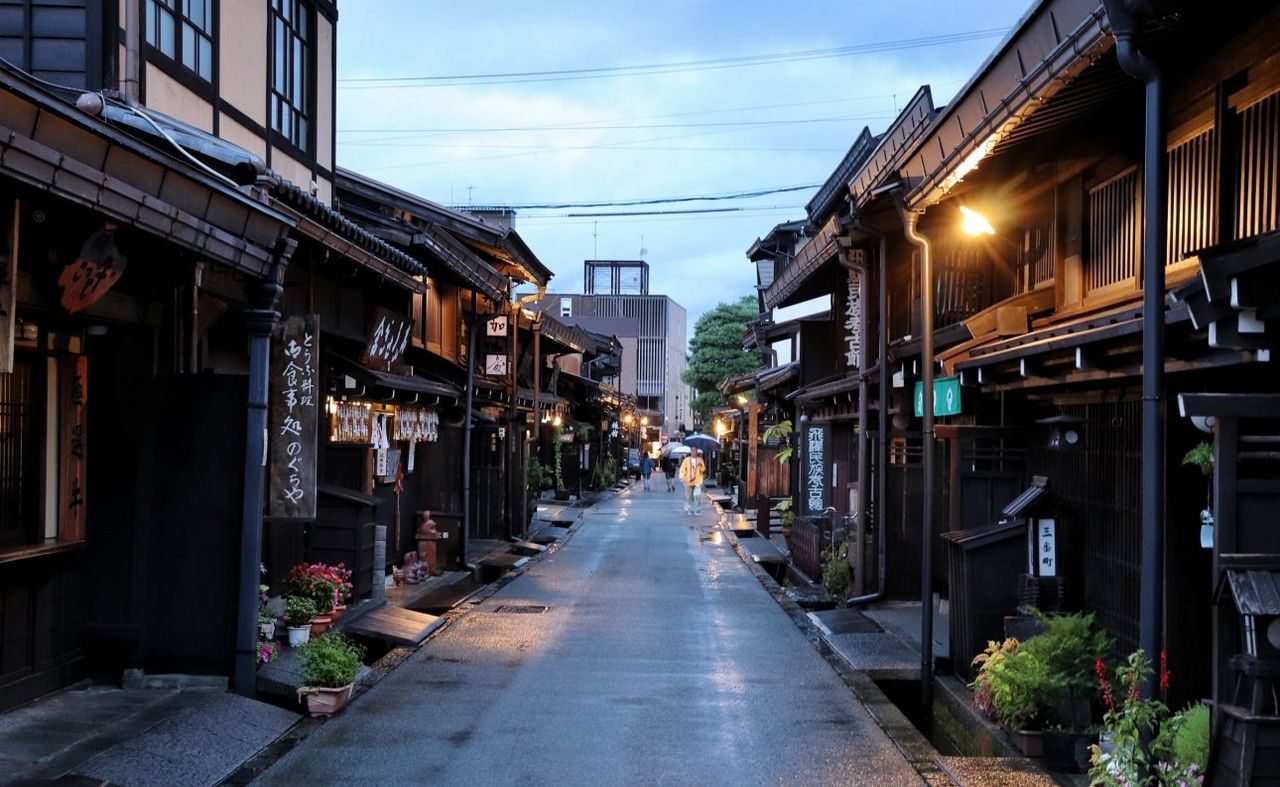
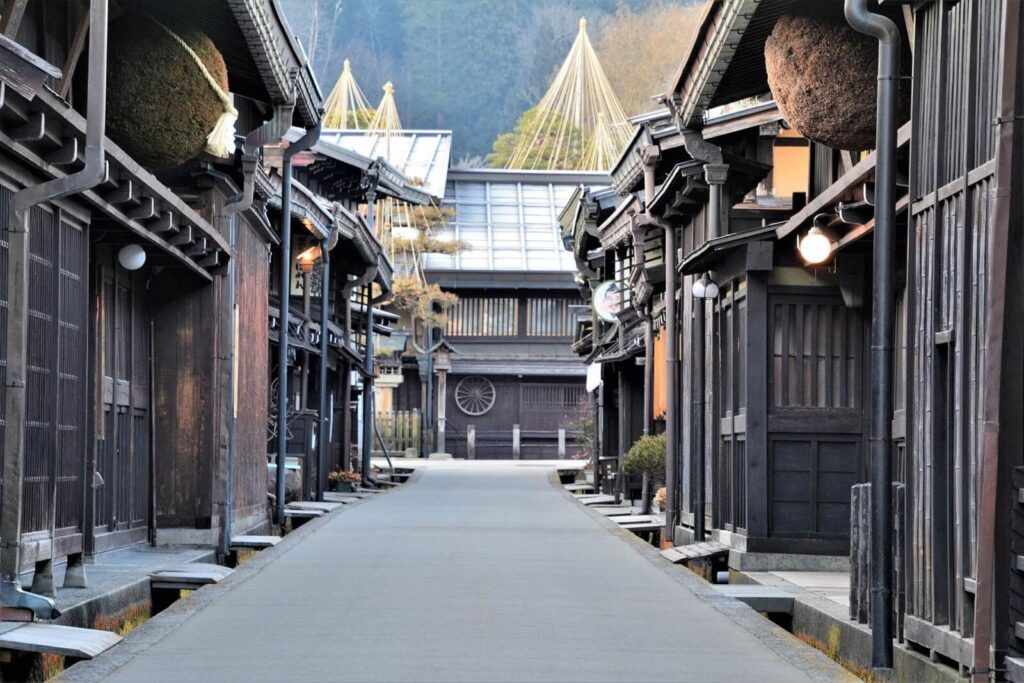
Sanmachi is the densest part of Takayama’s old town, where Edo-period wooden machiya and red maples share the frame, the best street for photos in town. Most itineraries make a half-day walk of the old streets, Nakabashi Bridge and the riverside, passing sake breweries and traditional sweets shops.
Early mornings are quieter, good for a photo walk first and breakfast after. In early November the maples are usually in bloom downtown, and the old town framed by red leaves is the signature view.
Miyagawa Morning Market: A Local Market in the Morning
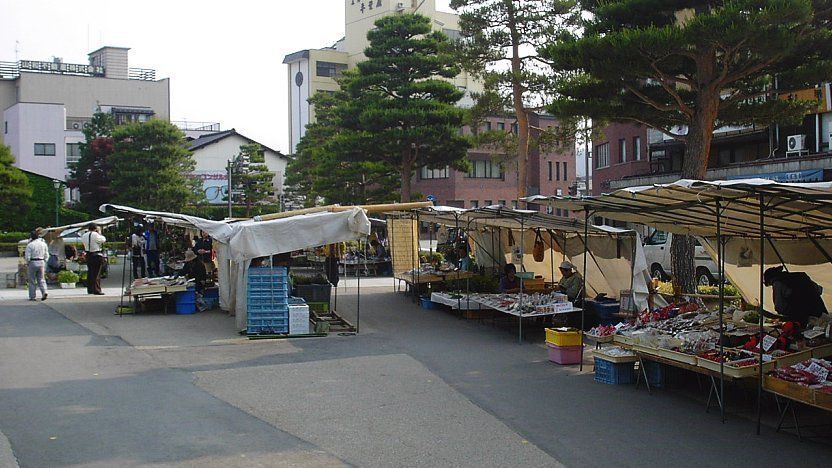
Miyagawa Morning Market lines the Miyagawa riverbank, with stalls mostly selling vegetables, fruit and pickles direct from local farms, liveliest in the early morning. The Jinya-mae Morning Market is also a Takayama morning specialty, and the two fit into the same morning.
Markets mostly open at dawn and close before noon, selling out and breaking up, so take an early train or stay in town to catch them. Hida beef skewers and miso-grilled dango can be bought as you walk.
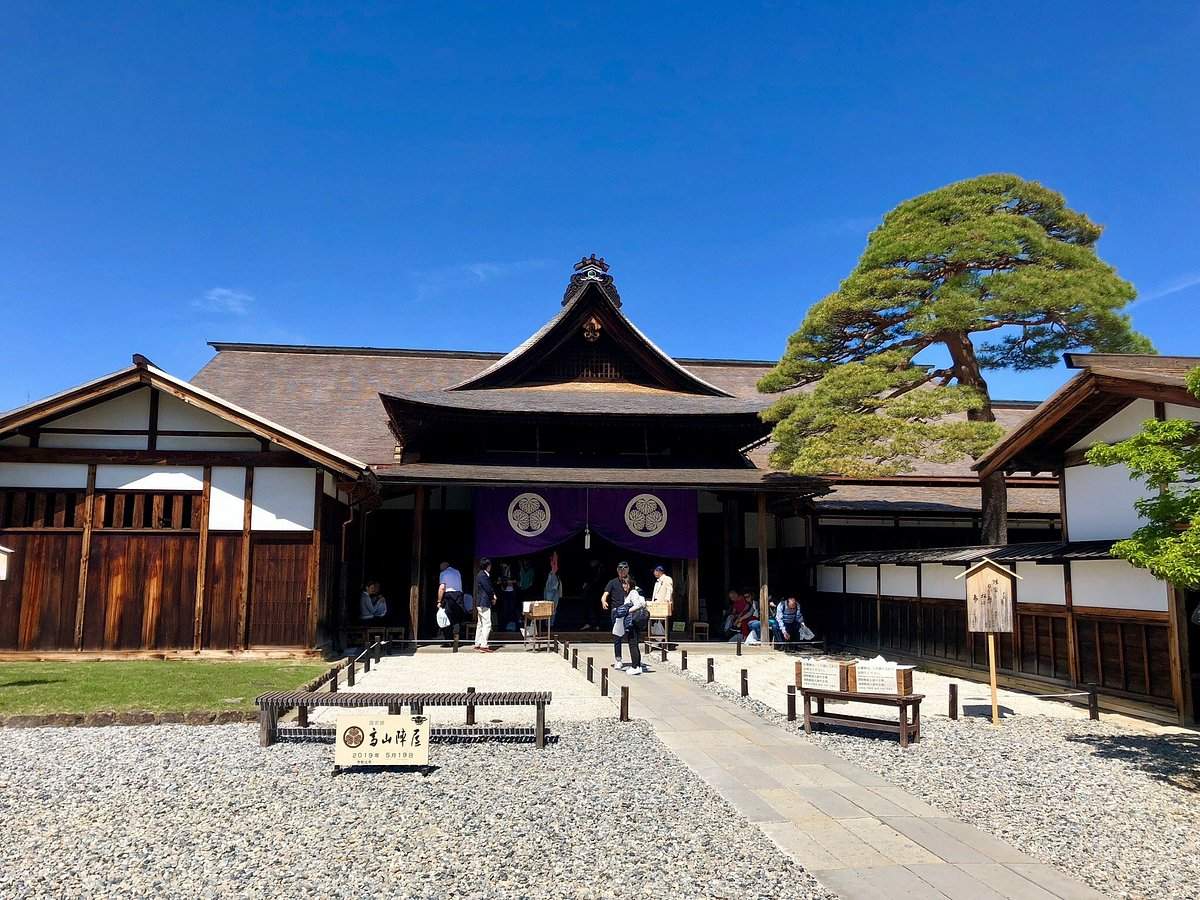
Takayama Jinya: The Edo-Period Magistrate’s Office
Takayama Jinya was the Edo-period magistrate’s office for the shogunate’s direct territory, and its surviving wooden buildings are one of the few such jinya preserved in Japan, where you can learn about administration and life at the time.
It is near Sanmachi, within walking distance, and a stay of about 40 minutes to 1 hour is suggested. Admission is ¥500 for adults and free for high school students and under; in November it is open 8:45 a.m. to 4:30 p.m., and you can see the red leaves in the front garden before going in.
Shirakawa-go Gassho Village: A View from the Ogimachi Castle Ruins Observatory
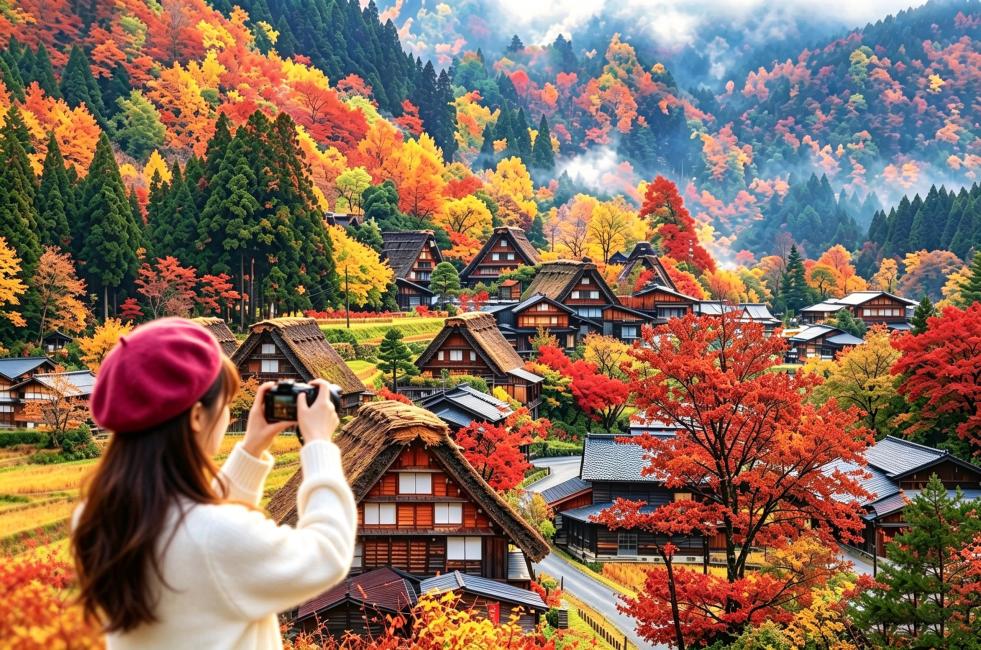
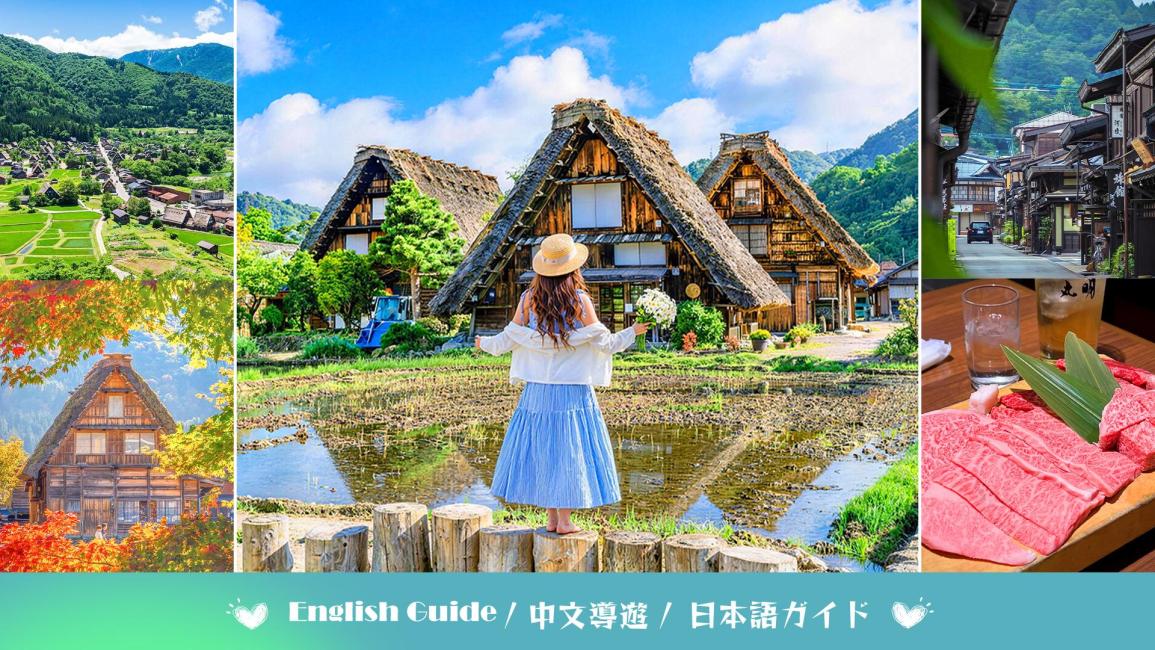
The gassho-zukuri farmhouses of Ogimachi in Shirakawa-go are a World Heritage Site, their roofs steeply pitched to shed snow, Chubu’s most representative mountain village scene. The Ogimachi Castle Ruins Observatory is the best spot to overlook the village, with red leaves on the surrounding slopes sharing the frame with the gassho roofs.
Shirakawa-go’s foliage peak is about late October to early November. Parking is easier if you arrive before 8 a.m.


Kamikochi: The Azusa River and Kappabashi Bridge
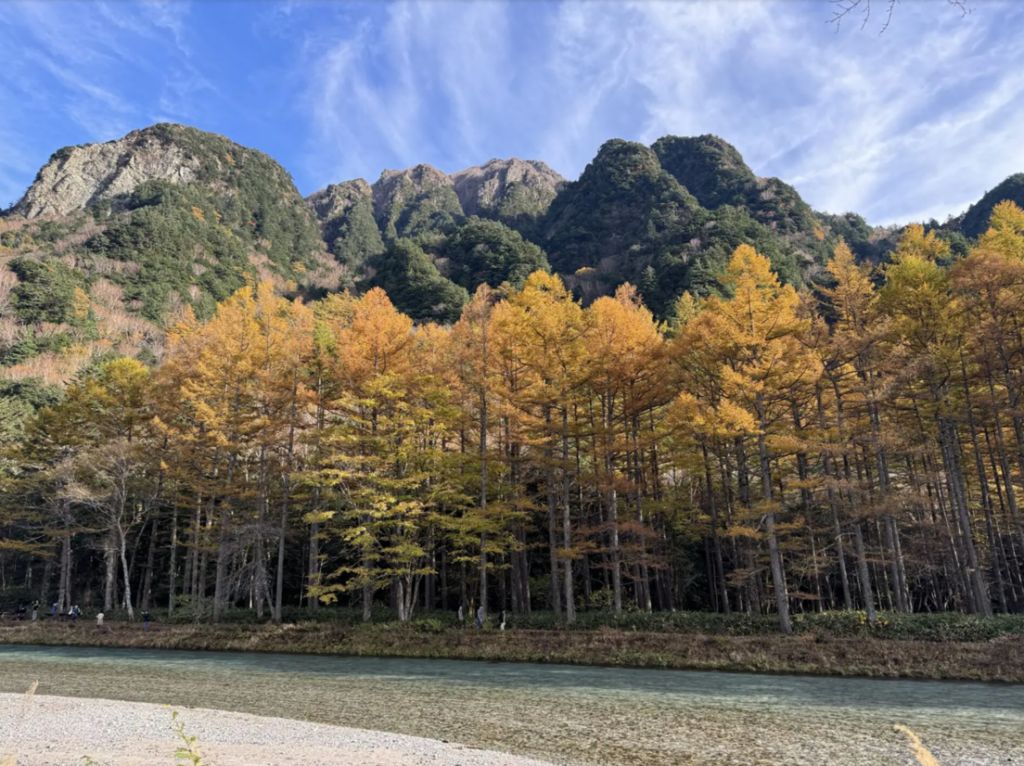
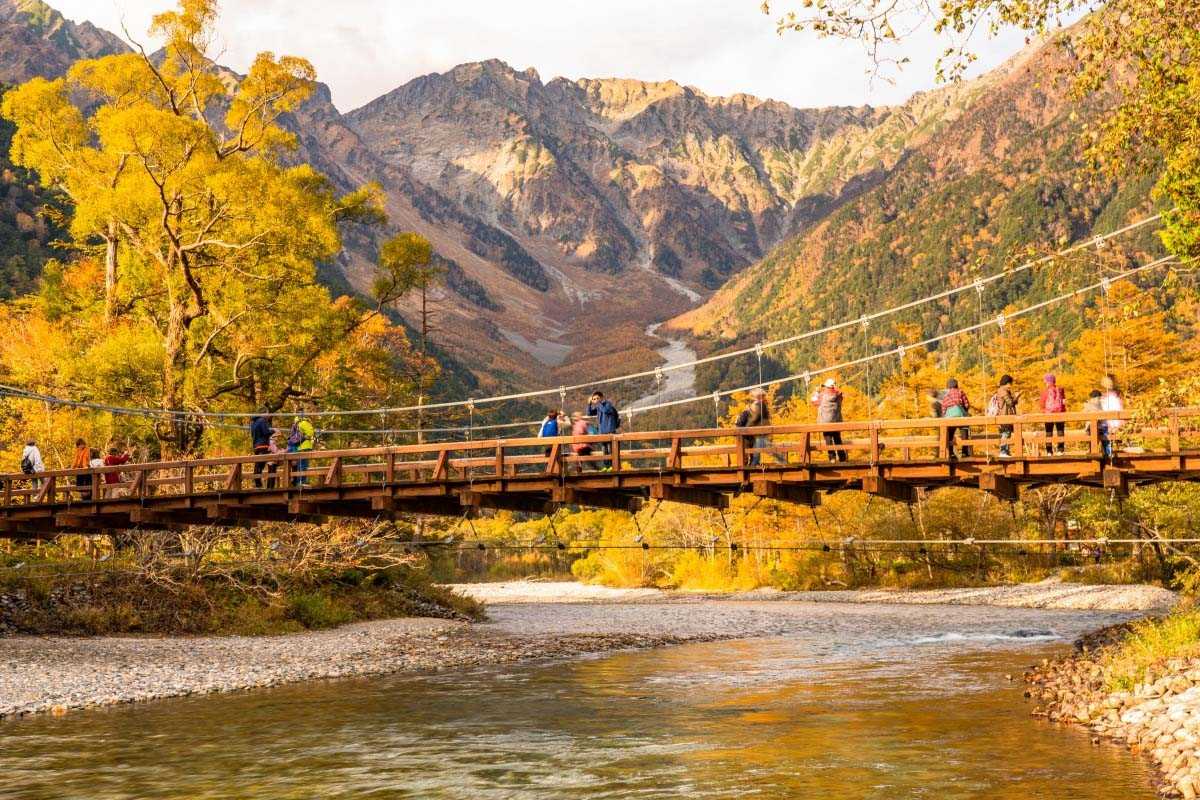
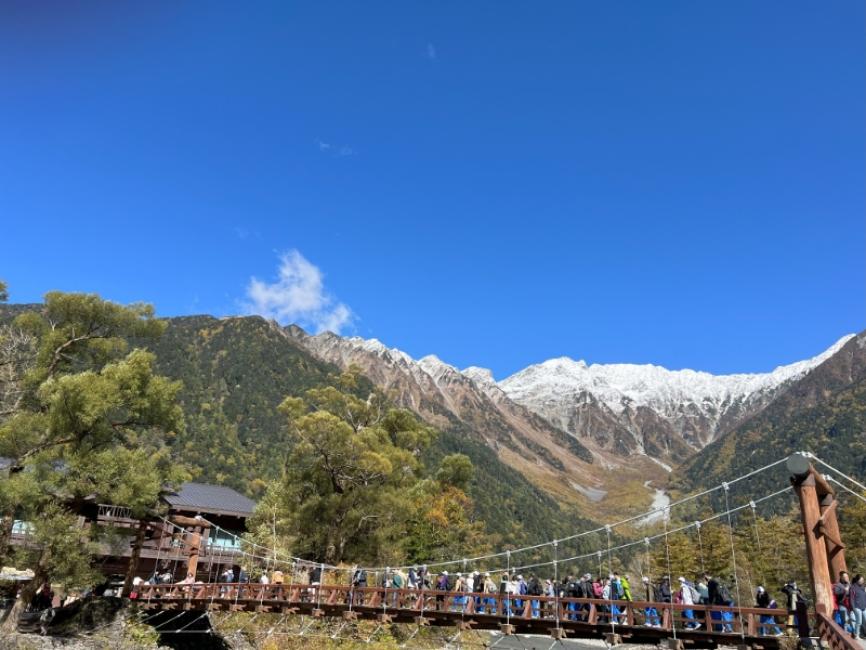
Kamikochi is in the Azumi district of Matsumoto, Nagano, adjoining Hirayu in Takayama, Gifu, a classic spot in the Northern Alps. Larches and maples along the Azusa River change color in mid to late October, and Kappabashi Bridge is the standard angle for photographing the Hotaka range.
Private cars cannot enter Kamikochi directly; change to a shuttle bus at Sawando or Hirayu. From mid-November bus services end in stages, so confirm your itinerary early.
Hakusan Shirakawa-go White Road: Autumn Color Moves from Summit to Foot
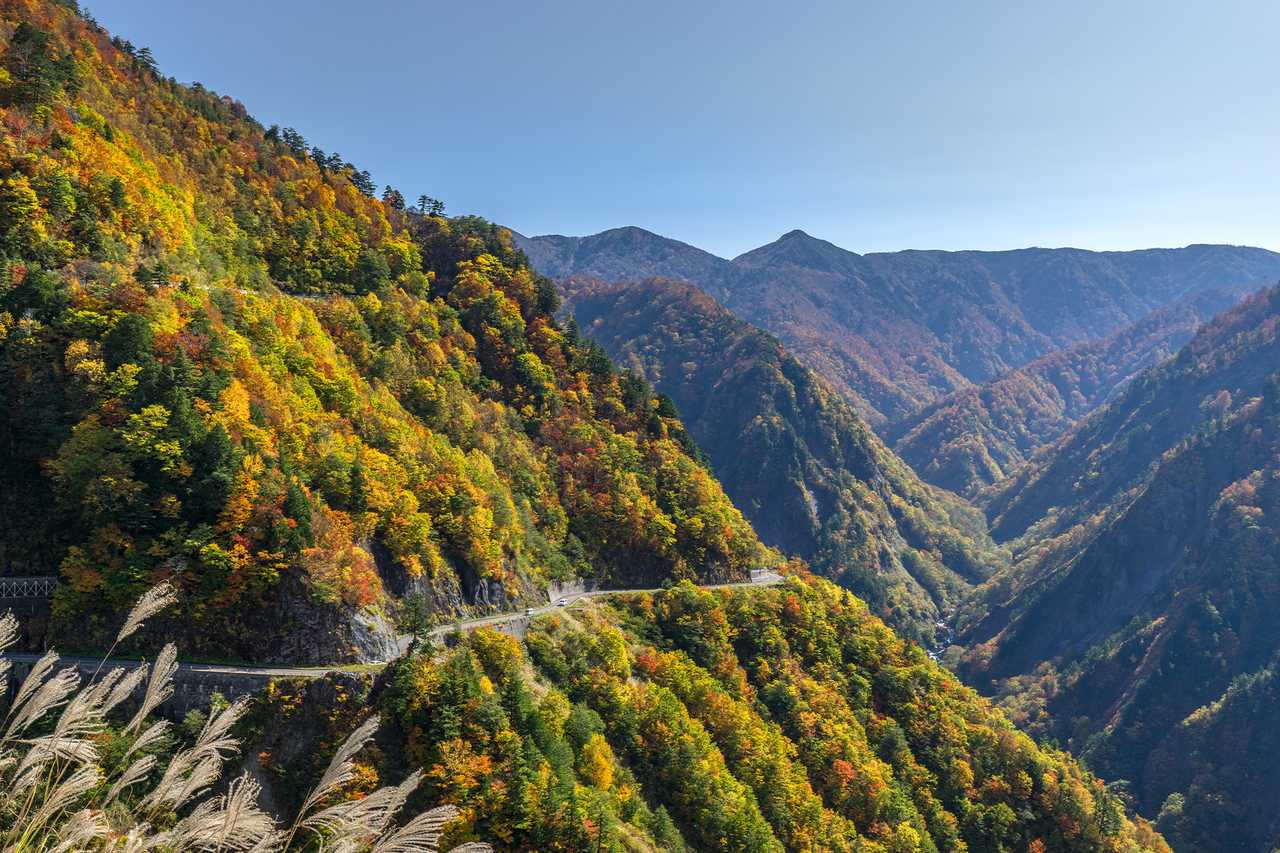
The Hakusan Shirakawa-go White Road is about 33 km long, a toll mountain road linking Shirakawa-go with Hakusan in Ishikawa. With a large elevation difference, red leaves begin at the summit in early October and move to the foothills by early November.
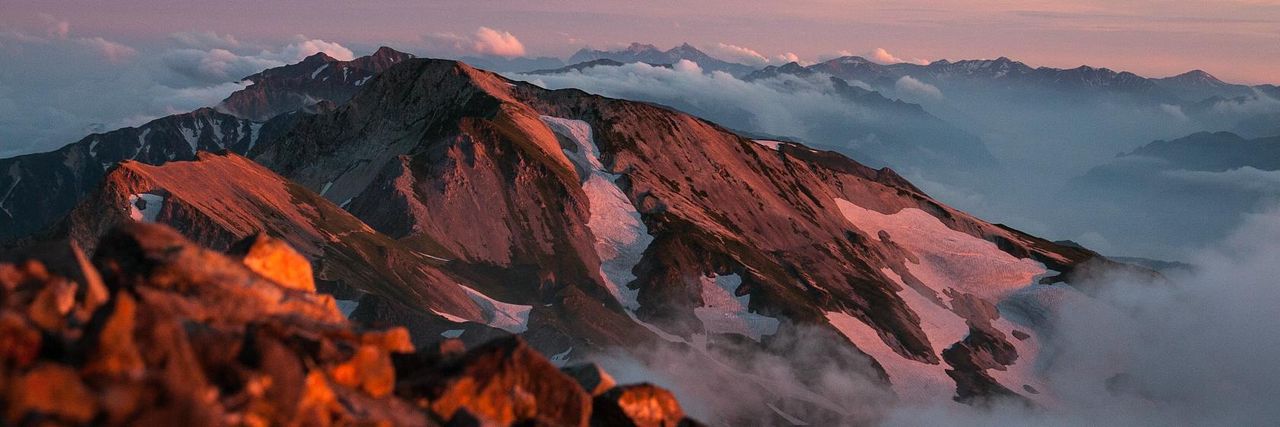
On clear days you can see Mt. Hakusan, Mt. Tateyama and the Northern Alps, and opening periods vary by season. The road has many curves and the view changes fast, so drive with special care.
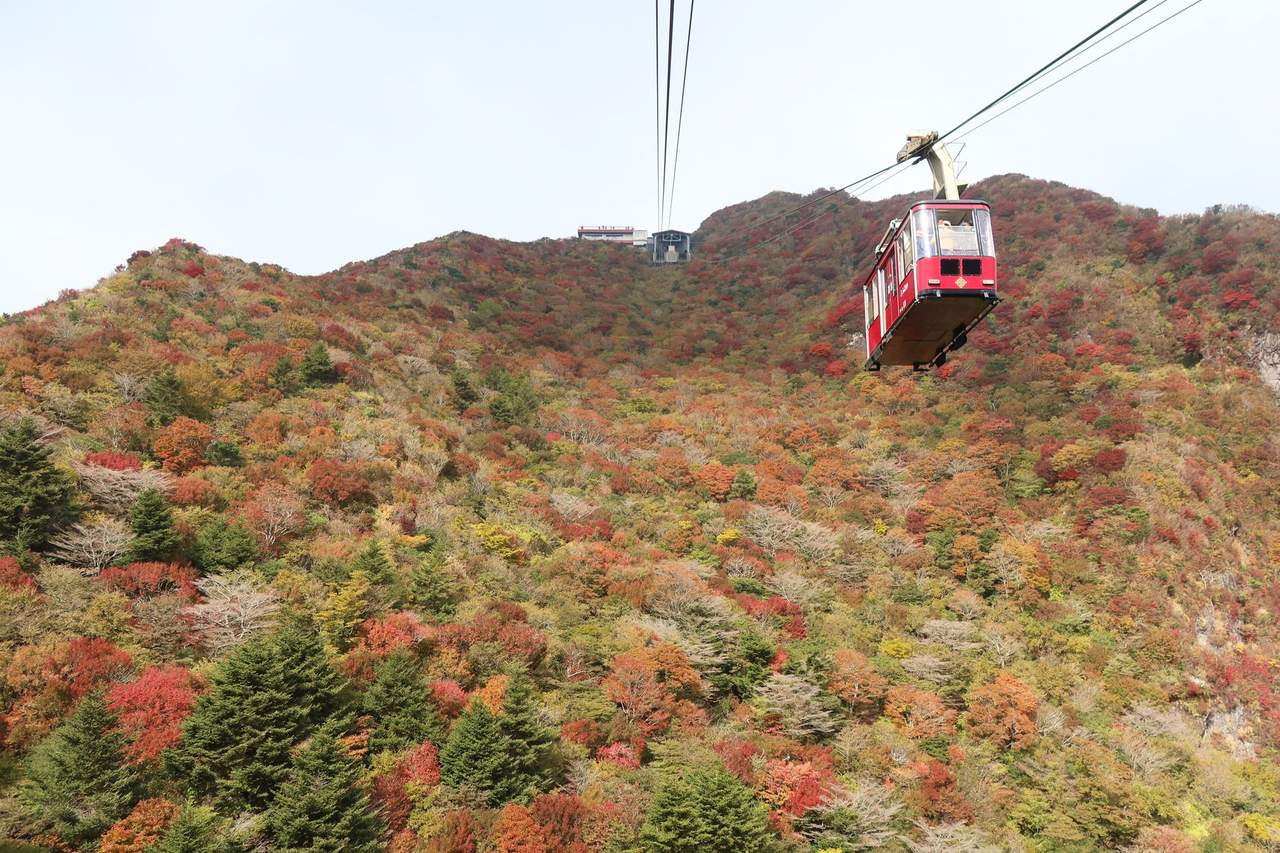
Shinhotaka Ropeway: Japan’s Only Double-Decker Gondola
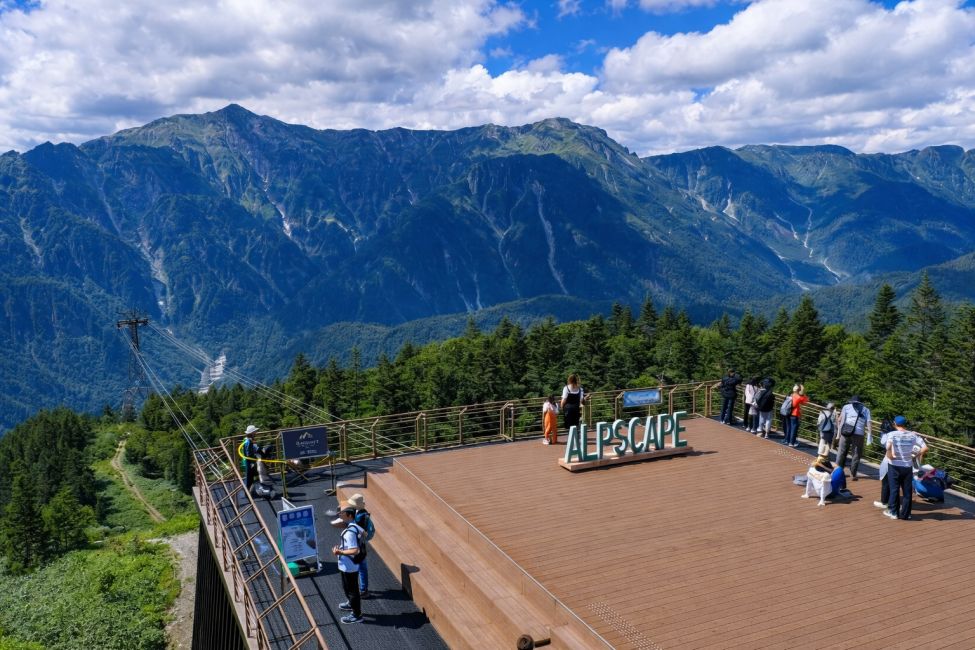
The Shinhotaka Ropeway is in Okuhida, Takayama, Japan’s only double-decker gondola, with Nishi-Hotaka-guchi Station at 2,156 meters. The summit observation deck gives a 360-degree view of the surrounding mountains, and red leaves are best from about early to late October.
Near the summit are nature trails, a foot bath and a souvenir shop, and about 1 to 2 hours is enough. Service may be suspended in strong winds.
Hida-Mino Seseragi Kaido: A Riverside Foliage Drive
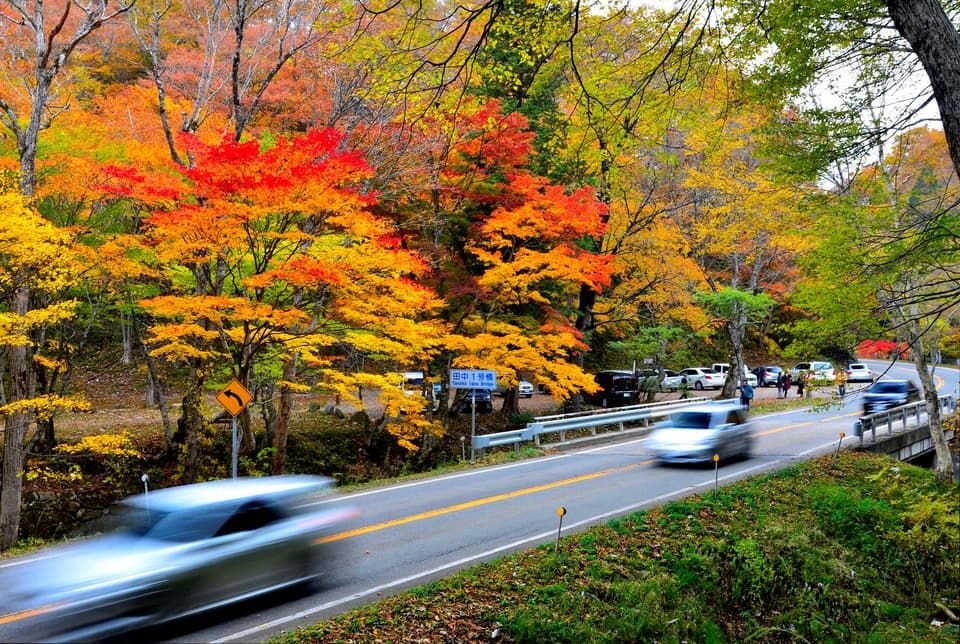
The Hida-Mino Seseragi Kaido links Gujo-Hachiman and Hida-Kiyomi, running along the Yoshida and Mase Rivers. The earliest spot to turn red is Nishi-Ure Pass, where a small pond beside the trail is a spot for photographing reflections.
Okura Falls and Komorebi Plaza along the way are good places to stop, and the foliage runs about mid-October to early November. The mountain road has many curves and limited parking, so drive slowly.
Hida Kokubunji: Golden Ginkgo and Goshuin
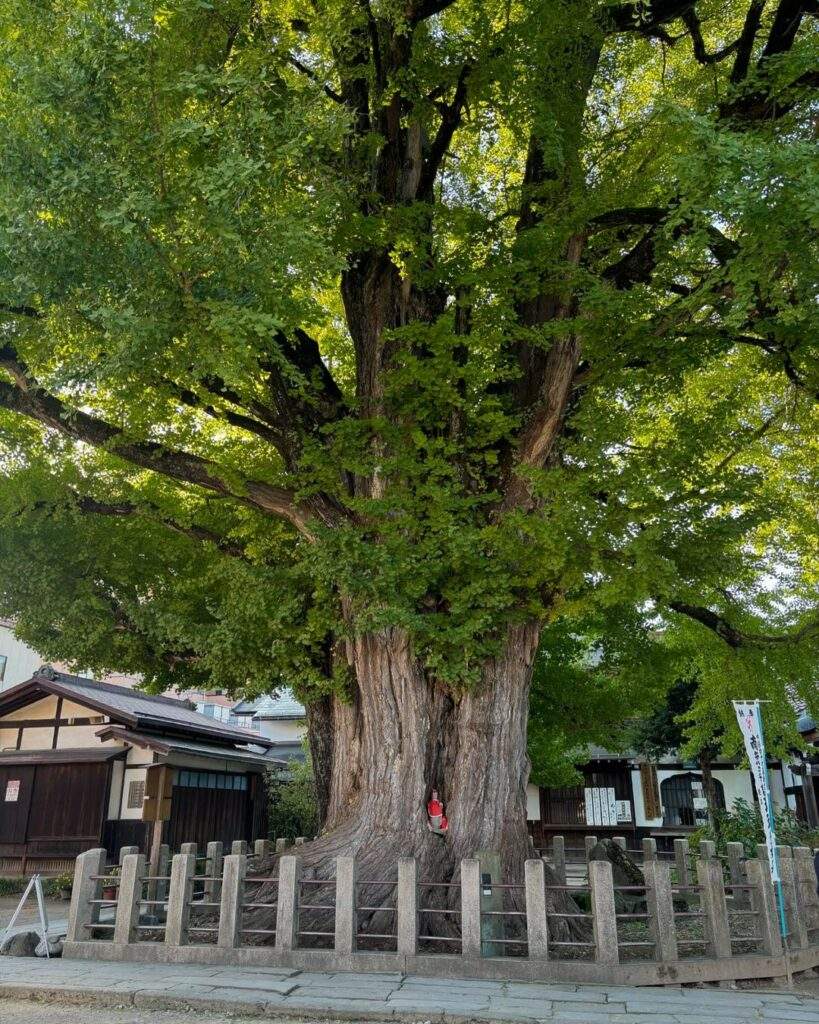
Hida Kokubunji is about a 5-minute walk from JR Takayama Station, an old temple from the Nara-period kokubunji system. The ginkgo on its grounds is said to be over a thousand years old and turns gold in mid to late November, the signature autumn scene in Takayama.
You can visit the temple and may be able to get a goshuin. It can be fitted into the same outing as a walk through Takayama’s old town.
Tickets and Guided Tours Compared
Tickets and guided tours are mostly sold as group tours, while independent travelers must buy tickets and arrange timetables themselves.
Shirakawa-go Day Trip: Seeing Gassho Village from Takayama
Shirakawa-go day trips from Takayama mostly use a bus transfer of about 50 minutes, with visiting time at the Ogimachi Castle Ruins Observatory and the Gassho-zukuri Minkaen.
Tours are usually half-day to one-day, suiting travelers who do not want to judge timetables or parking themselves. Shirakawa-go’s gassho-zukuri villages were listed as a World Heritage Site in 1995 together with Gokayama, and popular foliage-season tours may sell out early.
Kamikochi Day Trip: From Matsumoto or Nagoya
Kamikochi day trips often leave from Nagoya or Matsumoto by tour bus, sparing you the change between Sawando and Hirayu. They suit travelers who only want to see the Azusa River and Kappabashi once.
Most tours give about 3 to 4 hours on site, which is tight. Choose a departure with longer free time, and watch the service end dates after mid-November.
Takayama Old Town Half-Day Tour: Sanmachi and Morning Market Guided
Takayama half-day tours are mostly guided through Sanmachi, the Jinya and the morning market, suiting travelers who spend only half a day in Takayama. They usually include local snack tastings, but contents vary by tour.
If you want to take photos slowly or linger at sake breweries, choose independent travel. Takayama’s main sights are within walking distance, and for the old town alone, going on your own costs less.
Stay Over and Peak-Season Reminders
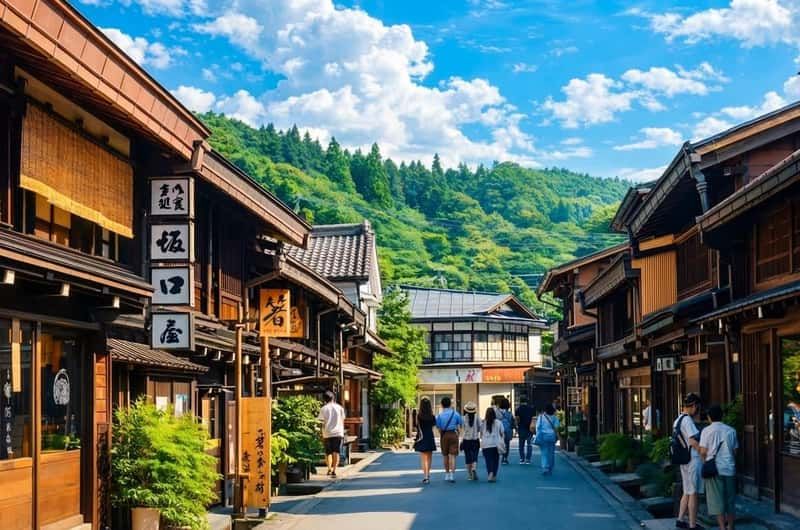
Old-Town Inns in Takayama: Walking Distance to Sanmachi
Takayama’s inns cluster around JR Takayama Station and near Sanmachi, within walking distance of Sanmachi and the Miyagawa Morning Market, the first choice if Takayama is your main line. Hirayu Onsen lies between Takayama and Kamikochi, so consider staying toward Hirayu to catch the early Kamikochi bus.
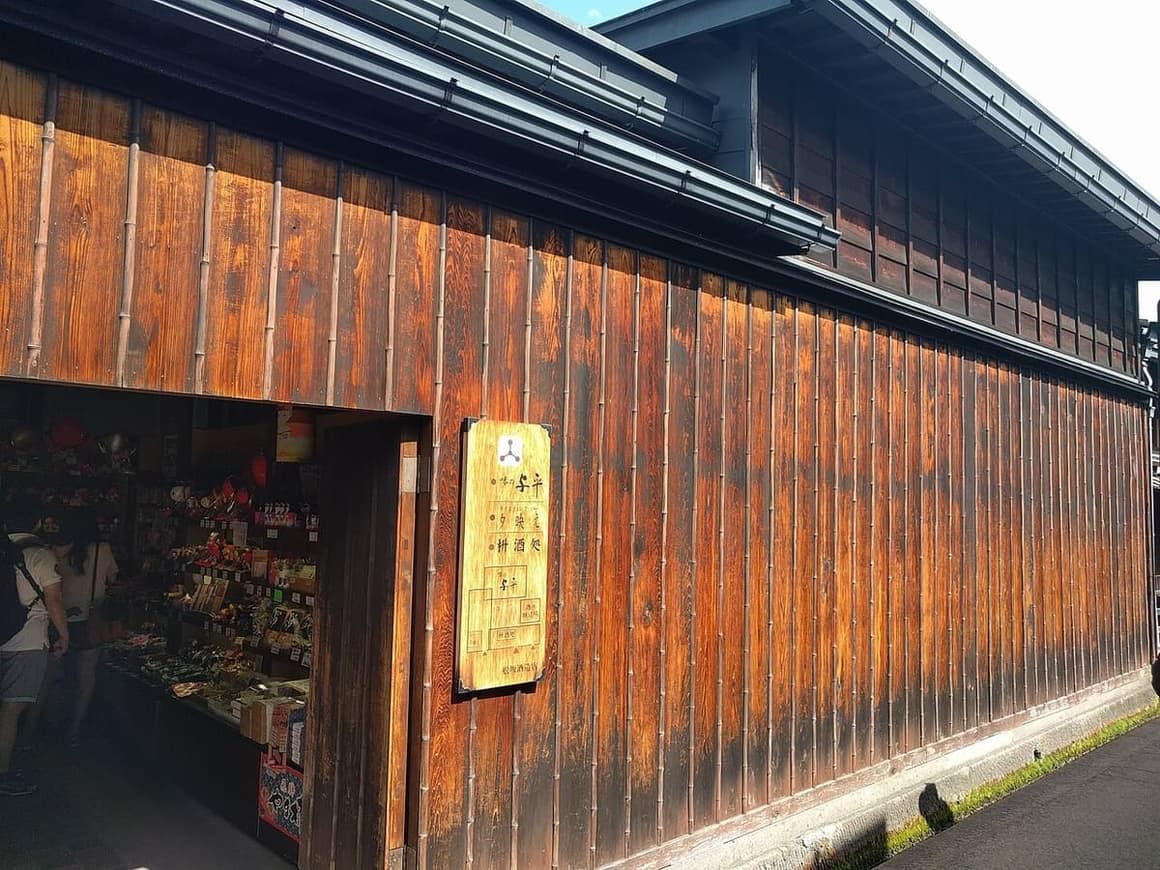
Inn rates in downtown Takayama run high in foliage season and tend to sell out early, so book as soon as your dates are set, and leave time to reach the morning market at dawn.
Shirakawa-go Gassho Farmhouse Inns: Book Weeks Ahead
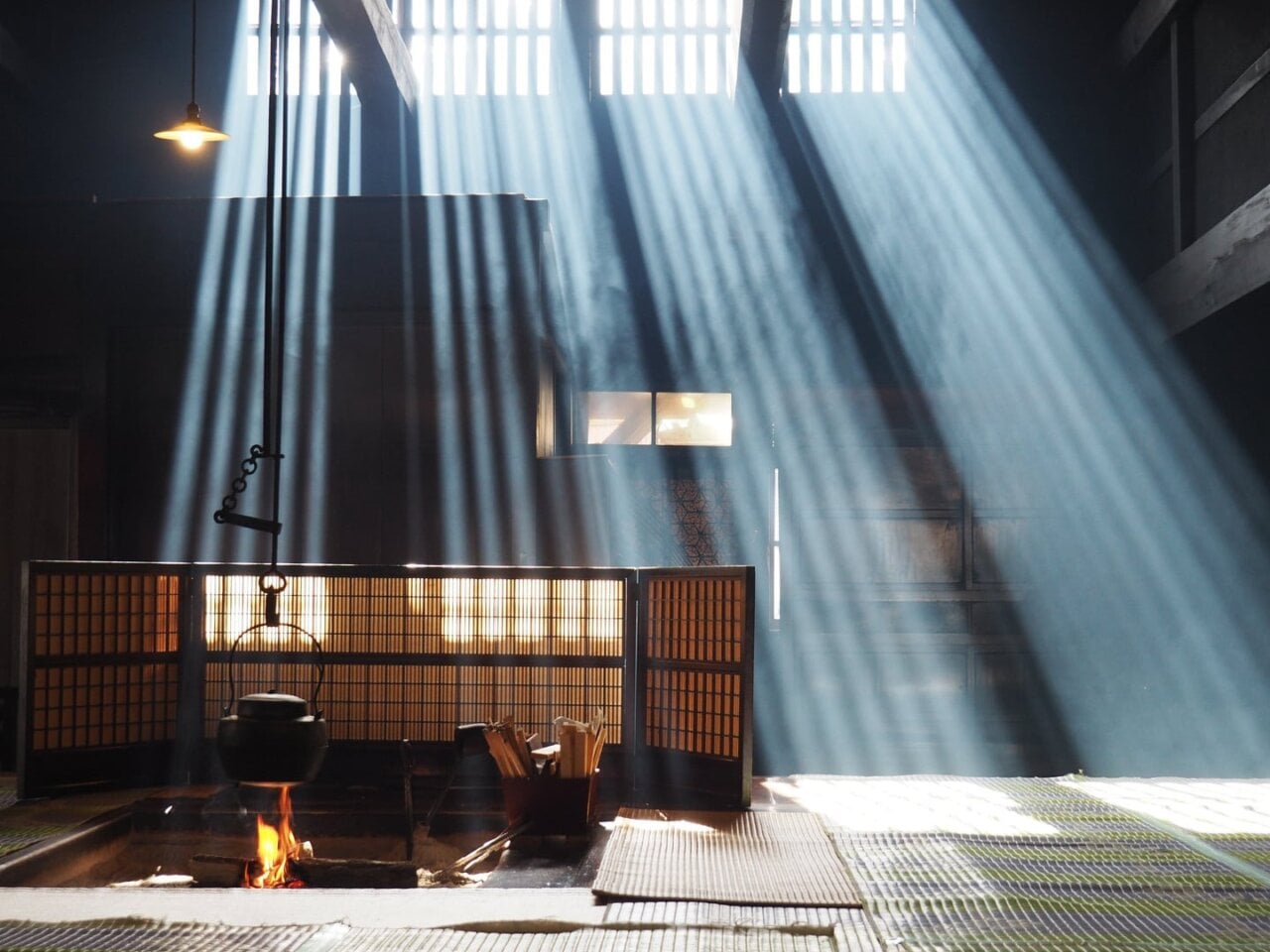
Gassho farmhouse inns in Shirakawa-go let travelers enjoy the village at dusk and dawn. After day visitors leave, the village returns to quiet, the best time to photograph night scenes and gassho houses at dawn.
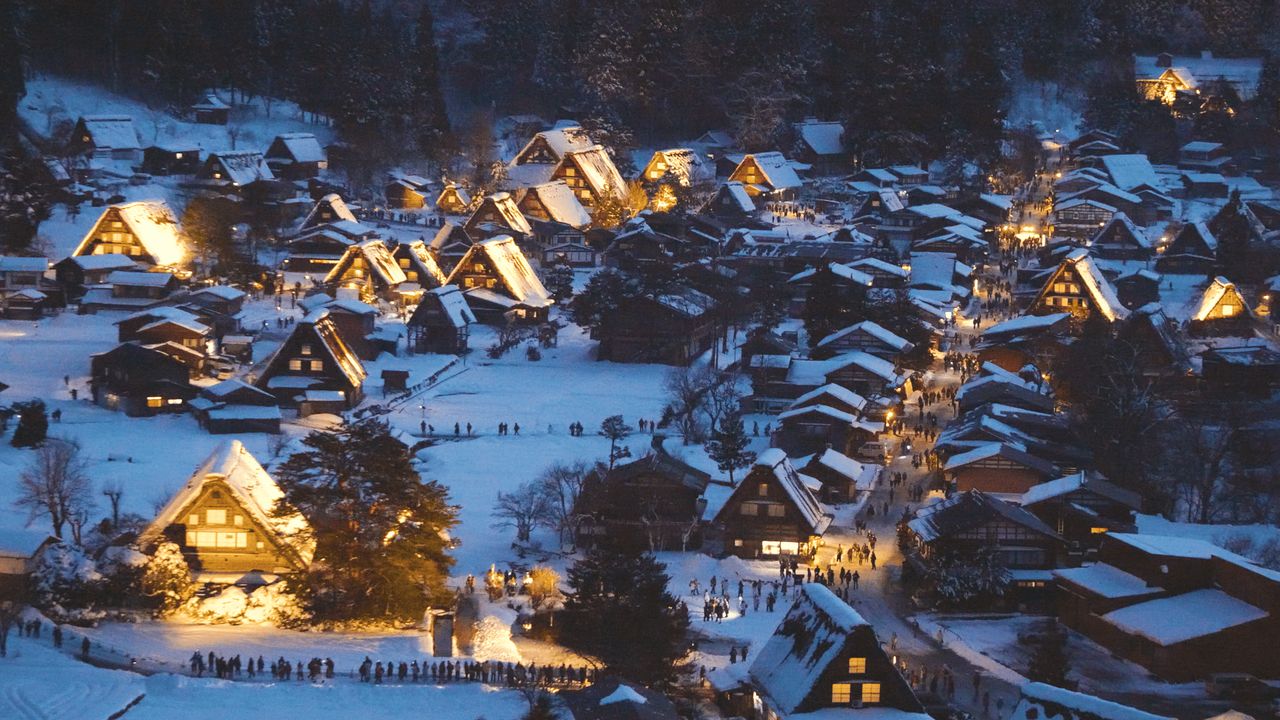
Shirakawa-go has a limited number of gassho farmhouse inns, and foliage-season weekends often sell out weeks to months ahead. If you cannot book one, stay in Takayama and make a day trip to Shirakawa-go.
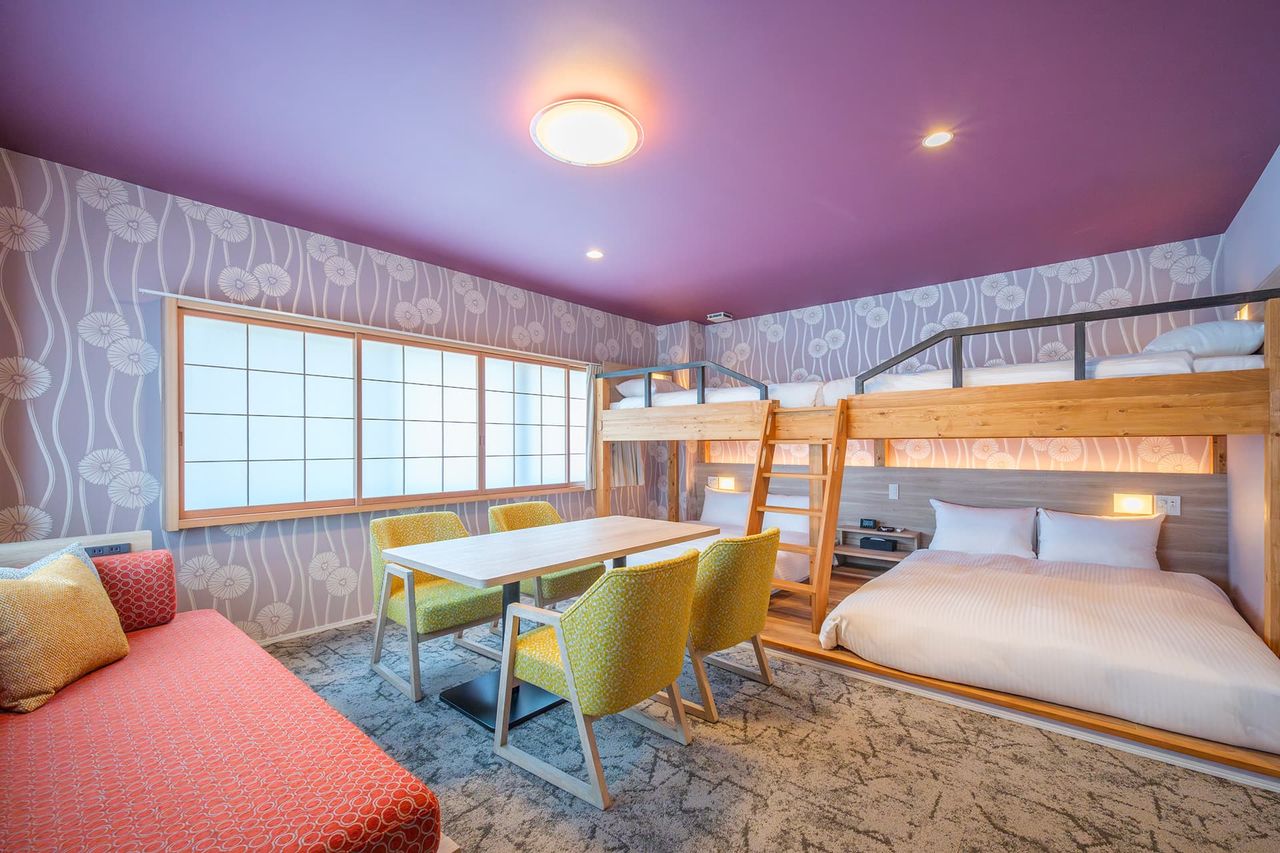
Further Reading: Chubu Foliage Spots




FAQ
Q: When is the best time for foliage in Chubu?
Kamikochi is best around mid to late October, Shirakawa-go and Takayama from late October to early November, and Korankei reaches its peak in mid to late November. The higher the elevation, the earlier the red leaves.
Q: How much does foliage viewing at Korankei cost?
Korankei’s walking trails have no admission fee, and the evening illumination during the Autumn Leaves Festival is free to enter, so the main costs are transport and parking.
Q: What is the most convenient way from Nagoya to Takayama?
The JR Hida limited express reaches Takayama directly in about 2 hours 30 minutes. For Shirakawa-go, take an expressway bus for about 2 hours 45 minutes, or go to Takayama and change to the Nohi Bus, about 50 minutes.
Q: What time should I get to Shirakawa-go Gassho Village?
Shirakawa-go’s foliage-season crowds peak by day, so arrive before 8 a.m. for parking and photos. The village-run Seseragi Park parking lot is open 8 a.m. to 5 p.m.
Q: Do I need to book ahead for Kamikochi?
Private cars cannot enter Kamikochi; take a shuttle bus or taxi. Peak-season services are limited, so check schedules and reserve tickets early; buses end service after mid-November, so plan ahead.