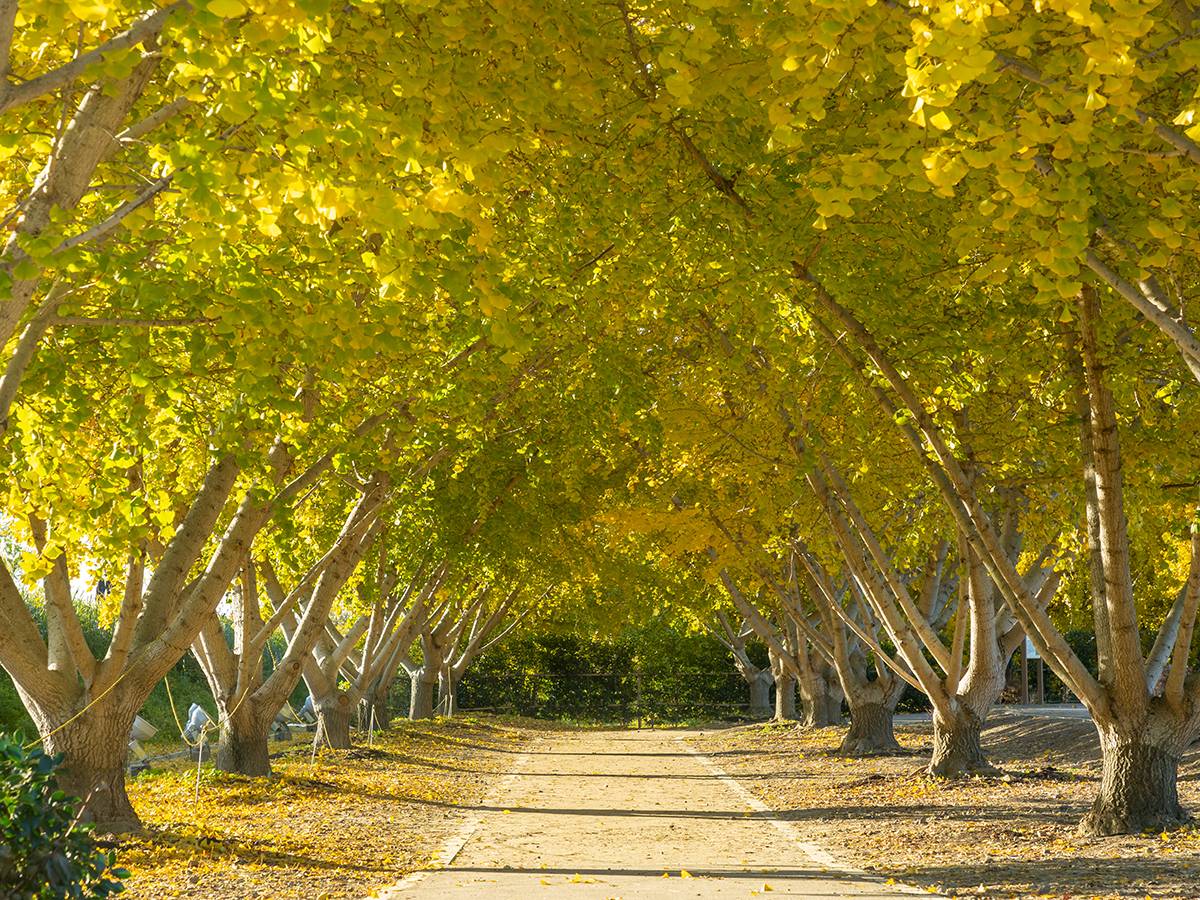
Nagoya Ginkgo Guide: Sobue Ginkgo, Atsuta Jingu and Hisaya-odori
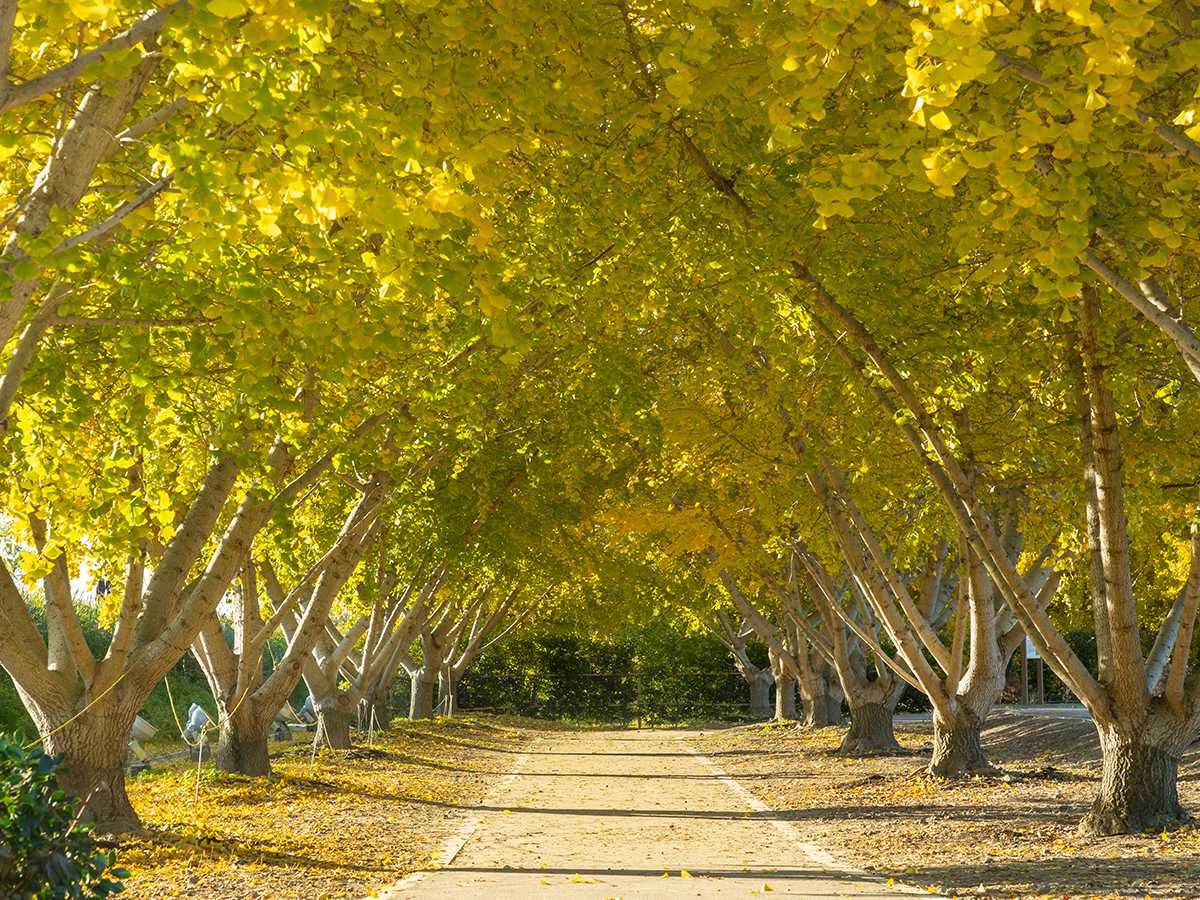
Sobue, in Inazawa, Aichi Prefecture, has over 11,000 ginkgo trees. William covers Sobue Ginnan Park, Yusenji Temple and the Ginkgo Festival, then central Nagoya: Atsuta Jingu, Hisaya-odori Park, Meijo Park, Shirotori Garden and Tokugawaen, plus admission and transport passes. Peak color runs late overall in 2026; city autumn leaves mostly peak in early December.
2026 Peak Season Forecast: Both Ginkgo and Maple Are Later Than Usual
In central Nagoya, peak yellow foliage is forecast for around November 17, while maple color is pushed back to around December 2. The ginkgo are turning yellow at close to their usual pace.
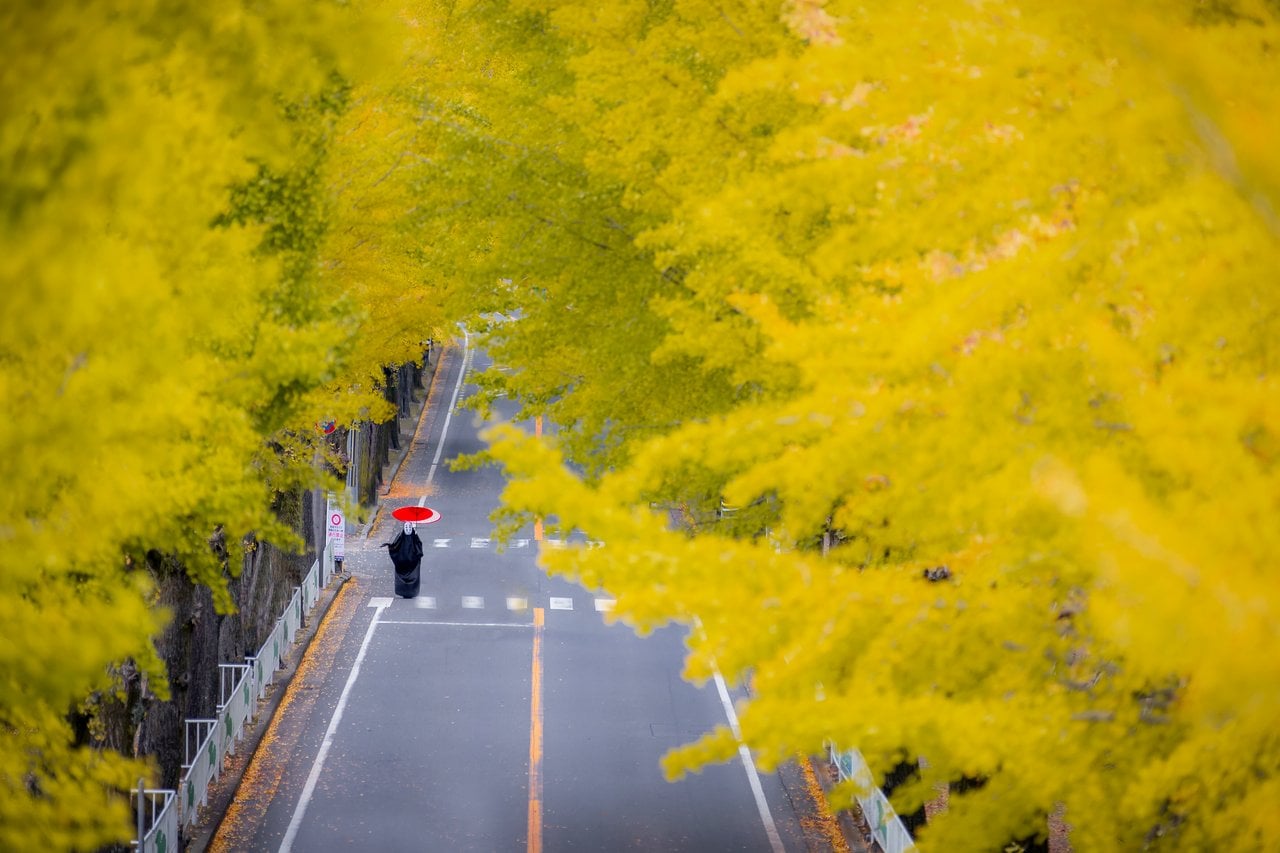
Sobue ginkgo are expected to peak from late November to early December, at their best around November 25 to December 2.
Seasonal Timing: Ginkgo in Mid-November, Maple in Early December
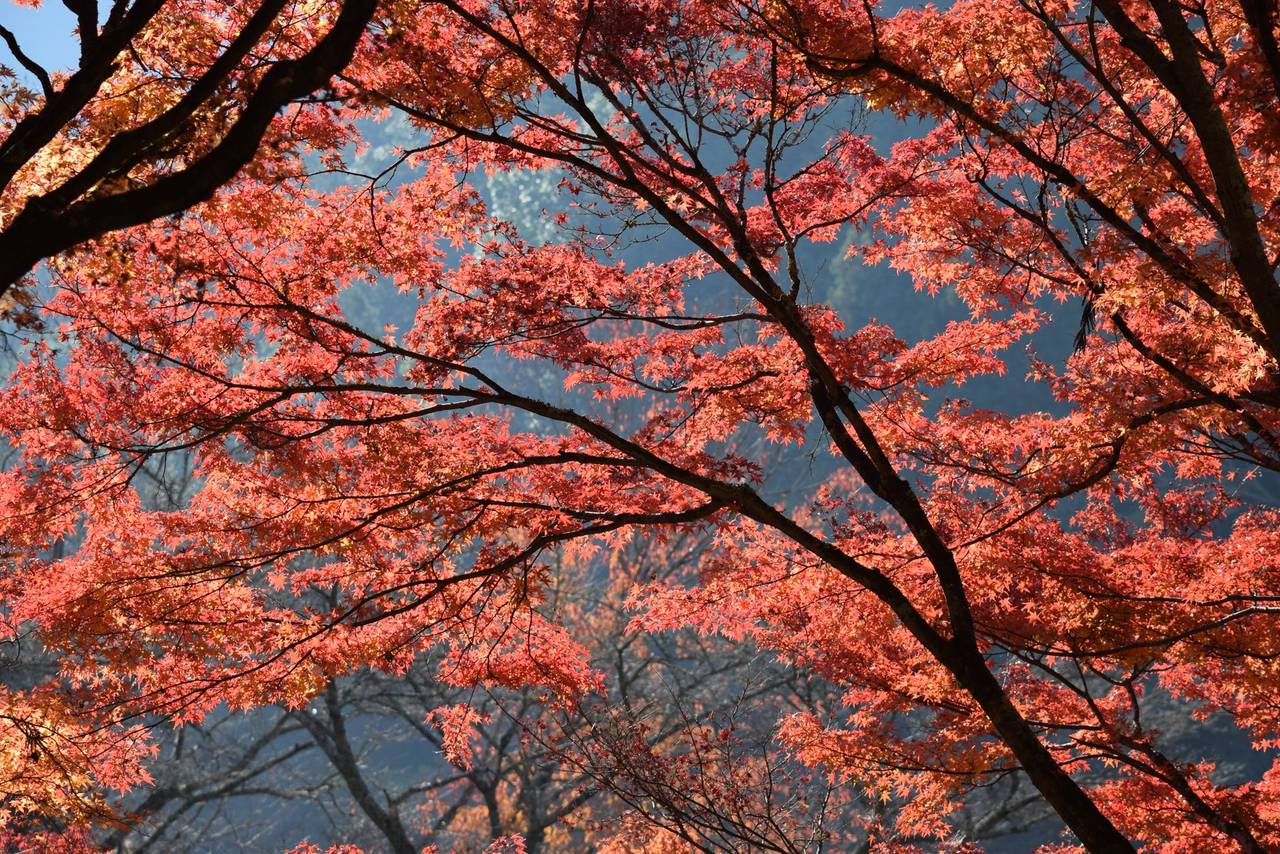
Hisaya-odori is expected to reach its best after November 26, while Atsuta Jingu and Sobue peak from late November to early December. Visit between November 20 and the end of the month to catch both yellow ginkgo and the first red maples.
For lunch and dinner in the city, try Nagoya specialties such as miso katsu, tebasaki chicken wings and eel rice.
One-Day Route: Sobue Early, Finish in the City in the Afternoon
Head to Sobue first in the morning: festival stalls sell freshly roasted ginkgo nuts and ginkgo takoyaki, so arriving in the morning lets you snack as you stroll. In the afternoon, return to Nagoya Station, visit Atsuta Jingu, then walk or take the subway to Hisaya-odori and finish your city walk before evening.
Nagoya Ginkgo Access: Getting to Sobue and Around the City
Getting to Sobue, Atsuta Jingu and Hisaya-odori
From Nagoya Station to Sobue, Meitetsu is the most common choice: take the JR Tokaido Main Line to Owari-Ichinomiya Station, then transfer to the Meitetsu Bisai Line to Yamazaki Station. You can also take Meitetsu from Meitetsu Nagoya Station to Ichinomiya Station, then change to the Bisai Line.
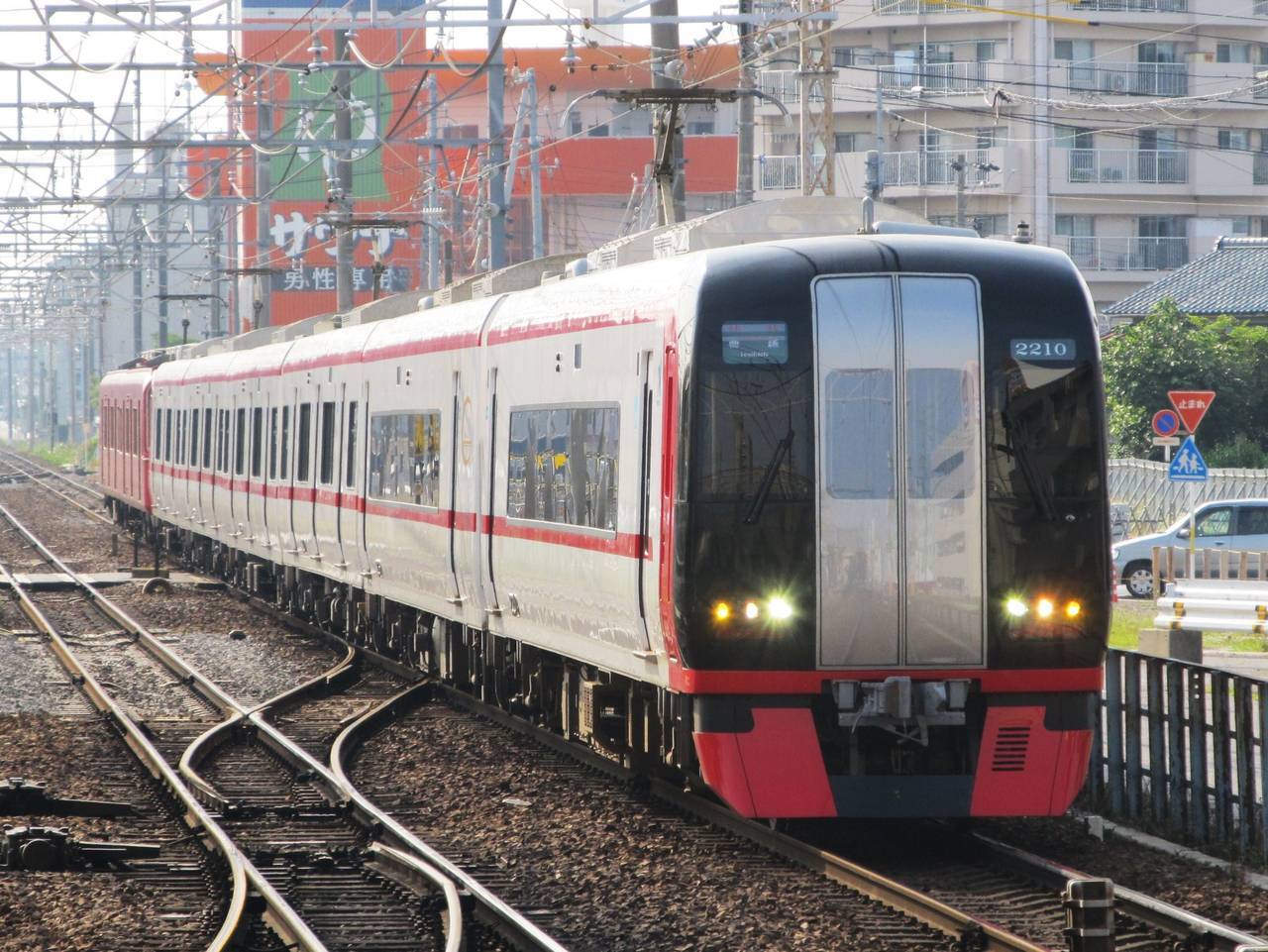
The festival grounds are a short walk from Yamazaki Station. During the festival, nearby roads are narrow and parking is limited, so taking the train is recommended. Meitetsu’s red trains framed with ginkgo are a popular shot; look for angles around Yamazaki Station.
Atsuta Jingu is about a 3-minute walk from Jingu-mae Station on the Meitetsu Nagoya Main Line. For Hisaya-odori, take the subway Meijo Line to Hisaya-odori Station, or the Meijo or Higashiyama Line to Sakae Station; the park is right outside.
Ginkgo Spots in Sobue, Atsuta Jingu and Hisaya-odori
The spots below are arranged in order: Sobue first, then central Nagoya.
Sobue Ginnan Park: A Ginkgo Tunnel and Observation Deck
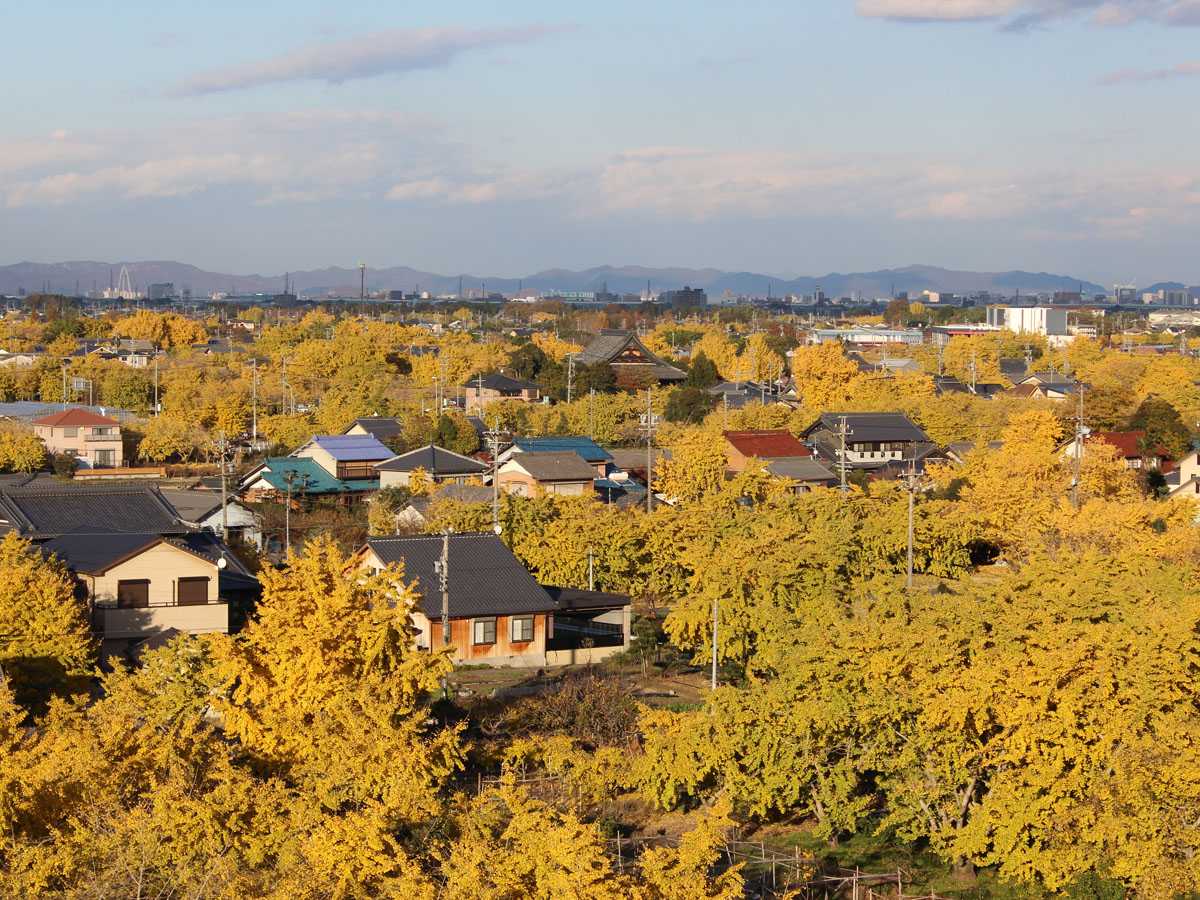
Sobue Ginnan Park is the main venue of the Ginkgo Festival. Its observation deck looks over a sea of golden treetops, the best photo spot in Sobue. The ginkgo tunnel is at its finest in late November.
The park has a ginkgo tunnel, at its finest in late November; when taking photos, do not stray onto private land.

Yusenji Temple: The Original Great Ginkgo on the Temple Grounds
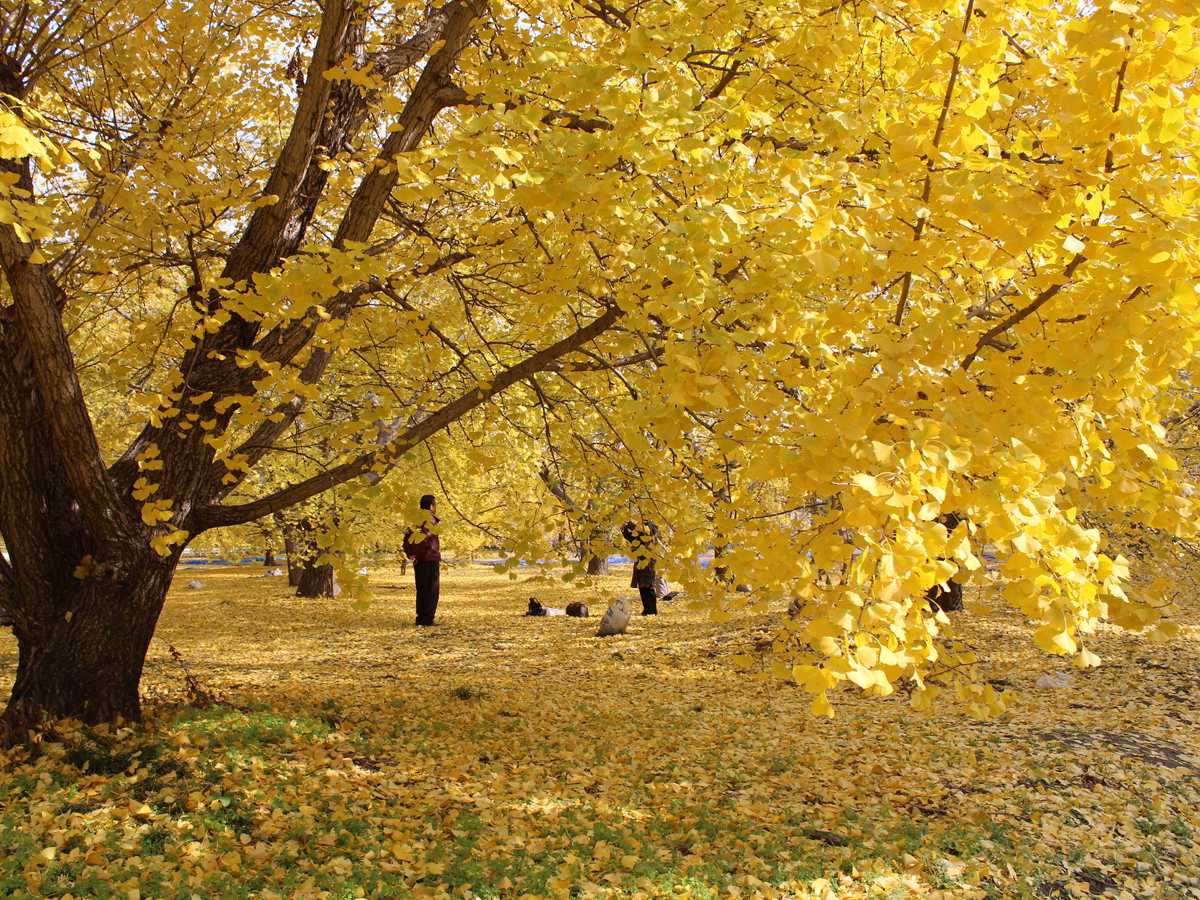
Yusenji Temple stands beside the festival grounds. The golden crown of the great ginkgo on its grounds sets off the old temple buildings, and it is Sobue’s most iconic single tree.
The festival grounds include Yusenji Temple and Sobue Ginnan Park, and next to the temple is the original Kuju Ginkgo tree.
Sobue Ginkgo Festival: Farm-Direct Sales and Ginkgo Food Together
The 29th Sobue Ginkgo Festival runs from November 21 to 29, 2026, with evening illumination nightly from 17:00 to 20:00 from November 21 to 28. Stalls sell freshly roasted ginkgo nuts, ginkgo takoyaki and ginkgo tempura.
For festival inquiries, contact the Sobue Town Chamber of Commerce at 0587-97-5800.
Atsuta Jingu: Ginkgo and Maple at One of Japan’s Three Great Shrines
Atsuta Jingu, in Nagoya’s Atsuta Ward, is one of Japan’s three great shrines and enshrines the Kusanagi sword. Its grounds are full of towering old trees, autumn brings ginkgo and maple color at the same time, and visiting is free.
Fallen leaves carpet the pond side at Kusanagi Hiroba, and from 2 to 4 p.m. the light filters through the treetops, ideal for photos. You can get omamori charms and goshuin (temple/shrine stamp) when you visit.

Hisaya-odori Park: An Autumn Boulevard on Sakae’s Linear Green Belt
Hisaya-odori Park is a linear park in the Sakae shopping district. The street trees on both sides turn gold in autumn, with peak color from about mid-November to early December, expected to be at its best after November 26. The park connects to RAYARD and MIRAI TOWER, so you can stroll and shop along the way.
The park is free and right outside Hisaya-odori Station on the subway Meijo Line or Sakae Station. When the streetlights come on at dusk, the golden trees contrast with the high-rise night view.
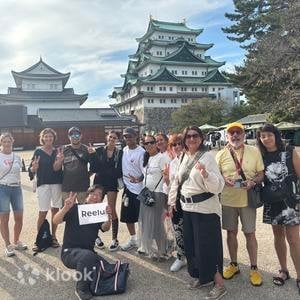
Hisaya Odori Garden Flarie: A Free European-Style Garden
Hisaya Odori Garden Flarie, at the south end of Hisaya-odori Park, reopened in 2014 as a free European-style garden whose scenery can be framed together with the surrounding ginkgo and maples.
Open from 9:00 to 17:30; closed over the New Year holidays.
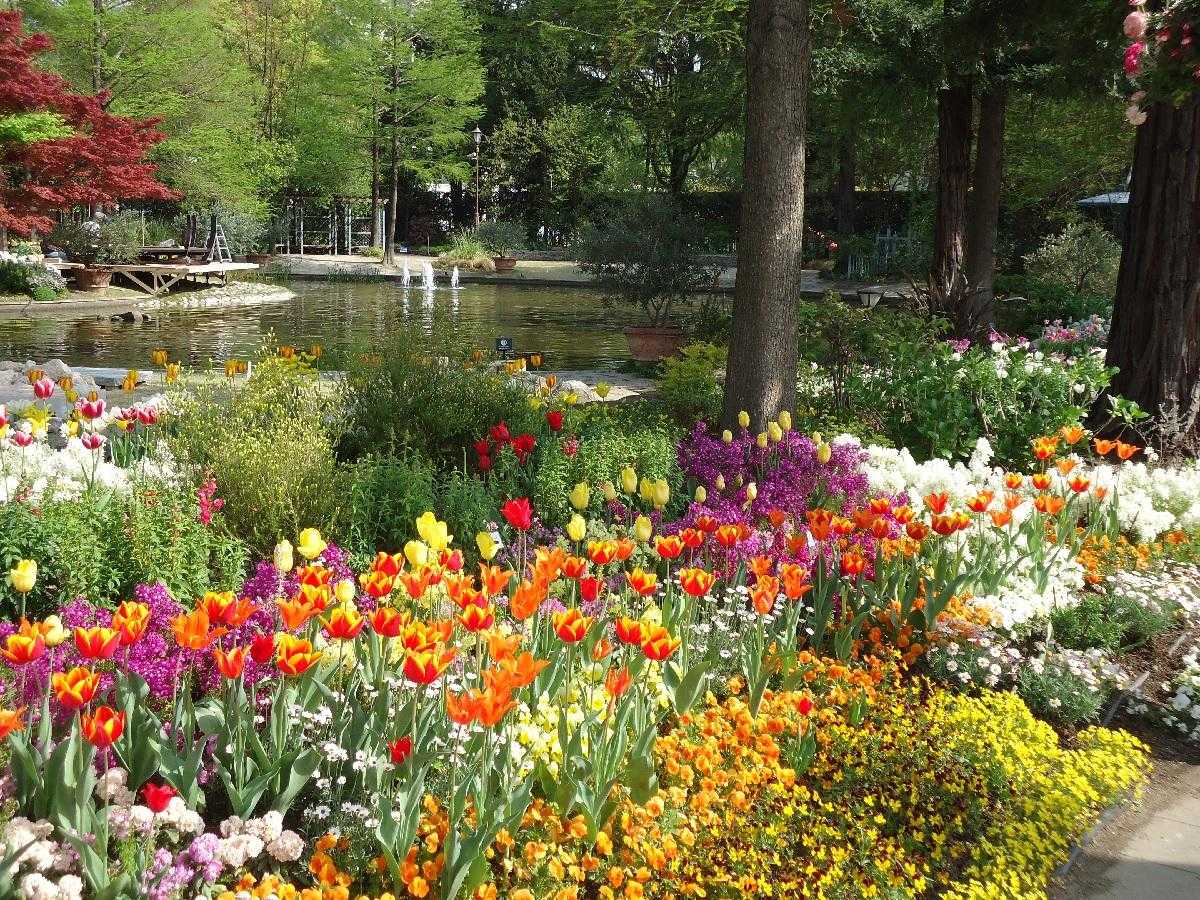
Meijo Park: Autumn Reflections in Ofukei Pond
Meijo Park is known for reflections in Ofukei Pond, where the surrounding ginkgo and maples mirror on the water. It is the easiest place around Nagoya Castle to photograph autumn reflections, best from mid to late November.
Take the subway Meijo Line to Meijo Koen Station. Meijo Park adjoins Nagoya Castle, so you can see both in half a day.
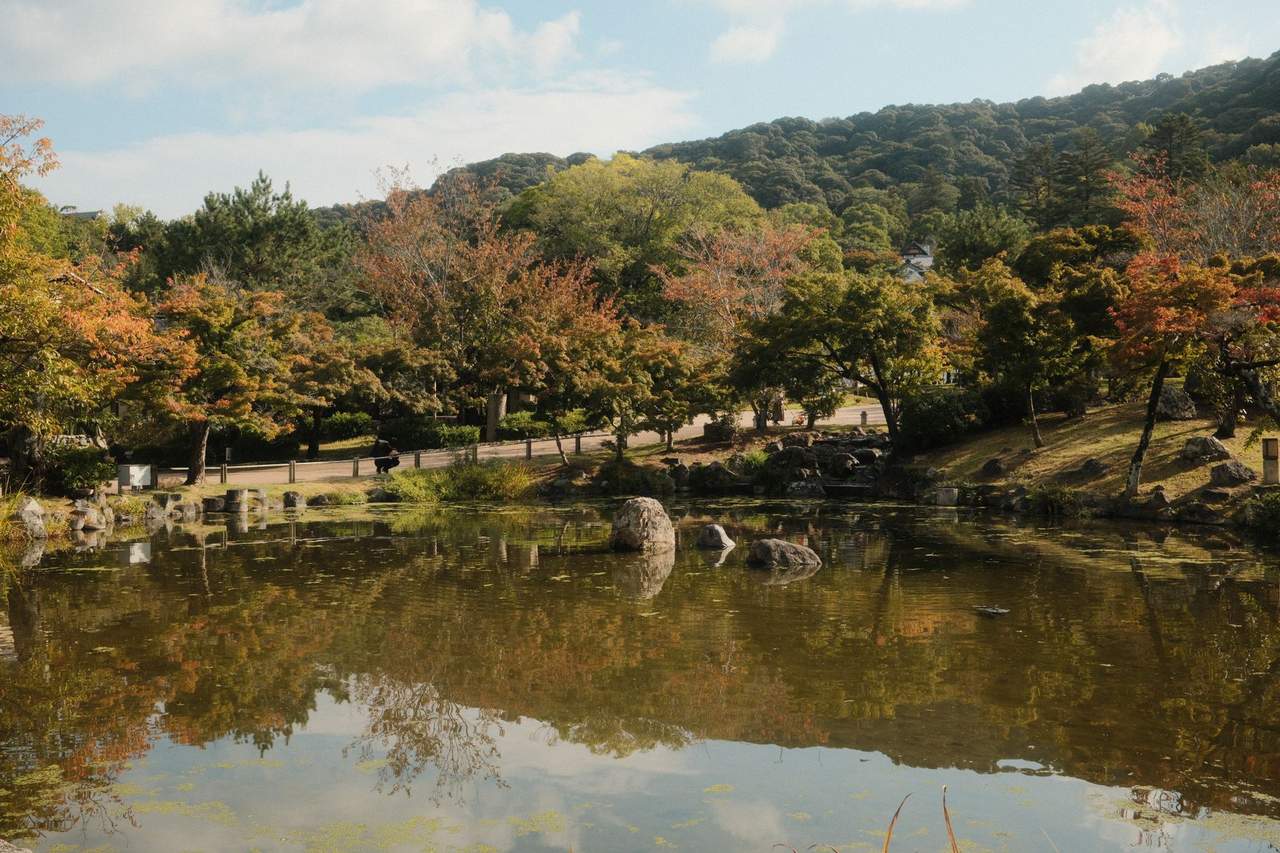
Shirotori Garden: Autumn on the Water at the Tokai Region’s Largest Strolling Pond Garden
Shirotori Garden is the largest strolling pond garden in the Tokai region. Maples and ginkgo reflect in the pond, and buildings such as Seiutei and Kyukoken complement the autumn scenery on the water, making it a popular Nagoya maple-viewing spot.
Open from 9:00 to 17:00 (last entry 16:30), closed on Mondays. Take the subway Meijo Line to Atsuta Jingu Nishi Station; it is about a 10-minute walk from Exit 4.
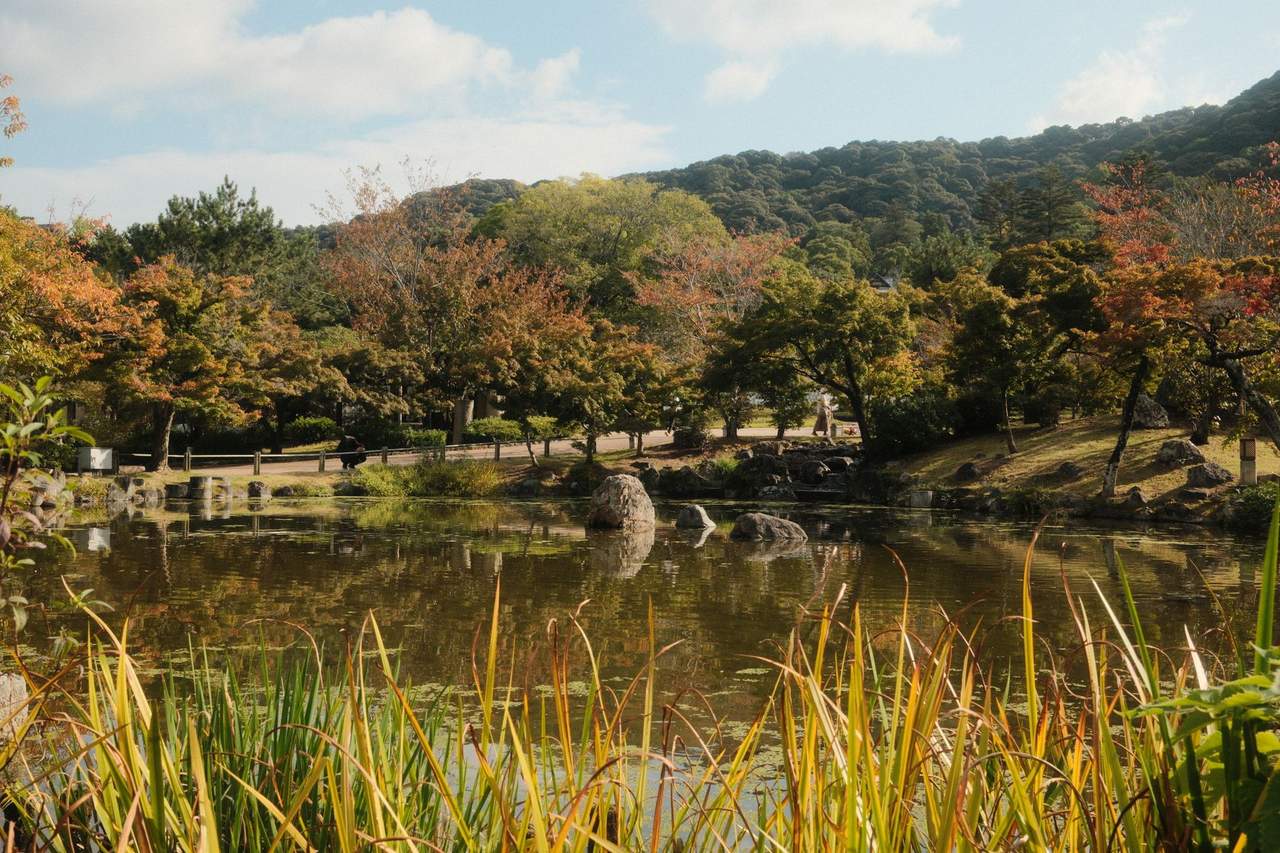
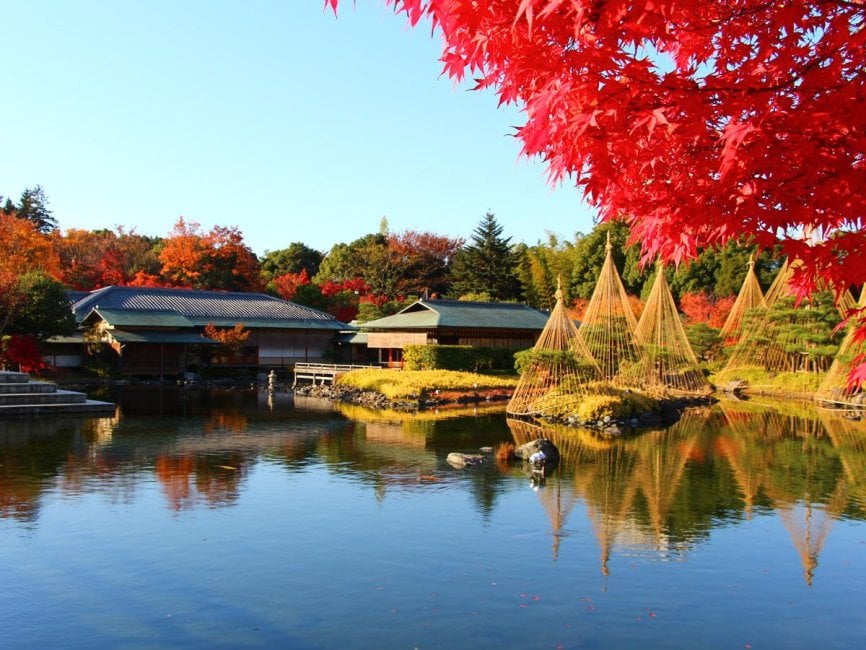

Tokugawaen: Autumn Leaves Reflected in Ryusen Lake
Tokugawaen is at 1001 Tokugawa-cho, Higashi-ku, Nagoya. The reflection in its Ryusen Lake is the classic angle for autumn leaf photos, and maple viewing peaks from mid-November to early December.
Open from 9:30 to 17:30 with last entry at 17:00, closed on Mondays. Admission is ¥300 for adults and free for junior high school students and younger.
Admission and Transport Passes for Nagoya Ginkgo Viewing
Sobue’s ginkgo and the city’s Hisaya-odori and Meijo Park are free, while Nagoya Castle and Tokugawaen in the city charge admission. Subway passes are covered as well.
Nagoya Castle: ¥1,000 for Adults
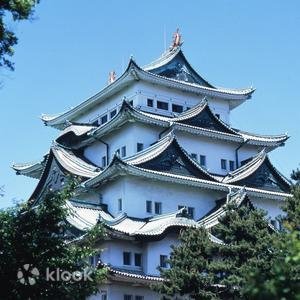
Nagoya Castle is at 1-1 Honmaru, Naka-ku. Adult admission is ¥1,000 (from October 1, 2026), open 09:00 to 16:30, and the Honmaru Palace must be entered before 16:00. The main keep (tenshukaku) is currently closed to visitors, and the Honmaru Palace is included in the ticket.
Meijo Park is right next to Nagoya Castle, so you can cover both in half a day.
Nagoya Subway 24-Hour Pass: ¥760
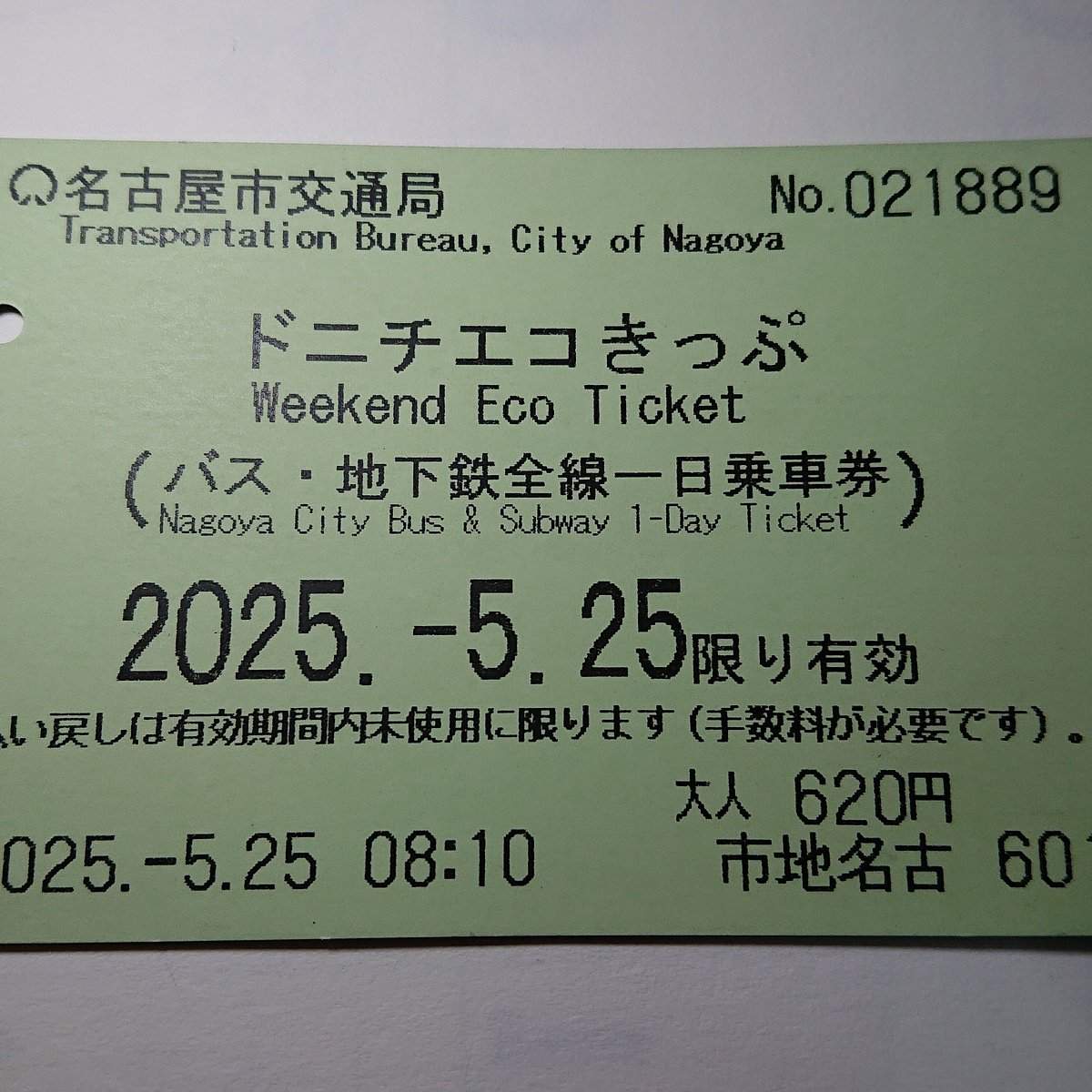
The all-line subway 24-hour pass costs ¥760 for adults and gives unlimited subway rides, good for trips between Meijo Park, Nagoya Castle, Tokugawaen and Hisaya-odori. If you need city buses too, get the Subway and City Bus One-Day Pass instead, ¥870 for adults.
Neither pass covers Meitetsu, so the train fare to Sobue is extra.
Nagoya Ginkgo 2026: Where to Stay and Trip Ideas
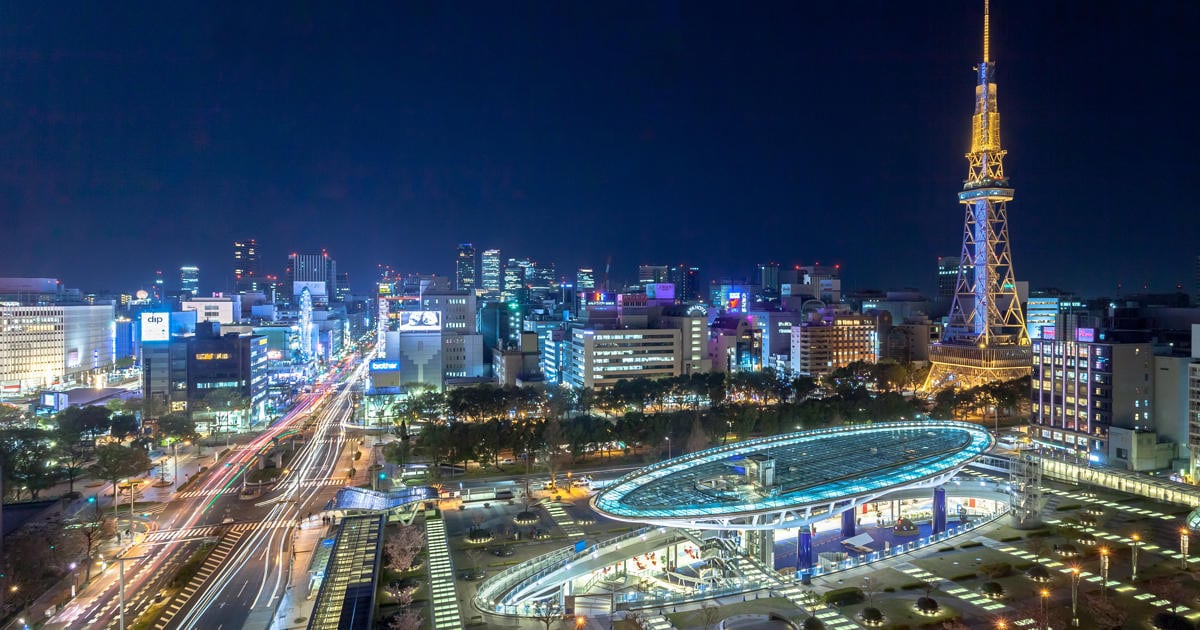
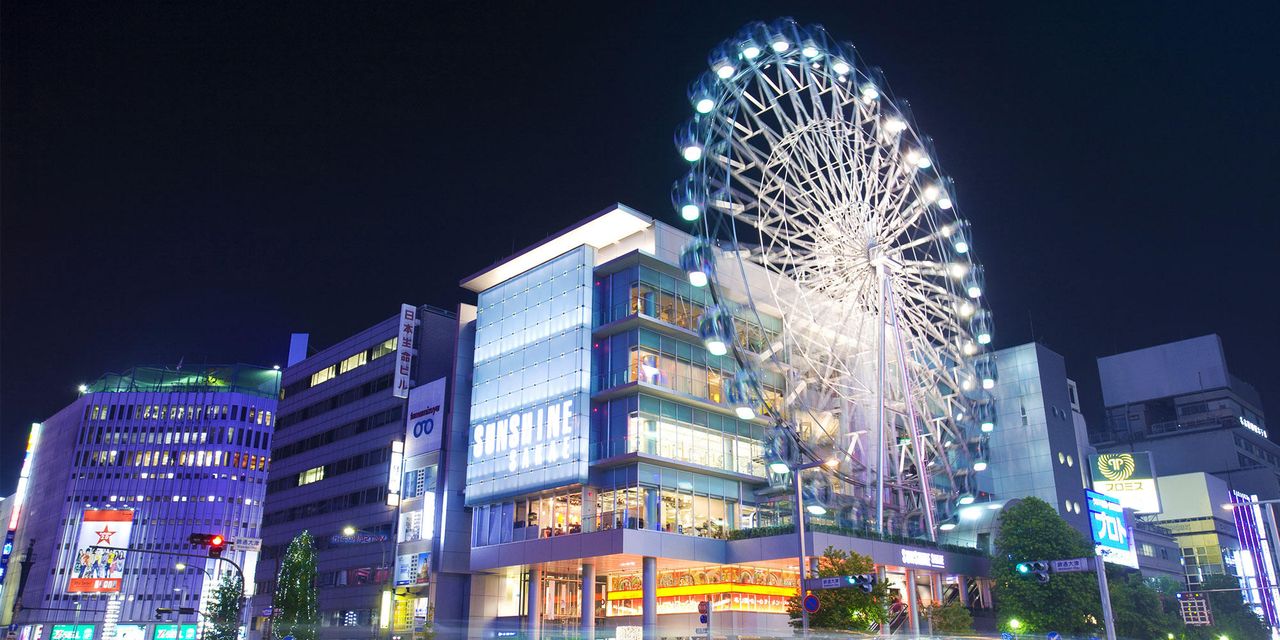
Nagoya Station and Sakae: The Top Areas to Stay
Nagoya Station and Sakae are Nagoya’s main hotel areas. Staying near Sakae, you can take the Meijo Line to Meijo Park, Hisaya-odori and Nagoya Castle.
Sobue and Atsuta Jingu can both be reached from Meitetsu Nagoya Station, so if you stay near Nagoya Station you can take Meitetsu straight to Sobue first thing the next morning.
Further Reading: Nagoya Autumn Leaves Roundup
FAQ
Q: When are the Sobue ginkgo at their best?
In 2026 they are expected to peak from late November to early December, at their best around November 25 to December 2. The Ginkgo Festival runs from November 21 to 29.
Q: Do I need a ticket for the Sobue ginkgo?
The festival grounds are free to enter; food and goods at the stalls cost extra.
Q: How do I get from Nagoya Station to Sobue?
Take the JR Tokaido Main Line to Owari-Ichinomiya Station, then transfer to the Meitetsu Bisai Line to Yamazaki Station; the festival grounds are a short walk from the station.
Q: Can I see Atsuta Jingu and Hisaya-odori on the same day?
Yes. Both are in central Nagoya: Atsuta Jingu is about a 3-minute walk from Jingu-mae Station, and Hisaya-odori is reached on the Meijo Line to Hisaya-odori Station. Half a day is enough to stroll both.
Q: How much is admission to Tokugawaen?
Adults ¥300, free for junior high school students and younger; closed on Mondays.
Q: When is the ginkgo evening illumination?
The 2026 Sobue Ginkgo Festival illumination runs from November 21 to 28, nightly from 17:00 to 20:00.