Guide Overview: The Juhyo Ropeway, Powder Runs and Sukayu Hot Spring
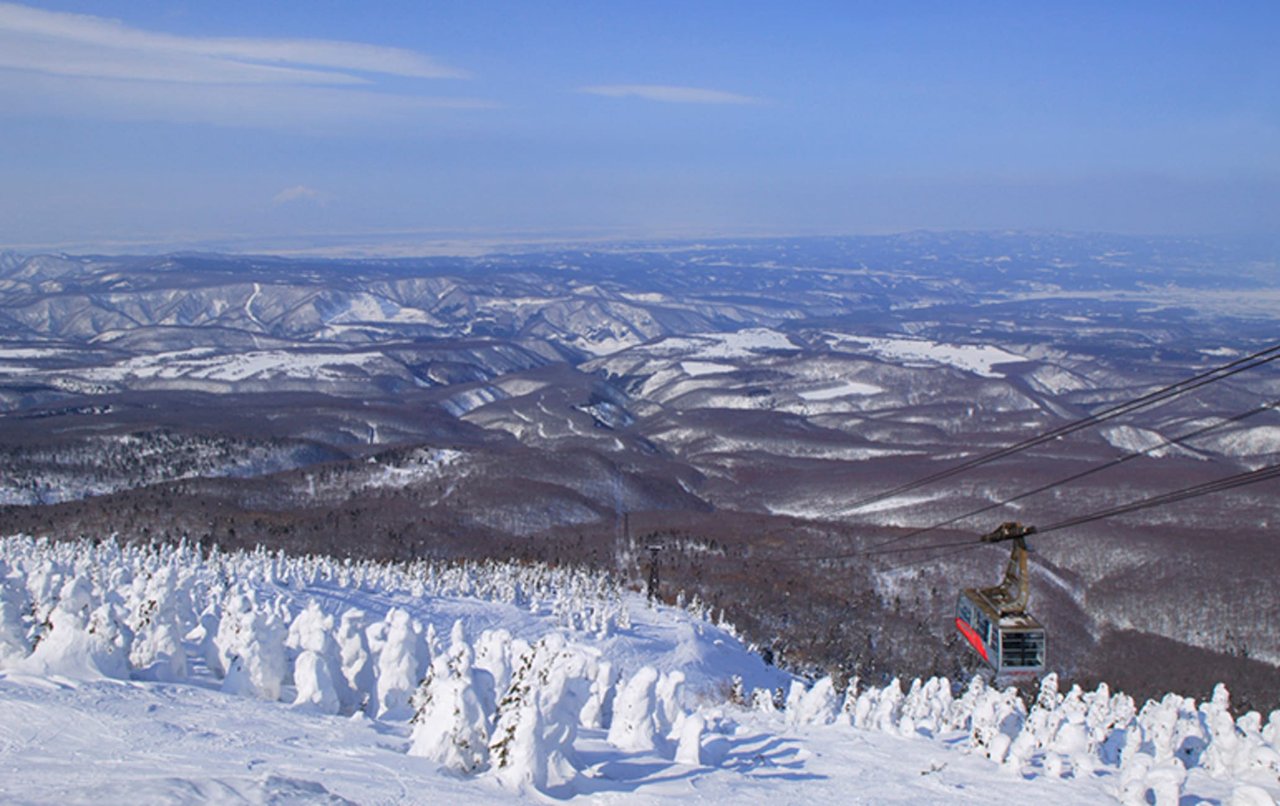
Hakkoda Ski Resort is south of Aomori City, and the ropeway reaches the Summit Park Station in about 10 minutes. It is a popular resort for seeing one of Japan’s three big juhyo (rime-ice trees) and skiing ungroomed powder. William compiled the 2026 ropeway fares, transport schedules, runs and juhyo viewing timing so you have the essentials before you go.
Mt. Hakkoda: A Volcanic Group in Southern Aomori and One of Japan’s Three Great Juhyo Sites
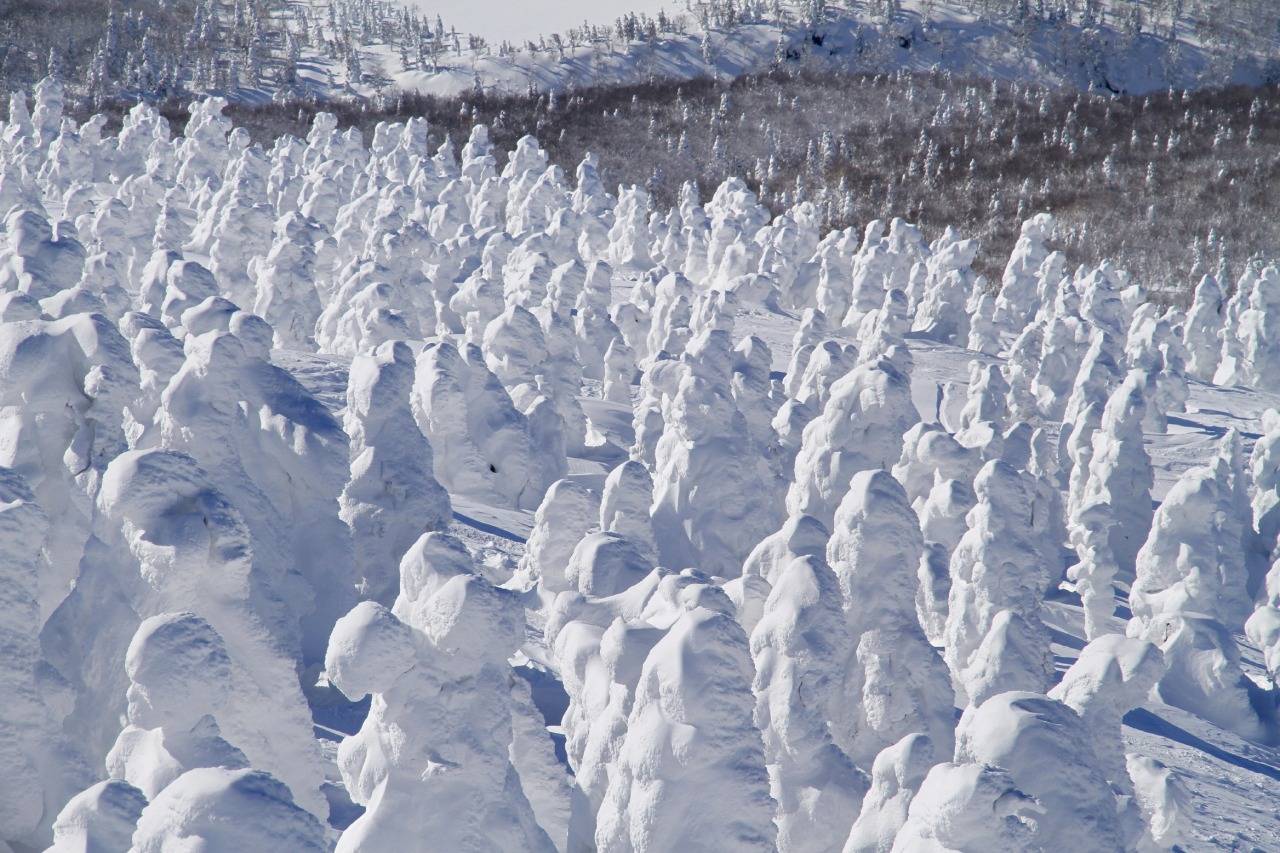
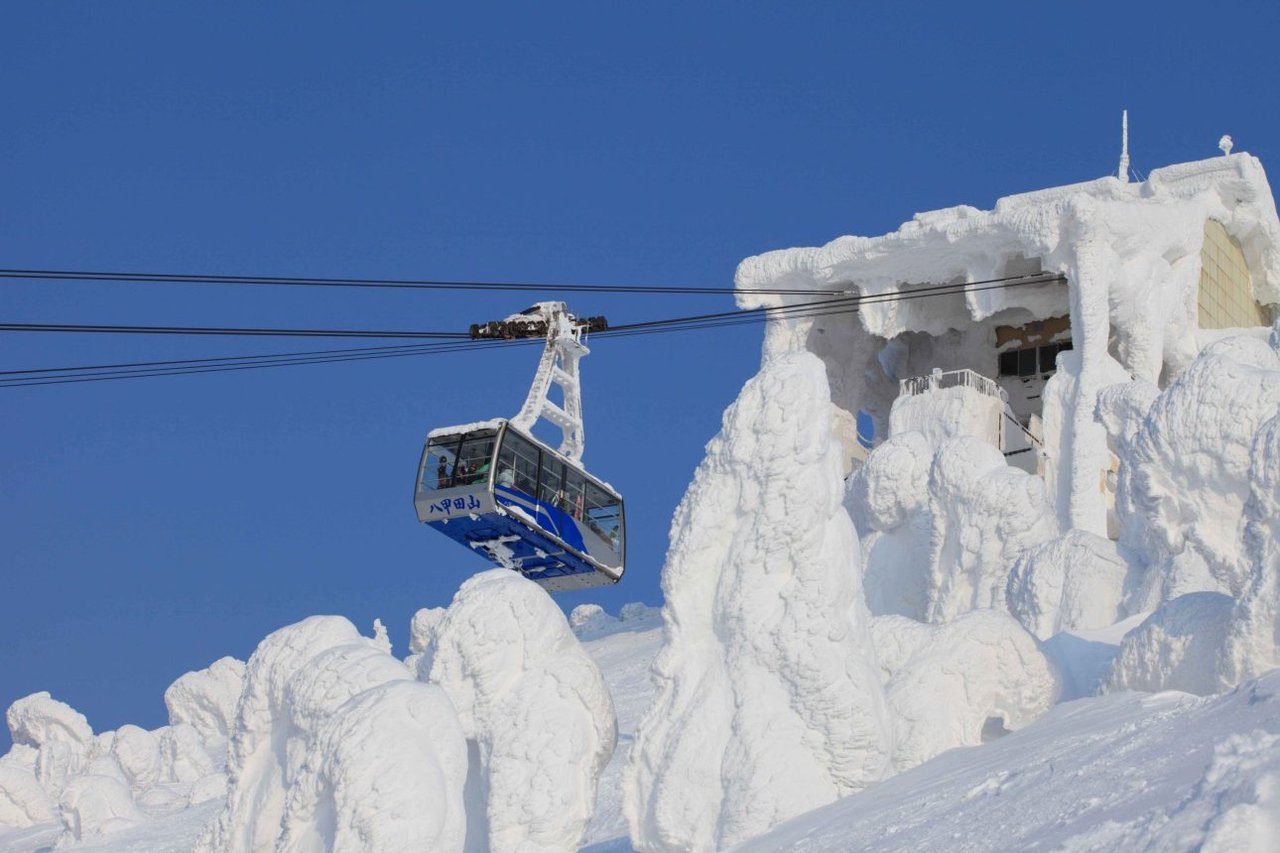
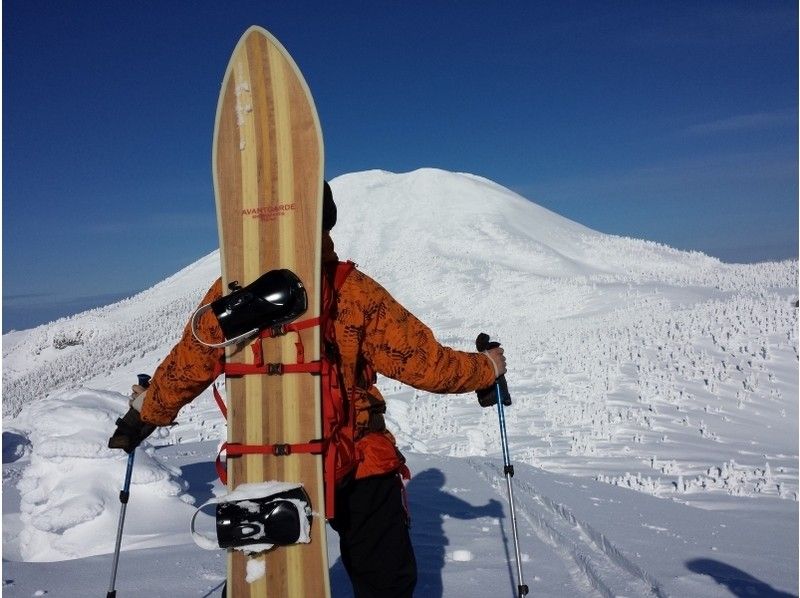
Mt. Hakkoda is in southern Aomori City, within Towada-Hachimantai National Park. The main peak, Mt. Odake, is 1,585 meters high, and the ropeway’s Summit Park Station is about 1,324 meters. Strong winter wind and low temperatures coat the trees with rime ice, and the area ranks with Zao in Yamagata and Moriyoshi-zan in Akita as Japan’s three great juhyo sites.
From the summit you can look down on the Tsugaru Plain and Mutsu Bay, and in good weather see as far as the Shimokita Peninsula, Mt. Iwaki and the direction of Hokkaido, the biggest scenic draw after the ropeway ride.

Open Season: Early December to Mid-May
The snow season runs from about early December to mid-May. The actual opening date depends on snow conditions and official announcements, so be sure to confirm before you go.
Who It Suits: Upper-Intermediate and Advanced Skiers and Juhyo Walkers
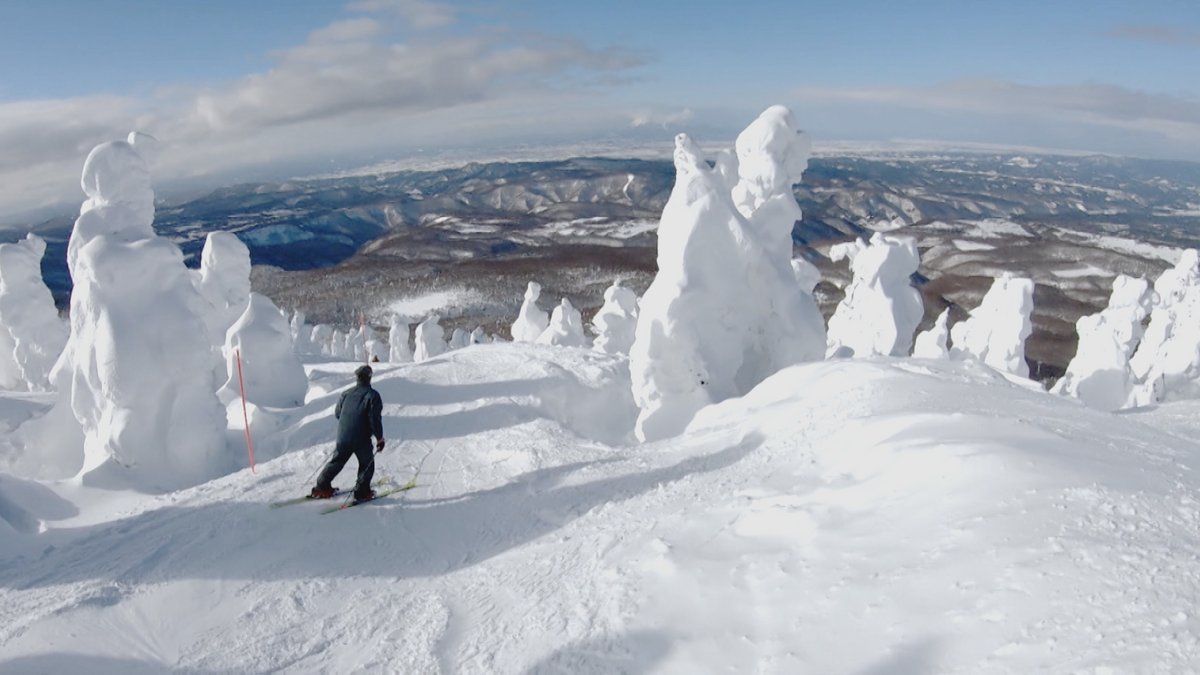
The official description says it suits beginners to experts, but the resort is mostly ungroomed deep powder on steep, narrow runs, and most guides recommend it for upper-intermediate and advanced skiers.
Visitors who do not ski can also take the ropeway up and stroll the summit boardwalk among the juhyo; no skiing skill is needed.
Getting to Hakkoda: JR Bus from Aomori Station, Driving and the Shinkansen
How to Get to Hakkoda Ski Resort: Transport at a Glance
From Aomori Station or Shin-Aomori Station, take the JR Bus “Aomori-Sukayu Onsen” line and get off at “Hakkoda Ropeway Station Mae”; it is about a 1-minute walk to the ropeway. In winter the Hakkoda-go takes about 60 to 85 minutes, with a one-way fare of about ¥1,290 from Aomori Station. Per JR Bus Tohoku, winter requires online reservation, with ¥300 added per seat.
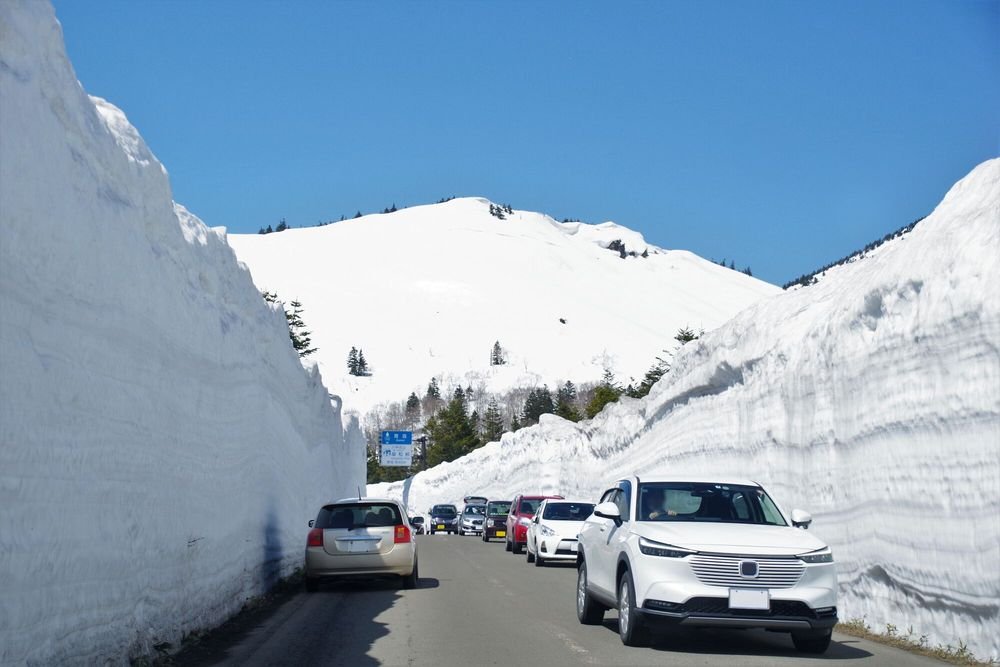
By car, take Route 103: it is about 40 to 60 minutes from central Aomori, and the base station has about 350 free parking spaces. In snow season you need tire chains or winter tires.

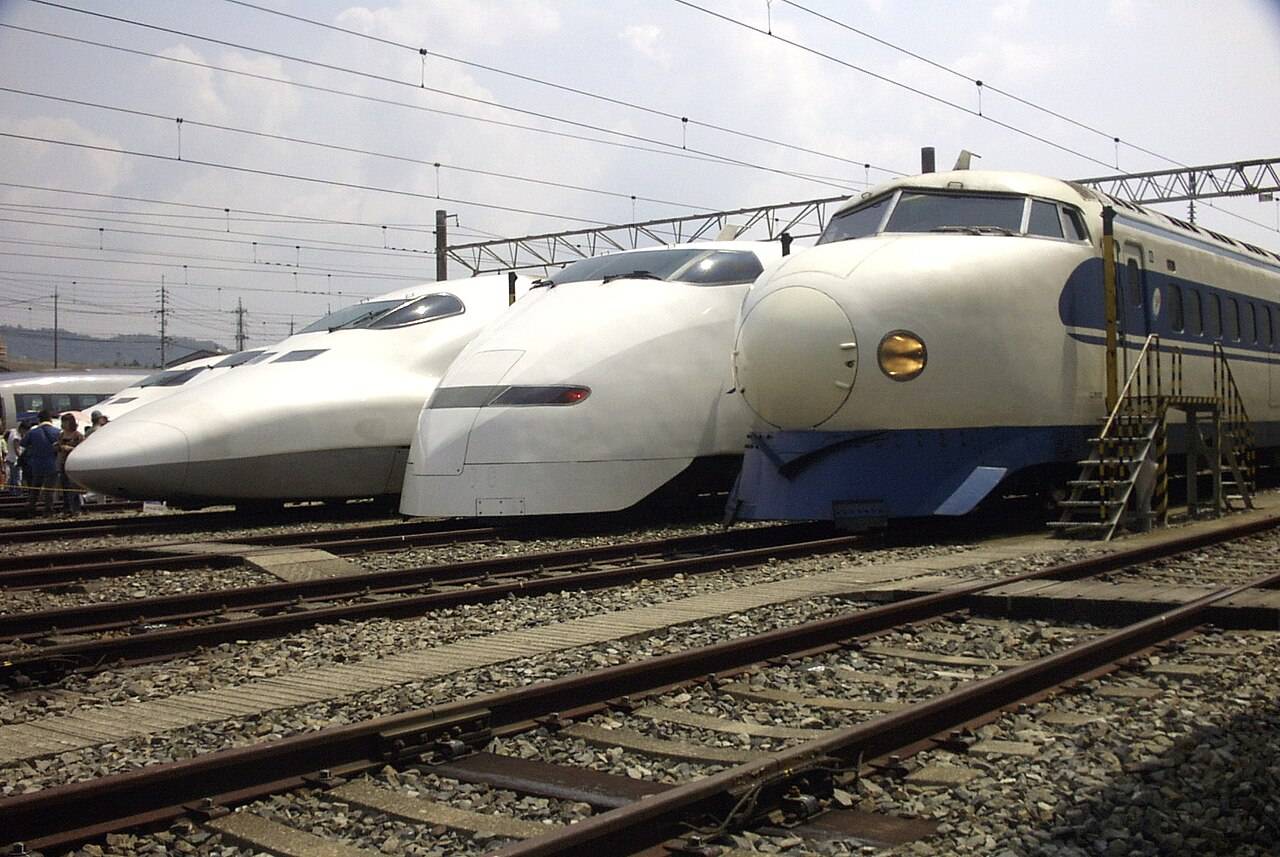
Hakkoda Highlights: Ropeway, Powder Runs, Juhyo and Sukayu Hot Spring
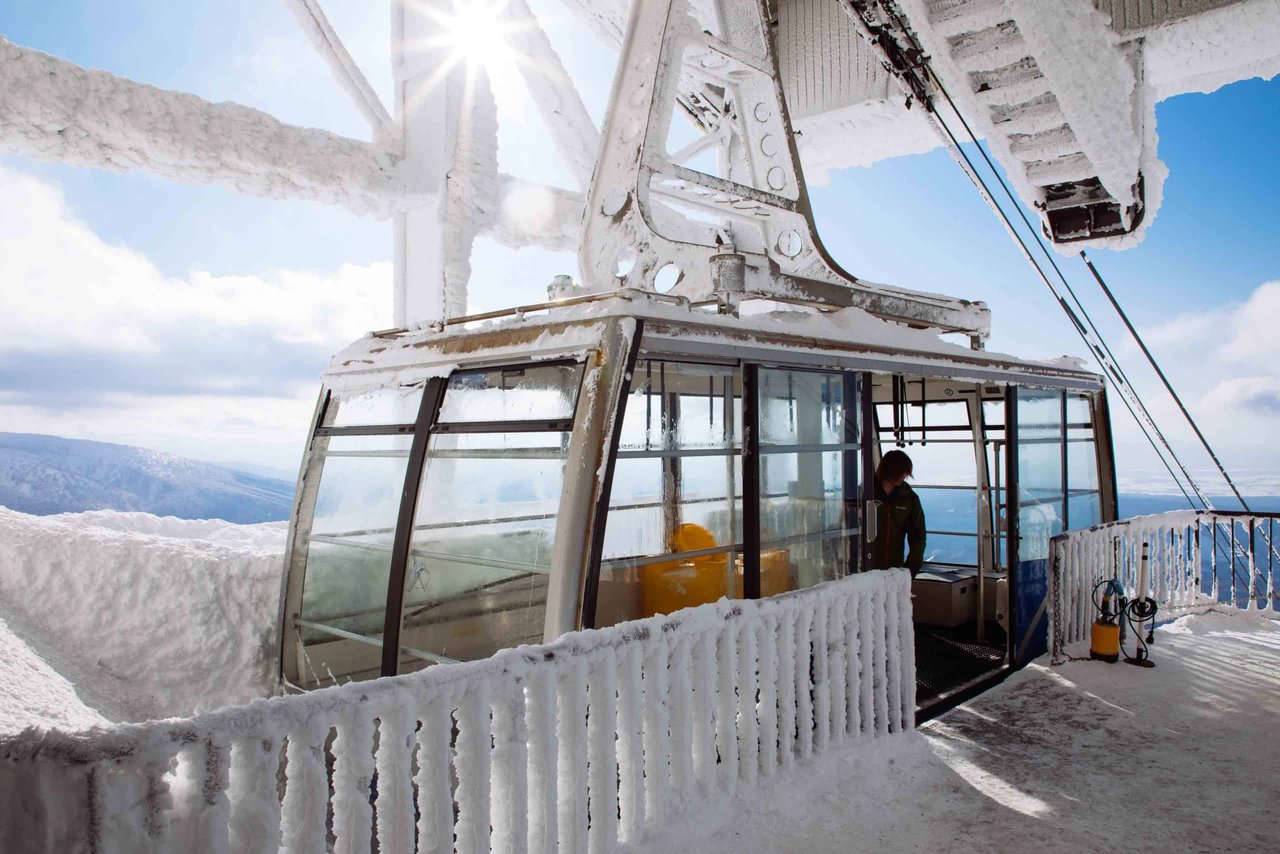
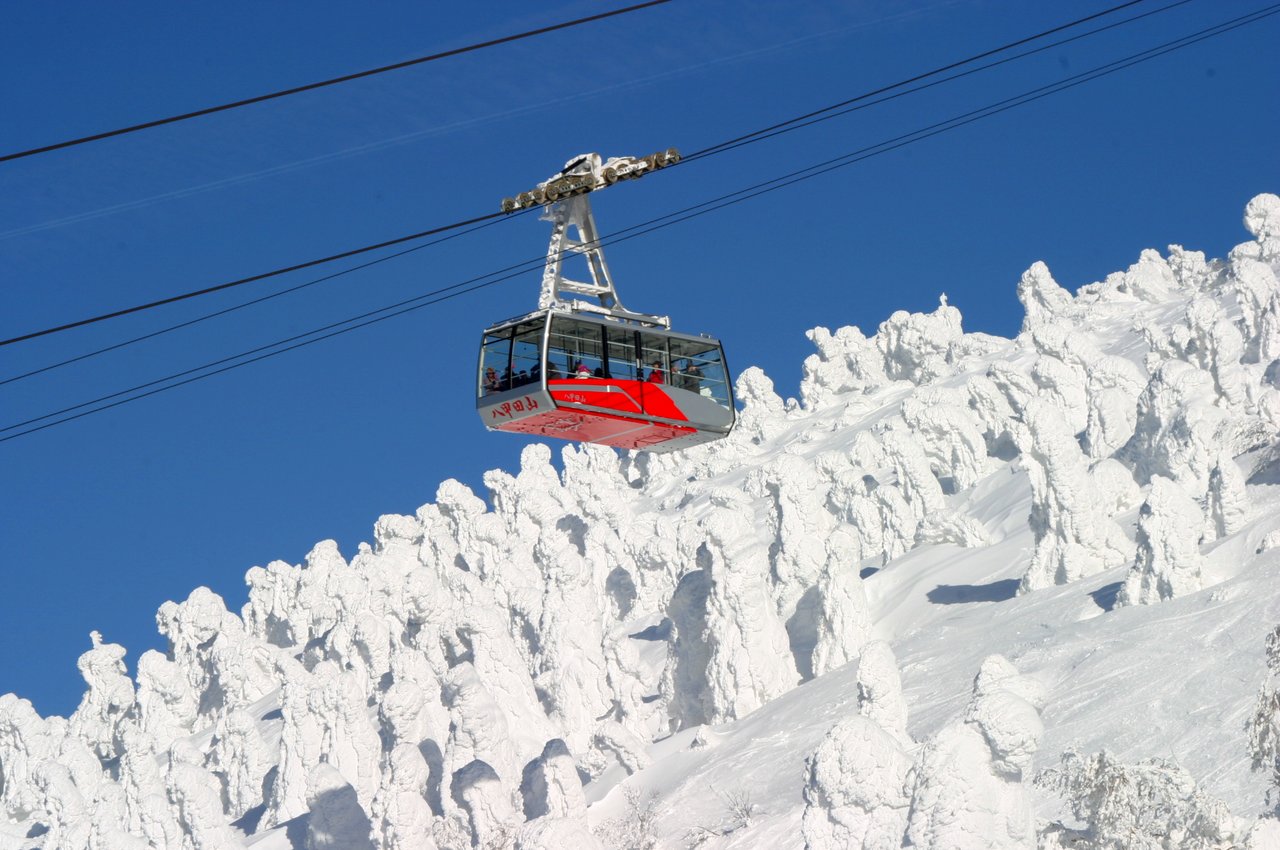
Hakkoda Ropeway (Summit Park Station): About 10 Minutes to the Juhyo Summit
The Hakkoda Ropeway reaches Summit Park Station, about 1,324 meters high, in about 10 minutes, with juhyo visible up close from the windows. Winter hours are 9:00 to 15:40, extended to 16:20 from March to early November, with a departure about every 15 to 20 minutes.
It stops during equipment inspection in early November, and also when wind speed reaches 25 meters per second or more or in a blizzard.

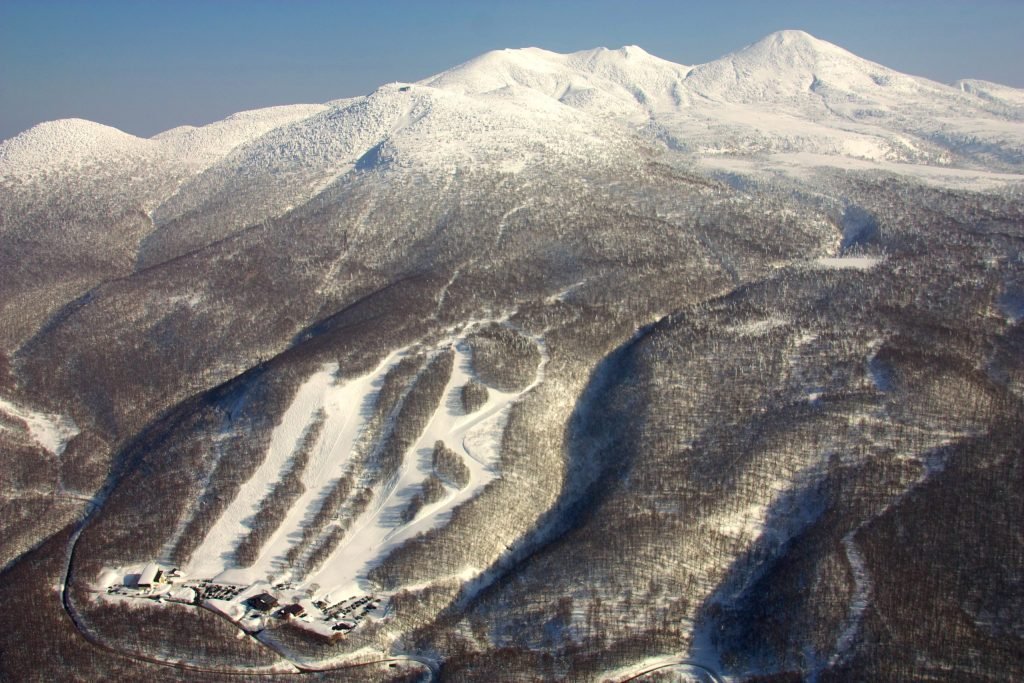
Hakkoda International Ski Resort: 5 Runs and Ungroomed Deep Powder
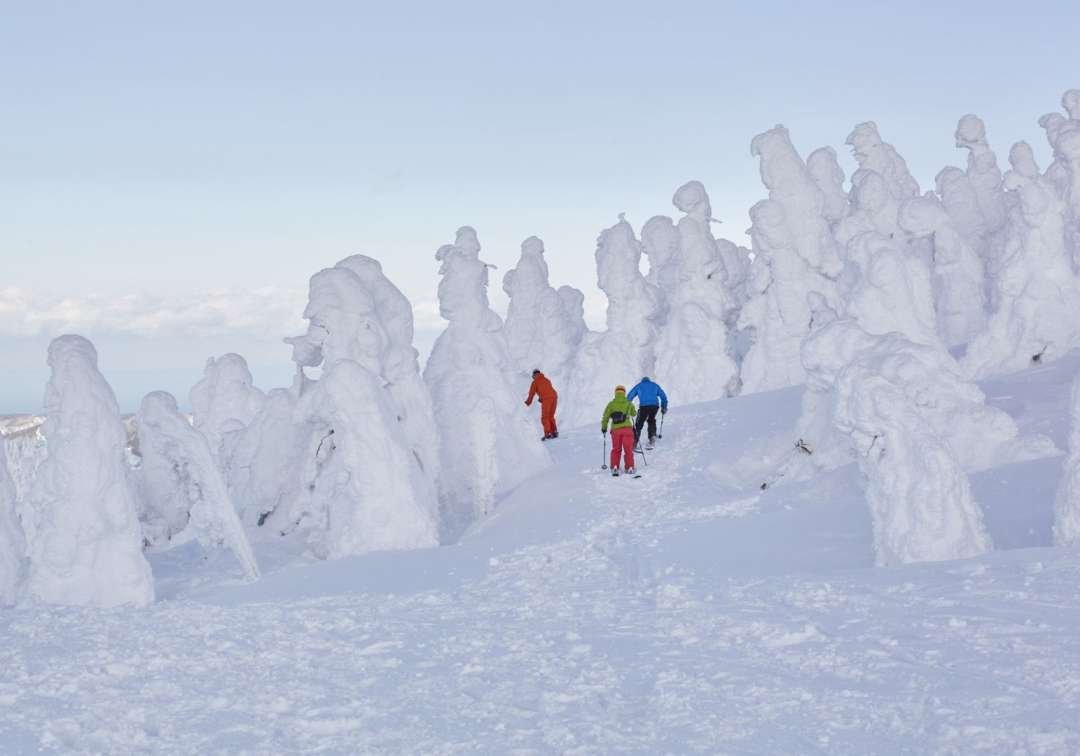
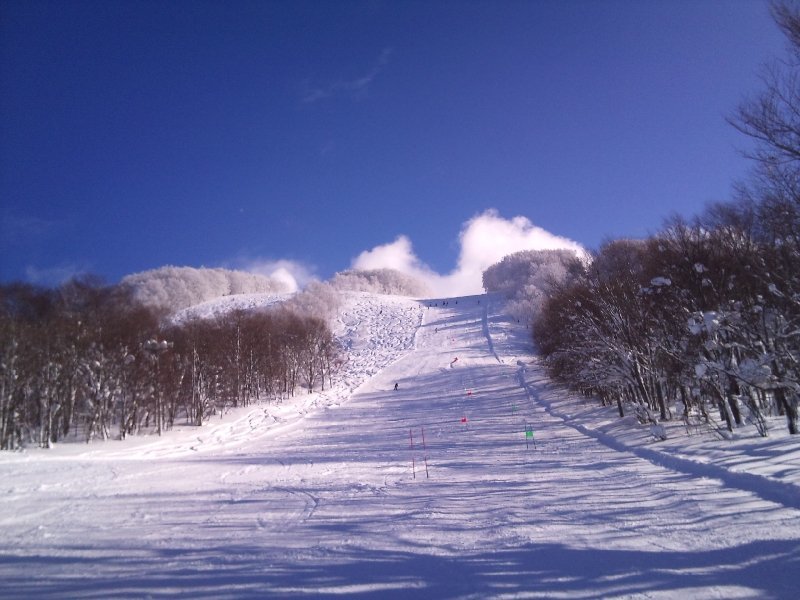
The resort is mainly 5 runs, with the longest run about 5 km, and the Miyasama course can take you all the way down to Sukayu Hot Spring. The main runs include Direct Course and Forest Course; the middle section is a juhyo zone, with juhyo on both sides of the upper section, and there are 2 jumps.
The snow is ungroomed, loose deep powder, and a fall makes it hard to get out, so the resort advises skiing in pairs or groups. Near the summit station are the Buna World restaurant and a rest area. Rental hours are 8:30 to 16:00, and off-peak you rent at the ticket office.
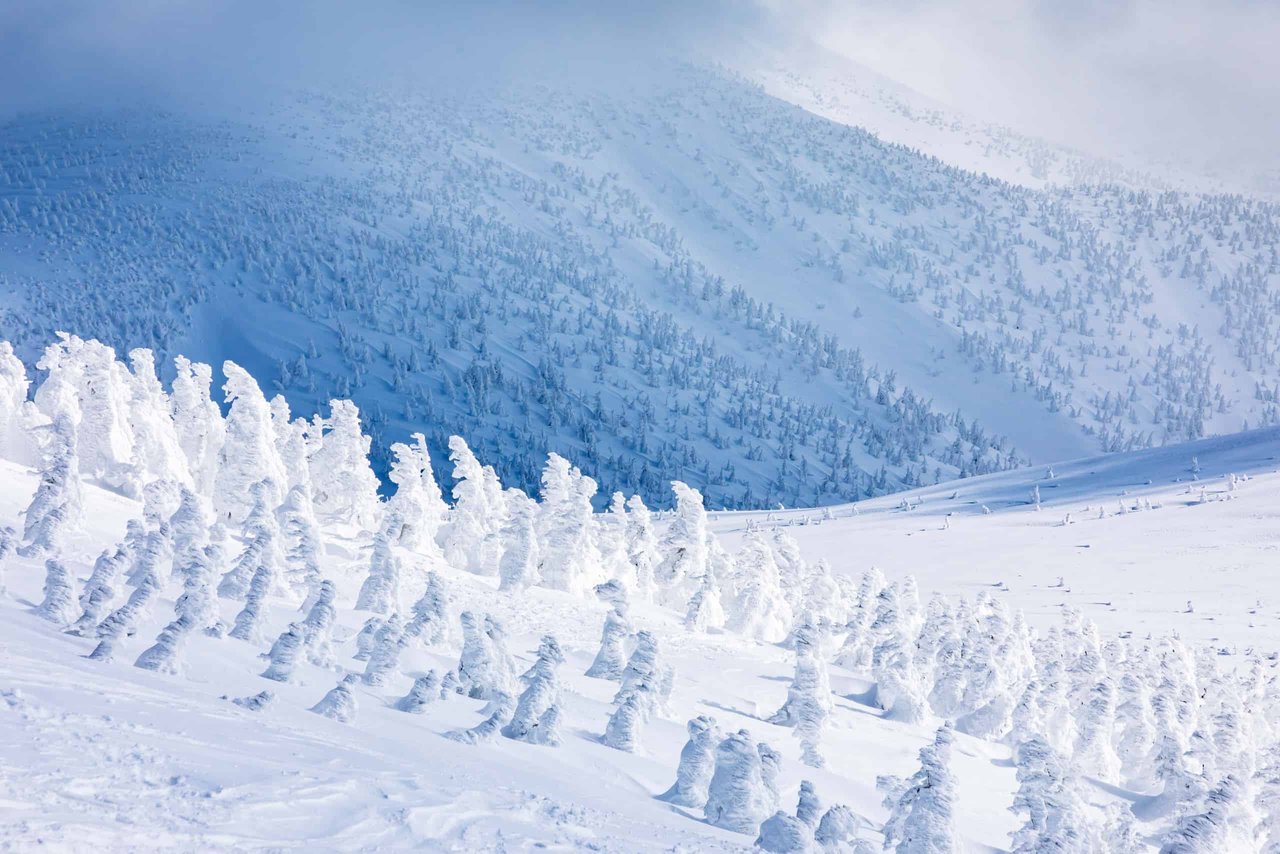
Hakkoda Juhyo: Best on Clear Days in January and February
Hakkoda juhyo forms when warm ocean air meets Siberian cold air and supercooled droplets freeze onto conifers, forming most easily at minus 10 to 15 degrees. The best viewing period is about January to February, and juhyo is clearest on sunny days; clear weather at the foot does not mean clear weather at the summit.
In December the juhyo has not fully formed, and from March warmer temperatures start to melt it. The summit observation deck has a boardwalk overlooking the juhyo field; to walk among the juhyo up close, join a guided snowshoe tour.
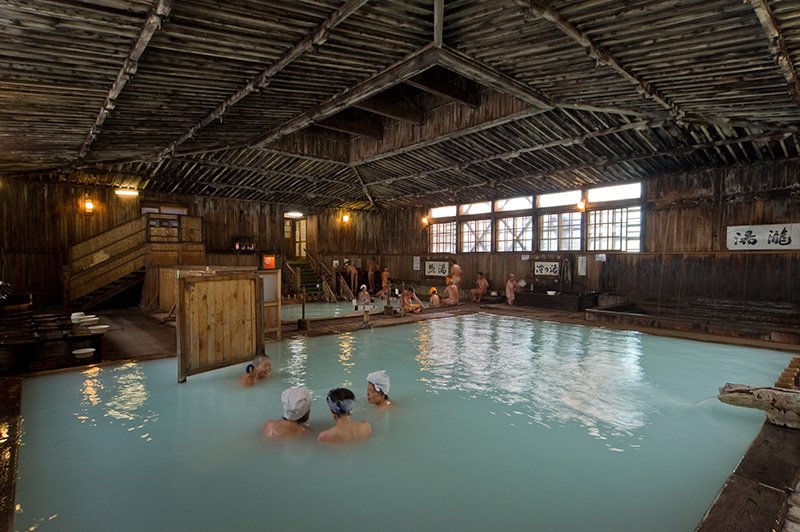
Sukayu Hot Spring: A 300-Year-Old Healing Spa and the Thousand-Person Bath
Sukayu Hot Spring has about 300 years of history and is an old healing spa in the Hakkoda mountains, with strongly acidic water. The Thousand-Person Bath is a large mixed-bathing pool.
It is open 7:00 to 17:30. From Hakkoda Ropeway Station Mae, the JR Bus takes about 10 to 15 minutes, so you can have a day-trip bath after skiing.

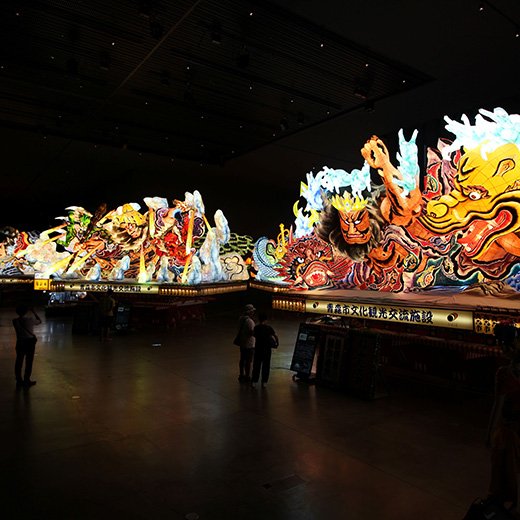
Nebuta House WARASSE: An Indoor Backup for Snowy Days
Nebuta House WARASSE is in Aomori City and displays the float lanterns of the Aomori Nebuta Festival, an indoor backup plan when the ropeway is suspended or a blizzard hits.
If the Hakkoda Ropeway is suspended that day, you can go straight to the city to visit it.
Hakkoda Costs: Ropeway Fares, Ski Passes and Juhyo Walks
Hakkoda costs fall into three main items: ropeway tickets, ski passes and rental gear, with optional lessons or a snowshoe walk. The prices below come from various guides and official announcements; 2026 fares may change, so go by the official site before you go.
Hakkoda Ropeway Round-Trip Ticket: The Only Way Up to Summit Park Station
The ropeway takes about 10 minutes one way to Summit Park Station (about 1,324 meters). New fares from August 2026: adults (junior high and up) pay ¥1,550 one way and ¥2,500 round trip, and elementary school students ¥450 and ¥700. The old adult fares were ¥1,400 one way and ¥2,200 round trip. A round-trip ticket covers both up and down; a lost ticket must be bought again.
Operating hours are 9:00 to 16:20 from March to early November and 9:00 to 15:40 from mid-November to February, with a departure about every 15 to 20 minutes. It stops when wind speed reaches 25 m/s or more or in a blizzard. Check the Hakkoda Ropeway website for tickets and schedules.
Hakkoda International Ski Resort Day Pass: Choose by Hours Skied
Lift tickets are mainly day passes and multi-ride tickets, and purchase and prices follow the resort’s announcements.
There are 5 runs in total, about 5 to 7 km in length, and beginners and intermediate-and-above skiers can choose a route by their own ability.
Ski Set Rental and Lessons: Practical Choices for Gear and Instruction
Rental hours are 8:30 to 16:00. Off-peak, the ticket office is unstaffed, so rent at the ticket office.
Lessons must be reserved in advance and are taught in Japanese, suiting first-time skiers. If you do not speak Japanese, ask the booking platform whether Chinese-language service is available.
Guided Snowshoe Juhyo Walk: A Deeper Experience Inside the Juhyo Forest
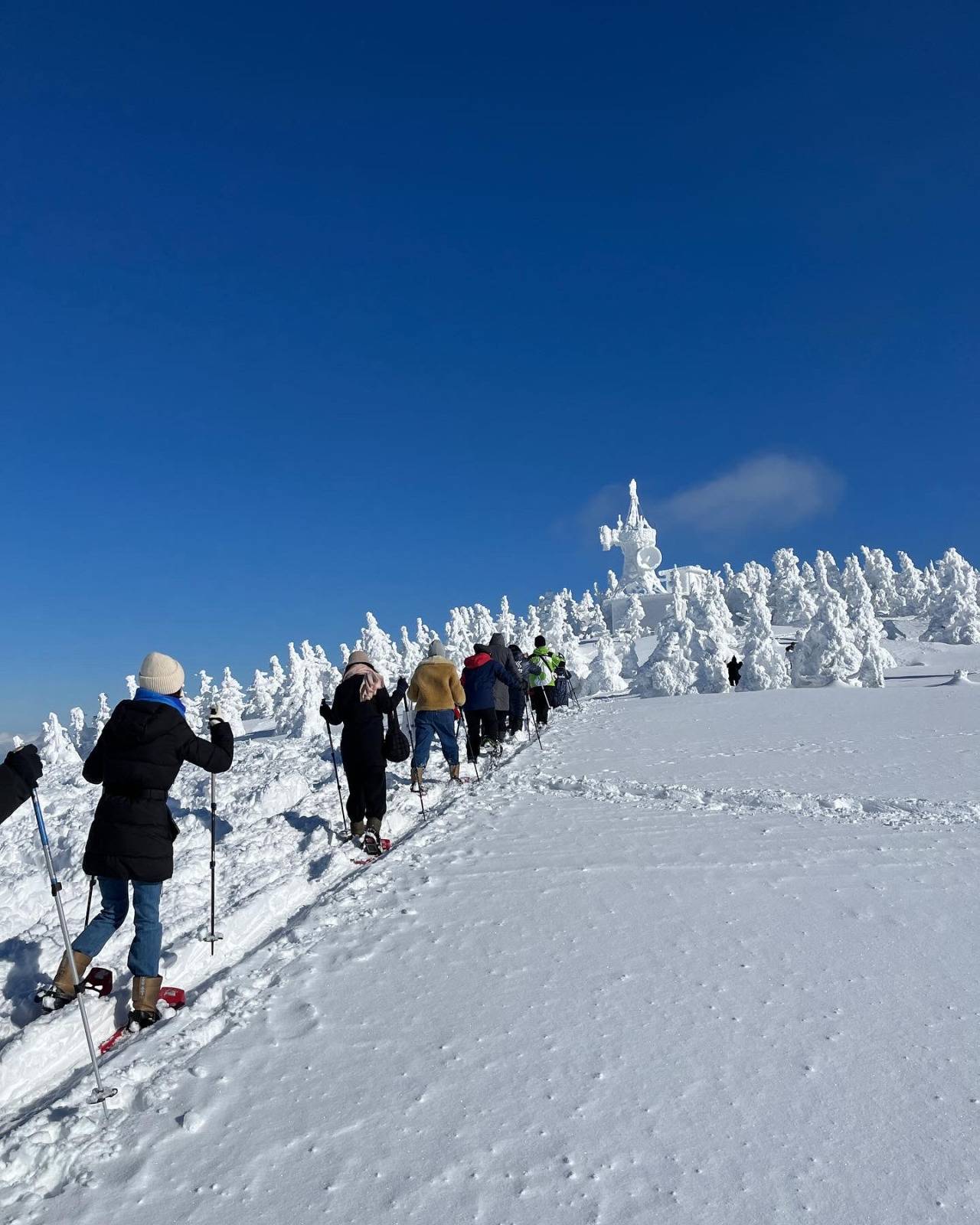
To walk among the juhyo up close, join a guided snowshoe tour. Visitors who do not ski can take part too, walking slowly with a guide to enjoy the snow-country scenery.
Walkers must stay in a group, and visitors are also reminded not to go too far so they do not get lost. The summit is windy and cold, so bring a windproof jacket, goggles and gloves. Fees and meeting times follow the official or booking platform announcements.
Hakkoda Lodging and Transport Links: Shinkansen and On-Mountain Stays
From Tohoku and Tokyo: Shinkansen Connection Times
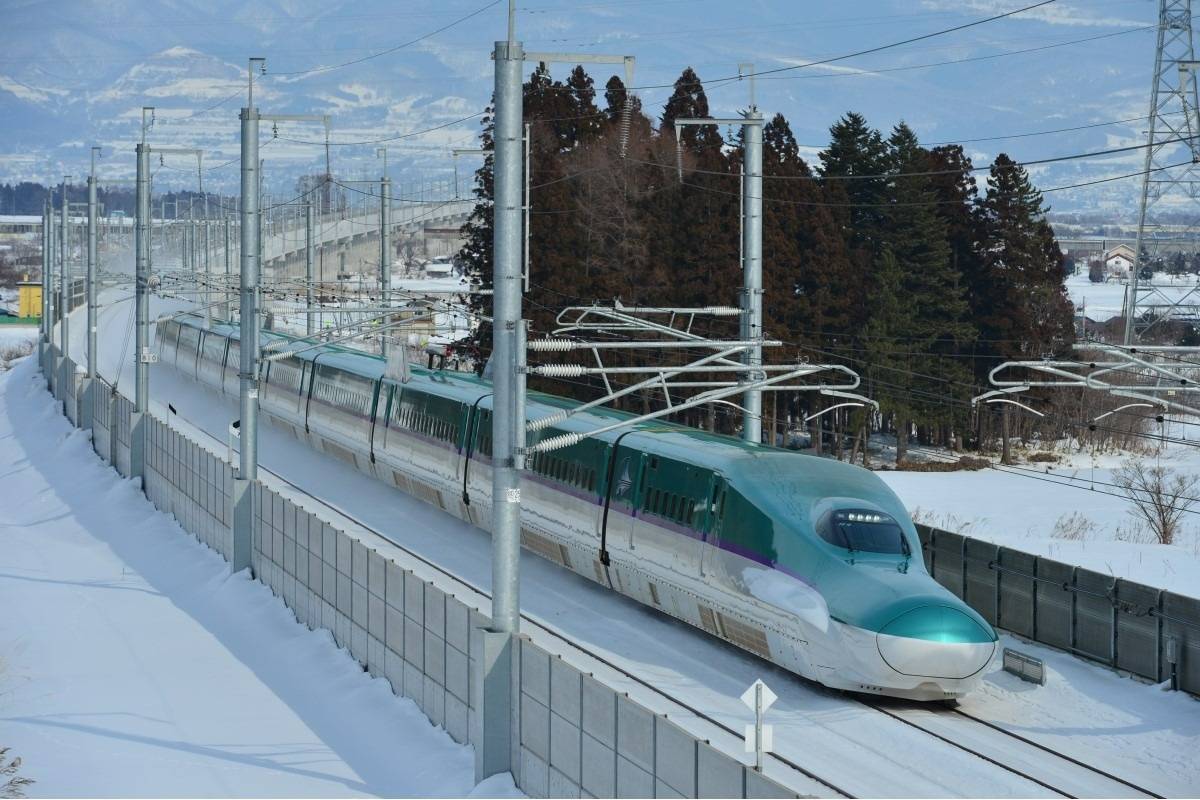
From Tokyo, the Hayabusa takes about 3 hours to Shin-Aomori, with reserved seats about ¥17,910; from Sendai the Hayabusa takes about 110 minutes to Shin-Aomori.
From Shin-Aomori to Aomori Station on the Ou Main Line takes about 5 minutes, then the JR Bus takes about 65 minutes to the ropeway station. Sendai to the ski resort takes about 3 hours in total, which is not suitable for a same-day round trip, so stay in Aomori City or near Shin-Aomori.
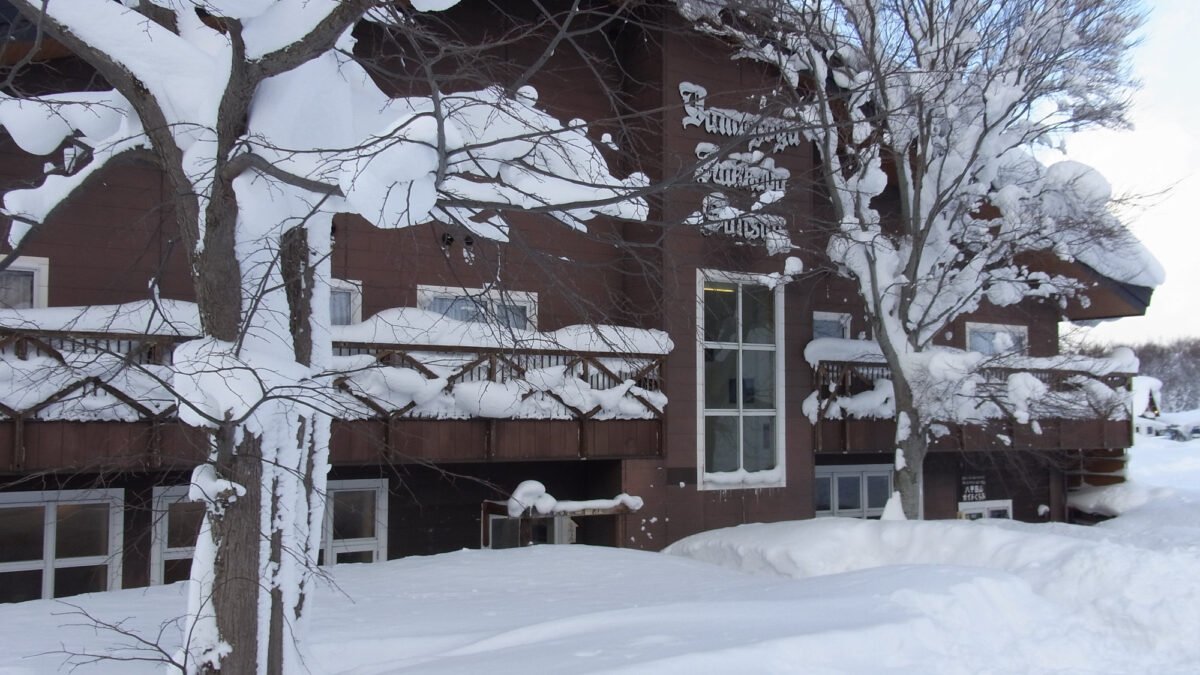
Hakkoda Sanso: Ski-In/Ski-Out Lodging Next to Buna World
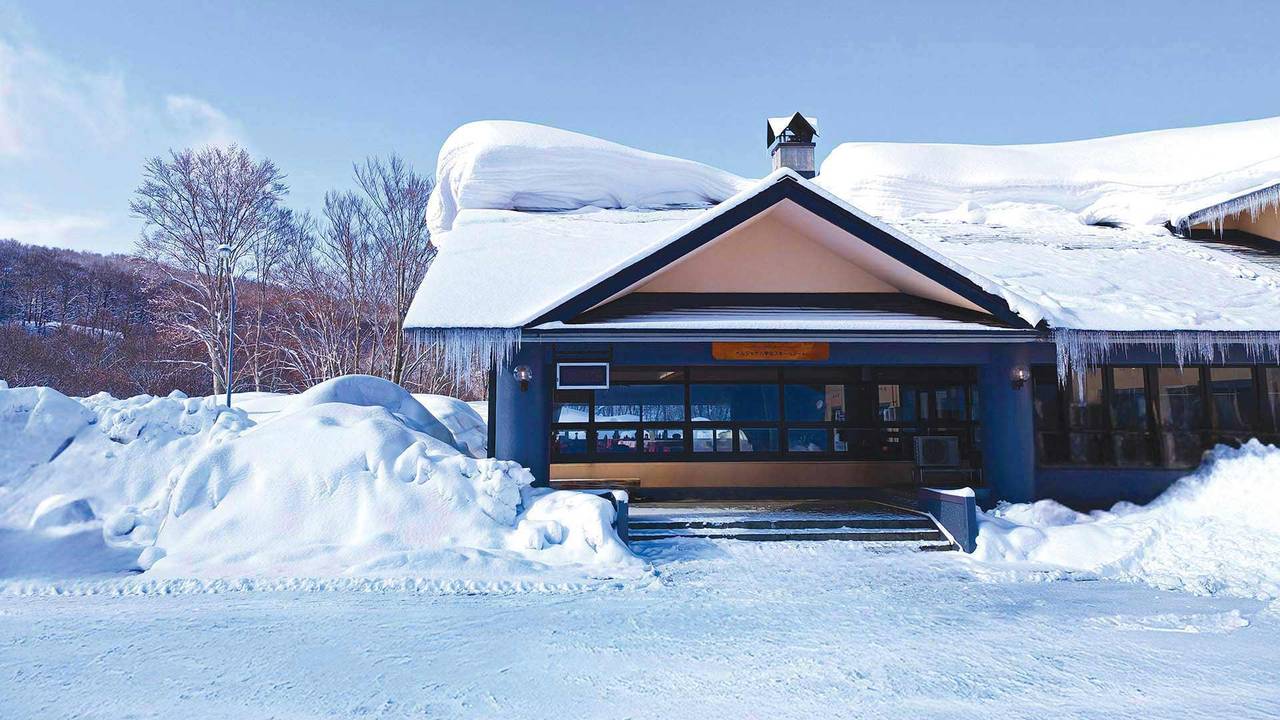
Hakkoda Sanso is next to Buna World inside the resort, a ski-in/ski-out stay where in snow season you can go in and out of the lodging and the runs directly on skis.
It suits travelers who want the first ropeway of the day and do not want to commute from Aomori City each day; compare room rates across platforms before booking and confirm whether it is open in snow season and how the shuttle works.
FAQ
Q: How much is a Hakkoda Ropeway ticket?
From August 2026, an adult is ¥1,550 one way and ¥2,500 round trip, and an elementary school student is ¥450 one way and ¥700 round trip. Older information mostly says ¥1,400 or ¥2,200, so go by the official site before you go.
Q: How do I get from Aomori Station to the Hakkoda Ropeway?
Take the JR Bus “Aomori-Sukayu Onsen” line and get off at Hakkoda Ropeway Station Mae; the winter Hakkoda-go takes about 60 to 85 minutes. In winter, online reservation is required, with ¥300 added per seat.
Q: What are the opening hours at Hakkoda Ski Resort?
The ropeway runs 9:00 to 16:20 from March to early November and 9:00 to 15:40 from mid-November to February. Rental hours are 8:30 to 16:00, and actual hours follow the season’s announcements.
Q: When is the Hakkoda juhyo most beautiful?
The best viewing period is about January to February, clearest on sunny days; in December the juhyo has not formed, and from March it starts to melt.
Q: Does the ropeway stop in strong wind?
Yes. It stops when wind speed reaches 25 meters per second or more or in a blizzard, and also during equipment inspection in early November; the wait after a suspension may exceed an hour.
Q: What do I need to prepare for driving to Hakkoda in snow season?
In snow season you need to rent tire chains and winter tires; Route 103 takes about 40 to 60 minutes from central Aomori, and the base station has about 350 free parking spaces.