
Tohoku Autumn Leaves 2026: How to Plan Oirase, Naruko Gorge, Hirosaki, Hakkoda and Geibikei: A Five-Day North-to-South Foliage Route
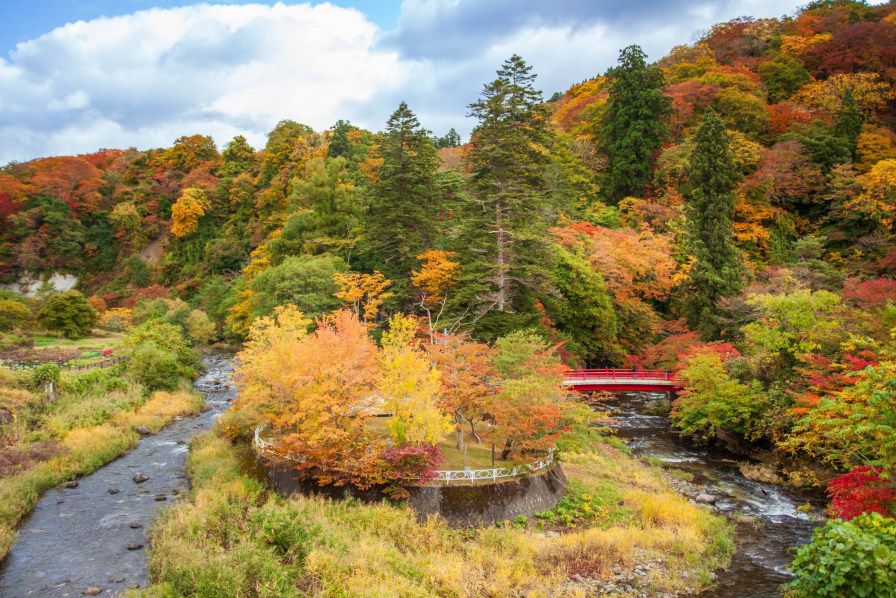
The five top Tohoku autumn leaves spots for 2026 span Aomori, Iwate and Miyagi. Color advances from north to south, so the smoothest plan is a one-way trip from north to south with no backtracking.
Color Moves from North to South: Hakkoda First, Hirosaki Park Last
The Hakkoda summit turns red from about late September to early October, Oirase and Lake Towada are best around mid to late October, and Kakunodate and Naruko Gorge come around late October to early November. Peak timing varies a little each year; the ranges below are forecasts as of early October 2026.
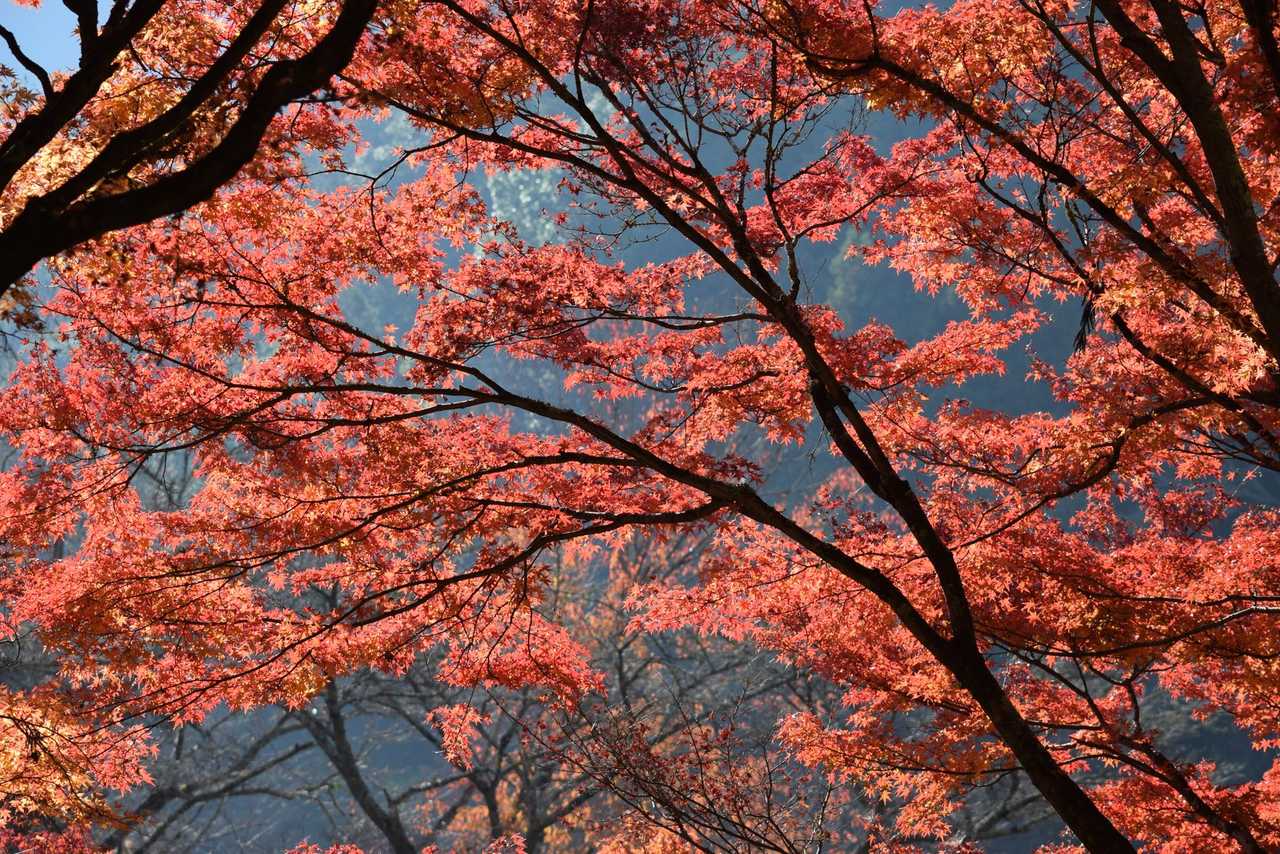
Hirosaki Park is forecast to turn red around late October to mid-November, the latest of the five spots. Check the current foliage front before leaving, since forecasts shift with the weather.
One Way, North to South: Fly into Aomori, Fly Out of Sendai
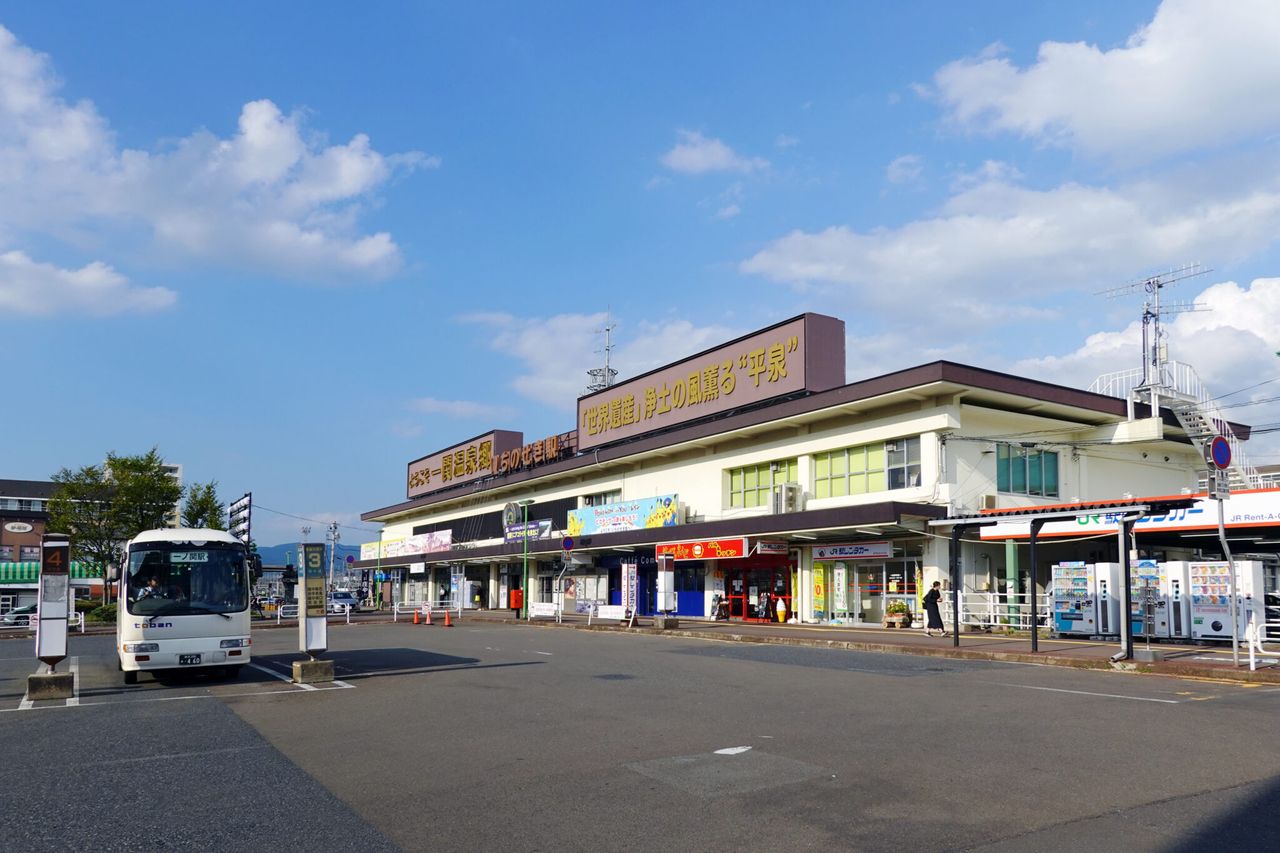
The five spots are spread over Aomori, Iwate and Miyagi. Arrive via Aomori Airport or Shin-Aomori Station and leave via Sendai Airport or Sendai Station. Heading south, the colors carry on from high elevations down to the lowlands.
Go south in the order Hakkoda, Oirase, Hirosaki, Geibikei and Naruko Gorge, ending in Sendai, so you never double back along the same stretch.
How Many Days: A Five-Day Four-Night Classic and a Deeper Version
Five days and four nights covers the full route through Oirase, Hirosaki, Geibikei and Naruko Gorge. With only two or three days, focus on Hakkoda and Oirase, or Hakkoda plus Hirosaki Park.
With four to five days you can add the Kakunodate samurai district, Lake Tazawa or Chusonji. Three or more days can link parts of Tohoku, while five to seven days leaves room to relax without rushing.
Getting to Tohoku Autumn Leaves 2026: Transport and Pass Costs at a Glance
How to Get There: In at Shin-Aomori, Out of Sendai, Four Ways to Travel
JR buses toward Lake Towada run from Shin-Aomori and Aomori stations; they are seasonal and do not run in winter, so check JR Bus Tohoku’s announcements before you go.
- JR East Rail Pass (Tohoku area): work out against your itinerary whether it pays off before buying; prices follow the JR East website.
- By car: the most freedom for Hakkoda, Oirase and crossing from Iwate to Miyagi. You need the original Taiwanese license, a Japanese translation, a passport and a credit card in the driver’s name; pickup points include Shin-Aomori, Morioka, Sendai and Akita.
- By rail: change at Ichinoseki Station to the Ofunato Line for Geibikei Station, and the Rikuu East Line goes to Naruko Onsen and Naruko Gorge.

Must-See Spots for Tohoku Autumn Leaves 2026: Foliage Highlights from Hakkoda to Matsushima
Fifteen main spots are listed below from north to south, with 2026 peak-color forecasts.
| Spot | 2026 peak forecast | Notes |
|---|---|---|
| Mt. Hakkoda Ropeway | Summit late September to early October, mid-slope mid-October, foot late October | Color changes by elevation |
| Oirase Stream | Mid to late October | Boardwalk crowded in peak season |
| Lake Towada | Mid to late October | The lakeshore is the main viewing area |
| Hirosaki Park | Late October to mid-November | Latest to turn red in Tohoku |
| Geibikei | Mid-October to early November | See the gorge by small boat |
| Kakunodate samurai district | Mid-October to early November | Check Kakunodate’s tourism announcement for evening illumination dates. |
| Naruko Gorge | Late October to early November | Rikuu East Line suspended; confirm before departure |
Mt. Hakkoda: A Ropeway View of the Foliage and a Fir Forest Trail
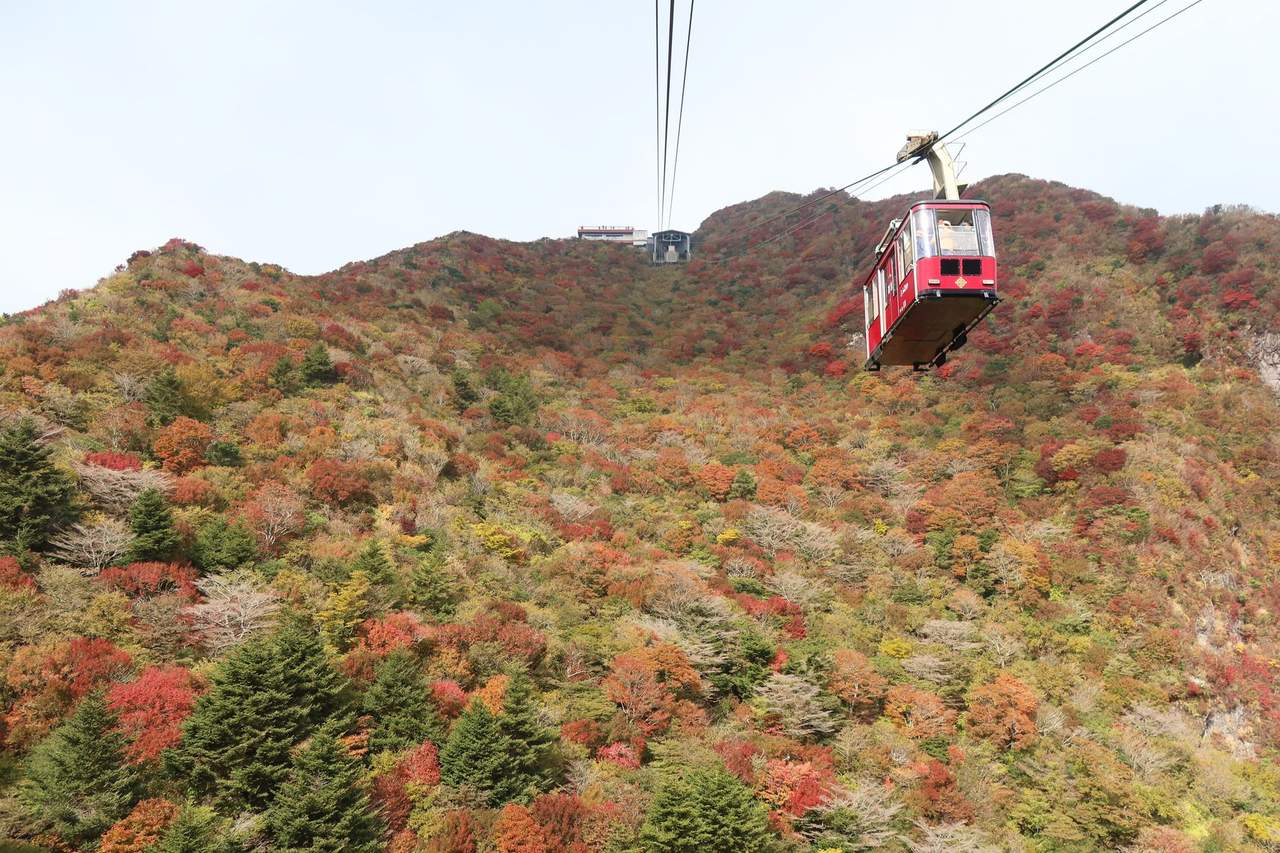
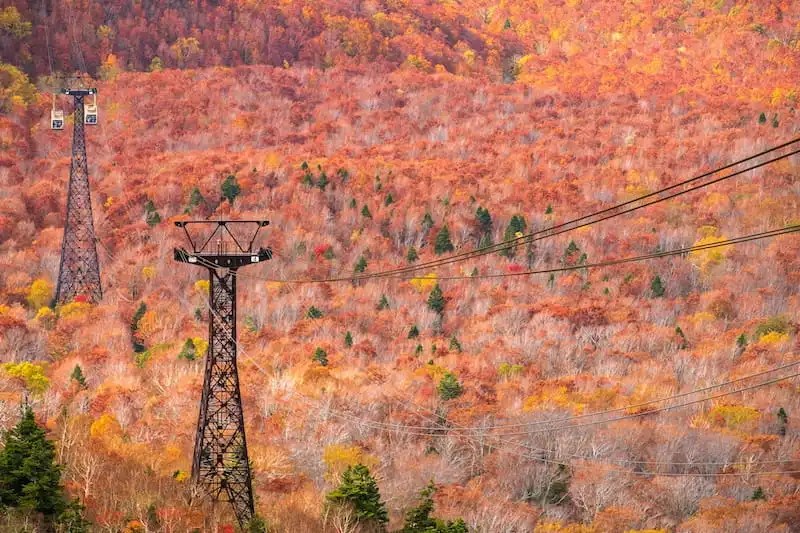
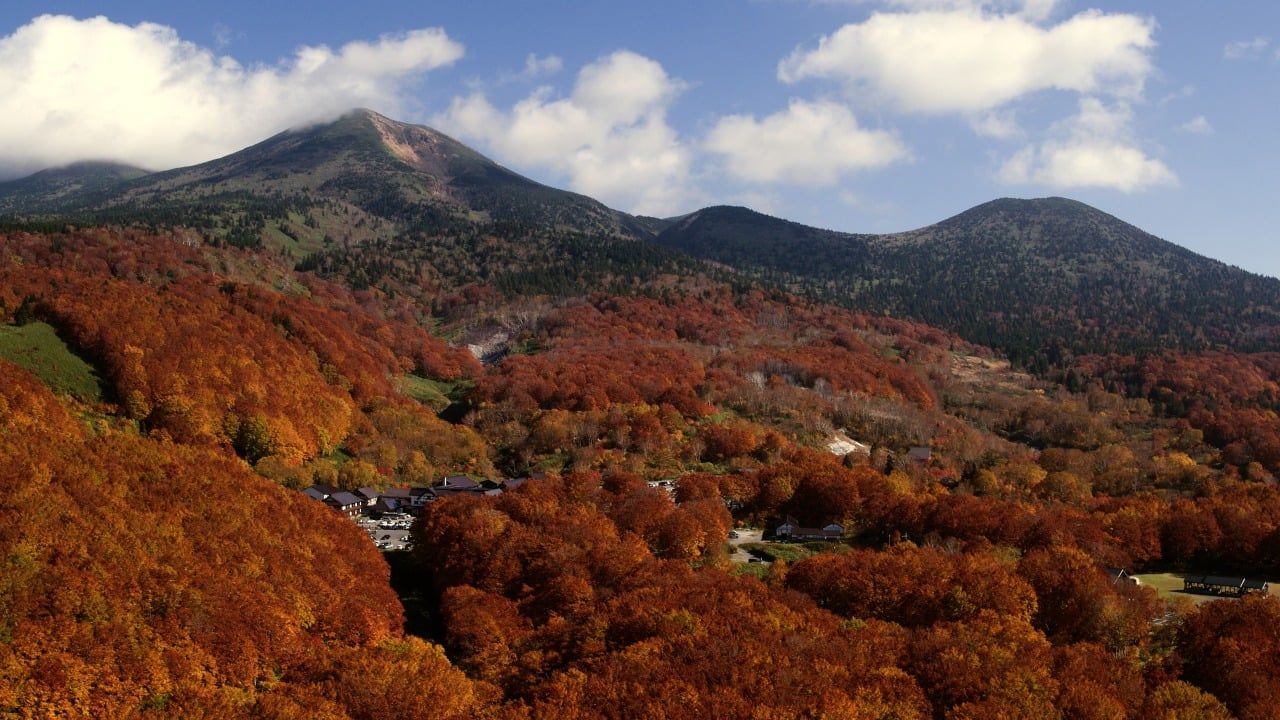
Mt. Hakkoda is Tohoku’s most representative alpine foliage area. The Hakkoda Ropeway goes straight up around Tamoyachidake, carrying up to 100 people at a time and rising 650 m in about 10 minutes, with a view over the whole valley’s colors.
The summit turns from late September to early October, the mid-slope in mid-October and the foot in late October. The Hakkoda Aomori fir forest trail near the summit station takes about 30 minutes, a good loop before heading down.

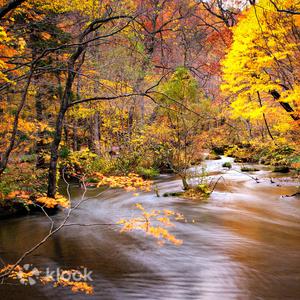

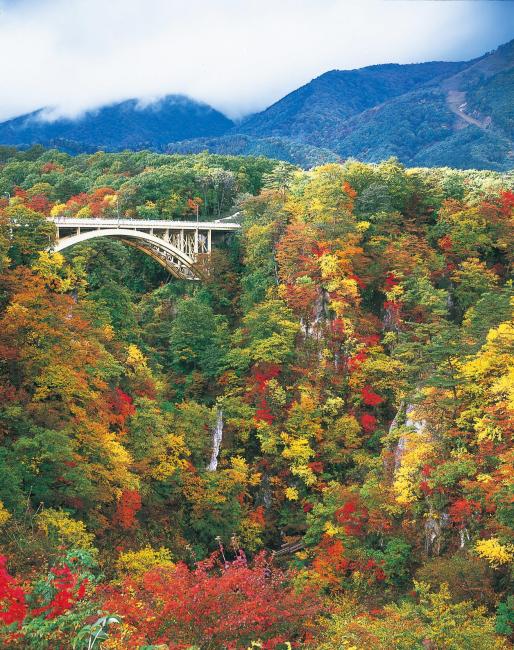
Shirokura Bridge: An Arch Bridge About 120 m Above the Valley
Shirokura Bridge is 360 m long and about 120 m above the valley floor, the best place near the Hakkoda Ropeway to stop for photos. The wind is strong on the bridge, so bring a windproof jacket; about 20 to 30 minutes is enough.
It is about a 10 to 15 minute drive from the ropeway station and is often placed after Hakkoda and before Lake Towada; the Water Lily Pond (Suiren-numa) is on the way, so no extra detour is needed.
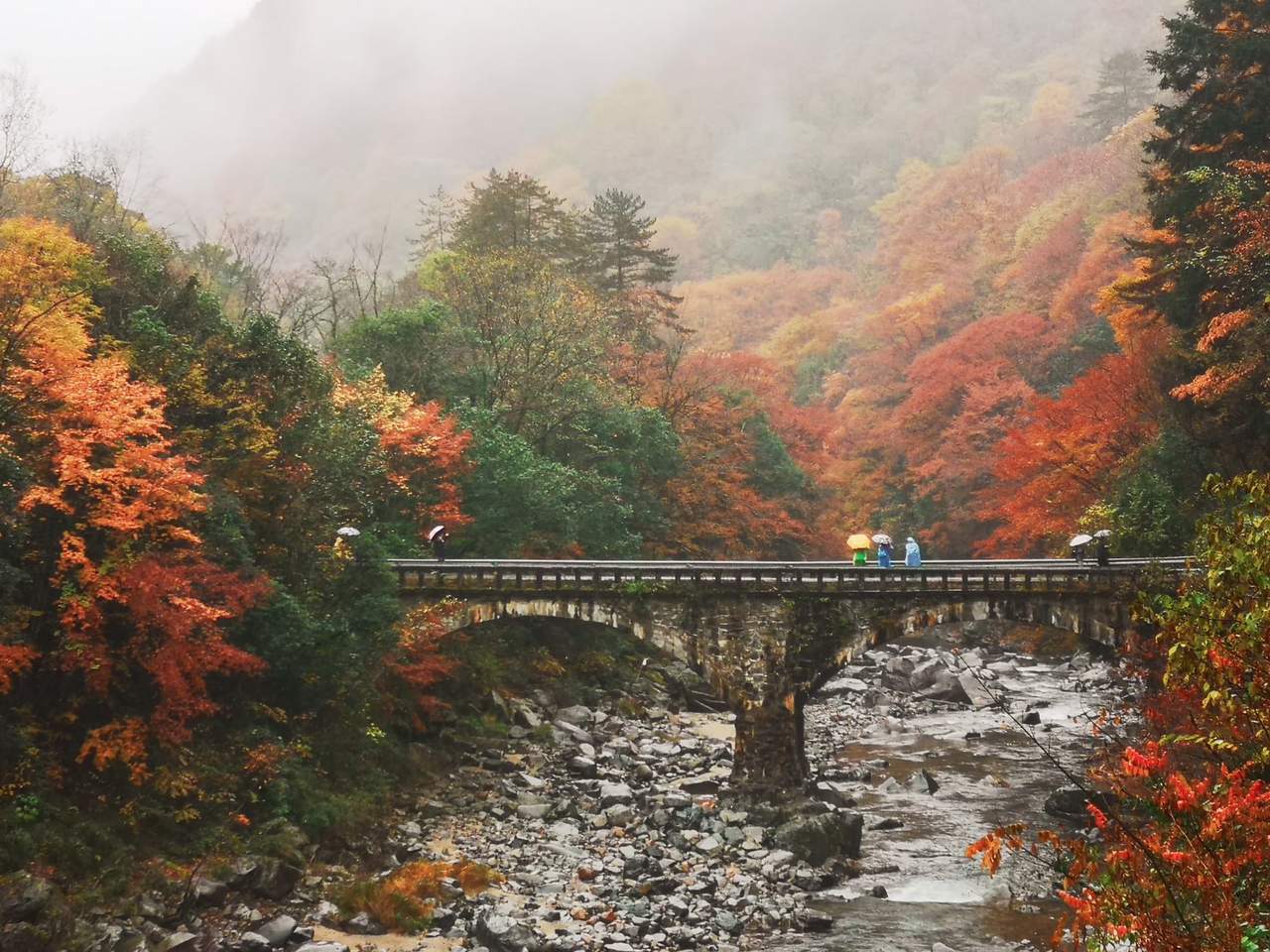
Lake Towada: The Maiden Statue and Maple Views on the Shore
Lake Towada is 327 m deep. The Statue of Maidens on the shore at Yasumiya Gozen-ga-hama is a work by Kotaro Takamura, erected in 1953. The best viewing time is about mid to late October.
The lake cruise from Yasumiya to Nenokuchi takes about 50 minutes, about ¥1,760 for adults; fares vary a little by route and year, so follow Towada Kanko Dentetsu’s announcement. The lakeside path takes 1 to 2 hours to stroll, and lodging and the boat pier are mostly at Yasumiya.
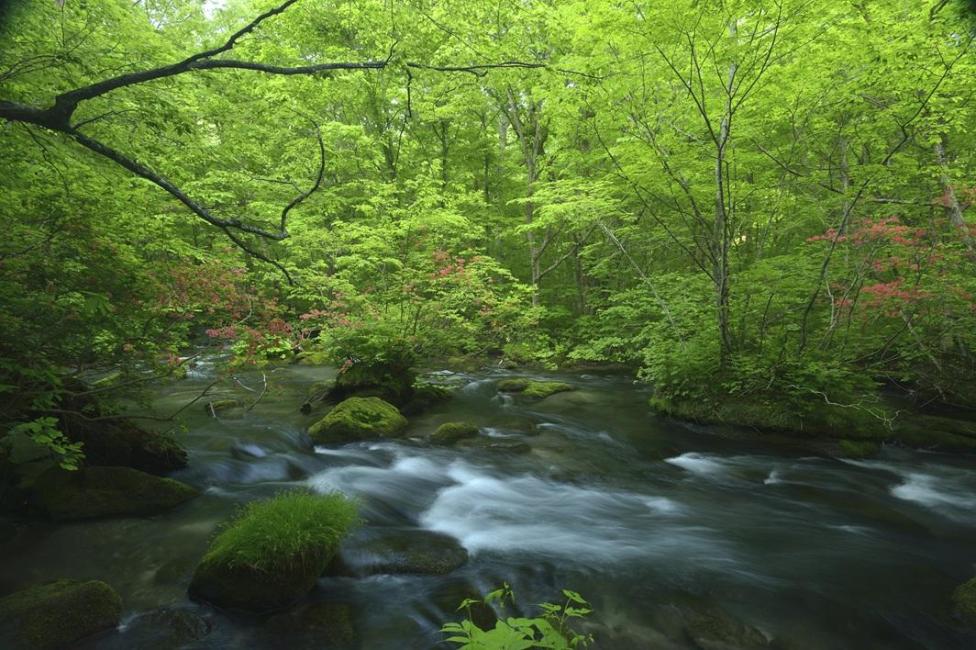
Oirase Stream: A 14 km Gorge Boardwalk
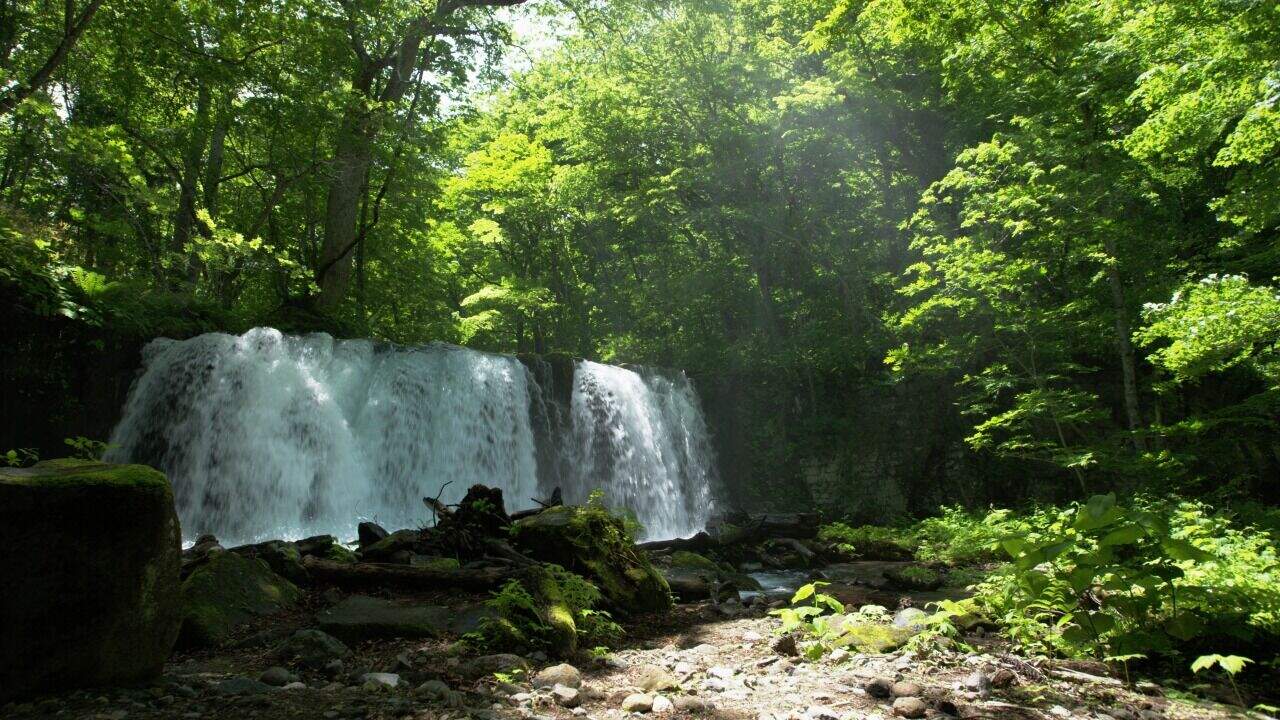
Oirase Stream runs about 14 km from Nenokuchi at Lake Towada to Yakeyama, passing Choshi Otaki Falls (about 20 m wide and 7 m high), Kumoi Falls and Ashura no Nagare.
The best stretch is from Ishigedo to Choshi Otaki Falls, allowing 2 to 3 hours. The boardwalk is crowded in peak season, so make way for the elderly and children. Private cars are restricted at some times; check the latest Oirase Stream announcement before leaving.
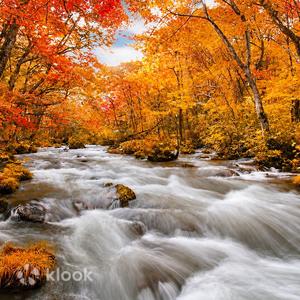
Tsuta Numa: A Sunrise Glow on the Lake, 30 Minutes Either Side of Sunrise
Tsuta Numa is the largest of the seven Tsuta ponds in the Oirase area, where the water reflects autumn leaves and the mountain, best photographed within 30 minutes before and after sunrise. At dawn you usually need to drive or take transport there first.
During the foliage season, the sunrise slot has at times required advance reservations; check Aomori Prefecture or Towada City tourism information for the 2026 entry rules before leaving, and confirm the route and parking first.
Nakano Momijiyama: Night Maples Lit in Kuroishi
Nakano Momijiyama is in Kuroishi, Aomori Prefecture, a popular night-maple spot. The illumination dates and times change each year, so check Kuroishi City’s tourism announcement before going.
The nearby Tsugaru Traditional Crafts Museum fits well, and the visit suits the time around dusk.
Hirosaki Park: Hirosaki Castle Keep and Night Maples
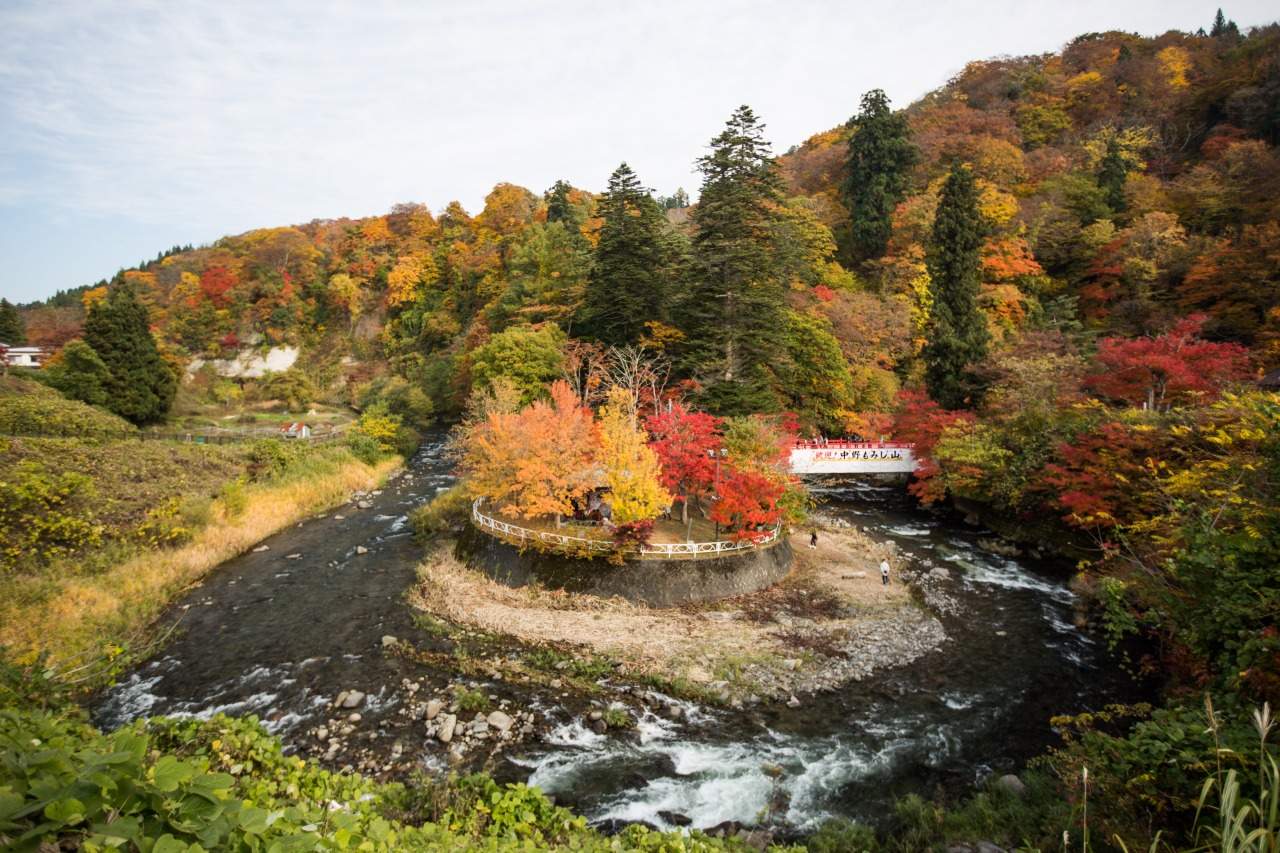
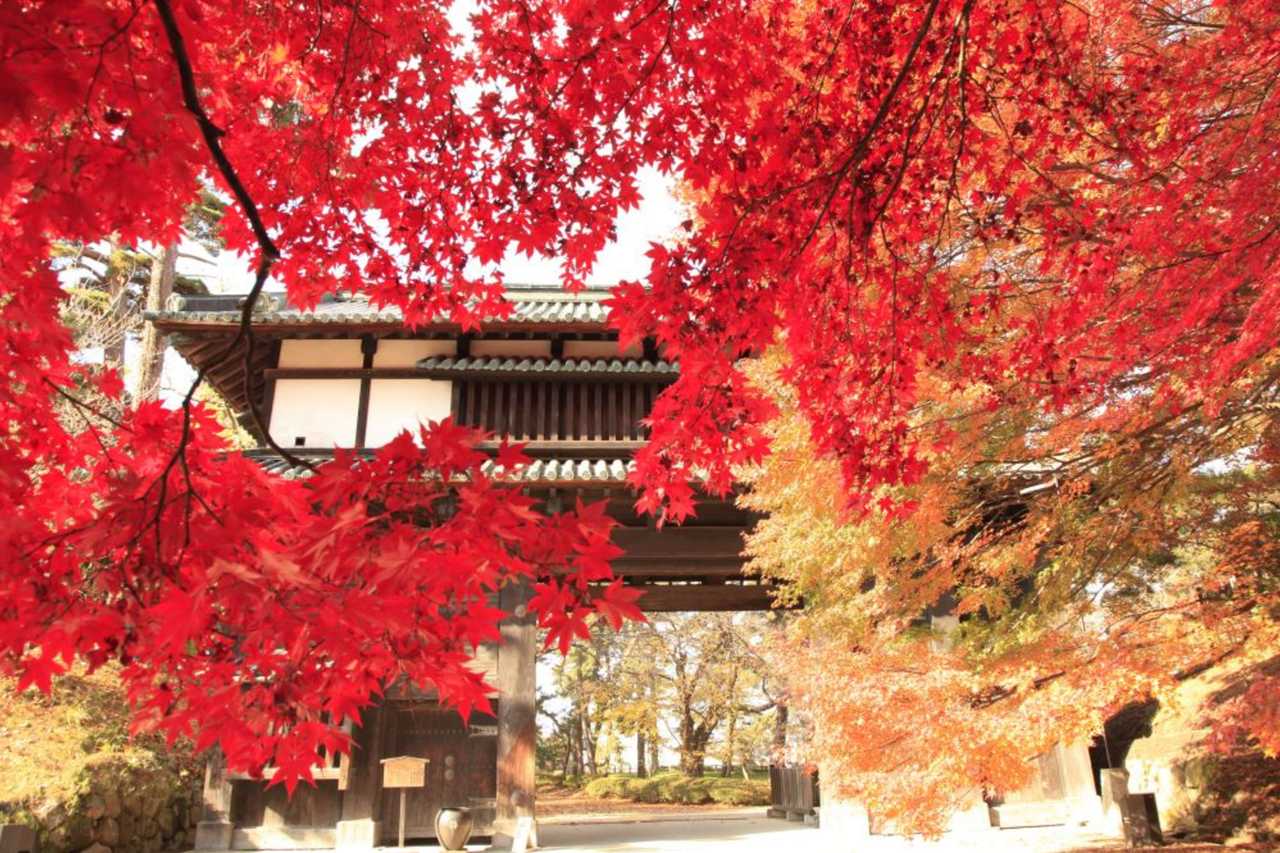
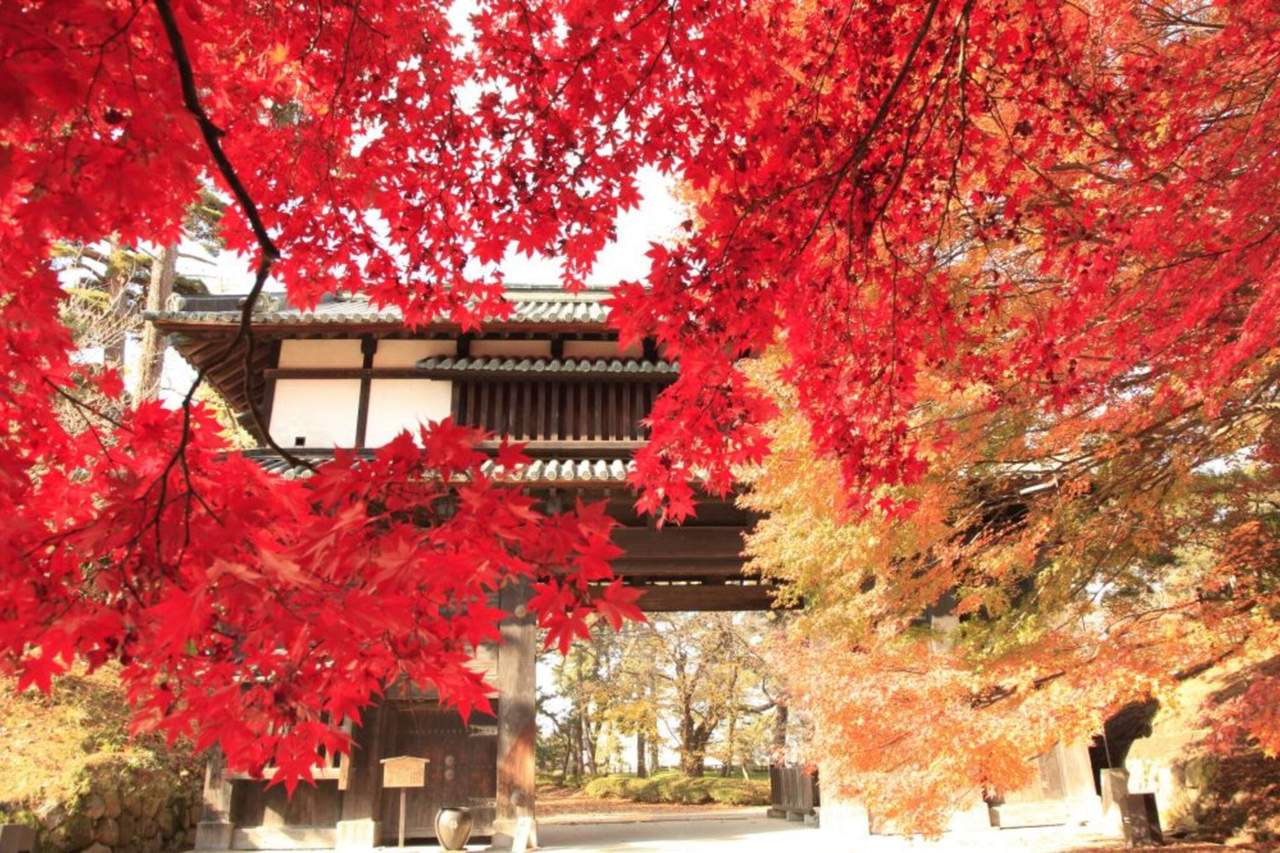
Hirosaki Castle’s keep in Hirosaki Park is Tohoku’s signature castle. The maples around the botanical garden and moats mostly turn from late October to mid-November, and by forecast it is one of the latest of the Tohoku spots to turn red.
Local loop buses serve the park, and the visit is usually placed on the second day, after Hakkoda. In the evening illumination hours you can see night maples reflected by the moat; check transport and illumination times before you go.
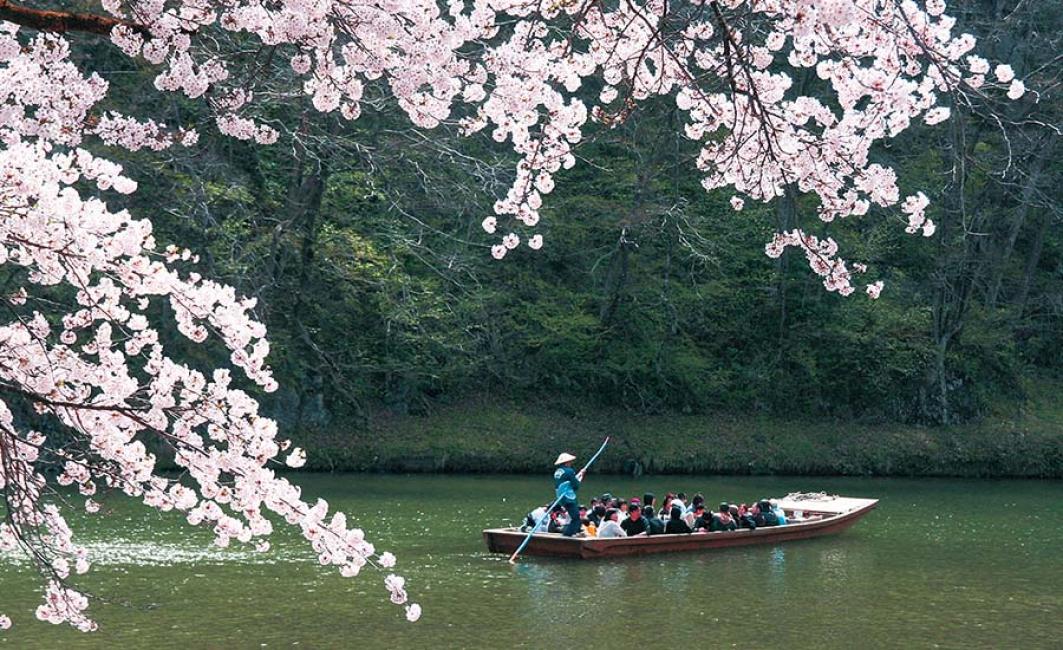
Geibikei: A Gorge by Flat-Bottomed Boat with No Motor
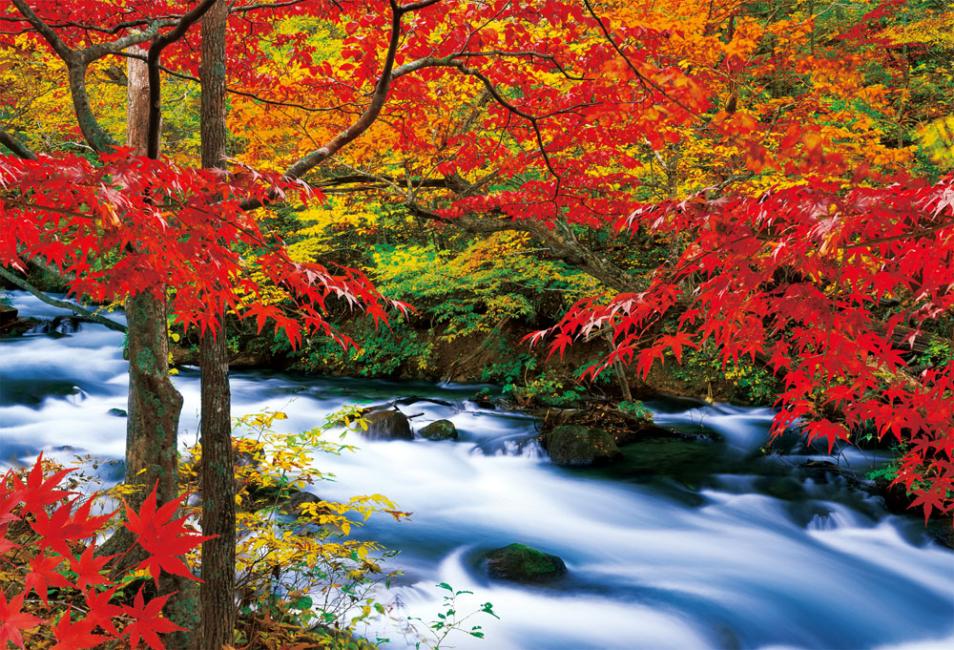
Geibikei is near Ichinoseki, Iwate, and is listed among Japan’s 100 Scenic Views. The boatman poles the boat with no motor, a tradition over a hundred years old, and sings the “Geibi Oiwake” song along the way.
Adults ¥2,000 and elementary students ¥900, about 90 minutes round trip, about 5 minutes on foot from Geibikei Station on the JR Ofunato Line. Last boat 15:30 on November 6 to 10, 15:00 on November 11 to 20, and from November 21 hours are 9:30 to 15:00.
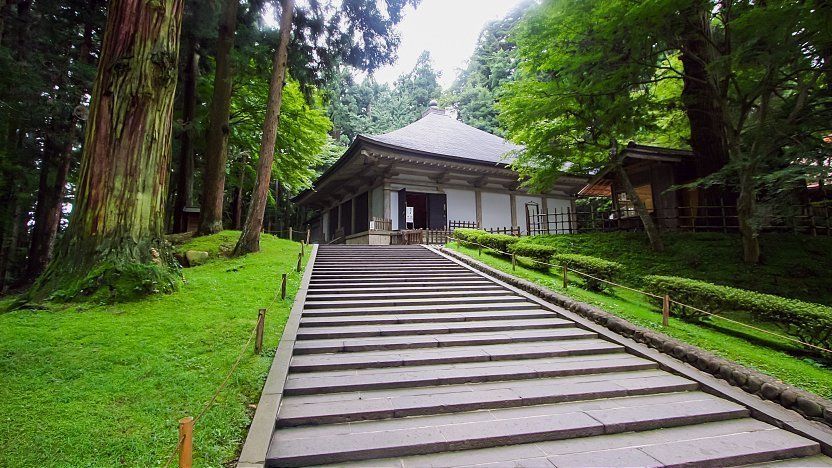
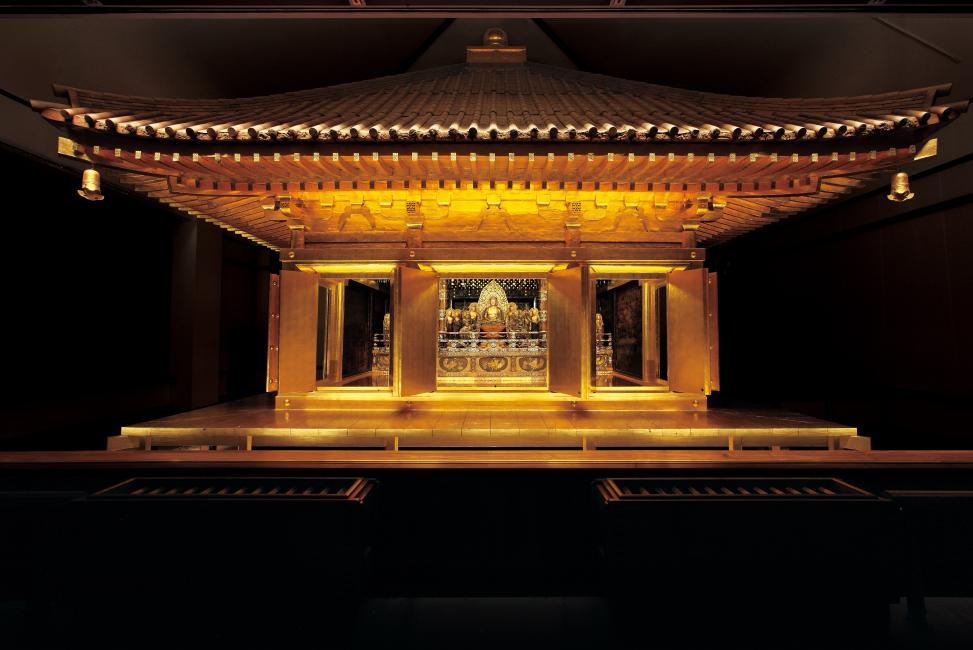
Chusonji: The Golden Hall and a World Heritage Site
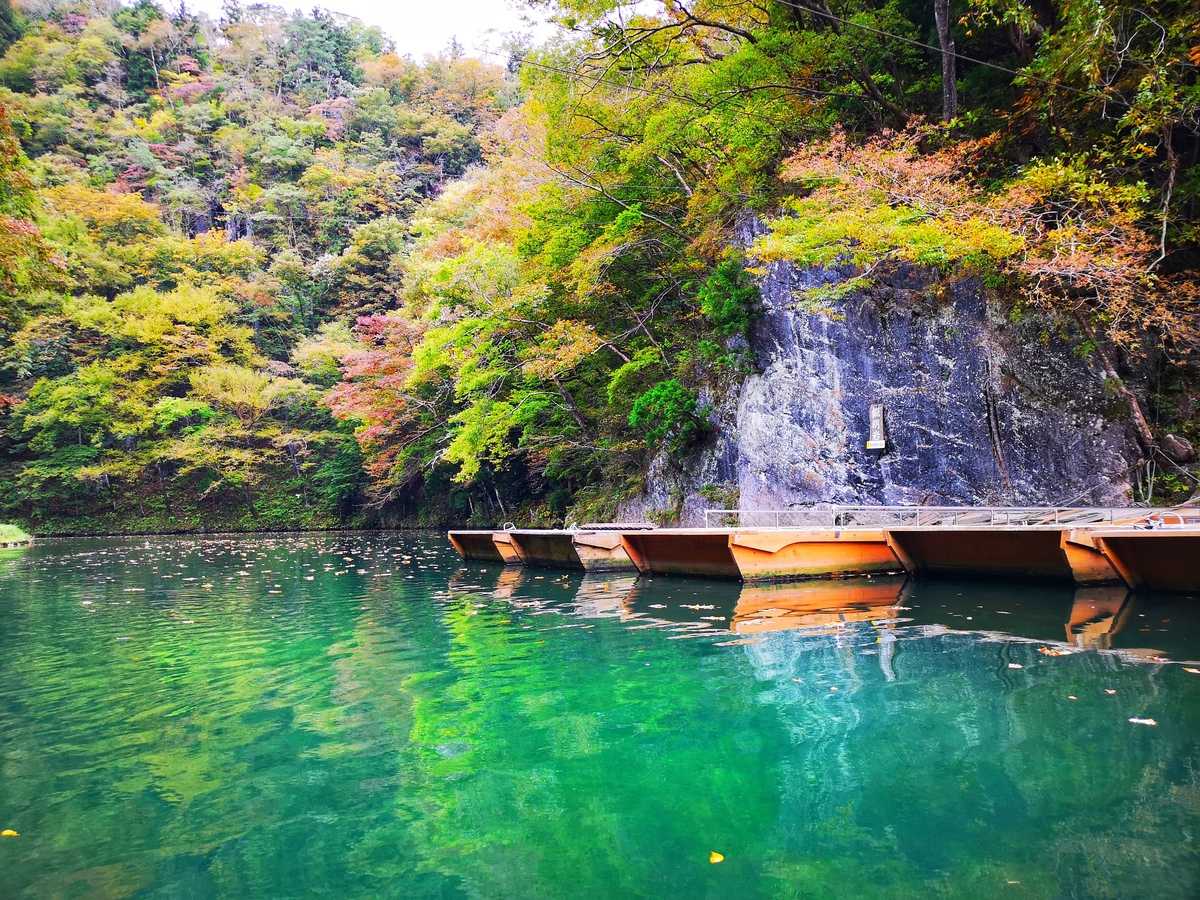
Chusonji was founded in 850 and is the head temple of the Tendai sect in Tohoku. Its main building, the Konjikido (Golden Hall), was registered as World Heritage in 2011, making it Hiraizumi’s most representative temple, a good walk around dusk. Goshuin are available; times and numbers are as posted on site.
Nearby Motsuji costs ¥700 for adults and is open 8:30 to 17:00, with last entry before 16:30 from November 5 to March 4; confirm before visiting.
Genbikei: Kakko Dango and a Gorge of Red Leaves
Genbikei runs about 2 km, a gorge cut by the Iwai River, with peak color in mid-October, when maples on both banks and the rock walls make it one of Iwate’s most representative gorge spots.
Tours often include free kakko dango to eat as you walk. It is best to plan it on the same day as Chusonji, which makes a smoother route.
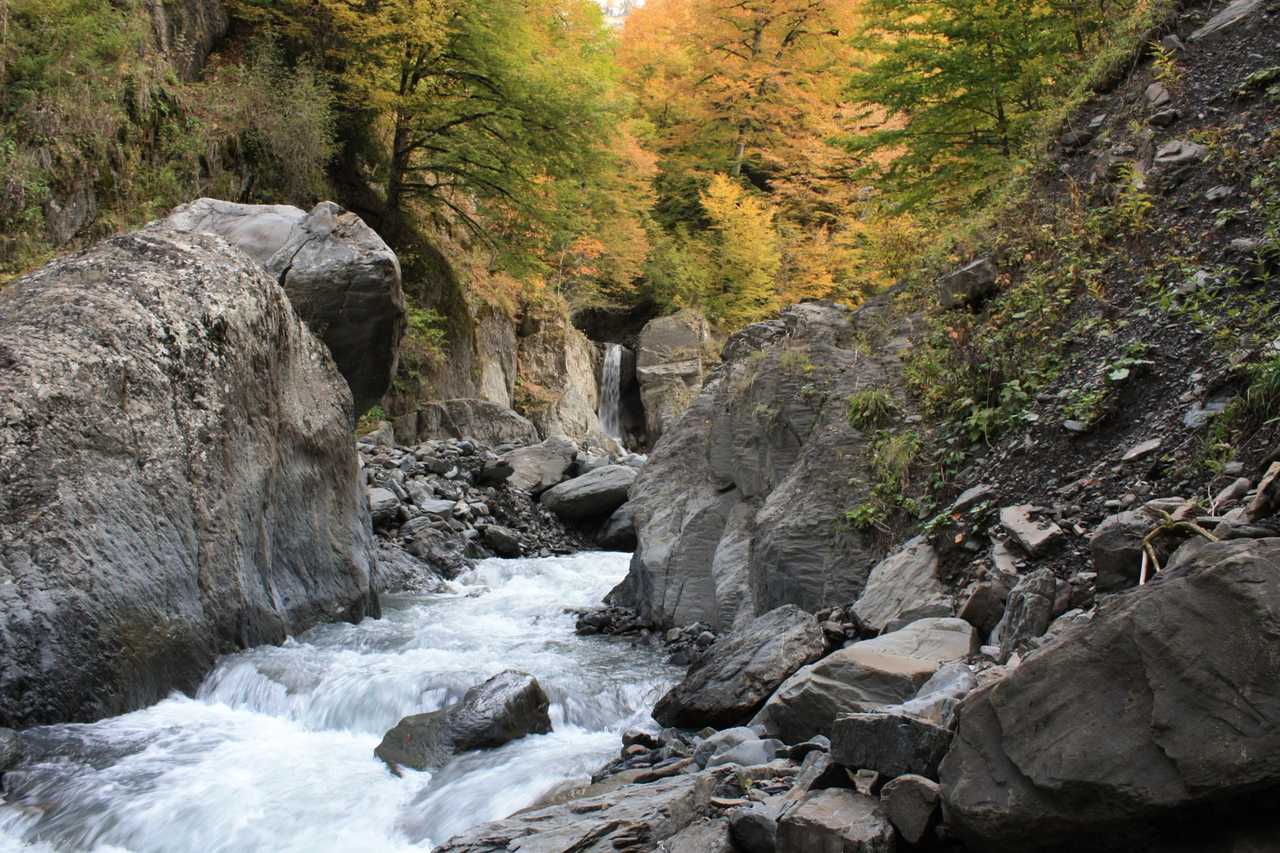
Naruko Gorge: A Trail in the Deep Gorge Cut by the Oya River
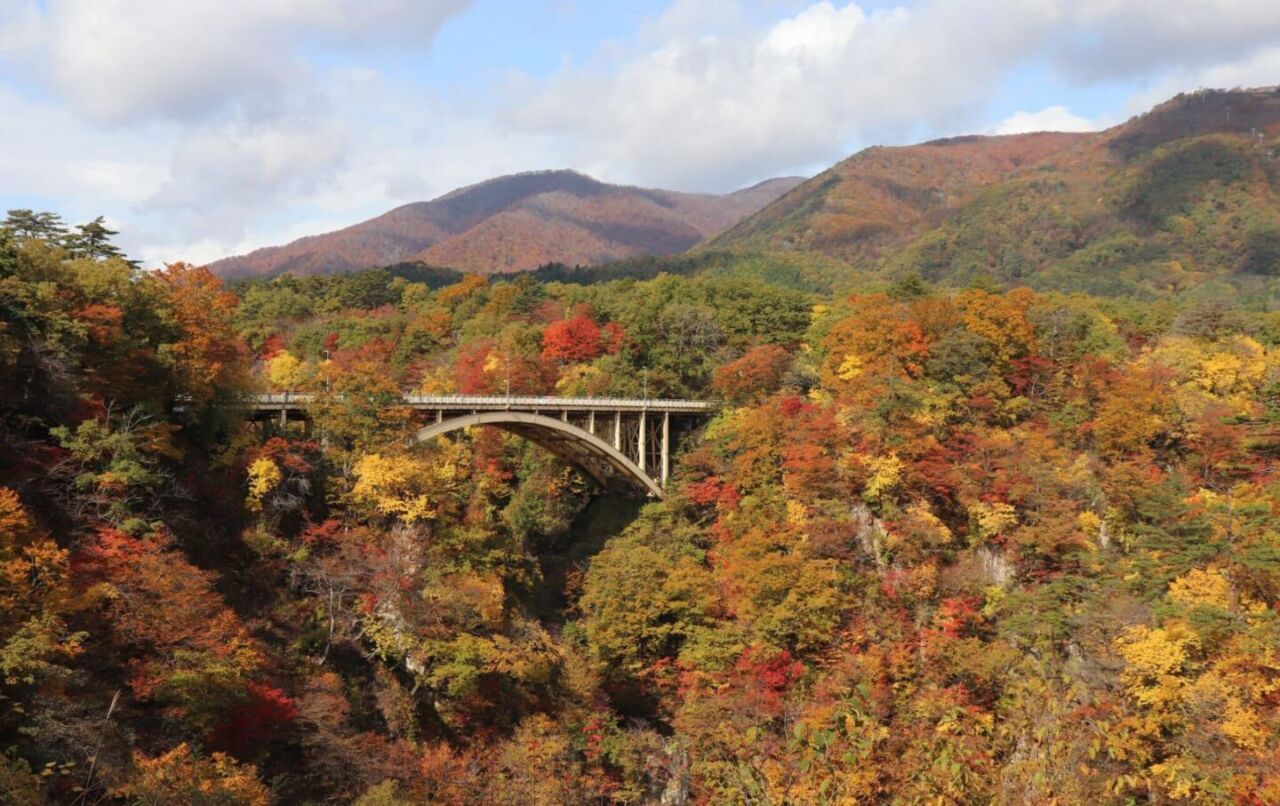
Naruko Gorge was cut by the Oya River and is about 100 m deep, with a hiking trail along the river that takes about 1 hour. In autumn its feature is the contrast between cliffs and red leaves.
The JR Rikuu East Line between Naruko Onsen and Shinjo has been suspended since the 2024 heavy rains, and JR East expects to restore it in fiscal 2028, so you cannot currently photograph trains crossing the gorge; a replacement bus covers the section. Check JR East’s announcement before you go.
Kakunodate Samurai District: The Little Kyoto with Evening Illumination
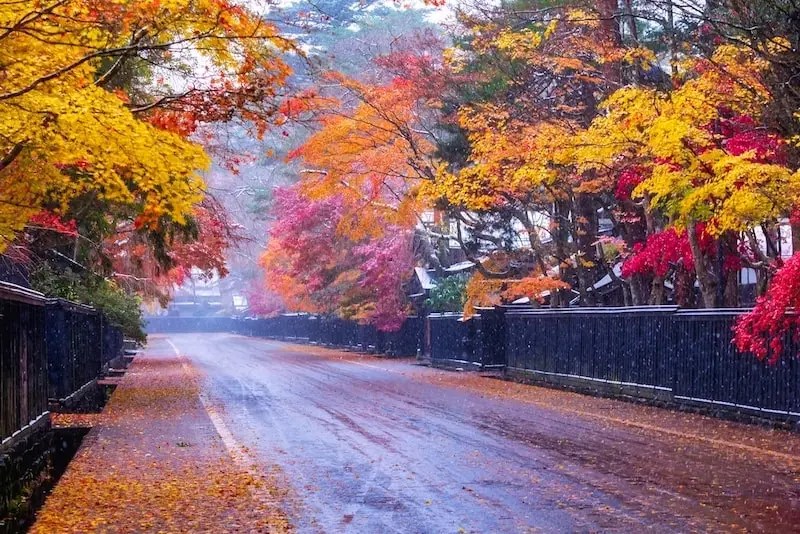
The Kakunodate samurai district is known for old samurai residences such as the Aoyagi house, and the maples along the residence street contrast with the white walls. Check Kakunodate’s tourism announcement for the evening illumination dates and times.
It is walkable from JR Kakunodate Station. Kakunodate is a common starting point for Dakigaeri Gorge, and the two fit in the same day.
Dakigaeri Gorge: A Path of Red Leaves for Embracing and Turning Back
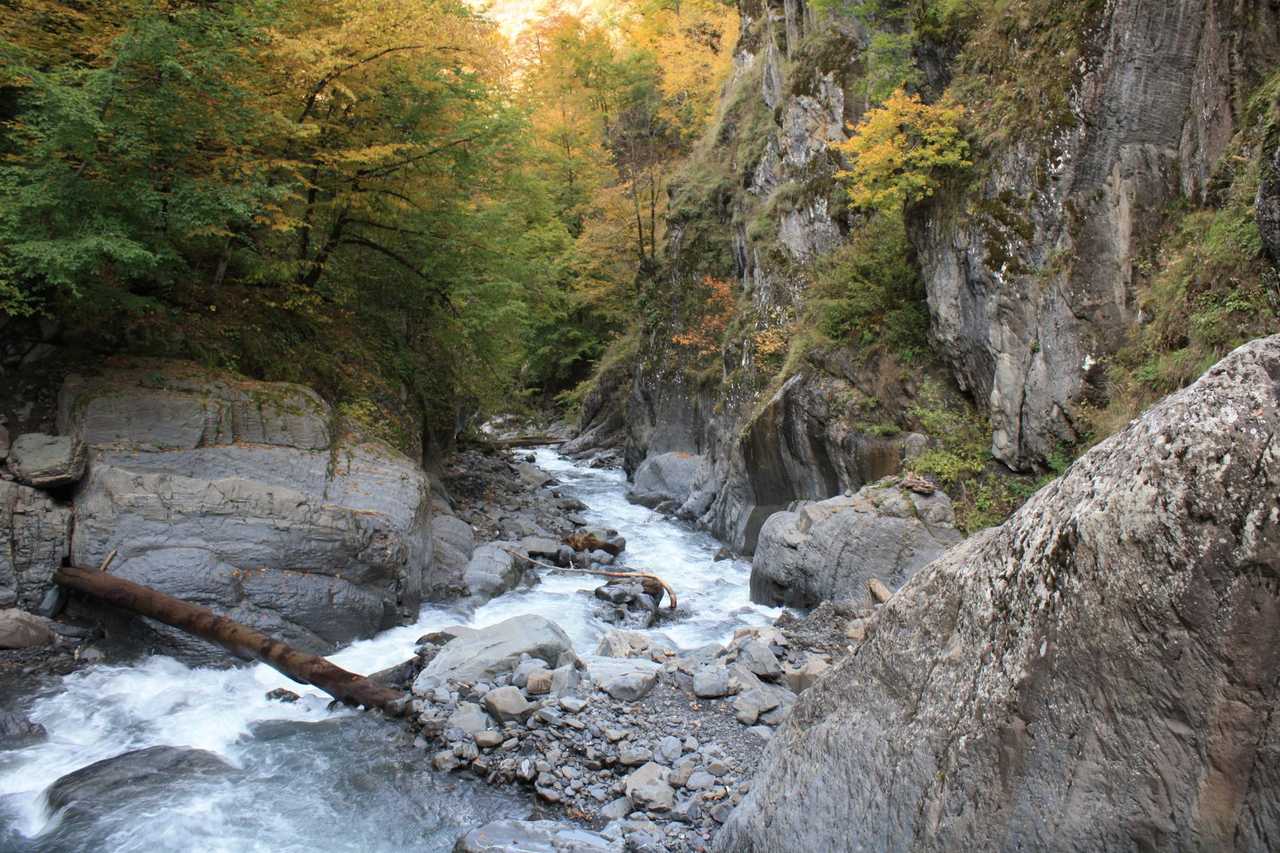
Dakigaeri Gorge gets its name from a story of travelers who, on the old narrow path, would pass each other and often embrace and turn back. The trail follows the stream with dense maples on both banks, a stop between Kakunodate and Lake Tazawa.
From the entrance to Kaerimi Falls takes about 30 to 40 minutes, with about 1 hour in all; if short of time, walk only the entrance section. A shuttle bus runs in the foliage season, and its timetable follows that year’s announcement.
Lake Tazawa: Japan’s Deepest Lake and the Golden Tatsuko Statue
Lake Tazawa is 423.4 m deep, the deepest lake in Japan. The golden Tatsuko statue on the shore is the local landmark, and the road around the lake is about 20 km.
You can ride the around-the-lake bus from JR Tazawako Station, with about 1.5 to 3 hours of stops. The lake’s reflections and shoreline foliage are common photo subjects; confirm bus times before you go.
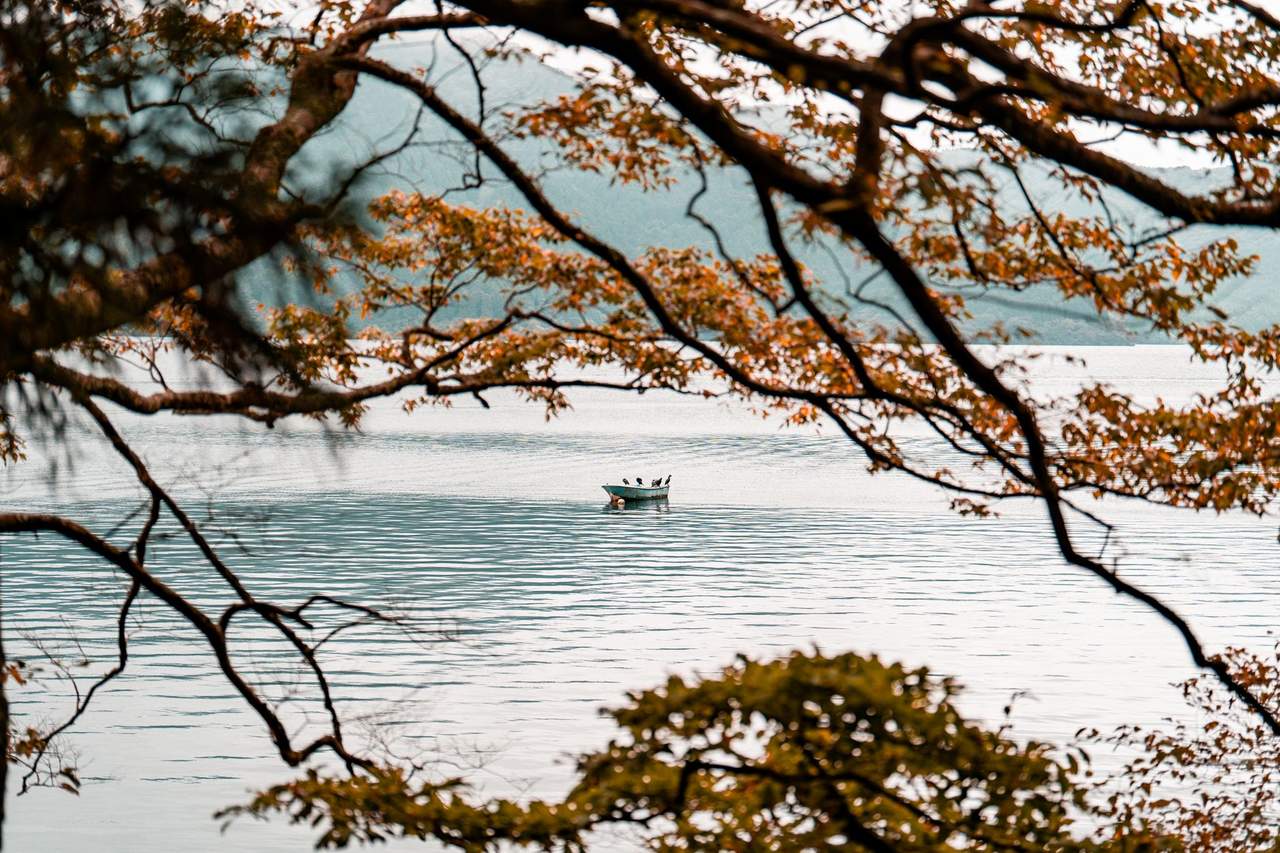
Matsushima Coast: Bay Cruises and Zuiganji
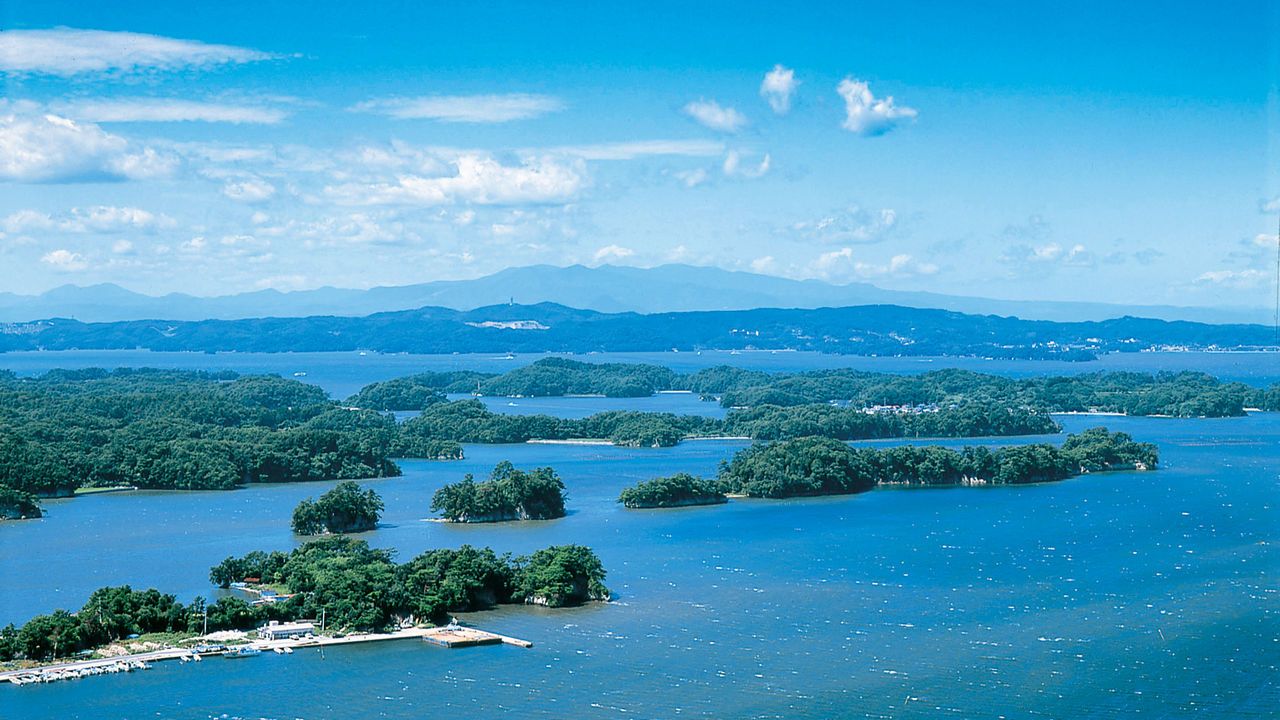
Matsushima Bay has many islands, and a bay cruise is the classic way to see them. Zuiganji, built by Date Masamune in 1604, is Matsushima’s historical highlight and ranks beside the island scenery as a must-see.
Matsushima is often the last stop before Sendai or a stop on the way south. In the Sendai area you can add Zuihoden for foliage, and both fit in one day.

What Do Tohoku Autumn Leaves 2026 Tickets and Tours Cost? Ropeway, Cruise and Boat Fares
Tohoku foliage costs fall mainly into three types: ropeway, cruise and flat-bottomed boat. Below are the fares and hours from public 2026 information; check each spot’s official site before leaving, since prices and schedules may change.
Mt. Hakkoda Ropeway: Round Trip ¥2,500 for Adults
The Hakkoda Ropeway starts from Tamoyachidake, carries about 100 people at a time and climbs about 650 m within 10 minutes, a shortcut to a high view of the maples. From August 1, 2026 the official fare is ¥2,500 round trip for adults. The summit turns about late September to early October, mid-slope about mid-October, foot about late October, so choose your altitude by season.
Check the day’s operating status first, since strong wind often halts service. By public transport, take the JR bus from Aomori or Shin-Aomori toward Sukayu Onsen; by car it is about 40 to 60 minutes.
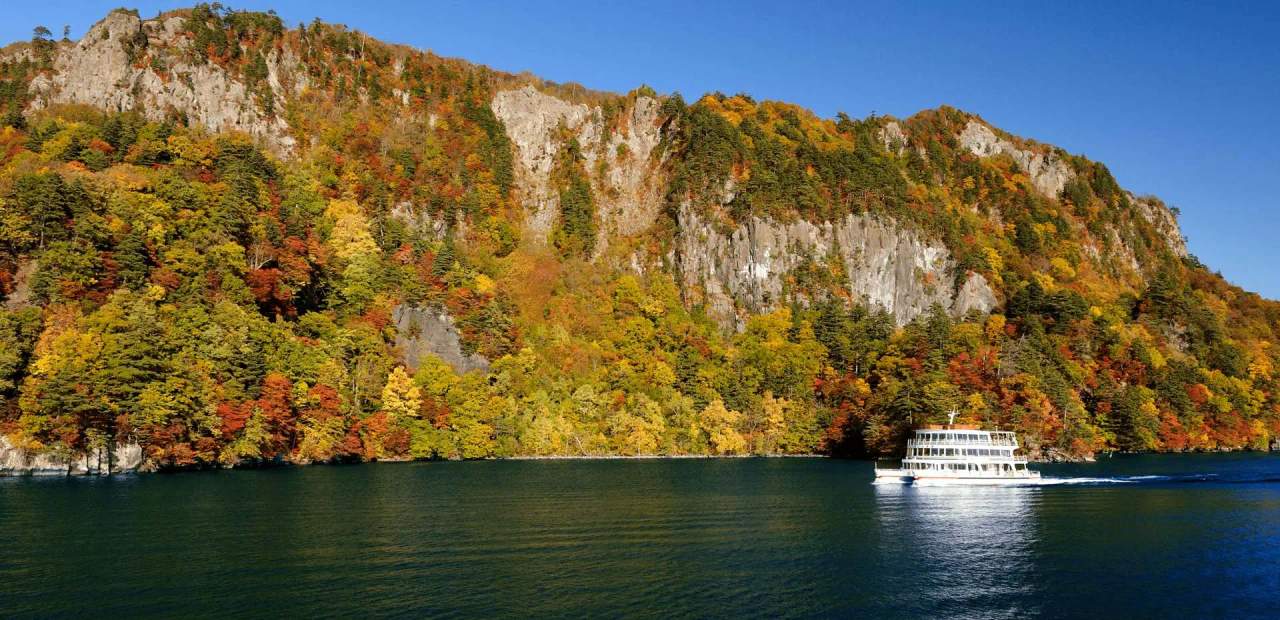
Lake Towada Cruise: About 50 Minutes from Yasumiya to Nenokuchi
The Lake Towada cruise runs between Yasumiya and Nenokuchi in about 50 minutes, with close views of the water and shoreline maples. Adults pay about ¥1,760, and sailings change with the season and weather, so check the timetable early in peak season.
Cruises are often planned for the same day as Oirase Stream: walk Oirase first, then take the boat at Yasumiya for a smoother day. The Statue of Maidens is near Yasumiya Gozen-ga-hama, so you can stroll there after landing.
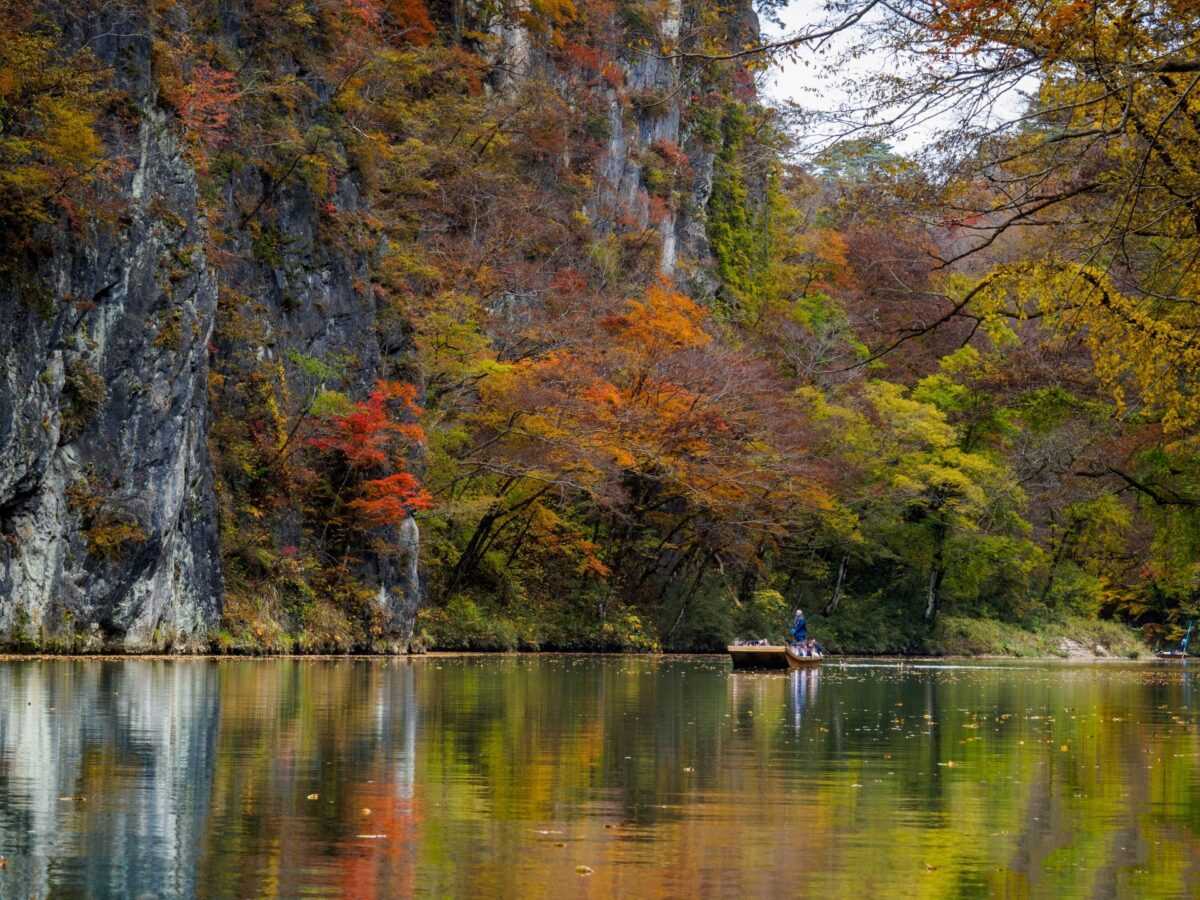
Geibikei Flat-Bottomed Boat: Adults ¥2,000, About 90 Minutes Round Trip
The Geibikei hand-poled boat is Ichinoseki, Iwate’s signature experience, with no motor and a boatman poling, a tradition over a hundred years old. Adults ¥2,000 and elementary students ¥900, about 90 minutes round trip; the boatman sings “Geibi Oiwake,” one of Tohoku’s most local foliage experiences.
The boarding point is about 5 minutes’ walk from Geibikei Station on the JR Ofunato Line. Last boat 15:30 on November 6 to 10, 15:00 on November 11 to 20, and from November 21 hours are 9:30 to 15:00; confirm in advance.
Naruko Gorge Trail: Nakayamadaira Entrance 9:00 to 16:00
Naruko Gorge was cut by the Oya River and is about 100 m deep, with a hiking trail along the river that takes about 1 hour. The Nakayamadaira entrance trail is open 9:00 to 16:00.
The trail itself is free. The Rikuu East Line between Naruko Onsen and Shinjo remains suspended, so check JR East’s operating information and the replacement bus first.
Tohoku Autumn Leaves 2026 Side Trips and Lodging: Where to Stay in the North, Middle and South
Northern Lodging: Lake Towada Shore and Oshuku Onsen
Lodging at Lake Towada is mostly at Yasumiya; Oshuku Onsen is in Shizukuishi, Iwate Prefecture, and suits a mid-route stay.
Middle Lodging: Hanamaki Onsen and Naruko Onsen
Hanamaki Onsen has inns such as Kashoen, Momijikan and Senshukaku, good for an overnight after Kakunodate and Lake Tazawa. Naruko Onsen is beside Naruko Gorge, so after a soak you can go straight to the gorge trail.
Southern Side Trips: Matsushima and Sendai
In Sendai, choose a hotel around Sendai Station for the night before your airport flight. Sendai and Matsushima make good final side trips, and the Matsushima Bay cruise is the classic way to see it.
Further Reading: Tohoku Autumn Leaves Spots


FAQ
Q: When is the best time to see Tohoku autumn leaves in 2026?
The Hakkoda summit turns red first, around late September to early October; Oirase and Lake Towada are best around mid to late October; Kakunodate and Naruko Gorge come in late October to early November.
Q: Do I need a ticket for Oirase Stream?
Oirase Stream is an open trail and needs no ticket, but arrival and parking need separate planning. The boardwalk is crowded in peak season, so start in the morning.
Q: Can I still photograph trains crossing Naruko Gorge?
The JR Rikuu East Line between Naruko Onsen and Shinjo has been suspended since the 2024 heavy rains and is expected to resume in fiscal 2028, so trains crossing the gorge cannot be photographed now. Check JR East’s announcement before you go.
Q: How much is the Geibikei boat ride?
Adults ¥2,000 and elementary students ¥900, about 90 minutes round trip. Last boat 15:30 on November 6 to 10 and 15:00 on November 11 to 20.
Q: Should I drive or take JR for Tohoku autumn leaves?
Driving suits crossing prefectures from Hakkoda to Oirase and from Iwate to Miyagi, while itineraries centered on Ichinoseki, Naruko and Sendai can use JR. Driving needs the original Taiwanese license and a Japanese translation.
Q: How should I plan five days of foliage?
Go south in the order Hakkoda, Oirase, Hirosaki, Geibikei and Naruko Gorge with no backtracking, a five-day four-night plan that ends with a return flight from Sendai Airport.