Nagatoro Autumn Leaves: A Hidden Gorge Near Tokyo for Fall Foliage
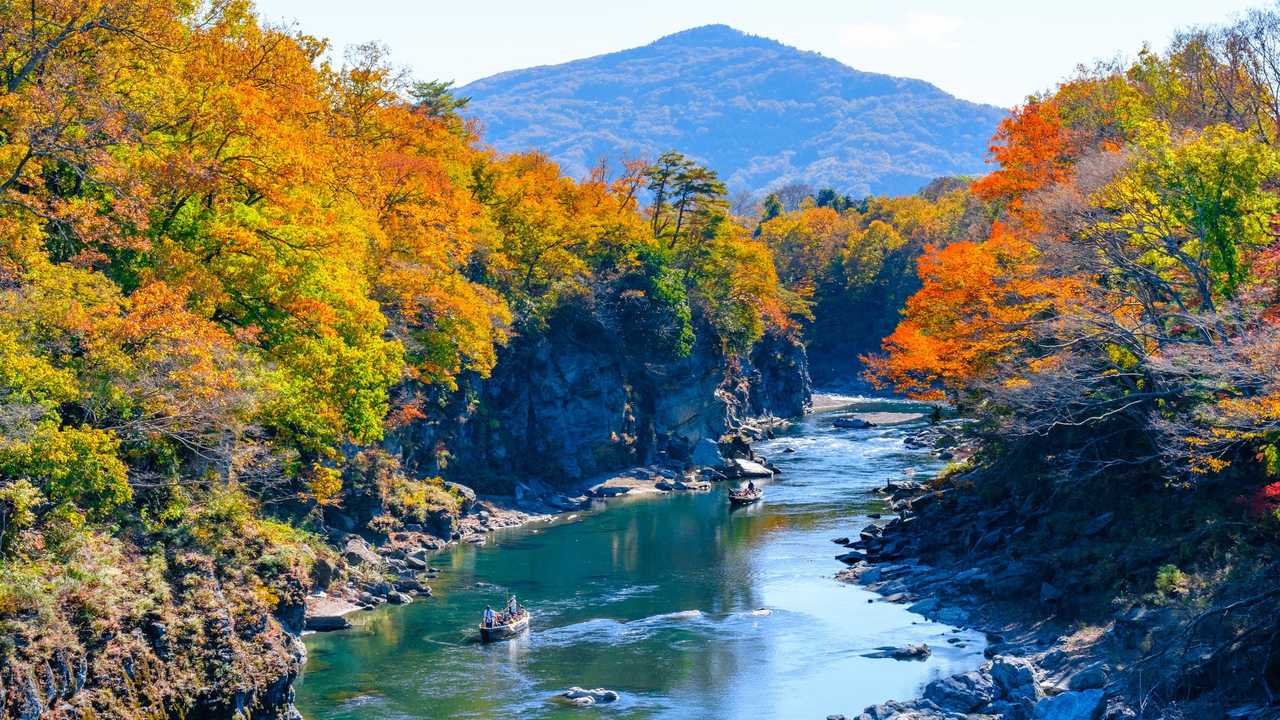
Nagatoro is in the Chichibu area of Saitama Prefecture, about 2 to 3 hours from Ikebukuro in Tokyo, and is a foliage spot near Tokyo where you can enjoy a gorge, boat rides and autumn leaves together.
When Are Nagatoro’s Autumn Leaves at Their Best? Peak Is Mid to Late November in a Typical Year
In a typical year Nagatoro’s leaves start changing in late October and peak from mid to late November, with some trees lasting into early December. The best time at Tsuki-no-ishi Momiji Park is mostly in November, and the 2026 Autumn Leaves Festival is expected to run from November 1 to 30 (subject to the official announcement).
Before you go, check the actual color conditions for that week.
Nagatoro Gorge and Iwadatami: A Natural Geology Classroom Cut by the Arakawa River
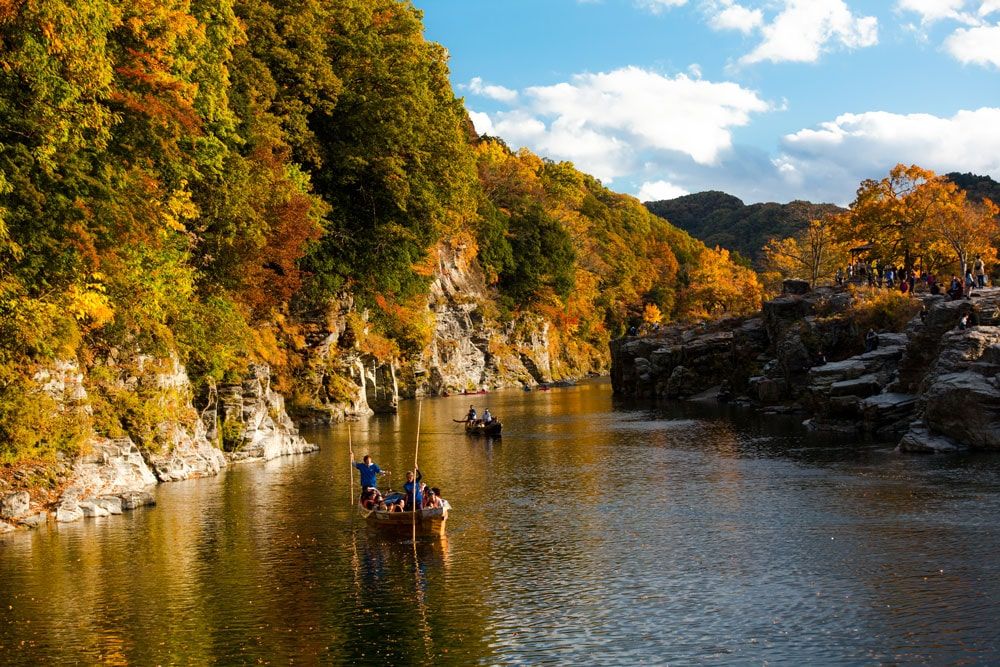
Nagatoro Gorge is a canyon formed where the Arakawa River cut through rock layers, and the stacked crystalline schist of Iwadatami is the area’s signature geological landscape. Both banks of the Arakawa where Iwadatami lies are a nationally designated place of scenic beauty and natural monument.
You can look down on the gorge from a boat or walk along the riverside path, and the two viewpoints feel different in the foliage season, so it is worth doing both on the same day.
How to Get to Nagatoro: Transport from Tokyo
How Do You Get to Nagatoro? Transport from Tokyo at a Glance
The most common way from Tokyo to Nagatoro is the Seibu limited express from Ikebukuro to Seibu-Chichibu, then a walk to the Chichibu Railway, taking about 2 to 3 hours in all. Seibu-Chichibu and Ohanabatake Station are not on the same platform, and the walk takes about 5 to 10 minutes.
| Mode | Route | Time | Notes |
|---|---|---|---|
| Seibu limited express | Ikebukuro to Seibu-Chichibu | About 80 minutes | Limited express ticket sold separately; Laview available |
| Walking transfer | Seibu-Chichibu to Ohanabatake (Chichibu Railway) | About 5 to 10 minutes | Different platforms, so allow time |
| Chichibu Railway | Ohanabatake to Nagatoro | About 20 minutes | Can be combined with the SEIBU 1Day Pass + Nagatoro |
| JR and Chichibu Railway | Ueno or Tokyo to Kumagaya, then on to Nagatoro | Depends on the timetable | Usable with a JR wide-area rail pass |
The SEIBU 1Day Pass + Nagatoro suits travelers who go by train all the way, and a limited express ticket must be bought separately to ride the limited express.
What Are the Must-See Spots in Nagatoro?
Below are the key sights in Nagatoro and Chichibu in order of travel route. A boat ride followed by a walk, then night foliage in the evening, makes a good sequence, and the order can change with the weather.
Nagatoro Iwadatami: Stacked Layers of Crystalline Schist
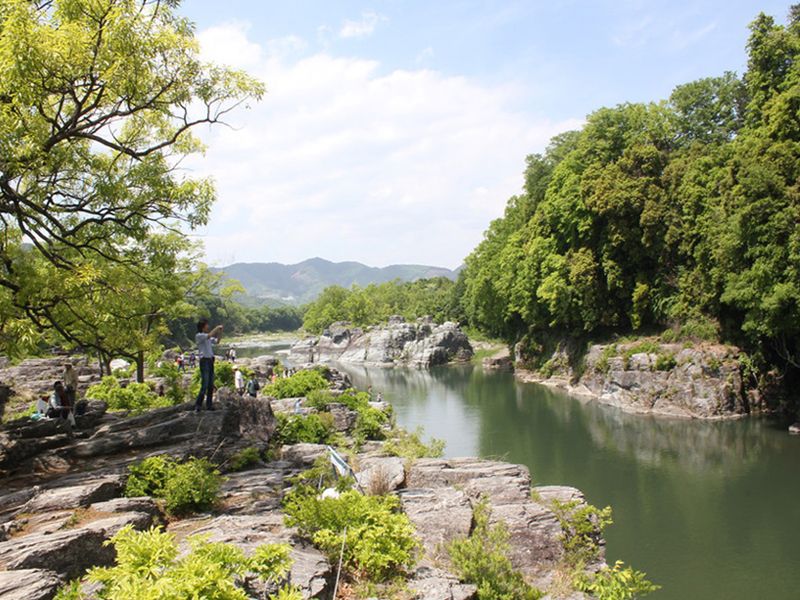
Iwadatami is Nagatoro Gorge’s signature geological feature, made of stacked layers of crystalline schist that look like tatami mats, and it is also called the Chichibu Red Cliff. The rock face runs along the Arakawa, and in autumn the maple leaves reflected against it are a highlight from both boats and the walking path.
The riverside path around Iwadatami can be walked to Tsuki-no-ishi Momiji Park, but strolling and sightseeing along the way takes longer, while a boat ride shows the rock face from another angle.

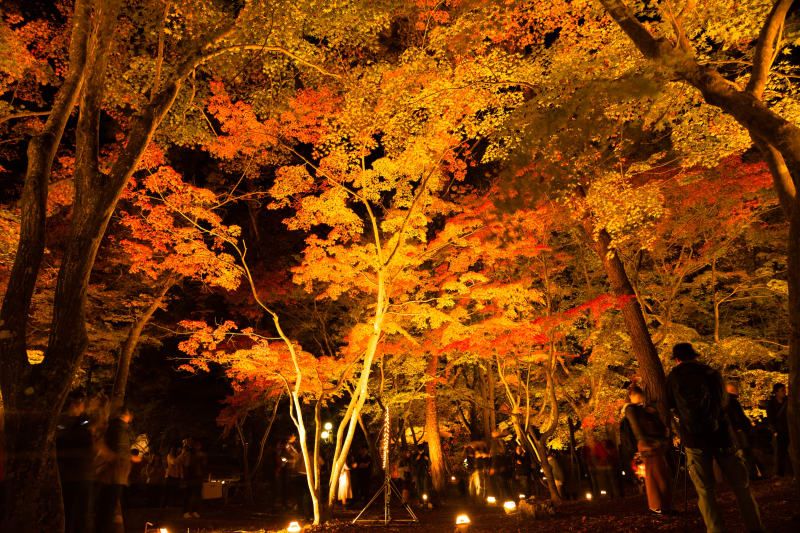
Tsuki-no-ishi Momiji Park: A Famous Maple Spot With Evening Illumination
Tsuki-no-ishi Momiji Park has a monument inscribed with Takahama Kyoshi’s haiku “Koko ni ware ku o todomubeki tsuki no ishi,” and it is the most popular foliage spot in the area.
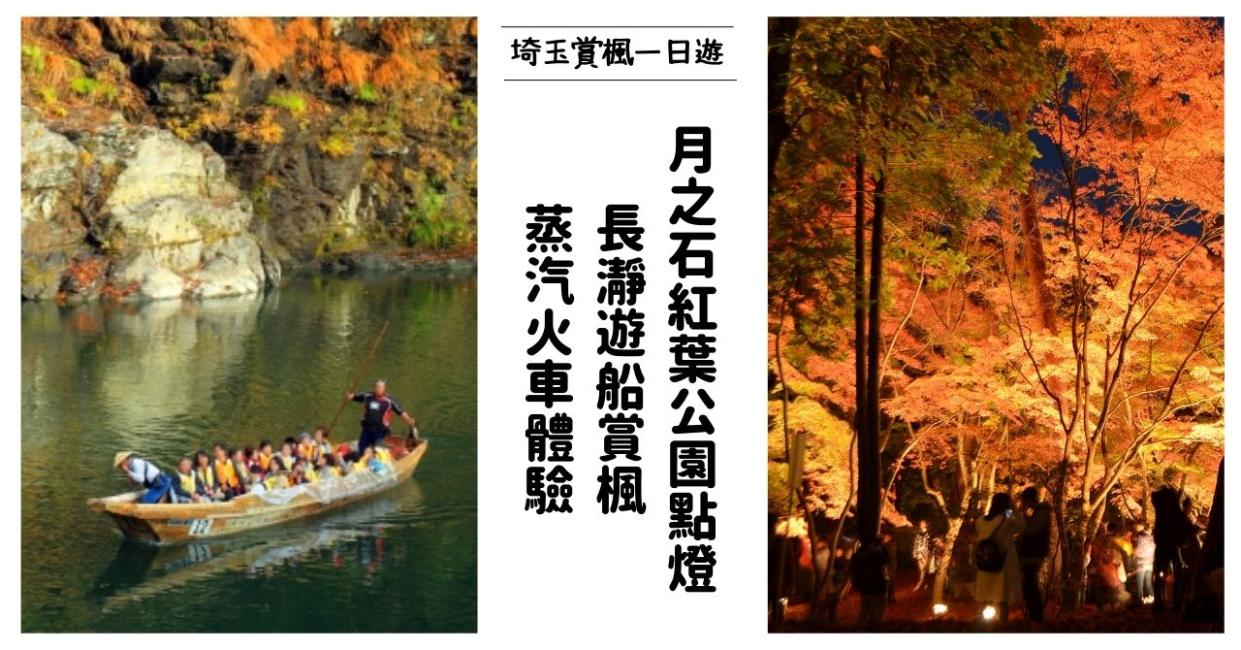
The evening illumination is expected from November 6 to 29, 2026, 16:00 to 21:00, with lit night foliage (subject to the official announcement). It is about a 15-minute walk from Nagatoro Station and about 5 minutes from Kami-Nagatoro Station. Entry during the evening illumination hours is about ¥300 (junior high school age and up, subject to the official announcement).
Hodosan Shrine: An Old Chichibu Shrine for Fire Protection and Good Matches
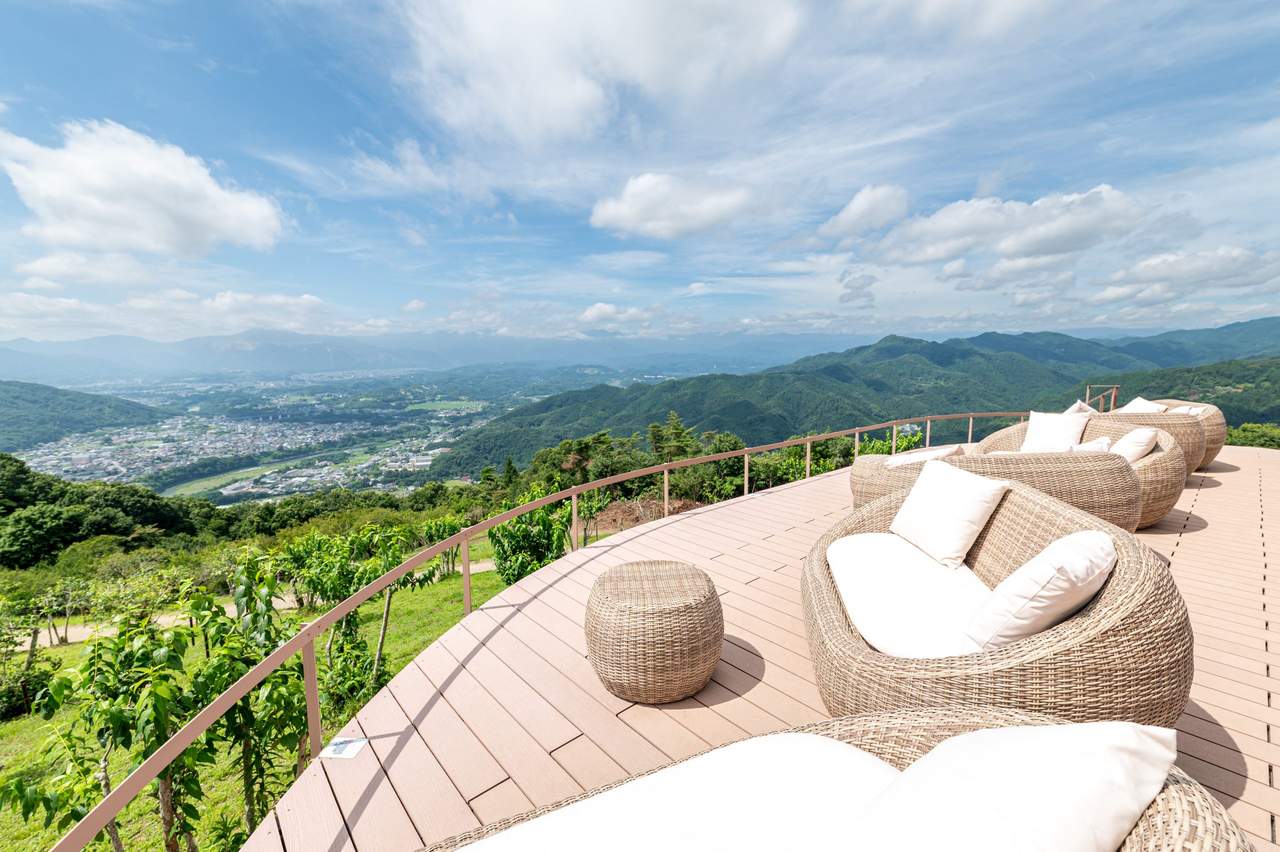
Hodosan Shrine is about a 10-minute walk from the station and is one of the three great shrines of Chichibu, said to have been founded by Yamato Takeru. The mountain’s name, Hibodome-yama (“fire-stopping mountain”), changed by sound into Hodosan, and many worshippers come to pray for fire protection, good matches, family safety and protection from misfortune.
The shrine is built in the gongen-zukuri style and was renovated from the late Edo to the early Meiji period. A free shuttle runs from the station to the shrine entrance every 15 to 30 minutes, and if you want to hike, you can walk up Mt. Hodosan from the shrine in about 1 hour and take the ropeway down.
Mt. Hodosan Summit: Ropeway Views and the February Plum Garden
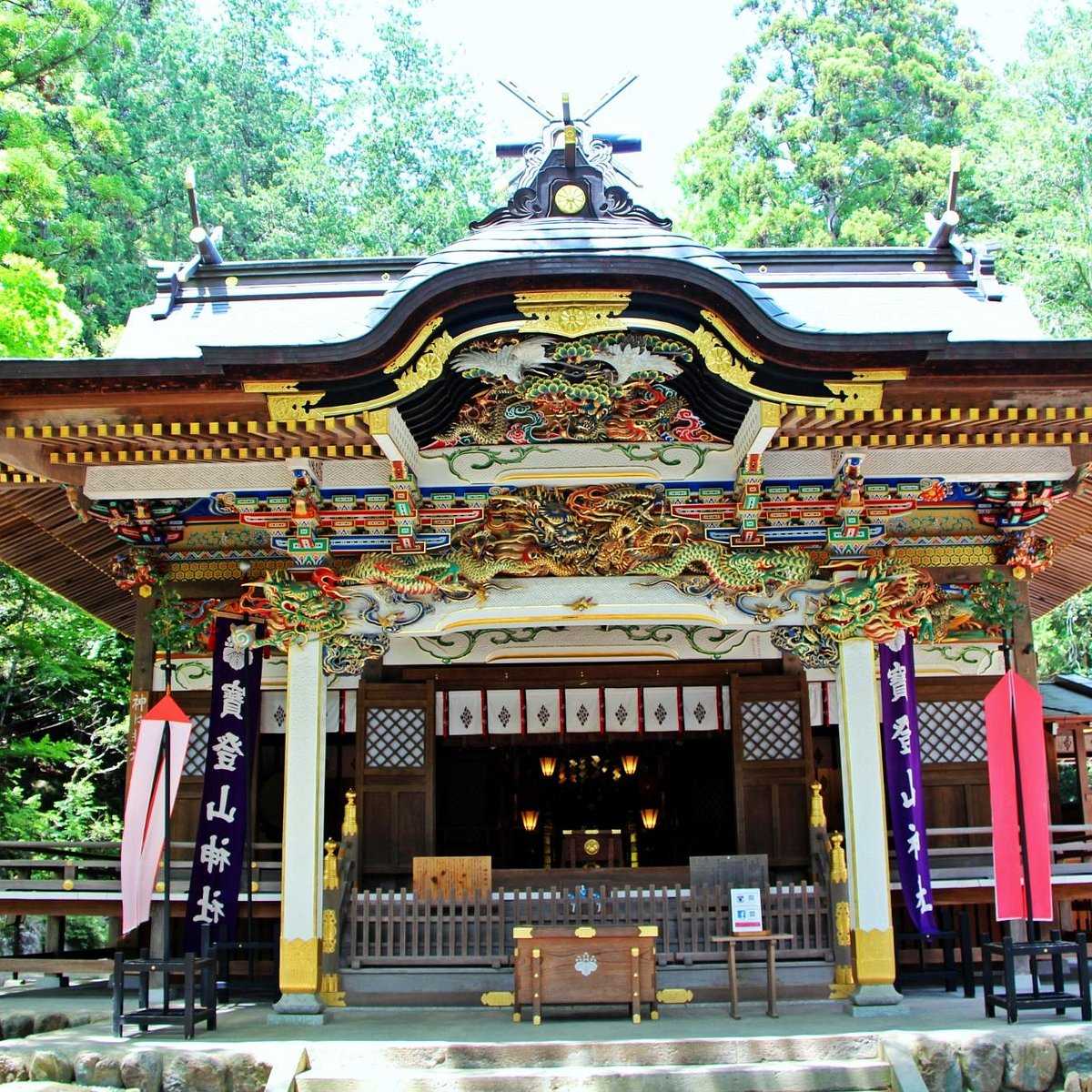
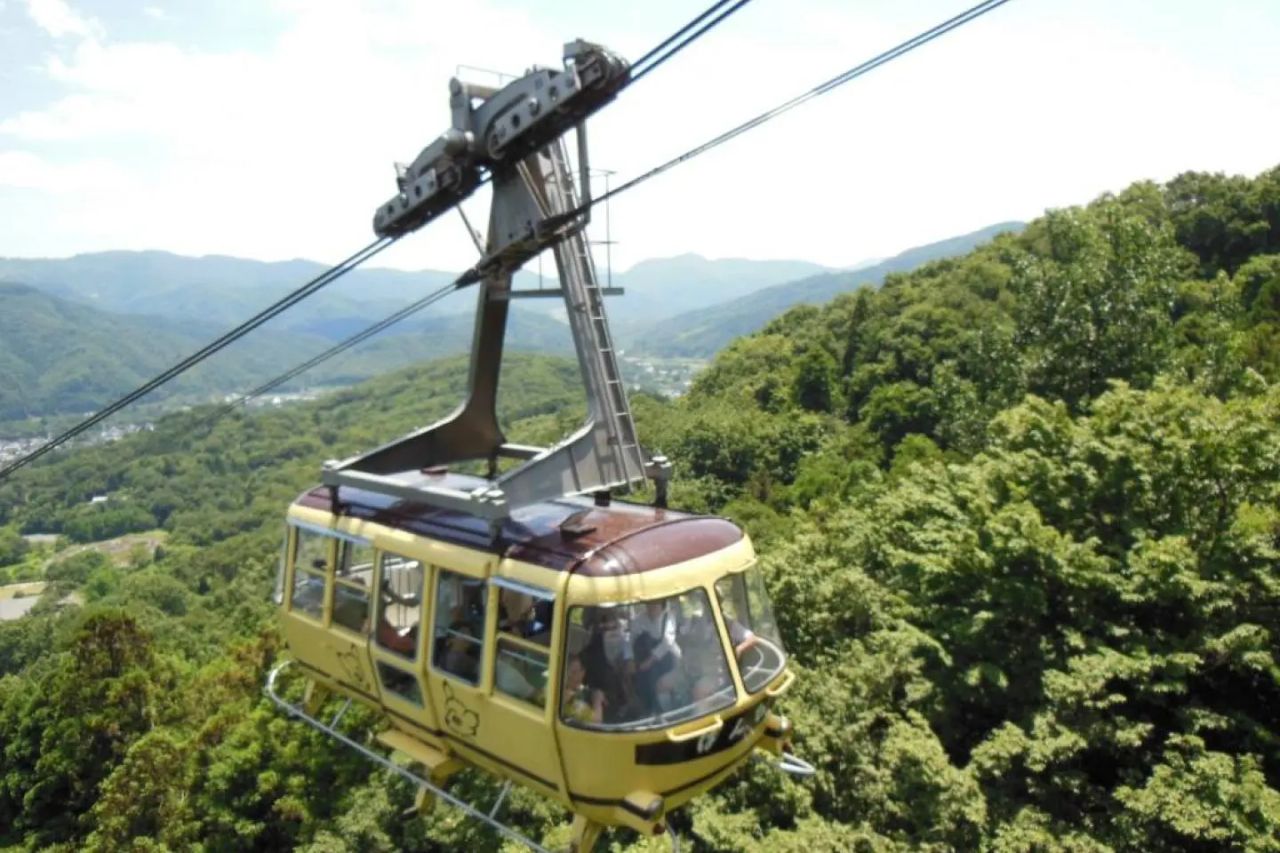
Mt. Hodosan is 497 m above sea level, and the summit overlooks Nagatoro’s streets and the Chichibu mountain ranges. In the foliage season, the ropeway’s large windows show maple leaves and the Nagatoro townscape, with around mid-November best, though some woods have already started turning red by the end of September.
The summit also has the Hodosan Plum Garden, which blooms around mid-February and is another reason to visit in winter.
Nagatoro Station: A Wooden Station Building Among the Kanto Station 100 Selection
Nagatoro Station opened in 1911 and is a representative wooden station in the area, selected for the Kanto Station 100 Selection. The mailbox in front of the station is a popular photo spot, and your trip begins and ends here.
The Nagatoro Town tourist information office next to the station hands out maps and rents bicycles. It is worth checking the day’s boat operation status here before deciding whether to ride the boat first or walk the path first.
Iwadatami Shopping Street: Salt-Grilled Sweetfish and Miso Potatoes
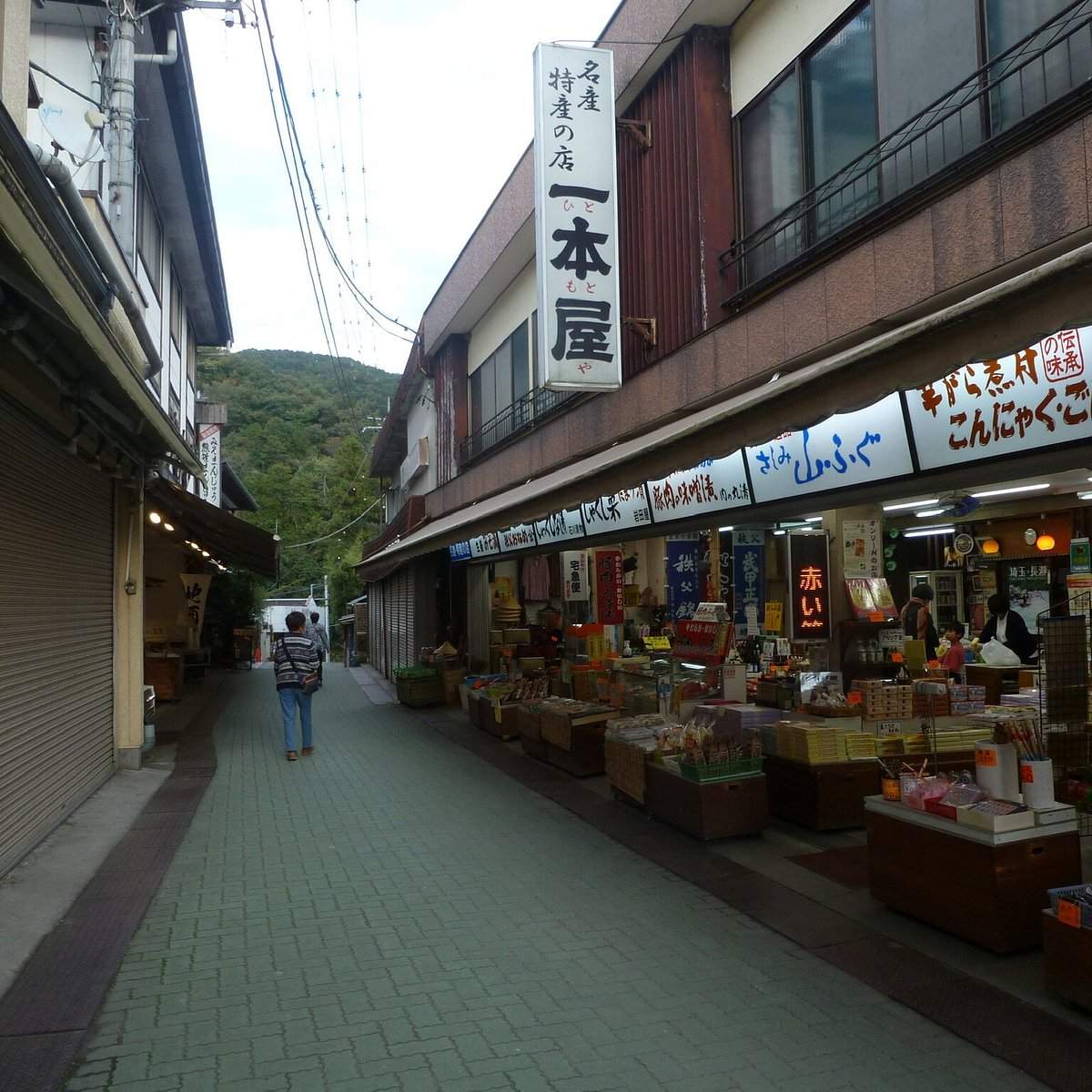
The road from Nagatoro Station to Iwadatami is a traditional shopping street, where shops sell skewered salt-grilled sweetfish, miso potatoes, pickled cucumbers and grilled-skewer snacks, ideal for eating as you walk. Along the way there are also shooting-game arcades and shops selling local whisky.
In autumn the route is crowded with visitors, and eating on the go and picking up souvenirs are part of the fun. Opening hours differ by shop, so on the way out note whether the shops you want to buy from are open.
How Much Does Nagatoro Cost? Boat Rides, Ropeway and Tickets
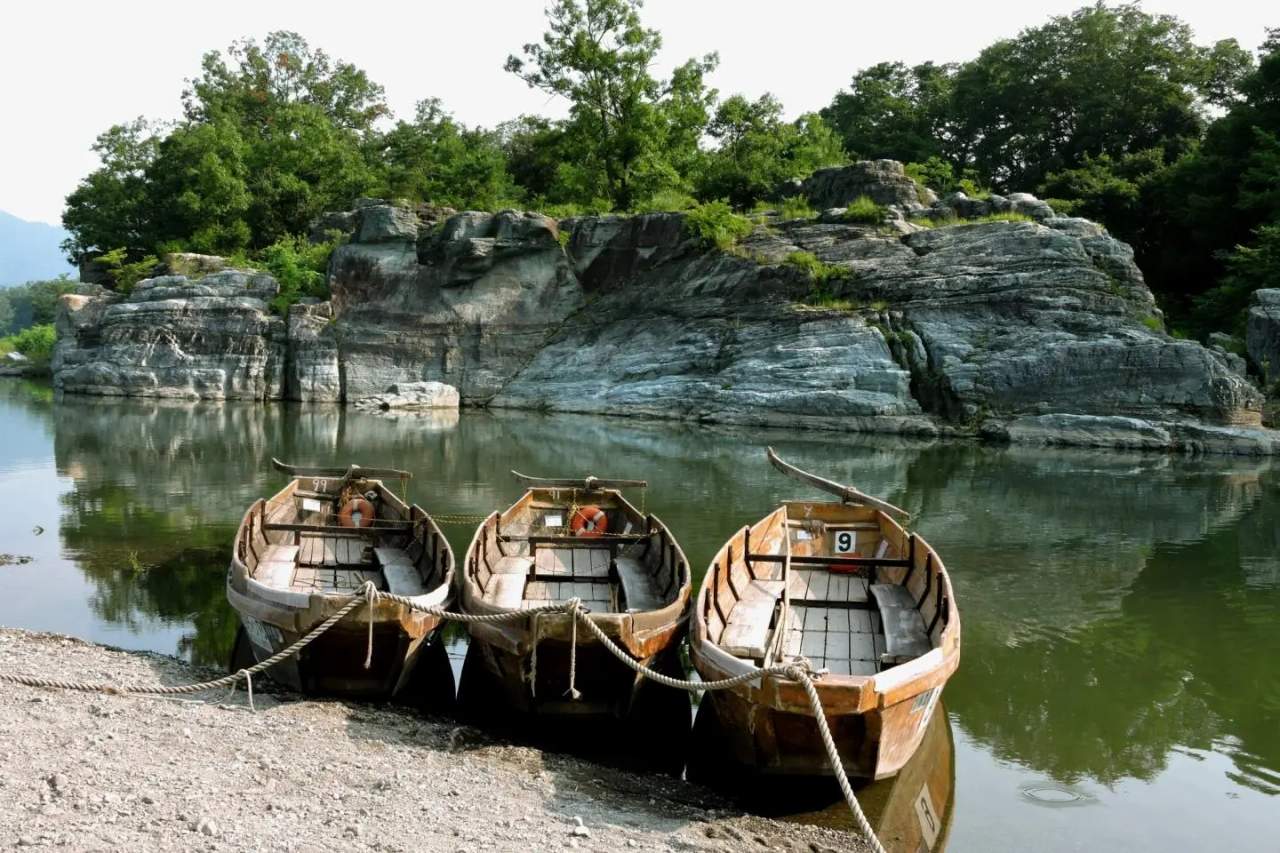
Nagatoro Boat Ride: A Century-Old Wooden Boat Through the Gorge Rapids
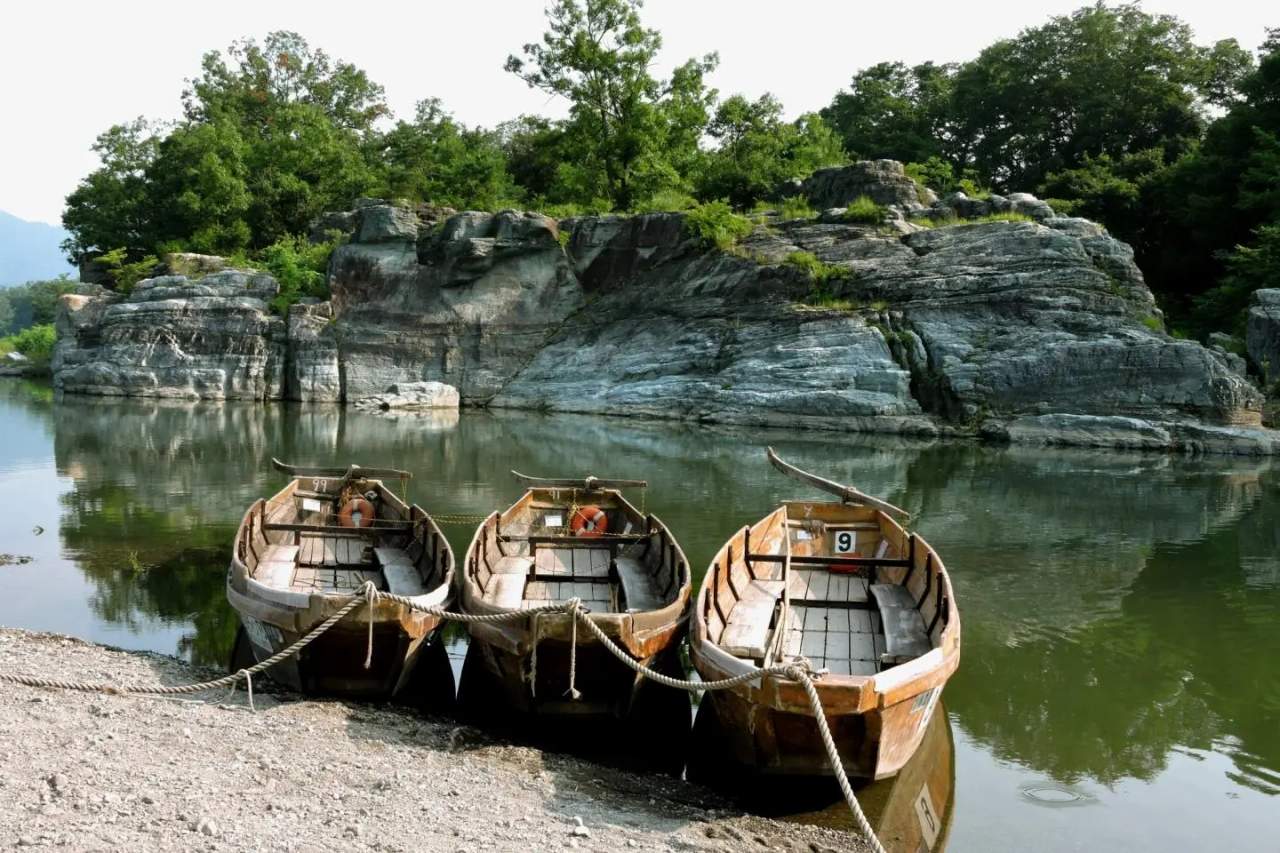
The Nagatoro boat ride has a history of more than a hundred years. A traditional Japanese wooden boat is poled by a boatman who also acts as guide. Route A runs from Oyahana Bridge to Iwadatami and route B from Iwadatami to Takasago Bridge, each about 3 km and about 20 minutes; the Kotaki-no-se and Okawa-se rapids along the way splash water.
The boarding point is under Oyahana Bridge, and from the meeting point, the boarding and river-trekking headquarters, a shuttle bus takes about 10 minutes. Registration is mostly on site, with an online priority service also offered (see the official site); a life jacket is required, and the fare is about ¥2,000 for adults (¥2,200 in busy periods).

Hodosan Ropeway Round Trip: A Roughly 5-Minute Ride to Summit Views
The Hodosan Ropeway’s base station is about a 20-minute walk from Nagatoro Station, and the ride takes about 5 minutes. A round trip is ¥1,200 for adults and ¥600 for children, with adults defined as ages 12 and up and children as ages 3 and up.
The ropeway has a regular annual inspection period when it does not run, so check the operation and suspension announcements before you go.
SEIBU 1Day Pass + Nagatoro: One E-Ticket for the Whole Round Trip
The SEIBU 1Day Pass + Nagatoro can be bought as an e-ticket on Klook and used with a QR code to pass the gates. The ticket covers unlimited rides for one day on the Chichibu Railway between Mitsumineguchi and Nogami-Nagatoro.
Riding a limited express requires a separately bought limited express ticket, and you can choose the Laview (supervised by Kazuyo Sejima). For purchase conditions and the price difference, follow the Klook product page.


Where to Stay in Nagatoro?
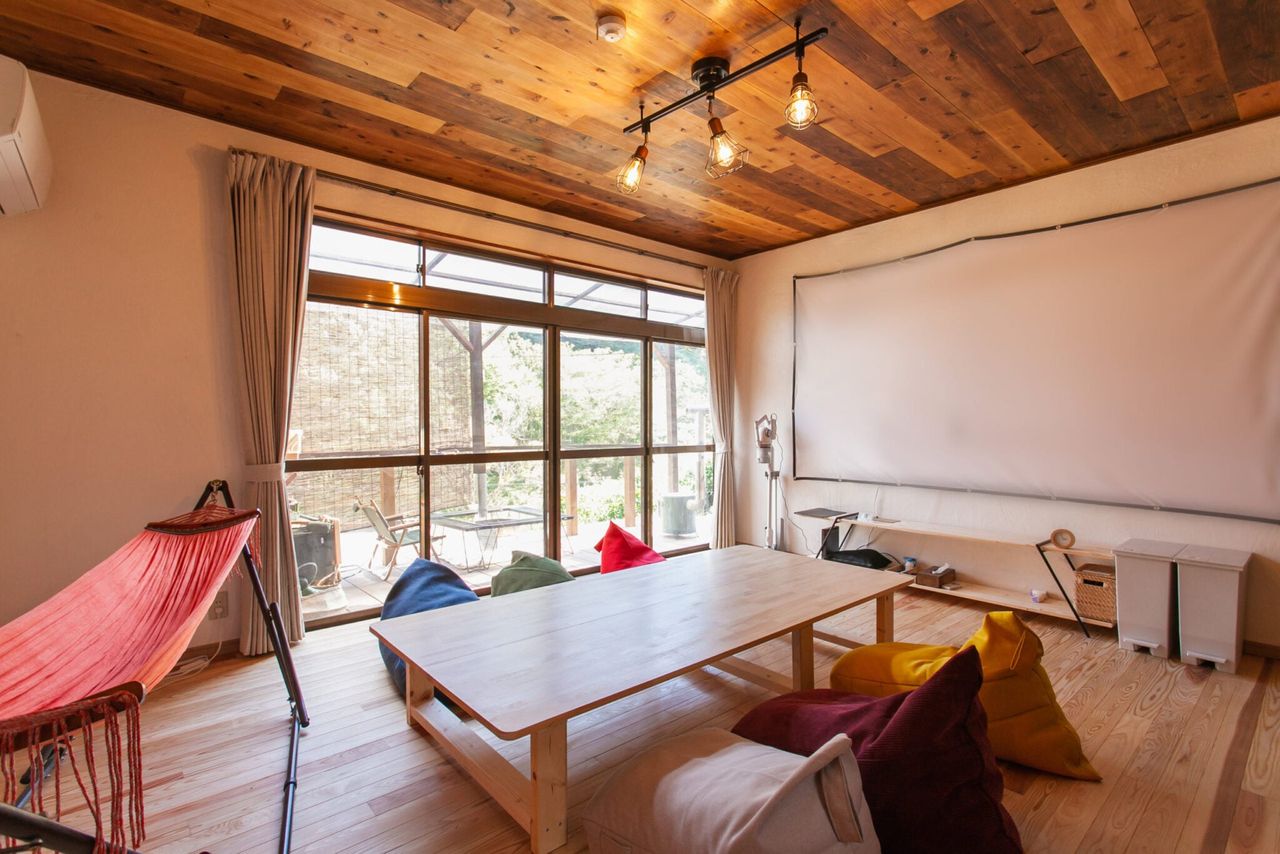
Lodging Around Nagatoro: Nagatoro or Chichibu?
There are not many places to stay around Nagatoro Station, so most travelers stay in the Chichibu area (around Seibu-Chichibu Station), or make a round trip from Tokyo in a day.
After dark, Nagatoro has few streetlights along the way, so if you plan night foliage, check the return train times in advance so you do not miss the last train.
Further Reading: A Roundup of Kanto Autumn Foliage
FAQ
Q: When are Nagatoro’s autumn leaves at their best?
In a typical year the leaves start changing in late October and peak from mid to late November, with some lasting into early December. The best time at Tsuki-no-ishi Momiji Park is mostly in November, and the 2026 Autumn Leaves Festival is expected to run from November 1 to 30 (subject to the official announcement).
Q: How much is the Nagatoro boat ride?
Fares are about ¥2,000 to ¥2,200, adjusted for the busy season and by operator. Registration is mostly on site, with an online priority service also offered (see the official site).
Q: How do I get from Tokyo to Nagatoro, and how long does it take?
Take the Seibu limited express from Ikebukuro to Seibu-Chichibu in about 80 minutes, walk about 5 to 10 minutes to Ohanabatake Station, then ride the Chichibu Railway about 20 minutes to Nagatoro, about 2 to 3 hours in all.
Q: Does the Hodosan Ropeway stop running in winter?
The ropeway has a regular annual inspection period when it does not run, so check the official announcement before you go. A regular round trip is ¥1,200 for adults and ¥600 for children.
Q: What time does the evening illumination at Tsuki-no-ishi Momiji Park start?
The 2026 evening illumination period is expected to be November 6 to 29, 16:00 to 21:00 (subject to the official announcement). Entry during the evening illumination hours is about ¥300 (junior high school age and up); details follow the official announcement.