Nara Autumn Leaves 2026 Guide: Nara Park, Tanzan Shrine, Shoryakuji and How to Plan Your Trip
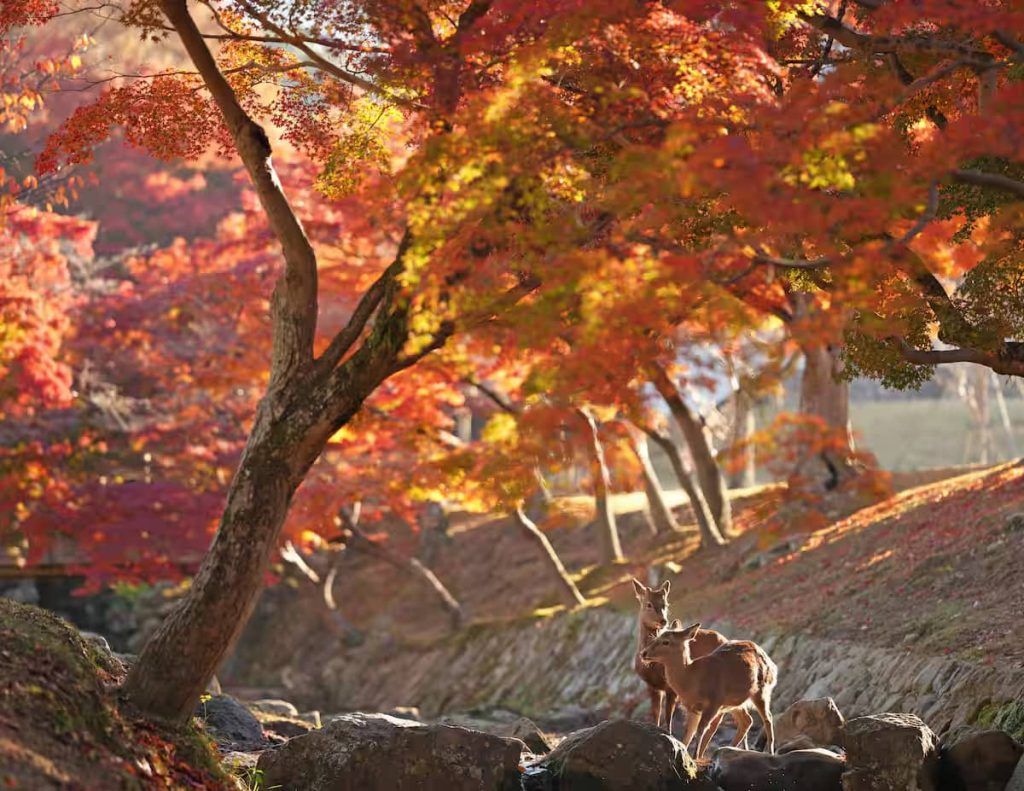
Nara autumn leaves 2026: the mountains (Mount Odaigahara) peak first from mid-October and the city around late November, with the overall peak from mid-November to early December. Ideal for travelers who love deer, ancient temples and hidden foliage spots.
Nara Park: The Classic Scene of Autumn Leaves and Deer
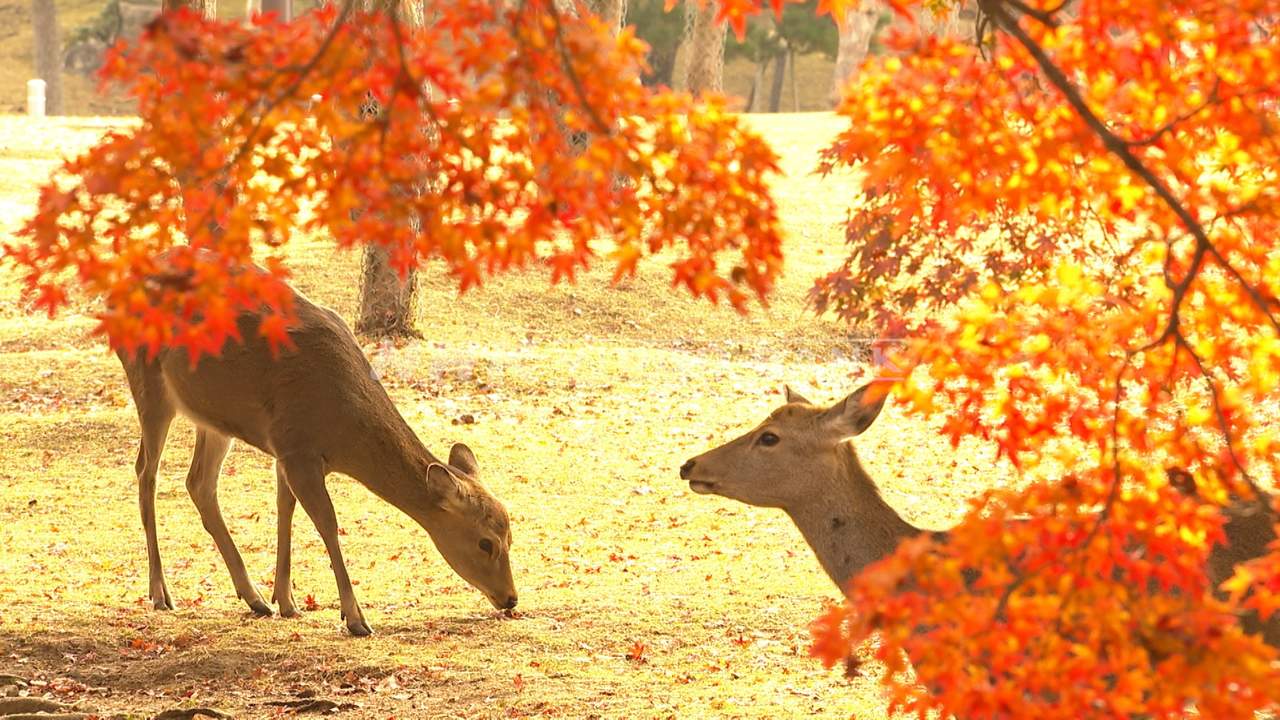
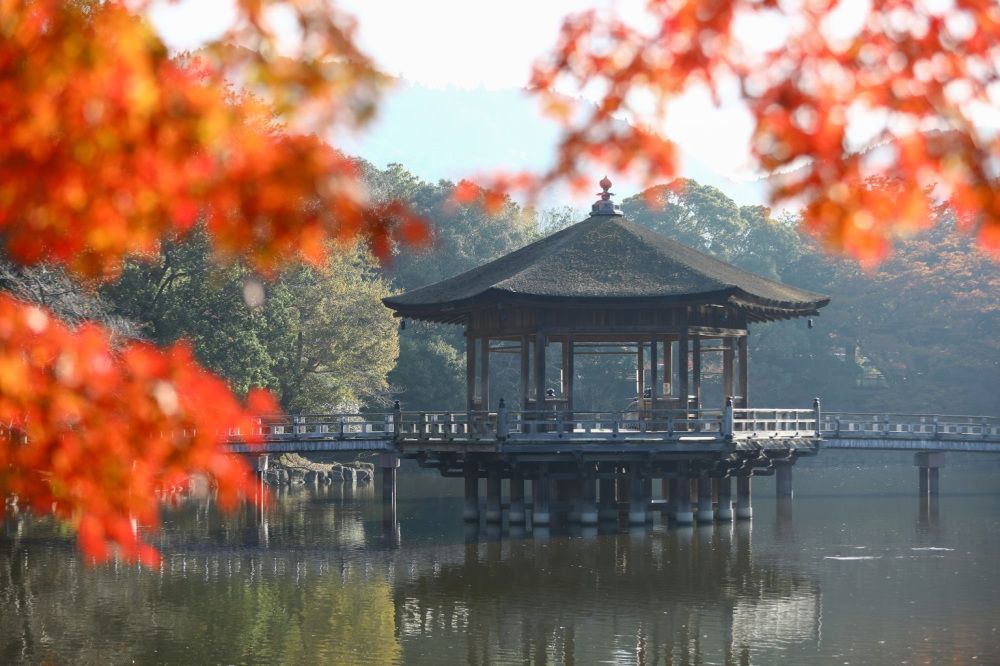
Nara Park is the easiest and most iconic place to start leaf-peeping in Nara. Red leaves with over a thousand roaming deer are the Nara autumn scene you see most on social media, and you have a chance of layered color anywhere from late October to early December.
Tanzan Shrine: Hidden Foliage Around the World’s Only Wooden 13-Story Pagoda
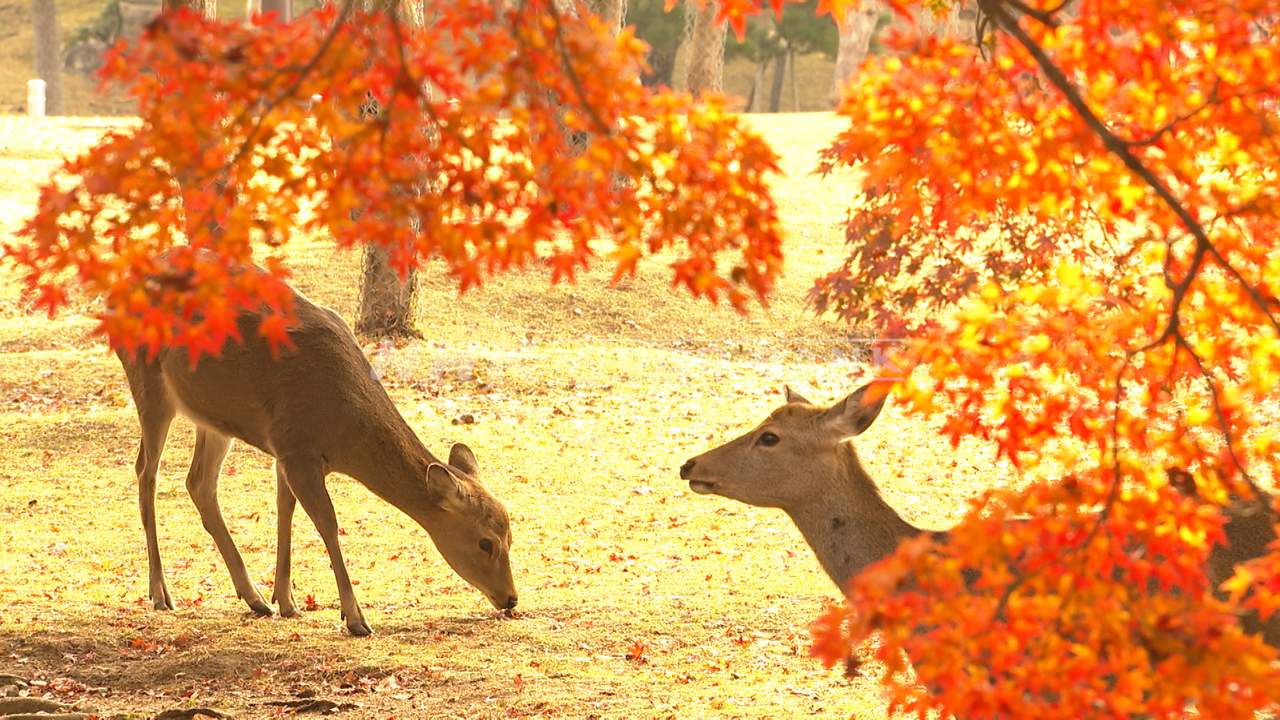
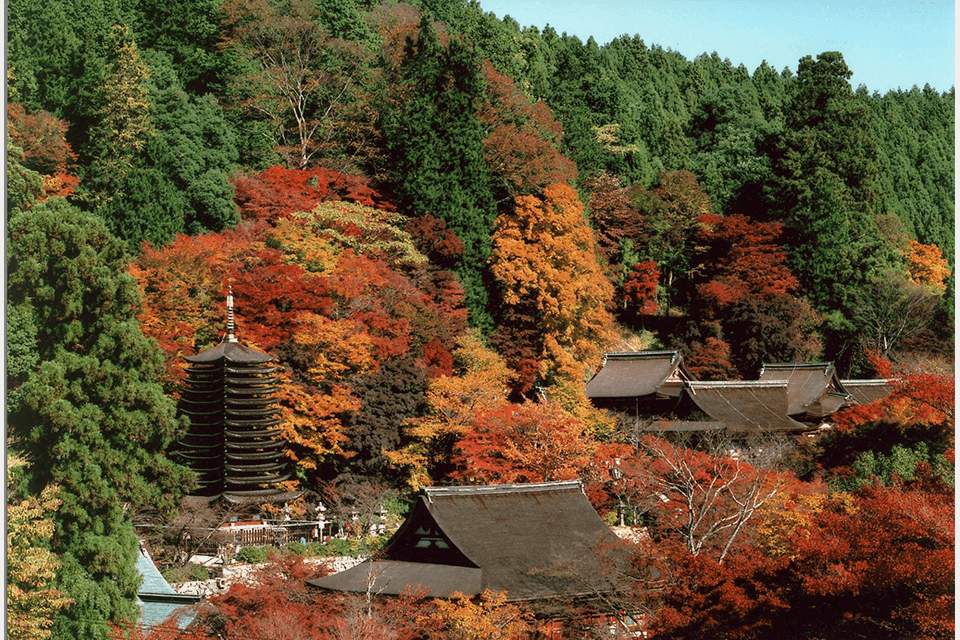
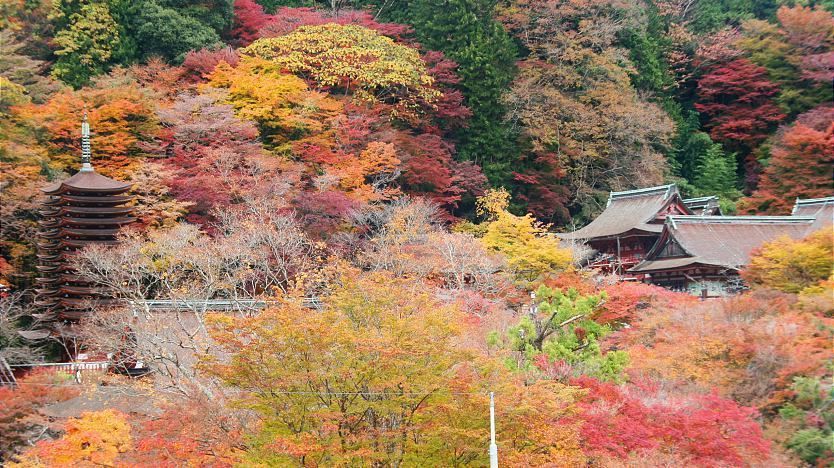
Tanzan Shrine has the world’s only surviving wooden 13-story pagoda, set in dense forest. From mid-November to early December, the autumn illumination adds an old-world mood. It takes a dedicated bus ride, but it is well worth half a day.


Shoryakuji: A Mountain Temple Draped in Color at the Birthplace of Modern Sake
Shoryakuji, also called ‘Nishiki no Sato’, is the birthplace of the bodaimoto method of brewing sake. The temple is tucked into a mountain valley, and from early November to early December the main hall is wrapped in autumn color. It suits travelers who want history and culture with quiet mountain scenery.
Short on time? Pair Nara with Kyoto’s Kiyomizu-dera, Eikando and Tofukuji, or Osaka’s Minoo Park and Osaka Castle Park, on a longer Kansai trip. Still, Nara Park, Tanzan Shrine and Shoryakuji together best cover three very different experiences: deer, history and hidden spots. Avoid busy weekend mornings.
How to Get to Nara’s 2026 Autumn Leaf Spots: Transport and Costs
Getting to Nara’s foliage spots varies a lot with distance, so here is everything in one place.
How to Get to Nara’s Autumn Leaf Spots at a Glance
- Kintetsu Nara Station / JR Nara Station: the city spots (Nara Park, Todaiji, Kasuga Taisha, Isuien) are all an 8-20 minute walk, or take the Nara Kotsu city loop bus (outer loop) about 7 minutes to the Kencho-mae stop.
- Tanzan Shrine: from the south exit of Kintetsu/JR Sakurai Station, stand 1, take the Sakurai City Community Bus Tonomine Line, about 25 minutes. Watch the last bus at 17:52: if you miss it, there may be no bus back down the mountain.
- Shoryakuji: take a bus from Nara Station to the Shimoyama stop, change to the community bus to the Yanagi-chaya stop, then walk about 30 minutes. Official site: shoryakuji.jp.
- JR Kansai Wide Area Pass: links Shin-Osaka, Kyoto, Nara and many other spots, worth buying for Kansai foliage trips of 2 days or more.
- Taxi: Sakurai Station to Tanzan Shrine takes about 15 minutes, about ¥2,600-2,800 (small to mid-size car). Drivers will find parking lots 1-5 at Tanzan Shrine, about ¥500-1,000 in the November-December peak season.


Nara Autumn Leaves 2026: Must-See Spots at Nara Park, Tanzan Shrine and Shoryakuji, Area by Area
Here are 15 must-visit autumn leaf spots in Nara for 2026 with their peak periods, ordered by popularity and uniqueness.
Nara Park: The Soothing Classic of Autumn Leaves and Deer
Nara Park is Nara’s best-known foliage spot. More than 1,000 sika deer roam under the autumn trees, a ‘leaves plus deer’ scene no other Kansai spot can copy. Misty early mornings are the photographers’ favorite. Deer crackers cost ¥200 a pack. The deer mostly gather on the Kasuga Taisha approach path and at the foot of Mount Wakakusa, where red leaves mix with evergreen pines.
The park is free and open all day, year-round, with no ticket needed. The address is 469 Zoshi-cho, Nara City. It is the hub for Todaiji, Kasuga Taisha and the Nara National Museum’s treasure hall, all within walking distance of each other.
The best viewing period is late October to early December, one of the longest of any spot in Nara. Even if you miss the peak elsewhere, trees in the park often keep turning one after another. It is about an 8-minute walk from Kintetsu Nara Station or about 20 minutes from JR Nara Station, or take the Nara Kotsu city loop bus (outer loop) 7 minutes to the Kencho-mae stop.

Tanzan Shrine: The World’s Only Wooden 13-Story Pagoda and the Stage of the Taika Reform
Its 13-story wooden pagoda (Important Cultural Property, not National Treasure) is the world’s only extant one, rebuilt in 1532 (Muromachi period); the shrine dates from 678. In 645 Fujiwara no Kamatari and Prince Naka no Oe plotted against Soga no Iruka here, starting the Taika Reform. ‘Tanzan’ (talk mountain) comes from this; it is Japan’s only shrine named for a coup plot.
The East Hall enshrines Princess Kagami and is called the ‘Koi (Love) Shrine’, popular with visitors praying for a good match and buying charms. There are 5 goshuin book designs (kama-kitsune pattern, yellow, black and red, black komainu, and landscape format). The regular goshuin ‘Tanzan Myojin’ is about ¥300, a favorite of collectors.
Admission fee: adults ¥700, elementary students ¥300, preschoolers free (revised April 1, 2026). Reception 8:30-16:00, last admission 16:30. Peak color is mid-November to early December, when an evening illumination lights the pagoda and hillside (in 2025, nightly from November 14 to December 7). It is one of Nara’s best-known night foliage spots.
Shoryakuji: A Mountain Temple Draped in Color at the Birthplace of Sake
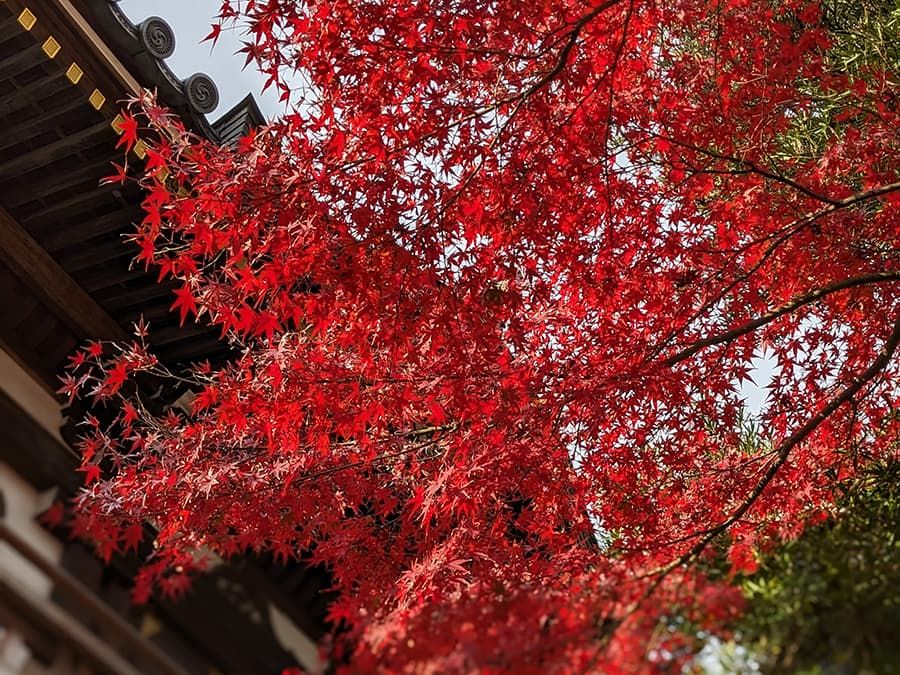
Shoryakuji’s nickname ‘Nishiki no Sato’ (village of brocade) comes from the leaves that wrap it like brocade. It is also seen as the birthplace of the bodaimoto method behind modern sake. Monks brewed here from the Muromachi period, and the temple still works with a brewery on a namesake sake. It is the only place in Nara to enjoy both autumn leaves and sake history.
Hidden in a mountain valley, the temple draws few visitors and feels serene, with layers of maples around the main hall. It suits travelers who want to avoid crowds and explore Nara’s hidden corners. The best viewing period is early November to early December, one of the longer seasons.
Getting there takes some effort. From Kintetsu or JR Nara Station, take a bus (toward Tenri/Shimoyama) to the Shimoyama stop. Change to the community bus (toward Maiyamachi) to the Yanagi-chaya stop, then walk about 30 minutes.
Todaiji: Autumn Leaves and the Great Buddha at the World’s Largest Wooden Building
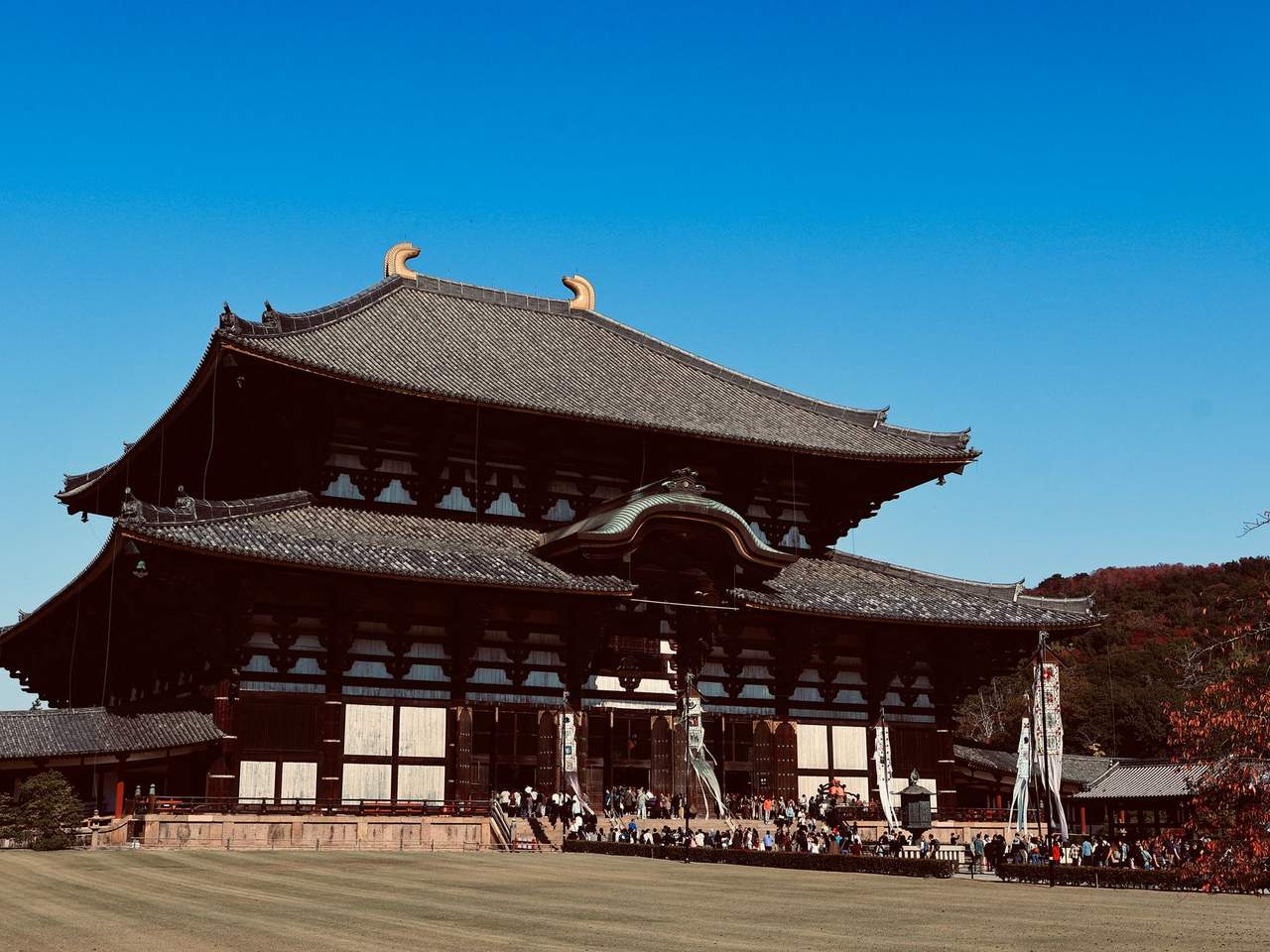
Todaiji is Nara’s signature landmark. Its Great Buddha Hall, one of the world’s largest wooden buildings, houses the 15-meter Vairocana Buddha. In autumn, red maples and golden ginkgo surround the vermilion halls, a grand scene for photos and worship alike. Evening illuminations are also often held around the foot of Mount Wakakusa in autumn.
Scattered red leaves can also be seen around Nigatsudo and Sangatsudo, and along the way you will meet deer strolling under the autumn trees.
The best viewing period is concentrated in late November, a little later than the overall peak at Nara Park, so visit in the middle to later part of the season for the fullest color. Take the city loop bus to the Todaiji Daibutsuden Kasuga Taisha-mae stop, then walk about 5 minutes to the gate.

Kasuga Taisha and Manyo Botanical Garden: Red Leaves Around a Vermilion World Heritage Shrine
Kasuga Taisha, a UNESCO World Cultural Heritage site, is known for its vermilion halls and nearly 3,000 stone lanterns along its approach path. Red leaves against vermilion make it one of Nara’s most photogenic World Heritage foliage spots. Its Manyo Botanical Garden has many plants from the Manyoshu poems, and its many maple varieties give more layered color than most groves.
The best viewing period is late November to early December, close to Todaiji, so the two fit easily into one day. Along the paths, there are plenty of chances to photograph the paths with deer in the frame.
Take a bus to the Kasuga Taisha Honden stop (about 11-15 minutes) or the Kasuga Taisha Omotesando stop (about 9-13 minutes), then walk about 10 minutes to the main shrine and the garden entrance.
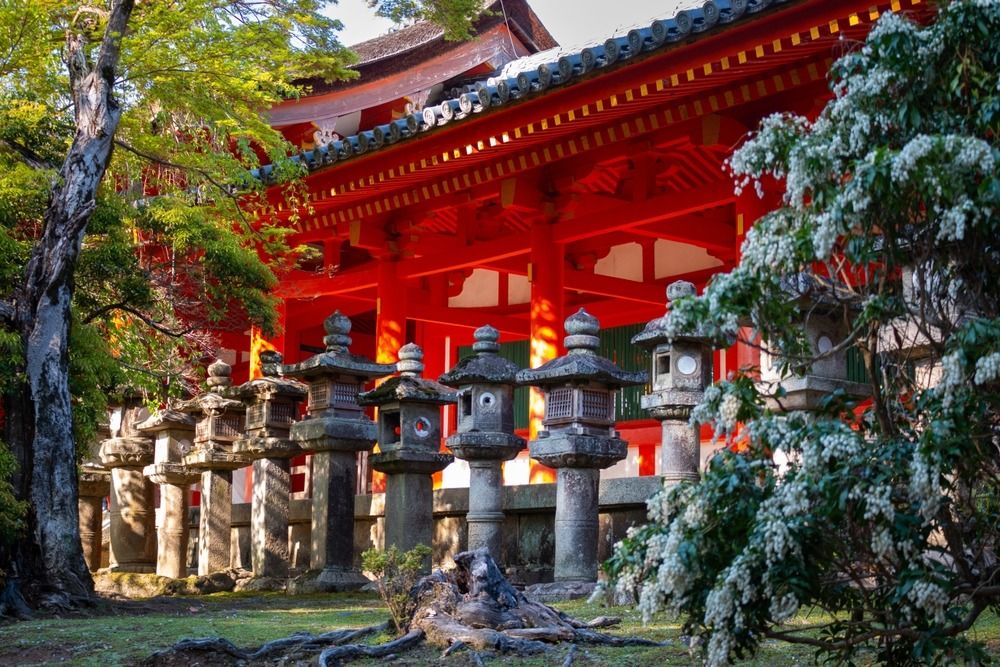

Isuien: Borrowed-Scenery Autumn Leaves in a Traditional Stroll Garden
Isuien is a famous stroll garden that uses ‘borrowed scenery’, framing Mount Wakakusa and Todaiji’s Great South Gate into its design. In autumn, red leaves reflect in the ponds by the teahouses, a must for lovers of gardens and tea culture. Address: 74 Suimon-cho, Nara City.
The garden has a Front Garden and a Rear Garden. The front centers on its pond, while the rear looks out to Mount Wakakusa and the eaves of the Great Buddha Hall. The two compositions are distinct.
The best viewing period is mid-October to late November, one of the earlier starts in Nara, so it suits the beginning of the season. It is about a 15-minute walk from Kintetsu Nara Station, passing the shopping streets on the Todaiji approach path.
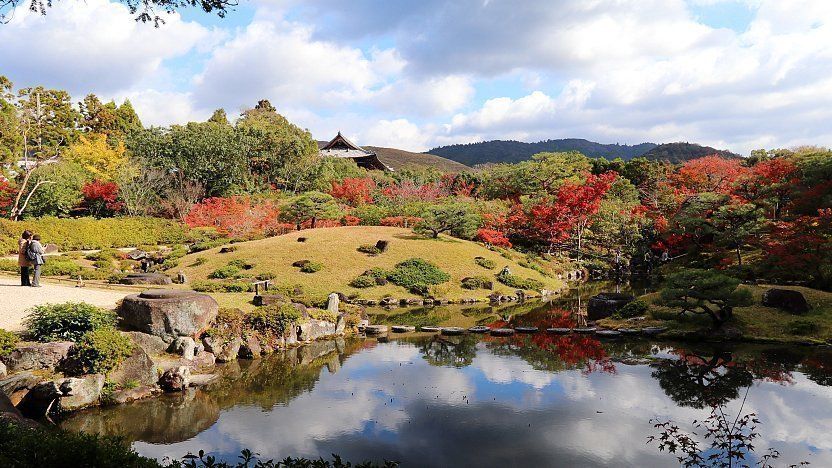

Tatsuta Park (Tatsuta Taisha): Momiji Bridge and a Place Praised in Classical Poetry
Tatsuta Park has been celebrated for its leaves since ancient times, in the Manyoshu and many classical waka poems. Its Momiji Bridge is the classic angle for reflections, the stream below framed by maples on both banks. Nearby Tatsuta Taisha, one of Japan’s oldest shrines, has a garden, pond and paths where the leaves turn from green to deep red.
The area sees relatively few visitors, ideal for a quiet stroll away from the Nara Park crowds. The paths are gentle and easy, so it also works well with older relatives or children.
The best viewing period is mid-November to early December, about the same as at Shoryakuji and Tanzan Shrine, so you can visit them on the same day. Take the JR Yamatoji Line to Oji Station and walk about 25 minutes, or to Horyuji Station and walk about 31 minutes. Allow plenty of walking time.
Hasedera: 399 Stone Steps to Autumn Leaves and an Evening Illumination
Hasedera is known for its grand covered corridor: 399 stone steps up to the main hall’s stage, which looks over a whole valley of color. It takes stamina, but few Nara spots reward you with a more striking view. During the foliage season an evening illumination lights the steps and leaves, so arrive before dusk to catch it.
The temple is also the head temple of the Buzan school of Shingon Buddhism and enshrines an Eleven-Headed Kannon. After praying you can get charms and goshuin, combining worship with leaf-peeping.
The best viewing period is mid-November to early December. It is about a 15-minute walk from Kintetsu Hasedera Station to the gate.
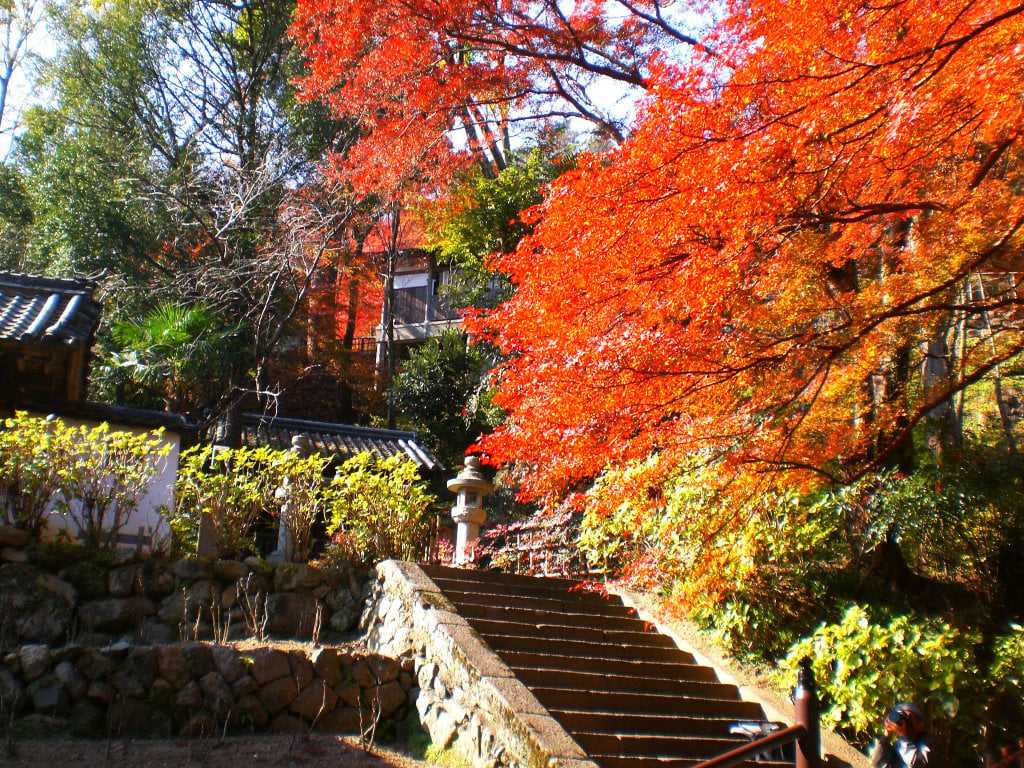

Mount Yoshino: A Famous Cherry Blossom Mountain That Changes Color in Autumn
Mount Yoshino is a World Heritage site famous for its spring cherry blossoms, but its autumn leaves are just as impressive. The mountain is divided by altitude into Shimo-Senbon, Naka-Senbon and Kami-Senbon, and the color moves from the foot to the summit in gradual layers. It is one of the few places in Nara to see a whole mountainside of autumn leaves at once.
Hikers can walk the Shichimagari path for about 20 minutes to the Shimo-Senbon area, with great views on the way. The mountain trail has steep ups and downs, so wear comfortable, non-slip hiking shoes to avoid slipping on wet stone steps.
The best viewing period is early November, earlier than the spots in Nara City. Take Kintetsu to Yoshino Station, then the Yoshino Ropeway (Senbonguchi Station to Yoshinoyama Station) to skip the climb. The official site yoshinoyama-kankou.com has ropeway timetables and fares.
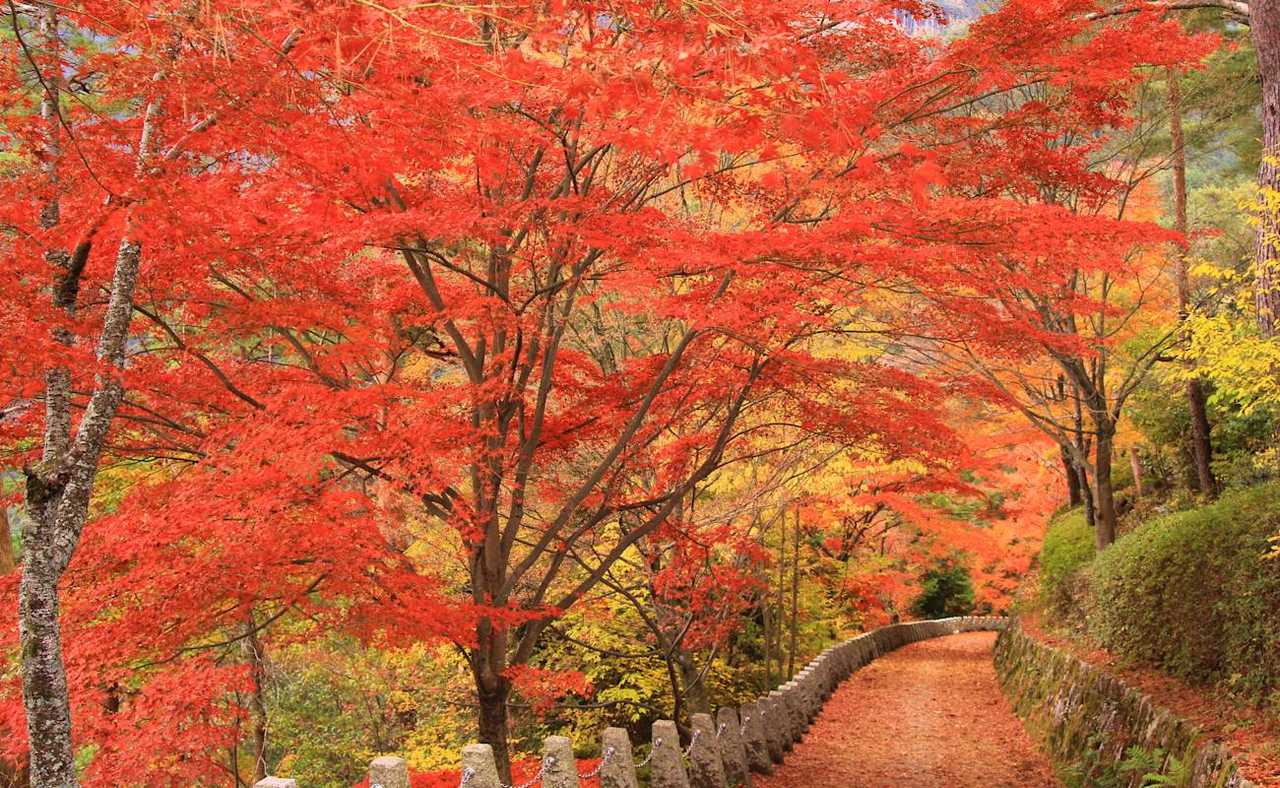
Mount Odaigahara: The Earliest Alpine Foliage on the ‘Roof of Kinki’
Mount Odaigahara, known as the ‘Roof of Kinki’, has the earliest season of all Nara’s foliage spots, peaking as early as mid-October, more than a month ahead of Nara City. It suits travelers who want to see the leaves first and avoid the later crowds. The terrain is high and the weather changes quickly.
The summit area has a full network of hiking trails with sweeping views of mountains and seas of clouds. Red leaves mix with conifer forest, a landscape very different from the historic sites of Nara City, ideal for hikers planning a full day.
The best viewing period is mid-October to late October. Take the Kintetsu Yoshino Line to Yamato-Kamiichi Station, then a bus to the Odaigahara Visitor Center. The ride is long, so plan an early start.
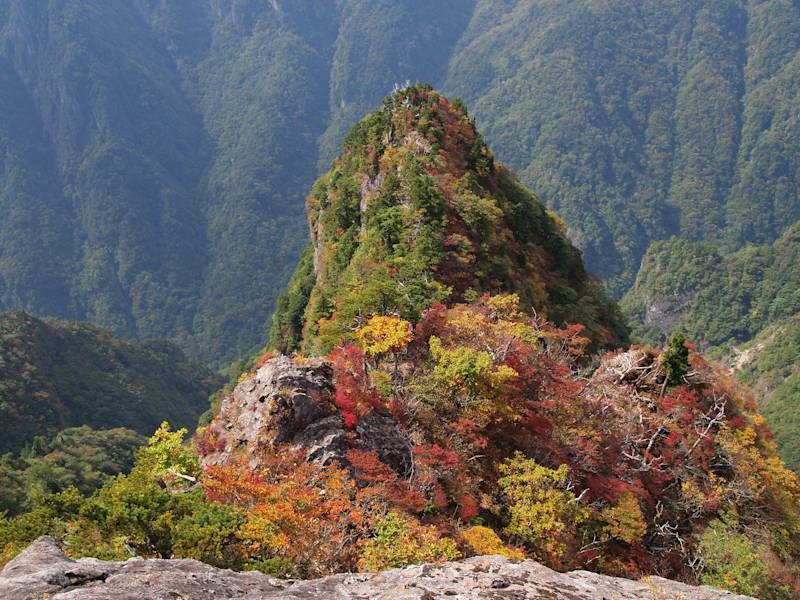
Tomi Shrine: A Little-Known Forest Foliage Hideaway
Tomi Shrine is the least-known and most untouched of Nara’s foliage spots. It sits in a forest in Sakurai City, surrounded by dense trees and almost free of tourists, ideal for travelers looking for a secret spot away from the crowds. The shrine buildings are rustic, and red leaves dot the forest paths, a mood quite unlike the popular spots.
It is out of the way, so wear shoes suited to mountain paths. Phone signal in the forest may also be unreliable, so download an offline map beforehand.
The best viewing period is early November to early December, a fairly wide window. It is about a 13-minute walk from JR or Kintetsu Sakurai Station, one of the few hidden spots you can reach on foot from a station in town.
Mitarai Valley: Clear Autumn Leaves Among Waterfalls and Streams
Mitarai Valley is famous for crystal-clear streams and tiers of waterfalls. Red leaves reflect in the clear water as the falls murmur, the most wild and dramatic scenery among Nara’s foliage spots. Along the hike, layered maples on both banks come into view again and again, and color and water play off each other. It is especially popular with hikers and gorge photographers.
The route goes on foot into the gorge, so wear non-slip hiking shoes and carry plenty of water. The round-trip hike takes about 1-2 hours depending on your pace, suited to travelers with good stamina who can set aside half a day.
The best viewing period is early to mid-November, earlier than most spots in Nara. Take Kintetsu to Shimoichiguchi Station, then the Nara Kotsu bus (toward Dorogawa Onsen/Nakahisen) to the Tenkawa-Kawai stop, and hike about 40 minutes to the main scenic area of the gorge.

Okadera (Ryugaiji): Quiet Autumn Leaves at an Ancient Saigoku Pilgrimage Temple
Okadera’s formal name is Ryugaiji. It is one of the 33 Kannon temples of the Saigoku pilgrimage and enshrines a seated Nyoirin Kannon, Japan’s largest sculpted Buddha statue. The temple’s history goes back to the Asuka period, and its buildings set against red leaves feel solemn and timeless, an important stop for travelers interested in Buddhist culture and pilgrimage routes.
The temple is in Asuka Village, one of Nara’s key historic preservation areas, surrounded by many Asuka-period sites. Along with the leaves, you can visit nearby spots such as the Ishibutai Kofun to make a full history route.
The temple sits in hilly terrain and the approach path has some slope, so wear good walking shoes. It is out of the way and public transport is infrequent, so driving or booking a private car is more convenient.
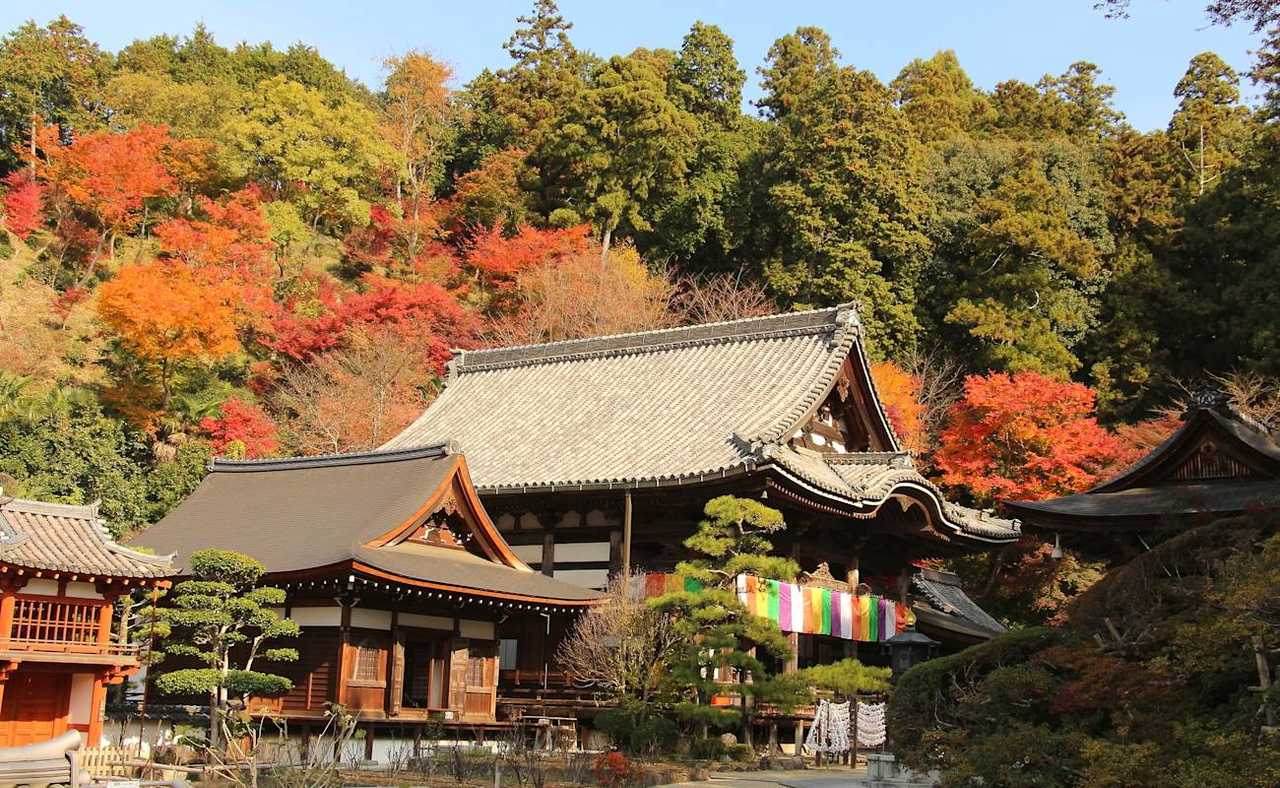
Takatori Castle Ruins: Autumn Leaves at One of Japan’s Three Great Mountain Castles
The Takatori Castle Ruins rank with Bitchu Matsuyama Castle and Iwamura Castle as Japan’s three great mountain castles. At 584 meters, it is one of the largest surviving mountain castle sites in Japan. Its walls and stone foundations hide among red trees, and an autumn visit has a grand, melancholy ‘castle in the sky’ feel that draws history fans and photographers.
The castle site is on a summit, so reaching it takes a fair amount of hiking. The mountain trail is thick with red leaves and left largely undeveloped, so wear hiking boots and allow at least half a day for the round trip.
The address is Takatori, Takatori-cho, Takaichi-gun, Nara Prefecture. It is remote and public transport is limited, so drive or combine it with a private car tour around Asuka Village.
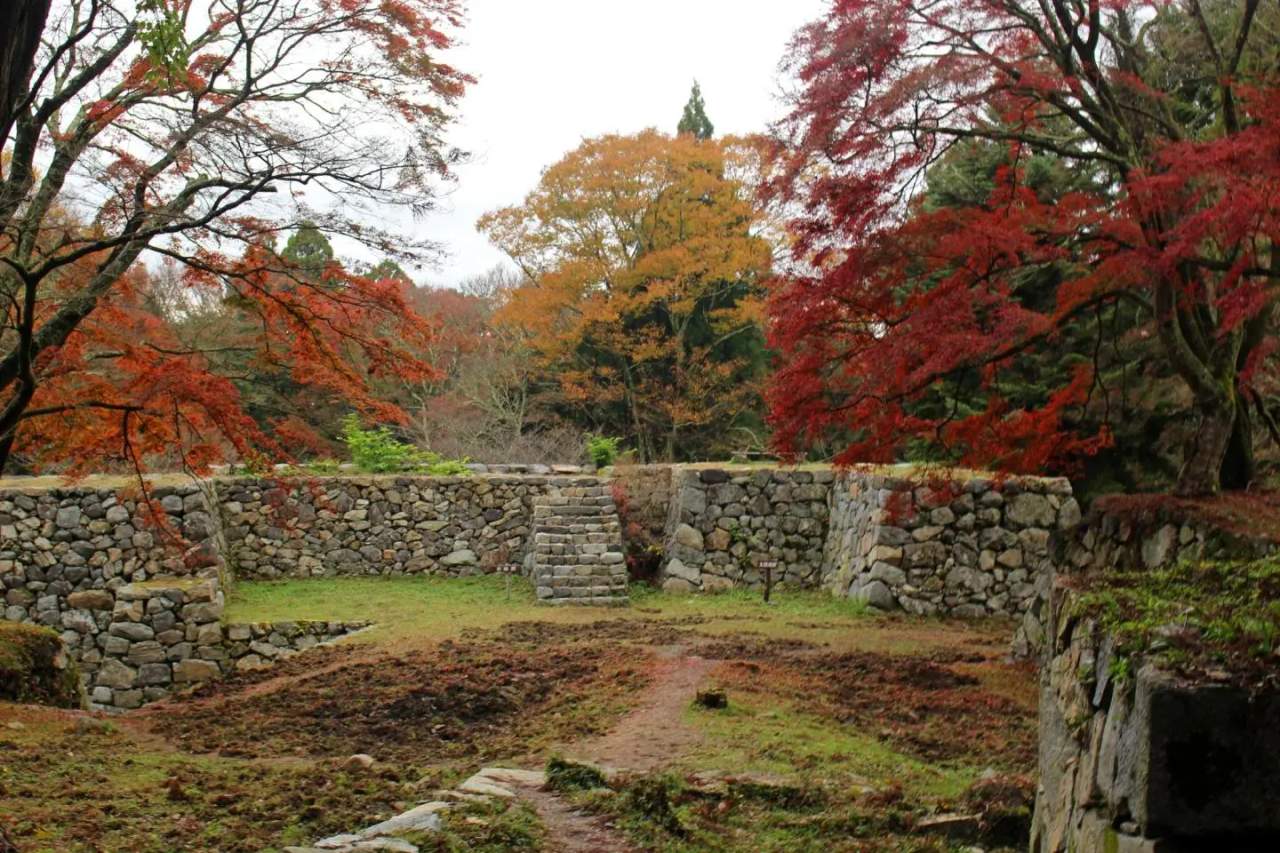
Muroji: Autumn Leaves at the Mountain Temple Known as ‘Women’s Koya’
Muroji has long been called ‘Nyonin Koya’ (Women’s Koya) because it allowed women to worship, in contrast to men-only Mount Koya. It is the head temple of the Muroji school of Shingon Buddhism, and its five-story pagoda is one of the smallest wooden five-story pagodas in Japan. In autumn, red leaves around the old pagoda create a classic Japanese scene.
The temple is hidden deep in a valley, and its approach path climbs stone steps lined with layers of maples. The mood is serene and otherworldly, a good choice for travelers who like remote mountain temples and want to avoid the crowds.
The address is 78 Muro, Uda City, Nara Prefecture. It is in a remote mountain area and the journey is long, so plan a full day.
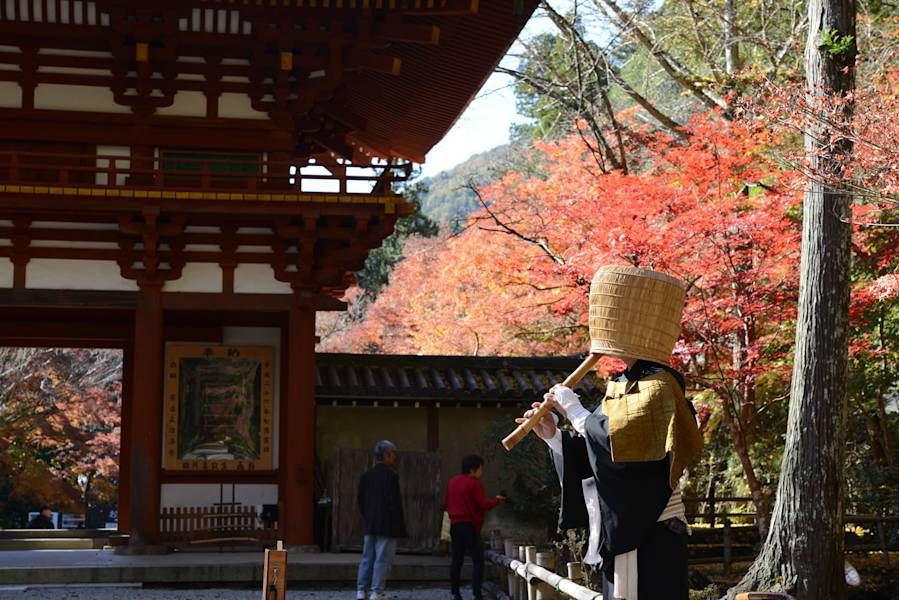
How Much Does a Nara Autumn Leaves Trip Cost in 2026? Tickets, Private Cars and Tour Options
Spending on Nara foliage is very flexible, from a nearly free walk in Nara Park to a private-car day covering Tanzan Shrine, Shoryakuji and Hasedera. Here are the four most common ways to do it in 2026, so you can pick what fits your budget and time.
Nara Park plus Todaiji and Kasuga Taisha on Your Own: Leaves and Deer Without an Admission Ticket
Nara Park itself is free and open all day, the top choice on a budget. It is about an 8-minute walk from Kintetsu Nara Station or about 20 minutes from JR Nara Station, or take the Nara Kotsu city loop bus about 7 minutes to the Kencho-mae stop, from about ¥230.
The park links Todaiji, Kasuga Taisha and the National Treasure hall. Todaiji’s general admission fee is ¥600 for adults, free for junior high students and younger; worship at Kasuga Taisha’s main sanctuary is another ¥200. Deer crackers are ¥200 a pack, the cheapest way to get the classic leaves-and-deer scene, with color in varying shades from late October to early December.
For a more relaxed visit, add an Isuien ticket (¥1,200 for adults) for its autumn garden with Mount Wakakusa as borrowed scenery. Overall, half a day on the highlights of Nara City can be kept within ¥1,000 to ¥2,000, ideal for first-time independent travelers with limited time.
Tanzan Shrine Autumn Illumination Packages: Night Foliage at the World’s Only Wooden 13-Story Pagoda
Tanzan Shrine’s 2026 admission fee is ¥700 for adults, ¥300 for elementary students and free for preschoolers. Reception is 8:30 to 16:00, last admission 16:30. At peak color, mid-November to early December, special evening illumination visits run nightly and the pagoda looks even more solemn. It is one of the few Nara spots for both daytime and night foliage.
The last community bus leaves at 17:52, so after the illumination you will often miss the last ride down. Book a pickup through a travel agency or taxi company; the estimated fare is about ¥2,600 to ¥2,800. Some private car tours bundle this pickup with admission as a package, so you do not have to arrange it yourself.
Souvenir collectors can add a goshuin book, with 5 official designs to choose from; the regular goshuin is about ¥300. Packages with admission, pickup and goshuin generally run about ¥3,500 to ¥5,000, good for travelers who want to dive into the history and the evening mood.
Nara Autumn Leaves Private Car Day Tour: Nara Park, Tanzan Shrine and Shoryakuji in One Day
Tanzan Shrine and Shoryakuji are both on the outskirts of Nara, with infrequent public transport and several transfers. Many travelers choose a private car day tour on KKday or Klook. Prices depend on car type and group size, at about ¥3,000 to ¥6,000 per person; a small car for up to 6 people runs about ¥25,000 to ¥35,000 for a day (admission not included).
A typical itinerary starts with leaves and deer-feeding at Nara Park in the morning. Around noon you head to Shoryakuji, the ‘birthplace of modern Japanese sake’, for its Nishiki no Sato foliage garden. In the afternoon you visit Tanzan Shrine and its 13-story pagoda, with the evening illumination as an option, and time permitting add Hasedera or a Miwa somen dinner.
The biggest advantage of a private car is skipping Shoryakuji’s complicated route, with two bus rides and a 30-minute walk. It can also time Tanzan Shrine’s night foliage to sunset, making it the most efficient way to cover all three spots. It is especially good for trips with older relatives or travelers carrying luggage.
JR Kansai Wide Area Pass: The Ticket for Linking Nara with Kyoto and Osaka Foliage Spots
If you plan to combine Nara with other Kansai foliage spots such as Kyoto’s Kiyomizu-dera, Eikando and Tofukuji or Osaka’s Minoo Park and Osaka Castle Park, JR West’s JR Kansai Wide Area Pass is good value. It gives unlimited rides on JR conventional lines and limited express trains in the Kansai area for 5 consecutive days.
You can pre-buy an exchange voucher on platforms such as KKday and Klook before you leave, often slightly cheaper than buying in Japan. It suits foliage trips of 4 days or more across Nara, Kyoto, Osaka and even Enryakuji on Mount Hiei in Shiga.
The pass does not cover Kintetsu lines or Nara Kotsu buses. If your trip centers on Tanzan Shrine and Shoryakuji, you still need separate Kintetsu tickets or community bus fares, so judge by where you will actually travel. For a simple day trip in Nara City, it may not pay off.
Where to Stay for Nara Autumn Leaves 2026: Nearby Hotels and Local Food

Here are suggestions for places to stay and food stops to add to a Nara foliage trip.
Hotels Around Kintetsu Nara Station: Walk to Nara Park and Todaiji
From Kintetsu Nara Station you can walk to the main city foliage spots such as Nara Park, Todaiji and Isuien. It is the most convenient base for a Nara foliage trip and makes it easy to head out to Tanzan Shrine or Shoryakuji the next day.
Hotels Around Sakurai: A Safe Choice After Tanzan Shrine’s 17:52 Last Bus
If you plan to stay until the Tanzan Shrine evening illumination ends, the last community bus leaves at 17:52, so stay near Sakurai Station. The next day you can head to Hasedera or the Miwa area at a relaxed pace and avoid the risk of getting around the mountains at night.
Miwa Somen at Senjutei: A Must-Eat Near Tanzan Shrine and Hasedera
Senjutei is a long-established somen restaurant in the Miwa area, close to Tanzan Shrine and Hasedera, making it an easy meal stop on a foliage trip. Its signature Miwa somen is known for its fine, delicate noodles, a traditional dish of the Nara area with a thousand-year history.
Further Reading: Kansai Autumn Leaves Roundup

Nara Autumn Leaves 2026 FAQ
Q: When is the best time to see autumn leaves in Nara in 2026?
The mountains (Mount Odaigahara) peak first from mid-October, and Nara City around late November. The overall peak is mid-November to early December, so plan your spots in stages.
Q: How much is admission to Tanzan Shrine, and how late is it open?
¥700 for adults, ¥300 for elementary school students, free for preschoolers (from April 2026). Reception is 8:30-16:00, last admission 16:30, with extended evening hours during the autumn illumination.
Q: How do I get from Osaka or Kyoto to Nara for the autumn leaves?
Take Kintetsu or JR straight to Nara Station; the city spots are within walking distance. For Tanzan Shrine, change to the Sakurai City community bus. Using the JR Kansai Wide Area Pass to link the trip is a good idea.
Q: Are Nara’s foliage spots crowded? What should I keep in mind?
Nara Park is busier on weekends and holidays, so go on a weekday or early morning. Wear non-slip shoes, follow temple and shrine etiquette, do not pick leaves or litter, and bring a jacket for the big day-night temperature swings in autumn.
Q: What is the best time of day for leaf-peeping, and what colors are the leaves?
Early morning has soft light, best for photos, while colors are most saturated around midday. Nara’s leaves are mainly orange-red and deep red, with some varieties mixing in gold.
Q: Can I picnic or feed the deer in Nara Park?
Yes. Many lawns in the park are good for picnics, and deer crackers are about ¥200 a pack. When feeding, show open hands so the deer do not nip at your clothes.
Q: If I miss the peak, can I still see autumn leaves in Nara?
Yes. Nara Park’s season runs from late October to early December, and Mount Odaigahara, Isuien and other spots each peak at different times, so if you miss one there are others to see.