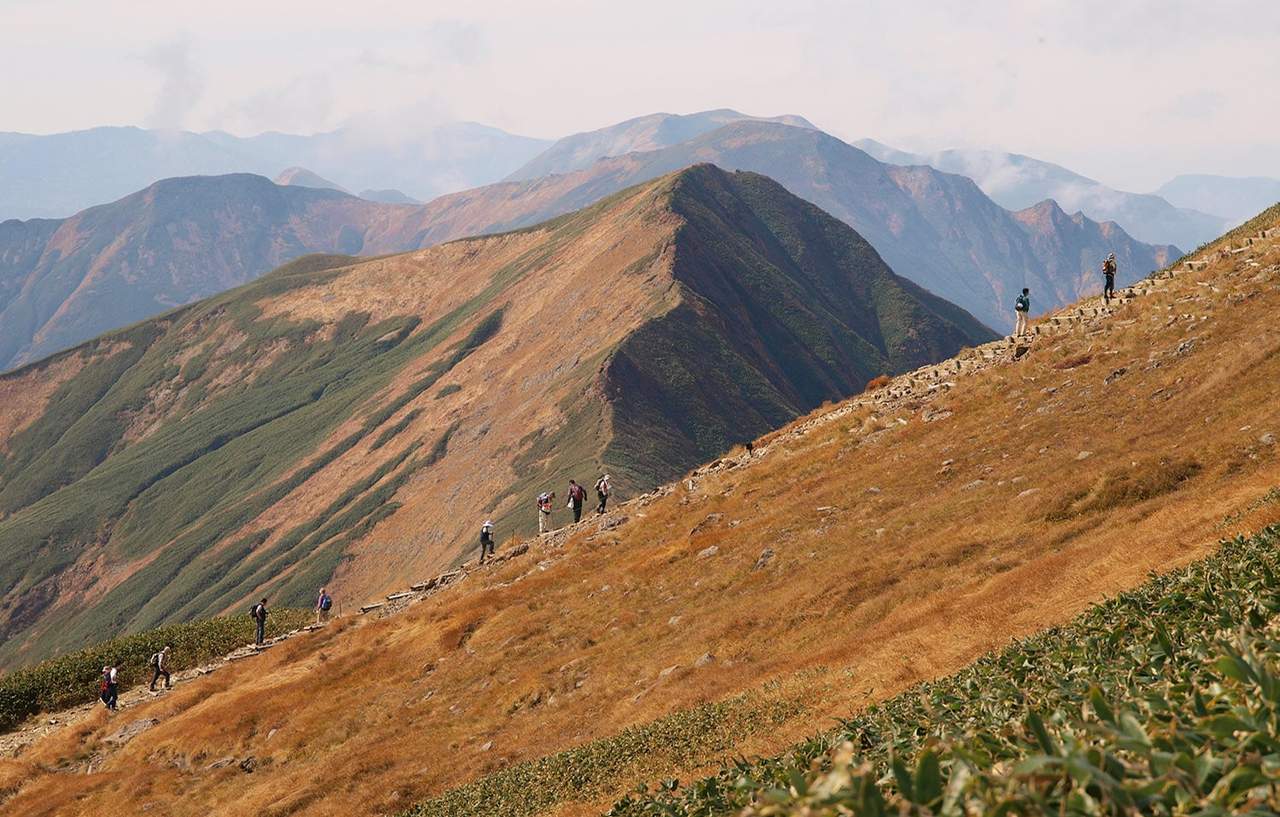
Mt. Tanigawa Autumn Leaves: Gradient Foliage on One of Japan’s 100 Famous Mountains
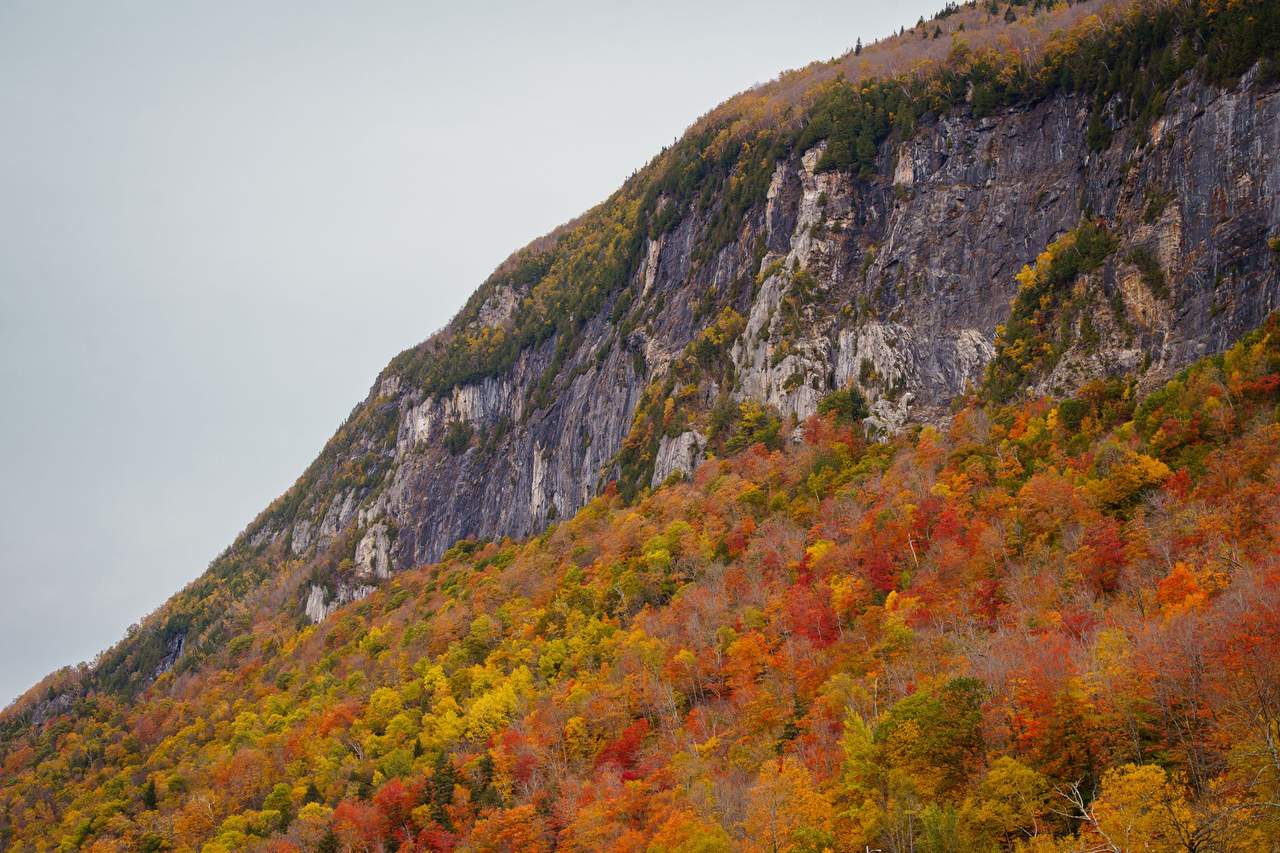
Mt. Tanigawa sits on the border of Gunma and Niigata prefectures at 1,977 meters. It is one of Japan’s 100 Famous Mountains and a representative high-mountain foliage spot near Tokyo.
2026 Peak Foliage: Summit, Tenjindaira and Foot of the Mountain by Altitude
Color began at the summit in late September with rowan (nanakamado), and by early to mid October the summit was nearly bare. Tenjindaira (about 1,319 meters) nears its peak from mid to late October, mostly with beech and maple, and the foot of the mountain (maple) peaks around early November.
Color moves down the mountain roughly every 2 to 3 weeks. Walker Plus updated on October 15, 2026 and listed Mt. Tanigawa as “starting to color” (irozuki-hajime), so late October is best for Tenjindaira and the ropeway line.
What Kind of Mountain Is Mt. Tanigawa: A 1,977-Meter Mountain Among Japan’s 100 Famous, Nicknamed “Demon Mountain”
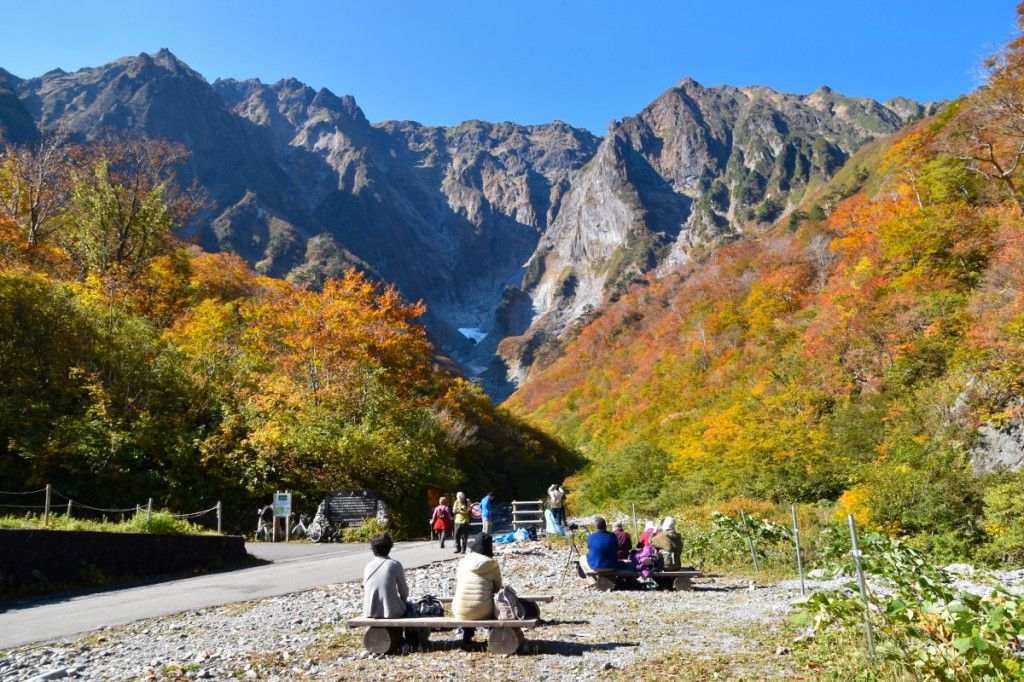
Mt. Tanigawa is 1,977 meters high, lies inside Joshinetsu Kogen National Park, and is one of Japan’s 100 Famous Mountains. Its twin peaks are Manaita-gura (1,977 meters) and Tomanomimi (1,963 meters). The steep terrain has caused many accidents over the years, earning it the nickname “Demon Mountain.” It is in Minakami Town, Tone District, Gunma Prefecture.
Who Is It For? Choosing Between the Ropeway, a Tenjindaira Walk and a Summit Hike
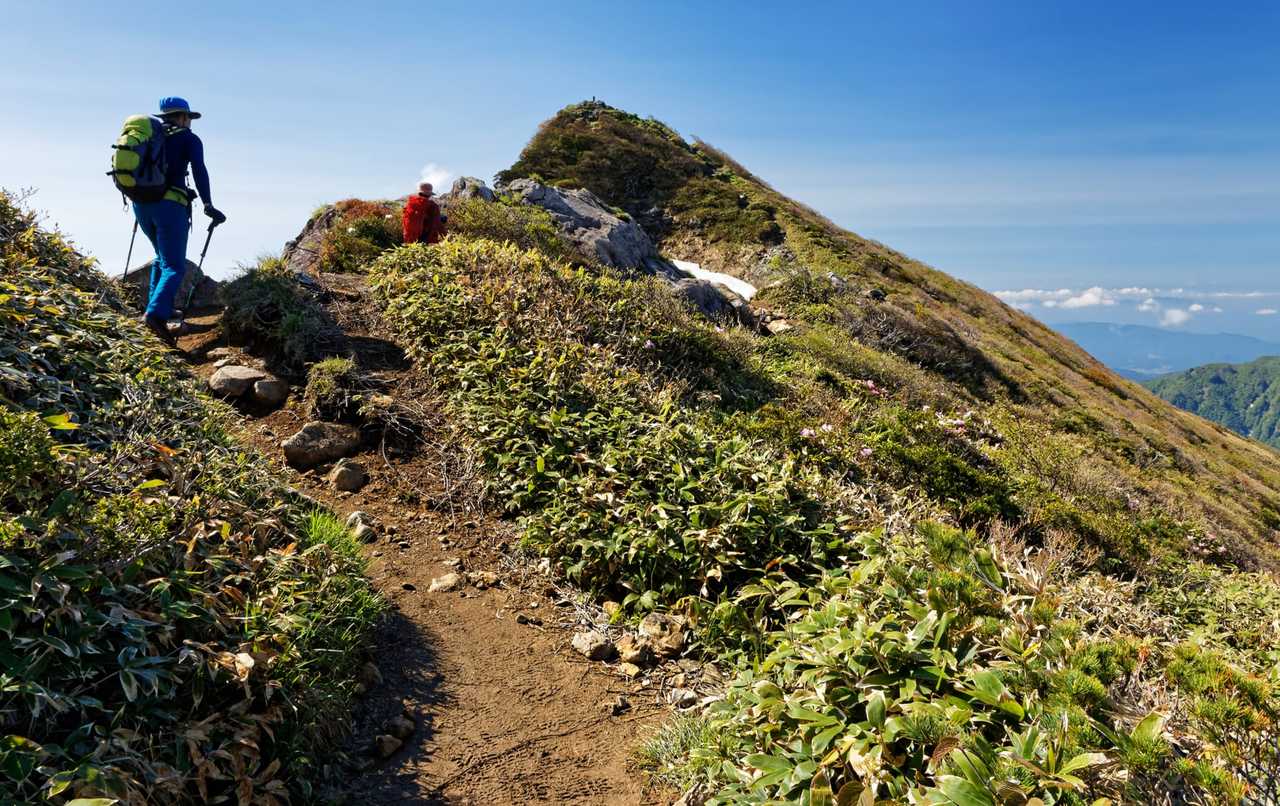
If you only want to see the leaves and have average fitness, take the ropeway to Tenjindaira and walk around. Tenjindaira to Tenjin-toge (about 1,500 meters) is about a 30-minute walk, or about 7 to 10 minutes by chairlift. To reach the summit, the Tenjin Ridge is the beginner’s first choice.
A one-day trip can combine the ropeway, Tenjindaira and Tenjin-toge. A two-day trip can add Ichinokurasawa or Minakami Onsen. If you only ride the ropeway for the leaves, allow about 5 hours.
Getting to Mt. Tanigawa: Transport from Tokyo
Tokyo to Mt. Tanigawa: Shinkansen, Bus, Local Train and Driving Compared
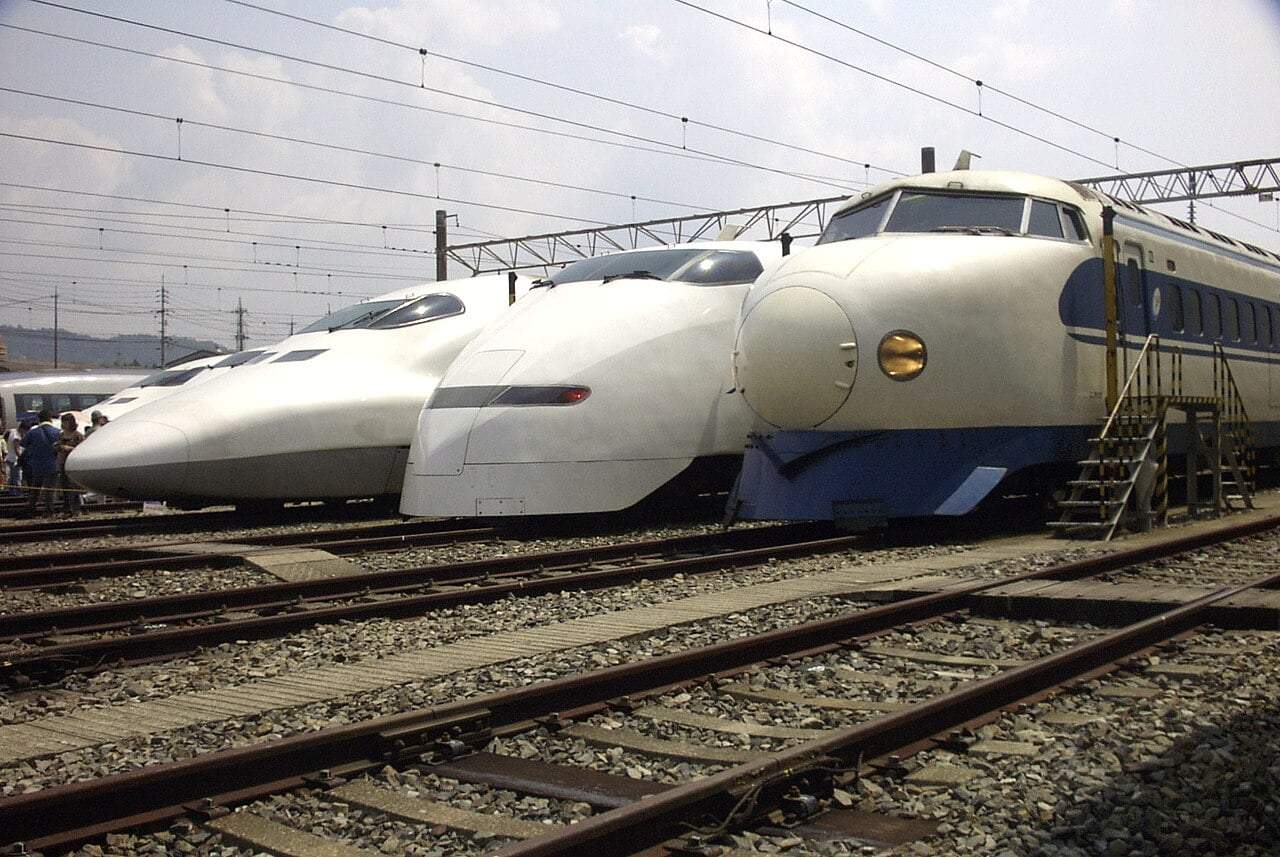
From Tokyo, the Joetsu Shinkansen takes about 70 minutes to Jomo-Kogen Station, and the JR Tokyo Wide Pass can be used. At boarding stop 1 outside the station, take the Kanetsu Kotsu “Minakami / Tanigawadake Ropeway” bus, about 45 to 50 minutes to the ropeway station. Some runs end at Minakami Station, so check before boarding.
By local train, change at Takasaki to the JR Joetsu Line to Minakami Station, then take a bus about 20 to 25 minutes. By car, take National Route 291 from Minakami IC on the Kan-Etsu Expressway, about 14 km to the ropeway station.
The Minakami area pass gives unlimited rides on designated buses for 3 days and is sold at the Tone-Numata Wide-Area Tourist Service Center or the Minakami Town Tourism Association. Book train seats online in advance, and go by the Kanetsu Kotsu website for bus times.


What Are the Must-See Spots at Mt. Tanigawa?
The spots below are grouped by ropeway line, hiking routes and nearby extensions.
Tenjindaira: A Plateau Walk at the Ropeway Terminus
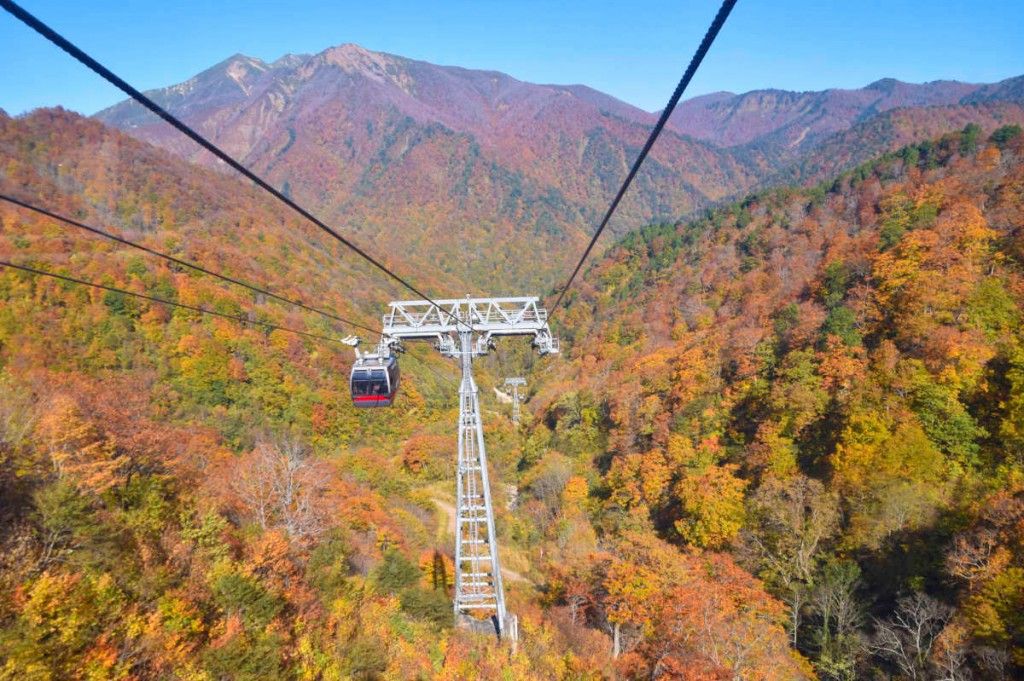
Tenjindaira is at 1,319 meters and is the first stop the ropeway reaches, with grounds suited to an easy stroll. The Rainbow Walk takes about 20 minutes and offers views of Mt. Tanigawa and the surrounding mountains, so even less fit visitors can finish it easily.

Tenjin-toge: A 1,500-Meter Lookout Reached by Chairlift
Tenjin-toge Station is at about 1,500 meters and is reached from Tenjindaira by a two-seat chairlift in about 7 to 10 minutes. The lookout at the station has a 360-degree view of Mt. Tanigawa, Mt. Nikko-Shirane and Mt. Akagi.
Depending on the time of year you may see Mt. Fuji, but it is not guaranteed, so check the day’s visibility before you arrive. The height difference from Tenjindaira to Tenjin-toge is about 183 meters, and the view from the chairlift is the main highlight of this stretch.
Tenjin Ridge: The Beginner’s First Summit Route
The Tenjin Ridge is the best summit route for beginners. It starts at Tenjindaira and passes the Kumaanazawa refuge hut, Tengu-no-tomariba and Kata-no-koya to Tomanomimi, about 5 hours in all. Tenjindaira to Kumaanazawa takes about 1 hour, and to the summit about 2.5 hours.
The Nishi-Kuro Ridge is one of the three great steep climbs. It starts next to Doai-guchi Station, and its slope is steep, with a clear gap in difficulty from the Tenjin Ridge.
Ichinokurasawa: One of Japan’s Three Great Rock Faces, with Three-Tone Foliage and Cliffs
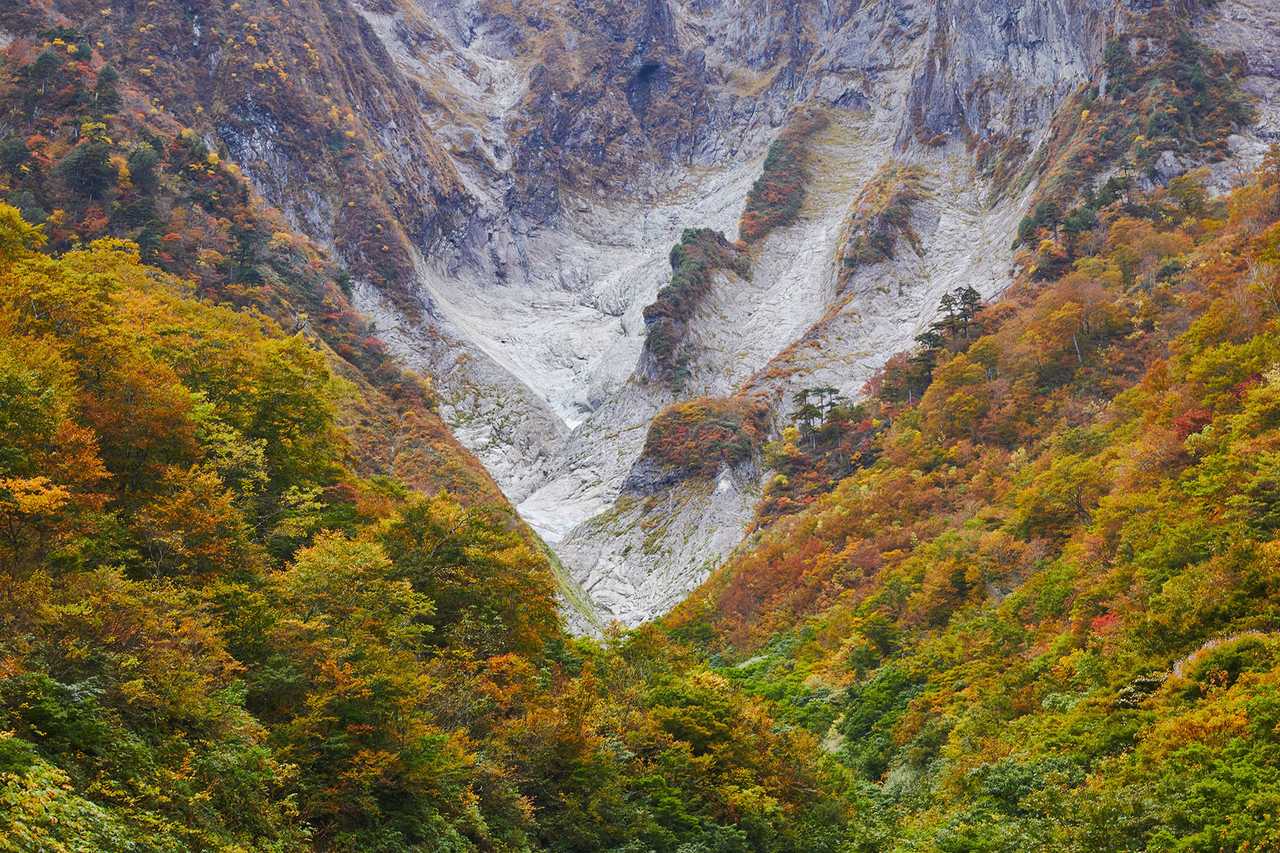
The Ichinokurasawa rock face is about 700 meters high and nearly 800 meters wide, and is often counted among Japan’s three great rock faces. From mid to late October, leaves, cliffs and early snow mix, and with luck you can see three-tone foliage.
It is about a 1-hour walk one way from the Tanigawadake Station base plaza on a flat road, with only the first 5 minutes uphill. Near the ropeway station you can switch to an electric eco bus, capacity 8, first come first served, running from late May to late October (suspended in bad weather).
Doai Station: A Station 70 Meters Underground with 462 Steps
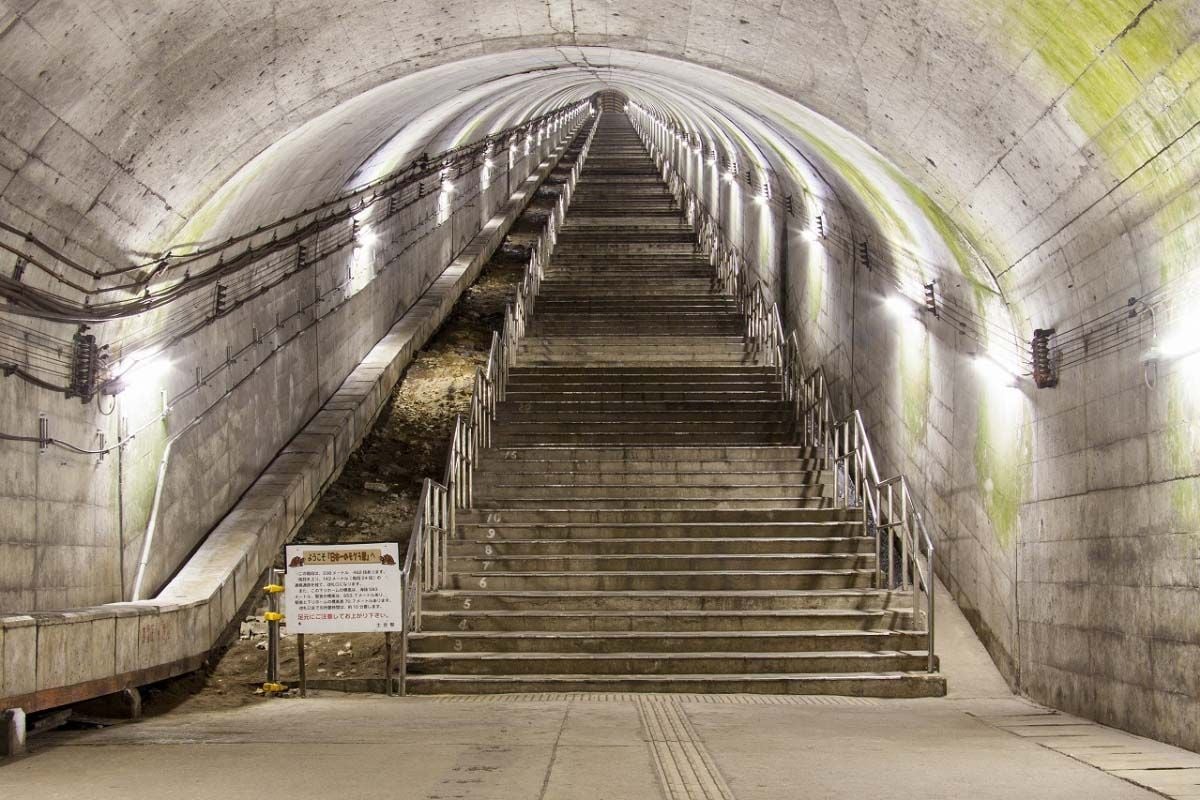
Doai Station is on the JR Joetsu Line, and its platform is about 70 meters underground, so you climb 462 steps to exit. It is billed as Japan’s deepest underground station. Part of the station is now a cafe, and construction fences outside may affect photos, so check the current situation before you go.
From Doai Station, Doai-guchi Station (the ropeway station) is about 1.3 km, a 15 to 20 minute walk. You can leave large luggage at Minakami Station instead of carrying it up the mountain.
Lake Onuma on Mt. Akagi and Kakumanbuchi Red Wetland: An Autumn Leaves Extension in Gunma
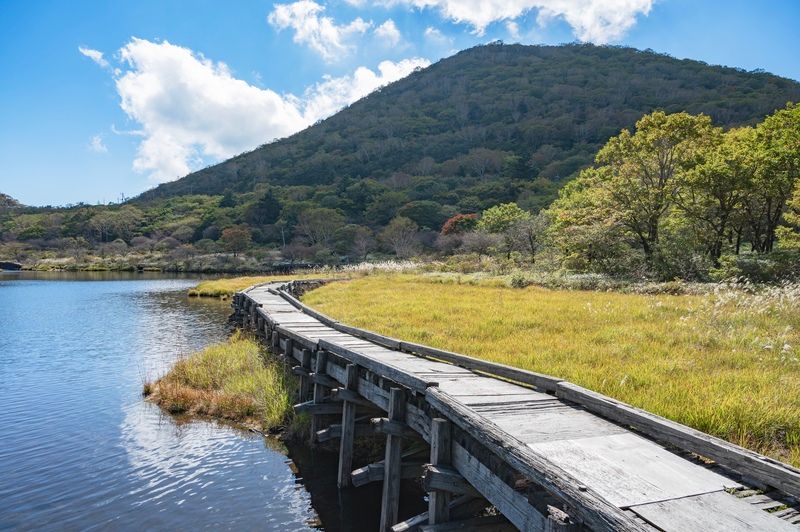
Mt. Akagi (1,828 meters) is one of the Three Mountains of Joshu. Lake Onuma, a crater lake, is at about 1,345 meters, with foliage around it from about mid-October to early November. Kakumanbuchi Red Wetland is at about 1,360 meters, with a boardwalk loop of about 30 to 40 minutes and leaves reflected in the water.
The Konuma lookout at about 1,470 meters has a view of Mt. Fuji on clear days and pairs well with Lake Onuma. Akagi Shrine’s vermilion bridge is near Lake Onuma and can be visited on the way.
Kiyotsu Gorge: A 750-Meter Tunnel of Light as Earth Art
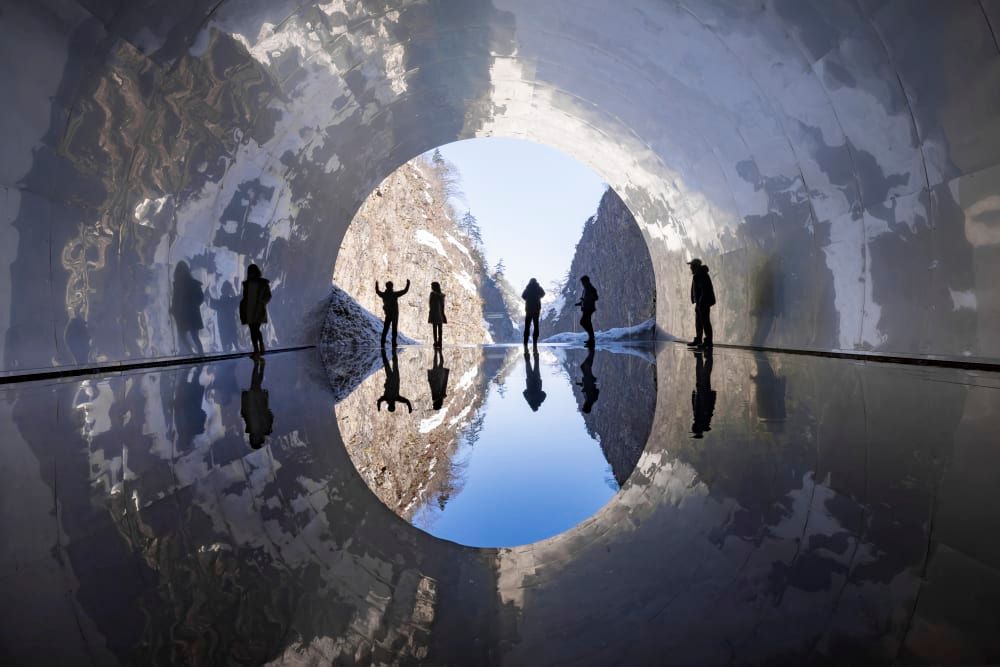
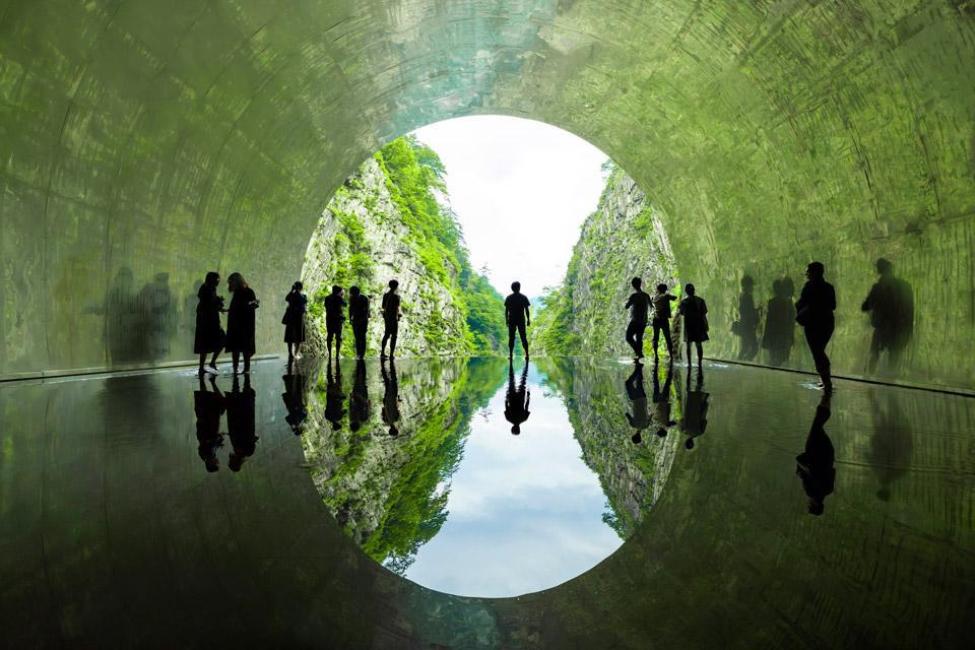
Kiyotsu Gorge is in Tokamachi, Niigata Prefecture. The “Tunnel of Light,” about 750 meters long, was designed by MAD Architects for the 2018 Earth Art Festival. The panorama station at the end of the tunnel, the “Sky Mirror,” overlooks the gorge.

Minakami Onsen Area: A Stop for Mt. Tanigawa Sake and Local Food
The Minakami Onsen area is about a 15-minute drive from the Tanigawadake ropeway station, with inns and hot springs concentrated there, good for a soak after the descent. The signature local souvenir is Tanigawadake sake, brewed by Nagai Shuzo.
Local food centers on onsen inn meals and local sake, and goes well with a bath after the descent. Yubiso Onsen is reachable on foot in about 30 minutes and works as a walking extension.
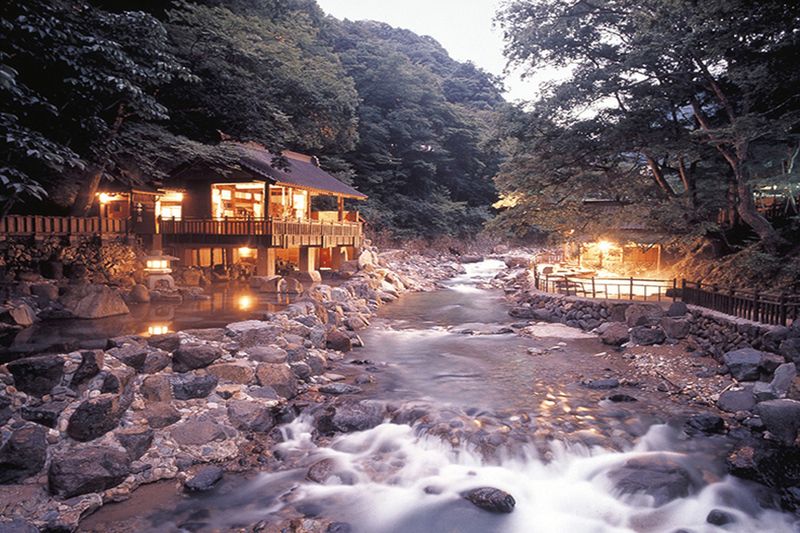
Takaragawa Onsen Osenkaku: Winter Snow and the Filming Location of Thermae Romae
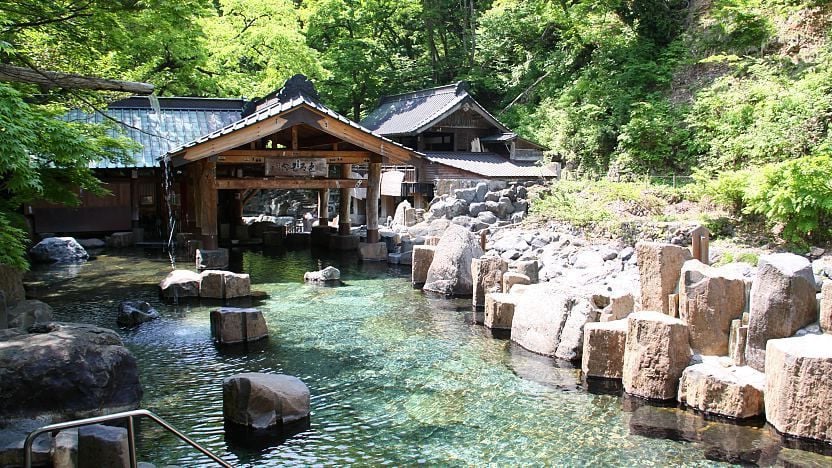
Takaragawa Onsen Osenkaku is known for its winter snow scenes, and the film Thermae Romae was shot here. It is about a 30-minute drive from Minakami Onsen. The inn has a Chinese-language official website for booking, and guests can request a free shuttle, which must be reserved in advance.
In autumn you can add Shoyo Gorge or continue on to Shima Onsen. Shuttle runs vary by season and require advance reservation, so check with the inn first.
Mt. Tanigawa’s Twin Peaks: Manaita-gura and Tomanomimi, and What to Prepare Before Summiting
Manaita-gura (1,977 meters) and Tomanomimi (1,963 meters) are the twin peaks of Mt. Tanigawa. More than 800 people have died since records began in 1931, and Guinness World Records lists it as the mountain with the most deaths. Conditions change fast, so bring rain gear and warm clothing.
At the end of October the summit temperature can approach single digits, so bring a windproof jacket. Bears (tsukinowaguma) are found in the mountains. In an emergency call 110 (police) or 119 (fire and ambulance). Summit visibility is usually best before 09:00, so start early.
How Much Does Mt. Tanigawa Cost? Ropeway and Tickets
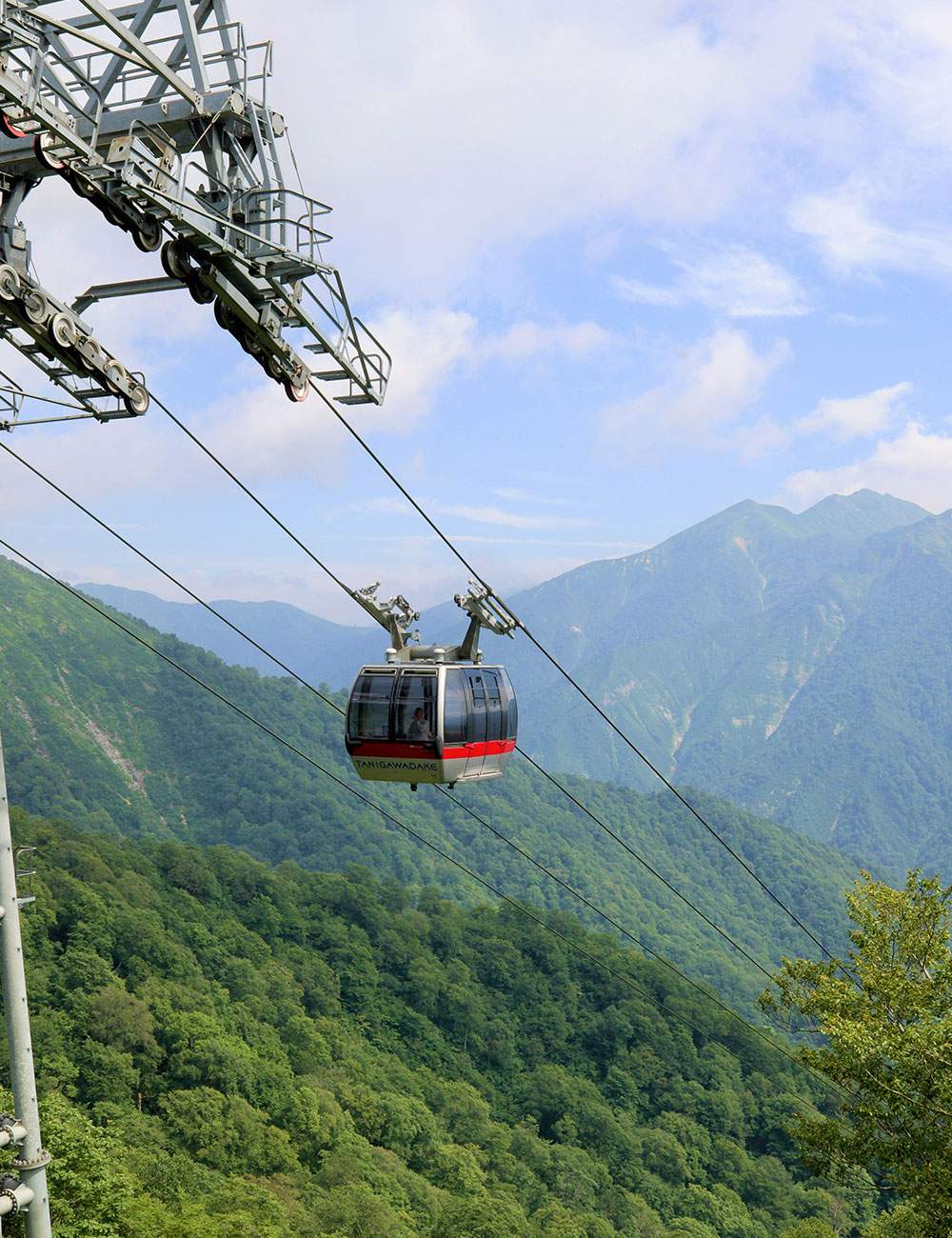
Tanigawadake Ropeway (Tanigawadake Joch): ¥3,000 Round-Trip Ticket Up the Mountain
Adults pay ¥3,000 round trip or ¥1,800 one way, and children ¥1,500 round trip or ¥900 one way. Since December 1, 2024, it has been renamed “Tanigawadake Joch by Hoshino Resorts.”
The announced 2026 operating period is April 18 to November 15, 08:00 to 17:00 on weekdays and 07:00 to 17:00 on weekends and holidays, with the last upward ride at 16:30. For older fare listings, check the official site.
Tenjin-toge Two-Seat Chairlift: ¥730 Round Trip, ¥420 One Way
From Tenjindaira to Tenjin-toge is a two-seat chairlift ride of about 7 to 10 minutes, reaching about 1,500 meters. The fare is ¥730 round trip or ¥420 one way, bought separately from the ropeway ticket.
The chairlift is not included in the ropeway ticket. The ¥3,000 round-trip ropeway plus the ¥730 round-trip chairlift comes to about ¥3,730. There is also a ropeway plus chairlift round-trip set, listed on the official site at ¥3,600 for adults and ¥2,000 for elementary school children.
Minakami Area Pass: Unlimited Rides on Designated Buses for 3 Days
It is sold at the Tone-Numata Wide-Area Tourist Service Center or the Minakami Town Tourism Association, and gives unlimited rides on designated buses for 3 days. It can also be bought at Jomo-Kogen Station, which also holds luggage.
The pass does not include the ropeway ticket, which must be bought separately.
Mt. Tanigawa Autumn Hiking Day Trip: A Sample Tour Itinerary
In a fall 2026 tour itinerary, the Ichinokurasawa walk takes about 2.5 hours, starting from the Tanigawadake Station base plaza, and the tour fee includes the Tanigawadake ropeway, the Tenjin-toge chairlift and other costs.
The ropeway portion of the tour fee is listed as about ¥3,500, so confirm which chairlift and transfer items are included before you sign up.
Building Out the Mt. Tanigawa Trip: Nearby Hot Springs and Lodging
Minakami Onsen and Yubiso Onsen: Two Lodging Choices, by Car or on Foot
From the Minakami Onsen area to the Tanigawadake ropeway station is about a 15-minute drive, suited to visitors driving or taking the bus. Yubiso Onsen is reachable on foot in about 30 minutes, suited to a walking trip for those who prefer not to ride.
Takaragawa Onsen Osenkaku is about a 30-minute drive from Minakami Onsen, and guests must reserve the shuttle in advance. On a two-night stay, you can hike Tenjindaira on day one and go to Takaragawa Onsen and Shoyo Gorge on day two.
Further Reading: Kanto Autumn Foliage Roundup
FAQ
Q: When is the best time for Mt. Tanigawa’s autumn leaves?
Tenjindaira is closest to its peak from about mid to late October, the summit is nearly bare by about early to mid October, and the ropeway line and Doai-guchi Station peak from late October to early November. Color moves down the mountain about every 2 to 3 weeks.
Q: How much is the Mt. Tanigawa ropeway ticket?
Adults pay ¥3,000 round trip or ¥1,800 one way, and children ¥1,500 round trip or ¥900 one way. The Tenjin-toge chairlift is ¥730 round trip or ¥420 one way, bought separately.
Q: What time does the Mt. Tanigawa ropeway run?
On weekdays it runs 08:00 to 17:00, and on weekends and holidays 07:00 to 17:00, with the last upward ride at 16:30. The announced 2026 operating period is April 18 to November 15.
Q: What is the fastest way from Tokyo to Mt. Tanigawa?
Take the Joetsu Shinkansen to Jomo-Kogen Station in about 70 minutes, then a Kanetsu Kotsu bus for about 45 to 50 minutes, about 2 hours one way at the fastest. From Haneda and Narita it is about 2.5 hours and 3 hours.
Q: What should I watch for when climbing Mt. Tanigawa?
More than 800 people have died on Mt. Tanigawa since records began in 1931. Bring rain gear and warm clothing, and watch for bears (tsukinowaguma). In an emergency call 110 (police) or 119 (fire and ambulance).
Q: How do I get to Ichinokurasawa, and how does the electric bus work?
It is about a 1-hour walk one way from the Tanigawadake Station base plaza on a flat road. The electric bus holds 8, is first come first served, and runs from late May to late October (suspended in bad weather).
Q: Can I visit Doai Station?
You can walk there from the ropeway station. The station is about 70 meters underground, with 462 steps. Part of the station is now a cafe, and construction fences may affect photos, so check the current situation first.