Kyoto Rakuhoku Autumn Foliage 2026: Kitano Tenmangu Shrine, Ichijoji and Takagamine Peak Color and a Late-Autumn Walking Route
Rakuhoku means the temple and shrine area in northern Kyoto. This route links Kitano Tenmangu’s Odoi Momiji-en, Enko-ji, Shisendo and Manshuin in Ichijoji, and Genko-an, Koetsuji and Joshoji in Takagamine, with 2026 dates, admission fees and access.
2026 Peak Color Forecast: Kitano Tenmangu from around November 25
Weathernews forecasts that peak color at Kitano Tenmangu in 2026 begins around November 25, with leaves falling from around December 11. In a typical year, peak color runs from mid-November to early December.
Manshuin’s information page says the overall 2026 peak color is forecast to come slightly later than in an average year. Check each temple or shrine’s announcements again a week before you go to see how far the color has actually progressed.
Planning Rakuhoku: Kitano, Ichijoji and Takagamine
Kitano Tenmangu is in Kyoto’s Kamigyo Ward, Ichijoji is in Sakyo Ward, and Takagamine is in Kita Ward. The three areas are separate from one another, so half a day for each is the most relaxed pace.
Shisendo and Enko-ji in Ichijoji can be linked on foot. Manshuin is farther from the Eizan Railway station, so allow extra walking time. In Takagamine, Genko-an and Joshoji are about 0.1 km apart.
How to Get to Kyoto Rakuhoku Autumn Foliage 2026: Kitano Tenmangu, Ichijoji and Takagamine at Peak Color? A Complete Guide to Transport and Costs
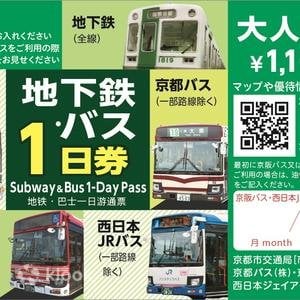
Getting around Rakuhoku relies mainly on city buses and the Eizan Electric Railway, and the three areas are too far apart to link on foot.
How to Get to the Rakuhoku Autumn Foliage Spots: Transport at a Glance
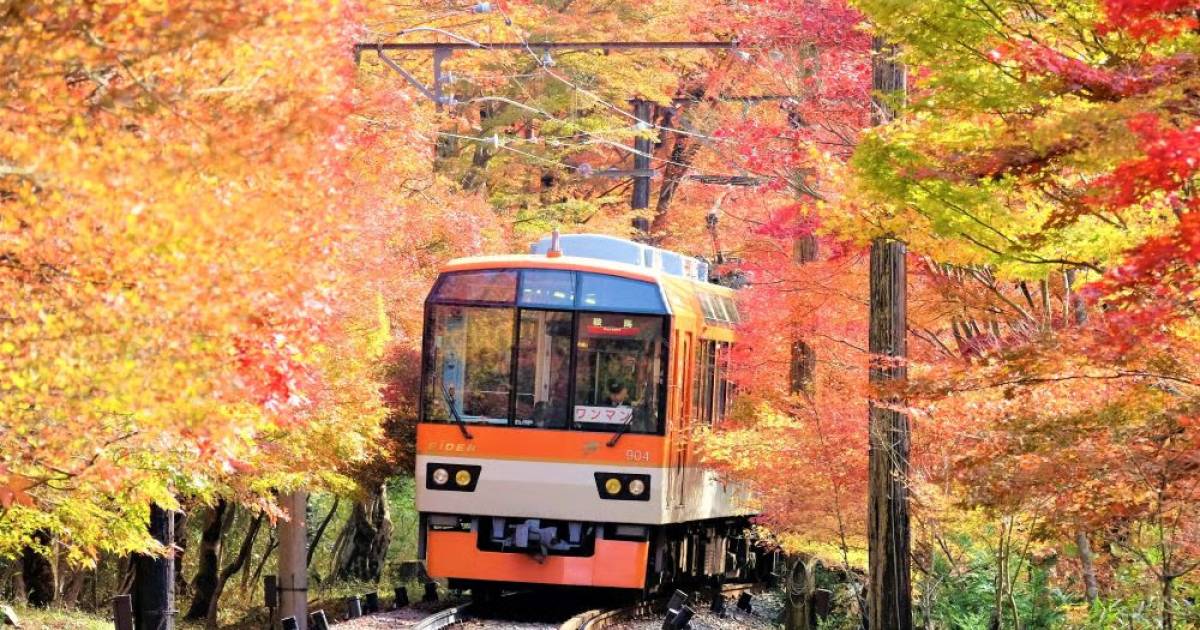
Ichijoji: It is about a 15-minute walk from Ichijoji Station on the Eizan Electric Railway to Enko-ji. You can also take City Bus Route 5 to the “Ichijoji Sagarimatsucho” stop, then walk about 10 minutes to Enko-ji or about 7 minutes to Shisendo.
Manshuin: It is about a 20-minute walk from Shugakuin Station on the Eizan Electric Railway, or take a city bus to the “Ichijoji Shimizucho” stop and walk about 20 minutes.
Takagamine: Take City Bus Route North 1 from Kitaoji Station on the subway to the “Takagamine Genkoan-mae” stop. Koetsuji is about a 3-minute walk from that stop.


Must-See Spots for Kyoto Rakuhoku Autumn Foliage 2026 (Kitano Tenmangu, Ichijoji, Takagamine Peak Color): Highlights of Each Area
The spots below are listed in the order Kitano, Ichijoji, Takagamine. Fees and hours are as announced when checked on October 30, 2026.
Kitano Tenmangu Momiji-en: Night Maples on the Odoi Embankment and the National Treasure Main Hall
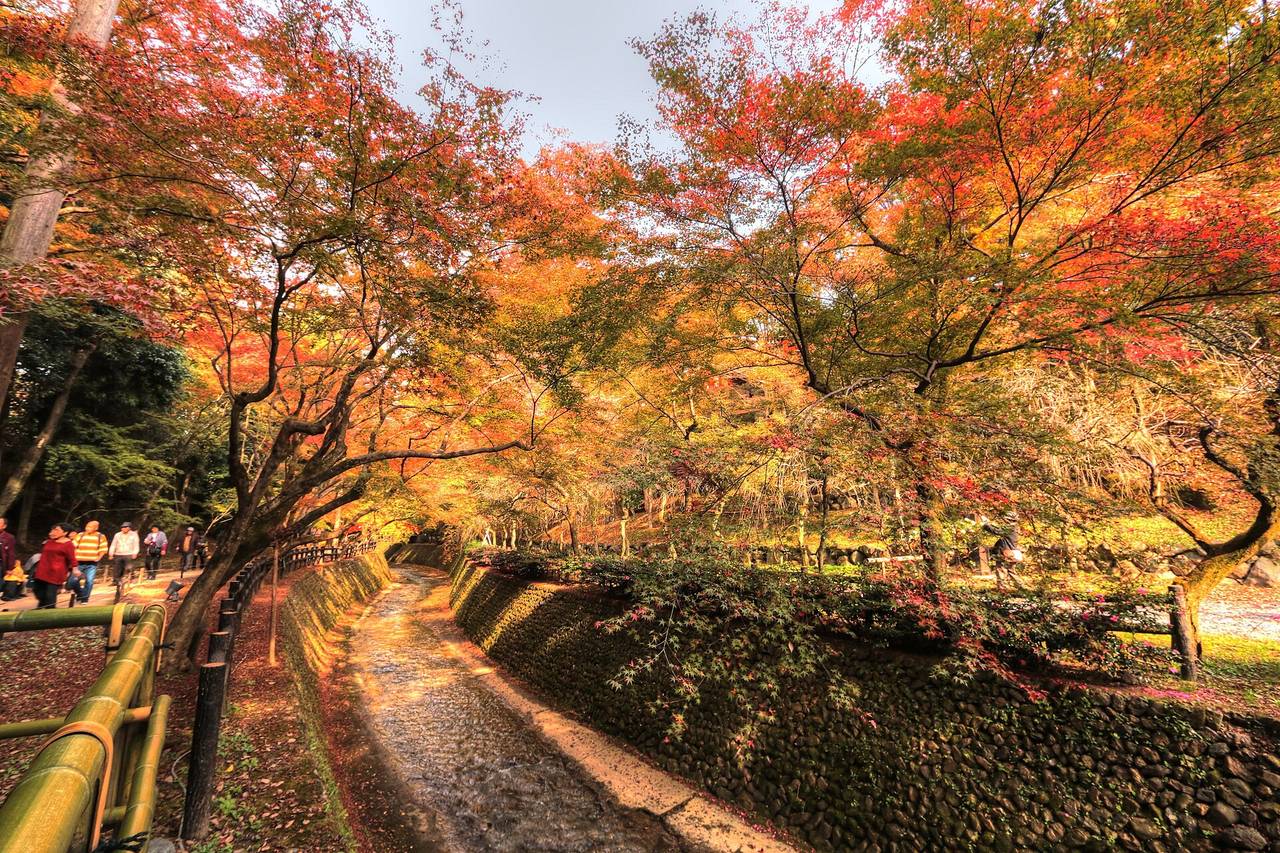
The garden was built on the Odoi, an earthwork from 1591 associated with Toyotomi Hideyoshi. You can look down on the maples from the embankment or up at them from below. A viewing platform in the garden overlooks the National Treasure main hall.
In 2026 the garden is open from October 31 to December 6, 9:00 to 16:00 (last entry 15:40). The evening illumination runs from November 13 to December 6, from sunset to 20:00 (last entry 19:40).
Admission is ¥1,500 for junior high school students and older, ¥700 for elementary school students, and free for preschoolers. Tripods are not allowed in the garden.

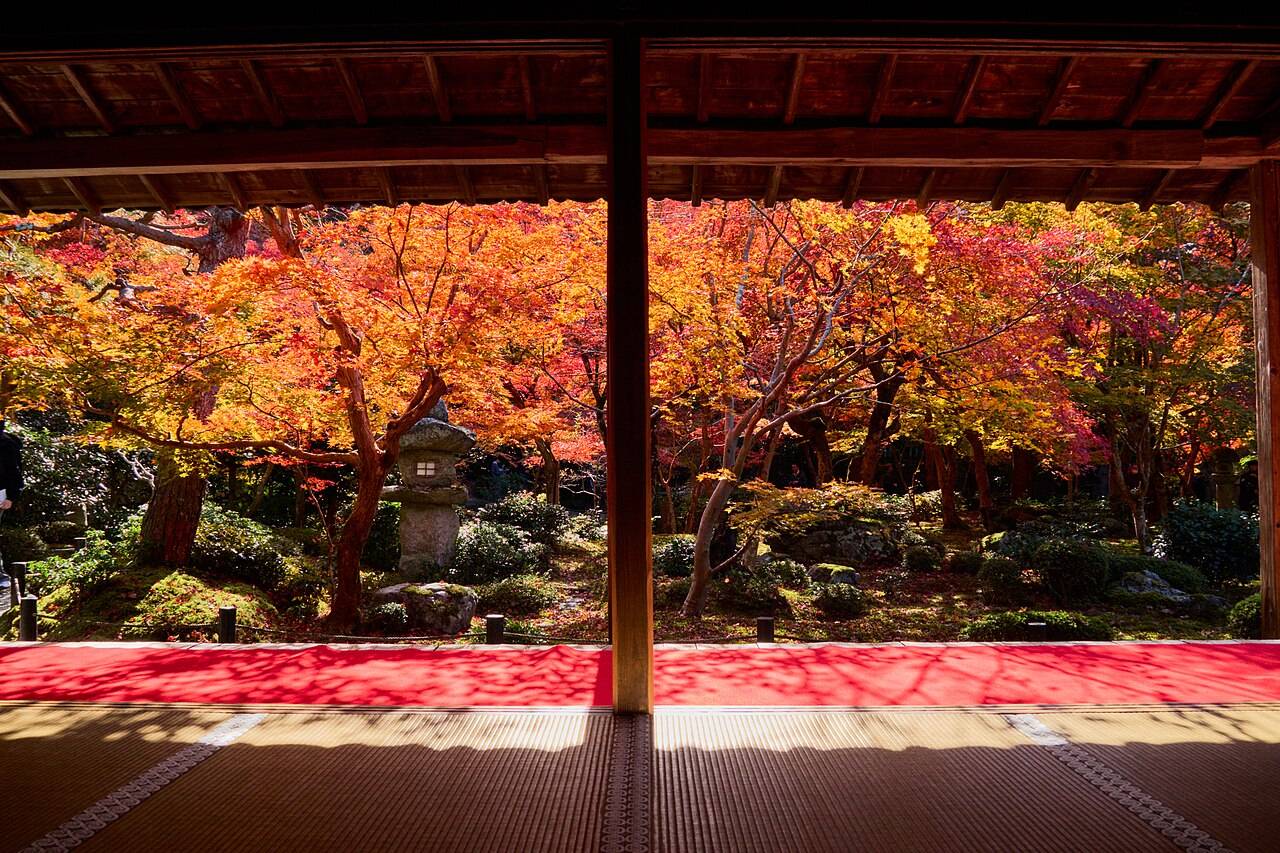
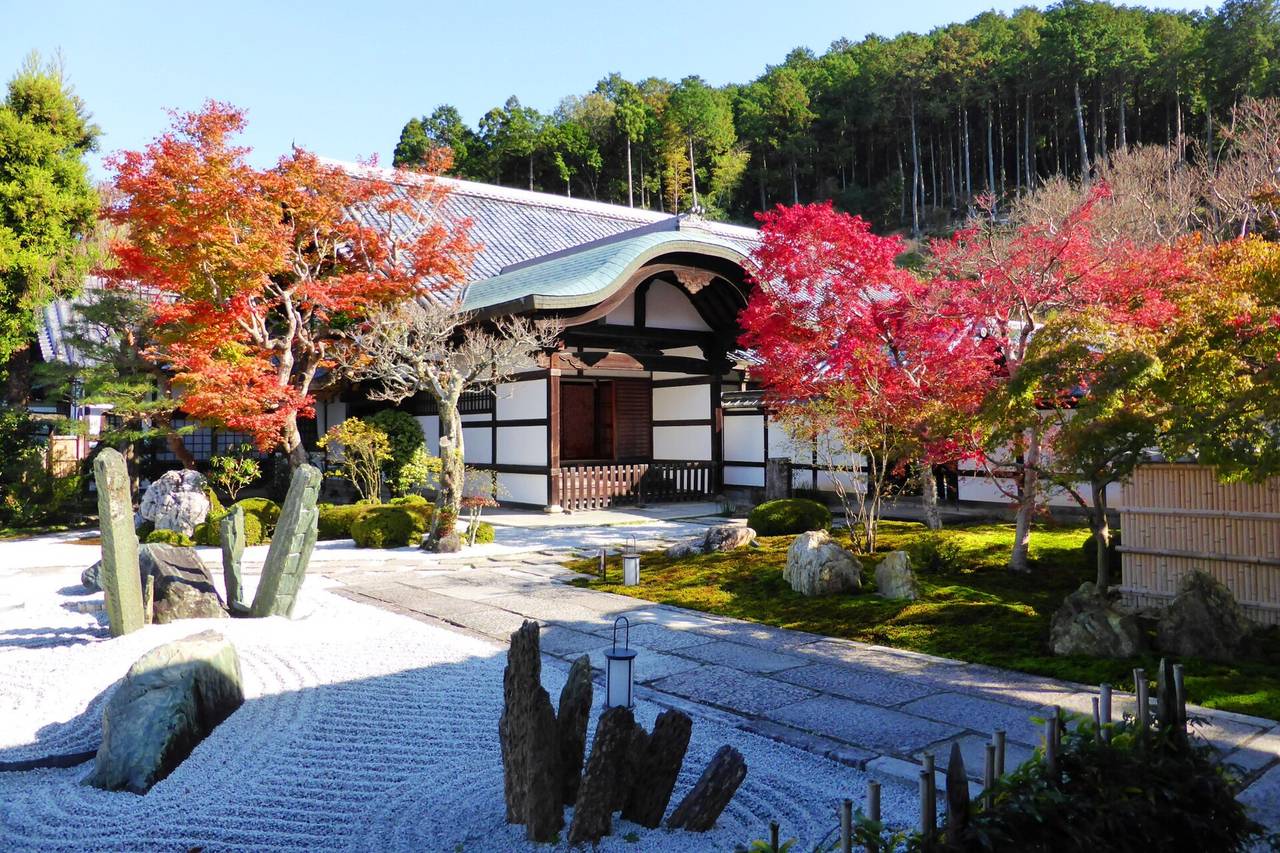
Enko-ji: The Jugyu Garden and Honryu Garden Open by Reservation for the Autumn Special Admission
Enko-ji’s 2026 special autumn admission runs from November 10 to December 10, 9:00 to 17:00. It uses a reservation system with a set date and time, and bookings open on October 20 at 9:00.
Admission is ¥1,500 for adults and ¥800 for elementary, junior high and high school students. Show your reservation confirmation email at entry, either printed or on your phone. A visit takes about an hour.
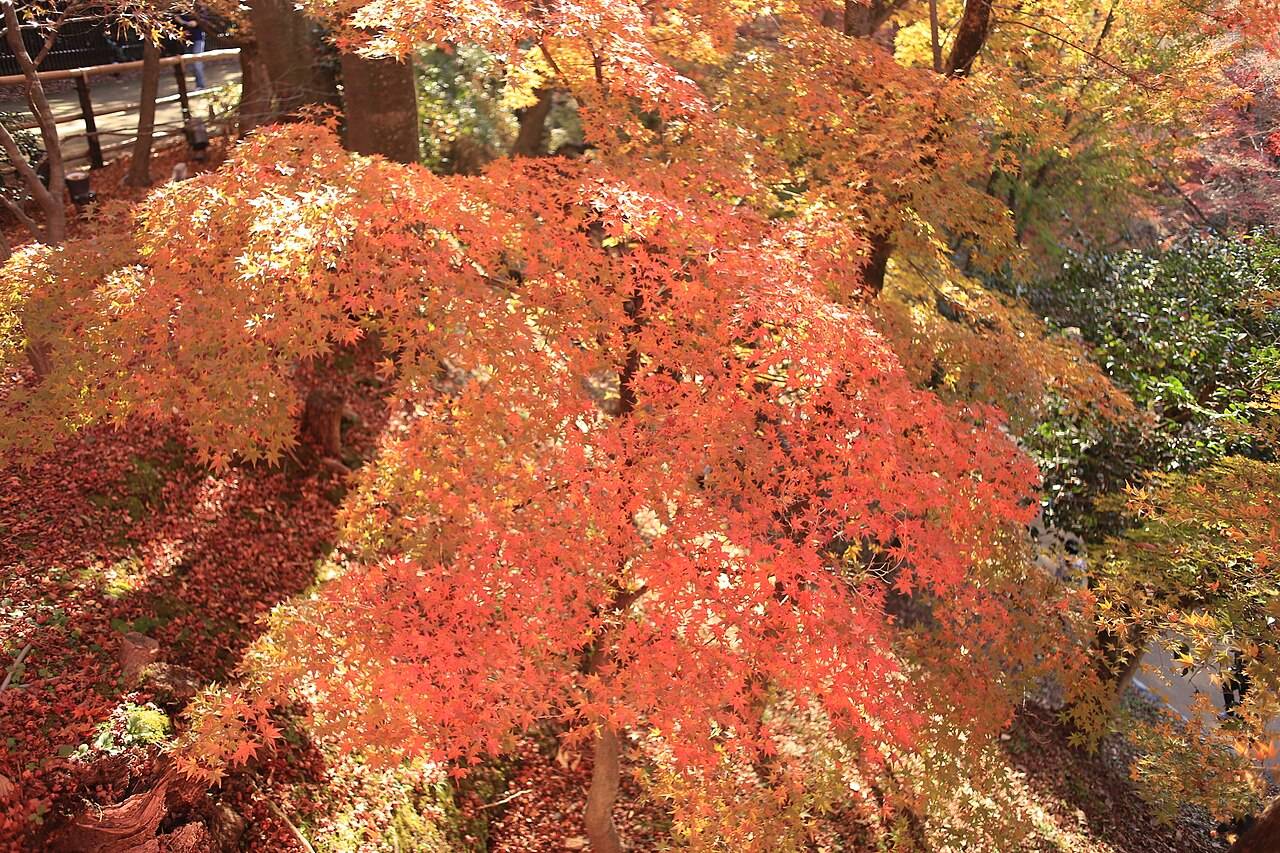
The Jugyu Garden is a strolling pond garden; from the shoin the maples look like a framed painting. The Honryu Garden is a dry garden whose rocks depict a dragon. The parking lot is closed during special admission, so take public transportation.
Shisendo: Ishikawa Jozan’s Mountain Retreat and Chinese-Style Garden
Shisendo is the mountain retreat Ishikawa Jozan built in 1641, and its formal name is Ōtotsuka. The “Poets’ Room” displays portraits of the thirty-six poet-sages painted by Kano Tanyu, which is where the common name comes from.
Open 9:00-17:00 (last entry 16:45). Entry: ¥700 adults, ¥500 high school students, ¥300 elementary and junior high students. No reservation needed; closed only on May 23. Color usually peaks mid to late November; in November, arrive at opening time.
Manshuin Monzeki: The Dry Landscape Garden in Front of the Shoin
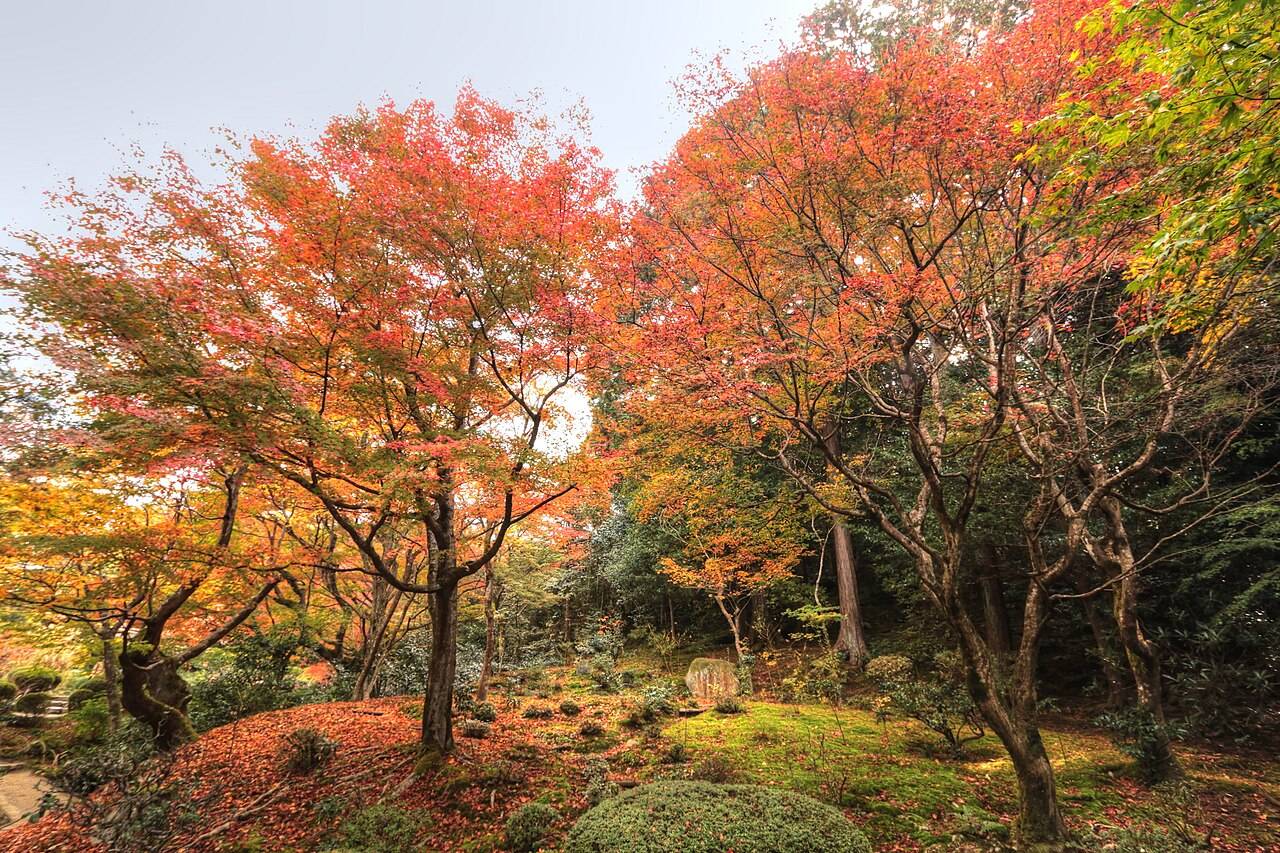
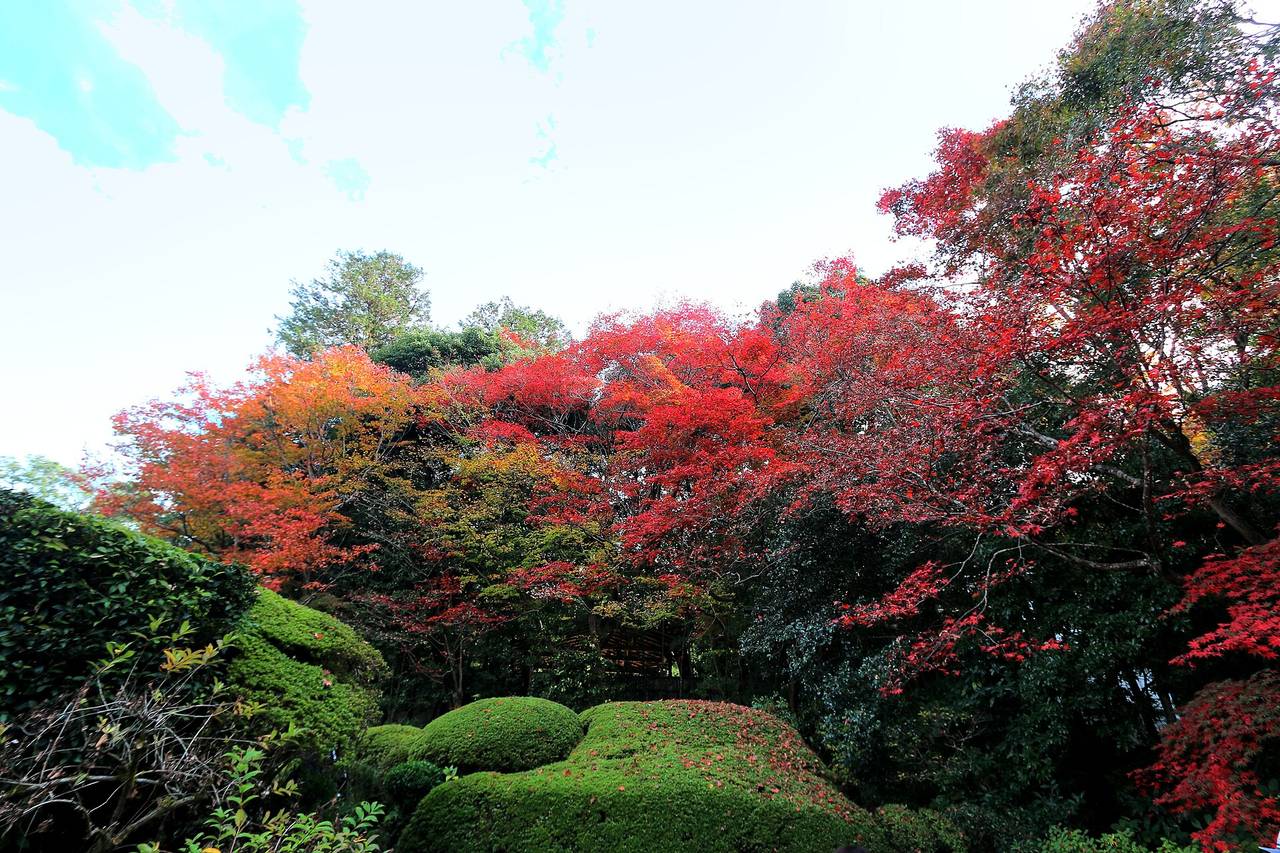
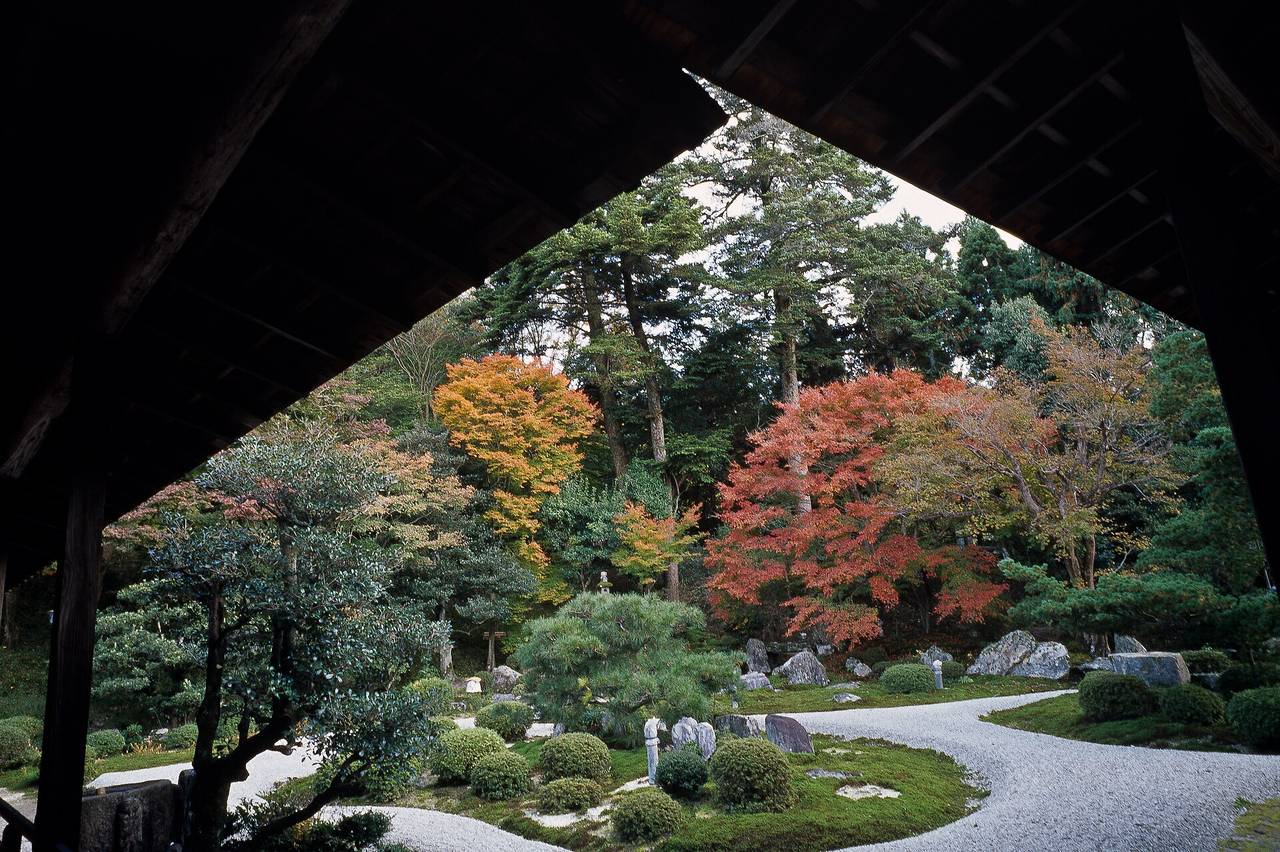
Manshuin is a Tendai-sect monzeki temple. The recommended spot for viewing the leaves is the dry landscape garden in front of the shoin, and there is no evening illumination.
It is open 9:00 to 17:00 (entry until 16:30), and admission is ¥800 for adults. Color usually begins in mid-November, and peak color is typically in late November.
Manshuin is about 0.7 km from Enko-ji; the two can share one day, but leave time for the walk.
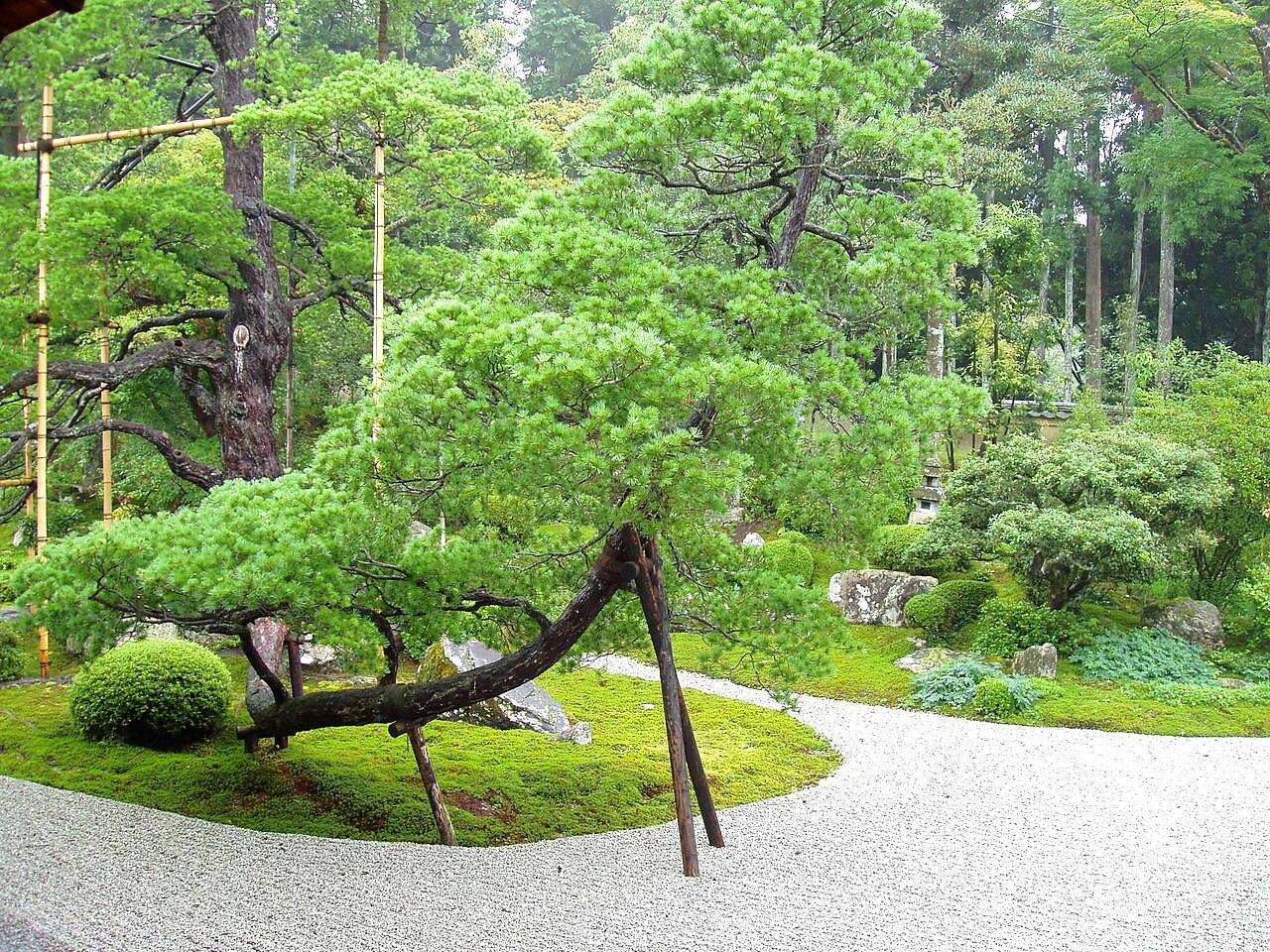
The dry landscape garden in front of the great shoin is called the “Garden of the Blind Turtle and the Floating Log” and reflects the taste of Enshu. Raked sand stands for flowing water, with a crane island and a turtle island set in it; the five-needle pine on the crane island is about 400 years old. The small shoin is likened to a pleasure boat heading upstream.
Manshuin was moved to its present site by Prince Ryosho in 1656. The nail-cover fittings and transom carvings of its shoin share a design lineage with Katsura Imperial Villa, so it is also called the “Little Katsura.” Since Kitano Tenmangu was founded in the Tenryaku era, it served as the shrine’s first betto (head administrator) until the Meiji Restoration.
Genko-an: The Window of Enlightenment, the Window of Confusion and the Blood Ceiling
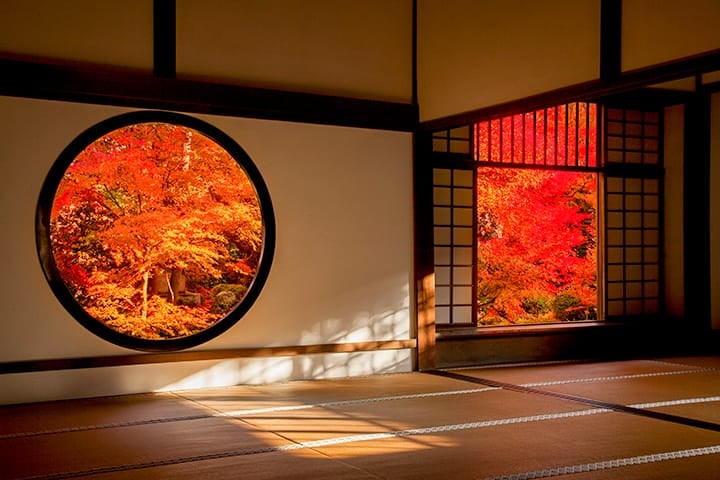
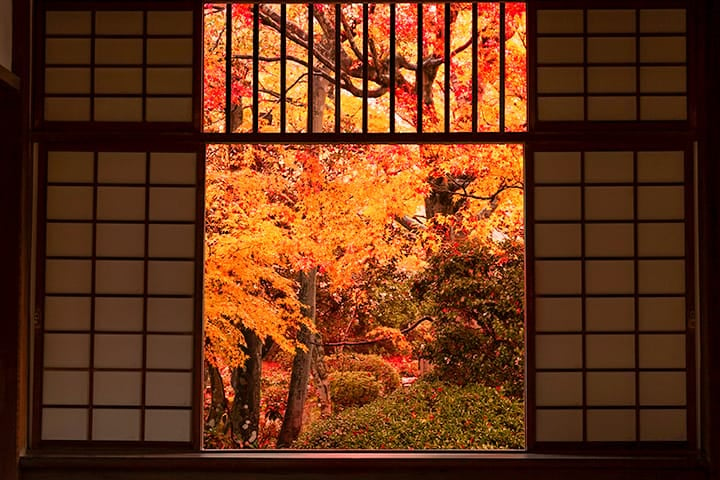
Genko-an was founded in 1346 as a retreat by Tesso Gikō of Daitoku-ji, and is now a Soto Zen temple. The round “Window of Enlightenment” and the square “Window of Confusion” in the main hall frame the garden’s maples like two paintings.
The “blood ceiling” is Fushimi Castle timber kept as a memorial. Admission 9:00-17:00 (entry until 16:30), ¥400 weekdays, ¥500 in leaf season. Visits may pause for services. No evening illumination. Peak color is usually mid to late November.
Koetsuji: Hon’ami Koetsu’s Takagamine Hermitage and the Koetsu Fence
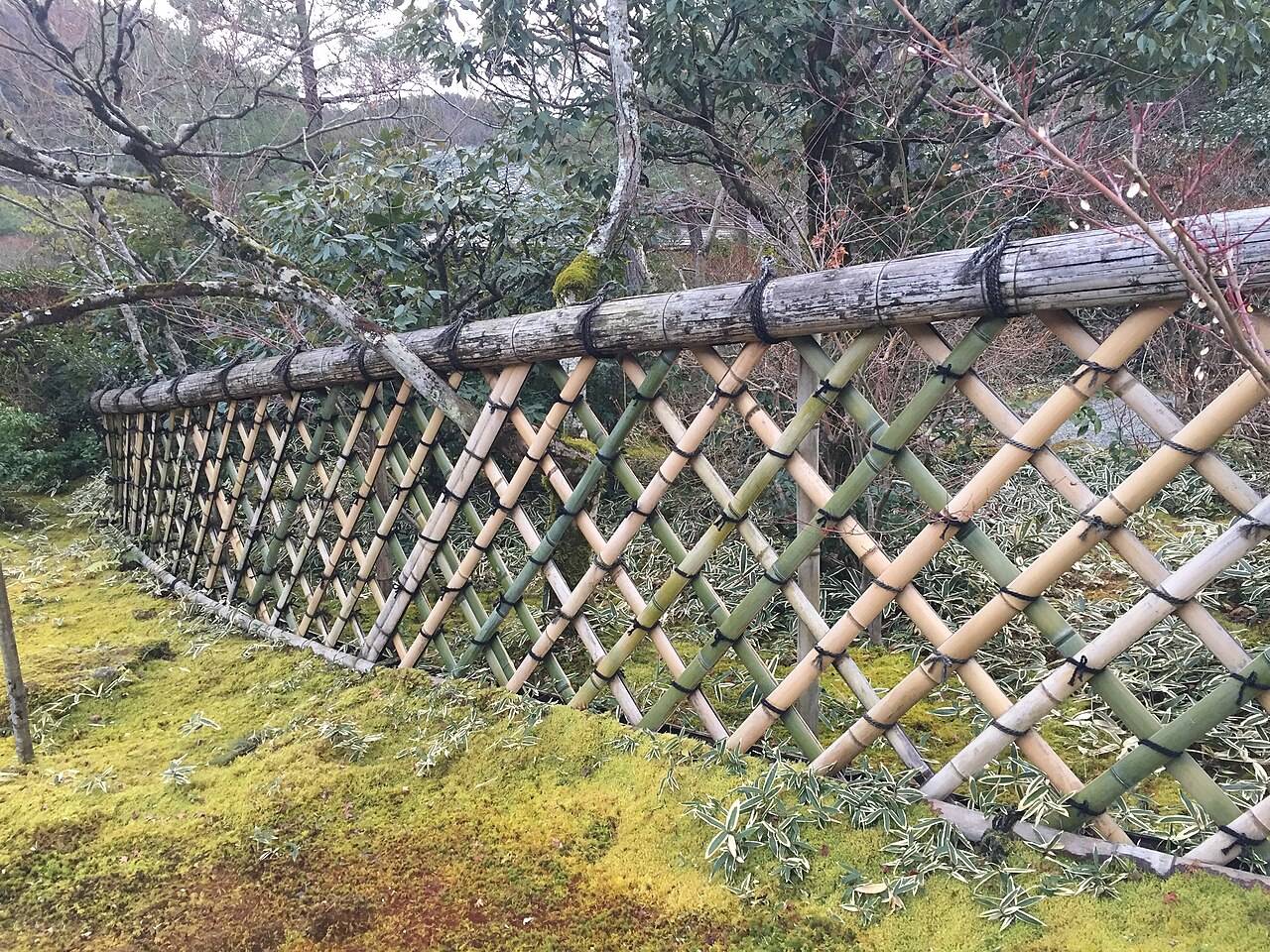
In 1615, Tokugawa Ieyasu granted Hon’ami Koetsu land at Takagamine, where he built a hermitage; the site later became a Nichiren-sect temple. The grounds have the bamboo Koetsu Fence, and peak color is about late November.
Koetsuji is about a 3-minute walk from the “Takagamine Genkoan-mae” City Bus stop, so it fits into the same walk as Genko-an and Joshoji.
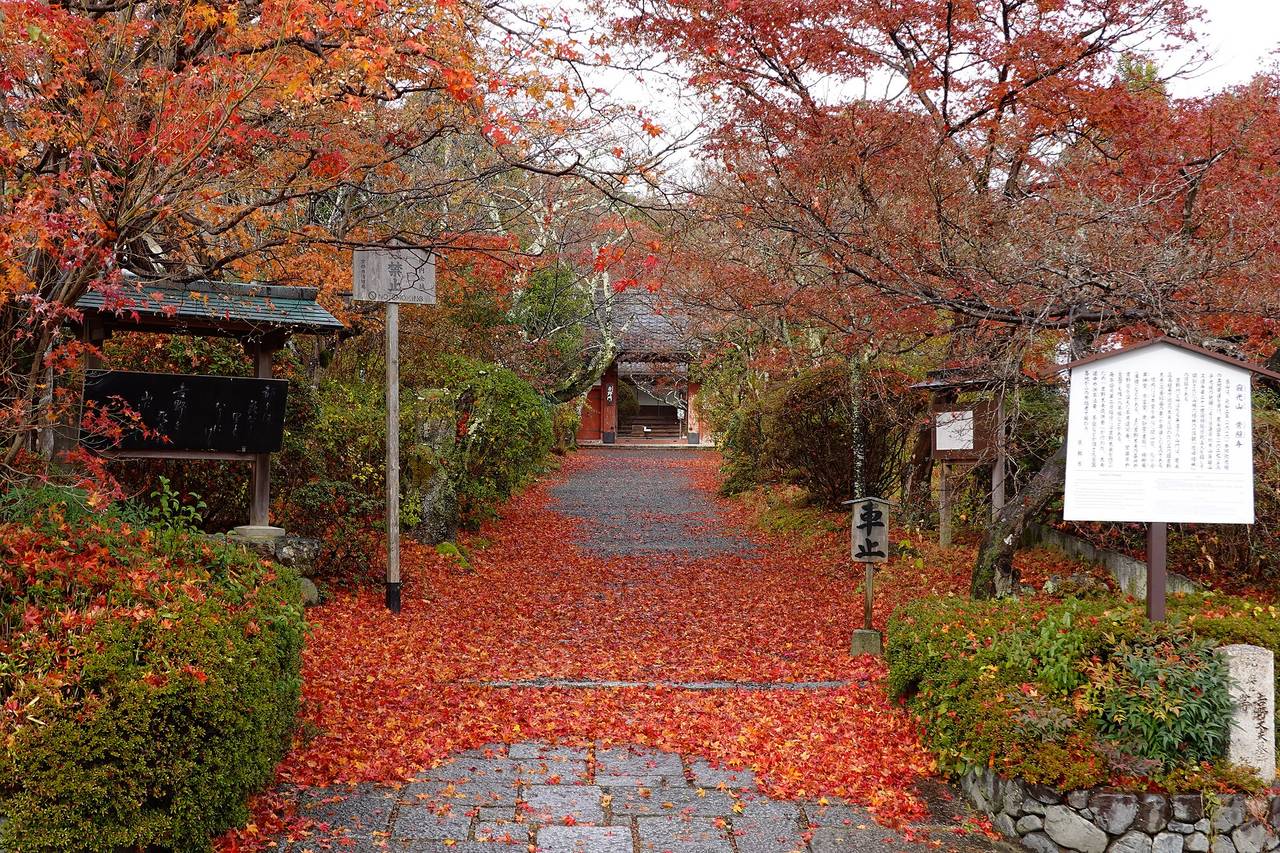
The grounds hold tea houses of different styles, including Sanbomoeian and Ryojakuken, and the Koetsu Fence runs around them. The stone-paved approach path (sando) at the entrance turning red with maple leaves is the signature autumn view at Koetsuji.
In the foliage season, admission hours are 8:30 to 17:00 (from 8:00 at other times) and the admission fee is ¥500 (¥400 at other times). Kyoto City’s tourism information lists November 10 to 13 as closed to visitors, so avoid those four days.
Joshoji: The Vermilion Yoshino Gate and Isho-an
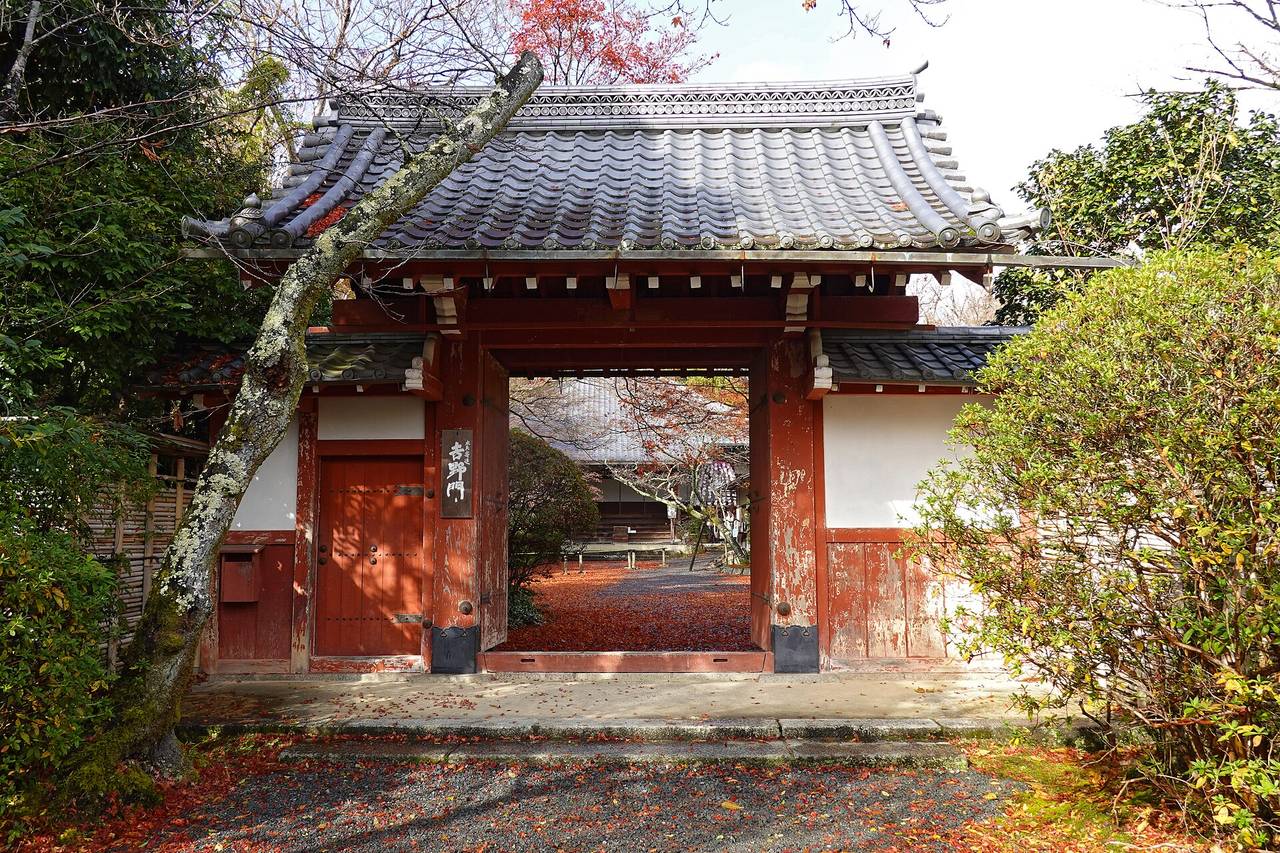
Joshoji is known for its vermilion Yoshino Gate, Isho-an and Hakuba Pond, and peak color is about mid to late November. The temple was founded in 1616 as a Nichiren-sect temple, established by the priest Nikkan at Koetsu’s request.
Joshoji is about 0.1 km from Genko-an and can be reached on foot.
The Yoshino Gate is the vermilion temple gate donated by the second Yoshino Tayu, a devotee of Nikkan. Yoshino Tayu was a courtesan famed across the country, and her story with Haiya Joeki is often staged in kabuki.
The grounds hold Yoshino Tayu’s grave and the tea house Isho-an, which has the round window she liked. Admission hours are 8:30 to 17:00, and the admission fee is ¥500 in the foliage season (¥400 at other times).
How Much Does Kyoto Rakuhoku Autumn Foliage 2026 (Kitano Tenmangu, Ichijoji, Takagamine Peak Color) Cost? Admission Fees and Tours
The table below summarizes 2026 opening dates and fees for each spot, as verified on October 30, 2026.
Rakuhoku Autumn Foliage Spots: Admission and Opening Hours at a Glance
| Spot | 2026 Opening and Hours | Fee |
|---|---|---|
| Kitano Tenmangu Momiji-en | October 31 to December 6, 9:00-16:00 (last entry 15:40); evening illumination from November 13 until 20:00 | ¥1,500 for junior high school students and older, ¥700 for elementary school students |
| Enko-ji (special autumn-foliage admission) | November 10 to December 10, 9:00-17:00, reservation required, with a set date and time | ¥1,500 for adults, ¥800 for elementary, junior high and high school students |
| Shisendo | 9:00-17:00 (last entry 16:45), no reservation needed | ¥700 for adults, ¥500 for high school students, ¥300 for elementary and junior high school students |
| Manshuin Monzeki | 9:00-17:00 (entry until 16:30), no evening illumination | ¥800 for adults |
| Genko-an | 9:00-17:00 (entry until 16:30), no evening illumination | ¥400 on weekdays, ¥500 in the autumn leaf season |
Where to Stay near Kyoto Rakuhoku Autumn Foliage 2026 (Kitano Tenmangu, Ichijoji, Takagamine Peak Color): Areas to Consider
Where to Stay: Around Kitaoji, Demachiyanagi and Karasuma Imadegawa
Kitaoji Station is on the Karasuma Line of the subway, and City Bus Route North 1 from here goes to Takagamine, so it suits a morning visit to Takagamine.
Demachiyanagi is the starting point of the Eizan Electric Railway and is close to the Ichijoji and Shugakuin areas. The Karasuma Imadegawa area is convenient for transfers to the subway and city buses.
FAQ
Q: How much is admission to the Kitano Tenmangu Momiji-en?
It is ¥1,500 for junior high school students and older, ¥700 for elementary school students, and free for preschoolers. In 2026 it is open from October 31 to December 6.
Q: When is the best time to see autumn leaves in Rakuhoku?
The best time is usually mid-November to early December. Weathernews forecasts peak color at Kitano Tenmangu from about November 25 in 2026, with leaves falling from about December 11. Genko-an and Joshoji usually peak from mid to late November.
Q: Do I need a reservation for Enko-ji?
Yes. During the special autumn admission period (November 10 to December 10), entry is by reservation with a set date and time. Bookings open on October 20 at 9:00, and you show the confirmation email at entry.
Q: How do I get to Ichijoji?
Take the Eizan Electric Railway to Ichijoji Station, then walk about 15 minutes to Enko-ji. Or take City Bus Route 5 to “Ichijoji Sagarimatsucho” and walk about 7 to 10 minutes to Shisendo and Enko-ji.
Q: Do I need a reservation for Shisendo?
No. It is open 9:00 to 17:00 (last entry 16:45), and the only closing day is May 23.
Q: Does Genko-an have evening illumination?
No. Visiting hours are 9:00 to 17:00 with entry until 16:30, and the admission fee in the autumn leaf season is ¥500.