Uji Autumn Leaves Guide: 7 Spots and 2026 Opening Updates
Uji is a popular autumn foliage area near Kyoto, best suited to a half-day walk linking Byodoin, Kosho-ji and the river. Below are William’s 7 picks and the latest autumn 2026 notices, from Uji River/Asagiri Bridge to Manpuku-ji.
- Uji River and Asagiri Bridge: a riverside stroll to start your foliage walk
- Byodoin: autumn leaves of Phoenix Hall reflected in Ajiike Pond
- Ujigami Shrine: a national treasure main hall and World Heritage site
- Uji Shrine: vermilion torii and maples right next to Ujigami Shrine
- Kosho-ji: the maple tunnel on Koto-zaka slope
- Mimurotoji: an autumn garden at Temple No. 10 of the Saigoku pilgrimage
- Manpuku-ji: Ming-dynasty Chinese-style halls and special evening admission
Three things to know for 2026: Byodoin holds no special evening admission this fall; Phoenix Hall is under maintenance all day on November 10 and 11; Manpuku-ji’s special evening admission has begun, with some dates in the foliage season.
Uji Autumn Leaves Peak Color: Mid-November to Early December
Uji’s usual peak color for autumn leaves is mid-November to early December. As of October 29, Mimurotoji’s official garden report still showed mostly green leaves, and Weathernews forecasts peak color from November 16.
Kyoto is running late overall this year. Weathernews’ October 8 update forecasts peak color in Arashiyama from about November 24. Plan Uji for late November too, and recheck Mimurotoji’s official garden report before you go.
Mimurotoji’s official site updates the garden’s condition under “Today’s Garden” (Honjitsu no Teien). It also posts garden news on YouTube and Instagram. Checking before you go is more reliable than relying on forecasts alone.
For Kosho-ji’s Koto-zaka, travel guides give late November to early December as the peak.
A Half-Day in Uji: One Walking Route Linking the Uji River, Byodoin and Kosho-ji
For a one-day Uji itinerary, leave Keihan Uji Station and head to the Uji River bank first. Then walk to Byodoin, and continue upstream to Ujigami Shrine, Uji Shrine and Kosho-ji. The whole stretch is on foot, with no transfers.
Manpuku-ji and Mimurotoji lie in different directions, so you need a train to reach them. To cover both in a day, walk the Uji River area in the morning and take a train to Manpuku-ji in the afternoon.
Uji City publishes another walking route that starts at Obaku Station. You visit Manpuku-ji first, then follow an old road to Uji.
Along the way you pass Ujigami Shrine and Byodoin, and the route ends at JR Uji Station.
Getting to Uji: How to Reach Uji from Kyoto and Osaka
Kyoto to Uji: JR Nara Line and Keihan Uji Line
From Kyoto Station, the JR Nara Line goes straight to Uji. Byodoin is about a 10-minute walk from both JR Uji Station and Keihan Uji Station. Kosho-ji and Ujigami Shrine are closer to Keihan Uji Station.
You can also change from the Keihan Main Line to the Uji Line, with Chushojima as the transfer station. For Manpuku-ji, get off at Obaku Station on the Keihan Uji Line or the JR Nara Line and walk about 5 minutes.
Osaka to Uji: Keihan Main Line to the Uji Line
From Osaka, take the Keihan Main Line to Chushojima, then change to the Keihan Uji Line for Uji. You do not need to go into central Kyoto first, which makes a same-day round trip easy.
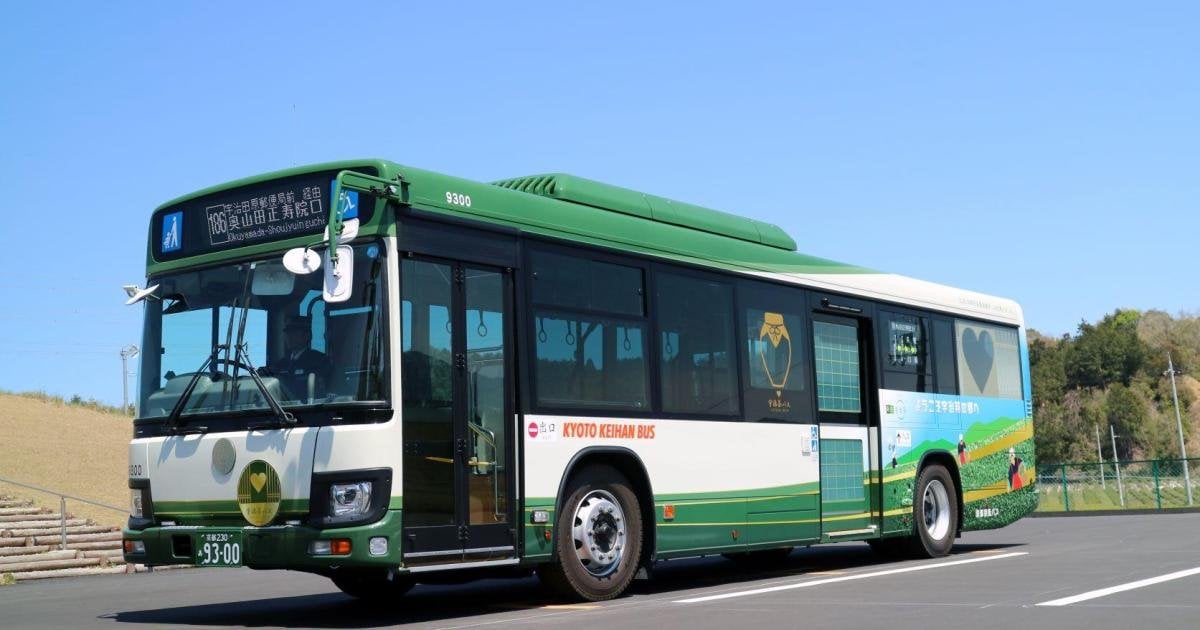
Uji Bus Day Pass: Keihan Bus All-Lines Pass
Most autumn leaf spots in Uji town are within walking distance, so you do not always need a bus pass. If you want to extend your route to the areas around Uji, then consider the Keihan Bus all-lines day pass.


Uji Autumn Leaves Spots: Guide to 7 Foliage Locations
Uji River and Asagiri Bridge: A Riverside Foliage Walk
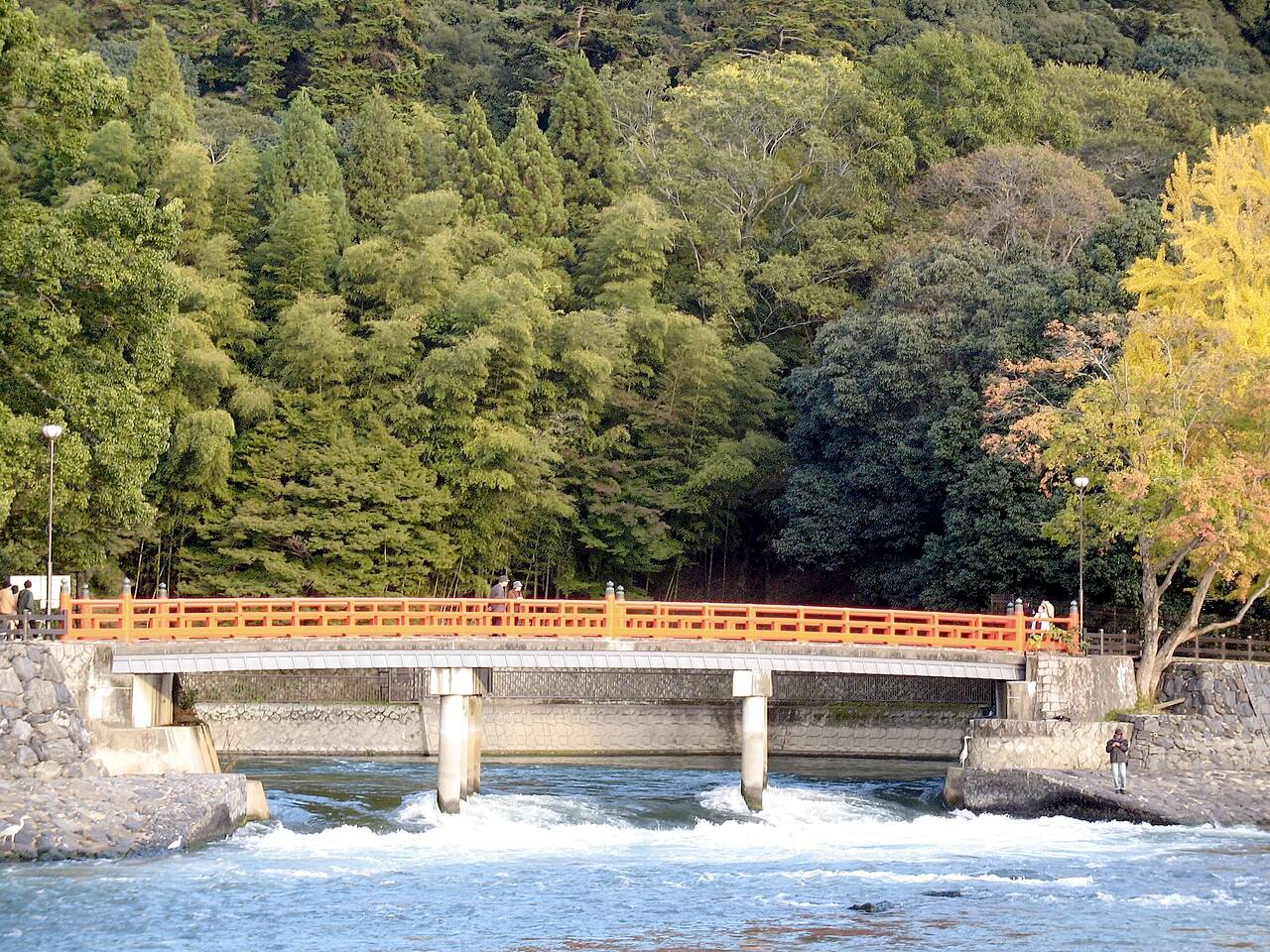
The Uji River bank is the easiest starting point for autumn leaves in Uji. From Keihan Uji Station, walk to the east end of Uji Bridge, join the riverside path and head upstream. The mountains on both sides gradually change color in November.
Kyoto Prefecture’s “Yamashiro no Momiji” features the mountain views along the Uji River. Asagiri Bridge is on the riverbank, and you can stop at the bridge to look at the water when you get tired.
Uji City’s suggested walking route runs from Ujigami Shrine around the foot of Mt. Bukkoku, crosses Kanryu Bridge, and heads toward Mt. Asahi.
The current under the bridge is fast, and the river holds a rock called Kameishi (turtle rock) that has a legend attached.

- 🚉 Access: get off at Keihan Uji Station or JR Uji Station and stroll upstream along the Uji River
- 🎫 Admission: the riverside path is free
Byodoin: Reflections of Autumn Leaves at Phoenix Hall and Ajiike Pond
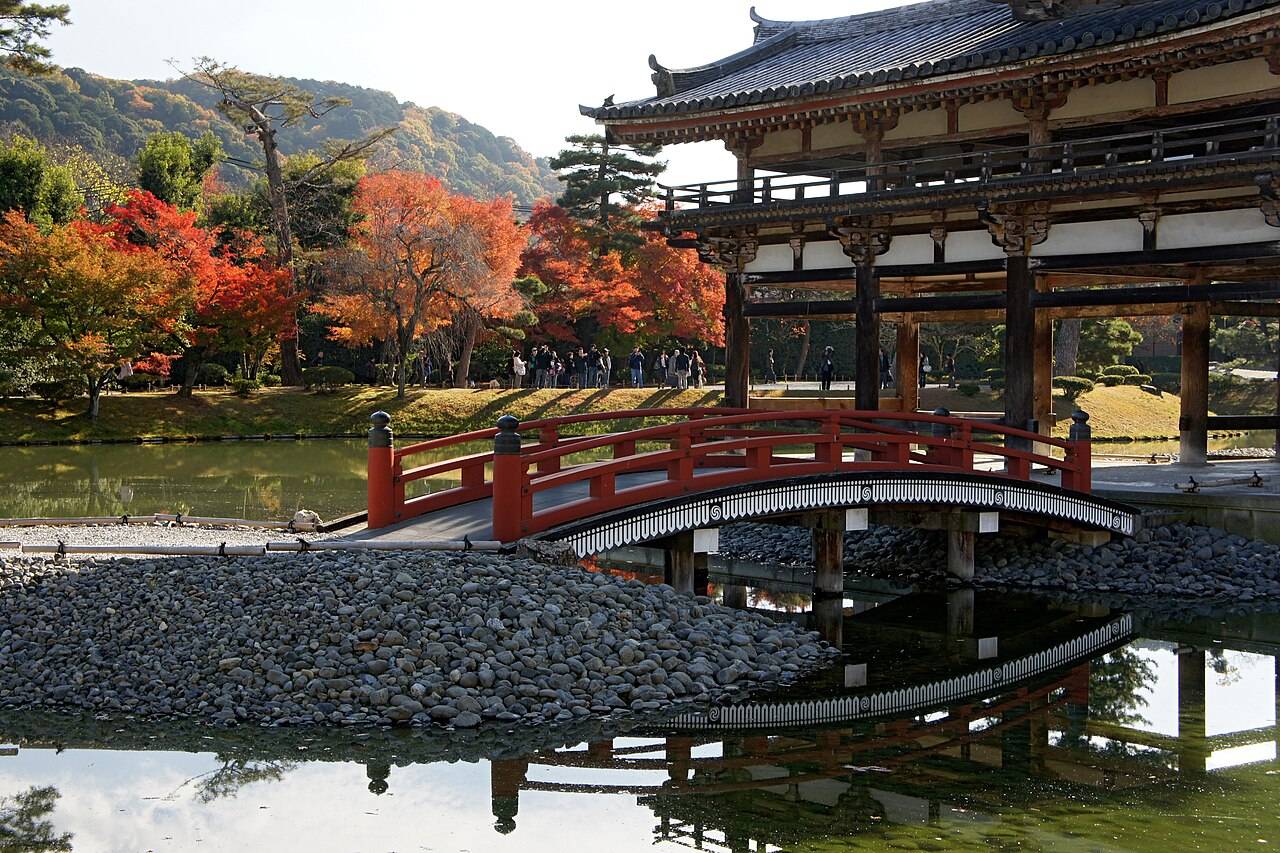
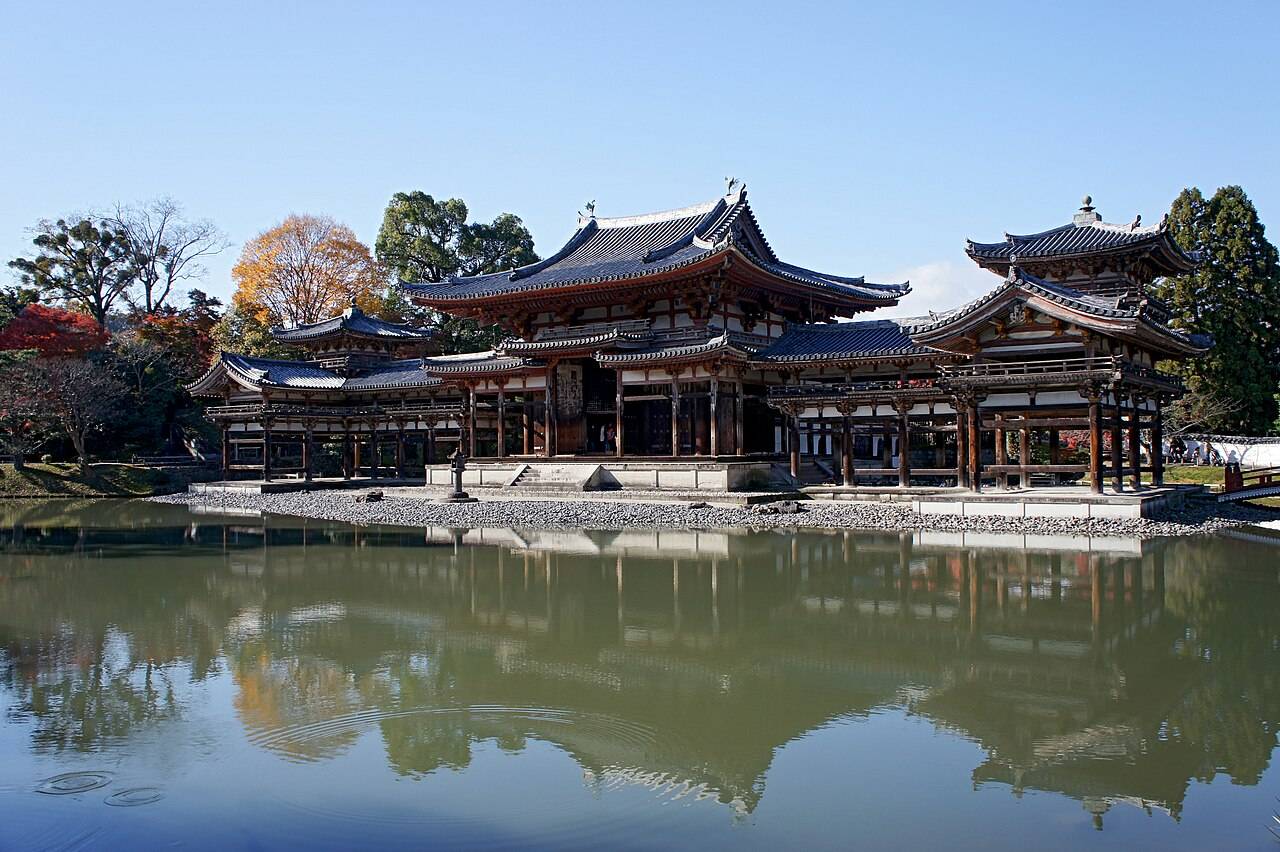
Byodoin’s best-known autumn view is Phoenix Hall reflected in Ajiike Pond. When the leaves turn in November, the vermilion hall, maples and reflection fit in one frame. This is Uji’s most iconic composition and the main shooting point.
Phoenix Hall is part of the World Heritage “Historic Monuments of Ancient Kyoto,” and it is the building on the 10-yen coin. According to Byodoin, the autumn leaves usually peak around late November.
Two things to avoid in 2026: special evening admission is suspended this autumn, so Phoenix Hall has no lighting. All-day maintenance on Nov 10 and 11 puts workers around the building and roof, and they may appear in photos; skip those days.
- 🕘 Garden: 8:45-17:30 (last entry 17:15), open year-round
- 🎫 Admission: garden + Hoshokan Museum, adults ¥700, junior and senior high school students ¥400, elementary school students ¥300
- 🏛️ Inside Phoenix Hall: an extra ¥300 donation, 9:30-16:10, one group every 20 minutes, capacity 35 per group
- 🍵 Tea house Sabo Toka: 10:00-16:30 (last order 16:00), closed Monday to Wednesday (open if it falls on a public holiday)
- 🔗 Official page
Ujigami Shrine: Main Hall (National Treasure) and World Heritage Site
The main hall of Ujigami Shrine is a national treasure, considered the oldest surviving shrine main hall, and part of the World Heritage “Historic Monuments of Ancient Kyoto.” The building itself is the main reason to visit.
In autumn the trees around the worship hall turn yellow, making it a quiet stop on the foliage route. It is close to Byodoin, so you can link it with Kosho-ji in one walk.
Past the torii gate, a gently sloping stone-paved approach path (sando) leads in. The torii carries a “Rikyu” (detached palace) plaque, and the shrine sits at the foot of Mt. Bukkoku.
This is said to be where Prince Uji no Wakiiratsuko built the Kirihara Hige-ta Palace. The Kirihara spring in the grounds is the only one of the Seven Famous Waters of Uji that still survives. It is not for drinking, only for rinsing your hands.
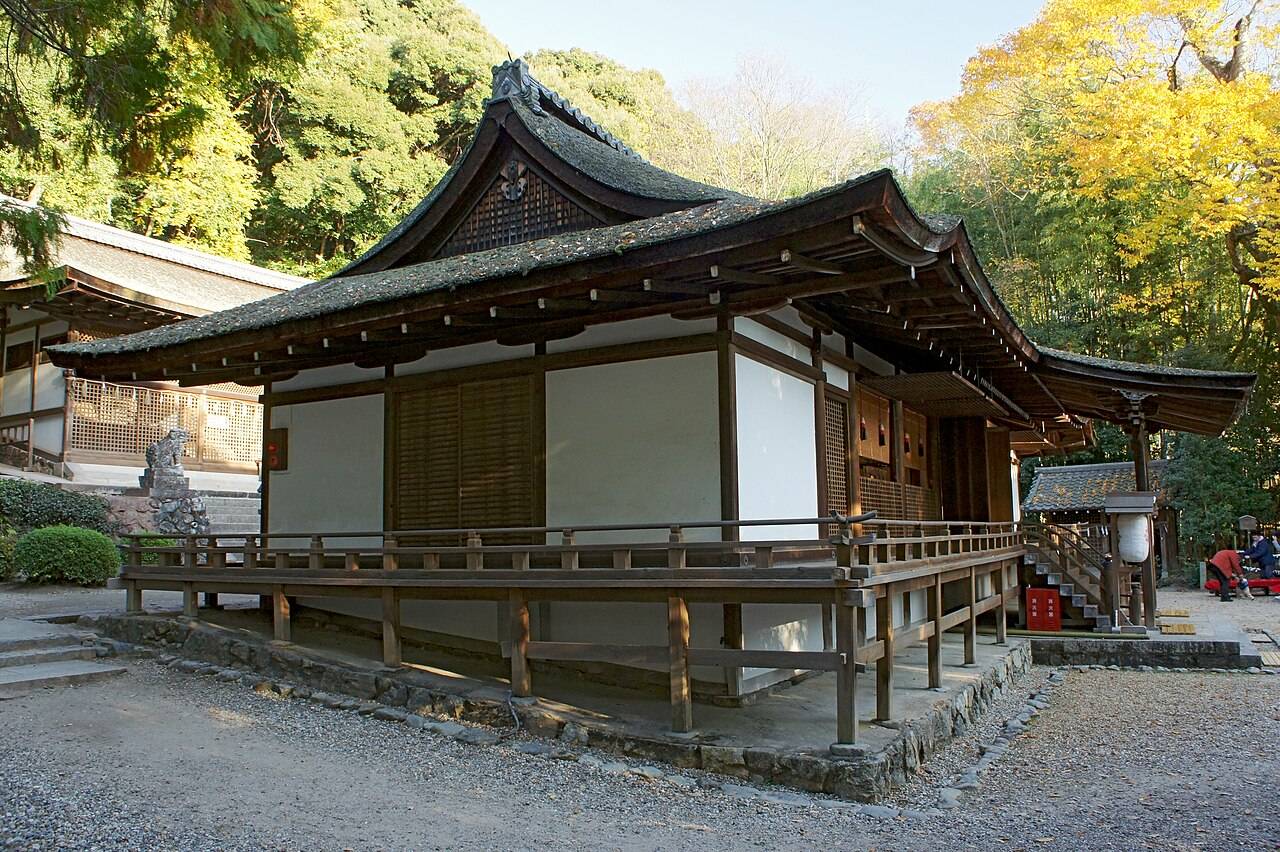
- 🕘 Visiting hours: 9:00-16:30
- 🎫 Fee: free
- 🚉 Access: walk from Keihan Uji Station
Uji Shrine: Maples and the Looking-Back Rabbit by the Vermilion Torii
Uji Shrine stands right next to Ujigami Shrine. Its deity is Uji no Wakiiratsuko no Mikoto.
In autumn, as you walk into the grounds, the maples beside the vermilion torii turn red. This corner is easy to photograph.
This is said to be the site of Prince Uji no Wakiiratsuko’s residence, and the shrine began when his spirit was enshrined after his death.
You can see quite a few rabbit motifs in the grounds.
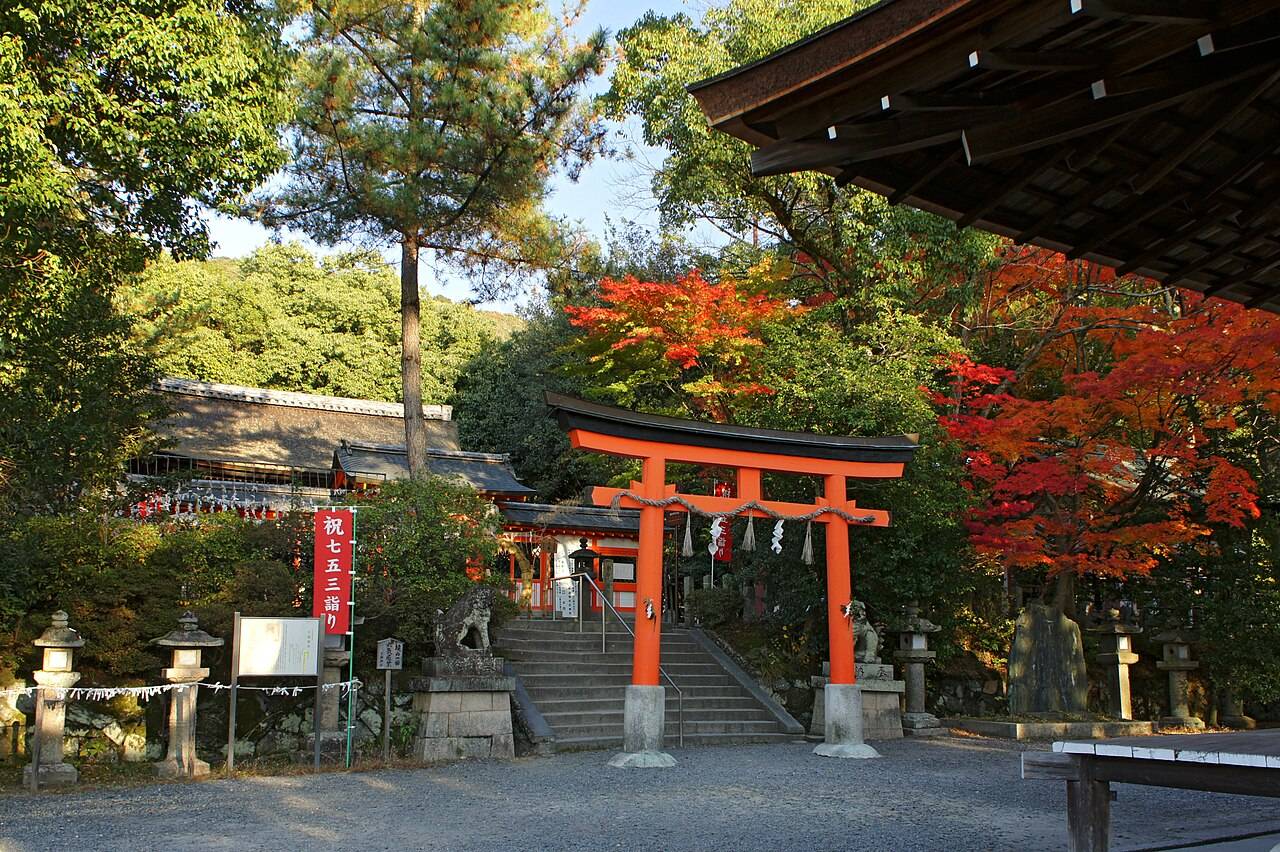
- 🕘 Visiting: the grounds are open to visitors freely
- 🚉 Location: next to Ujigami Shrine
Kosho-ji: The Maple Tunnel of Koto-zaka Slope
Kosho-ji’s autumn highlight is Koto-zaka, the slope from the main gate. Maples on both sides of the gentle slope turn the approach path (sando) into a maple tunnel, and Kyoto Prefecture’s “Yamashiro no Momiji” lists it as a famous foliage spot.
Koto-zaka is named for the sound of the stream beside it, which sounds like a koto. Kosho-ji is a Soto Zen temple, restored in 1649 by Nagai Naomasa.
Koto-zaka is the approach path to the temple gate and is about 200 meters long. The gate is built in the Ryugu (dragon palace) style.
Both Koto-zaka and the Kosho-ji garden are designated Places of Scenic Beauty by Kyoto Prefecture. Kosho-ji was founded by the master Dogen and is the first Soto Zen temple in Japan.
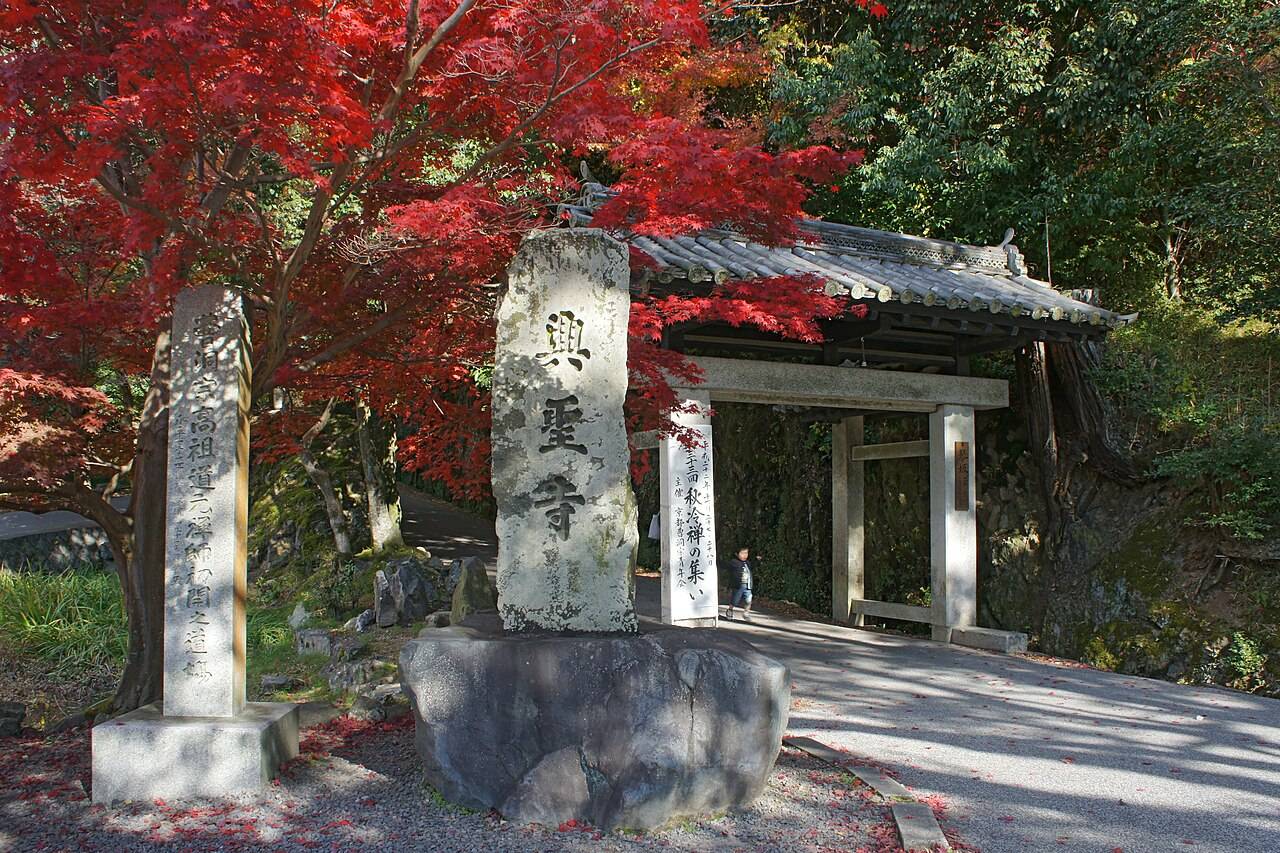
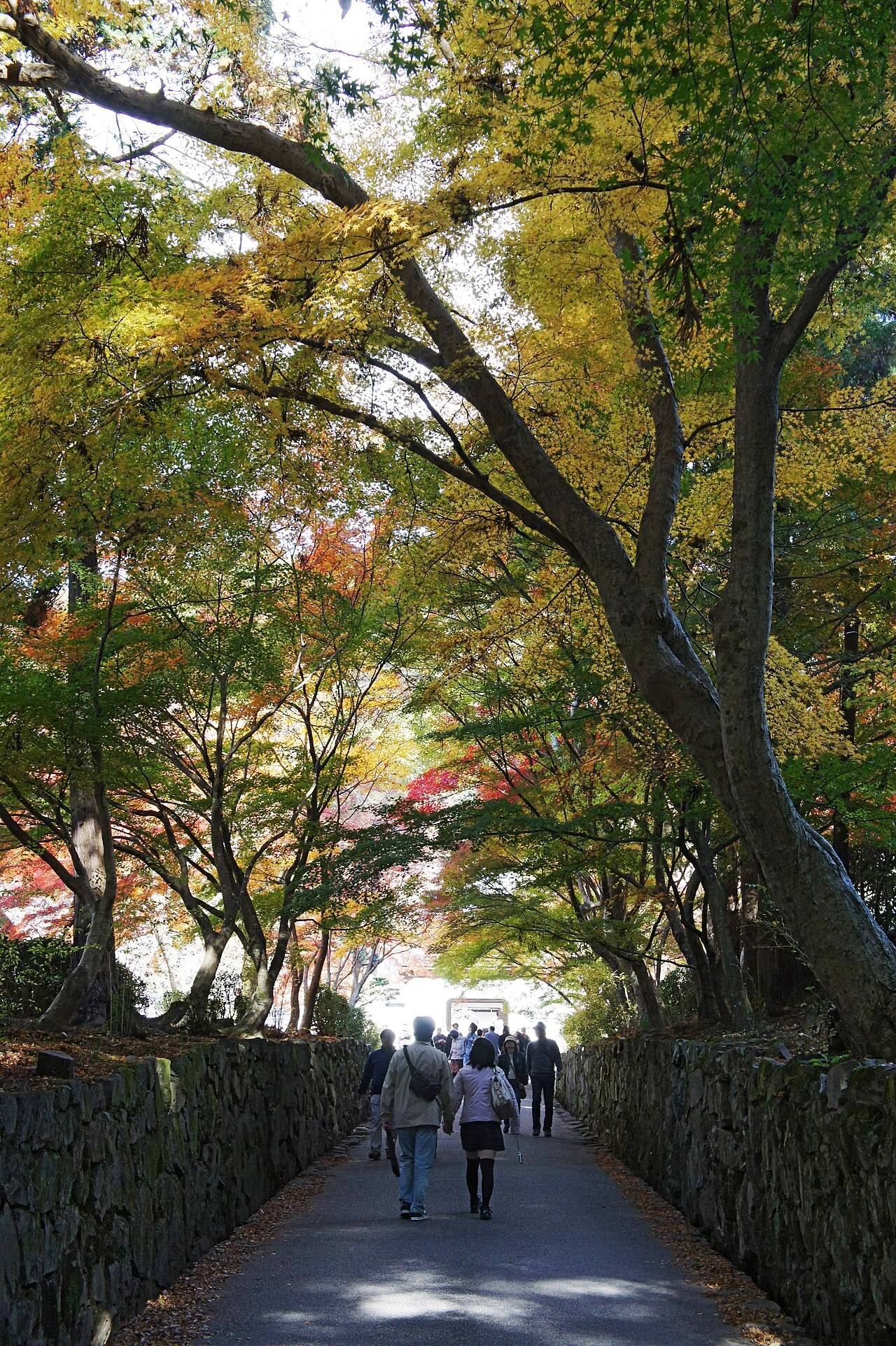
- 💴 Admission donation: ¥500, entry 10:00-16:00
- 🚉 Access: walk from Keihan Uji Station
Mimurotoji: An Autumn Garden at Temple No. 10 of the Saigoku Pilgrimage
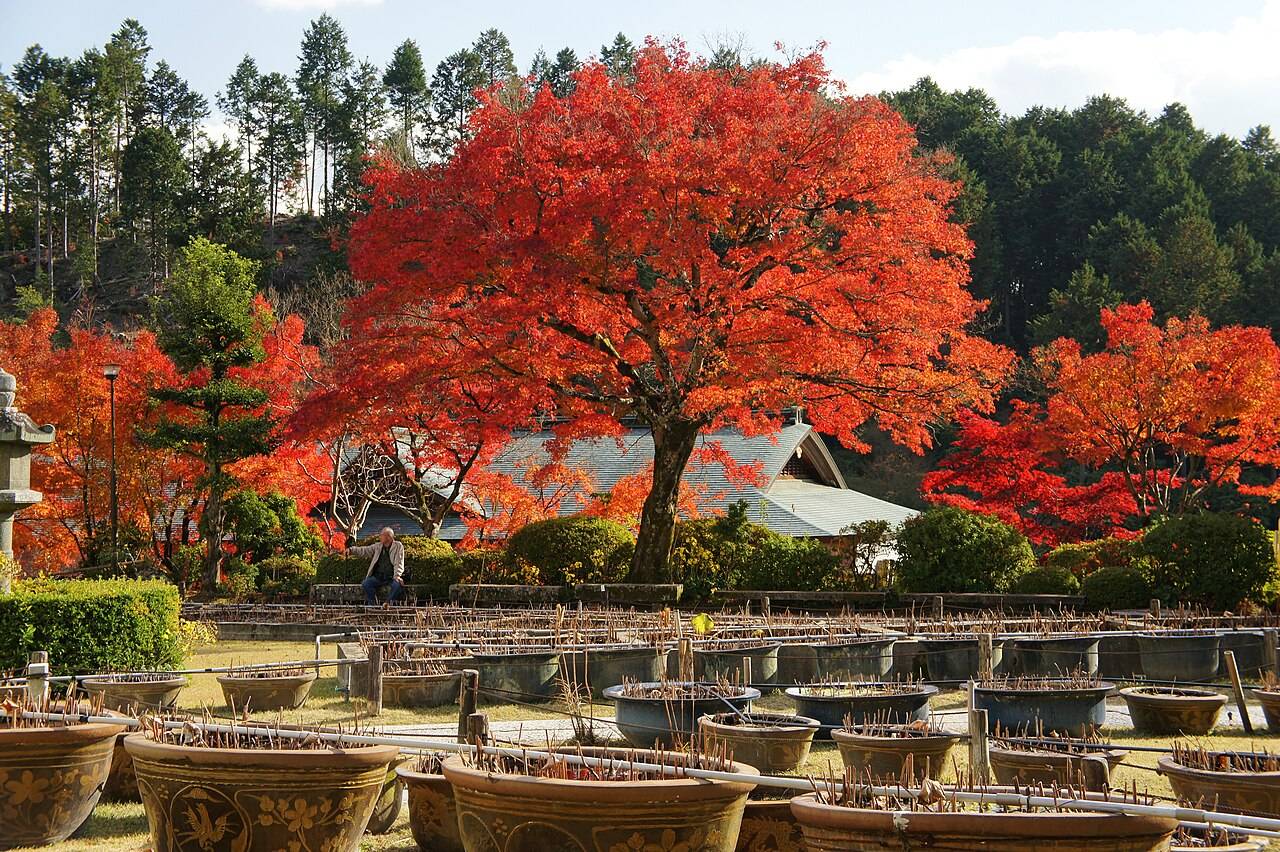
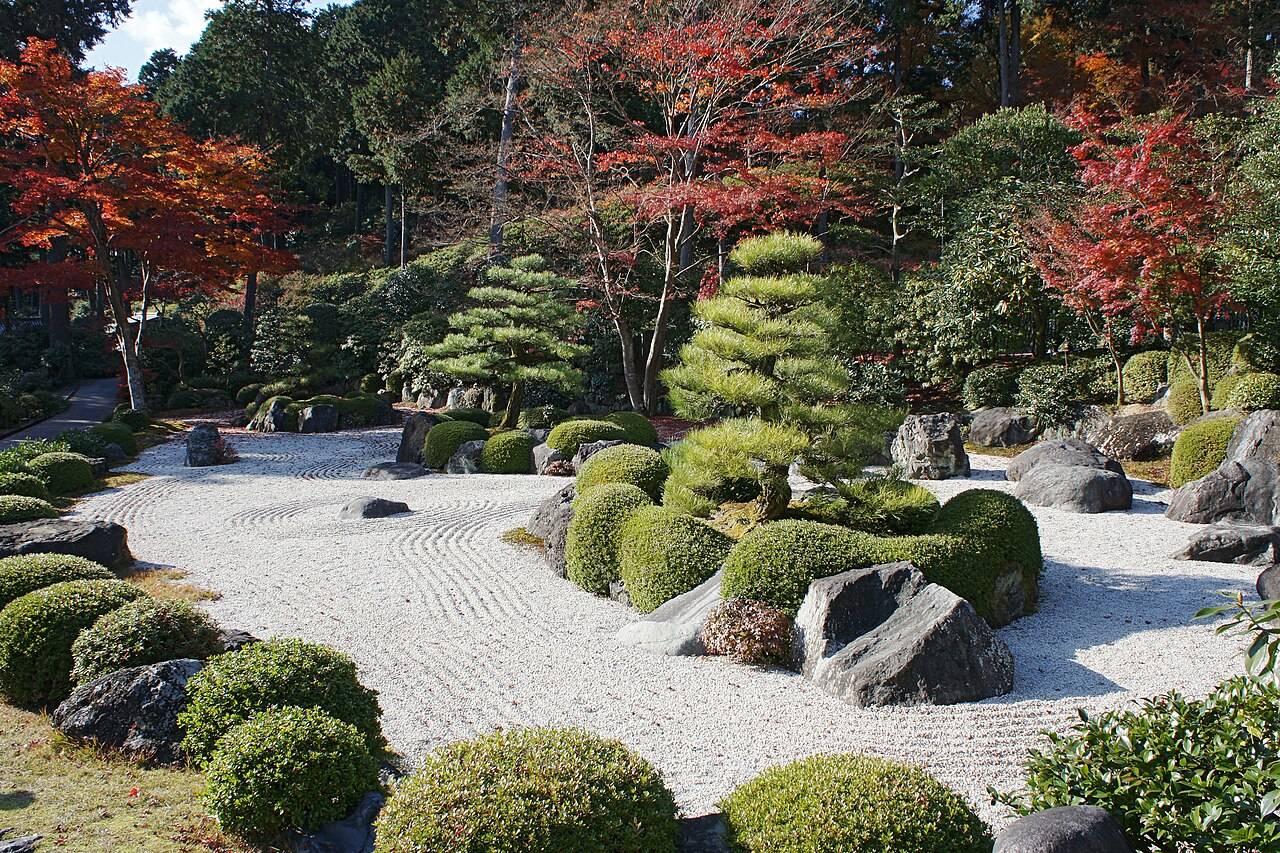
Mimurotoji is Temple No. 10 of the Saigoku 33 pilgrimage, and the maples in its garden are beautiful in the foliage season. Mimurotoji’s autumn leaves reach peak color at roughly mid-November.
The temple’s October 29 announcement said the garden was still mostly green, with color starting in some places. Weathernews forecasts peak color from November 16, so check the official garden report before you go.
On October 6 the temple announced a limited seasonal goshuin, “Mimuro Red Maple”, a ready-written sheet while supplies last. Food, drink, tripods and pets are banned inside. Weekend parking tends to fill up; the temple recommends public transport.
The temple is at 21 Todo Shigatani, Uji. The “Admission Guide” page on its official site lists admission fees, hours, and access.
Goshuin (temple stamp) service pauses from 12:00 to 13:00, so avoid that window.
- 🕘 Admission hours: 8:30-15:10 (last goshuin reception 15:10)
- 🎫 Admission fee: adults ¥1,000, children ¥500
- 📅 Closed: August 11-17 and December 29-31; admission is suspended when a weather warning is issued
- 🔗 Official page
Manpuku-ji: Ming-Dynasty Chinese-Style Halls and Autumn Leaves
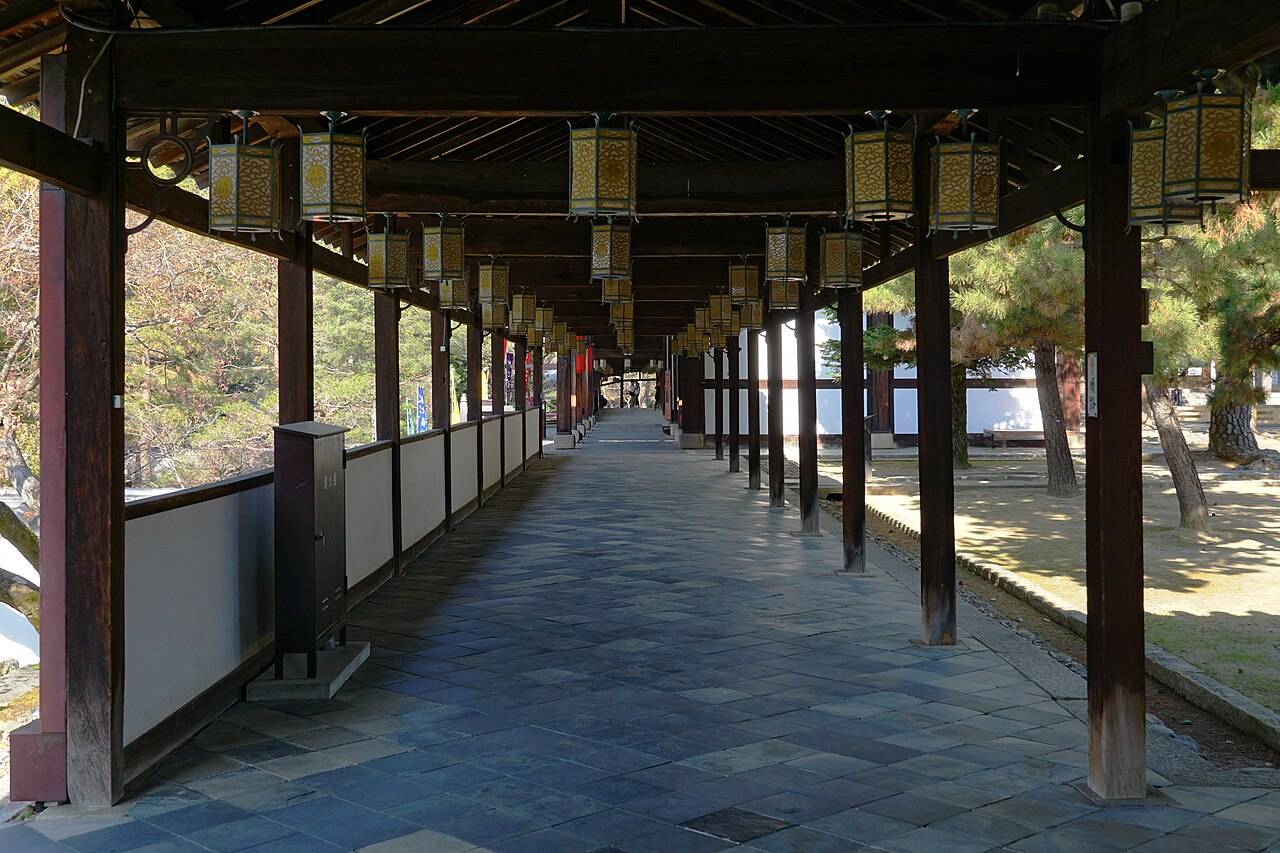
Manpuku-ji is the head temple of the Obaku sect, founded in 1661 by the Chinese monk Ingen Ryuki. Its Ming-style halls are rare among Japanese temples. The Tennoden, Daiyuhoden and Hatto are national treasures.
In 2026 it also has special evening admission. The dates and prices are in the admission summary below.
The main gate is in the pailou style, with a makara figure on the roof ridge, said to ward off evil. The founder, the monk Ingen, is the person who brought kidney beans (ingen-mame) to Japan.
Besides the 3 National Treasures, the grounds hold about 20 other Important Cultural Properties, including the corridors and plaques. On the second Sunday of each month (except February and August), the “Hotei Matsuri” market is held, and you can see the Hotei statue in the Tenno-den hall.
- 🕘 Admission hours: 9:00-17:00 (last entry 16:30)
- 🎫 Admission fee: adults ¥500, high school and university students ¥500, junior high and elementary school students ¥300
- 🚉 Access: about a 5-minute walk from Obaku Station on the Keihan Uji Line and JR Nara Line
- 🅿️ Parking: available
- 🔗 Official page
Uji Autumn Leaves Admission Summary and Evening Admission
Admission and Hours at Uji Autumn Leaves Spots
| Sights | Hours | Fee |
|---|---|---|
| Byodoin | Garden 8:45-17:30 | Garden + Hoshokan: adults ¥700; Phoenix Hall interior is an extra ¥300 |
| Ujigami Shrine | 9:00–16:30 | Free |
| Kosho-ji | 10:00-16:00 (admission reception) | Admission: voluntary donation ¥500 |
| Mimurotoji | 8:30–15:10 | Adults ¥1,000, children ¥500 |
| Manpuku-ji | 9:00-17:00 (last entry 16:30) | Adults ¥500 |
Byodoin Special Evening Admission 2026: Suspended This Fall
Byodoin’s special evening admission includes Phoenix Hall illumination and used to run each spring and fall. The September 9 announcement says it pauses after spring 2026, will not run in fall 2026, and has no resumption date.
Older information online may still mention evening illumination at Byodoin, which no longer applies in 2026. To see autumn leaves at night, go to Manpuku-ji’s special evening admission instead.
There is no evening admission, but the Hoshokan Museum is still open in the daytime. The third part of the special exhibition “Mononofu to Uji” runs from September 29 to December 13.
From November 2 to 27, the Hoshokan’s “Tobira-e no Ma” room is closed all day. At busy times, some exhibits may also be closed.
Manpuku-ji Special Evening Admission: Light Art and National Treasures
Manpuku-ji’s 2026 evening admission runs 17:00-21:00, with light art and night views of National Treasures and Important Cultural Properties. Adults ¥1,000, junior/senior high ¥500, elementary and under free; multilingual audio guide app ¥1,000.
The foliage-season dates are November 6-8, 13-15, 20-22 and 27-29, and in December 11-13, 18-20 and 25-27. There are other dates before February 21, 2027. For the full schedule, see the official announcement.
Evenings also offer a special Fucha bento and an evening sencha gathering, both by reservation only on the official site. On November 3, the Ingen Zenji Grand Tea Gathering runs 10:00-16:30, free to join, with a separate mountain admission fee.
Where to Stay When Visiting Uji: Around Kyoto Station and Kawaramachi
Accommodation for a Half-Day in Uji
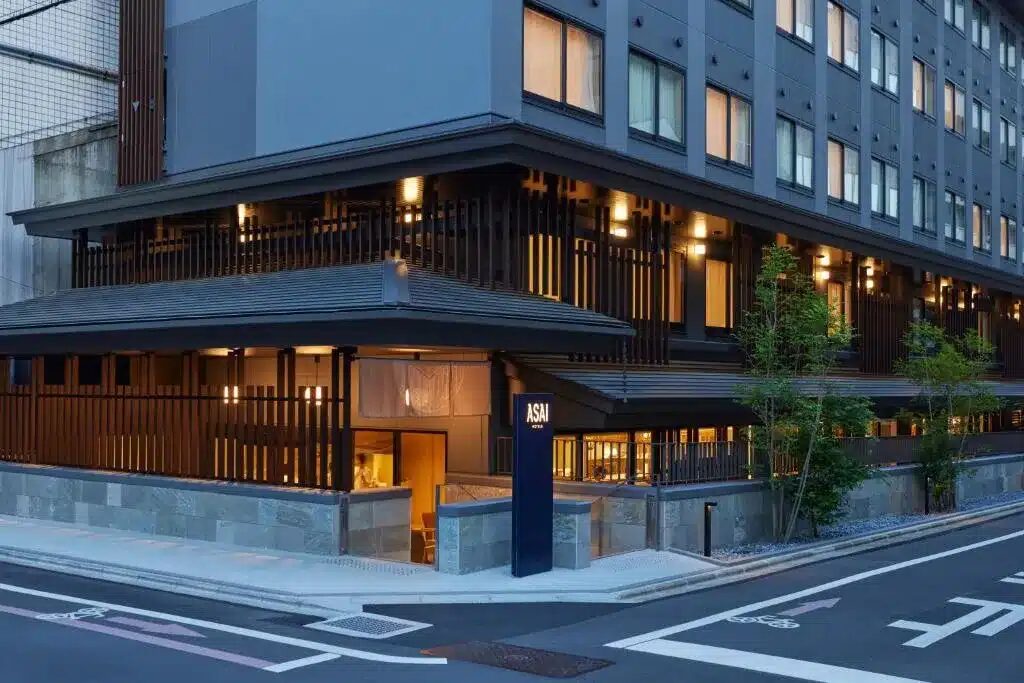
Uji is easy to visit as a same-day round trip, so you can stay around Kyoto Station or Kawaramachi. From Kyoto Station, take the JR Nara Line to Uji. From the Kawaramachi area, take the Keihan line and change to the Uji Line.
If you want to visit Uji in the morning, stay near Kyoto Station the night before and take an early train the next day, so you reach Byodoin ahead of the crowds.

FAQ
Q: When are the autumn leaves at their best in Uji?
Uji’s usual peak color is mid-November to early December. As of October 29, Mimurotoji’s garden report showed mostly green leaves, and Weathernews forecasts peak color from November 16. Recheck the official garden report before you go.
Q: Is there a special evening admission at Byodoin in 2026?
No. Byodoin has announced that it will not hold the special evening admission in fall 2026, and Phoenix Hall has no evening illumination. No resumption date is set.
Q: How do I get from Kyoto to Uji?
From Kyoto Station, take the JR Nara Line to JR Uji Station. You can also take the Keihan line to Chushojima and change to the Uji Line for Keihan Uji Station. Byodoin is about a 10-minute walk from both stations.
Q: Do I need a separate ticket for the inside of Byodoin’s Phoenix Hall?
Yes. In addition to the garden and Hoshokan set ticket, the interior requires a ¥300 donation; get a timed ticket at the interior admission desk in the garden. From October 16, 2026, each slot is capped at 35 instead of 50, so peak waits get longer.
Q: Where can I see autumn leaves in Uji?
The Uji River bank, Byodoin, Ujigami Shrine, Kosho-ji, Mimurotoji and Manpuku-ji are all foliage spots. The Uji River, Byodoin, Kosho-ji and Ujigami Shrine can be linked into one walking route, while Mimurotoji and Manpuku-ji require a train ride.